
(Important for OPSC OAS Examination – International Relations, India’s Foreign Policy, Energy Security, West Asia Geopolitics)
Introduction
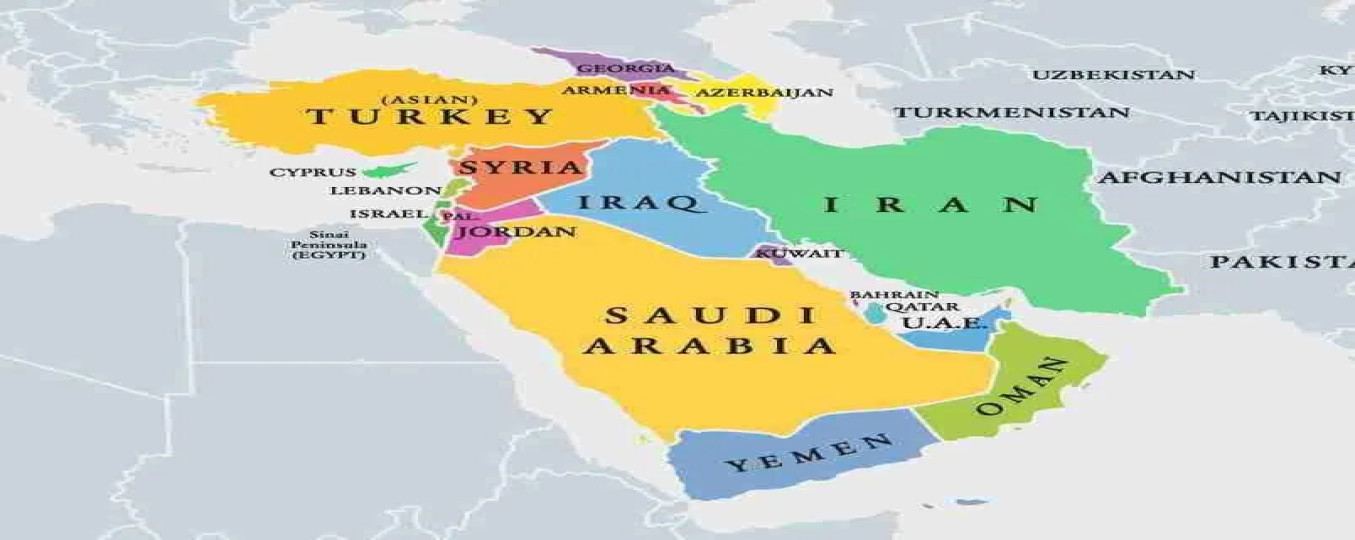
The ongoing conflict in West Asia involving Israel, Iran and the United States has triggered debate about whether India’s foreign policy in the region is becoming increasingly aligned with the U.S.–Israel axis. The issue carries major strategic importance for India because West Asia remains central to its energy security, trade connectivity, diaspora welfare, and geopolitical engagement. As tensions escalate, India faces the challenge of protecting diverse interests while maintaining its long-standing principle of strategic autonomy.
India’s Strategic Stakes in West Asia
India’s engagement with West Asia is multidimensional and deeply interconnected with its national interests.
Interests include:
-
Energy Security: A substantial share of India’s crude oil and liquefied natural gas imports originate from Gulf countries.
-
Trade and Investment Links: The region is an important trading partner and investment destination for Indian businesses.
-
Connectivity Initiatives: Projects such as the India–Middle East–Europe Economic Corridor (IMEC) aim to strengthen trade routes linking India with Europe through West Asia.
-
Diaspora Welfare: Nearly 10 million Indians live and work in Gulf countries, making their safety and economic well-being a major policy priority.
-
Strategic Partnerships: India maintains defence, economic, and diplomatic ties with multiple regional powers including Israel, Iran, and several Arab states.
Because of these diverse interests, India cannot afford to align exclusively with any single power bloc in the region.
India’s Diplomatic Response to the Current Conflict
India’s reaction to the Israel–Iran escalation has been notably cautious.
-
New Delhi has largely adopted a restrained diplomatic posture.
-
It has avoided taking strong public positions on sensitive developments such as:
-
Israeli strikes on Iranian targets
-
The reported killing of Iranian leadership figures
-
-
Official statements have generally focused on De-escalation, Dialogue, Regional stability
This calibrated response reflects India’s attempt to maintain strategic ambiguity and avoid alienating key partners.
Concerns About Perceived Alignment
Despite this cautious approach, some analysts argue that India may appear closer to Israel and the United States.
A key factor influencing this perception was Prime Minister Narendra Modi’s visit to Israel shortly before the escalation of hostilities.
Critics suggest that:
-
India’s silence on certain developments could be interpreted as implicit support for the U.S.–Israel position.
-
Growing defence and technology cooperation with Israel may reinforce this perception.
However, perceptions in geopolitics do not always reflect policy intent, and India’s broader engagement with other regional actors remains significant.
Importance of Balancing Regional Relationships
India’s West Asia policy has historically been guided by balance and multi-engagement.
India maintains strong relationships with multiple actors:
-
Israel: A key partner in defence technology, cybersecurity, agriculture, and innovation.
-
Iran: Strategically important for regional geopolitics, connectivity, and access to Central Asia.
-
Gulf Countries: Essential partners for energy supply, trade, investment, and employment for Indian workers.
Maintaining equilibrium among these relationships is crucial for preserving India’s strategic autonomy.
Challenges in India–Iran Relations
While Iran remains strategically significant, India–Iran relations face certain limitations.
-
Economic engagement remains relatively narrow beyond energy trade and development of the Chabahar port
However, Iran continues to play a vital strategic role for India.
It offers:
-
Access to Central Asia through alternative connectivity routes.
-
A gateway to Afghanistan for diplomatic and economic engagement.
-
Strategic depth in regional geopolitics.
Thus, maintaining constructive relations with Iran remains important despite geopolitical pressures.
Influence of Global Power Politics
West Asia’s geopolitical environment is heavily influenced by the policies of the United States.
India must navigate a delicate diplomatic landscape:
-
Strengthening ties with the U.S. and Israel in areas such as defence, technology, and strategic cooperation.
-
Simultaneously preserving relations with Iran and Arab states to protect energy security and regional access.
This balancing act reflects India’s broader foreign policy approach of multi-alignment rather than rigid alliances.
Impact on Regional Connectivity Initiatives
Escalating tensions in West Asia could disrupt important economic and connectivity projects.
The India–Middle East–Europe Economic Corridor (IMEC) is particularly vulnerable to regional instability.
Potential impacts include:
-
Delays in infrastructure development.
-
Increased risks to maritime and land trade routes.
-
Volatility in global energy prices.
Such disruptions could affect not only India’s trade ambitions but also the broader regional economic architecture.
The Way Forward for India
To safeguard its long-term interests, India will need to continue pursuing a balanced diplomatic strategy.
Key priorities include:
-
Maintaining strategic autonomy in foreign policy decisions.
-
Encouraging dialogue and peaceful resolution of regional conflicts.
-
Engaging constructively with all stakeholders in West Asia.
-
Protecting energy security and ensuring the safety of the Indian diaspora.
Such an approach allows India to remain flexible in a rapidly changing geopolitical environment.
Conclusion
West Asia remains one of the most strategically sensitive regions for India’s foreign policy. The current conflict highlights the complexity of managing relationships with multiple competing actors while safeguarding national interests. India’s cautious diplomatic posture reflects the need for strategic balance rather than alignment with any single bloc. Preserving independent decision-making and diplomatic flexibility will be essential for navigating the region’s volatile geopolitics and protecting India’s long-term economic and security interests.