Introduction
The recent deadly explosion in an illegal rat-hole mine in Meghalaya is not an aberration; it is part of a grim and recurring pattern. Each such incident briefly captures national attention, only to fade without structural correction. The tragedy underlines a hard truth: court orders, bans, and judicial interventions cannot substitute for effective, grounded governance. Illegal mining in Meghalaya continues not because laws are absent, but because enforcement, accountability, and livelihood alternatives remain weak.
Why Illegal Mining Persists in Meghalaya
Illegal mining in Meghalaya’s coal belt is sustained by a unique mix of geography, economy, and governance gaps.
-
Coal-bearing areas are characterised by:
-
Small, fragmented, privately or community-owned landholdings
-
Thin coal seams that are unsuitable for mechanised mining but ideal for rat-hole methods
-
-
Enforcement challenges include the following factors:
-
Weak local regulatory capacity
-
Overlapping authority and fragmented ownership
-
Limited monitoring of extraction and transport
-
-
Illegal coal often enters legal markets through intermediaries and it gets laundered via false documentation and transport routes
-
But in critical perspective, Coal income supports large sections of the local population and this economic dependence creates social tolerance for illegality
As long as coal remains one of the few viable income sources, illegality becomes normalised.
The Nature of Rat-Hole Mining
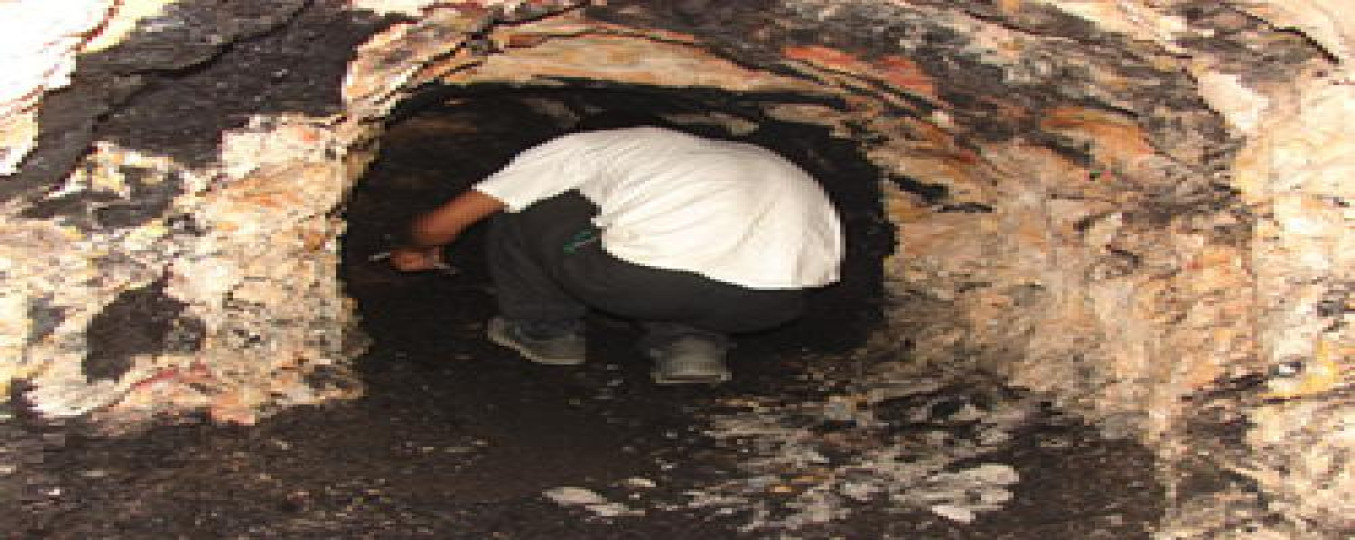
Rat-hole mining is among the most dangerous forms of extraction.
-
It is entirely unscientific and conducted through narrow tunnels dug by hand
-
Safety features are virtually non-existent where there is no engineered roof support, No side-wall protection, and no ventilation or emergency exits
-
Consequences include Frequent tunnel collapses and High mortality and serious injuries
-
Long-term impacts are severe but underreported:
-
Acid mine drainage contaminating rivers and groundwater
-
Destabilised land and subsidence
-
Chronic respiratory and occupational health issues
-
-
Child labour and informal employment often remain invisible to official records and Outside labour law protections
Each accident reflects not just individual risk-taking, but institutional abandonment.
Why Judicial Bans Have Failed
Despite a 2014 ban by the National Green Tribunal, rat-hole mining has continued with distressing regularity.
-
Accountability is diluted through contractor-based operations, informal labour arrangements and Layers of intermediaries
-
Workers are rarely on official rolls and there is lack identity, contracts, or insurance
-
Accidents are go underreported and are often explained away as “isolated incidents”
-
Patronage networks shield operators from sustained enforcement and undermine deterrence
A ban without monitoring capacity merely drives the activity deeper underground.
Rethinking the Policy Approach
Illegal mining cannot be tackled as a simple law-and-order problem.
-
Effective strategy requires making illegal mining:
-
Operationally prohibitive – difficult to extract, move, and sell coal illegally
-
Socially expensive – costly in terms of community acceptance and accountability
-
-
Purely punitive approaches like pushing the activity further into informality and increase worker vulnerability without dismantling networks
The focus must shift from symbolic prohibition to systemic disruption.
What Needs to Be Done: Enforcement and Technology
A credible enforcement strategy must raise the cost of illegality at every stage.
-
Extraction and transport controls:
-
Mandatory GPS tracking for coal transport vehicles
-
Route-based validation of coal consignments
-
Real-time tracking to flag deviations
-
-
Monitoring tools:
-
Satellite imagery and drone surveillance
-
Integration with district and State-level control rooms
-
-
Legal action:
-
Cancellation of licences
-
Seizure of illegally mined coal
-
Blacklisting of transporters and intermediaries
-
Swift prosecution of repeat offenders
-
Targeting only workers is ineffective; contractors and middlemen must be the primary focus.
Community and Governance Measures
Local participation is essential to break entrenched networks.
-
Enable community monitoring by:
-
Offering incentives for verified reporting
-
Sharing a portion of penalties with local bodies
-
-
Strengthen administration:
-
Rotate officials in hotspot districts to prevent local capture
-
Conduct independent audits of mining permits and transport records
-
-
Transparency:
-
Public disclosure of permits, routes, and enforcement actions
-
Citizen access to grievance and reporting mechanisms
-
Without community buy-in, enforcement will remain episodic.
The Livelihood Question
Illegal mining persists because it provides income where alternatives are scarce.
-
Enforcement without livelihood substitution is unsustainable.
-
The State must actively create economic alternatives:
-
Credit and market linkages for horticulture and agro-based activities
-
Support for MSMEs and local entrepreneurship
-
Employment in construction, tourism, and public works
-
-
Absorbing informal mining labour into safer, legal sectors is essential to:
-
Reduce resistance to enforcement
-
Prevent reversion to illegal extraction
-
Dismantling illegal mining requires dismantling the informal labour market that feeds it.
Conclusion
Illegal rat-hole mining in Meghalaya is not merely an environmental or labour issue; it is a systemic governance failure. The recurring deaths are not accidents, but outcomes of weak enforcement, economic dependence, and institutional neglect. Judicial bans alone cannot solve a problem rooted in livelihood insecurity and regulatory collapse. Only a coordinated approach—combining technology-driven enforcement, accountability for intermediaries, community participation, and credible livelihood alternatives—can end the deadly regularity of illegal mining. Without this, tragedies will continue to repeat, each one more predictable than the last.