
Introduction
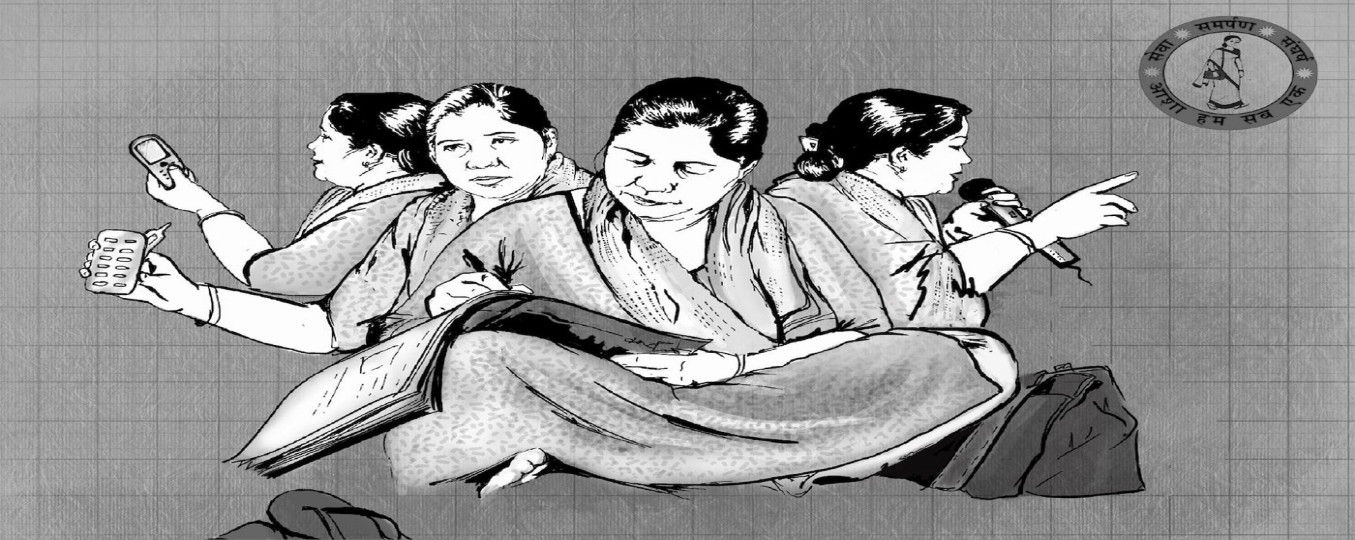
Across the world, and particularly in societies like India, a vast amount of work that keeps families, communities, and economies functioning remains invisible in official statistics. This is the labour performed largely by women inside homes and communities—unpaid domestic work, caregiving for children and the elderly, and emotional labour that sustains households and social relationships. Although this work is essential for the reproduction of the workforce and the smooth functioning of society, it is rarely counted in economic measures such as GDP and rarely recognised in public policy. The struggle to count women’s labour is therefore not just a technical issue of statistics, but a deeper question about how societies define “work”, value human effort, and distribute power and resources.
The Scale and Extent of Invisible Labour
-
Across countries and cultures, women spend significantly more time than men on unpaid care and domestic work.
-
This includes:
-
Cooking, cleaning, fetching water and fuel
-
Caring for children, the sick, and the elderly
-
Managing households and performing emotional labour that holds families together
-
-
This labour:
-
Sustains families on a daily basis
-
Enables other household members to participate in paid work
-
Indirectly underpins the entire economy by reproducing and maintaining the labour force
-
-
Yet, because this work does not pass through markets and does not generate wages, it is largely excluded from economic accounting systems and policy priorities.
Structural Reasons Behind the Invisibility of Women’s Work
-
Modern economic frameworks prioritise:
-
GDP growth
-
Physical infrastructure
-
Market-based production
-
-
Social infrastructure, such as care systems and household labour, is treated as secondary or invisible.
-
Care work is often labelled as “non-productive” because it does not directly create market transactions, even though it is essential for sustaining productivity elsewhere.
-
The gendered division of labour, deeply rooted in social norms and patriarchy, assigns caregiving and domestic responsibilities primarily to women.
-
Public spending priorities frequently reflect these biases:
-
Investment in childcare, elder care, and mental health services remains inadequate
-
The burden of care is implicitly shifted back onto households, and within households, onto women
-
The Ideological Dimension of the Problem
-
Historically, economic thinking has drawn a sharp line between:
-
“Productive” work in the market
-
“Reproductive” work in the home
-
-
This separation has systematically subordinated women’s labour by:
-
Treating care work as natural, instinctive, or a moral duty rather than as real work
-
Denying it social status, economic value, and political recognition
-
-
The non-recognition of women’s labour reinforces:
-
Unequal power relations within households
-
Economic dependence of women on male earners
-
The perception that women are “secondary” contributors to the economy, even when they work longer total hours than men
-
Legal and Policy Gaps
-
Only a few countries in the world have:
-
Constitutional or legal recognition of unpaid care work
-
Social security systems that explicitly acknowledge caregiving roles
-
-
In India:
-
There is no comprehensive legal framework that formally recognises or compensates unpaid domestic and care labour, including emotional labour
-
Economic and labour laws remain focused almost entirely on paid, market-based work
-
-
Some judicial interventions have begun to challenge this silence, for example:
-
Court observations recognising women’s contribution to family assets and household prosperity
-
-
However, these remain:
-
Fragmented
-
Case-specific
-
Insufficient to bring about a structural change in how women’s work is valued
-
-
Globally, some countries have experimented with:
-
Time-use surveys to measure unpaid work
-
Monetary valuation of household and care labour
-
Pension credits or social security benefits for caregivers
-
-
These initiatives show that policy alternatives are possible, but they are still far from universal.
Consequences of Not Counting Women’s Labour
-
When unpaid care work is not recognised:
-
Women’s real economic contribution is systematically underestimated
-
Policy planning remains blind to the true workload and time poverty faced by women
-
-
This invisibility:
-
Limits women’s participation in the formal economy
-
Constrains their access to education, skills, and paid employment
-
-
It also perpetuates:
-
The feminisation of unpaid care work
-
Intergenerational cycles where daughters inherit the same invisible burdens as their mothers
-
-
In the long run, this leads to:
-
Lower female labour force participation
-
Wasted human potential
-
Slower and more unequal economic development
-
The Way Forward: Rethinking Work and Value
-
The first step is to redefine the very idea of “work” to include:
-
Unpaid domestic labour
-
Care work
-
Emotional and social labour
-
-
Care work must be:
-
Systematically measured through time-use surveys
-
Integrated into national accounts and development planning
-
-
Governments need to invest much more in:
-
Childcare services
-
Elder care systems
-
Public health and mental health infrastructure
-
-
Such investment does not replace families, but:
-
Reduces the unpaid burden on women
-
Frees time for education, paid work, and participation in public life
-
-
Equally important is promoting:
-
Shared responsibility for care between men and women
-
Social and cultural change that treats caregiving as a collective social responsibility, not a women’s duty alone
-
Conclusion
The struggle to count women’s labour is, at its core, a struggle over what societies choose to value. As long as unpaid domestic and care work remains invisible in economic thinking, women’s contributions will continue to be underestimated and their opportunities constrained. Recognising, measuring, and supporting care work is not merely a matter of gender justice; it is a prerequisite for building a more humane, resilient, and inclusive economy. By redefining work, investing in social infrastructure, and redistributing care responsibilities, societies can finally begin to acknowledge that the labour which sustains life itself is not peripheral to the economy—it is its very foundation.