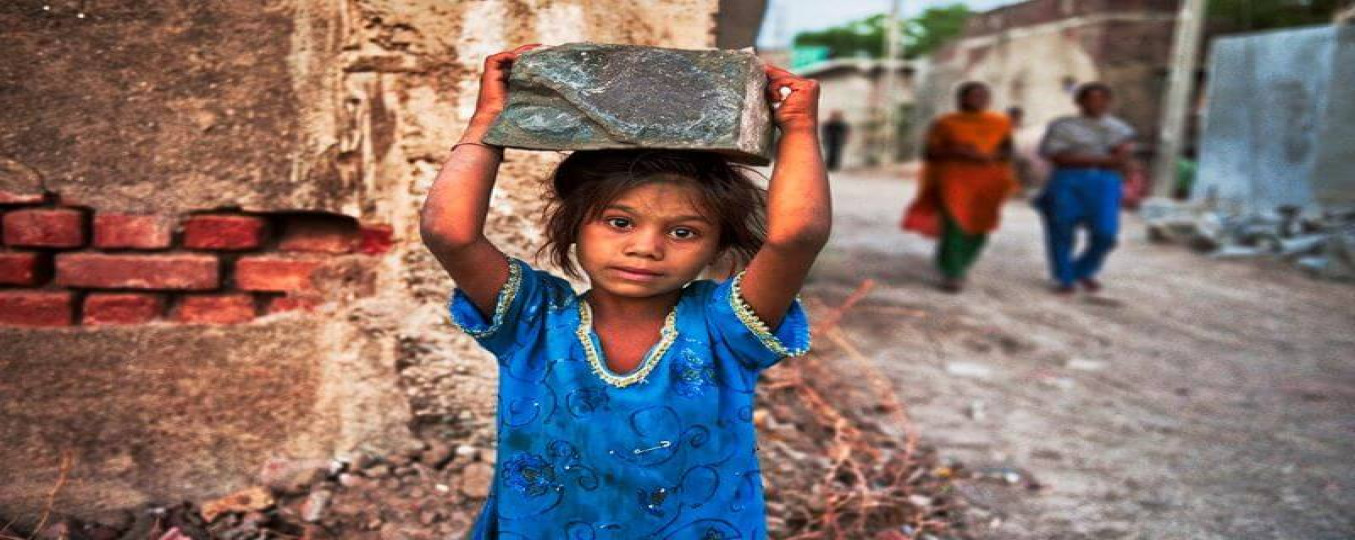
Child trafficking is one of the gravest forms of exploitation and a serious violation of human rights. In India, it remains a hidden yet deeply entrenched crime, affecting thousands of children every year. It attacks the dignity, bodily integrity, childhood, and future of victims, and reflects systemic failures in social protection, governance, and justice delivery.
For OPSC OAS aspirants, child trafficking is a highly relevant topic under GS Paper-I (Society), GS Paper-II (Polity & Governance), Ethics, and Essay, with strong linkage to constitutional values and recent judicial pronouncements.
What is Child Trafficking?
Child trafficking refers to the recruitment, transportation, transfer, harbouring, or receipt of children for the purpose of exploitation. Unlike adult trafficking, consent is legally irrelevant in cases involving children.
Major Forms of Child Trafficking in India
-
Sexual exploitation and abuse
-
Forced labour and bonded labour
-
Forced begging
-
Illegal adoption
-
Child marriage
-
Organ trafficking
Each of these forms strips children of their basic rights to safety, education, health, and development.
Nature and Characteristics of the Problem
Child trafficking in India is not random or isolated; it is:
-
Organised and network-based, involving recruiters, transporters, employers, and exploiters
-
Operated through layered processes: recruitment → transportation → harbouring → exploitation
-
Often inter-state and cross-border, making detection and prosecution difficult
Profile of Victims
Most trafficked children come from:
-
Poor, marginalised, or socially backward communities
-
Migrant families and disaster-prone regions
-
Areas with low literacy and weak social safety nets
Children are frequently deceived with false promises of jobs, education, or marriage, while families may remain unaware or powerless.
Why Does Child Trafficking Persist?
Despite multiple laws, the crime continues due to:
-
Poverty, unemployment, and distress migration
-
Weak enforcement and corruption
-
Social stigma, silence, and fear of retaliation
-
Low reporting and poor conviction rates
This shows that trafficking is not merely a law-and-order issue, but a developmental and governance challenge.
Judicial Perspective: Supreme Court’s Recent Observations
The Supreme Court of India has recently described child trafficking as a “deeply disturbing reality”, and laid down important victim-centric principles.
Judicial Principles
-
Minor inconsistencies in a child’s testimony must not discredit the victim
-
A trafficked child should be treated as an injured witness, not an accomplice
-
Conviction can be based solely on the victim’s testimony, if it is credible
-
Courts must avoid secondary victimisation during investigation and trial
-
Judicial processes must be sensitive, realistic, and trauma-informed
These observations reflect a shift from technical formalism to substantive justice.
Vulnerability of Child Victims
Trafficked children suffer from multiple layers of vulnerability:
Socio-Economic and Cultural Factors
-
Poverty and unemployment
-
Caste and gender-based discrimination
-
Lack of family and community protection
Psychological Impact
-
Trauma, fear, and loss of trust
-
Difficulty in recalling events consistently
-
Silence due to coercion or shame
Organised trafficking networks deliberately exploit illiteracy, social exclusion, and power imbalance.
Legal Framework Against Child Trafficking in India
Constitutional Safeguards
-
Article 23: Prohibits trafficking in human beings and forced labour
-
Article 24: Prohibits child labour in hazardous occupations
Key Legislations
-
Immoral Traffic (Prevention) Act, 1956
-
Juvenile Justice (Care and Protection of Children) Act, 2015
-
Protection of Children from Sexual Offences (POCSO) Act, 2012
-
Bonded Labour System (Abolition) Act, 1976
-
IPC Sections 370 and 370A dealing with trafficking offences
Together, these provide a comprehensive legal framework, but effectiveness depends on implementation.
Challenges in Addressing Child Trafficking
-
Under-reporting due to fear, stigma, and social pressure
-
Poor inter-state and inter-agency coordination
-
Inadequate rehabilitation, counselling, and reintegration facilities
-
Delays in investigation and trial
-
Insensitive interrogation and lack of child-friendly procedures
These gaps often result in re-victimisation and denial of justice.
Importance of Judicial Sensitivity
Courts must recognise that:
-
Trafficked children may recall events inconsistently due to trauma
-
Immediate resistance or complaint is often impossible due to fear or control
Hence, the judiciary should:
-
Avoid rigid notions of “normal human conduct”
-
Focus on substance over procedural technicalities
-
Ensure child-friendly and non-intimidating court environments
Judicial sensitivity is not leniency; it is constitutional compassion.
Way Forward: A Multi-Dimensional Approach
Strengthening Prevention
-
Poverty alleviation and universal education
-
Community awareness and local vigilance mechanisms
Improving Enforcement
-
Specialised anti-trafficking units
-
Faster investigation and time-bound trials
Victim-Centric Justice
-
Trauma-informed judicial processes
-
Long-term rehabilitation, counselling, and social reintegration
Institutional Coordination
-
Strong linkage between police, judiciary, NGOs, and Child Welfare Committees
Conclusion
Child trafficking is not merely a crime, but a systemic failure of protection and governance.
The Supreme Court’s emphasis on credibility, sensitivity, and realism marks a progressive shift in India’s justice system.
Effective elimination of child trafficking requires:
-
Strong laws,
-
Compassionate and informed justice, and
-
Robust social support systems that place the child at the centre of policy and practice.