
Current Affairs
Stay updated with the latest national and international events.
31 October 2025
Ministry of Education Launches AI and Computational Thinking Curriculum for Schools
What’s the News?
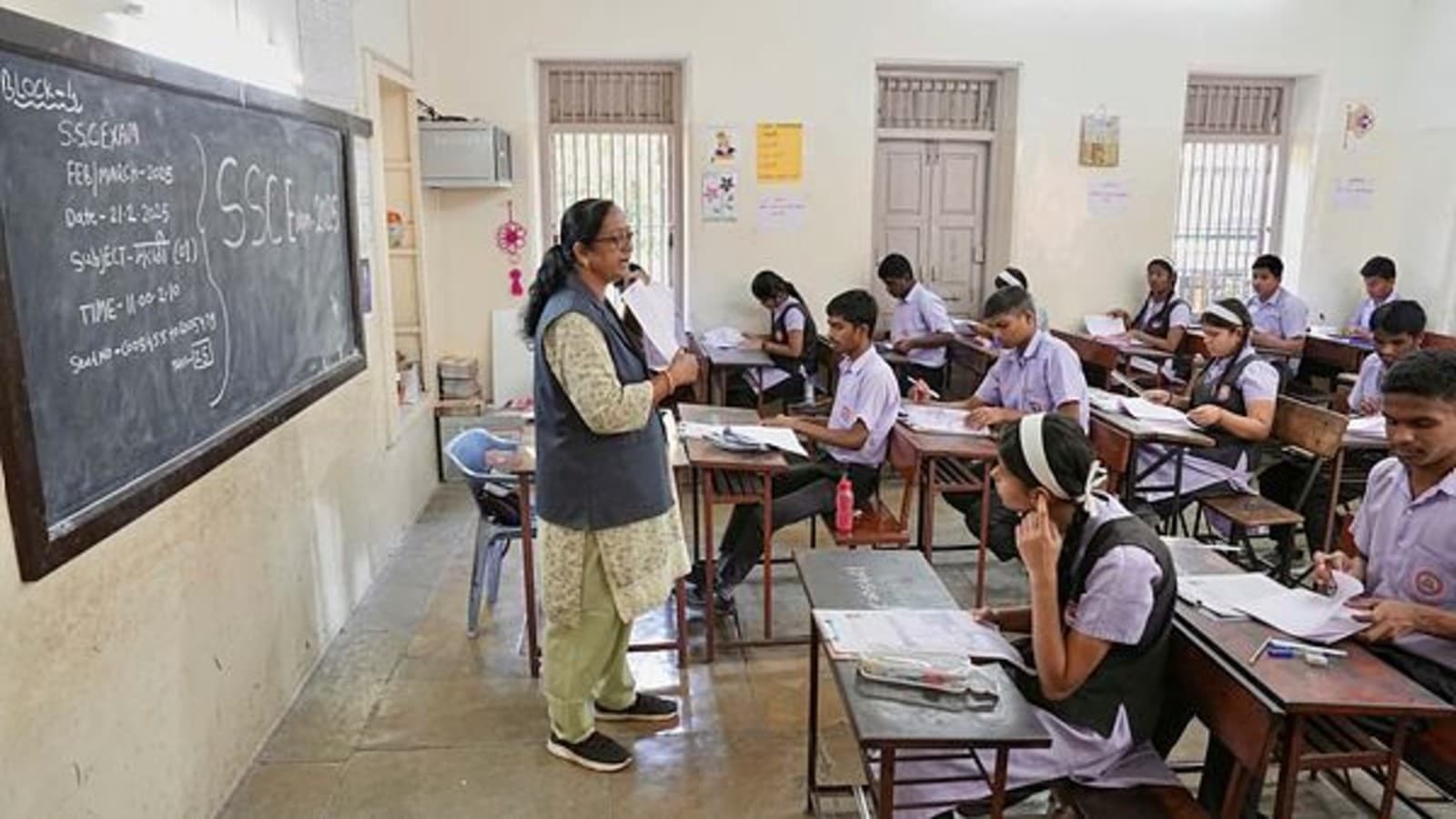
- The Ministry of Education (MoE), in collaboration with Intel India, has introduced a comprehensive curriculum on Artificial Intelligence (AI) and Computational Thinking (CT).
- This new curriculum is designed for all students from Class 3 to Class 12.
- The initiative aims to create an "AI-ready generation" by equipping students with essential 21st-century skills, aligning with the goals of the National Education Policy (NEP) 2020.
Key Objectives and Focus
- Skill Development: The primary goal is to foster critical thinking, problem-solving, creativity, and innovation among students.
- Beyond Coding: The curriculum's focus extends beyond technical coding to include foundational skills such as:
- Data literacy
- Understanding AI models
- AI ethics and safety
- Practical applications of AI
Curriculum Structure
- The curriculum is structured progressively to suit different age groups:
- Foundational (Classes 3-5): Introduces basic AI concepts and foundational computational thinking.
- Preparatory (Classes 6-8): Focuses on data literacy and the fundamentals of AI models.
- Middle & Secondary (Classes 9-12): Covers advanced AI topics, ethical considerations, and practical, project-based learning.
- Implementation: The rollout will be conducted in phases, beginning with pilot schools, and includes a strong emphasis on teacher training to ensure effective delivery.
Policy Context: National Education Policy 2020
- This initiative is a direct implementation of the vision set forth in the National Education Policy (NEP) 2020.
- NEP 2020 strongly advocates for:
- The integration of technology and AI at all levels of education.
- The development of computational thinking and coding as essential modern skills.
- A pedagogical shift from rote memorisation to conceptual understanding and critical thinking.
Sources
Nation Celebrates Sardar Patel’s 150th Birth Anniversary as Rashtriya Ekta Diwas

What’s the News?
- The nation commemorated the 150th birth anniversary of Sardar Vallabhbhai Patel, celebrated as Rashtriya Ekta Diwas (National Unity Day).
- Tributes were paid to his contributions as the "Iron Man of India", acknowledging his pivotal role in unifying the nation.
- The celebrations highlighted his vision for 'Ek Bharat, Shreshtha Bharat' (One India, Foremost India).
Contribution to National Integration
- As India's first Deputy Prime Minister and Home Minister, Sardar Patel undertook the monumental task of integrating over 565 princely states into the newly independent Indian Union.
- His decisive leadership and strategic diplomacy were crucial in preventing the fragmentation of the country.
Economic Philosophy
- Sardar Patel was a strong proponent of private enterprise and the protection of property rights.
- His economic vision often stood in contrast to the prevailing socialist sentiments of the era, as he expressed concerns about widespread nationalization.
- He championed a model of 'trusteeship' (similar to Mahatma Gandhi's concept), where private capital and industry were viewed as instruments for public good.
- His emphasis on indigenous industrial capacity and economic self-reliance is seen by many as an early foundation for the concept of 'Aatmanirbhar Bharat' (self-reliant India).
Additional Info
- Key Roles in Freedom Struggle:
- He played a significant leadership role in major peasant movements, including the Kheda Satyagraha and the Bardoli Satyagraha.
- He earned the title 'Sardar' (Chief) from the women of Bardoli for his leadership during the successful tax revolt.
- Father of All India Services:
- He is renowned as the "Father of the All India Services" for his crucial role in establishing the framework for the Indian Administrative Service (IAS) and the Indian Police Service (IPS).
- He believed a strong, independent, and unified civil service was essential for maintaining national integration and administrative integrity.
Sources
Model Youth Gram Sabha Initiative Launched to Strengthen Grassroots Democracy Among Students

What’s the News?
- The Ministry of Panchayati Raj, in collaboration with the Ministry of Education (DoSEL) and the Ministry of Tribal Affairs, has launched the Model Youth Gram Sabha (MYGS) Initiative nationwide.
- The program aims to provide school students with hands-on experience in grassroots democratic processes through simulated Gram Sabha sessions.
- It will be implemented across 1,000+ schools, including Jawahar Navodaya Vidyalayas (JNVs), Eklavya Model Residential Schools (EMRSs), and state government schools.
About the Model Youth Gram Sabha (MYGS)
- Objective:
- Foster democratic leadership, civic awareness, and participatory governance among students.
- Align experiential learning with National Education Policy (NEP) 2020’s vision of value-based, community-oriented education.
- Key Components:
- Training modules and a dedicated MYGS digital portal for structured learning and resource access.
- Mock Gram Sabha sessions focusing on collective decision-making, transparency, and accountability.
- Emphasis on “learning by doing”, teamwork, and real-life exposure to Panchayati Raj Institutions (PRIs).
- Future Expansion:
- Proposal to extend the model to urban areas through Model Ward Sabhas for city-based students.
Additional Info
- Constitutional & Policy Linkages:
- 73rd Constitutional Amendment (1992): Institutionalized Gram Sabhas as foundational units of rural democracy.
- NEP 2020: Advocates experiential learning, community participation, and ethical reasoning in school education.
- Key Stakeholders:
- Ministry of Panchayati Raj: Nodal agency for PRI-related reforms and capacity building.
- DoSEL & Ministry of Tribal Affairs: Ensure curriculum integration and inclusive outreach.
Sources
India Granted Six-Month US Sanctions Waiver for Chabahar Port Operations
What’s the News?
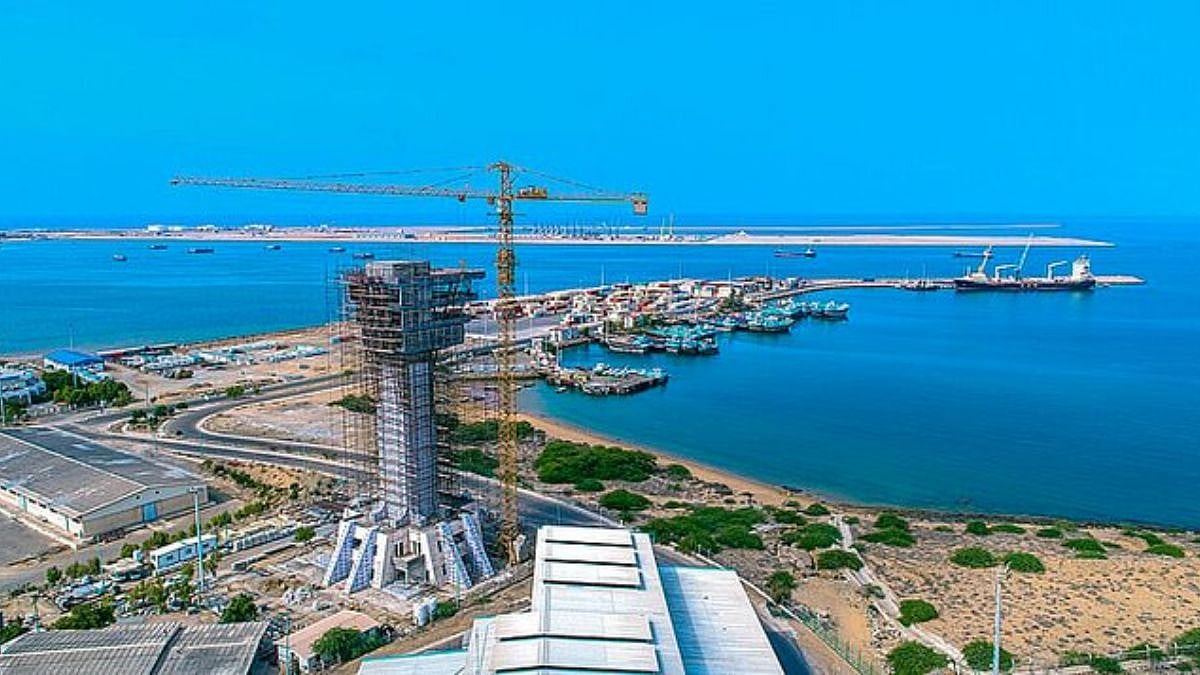
- The United States has granted India a six-month sanctions waiver for the operation and development of the Chabahar Port in Iran, confirmed by the Ministry of External Affairs (MEA).
- The exemption allows India Ports Global Limited (IPGL)—the joint venture between Jawaharlal Nehru Port Trust and Kandla Port Trust—to resume port operations without facing penalties under the Iran Freedom and Counter-Proliferation Act (IFCA).
- The waiver follows the revocation of a prior exemption in September 2025 and comes amid US pressure on India to reduce oil imports from Russia.
About Chabahar Port
- Location & Structure:
- Situated in southeastern Iran, on the Gulf of Oman, in Sistan and Baluchistan Province.
- Comprises two terminals: Shahid Beheshti (operated by India since December 2018) and Shahid Kalantari.
- Iran’s only oceanic port with direct access to the Indian Ocean, located ~170 km west of Pakistan’s Gwadar Port.
- Strategic Objectives:
- Provides India bypass access to Afghanistan and Central Asia, circumventing Pakistan.
- Serves as a critical node in the International North–South Transport Corridor (INSTC), linking India to Russia, Europe, and Central Asia via Iran.
- Counters China’s China–Pakistan Economic Corridor (CPEC) influence in the region.
- Historical Milestones:
- Initial agreement between India and Iran signed in 2003; delayed due to international sanctions.
- Trilateral Transit Agreement signed with Afghanistan in 2016.
- India formally assumed operations of two berths at Shahid Beheshti Terminal in December 2018.
Significance of the Waiver
- Trade & Connectivity: Enables uninterrupted movement of humanitarian aid and commercial goods to Afghanistan and beyond.
- Geopolitical Balancing: Reflects India’s delicate diplomacy between US expectations (on Russian oil) and strategic autonomy in engaging Iran and Russia.
- Economic Relief: May lead to a 25% reduction in US tariffs on Indian goods, previously elevated due to India’s Russian oil imports.
Additional Info
- US Sanctions Context:
- Waivers have been periodically issued since the Obama administration, typically lasting 6–9 months, but never a permanent exemption.
- Current waiver seen as tactical, possibly linked to US domestic politics and India’s gradual reduction of Russian oil imports.
- India–Afghanistan Linkage:
- Chabahar is vital for India’s development partnership with Afghanistan, including projects like the Salma Dam (India–Afghanistan Friendship Dam).
- India recently upgraded its Kabul mission to a full embassy and pledged support for Afghanistan’s Kunar River hydroelectric projects.
Sources
Afghanistan Rejects Durand Line as Official Border with Pakistan
What’s the News?
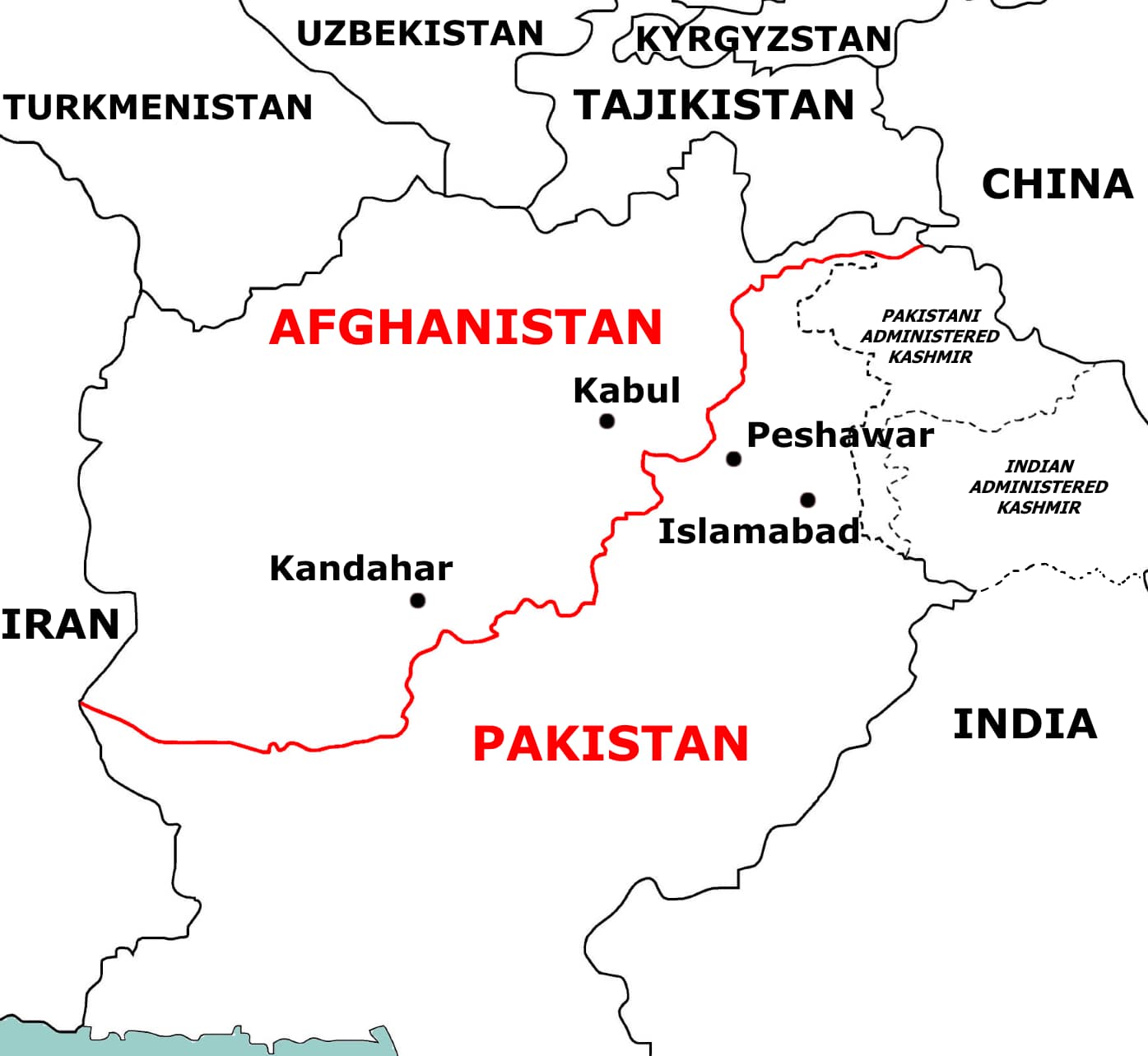
- Tensions between Pakistan and Afghanistan have escalated following the Taliban administration's public refusal to recognize the Durand Line as the official international border.
- This rejection reignites a long-standing historical dispute, leading to increased border skirmishes and challenging Pakistan's efforts to fence the boundary.
- The core of the conflict remains Pakistan's insistence on the line's validity and Afghanistan's historical claim that the border artificially divides the Pashtun ethnic population.
The Durand Line
- The Durand Line is the 2,670-kilometre (approx. 1,660-mile) boundary between Afghanistan and Pakistan.
- It was established in 1893 through an agreement between Sir Mortimer Durand (Foreign Secretary of British India) and Amir Abdur Rahman Khan (the Afghan ruler).
- The primary British objective at the time was to create a buffer zone to limit perceived Russian expansion during the "Great Game".
Conflicting Positions
- Afghanistan's Stance:
- Afghan governments, including the current Taliban administration, have never formally recognized the Durand Line.
- They argue the 1893 agreement was signed under duress with British India, not the independent state of Pakistan.
- A key argument is that the treaty is invalid as it was signed with a non-existent entity (British India) and that Pakistan cannot inherit the treaty's terms.
- Pakistan's Stance:
- Pakistan maintains that it inherited the border from British India based on the international legal principle of uti possidetis juris (newly formed sovereign states inherit their pre-independence boundaries).
- It considers the Durand Line a settled, internationally recognized border.
- Since 2017, Pakistan has been actively fencing the border to control cross-border movement and militancy, an action the Taliban opposes and has actively obstructed.
Additional Info
- Ethnic Division:
- The line controversially bisects the homeland of the Pashtun people, the dominant ethnic group in Afghanistan and a major ethnic group in Pakistan (primarily in the Khyber Pakhtunkhwa province).
- This division has historically fueled the "Pashtunistan" movement, a nationalist call for an independent state or autonomous region for Pashtuns.
- Historical Context:
- Following Pakistan's independence in 1947, Afghanistan was the only country to vote against Pakistan's admission to the United Nations, citing the border dispute.
- Security Implications:
- The porous and disputed nature of the border has historically allowed it to serve as a safe haven for militant groups.
- This complicates regional security, particularly concerning groups like the Tehrik-i-Taliban Pakistan (TTP), which operates on both sides of the border and strains bilateral relations.
Sources
October 2025
31 October 202530 October 202529 October 202528 October 202527 October 202525 October 202524 October 202523 October 202522 October 202521 October 202520 October 202518 October 202517 October 202516 October 202515 October 202514 October 202513 October 202511 October 202510 October 202509 October 202508 October 202507 October 202506 October 202504 October 202503 October 202502 October 202501 October 2025
Archive
October 2026
- 27 October 2026
- 26 October 2026
- 24 October 2026
- 23 October 2026
- 22 October 2026
- 21 October 2026
- 20 October 2026
- 19 October 2026
- 17 October 2026
- 16 October 2026
- 15 October 2026
- 14 October 2026
- 13 October 2026
- 12 October 2026
- 10 October 2026
- 09 October 2026
- 08 October 2026
- 07 October 2026
- 06 October 2026
- 05 October 2026
- 03 October 2026
- 02 October 2026
- 01 October 2026
September 2026
- 30 September 2026
- 29 September 2026
- 28 September 2026
- 26 September 2026
- 25 September 2026
- 24 September 2026
- 23 September 2026
- 22 September 2026
- 21 September 2026
- 19 September 2026
- 18 September 2026
- 17 September 2026
- 16 September 2026
- 15 September 2026
- 12 September 2026
- 11 September 2026
- 10 September 2026
- 09 September 2026
- 08 September 2026
- 07 September 2026
- 05 September 2026
- 04 September 2026
- 03 September 2026
- 02 September 2026
- 01 September 2026
August 2026
- 31 August 2026
- 29 August 2026
- 27 August 2026
- 26 August 2026
- 25 August 2026
- 24 August 2026
- 22 August 2026
- 21 August 2026
- 20 August 2026
- 19 August 2026
- 18 August 2026
- 17 August 2026
- 14 August 2026
- 13 August 2026
- 12 August 2026
- 11 August 2026
- 10 August 2026
- 08 August 2026
- 07 August 2026
- 06 August 2026
- 05 August 2026
- 04 August 2026
- 03 August 2026
- 01 August 2026
July 2026
- 31 July 2026
- 30 July 2026
- 29 July 2026
- 28 July 2026
- 27 July 2026
- 25 July 2026
- 23 July 2026
- 22 July 2026
- 21 July 2026
- 20 July 2026
- 18 July 2026
- 17 July 2026
- 15 July 2026
- 14 July 2026
- 13 July 2026
- 11 July 2026
- 10 July 2026
- 09 July 2026
- 08 July 2026
- 07 July 2026
- 06 July 2026
- 04 July 2026
- 03 July 2026
- 02 July 2026
- 01 July 2026
June 2026
May 2026
April 2026
March 2026
- 31 March 2026
- 30 March 2026
- 28 March 2026
- 27 March 2026
- 26 March 2026
- 25 March 2026
- 24 March 2026
- 23 March 2026
- 21 March 2026
- 20 March 2026
- 19 March 2026
- 18 March 2026
- 17 March 2026
- 16 March 2026
- 14 March 2026
- 13 March 2026
- 12 March 2026
- 11 March 2026
- 10 March 2026
- 09 March 2026
- 07 March 2026
- 06 March 2026
- 05 March 2026
- 03 March 2026
- 02 March 2026
February 2026
- 28 February 2026
- 27 February 2026
- 26 February 2026
- 25 February 2026
- 24 February 2026
- 23 February 2026
- 21 February 2026
- 20 February 2026
- 19 February 2026
- 18 February 2026
- 17 February 2026
- 16 February 2026
- 13 February 2026
- 12 February 2026
- 11 February 2026
- 10 February 2026
- 09 February 2026
- 07 February 2026
- 06 February 2026
- 05 February 2026
- 04 February 2026
- 03 February 2026
- 02 February 2026
January 2026
- 31 January 2026
- 30 January 2026
- 29 January 2026
- 28 January 2026
- 27 January 2026
- 26 January 2026
- 24 January 2026
- 23 January 2026
- 22 January 2026
- 21 January 2026
- 20 January 2026
- 19 January 2026
- 16 January 2026
- 15 January 2026
- 14 January 2026
- 13 January 2026
- 12 January 2026
- 10 January 2026
- 09 January 2026
- 08 January 2026
- 07 January 2026
- 06 January 2026
- 05 January 2026
- 03 January 2026
- 02 January 2026
- 01 January 2026
December 2025
- 31 December 2025
- 30 December 2025
- 29 December 2025
- 27 December 2025
- 26 December 2025
- 24 December 2025
- 23 December 2025
- 22 December 2025
- 20 December 2025
- 19 December 2025
- 18 December 2025
- 17 December 2025
- 16 December 2025
- 15 December 2025
- 13 December 2025
- 12 December 2025
- 11 December 2025
- 10 December 2025
- 09 December 2025
- 08 December 2025
- 05 December 2025
- 04 December 2025
- 03 December 2025
- 02 December 2025
November 2025
- 29 November 2025
- 28 November 2025
- 27 November 2025
- 26 November 2025
- 25 November 2025
- 24 November 2025
- 22 November 2025
- 21 November 2025
- 20 November 2025
- 19 November 2025
- 18 November 2025
- 17 November 2025
- 15 November 2025
- 14 November 2025
- 13 November 2025
- 12 November 2025
- 11 November 2025
- 10 November 2025
- 08 November 2025
- 07 November 2025
- 06 November 2025
- 05 November 2025
- 04 November 2025
- 03 November 2025
- 01 November 2025
October 2025
- 31 October 2025
- 30 October 2025
- 29 October 2025
- 28 October 2025
- 27 October 2025
- 25 October 2025
- 24 October 2025
- 23 October 2025
- 22 October 2025
- 21 October 2025
- 20 October 2025
- 18 October 2025
- 17 October 2025
- 16 October 2025
- 15 October 2025
- 14 October 2025
- 13 October 2025
- 11 October 2025
- 10 October 2025
- 09 October 2025
- 08 October 2025
- 07 October 2025
- 06 October 2025
- 04 October 2025
- 03 October 2025
- 02 October 2025
- 01 October 2025
September 2025
- 30 September 2025
- 29 September 2025
- 27 September 2025
- 26 September 2025
- 25 September 2025
- 24 September 2025
- 23 September 2025
- 22 September 2025
- 20 September 2025
- 19 September 2025
- 18 September 2025
- 17 September 2025
- 16 September 2025
- 15 September 2025
- 13 September 2025
- 12 September 2025
- 11 September 2025
- 10 September 2025
- 09 September 2025
- 08 September 2025
- 06 September 2025
- 05 September 2025
- 04 September 2025
- 03 September 2025
- 02 September 2025
- 01 September 2025
August 2025
- 30 August 2025
- 29 August 2025
- 28 August 2025
- 27 August 2025
- 26 August 2025
- 25 August 2025
- 23 August 2025
- 22 August 2025
- 21 August 2025
- 20 August 2025
- 19 August 2025
- 18 August 2025
- 16 August 2025
- 14 August 2025
- 13 August 2025
- 12 August 2025
- 11 August 2025
- 08 August 2025
- 07 August 2025
- 06 August 2025
- 05 August 2025
- 04 August 2025
- 02 August 2025
- 01 August 2025
July 2025
- 31 July 2025
- 30 July 2025
- 29 July 2025
- 28 July 2025
- 26 July 2025
- 25 July 2025
- 24 July 2025
- 23 July 2025
- 22 July 2025
- 21 July 2025
- 19 July 2025
- 18 July 2025
- 17 July 2025
- 16 July 2025
- 15 July 2025
- 12 July 2025
- 11 July 2025
- 10 July 2025
- 09 July 2025
- 07 July 2025
- 05 July 2025
- 04 July 2025
- 03 July 2025
- 02 July 2025
- 01 July 2025
June 2025
- 30 June 2025
- 28 June 2025
- 27 June 2025
- 26 June 2025
- 25 June 2025
- 24 June 2025
- 23 June 2025
- 21 June 2025
- 20 June 2025
- 19 June 2025
- 18 June 2025
- 17 June 2025
- 16 June 2025
- 14 June 2025
- 13 June 2025
- 12 June 2025
- 11 June 2025
- 10 June 2025
- 09 June 2025
- 07 June 2025
- 06 June 2025
- 05 June 2025
- 04 June 2025
- 03 June 2025
- 02 June 2025
May 2025
April 2025
- 30 April 2025
- 29 April 2025
- 28 April 2025
- 26 April 2025
- 25 April 2025
- 24 April 2025
- 23 April 2025
- 22 April 2025
- 21 April 2025
- 19 April 2025
- 18 April 2025
- 17 April 2025
- 16 April 2025
- 15 April 2025
- 14 April 2025
- 12 April 2025
- 11 April 2025
- 10 April 2025
- 09 April 2025
- 08 April 2025
- 07 April 2025
- 05 April 2025
- 04 April 2025
- 03 April 2025
- 02 April 2025
- 01 April 2025
March 2025
- 31 March 2025
- 29 March 2025
- 28 March 2025
- 27 March 2025
- 26 March 2025
- 25 March 2025
- 24 March 2025
- 22 March 2025
- 21 March 2025
- 20 March 2025
- 19 March 2025
- 18 March 2025
- 17 March 2025
- 15 March 2025
- 13 March 2025
- 12 March 2025
- 11 March 2025
- 10 March 2025
- 08 March 2025
- 07 March 2025
- 06 March 2025
- 05 March 2025
- 04 March 2025
- 03 March 2025
- 01 March 2025
February 2025
- 28 February 2025
- 27 February 2025
- 26 February 2025
- 25 February 2025
- 24 February 2025
- 22 February 2025
- 21 February 2025
- 20 February 2025
- 19 February 2025
- 18 February 2025
- 17 February 2025
- 15 February 2025
- 14 February 2025
- 13 February 2025
- 12 February 2025
- 11 February 2025
- 10 February 2025
- 08 February 2025
- 07 February 2025
- 06 February 2025
- 05 February 2025
- 04 February 2025
- 03 February 2025
- 01 February 2025
January 2025
- 31 January 2025
- 30 January 2025
- 29 January 2025
- 28 January 2025
- 27 January 2025
- 25 January 2025
- 24 January 2025
- 23 January 2025
- 22 January 2025
- 21 January 2025
- 20 January 2025
- 18 January 2025
- 17 January 2025
- 16 January 2025
- 15 January 2025
- 14 January 2025
- 13 January 2025
- 11 January 2025
- 10 January 2025
- 09 January 2025
- 08 January 2025
- 07 January 2025
- 06 January 2025
- 04 January 2025
- 03 January 2025
- 02 January 2025
- 01 January 2025