
Current Affairs
Stay updated with the latest national and international events.
31 July 2025
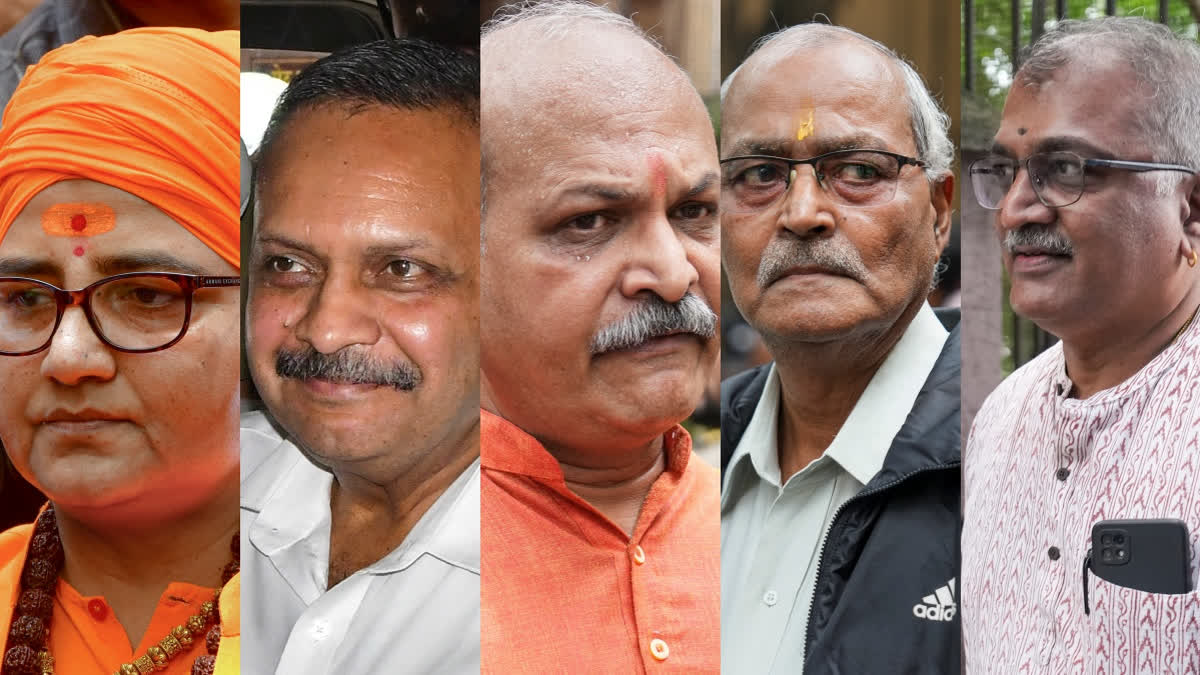
2008 Malegaon Blast Case: All Seven Accused Acquitted After 17 Years
What’s New?
- On July 31, 2025, a Special National Investigation Agency (NIA) Court in Mumbai acquitted all seven accused in the 2008 Malegaon blast case, including former BJP MP Pragya Singh Thakur, Lt. Col. Prasad Shrikant Purohit, and retired Major Ramesh Upadhyay, citing a lack of reliable and cogent evidence to warrant conviction. The verdict, delivered nearly 17 years after the September 29, 2008, blast, ended a high-profile trial marked by controversy and political debate.
- Special Judge A.K. Lahoti stated, “Terrorism has no religion, as no religion advocates violence. Judgments cannot be based on morals or public perception; there must be cogent evidence.” The court criticized the Maharashtra Anti-Terrorism Squad (ATS) for procedural lapses and found inconsistencies in the prosecution’s case, granting the accused the benefit of doubt.
- The ruling sparked varied reactions: BJP and JD(U) welcomed it as a vindication, while Congress, RJD, and victims’ families questioned the investigation’s handling, with plans to appeal in the Bombay High Court.
What is the Malegaon Blast Case?
- Incident: On September 29, 2008, a low-intensity bomb strapped to an LML Freedom motorcycle exploded near Bhiku Chowk, a Muslim-majority area in Malegaon, Maharashtra, during Ramzan and just before Navratri. The blast killed six people and injured over 100, targeting a communally sensitive town to allegedly create communal unrest.
- Accused: Seven individuals faced trial: Pragya Singh Thakur, Lt. Col. Prasad Purohit, Major (Retd) Ramesh Upadhyay, Ajay Rahirkar, Sudhakar Dwivedi, Sudhakar Chaturvedi, and Sameer Kulkarni, charged under the Unlawful Activities (Prevention) Act (UAPA), Indian Penal Code (IPC), and Arms Act.
- Investigation:
- Maharashtra ATS (2008–2011): Initially led by Hemant Karkare (killed in the 26/11 Mumbai attacks), the ATS alleged the blast was orchestrated by Abhinav Bharat, a right-wing group aiming to establish a Hindu Rashtra (Aryavart). The motorcycle was traced to Pragya Thakur, and evidence included call records and voice samples.
- NIA (2011–2025): Took over in 2011, filing a 2016 charge sheet that cleared Thakur and others due to insufficient evidence, but the court found prima facie evidence for trial. Of 323 witnesses, 34 turned hostile, and 26 died before testifying.
- Court findings: The prosecution failed to prove the motorcycle belonged to Thakur, that Purohit sourced RDX or assembled the bomb, or that Abhinav Bharat funded terrorism. Financial transactions were linked to personal use, not the blast.
Strategic and Political Implications
- Legal impact: The acquittal highlights investigative flaws, with the court noting torture allegations by accused like Thakur and technical errors in the ATS probe, raising questions about national security and counter-terrorism efficacy.
- Political fallout: The verdict has reignited debates over “Hindu terror”, with BJP’s Ram Kadam calling it a “slap to Congress” for linking Sanatan Hindu faith to terrorism. RJD’s Israil Mansuri questioned, “If all are acquitted, who was responsible?” fueling demands for accountability.
- Community impact: Victims’ families, expecting justice for the six deaths (e.g., Farheen Shaikh, Irfan Khan), expressed disappointment and plan to appeal, citing unresolved trauma in Malegaon, a town with a history of communal tension (e.g., 2006 blasts).
Additional Info
- Malegaon’s context: A textile hub in Nashik district, Malegaon’s Muslim-majority population made it a target for alleged revenge attacks, per ATS claims of Abhinav Bharat’s anti-Muslim motives.
- UAPA (1967): A stringent anti-terror law invoked alongside MCOCA (dropped in 2017) to prosecute the accused, but lack of evidence led to dropped charges.
- Timeline:
- October 2008: Thakur and Purohit arrested; motorcycle traced.
- 2018: Trial began, charges framed.
- April 19, 2025: Final arguments concluded; judgment reserved.
- July 31, 2025: All accused acquitted.
Simplified Summary
- Verdict: On July 31, 2025, a Mumbai NIA court acquitted all seven accused in the 2008 Malegaon blast case, citing no reliable evidence.
- Incident: A September 29, 2008, bomb blast in Malegaon killed six and injured over 100, allegedly by Abhinav Bharat.
- Issues: ATS flaws, 34 hostile witnesses, and inconsistent evidence led to acquittal, sparking political debate and appeal plans.
- Impact: Raises questions about investigative integrity and justice for victims in a communally sensitive case.
Exam Focus Points
- Definition: The 2008 Malegaon blast case involved a bomb attack killing six, with all seven accused, including Pragya Thakur, acquitted in 2025 due to insufficient evidence.
- Key Event: July 31, 2025, NIA court verdict ended a 17-year trial, criticizing ATS lapses.
- Strategic Context: Highlights investigative challenges and political polarization over terrorism narratives.
- Static Linkages: UAPA, MCOCA, Abhinav Bharat, and Malegaon’s communal history.
- Challenges: Ensuring robust investigations, addressing victim justice, and resolving unidentified perpetrators.
Sources
Cabinet Approves Rs 6,520 Crore for Pradhan Mantri Kisan Sampada Yojana
What’s New?
- On July 31, 2025, the Union Cabinet, chaired by Prime Minister Narendra Modi, approved a total outlay of Rs 6,520 crore for the Pradhan Mantri Kisan Sampada Yojana (PMKSY) during the 15th Finance Commission Cycle (2021–26), including an additional Rs 1,920 crore to boost the food processing sector. The decision was announced by Information and Broadcasting Minister Ashwini Vaishnaw in New Delhi.
- The funding allocates Rs 1,000 crore to establish 50 Multi-Product Food Irradiation Units under the Integrated Cold Chain and Value Addition Infrastructure (ICCVAI) scheme and 100 NABL-accredited Food Testing Laboratories under the Food Safety and Quality Assurance Infrastructure (FSQAI) scheme, aligning with the Union Budget 2025 announcements.
- An additional Rs 920 crore will support projects under various PMKSY component schemes, with Expressions of Interest (EOIs) to be invited from eligible entities nationwide, approved after scrutiny per scheme guidelines.

What is PMKSY?
- Pradhan Mantri Kisan Sampada Yojana (PMKSY), launched in 2017 under the Ministry of Food Processing Industries (MoFPI), aims to create modern infrastructure and efficient supply chains for the food processing sector, enhancing farmers’ income, food safety, and export potential.
- Key components:
- ICCVAI: Supports cold chain infrastructure and food irradiation units to preserve perishable goods, with the 50 new units expected to create a preservation capacity of 20–30 lakh tonnes annually, based on food types.
- FSQAI: Focuses on food safety through NABL-accredited labs, with 100 new labs to ensure compliance with FSSAI standards and supply of safe food.
- Other schemes include Mega Food Parks, Agro-Processing Clusters, and Backward-Forward Linkages, promoting value addition and job creation.
- Significance: PMKSY reduces post-harvest losses (estimated at Rs 92,000 crore annually), supports rural employment, and boosts food exports, with India’s processed food market valued at $260 billion in 2024.
Strategic Importance
- Economic impact: The enhanced outlay strengthens food processing infrastructure, creating direct and indirect jobs (e.g., 1.2 lakh jobs from past PMKSY projects) and supporting MSMEs in rural areas.
- Farmer benefits: Improves farm gate prices by linking farmers to processing units and export markets, aligning with Aatmanirbhar Bharat and Processing for Prosperity.
- Food safety: The 100 NABL-accredited labs will enhance testing capacity for contaminants, ensuring consumer safety and boosting export compliance.
- Challenges: Streamlining EOI approvals, ensuring private sector participation, and addressing regional disparities in cold chain infrastructure.
Additional Info
- MoFPI: Oversees PMKSY, with Union Minister Chirag Paswan emphasizing its role in farmers’ economic empowerment during a July 29, 2025, seminar in New Delhi.
- FSSAI: The Food Safety and Standards Authority of India, under the Ministry of Health, sets standards that PMKSY labs will enforce.
- Context: India’s food processing sector contributes 8% to manufacturing GDP, with 1.7 million jobs created by 38,000 registered units as of 2024.
Simplified Summary
- Approval: July 31, 2025, Cabinet approved Rs 6,520 crore for PMKSY, including Rs 1,920 crore additional funding for 2021–26.
- Key Allocations: Rs 1,000 crore for 50 food irradiation units and 100 NABL-accredited labs; Rs 920 crore for other PMKSY projects.
- Impact: Enhances food processing, food safety, and farmers’ income, creating 20–30 lakh tonnes preservation capacity.
- Goal: Supports Aatmanirbhar Bharat, reduces post-harvest losses, and boosts exports.
Exam Focus Points
- Definition: PMKSY, launched in 2017, got Rs 6,520 crore to boost food processing and safety infrastructure.
- Key Event: July 31, 2025, Cabinet approved additional Rs 1,920 crore, including 50 irradiation units and 100 labs.
- Strategic Context: Aligns with Aatmanirbhar Bharat, supports farmers, MSMEs, and food exports.
- Static Linkages: MoFPI, FSSAI, ICCVAI, FSQAI, and 15th Finance Commission.
- Challenges: Ensuring private investment, timely project execution, and equitable infrastructure distribution.
Sources
Banking Laws (Amendment) Act, 2025: Key Provisions Effective from August 1
What’s New?
- On July 29, 2025, the Ministry of Finance notified that key provisions of the Banking Laws (Amendment) Act, 2025, enacted on April 15, 2025, will take effect from August 1, 2025, through Gazette Notification S.O. 3494(E). The Act aims to enhance governance standards, depositor protection, and audit quality across India’s banking sector.
- The amendments revise the “substantial interest” threshold from Rs 5 lakh to Rs 2 crore, unchanged since 1968, and extend the tenure of cooperative bank directors (excluding Chairperson and whole-time directors) from 8 to 10 years, aligning with the 97th Constitutional Amendment.
- Public Sector Banks (PSBs) can now transfer unclaimed shares, interest, and bond redemption proceeds to the Investor Education and Protection Fund (IEPF), aligning with Companies Act, 2013 practices, and offer remuneration to statutory auditors to improve audit independence.
What is the Banking Laws (Amendment) Act, 2025?
- Overview: The Act introduces 19 amendments across five key legislations: Reserve Bank of India Act, 1934, Banking Regulation Act, 1949, State Bank of India Act, 1955, and Banking Companies (Acquisition and Transfer of Undertakings) Acts, 1970 and 1980. Sections 3, 4, 5, 15, 16, 17, 18, 19, and 20 will be enforced from August 1, 2025.
- Key provisions:
- Substantial Interest: Raises the threshold from Rs 5 lakh to Rs 2 crore to reflect current economic conditions, redefining significant shareholding influence in banks.
- Cooperative Bank Tenure: Extends director tenure to 10 years, enhancing management stability in line with the 97th Constitutional Amendment (2011) for cooperative societies.
- PSB Reforms:
- Aligns auditor appointments for State Bank of India (SBI) and other nationalized banks (e.g., PNB, BoI) with Companies Act, 2013, allowing banks to set auditor fees.
- Mandates transfer of unclaimed funds (e.g., dividends, bond proceeds) to the IEPF, protecting investors and ensuring unclaimed assets are utilized for public education.
- Capital Norms: Updates minimum paid-up capital requirements for banks, modernizing outdated financial thresholds.
- Significance: Strengthens regulatory oversight, improves audit quality, and enhances depositor and investor protection, aligning India’s banking with global best practices.
Strategic Importance
- Governance and stability: The amendments address outdated regulations, promoting transparency and accountability in PSBs, cooperative banks, and private banks.
- Depositor protection: Transferring unclaimed funds to the IEPF safeguards investor interests, with Rs 1,534 crore already transferred by PSBs as of 2024.
- Audit quality: Empowering PSBs to remunerate auditors attracts high-quality professionals, reducing risks of financial mismanagement, critical after past NPA crises (e.g., Rs 10.4 lakh crore in 2018).
- Challenges: Ensuring uniform implementation across diverse banking sectors, addressing cooperative bank mismanagement, and building public awareness of IEPF claims.
Additional Info
- IEPF: Established under the Companies Act, 2013, it manages unclaimed dividends and shares, with Rs 7,500 crore unclaimed across sectors as of 2024.
- 97th Constitutional Amendment (2011): Strengthened cooperative societies, mandating professional management and extended tenures, now reflected in banking laws.
- Context: India’s banking sector, with 12 PSBs, 22 private banks, and 1,500+ cooperative banks, handles Rs 200 lakh crore in deposits (2024), necessitating robust governance.
Simplified Summary
- Approval: July 29, 2025, Finance Ministry notified Banking Laws (Amendment) Act, 2025, effective August 1, 2025, with 19 amendments.
- Key Changes: Raises substantial interest to Rs 2 crore, extends cooperative bank director tenure to 10 years, and aligns PSB audits with Companies Act, 2013.
- Impact: Enhances governance, depositor protection, and audit quality, with unclaimed funds to IEPF.
- Goal: Modernizes banking regulations, aligning with global standards and 97th Constitutional Amendment.
Exam Focus Points
- Definition: Banking Laws (Amendment) Act, 2025 updates governance, audit, and depositor protection across five banking laws.
- Key Event: Notified July 29, 2025, effective August 1, 2025, via Gazette S.O. 3494(E).
- Strategic Context: Strengthens PSBs, cooperative banks, and investor safeguards, addressing 1968-era thresholds.
- Static Linkages: RBI Act, 1934, Companies Act, 2013, IEPF, and 97th Constitutional Amendment.
- Challenges: Ensuring implementation consistency, enhancing audit capacity, and raising IEPF awareness.
Sources
State Finances Reveal Mixed Economic Trends for FY2025
What’s New?
- On July 30, 2025, an analysis of state finances for FY2025, covering 17 major states (representing 90% of India’s GDP), highlighted a widening fiscal deficit to Rs 9.5 trillion (3.2% of Gross State Domestic Product, GSDP) from Rs 7.8 trillion (2.9% GSDP) in FY2024, driven by higher revenue expenditure and lower-than-expected capital expenditure (capex).
- Aditi Nayar, Chief Economist at ICRA, noted that Central government assistance has boosted state capex, but limited borrowing space and a rising revenue deficit (funding less productive expenses) constrain fiscal health. The provisional actuals (PA) for FY2025 showed capex at Rs 7.4 trillion, up Rs 678 billion from FY2024, but Rs 1.1 trillion below Revised Estimates (RE).
- Beyond FY2026, the 16th Finance Commission and Pay Commission recommendations, along with changes to GST compensation cess, will shape state finances, urging incentives for maximizing capex within fiscal limits.
What Do State Finances Indicate?
- Fiscal trends:
- Fiscal deficit: Increased to 3.2% of GSDP in FY2025 from 2.9% in FY2024, contrasting with the Centre’s fiscal compression (targeting 4.9% of GDP in FY2025). The 17 states include major economies like Maharashtra, Tamil Nadu, and Uttar Pradesh, but exclude smaller states like Assam and Sikkim.
- Revenue deficit: A higher share of fiscal deficit funded revenue expenditure (e.g., salaries, subsidies), reducing the capex share to 78% in FY2025 from 80–90% during FY2022–24, signaling less productive spending.
- Capex shortfall: States undershot Revised Estimates by Rs 1.1 trillion, unlike the Centre’s capex overshoot, indicating implementation challenges despite Central schemes like 50-year interest-free loans.
- Key observations:
- Central support: Schemes like Gati Shakti and urban infrastructure funds drove state capex, but execution delays and state-specific priorities led to underspending.
- GST compensation: Ending in 2026, the GST cess impacts states’ revenue, requiring fiscal adjustments to maintain capex.
- Future outlook: The 16th Finance Commission (effective FY2027) and Pay Commission salary revisions will strain budgets, necessitating revenue mobilization and capex prioritization.
Strategic Importance
- Economic impact: State finances reflect 90% of India’s GDP, making their health critical for national growth. The capex slowdown risks stalling infrastructure and job creation, while rising revenue deficits limit productive investments.
- Policy implications: States must balance revenue spending (e.g., welfare schemes like Ladki Bahin in Maharashtra) with capex to sustain growth, especially as GST compensation ends. Central incentives for fiscal discipline are key.
- Challenges: Addressing execution bottlenecks, aligning state budgets with Central schemes, and preparing for post-2026 fiscal constraints amid global trade risks (e.g., potential $30 billion export loss due to US tariffs).
Additional Info
- Finance Commission: The 15th Finance Commission (2021–26) allocates 41% of Central taxes to states, with the 16th to shape post-2026 devolution.
- GSDP: Gross State Domestic Product measures state-level economic output, with 17 states contributing 90% of India’s GDP (Rs 296 lakh crore in FY2024).
- Context: India’s fiscal deficit target (Centre + States) is 6–7% of GDP, with states’ rising deficits straining overall fiscal stability.
Simplified Summary
- Fiscal Trends: 17 states’ fiscal deficit rose to Rs 9.5 trillion (3.2% GSDP) in FY2025, with capex at Rs 7.4 trillion, up Rs 678 billion but Rs 1.1 trillion below estimates.
- Issues: Higher revenue deficit funded less productive spending, reducing capex share to 78% from 80–90%.
- Future: 16th Finance Commission and GST cess end (2026) will challenge state budgets, needing capex focus.
- Impact: Reflects economic health of 90% of India’s GDP, urging fiscal discipline and infrastructure push.
Exam Focus Points
- Definition: State finances for FY2025 show a 3.2% GSDP fiscal deficit, with capex undershooting and revenue deficit rising, per ICRA analysis.
- Key Event: July 30, 2025, analysis highlighted fiscal trends for 17 states (90% GDP).
- Strategic Context: Central aid boosts capex, but revenue spending and post-2026 GST changes pose risks.
- Static Linkages: Finance Commission, GSDP, GST compensation, and Central schemes (e.g., Gati Shakti).
- Challenges: Balancing revenue vs. capex, addressing execution delays, and preparing for fiscal transitions.
Sources
India Explores Living Wage to Boost Women’s Workforce Participation
What’s New?
- On July 28, 2025, the Ministry of Labour and Employment announced plans to explore a living wage framework for India by 2026, replacing the minimum wage system, as part of commitments made during the 46th International Labour Conference in Geneva (June 2025). The initiative aims to ensure wages cover basic needs like food, housing, healthcare, and education, with a significant focus on increasing female labour force participation rate (LFPR), currently at 32% for women above 15 years, compared to 77.1% for men, per the Periodic Labour Force Survey (PLFS, June 2025).
- The International Labour Organization (ILO) defines a living wage as income sufficient for a decent standard of living, unlike the minimum wage, which ensures a basic floor. The Economic Survey 2024–25 highlighted that a living wage could help India achieve a 50% female LFPR, critical for developed economy status by 2047.
- Pooja Sharma Goyal, CEO of Udaiti Foundation, noted that 54 state laws, including outdated night shift restrictions, currently hinder women’s workforce participation, though reforms are underway to remove these barriers.
What is the Living Wage Proposal?
- Objective: Shift from minimum wage (e.g., Rs 178/day for unskilled workers in some states) to a living wage that accounts for regional cost-of-living variations, ensuring workers can afford nutrition, housing, healthcare, education, and savings.
- Key features:
- Women-focused impact: Women face higher opportunity costs (e.g., childcare, safety concerns), contributing to low LFPR. A living wage could boost participation by addressing low pay and poor work culture.
- Implementation: The Ministry of Labour is collaborating with the ILO to develop a methodology by 2026, incorporating state-specific needs and inflation adjustments. Pilot projects are planned in urban hubs like Bengaluru and Delhi.
- Economic Survey insights: Higher wages could increase consumption, driving GDP growth, but may raise labour costs for businesses, requiring subsidies or tax incentives for MSMEs.
- Significance: Aligns with UN SDG 8 (decent work and economic growth) and Viksit Bharat 2047, aiming to reduce gender disparities and boost economic inclusion.
Strategic Importance
- Economic impact: Raising female LFPR to 50% could add $700 billion to India’s GDP by 2030, per McKinsey estimates, by increasing women’s purchasing power and tax contributions.
- Social barriers: Women face mobility constraints, unsafe workplaces, and lack of affordable housing. A living wage, combined with reforms like night shift law relaxations (e.g., Karnataka, Haryana), aims to address these.
- Challenges: Balancing business costs (especially for MSMEs), ensuring state compliance, and addressing rural-urban wage disparities to prevent urban migration.
Additional Info
- PLFS (2025): Reports 32% female LFPR (urban: 23.7%, rural: 36.2%) and 77.1% male LFPR, with women earning 20–30% less than men in similar roles.
- ILO: Advocates for living wages globally, with India’s commitment made under ILO Convention 131 (Minimum Wage Fixing).
- Context: India’s gender wage gap and low female LFPR lag behind peers like China (60%) and Vietnam (68%), necessitating urgent reforms.
Simplified Summary
- Proposal: July 28, 2025, Labour Ministry announced a living wage framework by 2026 to replace minimum wage, boosting women’s workforce participation.
- Impact: Targets 50% female LFPR (from 32%) to drive GDP growth, addressing low pay and 54 restrictive laws.
- Action: ILO collaboration for state-specific wages, with pilots in urban hubs to ensure decent living standards.
- Goal: Supports Viksit Bharat 2047 and SDG 8, reducing gender disparities.
Exam Focus Points
- Definition: Living wage ensures decent living unlike minimum wage, targeting 50% female LFPR by 2047.
- Key Event: July 28, 2025, Ministry announced plans post-ILO Conference 2025.
- Strategic Context: Boosts economic growth, reduces gender wage gap, and aligns with Viksit Bharat.
- Static Linkages: PLFS, ILO Convention 131, UN SDG 8, and Economic Survey 2024–25.
- Challenges: Managing business costs, ensuring state-level adoption, and addressing rural-urban disparities.
Sources
NITI Aayog Presents India’s Third Voluntary National Review on SDGs at UN Forum
What’s New?
- On July 23, 2025, NITI Aayog Vice Chairman Suman Bery presented India’s Third Voluntary National Review (VNR) on the Sustainable Development Goals (SDGs) at the United Nations High-Level Political Forum (HLPF) in New York, convened under the UN Economic and Social Council (ECOSOC). The report showcased India’s whole-of-government and whole-of-society approach to achieving the 2030 Agenda.
- The VNR highlighted significant progress: 248 million people escaped multidimensional poverty between 2013–14 and 2022–23, hunger was addressed through schemes like PM Garib Kalyan Anna Yojana, and health expenditure reduced from 48.8% (2017–18) to 39.4% (2020–21) of out-of-pocket costs. India’s SDG India Index and North-Eastern Region District SDG Index were praised as global models for data-driven governance.
- Posts on X reflected positive sentiment, noting India’s transformation of SDGs into a national movement within a decade, driven by economic growth, infrastructure investment, and local commitment.

What is the Voluntary National Review (VNR)?
- Overview: The VNR is a country-led, voluntary assessment to track progress on the 17 SDGs under the 2030 Agenda, presented at the HLPF since 2016. India’s third VNR follows submissions in 2017 and 2020 (“Decade of Action: Taking SDGs from Global to Local”).
- Key highlights:
- SDG 1 (No Poverty): 248 million escaped multidimensional poverty, per the National Multi-dimensional Poverty Index, driven by rural housing (e.g., PM Awas Yojana) and sanitation programs.
- SDG 2 (Zero Hunger): PM Garib Kalyan Anna Yojana provided free food grains to 81 crore people, ensuring nutritional security.
- SDG 3 (Good Health): Out-of-pocket health expenditure dropped to 39.4%, with Ayushman Bharat covering 50 crore people for free healthcare.
- SDG 5 (Gender Equality): Initiatives like Beti Bachao Beti Padhao and Mudra Yojana empowered women, with 70% of Mudra loans disbursed to women entrepreneurs.
- SDG 13 (Climate Action): India achieved 40% non-fossil fuel energy capacity by 2024, surpassing its 2030 target.
- Tools: The SDG India Index, NER District SDG Index, and City SDG Index enable local monitoring, with 103 of 121 North-Eastern districts classified as Front Runners in 2024.
Strategic Importance
- Global leadership: India, home to one-sixth of humanity, is pivotal to the 2030 Agenda’s success. Its data-driven approach and localization of SDGs set a benchmark for the Global South.
- Economic impact: Programs like PM Ujjwala (clean cooking fuel) and Jal Jeevan Mission (piped water) have driven inclusive growth, reducing poverty and boosting rural economies.
- Challenges: Addressing regional disparities (e.g., lagging states like Bihar, Jharkhand), scaling climate finance, and maintaining data accuracy for SDG monitoring.
Additional Info
- NITI Aayog: Established in 2015, it replaced the Planning Commission to drive policy innovation and SDG implementation, coordinating with states and ministries.
- HLPF: The UN’s primary platform for SDG review, held annually under ECOSOC, with India’s VNRs showcasing progress since 2017.
- Context: India’s SDG India Index 2023–24 reported progress in 13 of 17 SDGs, with poverty reduction and healthcare access as standout achievements.
Simplified Summary
- Event: July 23, 2025, NITI Aayog presented India’s Third VNR at UN HLPF, showcasing SDG progress.
- Achievements: 248 million escaped poverty, food security via PMGKAY, and health costs reduced to 39.4%. SDG India Index drives localization.
- Impact: Positions India as a Global South leader, aligning with Viksit Bharat 2047.
- Goal: Accelerates 2030 Agenda through inclusive growth and data-driven governance.
Exam Focus Points
- Definition: India’s Third VNR (2025) tracks SDG progress, emphasizing poverty reduction, hunger, and health.
- Key Event: Presented July 23, 2025, at UN HLPF by Suman Bery, highlighting whole-of-society approach.
- Strategic Context: Supports Viksit Bharat, with SDG India Index as a global model.
- Static Linkages: NITI Aayog, HLPF, ECOSOC, PMGKAY, and Ayushman Bharat.
- Challenges: Addressing regional gaps, scaling climate action, and ensuring data reliability.
Sources
July 2025
31 July 202530 July 202529 July 202528 July 202526 July 202525 July 202524 July 202523 July 202522 July 202521 July 202519 July 202518 July 202517 July 202516 July 202515 July 202512 July 202511 July 202510 July 202509 July 202507 July 202505 July 202504 July 202503 July 202502 July 202501 July 2025
Archive
October 2026
- 28 October 2026
- 27 October 2026
- 26 October 2026
- 24 October 2026
- 23 October 2026
- 22 October 2026
- 21 October 2026
- 20 October 2026
- 19 October 2026
- 17 October 2026
- 16 October 2026
- 15 October 2026
- 14 October 2026
- 13 October 2026
- 12 October 2026
- 10 October 2026
- 09 October 2026
- 08 October 2026
- 07 October 2026
- 06 October 2026
- 05 October 2026
- 03 October 2026
- 02 October 2026
- 01 October 2026
September 2026
- 30 September 2026
- 29 September 2026
- 28 September 2026
- 26 September 2026
- 25 September 2026
- 24 September 2026
- 23 September 2026
- 22 September 2026
- 21 September 2026
- 19 September 2026
- 18 September 2026
- 17 September 2026
- 16 September 2026
- 15 September 2026
- 12 September 2026
- 11 September 2026
- 10 September 2026
- 09 September 2026
- 08 September 2026
- 07 September 2026
- 05 September 2026
- 04 September 2026
- 03 September 2026
- 02 September 2026
- 01 September 2026
August 2026
- 31 August 2026
- 29 August 2026
- 27 August 2026
- 26 August 2026
- 25 August 2026
- 24 August 2026
- 22 August 2026
- 21 August 2026
- 20 August 2026
- 19 August 2026
- 18 August 2026
- 17 August 2026
- 14 August 2026
- 13 August 2026
- 12 August 2026
- 11 August 2026
- 10 August 2026
- 08 August 2026
- 07 August 2026
- 06 August 2026
- 05 August 2026
- 04 August 2026
- 03 August 2026
- 01 August 2026
July 2026
- 31 July 2026
- 30 July 2026
- 29 July 2026
- 28 July 2026
- 27 July 2026
- 25 July 2026
- 23 July 2026
- 22 July 2026
- 21 July 2026
- 20 July 2026
- 18 July 2026
- 17 July 2026
- 15 July 2026
- 14 July 2026
- 13 July 2026
- 11 July 2026
- 10 July 2026
- 09 July 2026
- 08 July 2026
- 07 July 2026
- 06 July 2026
- 04 July 2026
- 03 July 2026
- 02 July 2026
- 01 July 2026
June 2026
May 2026
April 2026
March 2026
- 31 March 2026
- 30 March 2026
- 28 March 2026
- 27 March 2026
- 26 March 2026
- 25 March 2026
- 24 March 2026
- 23 March 2026
- 21 March 2026
- 20 March 2026
- 19 March 2026
- 18 March 2026
- 17 March 2026
- 16 March 2026
- 14 March 2026
- 13 March 2026
- 12 March 2026
- 11 March 2026
- 10 March 2026
- 09 March 2026
- 07 March 2026
- 06 March 2026
- 05 March 2026
- 03 March 2026
- 02 March 2026
February 2026
- 28 February 2026
- 27 February 2026
- 26 February 2026
- 25 February 2026
- 24 February 2026
- 23 February 2026
- 21 February 2026
- 20 February 2026
- 19 February 2026
- 18 February 2026
- 17 February 2026
- 16 February 2026
- 13 February 2026
- 12 February 2026
- 11 February 2026
- 10 February 2026
- 09 February 2026
- 07 February 2026
- 06 February 2026
- 05 February 2026
- 04 February 2026
- 03 February 2026
- 02 February 2026
January 2026
- 31 January 2026
- 30 January 2026
- 29 January 2026
- 28 January 2026
- 27 January 2026
- 26 January 2026
- 24 January 2026
- 23 January 2026
- 22 January 2026
- 21 January 2026
- 20 January 2026
- 19 January 2026
- 16 January 2026
- 15 January 2026
- 14 January 2026
- 13 January 2026
- 12 January 2026
- 10 January 2026
- 09 January 2026
- 08 January 2026
- 07 January 2026
- 06 January 2026
- 05 January 2026
- 03 January 2026
- 02 January 2026
- 01 January 2026
December 2025
- 31 December 2025
- 30 December 2025
- 29 December 2025
- 27 December 2025
- 26 December 2025
- 24 December 2025
- 23 December 2025
- 22 December 2025
- 20 December 2025
- 19 December 2025
- 18 December 2025
- 17 December 2025
- 16 December 2025
- 15 December 2025
- 13 December 2025
- 12 December 2025
- 11 December 2025
- 10 December 2025
- 09 December 2025
- 08 December 2025
- 05 December 2025
- 04 December 2025
- 03 December 2025
- 02 December 2025
November 2025
- 29 November 2025
- 28 November 2025
- 27 November 2025
- 26 November 2025
- 25 November 2025
- 24 November 2025
- 22 November 2025
- 21 November 2025
- 20 November 2025
- 19 November 2025
- 18 November 2025
- 17 November 2025
- 15 November 2025
- 14 November 2025
- 13 November 2025
- 12 November 2025
- 11 November 2025
- 10 November 2025
- 08 November 2025
- 07 November 2025
- 06 November 2025
- 05 November 2025
- 04 November 2025
- 03 November 2025
- 01 November 2025
October 2025
- 31 October 2025
- 30 October 2025
- 29 October 2025
- 28 October 2025
- 27 October 2025
- 25 October 2025
- 24 October 2025
- 23 October 2025
- 22 October 2025
- 21 October 2025
- 20 October 2025
- 18 October 2025
- 17 October 2025
- 16 October 2025
- 15 October 2025
- 14 October 2025
- 13 October 2025
- 11 October 2025
- 10 October 2025
- 09 October 2025
- 08 October 2025
- 07 October 2025
- 06 October 2025
- 04 October 2025
- 03 October 2025
- 02 October 2025
- 01 October 2025
September 2025
- 30 September 2025
- 29 September 2025
- 27 September 2025
- 26 September 2025
- 25 September 2025
- 24 September 2025
- 23 September 2025
- 22 September 2025
- 20 September 2025
- 19 September 2025
- 18 September 2025
- 17 September 2025
- 16 September 2025
- 15 September 2025
- 13 September 2025
- 12 September 2025
- 11 September 2025
- 10 September 2025
- 09 September 2025
- 08 September 2025
- 06 September 2025
- 05 September 2025
- 04 September 2025
- 03 September 2025
- 02 September 2025
- 01 September 2025
August 2025
- 30 August 2025
- 29 August 2025
- 28 August 2025
- 27 August 2025
- 26 August 2025
- 25 August 2025
- 23 August 2025
- 22 August 2025
- 21 August 2025
- 20 August 2025
- 19 August 2025
- 18 August 2025
- 16 August 2025
- 14 August 2025
- 13 August 2025
- 12 August 2025
- 11 August 2025
- 08 August 2025
- 07 August 2025
- 06 August 2025
- 05 August 2025
- 04 August 2025
- 02 August 2025
- 01 August 2025
July 2025
- 31 July 2025
- 30 July 2025
- 29 July 2025
- 28 July 2025
- 26 July 2025
- 25 July 2025
- 24 July 2025
- 23 July 2025
- 22 July 2025
- 21 July 2025
- 19 July 2025
- 18 July 2025
- 17 July 2025
- 16 July 2025
- 15 July 2025
- 12 July 2025
- 11 July 2025
- 10 July 2025
- 09 July 2025
- 07 July 2025
- 05 July 2025
- 04 July 2025
- 03 July 2025
- 02 July 2025
- 01 July 2025
June 2025
- 30 June 2025
- 28 June 2025
- 27 June 2025
- 26 June 2025
- 25 June 2025
- 24 June 2025
- 23 June 2025
- 21 June 2025
- 20 June 2025
- 19 June 2025
- 18 June 2025
- 17 June 2025
- 16 June 2025
- 14 June 2025
- 13 June 2025
- 12 June 2025
- 11 June 2025
- 10 June 2025
- 09 June 2025
- 07 June 2025
- 06 June 2025
- 05 June 2025
- 04 June 2025
- 03 June 2025
- 02 June 2025
May 2025
April 2025
- 30 April 2025
- 29 April 2025
- 28 April 2025
- 26 April 2025
- 25 April 2025
- 24 April 2025
- 23 April 2025
- 22 April 2025
- 21 April 2025
- 19 April 2025
- 18 April 2025
- 17 April 2025
- 16 April 2025
- 15 April 2025
- 14 April 2025
- 12 April 2025
- 11 April 2025
- 10 April 2025
- 09 April 2025
- 08 April 2025
- 07 April 2025
- 05 April 2025
- 04 April 2025
- 03 April 2025
- 02 April 2025
- 01 April 2025
March 2025
- 31 March 2025
- 29 March 2025
- 28 March 2025
- 27 March 2025
- 26 March 2025
- 25 March 2025
- 24 March 2025
- 22 March 2025
- 21 March 2025
- 20 March 2025
- 19 March 2025
- 18 March 2025
- 17 March 2025
- 15 March 2025
- 13 March 2025
- 12 March 2025
- 11 March 2025
- 10 March 2025
- 08 March 2025
- 07 March 2025
- 06 March 2025
- 05 March 2025
- 04 March 2025
- 03 March 2025
- 01 March 2025
February 2025
- 28 February 2025
- 27 February 2025
- 26 February 2025
- 25 February 2025
- 24 February 2025
- 22 February 2025
- 21 February 2025
- 20 February 2025
- 19 February 2025
- 18 February 2025
- 17 February 2025
- 15 February 2025
- 14 February 2025
- 13 February 2025
- 12 February 2025
- 11 February 2025
- 10 February 2025
- 08 February 2025
- 07 February 2025
- 06 February 2025
- 05 February 2025
- 04 February 2025
- 03 February 2025
- 01 February 2025
January 2025
- 31 January 2025
- 30 January 2025
- 29 January 2025
- 28 January 2025
- 27 January 2025
- 25 January 2025
- 24 January 2025
- 23 January 2025
- 22 January 2025
- 21 January 2025
- 20 January 2025
- 18 January 2025
- 17 January 2025
- 16 January 2025
- 15 January 2025
- 14 January 2025
- 13 January 2025
- 11 January 2025
- 10 January 2025
- 09 January 2025
- 08 January 2025
- 07 January 2025
- 06 January 2025
- 04 January 2025
- 03 January 2025
- 02 January 2025
- 01 January 2025