
Current Affairs
Stay updated with the latest national and international events.
30 March 2026
Central Armed Police Forces (General Administration) Bill, 2026

What's the News?
- The Central Armed Police Forces (General Administration) Bill, 2026 was introduced in the Rajya Sabha to regulate recruitment, deputation, and service conditions of CAPF officers .
- The Bill mandates reservation of senior leadership posts for Indian Police Service (IPS) officers while creating a unified statutory framework for all CAPFs .
- Key provisions include 50% of Inspector General (IG) posts and minimum 67% of Additional Director posts to be filled by IPS officers .
- The legislation aims to strengthen internal security coordination between Centre and States while addressing service conditions of Group A General Duty Officers .
The CAPF General Administration Bill, 2026?
- Unified Oversight: Proposes the establishment of a National CAPF Management Authority to act as a centralized policy-making body under the Ministry of Home Affairs (MHA).
- Cadre Review Mechanism:
- Mandates a statutory Cadre Review every five years for all forces.
- Aims to eliminate "stagnation" by ensuring timely promotions for officers.
- Promotion and Parity:
- Focuses on balancing the ratio of Indian Police Service (IPS) officers on deputation with Organized Group 'A' Service (OGAS) cadre officers.
- Introduces standardized criteria for "Non-Functional Financial Upgradation" (NFFU) to ensure pay parity with other civil services.
- Standardized Recruitment:
- Centralizes the recruitment process for specialized technical and medical roles within the CAPFs to reduce vacancy delays.
- Enhances the lateral entry protocols for personnel from the Indian Army into the Assam Rifles and other border-guarding forces.
Concerns & Points of Contention?
Critics, including former CAPF officers, argue the bill is regressive and undermines the forces' operational integrity.
- Reversal of Supreme Court Ruling: The bill is seen as overturning a Supreme Court direction to grant CAPF cadre officers full Organised Group A Service (OGAS) status, which would have phased out IPS deputation at IG rank and addressed stagnation.
- Stagnation & Morale: The bill is perceived to prioritize IPS career progression over CAPF cadre officers, many of whom face stagnation and are denied Non-Functional Financial Upgradation (NFFU) —a benefit available to all other 62 organised services.
- Constitutional & Legal Questions:
- Raises concerns under Articles 14 (Right to Equality) and 16 (Equality of Opportunity in Public Employment) by permanently excluding cadre officers from leading their own institutions.
- The bill's validity is likely to be challenged in court on grounds that Parliament cannot simply overrule a considered Supreme Court judgment.
Additional Info
- CAPF Organizations Covered:
- BSF (Border Security Force)
- CRPF (Central Reserve Police Force)
- CISF (Central Industrial Security Force)
- ITBP (Indo-Tibetan Border Police)
- SSB (Sashastra Seema Bal)
- NSG (National Security Guard)
- Assam Rifles
- Constitutional Context:
- Falls under Union List (Entry 2) – Police forces for Union Territories
- Relates to Article 246 – Parliamentary legislative competence
- Previous Legal Framework:
- Service conditions were governed by separate rules for each force
- Administrative orders lacked statutory backing
- No unified legislation for officer management across CAPFs
This topic is crucial for UPSC, State PSC, SSC, State SSC and Banking exams under Polity, Governance, Internal Security, and Current Affairs sections. Focus on CAPF organizational structure, IPS-CAPF deputation system, parliamentary legislation process, federal police coordination, and service condition reforms for mains answers and interview discussions.
Sources
Here is a concise current affairs article based on the provided news links, structured for government exam preparation.
Centre Allows Temporary Distribution of Superior Kerosene Oil (SKO) via PDS and Petrol Pumps

What’s the News?
- The Central Government has issued a gazette notification allowing temporary distribution of Superior Kerosene Oil (SKO) under the Public Distribution System (PDS) in 21 States and Union Territories.
- Select petrol pumps are permitted to store and distribute limited quantities of SKO for 60 days to ease LPG supply pressure.
- The move comes amid global energy supply concerns affecting domestic LPG availability.
- States previously declared PDS SKO-free will receive ad-hoc allocation under this emergency measure.
New Distribution Framework for SKO
- PDS Integration:
- The expansion to 21 States/UTs ensures that vulnerable populations have a reliable secondary source for cooking and lighting.
- Allocation is managed by the Ministry of Petroleum and Natural Gas (MoPNG), adjusting based on the level of LPG penetration in each state.
- Retail Outlet (RO) Sale:
- For the first time in a contingency window, SKO will be available at market rates through petrol pumps.
- This bypasses the traditional Fair Price Shop (FPS) bottlenecks, allowing for quicker public access during the 60-day emergency period.
- Objective: To stabilize the domestic fuel market and prevent "energy poverty" in the wake of external shocks to the LPG supply chain.
Significance of Superior Kerosene Oil (SKO)
- Technical Quality:
- Unlike crude kerosene, SKO is a highly refined paraffinic hydrocarbon.
- It has a higher smoke point and lower sulfur content, making it safer for indoor domestic use and reducing respiratory health risks.
- Strategic Buffer:
- While the Pradhan Mantri Ujjwala Yojana (PMUY) has successfully transitioned millions to clean energy, SKO remains a critical "bridge fuel" for remote areas and during international energy crises.
- Market Regulation:
- The sale via retail outlets helps curb the black marketing of subsidized PDS kerosene by providing a legal, market-priced alternative for non-subsidized users.
Additional Info
- Regulatory Framework:
- Kerosene (Restriction on Use and Fixation of Ceiling Price) Order, 1993: Governs the distribution, pricing, and prevents the diversion of PDS kerosene for unauthorized uses (like fuel adulteration).
- Direct Benefit Transfer in Kerosene (DBTK):
- Implemented in select districts to transfer subsidies directly to the bank accounts of beneficiaries, reducing leakage.
- Environmental Impact:
- Although SKO is "superior" to traditional kerosene, it is still a fossil fuel. The government maintains a policy of "Kerosene-Free" cities (e.g., Delhi, Chandigarh) to promote cleaner alternatives like Natural Gas (PNG) and LPG.
- Role of Oil Marketing Companies (OMCs):
- Entities like IOCL, BPCL, and HPCL are responsible for the logistics of moving SKO from refineries to the newly authorized retail points.
This topic is crucial for UPSC, State PSC, SSC, State SSC and Banking exams under Economy, Governance, Energy Security, and Current Affairs sections. Focus on PDS framework, energy subsidy policies, public distribution mechanisms, LPG vs kerosene debate, and emergency supply management for mains answers and interview discussions.
Sources
India Implements Stricter Certification Rules, Effectively Banning Chinese CCTV Cameras

What’s the News?
- The Union Government is enforcing a comprehensive restriction on the procurement and installation of CCTV cameras and surveillance hardware from specific Chinese manufacturers for government projects and critical infrastructure.
- The directive aims to address significant national security concerns regarding data leakage and unauthorized remote access by foreign entities.
- All government departments and public sector undertakings are mandated to transition to "Trusted Sources" for their surveillance needs starting from the upcoming fiscal year.
New Surveillance Security Framework?
- Mandatory Certification:
- All surveillance products must now obtain a security clearance from the Standardisation Testing and Quality Certification (STQC) directorate.
- Equipment must undergo rigorous testing for "backdoors" or "malicious code" that could facilitate espionage.
- Trusted Sources and Components:
- Procurement is strictly restricted to vendors listed under the National Security Directive, ensuring that the supply chain is free from influence by adversarial nations.
- Emphasis is placed on the "Country of Origin" for critical components like microchips and sensors.
- Data Localisation:
- The new rules mandate that all video footage and metadata generated by surveillance systems must be stored on servers located within Indian territory.
- Cloud-based storage solutions used by these devices must comply with Ministry of Electronics and Information Technology (MeitY) security protocols.
Rationale: National Security Concerns?
The policy shift is driven by the classification of surveillance networks as critical infrastructure and a broader push for data sovereignty and reducing dependence on foreign technology.
- Security Risks Addressed:
- Unauthorised Data Outflow: Preventing sensitive video data from being transmitted to foreign servers.
- External Control: Eliminating potential for foreign entities to hijack or disable vital surveillance feeds monitoring airports, government buildings, and transport hubs.
- Strategic Context: This aligns with India's "trusted vendor" approach for critical digital infrastructure, following similar restrictions on Chinese telecom equipment (e.g., Huawei, ZTE) and mobile apps (e.g., TikTok).
Market Impact & Shift to Domestic Players?
The regulatory intervention has triggered a significant realignment in India’s surveillance market, estimated to be worth $5-7.5 billion.
- Market Share Transformation (as of Feb 2026):
- Indian Brands: Now control over 80% of the market (e.g., CP Plus, Qubo, Prama, Matrix, Sparsh), leveraging Taiwanese chipsets and local firmware.
- Chinese Decline: Held roughly 33% of the market in 2024; now effectively exited the internet-connected segment.
- Premium Segment: Global brands like Bosch and Honeywell continue to lead the high-end market.
- Cost Implications:
- The shift to non-Chinese components (from Taiwan, US) has increased manufacturing costs by 15-20% , potentially raising prices for mid- and high-end systems.
This topic is crucial for UPSC, State PSC, SSC, State SSC and Banking exams under Internal Security, Governance, Technology, and Current Affairs sections. Focus on national security concerns, BIS certification framework, Make in India initiative, data privacy laws, and import substitution policies for mains answers and interview discussions.
Sources
Shigellosis Outbreak in Kerala

What's the News?
- A localized outbreak of Shigellosis has been reported in Kozhikode district, Kerala, affecting the Peruvayal panchayat (Eranjikkal–Kuttikkattoor area) .
- One 3-year-old child has died while at least 11-15 other children have been infected across the state .
- The Kerala Health Department has issued alerts on water-borne diseases and urged residents to use boiled water and maintain hygiene .
- The outbreak highlights concerns about sanitation infrastructure and public health surveillance in the region .
About Shigellosis
- Causative Agent: Caused by Shigella bacteria, a gram-negative enteroinvasive bacillus .
- Disease Type: Acute diarrheal infection affecting the intestinal tract .
- Transmission: Spreads through fecal-oral route, contaminated water, food, and person-to-person contact .
- Incubation Period: Symptoms typically appear within 1-7 days after exposure .
- Infectious Dose: Very low – as few as 10-100 bacteria can cause infection .
Symptoms & Clinical Features
- Primary Symptoms:
- Diarrhea (often watery, may become bloody with mucus) .
- Fever and chills .
- Abdominal pain and stomach cramps .
- Nausea and vomiting .
- Severe Cases:
- Dehydration due to fluid loss .
- Tenesmus (urge to pass stool even when bowels are empty) .
- Can be fatal in young children and immunocompromised individuals .
Treatment & Management
- Rehydration Therapy:
- Oral Rehydration Solutions (ORS) are cornerstone of treatment .
- Intravenous fluids for severe dehydration cases .
- Antibiotic Treatment:
- Indicated for patients with positive stool culture .
- Can reduce symptoms duration by approximately 2 days .
- Antibiotic resistance is an emerging concern .
Prevention & Control Measures
- Water Safety:
- Use boiled or treated water for drinking .
- Ensure proper water storage and handling .
- Hygiene Practices:
- Handwashing with soap after toilet use and before eating .
- Safe disposal of human waste .
- Food Safety:
- Avoid contaminated food sources
- Proper cooking and storage practices
- Public Health Measures:
- Surveillance through IDSP (Integrated Disease Surveillance Programme) .
- Contact tracing and isolation of cases
- Health education campaigns in affected areas .
Additional Info
- Epidemiology in India:
- Shigellosis is one of the major causes of diarrhea in India .
- Accurate estimates of morbidity and mortality remain limited .
- Higher prevalence among children under 5 years .
- Shigella Species:
- S. dysenteriae – Most severe, causes epidemics
- S. flexneri – Common in developing countries
- S. boydii – Regional distribution
- S. sonnei – Common in developed countries
This topic is crucial for UPSC, State PSC, SSC, State SSC and Banking exams under Health, Governance, Social Issues, and Current Affairs sections. Focus on water-borne disease management, IDSP framework, public health infrastructure, sanitation policies, and outbreak response mechanisms for mains answers and interview discussions.
Sources
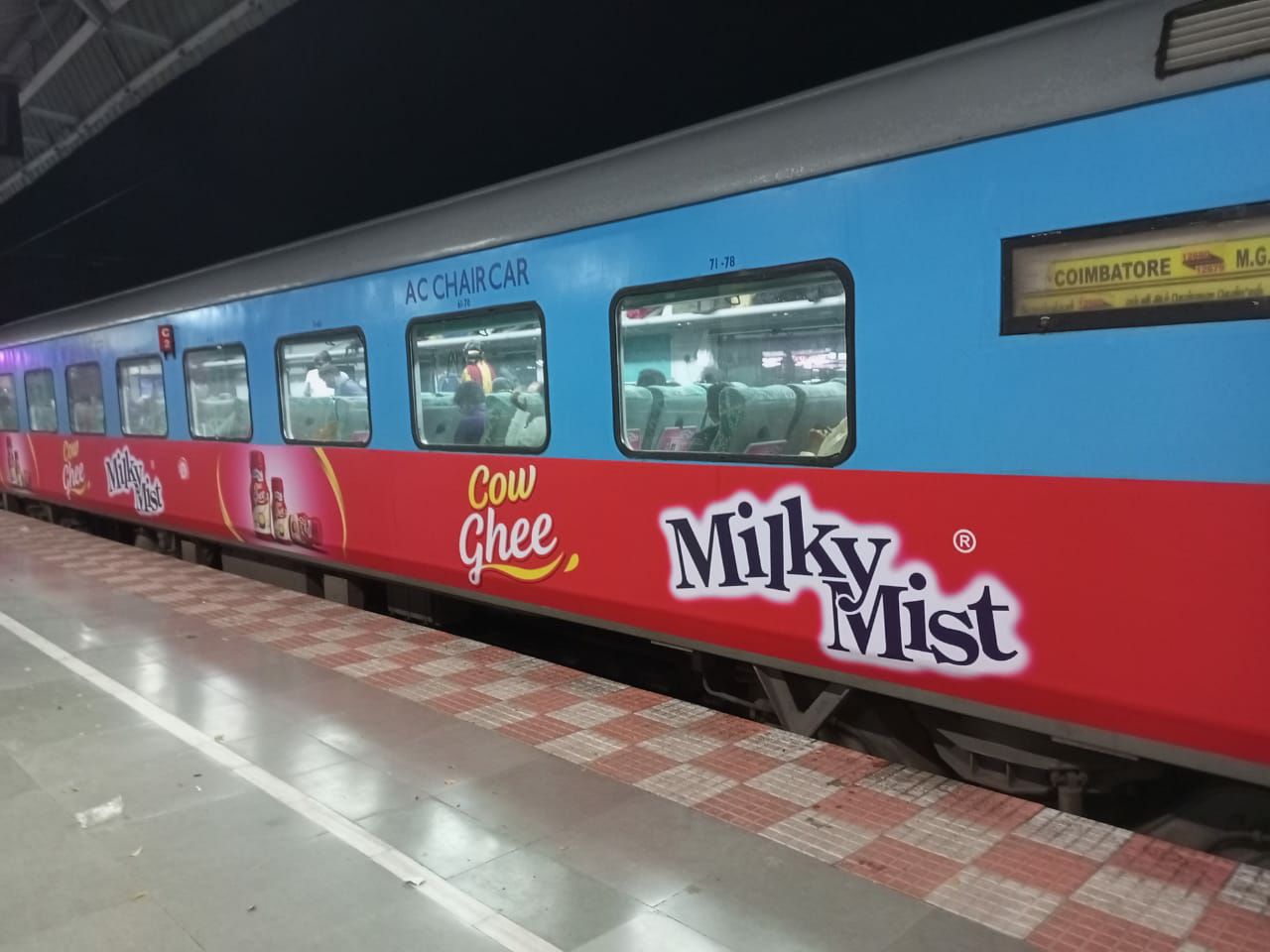
Indian Railways Bans Tobacco and Alcohol Advertisements
What's the News?
- Indian Railways has enforced a strict ethical advertising policy prohibiting all tobacco and alcohol advertisements across trains and railway stations .
- Railway Minister Ashwini Vaishnaw announced the ban as part of efforts to promote public health and maintain family-friendly environments in railway premises .
- The policy aligns with Cigarettes and Other Tobacco Products Act (COTPA), 2003 and broader public health objectives .
- Railways continues to explore alternative revenue streams without compromising ethical standards or raising ticket prices .
Provisions of the Advertising Policy
- Prohibited Categories:
- Tobacco products including cigarettes, bidis, and chewing tobacco .
- Alcoholic beverages of all types .
- Any content deemed objectionable or inappropriate for family audiences
- Coverage Area:
- All train interiors and exteriors .
- Railway station premises including platforms and waiting areas .
- Digital displays and static advertising boards
- Enforcement:
- Existing contracts to be reviewed and terminated if non-compliant .
- Penalties for violators including contract cancellation .
- Monitoring mechanism through railway commercial departments .
Revenue Model & Financial Impact
- Alternative Revenue Streams:
- Food and catering services expansion .
- Retail kiosks and commercial spaces at stations .
- Digital advertising for approved product categories .
- Premium services and experiential offerings .
- Financial Context:
- Railways aims to generate revenue without increasing ticket prices .
- Advertising remains significant non-fare revenue source .
- Policy balances ethics and economics in public sector operations .
- Smart Station Initiatives:
- Station redevelopment projects include commercial components .
- Amrit Bharat Station Scheme integrates revenue-generating facilities .
Additional Info
- Legal Framework:
- Cigarettes and Other Tobacco Products Act (COTPA), 2003 – Tobacco advertising restrictions
- Article 47 of Constitution – Directive Principle on public health improvement
- National Health Policy, 2017 – Tobacco control objectives
- Consumer Protection Act, 2019 – Unfair trade practice provisions
- Indian Railways Statistics:
- Carries over 25 million passengers daily
- Operates 7,000+ stations across India
- Major public sector employer with 1.2+ million employees
- Significant advertising reach through network coverage
- Previous Advertising Policies:
- Guidelines existed but enforcement was inconsistent
- Some stations already restricted certain categories
- New policy brings uniform nationwide implementation
This topic is crucial for UPSC, State PSC, SSC, State SSC and Banking exams under Governance, Health, Social Issues, and Current Affairs sections. Focus on public health policies, tobacco control laws, ethical advertising regulations, public sector revenue management, and constitutional directive principles for mains answers and interview discussions.
Sources
March 2026
Archive
October 2026
- 27 October 2026
- 26 October 2026
- 24 October 2026
- 23 October 2026
- 22 October 2026
- 21 October 2026
- 20 October 2026
- 19 October 2026
- 17 October 2026
- 16 October 2026
- 15 October 2026
- 14 October 2026
- 13 October 2026
- 12 October 2026
- 10 October 2026
- 09 October 2026
- 08 October 2026
- 07 October 2026
- 06 October 2026
- 05 October 2026
- 03 October 2026
- 02 October 2026
- 01 October 2026
September 2026
- 30 September 2026
- 29 September 2026
- 28 September 2026
- 26 September 2026
- 25 September 2026
- 24 September 2026
- 23 September 2026
- 22 September 2026
- 21 September 2026
- 19 September 2026
- 18 September 2026
- 17 September 2026
- 16 September 2026
- 15 September 2026
- 12 September 2026
- 11 September 2026
- 10 September 2026
- 09 September 2026
- 08 September 2026
- 07 September 2026
- 05 September 2026
- 04 September 2026
- 03 September 2026
- 02 September 2026
- 01 September 2026
August 2026
- 31 August 2026
- 29 August 2026
- 27 August 2026
- 26 August 2026
- 25 August 2026
- 24 August 2026
- 22 August 2026
- 21 August 2026
- 20 August 2026
- 19 August 2026
- 18 August 2026
- 17 August 2026
- 14 August 2026
- 13 August 2026
- 12 August 2026
- 11 August 2026
- 10 August 2026
- 08 August 2026
- 07 August 2026
- 06 August 2026
- 05 August 2026
- 04 August 2026
- 03 August 2026
- 01 August 2026
July 2026
- 31 July 2026
- 30 July 2026
- 29 July 2026
- 28 July 2026
- 27 July 2026
- 25 July 2026
- 23 July 2026
- 22 July 2026
- 21 July 2026
- 20 July 2026
- 18 July 2026
- 17 July 2026
- 15 July 2026
- 14 July 2026
- 13 July 2026
- 11 July 2026
- 10 July 2026
- 09 July 2026
- 08 July 2026
- 07 July 2026
- 06 July 2026
- 04 July 2026
- 03 July 2026
- 02 July 2026
- 01 July 2026
June 2026
May 2026
April 2026
March 2026
- 31 March 2026
- 30 March 2026
- 28 March 2026
- 27 March 2026
- 26 March 2026
- 25 March 2026
- 24 March 2026
- 23 March 2026
- 21 March 2026
- 20 March 2026
- 19 March 2026
- 18 March 2026
- 17 March 2026
- 16 March 2026
- 14 March 2026
- 13 March 2026
- 12 March 2026
- 11 March 2026
- 10 March 2026
- 09 March 2026
- 07 March 2026
- 06 March 2026
- 05 March 2026
- 03 March 2026
- 02 March 2026
February 2026
- 28 February 2026
- 27 February 2026
- 26 February 2026
- 25 February 2026
- 24 February 2026
- 23 February 2026
- 21 February 2026
- 20 February 2026
- 19 February 2026
- 18 February 2026
- 17 February 2026
- 16 February 2026
- 13 February 2026
- 12 February 2026
- 11 February 2026
- 10 February 2026
- 09 February 2026
- 07 February 2026
- 06 February 2026
- 05 February 2026
- 04 February 2026
- 03 February 2026
- 02 February 2026
January 2026
- 31 January 2026
- 30 January 2026
- 29 January 2026
- 28 January 2026
- 27 January 2026
- 26 January 2026
- 24 January 2026
- 23 January 2026
- 22 January 2026
- 21 January 2026
- 20 January 2026
- 19 January 2026
- 16 January 2026
- 15 January 2026
- 14 January 2026
- 13 January 2026
- 12 January 2026
- 10 January 2026
- 09 January 2026
- 08 January 2026
- 07 January 2026
- 06 January 2026
- 05 January 2026
- 03 January 2026
- 02 January 2026
- 01 January 2026
December 2025
- 31 December 2025
- 30 December 2025
- 29 December 2025
- 27 December 2025
- 26 December 2025
- 24 December 2025
- 23 December 2025
- 22 December 2025
- 20 December 2025
- 19 December 2025
- 18 December 2025
- 17 December 2025
- 16 December 2025
- 15 December 2025
- 13 December 2025
- 12 December 2025
- 11 December 2025
- 10 December 2025
- 09 December 2025
- 08 December 2025
- 05 December 2025
- 04 December 2025
- 03 December 2025
- 02 December 2025
November 2025
- 29 November 2025
- 28 November 2025
- 27 November 2025
- 26 November 2025
- 25 November 2025
- 24 November 2025
- 22 November 2025
- 21 November 2025
- 20 November 2025
- 19 November 2025
- 18 November 2025
- 17 November 2025
- 15 November 2025
- 14 November 2025
- 13 November 2025
- 12 November 2025
- 11 November 2025
- 10 November 2025
- 08 November 2025
- 07 November 2025
- 06 November 2025
- 05 November 2025
- 04 November 2025
- 03 November 2025
- 01 November 2025
October 2025
- 31 October 2025
- 30 October 2025
- 29 October 2025
- 28 October 2025
- 27 October 2025
- 25 October 2025
- 24 October 2025
- 23 October 2025
- 22 October 2025
- 21 October 2025
- 20 October 2025
- 18 October 2025
- 17 October 2025
- 16 October 2025
- 15 October 2025
- 14 October 2025
- 13 October 2025
- 11 October 2025
- 10 October 2025
- 09 October 2025
- 08 October 2025
- 07 October 2025
- 06 October 2025
- 04 October 2025
- 03 October 2025
- 02 October 2025
- 01 October 2025
September 2025
- 30 September 2025
- 29 September 2025
- 27 September 2025
- 26 September 2025
- 25 September 2025
- 24 September 2025
- 23 September 2025
- 22 September 2025
- 20 September 2025
- 19 September 2025
- 18 September 2025
- 17 September 2025
- 16 September 2025
- 15 September 2025
- 13 September 2025
- 12 September 2025
- 11 September 2025
- 10 September 2025
- 09 September 2025
- 08 September 2025
- 06 September 2025
- 05 September 2025
- 04 September 2025
- 03 September 2025
- 02 September 2025
- 01 September 2025
August 2025
- 30 August 2025
- 29 August 2025
- 28 August 2025
- 27 August 2025
- 26 August 2025
- 25 August 2025
- 23 August 2025
- 22 August 2025
- 21 August 2025
- 20 August 2025
- 19 August 2025
- 18 August 2025
- 16 August 2025
- 14 August 2025
- 13 August 2025
- 12 August 2025
- 11 August 2025
- 08 August 2025
- 07 August 2025
- 06 August 2025
- 05 August 2025
- 04 August 2025
- 02 August 2025
- 01 August 2025
July 2025
- 31 July 2025
- 30 July 2025
- 29 July 2025
- 28 July 2025
- 26 July 2025
- 25 July 2025
- 24 July 2025
- 23 July 2025
- 22 July 2025
- 21 July 2025
- 19 July 2025
- 18 July 2025
- 17 July 2025
- 16 July 2025
- 15 July 2025
- 12 July 2025
- 11 July 2025
- 10 July 2025
- 09 July 2025
- 07 July 2025
- 05 July 2025
- 04 July 2025
- 03 July 2025
- 02 July 2025
- 01 July 2025
June 2025
- 30 June 2025
- 28 June 2025
- 27 June 2025
- 26 June 2025
- 25 June 2025
- 24 June 2025
- 23 June 2025
- 21 June 2025
- 20 June 2025
- 19 June 2025
- 18 June 2025
- 17 June 2025
- 16 June 2025
- 14 June 2025
- 13 June 2025
- 12 June 2025
- 11 June 2025
- 10 June 2025
- 09 June 2025
- 07 June 2025
- 06 June 2025
- 05 June 2025
- 04 June 2025
- 03 June 2025
- 02 June 2025
May 2025
April 2025
- 30 April 2025
- 29 April 2025
- 28 April 2025
- 26 April 2025
- 25 April 2025
- 24 April 2025
- 23 April 2025
- 22 April 2025
- 21 April 2025
- 19 April 2025
- 18 April 2025
- 17 April 2025
- 16 April 2025
- 15 April 2025
- 14 April 2025
- 12 April 2025
- 11 April 2025
- 10 April 2025
- 09 April 2025
- 08 April 2025
- 07 April 2025
- 05 April 2025
- 04 April 2025
- 03 April 2025
- 02 April 2025
- 01 April 2025
March 2025
- 31 March 2025
- 29 March 2025
- 28 March 2025
- 27 March 2025
- 26 March 2025
- 25 March 2025
- 24 March 2025
- 22 March 2025
- 21 March 2025
- 20 March 2025
- 19 March 2025
- 18 March 2025
- 17 March 2025
- 15 March 2025
- 13 March 2025
- 12 March 2025
- 11 March 2025
- 10 March 2025
- 08 March 2025
- 07 March 2025
- 06 March 2025
- 05 March 2025
- 04 March 2025
- 03 March 2025
- 01 March 2025
February 2025
- 28 February 2025
- 27 February 2025
- 26 February 2025
- 25 February 2025
- 24 February 2025
- 22 February 2025
- 21 February 2025
- 20 February 2025
- 19 February 2025
- 18 February 2025
- 17 February 2025
- 15 February 2025
- 14 February 2025
- 13 February 2025
- 12 February 2025
- 11 February 2025
- 10 February 2025
- 08 February 2025
- 07 February 2025
- 06 February 2025
- 05 February 2025
- 04 February 2025
- 03 February 2025
- 01 February 2025
January 2025
- 31 January 2025
- 30 January 2025
- 29 January 2025
- 28 January 2025
- 27 January 2025
- 25 January 2025
- 24 January 2025
- 23 January 2025
- 22 January 2025
- 21 January 2025
- 20 January 2025
- 18 January 2025
- 17 January 2025
- 16 January 2025
- 15 January 2025
- 14 January 2025
- 13 January 2025
- 11 January 2025
- 10 January 2025
- 09 January 2025
- 08 January 2025
- 07 January 2025
- 06 January 2025
- 04 January 2025
- 03 January 2025
- 02 January 2025
- 01 January 2025