
Current Affairs
Stay updated with the latest national and international events.
29 September 2025
World Heart Day 2025

What’s the News?
- World Heart Day 2025 is observed globally on September 29 with the theme “Don’t Miss a Beat”, emphasizing continuous vigilance in cardiovascular health and the importance of early detection and prevention of heart diseases.
- The campaign, led by the World Heart Federation (WHF) in collaboration with the World Health Organization (WHO), aims to raise awareness about cardiovascular diseases (CVDs)—the leading cause of death worldwide—and encourages individuals to prioritize heart health through timely action and lifestyle changes.
Theme & Significance
The “Don’t Miss a Beat” theme underscores:
- The critical need to not ignore warning signs of heart conditions.
- The importance of regular health check-ups and early diagnosis to prevent avoidable deaths.
- A call to action for individuals, families, and health systems to ensure no heartbeat is lost prematurely due to preventable causes.
Key Facts on CVDs in India:
- CVDs account for over 30% of all deaths in India (ICMR-INDIAB study).
- India faces a double burden: rising CVDs in urban areas due to sedentary lifestyles, and persistent risk in rural regions due to limited healthcare access.
- Risk factors include hypertension, diabetes, tobacco use, unhealthy diets, and physical inactivity.
Additional Info
- Origin of World Heart Day:
- First launched in 1999 by the World Heart Federation with support from WHO.
- Initially observed on the last Sunday of September; since 2000, fixed on September 29.
- World Heart Federation (WHF):
- A global NGO headquartered in Geneva, Switzerland.
- Represents over 200 heart foundations, scientific societies, and patient organizations across 100+ countries.
- Works to reduce the global burden of CVDs through advocacy, policy influence, and public health campaigns.
- India’s National Response:
- National Programme for Prevention and Control of Cancer, Diabetes, CVDs and Stroke (NPCDCS):
- Launched under the National Health Mission (NHM).
- Focuses on screening, early diagnosis, and management of CVDs at Ayushman Arogya Mandirs (formerly Sub-Centres and PHCs).
- Targets population aged 30+ years for hypertension and diabetes screening.
- Fit India Movement and Eat Right India also complement CVD prevention through promotion of physical activity and healthy diets.
- National Programme for Prevention and Control of Cancer, Diabetes, CVDs and Stroke (NPCDCS):
Sources
Centre Unveils Guidelines for 72,300 EV Charging Stations Under PM E-DRIVE Scheme

What’s the News?
- The Government of India has released operational guidelines for the deployment of 72,300 public EV charging stations under the PM Electric Drive Revolution in Innovative Vehicle Enhancement (PM E-DRIVE) scheme.
- With a dedicated outlay of ₹2,000 crore for charging infrastructure under the larger ₹10,900 crore PM E-DRIVE scheme, the initiative aims to accelerate India’s transition to clean mobility by addressing critical gaps in EV charging access.
- Bharat Heavy Electricals Limited (BHEL) has been designated as the Project Implementation Agency (PIA), while state and central ministries must appoint nodal agencies to identify priority locations and submit consolidated proposals via a dedicated portal.
Tiered Subsidy Framework & Focus Areas
The scheme adopts a location-based subsidy model to ensure equitable and strategic rollout:
- Government Premises (offices, hospitals, schools, residential colonies):
- 100% subsidy on both upstream infrastructure and EV charging equipment.
- Condition: Chargers must be open for public use.
- High-Traffic Public Locations (railway stations, airports, metro/bus stations, toll plazas, PSU fuel outlets, municipal parking):
- 80% subsidy on upstream infrastructure.
- 70% subsidy on charging equipment.
- General Urban/Highway Sites (malls, markets, highways, expressways) and Battery Swapping Stations:
- 80% subsidy on upstream infrastructure.
Priority Zones for Deployment:
- Cities with population >1 million.
- Smart Cities, state capitals, and metro-linked satellite towns.
- High-density National and State Highways.
- Key transport hubs: railway stations, airports, and public fuel outlets.
Subsidies will be disbursed in two tranches, linked to compliance and performance benchmarks to ensure accountability.
Additional Info
- PM E-DRIVE Scheme:
- Launched by the Ministry of Heavy Industries (MHI) to replace the earlier FAME India Scheme.
- Total outlay: ₹10,900 crore, with ₹2,000 crore exclusively for public charging infrastructure.
- Also provides demand incentives for electric two-wheelers, three-wheelers, buses, ambulances, and trucks.
- Includes support for testing, certification, and indigenous technology development in the EV ecosystem.
- FAME India Scheme:
- Stands for Faster Adoption and Manufacturing of (Hybrid &) Electric Vehicles in India.
- It was launched in two phases: FAME I (2015-2019) and FAME II (2019-2024).
- FAME primarily focused on providing demand-side incentives (subsidies on the purchase of EVs) and supported the initial development of charging infrastructure. The PM-eDrive scheme builds upon and expands this effort with a dedicated focus on charging stations.
- National Electric Mobility Mission Plan (NEMMP) 2020:
- An overarching mission launched in 2013 to achieve national energy security, mitigate the adverse environmental impact of vehicles, and boost domestic manufacturing of EVs. The FAME scheme was a key part of the NEMMP.
- Production Linked Incentive (PLI) Scheme for Advanced Chemistry Cell (ACC) Battery Storage:
- This scheme is crucial for the EV ecosystem as it aims to boost domestic manufacturing of batteries.
- It helps reduce the cost of EVs by lowering import dependency and builds a self-reliant supply chain for a critical component.
Sources
ECI Deploys Central Observers for Bihar Polls and Bye-Elections
What’s the News?
- The Election Commission of India (ECI) has announced the deployment of Central Observers for the upcoming Assembly elections in Bihar and for bye-elections in eight constituencies across seven other states.
- These observers are tasked with ensuring that the elections are conducted in a free, fair, transparent, and impartial manner.
- A total of 470 senior officers will be deployed, serving as the eyes and ears of the Commission on the ground.
Role and Types of Central Observers
Central Observers are senior civil servants appointed by the ECI to independently monitor various aspects of the electoral process, from the nomination stage to the counting of votes, ensuring strict compliance with ECI guidelines.
- General Observers:
- Senior IAS officers from outside the state.
- They oversee the overall conduct of the election, including the implementation of the Model Code of Conduct (MCC), functioning of EVMs/VVPATs, and adherence to electoral laws.
- Police Observers:
- Senior IPS officers.
- Their primary role is to monitor the security situation, deployment of central and state police forces, and overall law and order to ensure a peaceful and intimidation-free polling environment.
- Expenditure Observers:
- Officers from the Indian Revenue Service (IRS) or other central accounts services.
- They are responsible for monitoring the election expenditure incurred by candidates and political parties to curb the use of black money and prevent illegal inducements for voters.
Additional Info
- Election Commission of India (ECI):
- It is an autonomous constitutional authority responsible for administering Union and State election processes in India.
- Article 324 of the Constitution vests the ECI with the power of superintendence, direction, and control of elections to the Parliament, state legislatures, and the offices of the President and Vice President.
- Statutory Basis for Observers:
- The ECI appoints observers under the powers conferred on it by Section 20B of the Representation of the People Act, 1951.
- These observers have the authority to recommend the postponement or cancellation of a poll in a specific area if they find serious irregularities.
- Model Code of Conduct (MCC):
- A set of norms and guidelines agreed upon by political parties to be followed during the election period.
- It comes into effect immediately after the announcement of the election schedule and remains in force until the results are declared.
- The MCC is designed to ensure a level playing field for all political parties and candidates and to maintain decorum and fairness in the campaign process.
Sources
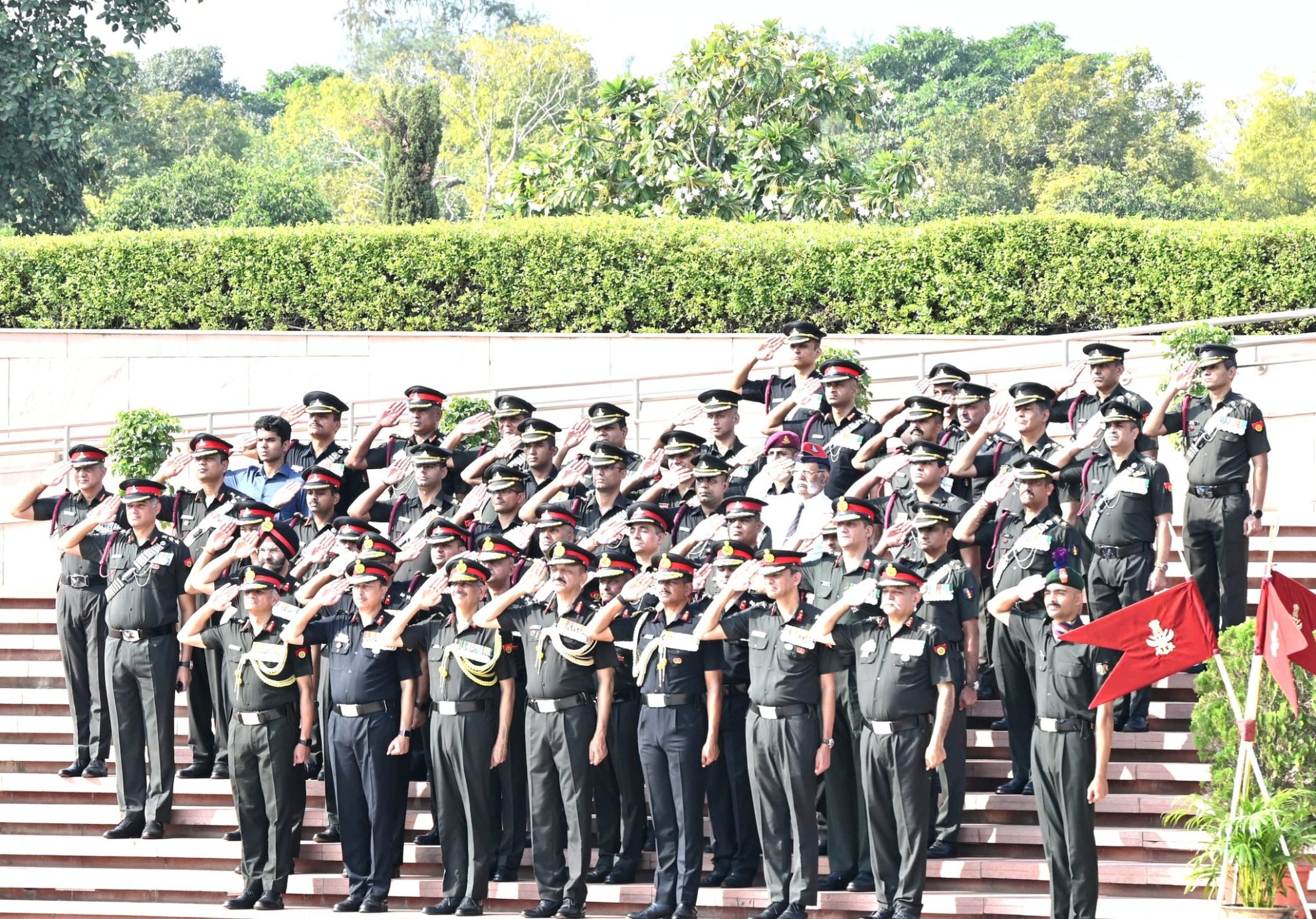
Indian Army Celebrates 199th Gunners' Day
What’s the News?
- The Regiment of Artillery of the Indian Army celebrated its 199th Gunners' Day on September 28.
- The day commemorates the raising of the first Indian artillery unit in 1827.
- A solemn wreath-laying ceremony was held at the National War Memorial in New Delhi, led by the Director General of Artillery, to pay tribute to the gunners who have made the supreme sacrifice for the nation.
History and Significance
Gunners' Day holds deep historical importance for the Indian Army, marking the foundation and evolution of its formidable artillery arm.
- Historical Origin: The day is celebrated on September 28 to mark the date in 1827 when the first Indian artillery unit, the 5 (Bombay) Mountain Battery, was raised.
- Significance:
- It honours the immense contribution, valour, and professionalism of the gunners in all major military operations.
- The Regiment's motto is “Sarvatra Izzat-O-Iqbal”, which translates to “Everywhere with Honour and Glory”.
Additional Info
- Regiment of Artillery:
- It is the second-largest arm of the Indian Army and is often referred to as the “Arm of Decision” due to its capability to deliver overwhelming firepower.
- Popularly known as the "Gods of War", the Regiment has played a decisive role in every conflict involving India, most notably during the Kargil Conflict (Operation Vijay), where its precision strikes were critical to victory.
- Modernization and Key Equipment:
- The Regiment is undergoing significant modernization to enhance its combat capabilities.
- Key artillery systems in service include:
- Dhanush: An indigenously developed 155mm towed howitzer.
- K9-Vajra: A 155mm self-propelled howitzer produced in India with South Korean collaboration.
- M777: Ultra-Light Howitzers procured from the USA, ideal for mountainous terrain.
- Pinaka: An indigenous multi-barrel rocket launcher (MBRL) system.
Sources
Himachal Pradesh’s Cold Desert Enters UNESCO’s Biosphere Network

What’s the News?
- India’s Cold Desert region of Himachal Pradesh has been officially added to the UNESCO World Network of Biosphere Reserves.
- The designation was made during the 5th World Congress of Biosphere Reserves (WCBR) in Hangzhou, China.
- With this, India’s count of UNESCO-recognized biosphere reserves rises to 13.
Cold Desert Biosphere Reserve
- Geographic spread & zones:
- Total area: 7,770 sq km
- Altitude: ~ 3,300 to 6,600 metres
- Zoning structure: Core zone ~2,665 sq km, Buffer ~3,977 sq km, Transition ~1,128 sq km
- Constituent protected areas:
- Pin Valley National Park, Kibber Wildlife Sanctuary, Chandratal Wetland, Sarchu plains
- Biodiversity highlights:
- Flora: Hosts 655 herb species, 41 shrubs, 17 tree species, including 14 endemics and 47 medicinal plants used in the traditional Sowa Rigpa (Amchi) healing system.
- Fauna: Home to 17 mammal and 119 bird species, with the snow leopard as the flagship predator; also supports Himalayan ibex, blue sheep, and Himalayan wolf.
Additional Info
- UNESCO’s Man and the Biosphere (MAB) Programme:
- Launched in 1971 to promote sustainable development through harmonious integration of people and nature.
- The World Network of Biosphere Reserves now includes 785 sites across 142 countries; 26 new reserves were added in 2025, the highest in two decades.
- India’s Biosphere Reserves:
- India has 18 notified biosphere reserves; 13 are part of the WNBR.
- Other notable sites include Nilgiri (1986), Sundarbans (1989), Gulf of Mannar (1989), and Panna (2020).
- Cold Desert Biosphere Reserve:
- Originally notified by the Government of India in 2009.
- Represents one of the coldest and driest ecosystems on Earth, with elevations ranging from 3,300 to 6,600 meters.
- Functions as a “living laboratory” for climate resilience, high-altitude ecology, and indigenous knowledge systems.
Sources
Bihar Adds Two Wetlands to India’s Ramsar List, Total Now 93
What’s the News?
- Two wetlands in Bihar—Gokul Jalashay (Buxar) and Udaipur Jheel (West Champaran)—have been designated as Ramsar Sites, bringing India’s total to 93 wetlands of international importance.
- With this addition, Bihar now has five Ramsar sites, reinforcing India’s position as the country with the highest number of Ramsar sites in Asia and covering a total wetland area of 13.6 lakh hectares.
- Both sites are oxbow lakes formed by the meandering of rivers and serve as critical habitats for migratory birds, endemic flora, and local communities dependent on wetland resources.
Key Features of the New Ramsar Sites
Gokul Jalashay (Buxar)
- Area: 448 hectares
- Located on the southern bank of the Ganga River
- Functions as a natural flood buffer for surrounding villages
- Supports over 50 bird species
- Used for fishing, irrigation, and agriculture
- Hosts annual community-led cleaning rituals, reflecting strong local stewardship
Udaipur Jheel (West Champaran)
- Area: 319 hectares
- Surrounded by the Udaipur Wildlife Sanctuary
- Home to over 280 plant species, including the endemic herb Alysicarpus roxburghianus
- Serves as a key wintering ground for ~35 migratory bird species, including the vulnerable Common Pochard (Aythya ferina)
Additional Info
- Ramsar Convention on Wetlands:
- Adopted in 1971 in Ramsar, Iran; came into force in 1975 under UNESCO.
- India became a Contracting Party in 1982.
- Aims to promote “wise use” of wetlands through national action and international cooperation.
- Sites must meet at least one of nine criteria, such as supporting 20,000+ waterbirds or conserving threatened species.
- India’s Ramsar Journey:
- 51 sites added since 2020, reflecting accelerated conservation efforts.
- Bihar’s Ramsar Sites: Kabar Taal (Begusarai), Nagi Bird Sanctuary, Nakti Bird Sanctuary, and now Gokul Jalashay and Udaipur Jheel.
- Ecological Significance of Oxbow Lakes:
- Formed when river meanders are cut off, creating crescent-shaped, nutrient-rich water bodies.
- Act as biodiversity hotspots, groundwater recharge zones, and natural flood regulators.
Sources
Gallup Global Safety Report 2025
What’s the News?
- According to the Gallup Global Safety Report 2025, 73% of adults globally report feeling safe walking alone at night in their communities—the highest level since tracking began in 2006.
- Despite ongoing global conflicts and geopolitical tensions, perceived safety has improved notably in Asia-Pacific, Western Europe, Latin America & the Caribbean, and sub-Saharan Africa.
- Singapore ranks as the safest country for the 12th time, with 98% of residents feeling secure, while South Africa ranks lowest at 33%.
Key Findings & Regional Insights
Global Trends
- Latin America & the Caribbean: For the first time, 50% of residents feel safe at night—a significant milestone for a historically high-crime region.
- Gender Safety Gap: Globally, 78% of men vs. 67% of women feel safe walking alone at night. In over 100 countries, this gap exceeds 10 percentage points.
- Widest gaps observed in high-income nations: USA (84% men vs. 58% women), Australia, and several EU countries.
Top and Bottom Performers
- Top 10 Safest: Dominated by Gulf Cooperation Council (GCC) nations—Saudi Arabia, Oman, Kuwait, Bahrain, UAE—all reporting >90% safety perception.
- Least Safe: South Africa (33%), Lesotho (34%), and Botswana (34%) remain at the bottom.
Policy Implications
- The report, co-published with New York University’s Center on International Cooperation (CIC), emphasizes that safety is not just absence of violence but presence of trust, strong institutions, and community resilience.
- Highlights successful local models:
- Pelotas & Niterói (Brazil): Use data-driven, cross-sectoral strategies under the Peace in Our Cities network.
- South Africa: Engages private sector in national violence prevention initiatives.
Additional Info
- Gallup Global Safety Metric:
- Based on annual surveys across 140+ countries.
- Core question: “Do you feel safe walking alone at night in the city or area where you live?”
- Serves as a key indicator for SDG 16 (Peace, Justice, and Strong Institutions).
- India’s Context:
- Not explicitly ranked in the 2025 report, but previous editions noted moderate safety perception with significant urban-rural and gender disparities.
- Aligns with India’s focus on smart policing, women’s safety initiatives (e.g., Nirbhaya Fund), and community policing models.
Sources
September 2025
30 September 202529 September 202527 September 202526 September 202525 September 202524 September 202523 September 202522 September 202520 September 202519 September 202518 September 202517 September 202516 September 202515 September 202513 September 202512 September 202511 September 202510 September 202509 September 202508 September 202506 September 202505 September 202504 September 202503 September 202502 September 202501 September 2025
Archive
October 2026
- 27 October 2026
- 26 October 2026
- 24 October 2026
- 23 October 2026
- 22 October 2026
- 21 October 2026
- 20 October 2026
- 19 October 2026
- 17 October 2026
- 16 October 2026
- 15 October 2026
- 14 October 2026
- 13 October 2026
- 12 October 2026
- 10 October 2026
- 09 October 2026
- 08 October 2026
- 07 October 2026
- 06 October 2026
- 05 October 2026
- 03 October 2026
- 02 October 2026
- 01 October 2026
September 2026
- 30 September 2026
- 29 September 2026
- 28 September 2026
- 26 September 2026
- 25 September 2026
- 24 September 2026
- 23 September 2026
- 22 September 2026
- 21 September 2026
- 19 September 2026
- 18 September 2026
- 17 September 2026
- 16 September 2026
- 15 September 2026
- 12 September 2026
- 11 September 2026
- 10 September 2026
- 09 September 2026
- 08 September 2026
- 07 September 2026
- 05 September 2026
- 04 September 2026
- 03 September 2026
- 02 September 2026
- 01 September 2026
August 2026
- 31 August 2026
- 29 August 2026
- 27 August 2026
- 26 August 2026
- 25 August 2026
- 24 August 2026
- 22 August 2026
- 21 August 2026
- 20 August 2026
- 19 August 2026
- 18 August 2026
- 17 August 2026
- 14 August 2026
- 13 August 2026
- 12 August 2026
- 11 August 2026
- 10 August 2026
- 08 August 2026
- 07 August 2026
- 06 August 2026
- 05 August 2026
- 04 August 2026
- 03 August 2026
- 01 August 2026
July 2026
- 31 July 2026
- 30 July 2026
- 29 July 2026
- 28 July 2026
- 27 July 2026
- 25 July 2026
- 23 July 2026
- 22 July 2026
- 21 July 2026
- 20 July 2026
- 18 July 2026
- 17 July 2026
- 15 July 2026
- 14 July 2026
- 13 July 2026
- 11 July 2026
- 10 July 2026
- 09 July 2026
- 08 July 2026
- 07 July 2026
- 06 July 2026
- 04 July 2026
- 03 July 2026
- 02 July 2026
- 01 July 2026
June 2026
May 2026
April 2026
March 2026
- 31 March 2026
- 30 March 2026
- 28 March 2026
- 27 March 2026
- 26 March 2026
- 25 March 2026
- 24 March 2026
- 23 March 2026
- 21 March 2026
- 20 March 2026
- 19 March 2026
- 18 March 2026
- 17 March 2026
- 16 March 2026
- 14 March 2026
- 13 March 2026
- 12 March 2026
- 11 March 2026
- 10 March 2026
- 09 March 2026
- 07 March 2026
- 06 March 2026
- 05 March 2026
- 03 March 2026
- 02 March 2026
February 2026
- 28 February 2026
- 27 February 2026
- 26 February 2026
- 25 February 2026
- 24 February 2026
- 23 February 2026
- 21 February 2026
- 20 February 2026
- 19 February 2026
- 18 February 2026
- 17 February 2026
- 16 February 2026
- 13 February 2026
- 12 February 2026
- 11 February 2026
- 10 February 2026
- 09 February 2026
- 07 February 2026
- 06 February 2026
- 05 February 2026
- 04 February 2026
- 03 February 2026
- 02 February 2026
January 2026
- 31 January 2026
- 30 January 2026
- 29 January 2026
- 28 January 2026
- 27 January 2026
- 26 January 2026
- 24 January 2026
- 23 January 2026
- 22 January 2026
- 21 January 2026
- 20 January 2026
- 19 January 2026
- 16 January 2026
- 15 January 2026
- 14 January 2026
- 13 January 2026
- 12 January 2026
- 10 January 2026
- 09 January 2026
- 08 January 2026
- 07 January 2026
- 06 January 2026
- 05 January 2026
- 03 January 2026
- 02 January 2026
- 01 January 2026
December 2025
- 31 December 2025
- 30 December 2025
- 29 December 2025
- 27 December 2025
- 26 December 2025
- 24 December 2025
- 23 December 2025
- 22 December 2025
- 20 December 2025
- 19 December 2025
- 18 December 2025
- 17 December 2025
- 16 December 2025
- 15 December 2025
- 13 December 2025
- 12 December 2025
- 11 December 2025
- 10 December 2025
- 09 December 2025
- 08 December 2025
- 05 December 2025
- 04 December 2025
- 03 December 2025
- 02 December 2025
November 2025
- 29 November 2025
- 28 November 2025
- 27 November 2025
- 26 November 2025
- 25 November 2025
- 24 November 2025
- 22 November 2025
- 21 November 2025
- 20 November 2025
- 19 November 2025
- 18 November 2025
- 17 November 2025
- 15 November 2025
- 14 November 2025
- 13 November 2025
- 12 November 2025
- 11 November 2025
- 10 November 2025
- 08 November 2025
- 07 November 2025
- 06 November 2025
- 05 November 2025
- 04 November 2025
- 03 November 2025
- 01 November 2025
October 2025
- 31 October 2025
- 30 October 2025
- 29 October 2025
- 28 October 2025
- 27 October 2025
- 25 October 2025
- 24 October 2025
- 23 October 2025
- 22 October 2025
- 21 October 2025
- 20 October 2025
- 18 October 2025
- 17 October 2025
- 16 October 2025
- 15 October 2025
- 14 October 2025
- 13 October 2025
- 11 October 2025
- 10 October 2025
- 09 October 2025
- 08 October 2025
- 07 October 2025
- 06 October 2025
- 04 October 2025
- 03 October 2025
- 02 October 2025
- 01 October 2025
September 2025
- 30 September 2025
- 29 September 2025
- 27 September 2025
- 26 September 2025
- 25 September 2025
- 24 September 2025
- 23 September 2025
- 22 September 2025
- 20 September 2025
- 19 September 2025
- 18 September 2025
- 17 September 2025
- 16 September 2025
- 15 September 2025
- 13 September 2025
- 12 September 2025
- 11 September 2025
- 10 September 2025
- 09 September 2025
- 08 September 2025
- 06 September 2025
- 05 September 2025
- 04 September 2025
- 03 September 2025
- 02 September 2025
- 01 September 2025
August 2025
- 30 August 2025
- 29 August 2025
- 28 August 2025
- 27 August 2025
- 26 August 2025
- 25 August 2025
- 23 August 2025
- 22 August 2025
- 21 August 2025
- 20 August 2025
- 19 August 2025
- 18 August 2025
- 16 August 2025
- 14 August 2025
- 13 August 2025
- 12 August 2025
- 11 August 2025
- 08 August 2025
- 07 August 2025
- 06 August 2025
- 05 August 2025
- 04 August 2025
- 02 August 2025
- 01 August 2025
July 2025
- 31 July 2025
- 30 July 2025
- 29 July 2025
- 28 July 2025
- 26 July 2025
- 25 July 2025
- 24 July 2025
- 23 July 2025
- 22 July 2025
- 21 July 2025
- 19 July 2025
- 18 July 2025
- 17 July 2025
- 16 July 2025
- 15 July 2025
- 12 July 2025
- 11 July 2025
- 10 July 2025
- 09 July 2025
- 07 July 2025
- 05 July 2025
- 04 July 2025
- 03 July 2025
- 02 July 2025
- 01 July 2025
June 2025
- 30 June 2025
- 28 June 2025
- 27 June 2025
- 26 June 2025
- 25 June 2025
- 24 June 2025
- 23 June 2025
- 21 June 2025
- 20 June 2025
- 19 June 2025
- 18 June 2025
- 17 June 2025
- 16 June 2025
- 14 June 2025
- 13 June 2025
- 12 June 2025
- 11 June 2025
- 10 June 2025
- 09 June 2025
- 07 June 2025
- 06 June 2025
- 05 June 2025
- 04 June 2025
- 03 June 2025
- 02 June 2025
May 2025
April 2025
- 30 April 2025
- 29 April 2025
- 28 April 2025
- 26 April 2025
- 25 April 2025
- 24 April 2025
- 23 April 2025
- 22 April 2025
- 21 April 2025
- 19 April 2025
- 18 April 2025
- 17 April 2025
- 16 April 2025
- 15 April 2025
- 14 April 2025
- 12 April 2025
- 11 April 2025
- 10 April 2025
- 09 April 2025
- 08 April 2025
- 07 April 2025
- 05 April 2025
- 04 April 2025
- 03 April 2025
- 02 April 2025
- 01 April 2025
March 2025
- 31 March 2025
- 29 March 2025
- 28 March 2025
- 27 March 2025
- 26 March 2025
- 25 March 2025
- 24 March 2025
- 22 March 2025
- 21 March 2025
- 20 March 2025
- 19 March 2025
- 18 March 2025
- 17 March 2025
- 15 March 2025
- 13 March 2025
- 12 March 2025
- 11 March 2025
- 10 March 2025
- 08 March 2025
- 07 March 2025
- 06 March 2025
- 05 March 2025
- 04 March 2025
- 03 March 2025
- 01 March 2025
February 2025
- 28 February 2025
- 27 February 2025
- 26 February 2025
- 25 February 2025
- 24 February 2025
- 22 February 2025
- 21 February 2025
- 20 February 2025
- 19 February 2025
- 18 February 2025
- 17 February 2025
- 15 February 2025
- 14 February 2025
- 13 February 2025
- 12 February 2025
- 11 February 2025
- 10 February 2025
- 08 February 2025
- 07 February 2025
- 06 February 2025
- 05 February 2025
- 04 February 2025
- 03 February 2025
- 01 February 2025
January 2025
- 31 January 2025
- 30 January 2025
- 29 January 2025
- 28 January 2025
- 27 January 2025
- 25 January 2025
- 24 January 2025
- 23 January 2025
- 22 January 2025
- 21 January 2025
- 20 January 2025
- 18 January 2025
- 17 January 2025
- 16 January 2025
- 15 January 2025
- 14 January 2025
- 13 January 2025
- 11 January 2025
- 10 January 2025
- 09 January 2025
- 08 January 2025
- 07 January 2025
- 06 January 2025
- 04 January 2025
- 03 January 2025
- 02 January 2025
- 01 January 2025