
Current Affairs
Stay updated with the latest national and international events.
28 October 2026
India Reaffirms Commitment to Global Biodiversity Framework at CBD COP-17

What’s the News?
- India reaffirmed its commitment to biodiversity conservation and implementation of the Kunming–Montreal Global Biodiversity Framework (KMGBF) at the 17th Conference of the Parties (CBD COP-17) in Yerevan, Armenia.
- Union Environment, Forest and Climate Change Minister Bhupender Yadav delivered India's National Statement, emphasising predictable biodiversity financing, technology transfer, capacity-building and equitable benefit-sharing.
- India advocated a science-based, risk-proportionate and precautionary approach to synthetic biology and biosafety.
India's Commitments at COP-17
- National Implementation: Biodiversity targets should align with national priorities, circumstances and domestic legislation.
- Biodiversity Finance: Developed countries should provide adequate and predictable financial support and facilitate technology transfer.
- Benefit-Sharing: India supported the multilateral mechanism, including the Cali Fund, for sharing benefits arising from Digital Sequence Information (DSI) on genetic resources.
- National Biodiversity Strategy and Action Plan (NBSAP): India's updated plan incorporates 23 National Biodiversity Targets and 142 indicators for monitoring implementation.
India's Biodiversity Conservation Achievements
The Union Minister highlighted India's conservation network:
| Category | Number |
|---|---|
| Protected Areas | 1,134 |
| Ramsar Sites | 103 |
| Biodiversity Heritage Sites | 57 |
| Biosphere Reserves | 18 |
| Biosphere Reserves in UNESCO's World Network | 13 |
Additional Info
Convention on Biological Diversity (CBD)
- Adopted at the 1992 Rio Earth Summit and entered into force in 1993.
- Three main objectives:
- Conservation of biological diversity.
- Sustainable use of its components.
- Fair and equitable sharing of benefits arising from genetic resources.
Kunming–Montreal Global Biodiversity Framework
- Adopted at CBD COP-15 in Montreal, Canada (2022).
- Comprises 4 long-term goals for 2050 and 23 global targets for 2030.
- Targets:
- Conserving at least 30% of terrestrial, inland-water, coastal and marine areas by 2030.
- Restoring at least 30% of degraded ecosystems by 2030.
Related Indian Initiatives
- International Big Cat Alliance (IBCA): International cooperation to conserve seven big-cat species.
- MISHTI: Mangrove Initiative for Shoreline Habitats and Tangible Incomes; focuses on mangrove restoration.
- Amrit Dharohar: Conservation of Ramsar wetlands through community participation and sustainable livelihoods.
- Mission LiFE: Promotes environmentally sustainable lifestyles.
- Ek Ped Maa Ke Naam: Encourages tree plantation and public participation in environmental conservation.
Biological Diversity Act, 2002
- Provides India's legal framework for biodiversity conservation, sustainable use and access-and-benefit sharing.
- Biodiversity Management Committees (BMCs) support decentralised biodiversity governance and local community participation.
Sources
MoRTH Introduces FASTag-Based Annual Concessional Local Pass

What’s the News?
- The Ministry of Road Transport and Highways (MoRTH) has introduced a FASTag-based Annual Concessional Local Pass for private non-commercial vehicle owners residing within 20 km of a National Highway toll plaza.
- The scheme offers unlimited toll crossings at a designated plaza for one year at concessional rates of ₹1,500 or ₹3,000, depending on the plaza's location.
- It aims to reduce commuting costs for local residents and support digital toll collection.
Annual Local Pass: Key Features
- Eligibility: Owners of non-commercial vehicles with a valid, functional FASTag, residing within 20 km of the toll plaza.
- Fee Structure:
- ₹1,500 annually: Toll plazas outside municipal or local town limits.
- ₹3,000 annually: Toll plazas within municipal or local town limits.
- Validity: One year, with unlimited crossings at the designated toll plaza.
- Restriction: The pass is plaza-specific, non-transferable and not valid nationwide.
- Exclusions:
- National Highways and Expressways operating under a closed user-fee collection system.
- Locations where a service road or alternative road is available.
- Availability: At eligible toll plazas from November 2026 and through the Rajmargyatra App from December 2026.
- Choice: Eligible users can opt for either the existing monthly local pass or the new annual pass.
- The Central Government may revise the annual rates every April.
Legal Framework
- Introduced through the National Highways Fee (Determination of Rates and Collection) (Fifth Amendment) Rules, 2026.
- Amends the National Highways Fee (Determination of Rates and Collection) Rules, 2008.
- Issued under Section 9 of the National Highways Act, 1956.
Additional Info
FASTag
- An electronic toll collection system based on Radio Frequency Identification (RFID) technology.
- Enables automatic toll deduction through a linked bank account or prepaid wallet.
- More than 13 crore FASTags have been issued across India.
Existing Nationwide FASTag Annual Pass
- Introduced in 2025 for eligible non-commercial cars, jeeps and vans.
- Fee for FY 2026–27: ₹3,075.
- Validity: One year or 200 crossings, whichever is earlier, at eligible National Highway and National Expressway toll plazas.
- Unlike the new local pass, it covers multiple eligible toll plazas but has a crossing limit.
Multi-Lane Free Flow (MLFF) Tolling
- A barrier-free toll collection system that enables vehicles to pass tolling points without stopping.
- Uses FASTag-based identification and automated toll processing to reduce congestion and improve traffic flow.
Sources
India–Indonesia Joint Special Forces Exercise Garuda Shakti 2026 Begins
What’s the News?
- The 11th edition of Exercise Garuda Shakti, a bilateral joint Special Forces military exercise between India and Indonesia, commenced at Banyuwangi, Indonesia.
- The Indian contingent comprises troops from the Parachute Regiment (Special Forces), while Indonesia is represented by personnel from its Special Forces.
- The exercise aims to strengthen military cooperation, interoperability and joint operational capabilities, particularly in jungle warfare and special operations.
Exercise Garuda Shakti 2026
- Edition: 11th.
- Host Country: Indonesia.
- Location: Banyuwangi, Indonesia.
- Participating Forces: Indian Army's Parachute Regiment (Special Forces) and Indonesian Special Forces.
- Objective: Enhance mutual understanding, tactical coordination and operational readiness through joint Special Forces training.
- Training Activities:
- Jungle warfare and obstacle crossing.
- Combat marksmanship and military mountaineering.
- Air assault training and combat-hardening sessions.
- Exchange of expertise on weapons, equipment and operational practices.
- Validation Exercise: The training concludes with simulated operational scenarios to assess endurance, coordination and combat readiness.
Additional Info
Exercise Garuda Shakti
- First Edition: Conducted in 2012 in India.
- Nature: Bilateral military exercise conducted on a reciprocal basis, alternately in India and Indonesia.
- Previous Edition: The 10th edition was held at the Special Forces Training School, Bakloh, Himachal Pradesh, in 2025.
Other India–Indonesia Defence Exercises
- Samudra Shakti: Bilateral naval exercise between the Indian Navy and Indonesian Navy.
- IND-INDO CORPAT: Coordinated patrol conducted by the navies of India and Indonesia.
India–Indonesia Relations
- India and Indonesia elevated their bilateral relationship to a Comprehensive Strategic Partnership in 2018.
- Indonesia is a member of the Association of Southeast Asian Nations (ASEAN), headquartered in Jakarta.
- Defence cooperation supports India's Act East Policy and maritime security cooperation in the Indo-Pacific region.
Cabinet Approves ₹7,395.55-Crore Pradhan Mantri Viksit Gram Swaraj Yojana
What’s the News?
- The Union Cabinet, chaired by Prime Minister Narendra Modi, approved the Pradhan Mantri Viksit Gram Swaraj Yojana (PM-VGSY) as a Centrally Sponsored Scheme for 2026–27 to 2030–31.
- The scheme has a total outlay of ₹7,395.55 crore and aims to strengthen grassroots governance, digital planning, financial accountability and capacity-building of Panchayati Raj Institutions (PRIs).
- It aligns with the Viksit Bharat vision and the 16th Finance Commission period.
Pradhan Mantri Viksit Gram Swaraj Yojana (PM-VGSY)
- Nodal Ministry: Ministry of Panchayati Raj.
- Duration: Five years (2026–27 to 2030–31).
- Total Outlay: ₹7,395.55 crore.
- Central Share: ₹4,869.48 crore.
- State Share: ₹2,526.07 crore.
- Coverage: Over 2.55 lakh Panchayats and Traditional Local Bodies across all States and UTs, including non-Part IX areas.
- Beneficiaries: Around 32 lakh elected representatives, Panchayat functionaries and other stakeholders.
Features and Targets
- Integrated Village Planning: Preparation of 2.55 lakh holistic Gram Panchayat Development Plans (GPDPs) annually through the eGramSwaraj portal.
- Digital Governance: Integration of government schemes, beneficiaries, community assets and resources through a common digital platform.
- Financial Accountability: Preparation of at least 2.55 lakh online audit plans annually through AuditOnline, alongside improved accounting and public disclosure.
- Capacity-Building: Training of approximately 32 lakh elected representatives, Panchayat functionaries and stakeholders annually.
- Citizen Awareness: Each coordinated awareness initiative will reach at least 1 crore citizens.
- PANCHAM Platform: AI-enabled, multilingual, two-way communication platform supporting 17 Indian languages.
- Financial Self-Reliance: Encourages Own Source Revenue (OSR) mobilisation and efficient utilisation of Finance Commission grants.
Additional Info
16th Finance Commission
- Chairman: Dr. Arvind Panagariya.
- Award Period: 2026–27 to 2030–31.
- Recommended approximately ₹4.35 lakh crore in grants for Rural Local Bodies during the period.
Constitutional Provisions
- 73rd Constitutional Amendment Act, 1992: Granted constitutional status to Panchayati Raj Institutions.
- Part IX: Articles 243 to 243-O deal with Panchayats.
- Article 243A: Powers of the Gram Sabha.
- Article 243G: Powers, authority and responsibilities of Panchayats.
- 11th Schedule: Contains 29 subjects related to Panchayats.
Related Digital Initiatives
- eGramSwaraj: Launched in 2020 for integrated Panchayat planning, budgeting, accounting and monitoring.
- AuditOnline: Facilitates online auditing of Panchayat accounts to improve financial transparency.
Sources
Janjatiya Gaurav Diwas 2026: Nationwide Tribal Pride Celebrations Announced
What’s the News?
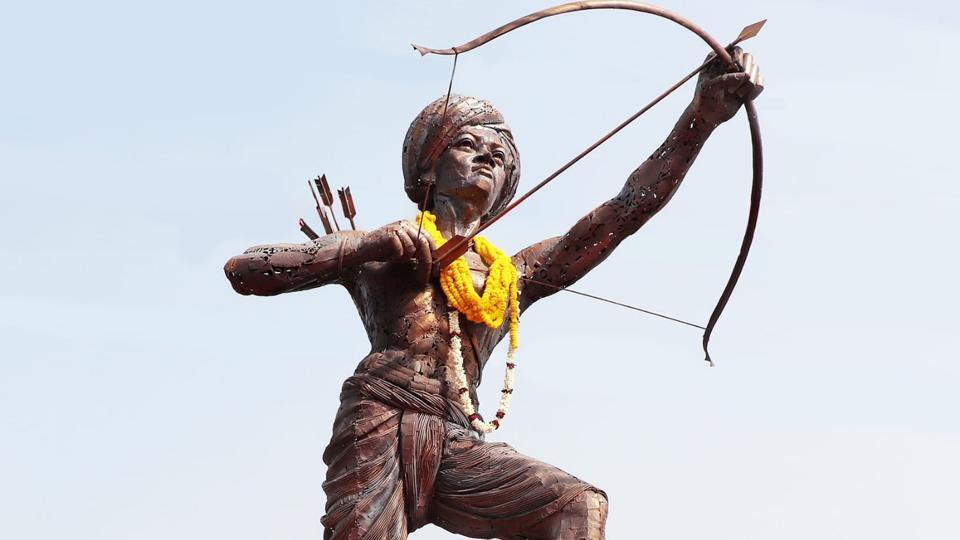
- The Ministry of Tribal Affairs will organise Janjatiya Gaurav Pakhwada from 1–15 November 2026, culminating in Janjatiya Gaurav Diwas on 15 November, the birth anniversary of tribal freedom fighter Dharti Aaba Bhagwan Birsa Munda.
- The nationwide campaign will include over 300 development projects, two national digital initiatives and more than 160 state-level activities.
- It aims to promote tribal heritage, expand access to welfare schemes and accelerate initiatives such as PM-JANMAN and Dharti Aaba Janjatiya Gram Utkarsh Abhiyan.
Janjatiya Gaurav Pakhwada 2026: Key Initiatives
- Development Projects: 302 projects planned, including 228 inaugurations and 74 foundation-stone layings.
- New Tribal Research Institute building in Itanagar, Arunachal Pradesh.
- Ropuiliani Tribal Freedom Fighter Museum at Kelsih, Mizoram.
- Educational Outreach: Around 200 Eklavya Model Residential School (EMRS) students will interact with President Droupadi Murmu at Rashtrapati Bhavan.
- National Tribal Literary Festival: Scheduled in New Delhi on 12–13 November.
- Rani Durgavati Adivasi Mahila Sammelan: Participation of 500 tribal women entrepreneurs from 30 States/UTs.
- Community Participation: Around 1.54 lakh Adi Karmayogi volunteers are being trained across 76,963 villages.
- Tribal Healthcare:
- Training of 1,500 traditional healers from nine States/UTs.
- Programme to conserve 200–300 medicinal plant species with CSIR-NBRI at Koraput, Odisha.
- State-Level Activities: Over 160 programmes planned across 19 States/UTs, with expected participation exceeding one lakh.
Two National Digital Initiatives
Jan-HIT Portal
- Full Form: Janjatiya Health Intelligence and Technology.
- Developed in collaboration with the Indian Council of Medical Research (ICMR).
- India's first digital platform for tribe-disaggregated health data, covering 20 States.
National Forest Rights Act (FRA) Digital Platform
- Digitises forest-rights claims under the Forest Rights Act, 2006.
- Integrates processes from Gram Sabha applications to digitally signed forest-rights titles.
Additional Info
Janjatiya Gaurav Diwas
- Observed: 15 November annually.
- First Declared: 2021 by the Government of India.
- Significance: Honours tribal freedom fighters and their contributions to India's independence.
- Janjatiya Gaurav Varsh (2024–25): Commemorated Birsa Munda's 150th birth anniversary through over 2 lakh activities involving more than 3.8 crore participants.
Bhagwan Birsa Munda (1875–1900)
- Born in Ulihatu, present-day Jharkhand.
- Belonged to the Munda tribal community.
- Led the Ulgulan (Great Tumult) movement against British colonial rule and exploitation of tribal communities.
Related Tribal Welfare Schemes
- PM-JANMAN (2023):
- Outlay: ₹24,104 crore.
- Focuses on the socioeconomic development of 75 Particularly Vulnerable Tribal Groups (PVTGs).
- Dharti Aaba Janjatiya Gram Utkarsh Abhiyan (2024):
- Outlay: ₹79,156 crore.
- Covers 63,843 villages across 30 States/UTs.
Constitutional Provisions
- Article 46: Promotion of educational and economic interests of Scheduled Tribes and other weaker sections.
- Article 244: Administration of Scheduled Areas and Tribal Areas.
- Article 342: Specification of Scheduled Tribes.
- Fifth Schedule: Administration and control of Scheduled Areas and Scheduled Tribes in specified States.
Sources
Orange Oakleaf Selected as Chhattisgarh’s First State Butterfly
What’s the News?
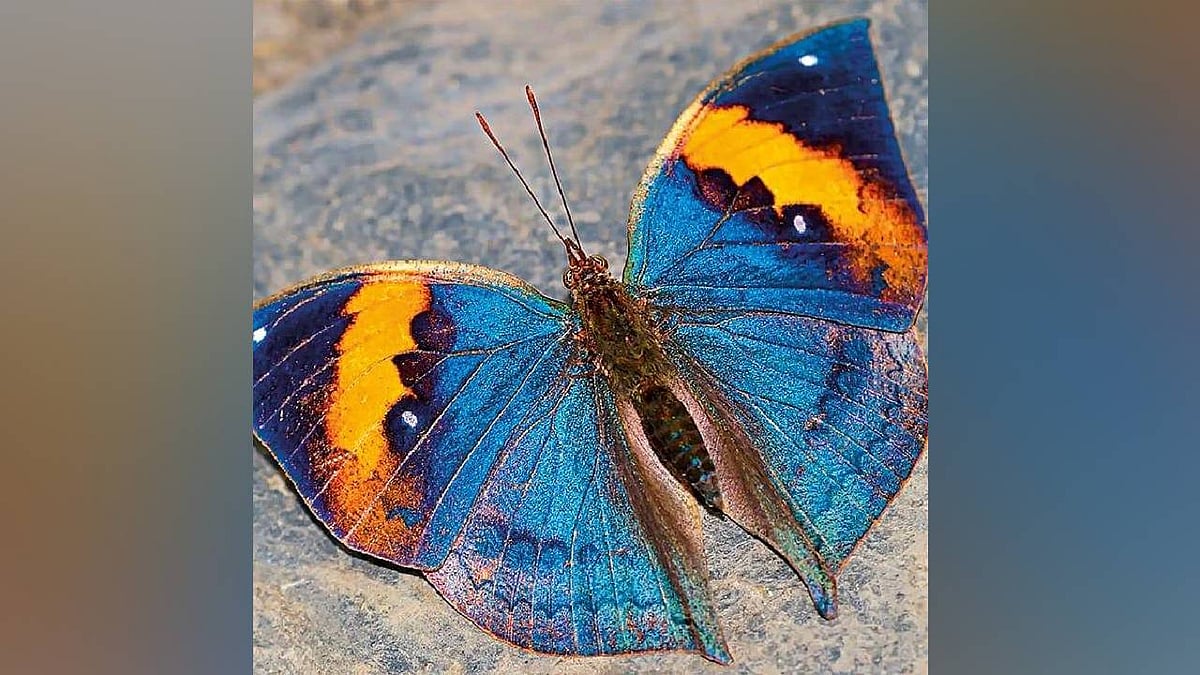
- Chhattisgarh is set to designate the Orange Oakleaf (Kallima inachus) as its first official State Butterfly, following its selection through a public online poll.
- The proposal was approved at the 15th meeting of the State Wildlife Board and forwarded to the state government for formal notification.
- The initiative aims to promote biodiversity conservation and public awareness of the state's butterfly diversity.
Selection of State Butterfly
- The Orange Oakleaf emerged as the winner from three species shortlisted by an expert committee.
- Public Voting Results:
- Orange Oakleaf: 3,000 votes.
- Common Banded Peacock: 1,606 votes.
- Spot Swordtail: 1,207 votes.
- Total Votes: 5,813.
- Selection Criteria: Ecological significance, geographical distribution, conservation value, distinctiveness and public appeal.
- A statewide biodiversity survey recorded 201 butterfly species in Chhattisgarh, while India hosts approximately 1,500 species.
About Orange Oakleaf Butterfly
- Scientific Name: Kallima inachus.
- Family: Nymphalidae.
- Distribution: Tropical Asia, extending from India to Japan.
- Appearance:
- Closed wings resemble a dry, withered leaf, providing effective camouflage against predators.
- Open wings display bright orange, jet-black and deep blue colours.
- Habitat:
- Subtropical and temperate forests with dense undergrowth and leaf litter.
- Commonly found at elevations of 500–2,000 metres.
- Food Habits: Primarily attracted to fermenting fruits and tree sap; also exhibits mud-puddling behaviour.
- Ecological Importance: Contributes to ecological processes and serves as an indicator of healthy forest habitats.
Additional Info
State Butterflies in India
- Maharashtra: Blue Mormon — first Indian state to designate a state butterfly (2015).
- Karnataka: Southern Birdwing.
- Kerala: Malabar Banded Peacock.
- Tamil Nadu: Tamil Yeoman.
- Madhya Pradesh: Orange Oakleaf.
- Arunachal Pradesh: Kaiser-i-Hind.
- Chandigarh (UT): Striped Tiger.
State Board for Wildlife
- Constituted under Section 6 of the Wildlife (Protection) Act, 1972.
- Chairperson: Chief Minister of the respective state.
- Advises the state government on wildlife conservation, protected areas and related policy matters.
Sources
October 2026
28 October 202627 October 202626 October 202624 October 202623 October 202622 October 202621 October 202620 October 202619 October 202617 October 202616 October 202615 October 202614 October 202613 October 202612 October 202610 October 202609 October 202608 October 202607 October 202606 October 202605 October 202603 October 202602 October 202601 October 2026
Archive
October 2026
- 28 October 2026
- 27 October 2026
- 26 October 2026
- 24 October 2026
- 23 October 2026
- 22 October 2026
- 21 October 2026
- 20 October 2026
- 19 October 2026
- 17 October 2026
- 16 October 2026
- 15 October 2026
- 14 October 2026
- 13 October 2026
- 12 October 2026
- 10 October 2026
- 09 October 2026
- 08 October 2026
- 07 October 2026
- 06 October 2026
- 05 October 2026
- 03 October 2026
- 02 October 2026
- 01 October 2026
September 2026
- 30 September 2026
- 29 September 2026
- 28 September 2026
- 26 September 2026
- 25 September 2026
- 24 September 2026
- 23 September 2026
- 22 September 2026
- 21 September 2026
- 19 September 2026
- 18 September 2026
- 17 September 2026
- 16 September 2026
- 15 September 2026
- 12 September 2026
- 11 September 2026
- 10 September 2026
- 09 September 2026
- 08 September 2026
- 07 September 2026
- 05 September 2026
- 04 September 2026
- 03 September 2026
- 02 September 2026
- 01 September 2026
August 2026
- 31 August 2026
- 29 August 2026
- 27 August 2026
- 26 August 2026
- 25 August 2026
- 24 August 2026
- 22 August 2026
- 21 August 2026
- 20 August 2026
- 19 August 2026
- 18 August 2026
- 17 August 2026
- 14 August 2026
- 13 August 2026
- 12 August 2026
- 11 August 2026
- 10 August 2026
- 08 August 2026
- 07 August 2026
- 06 August 2026
- 05 August 2026
- 04 August 2026
- 03 August 2026
- 01 August 2026
July 2026
- 31 July 2026
- 30 July 2026
- 29 July 2026
- 28 July 2026
- 27 July 2026
- 25 July 2026
- 23 July 2026
- 22 July 2026
- 21 July 2026
- 20 July 2026
- 18 July 2026
- 17 July 2026
- 15 July 2026
- 14 July 2026
- 13 July 2026
- 11 July 2026
- 10 July 2026
- 09 July 2026
- 08 July 2026
- 07 July 2026
- 06 July 2026
- 04 July 2026
- 03 July 2026
- 02 July 2026
- 01 July 2026
June 2026
May 2026
April 2026
March 2026
- 31 March 2026
- 30 March 2026
- 28 March 2026
- 27 March 2026
- 26 March 2026
- 25 March 2026
- 24 March 2026
- 23 March 2026
- 21 March 2026
- 20 March 2026
- 19 March 2026
- 18 March 2026
- 17 March 2026
- 16 March 2026
- 14 March 2026
- 13 March 2026
- 12 March 2026
- 11 March 2026
- 10 March 2026
- 09 March 2026
- 07 March 2026
- 06 March 2026
- 05 March 2026
- 03 March 2026
- 02 March 2026
February 2026
- 28 February 2026
- 27 February 2026
- 26 February 2026
- 25 February 2026
- 24 February 2026
- 23 February 2026
- 21 February 2026
- 20 February 2026
- 19 February 2026
- 18 February 2026
- 17 February 2026
- 16 February 2026
- 13 February 2026
- 12 February 2026
- 11 February 2026
- 10 February 2026
- 09 February 2026
- 07 February 2026
- 06 February 2026
- 05 February 2026
- 04 February 2026
- 03 February 2026
- 02 February 2026
January 2026
- 31 January 2026
- 30 January 2026
- 29 January 2026
- 28 January 2026
- 27 January 2026
- 26 January 2026
- 24 January 2026
- 23 January 2026
- 22 January 2026
- 21 January 2026
- 20 January 2026
- 19 January 2026
- 16 January 2026
- 15 January 2026
- 14 January 2026
- 13 January 2026
- 12 January 2026
- 10 January 2026
- 09 January 2026
- 08 January 2026
- 07 January 2026
- 06 January 2026
- 05 January 2026
- 03 January 2026
- 02 January 2026
- 01 January 2026
December 2025
- 31 December 2025
- 30 December 2025
- 29 December 2025
- 27 December 2025
- 26 December 2025
- 24 December 2025
- 23 December 2025
- 22 December 2025
- 20 December 2025
- 19 December 2025
- 18 December 2025
- 17 December 2025
- 16 December 2025
- 15 December 2025
- 13 December 2025
- 12 December 2025
- 11 December 2025
- 10 December 2025
- 09 December 2025
- 08 December 2025
- 05 December 2025
- 04 December 2025
- 03 December 2025
- 02 December 2025
November 2025
- 29 November 2025
- 28 November 2025
- 27 November 2025
- 26 November 2025
- 25 November 2025
- 24 November 2025
- 22 November 2025
- 21 November 2025
- 20 November 2025
- 19 November 2025
- 18 November 2025
- 17 November 2025
- 15 November 2025
- 14 November 2025
- 13 November 2025
- 12 November 2025
- 11 November 2025
- 10 November 2025
- 08 November 2025
- 07 November 2025
- 06 November 2025
- 05 November 2025
- 04 November 2025
- 03 November 2025
- 01 November 2025
October 2025
- 31 October 2025
- 30 October 2025
- 29 October 2025
- 28 October 2025
- 27 October 2025
- 25 October 2025
- 24 October 2025
- 23 October 2025
- 22 October 2025
- 21 October 2025
- 20 October 2025
- 18 October 2025
- 17 October 2025
- 16 October 2025
- 15 October 2025
- 14 October 2025
- 13 October 2025
- 11 October 2025
- 10 October 2025
- 09 October 2025
- 08 October 2025
- 07 October 2025
- 06 October 2025
- 04 October 2025
- 03 October 2025
- 02 October 2025
- 01 October 2025
September 2025
- 30 September 2025
- 29 September 2025
- 27 September 2025
- 26 September 2025
- 25 September 2025
- 24 September 2025
- 23 September 2025
- 22 September 2025
- 20 September 2025
- 19 September 2025
- 18 September 2025
- 17 September 2025
- 16 September 2025
- 15 September 2025
- 13 September 2025
- 12 September 2025
- 11 September 2025
- 10 September 2025
- 09 September 2025
- 08 September 2025
- 06 September 2025
- 05 September 2025
- 04 September 2025
- 03 September 2025
- 02 September 2025
- 01 September 2025
August 2025
- 30 August 2025
- 29 August 2025
- 28 August 2025
- 27 August 2025
- 26 August 2025
- 25 August 2025
- 23 August 2025
- 22 August 2025
- 21 August 2025
- 20 August 2025
- 19 August 2025
- 18 August 2025
- 16 August 2025
- 14 August 2025
- 13 August 2025
- 12 August 2025
- 11 August 2025
- 08 August 2025
- 07 August 2025
- 06 August 2025
- 05 August 2025
- 04 August 2025
- 02 August 2025
- 01 August 2025
July 2025
- 31 July 2025
- 30 July 2025
- 29 July 2025
- 28 July 2025
- 26 July 2025
- 25 July 2025
- 24 July 2025
- 23 July 2025
- 22 July 2025
- 21 July 2025
- 19 July 2025
- 18 July 2025
- 17 July 2025
- 16 July 2025
- 15 July 2025
- 12 July 2025
- 11 July 2025
- 10 July 2025
- 09 July 2025
- 07 July 2025
- 05 July 2025
- 04 July 2025
- 03 July 2025
- 02 July 2025
- 01 July 2025
June 2025
- 30 June 2025
- 28 June 2025
- 27 June 2025
- 26 June 2025
- 25 June 2025
- 24 June 2025
- 23 June 2025
- 21 June 2025
- 20 June 2025
- 19 June 2025
- 18 June 2025
- 17 June 2025
- 16 June 2025
- 14 June 2025
- 13 June 2025
- 12 June 2025
- 11 June 2025
- 10 June 2025
- 09 June 2025
- 07 June 2025
- 06 June 2025
- 05 June 2025
- 04 June 2025
- 03 June 2025
- 02 June 2025
May 2025
April 2025
- 30 April 2025
- 29 April 2025
- 28 April 2025
- 26 April 2025
- 25 April 2025
- 24 April 2025
- 23 April 2025
- 22 April 2025
- 21 April 2025
- 19 April 2025
- 18 April 2025
- 17 April 2025
- 16 April 2025
- 15 April 2025
- 14 April 2025
- 12 April 2025
- 11 April 2025
- 10 April 2025
- 09 April 2025
- 08 April 2025
- 07 April 2025
- 05 April 2025
- 04 April 2025
- 03 April 2025
- 02 April 2025
- 01 April 2025
March 2025
- 31 March 2025
- 29 March 2025
- 28 March 2025
- 27 March 2025
- 26 March 2025
- 25 March 2025
- 24 March 2025
- 22 March 2025
- 21 March 2025
- 20 March 2025
- 19 March 2025
- 18 March 2025
- 17 March 2025
- 15 March 2025
- 13 March 2025
- 12 March 2025
- 11 March 2025
- 10 March 2025
- 08 March 2025
- 07 March 2025
- 06 March 2025
- 05 March 2025
- 04 March 2025
- 03 March 2025
- 01 March 2025
February 2025
- 28 February 2025
- 27 February 2025
- 26 February 2025
- 25 February 2025
- 24 February 2025
- 22 February 2025
- 21 February 2025
- 20 February 2025
- 19 February 2025
- 18 February 2025
- 17 February 2025
- 15 February 2025
- 14 February 2025
- 13 February 2025
- 12 February 2025
- 11 February 2025
- 10 February 2025
- 08 February 2025
- 07 February 2025
- 06 February 2025
- 05 February 2025
- 04 February 2025
- 03 February 2025
- 01 February 2025
January 2025
- 31 January 2025
- 30 January 2025
- 29 January 2025
- 28 January 2025
- 27 January 2025
- 25 January 2025
- 24 January 2025
- 23 January 2025
- 22 January 2025
- 21 January 2025
- 20 January 2025
- 18 January 2025
- 17 January 2025
- 16 January 2025
- 15 January 2025
- 14 January 2025
- 13 January 2025
- 11 January 2025
- 10 January 2025
- 09 January 2025
- 08 January 2025
- 07 January 2025
- 06 January 2025
- 04 January 2025
- 03 January 2025
- 02 January 2025
- 01 January 2025