
Current Affairs
Stay updated with the latest national and international events.
27 June 2026
HELINA Missile: India’s Indigenous Helicopter-Launched Anti-Tank Guided Missile

What’s the News?
India's HELINA (Helicopter-Launched Nag) missile has emerged as a major milestone in the country's defence indigenisation efforts. Developed by the Defence Research and Development Organisation (DRDO), HELINA—now officially named Dhruvastra—is an indigenous, third-generation, fire-and-forget anti-tank guided missile designed for attack helicopters. The missile is induction-ready and strengthens India's anti-armour warfare capability while advancing the goal of Aatmanirbhar Bharat in defence.
HELINA (Dhruvastra)
- HELINA is the helicopter-launched variant of the Nag Anti-Tank Guided Missile (ATGM).
- It is designed to destroy:
- Main Battle Tanks (MBTs)
- Armoured vehicles
- Fortified positions
- The missile employs fire-and-forget technology, allowing the launching helicopter to disengage immediately after firing.
Features
- Developer: DRDO
- Manufacturer: Bharat Dynamics Limited (BDL)
- Type: Third-generation Anti-Tank Guided Missile (ATGM)
- Launch Platform:
- HAL Rudra (ALH Weapon System Integrated)
- HAL Light Combat Helicopter (LCH) Prachand
- Range: Around 7–10 km (depending on launch profile)
- Guidance:
- Imaging Infrared (IIR) Seeker
- Lock-on Before Launch (LOBL)
- Attack Mode: Top-attack capability for striking the weaker upper armour of tanks.
- Warhead: Tandem High-Explosive Anti-Tank (HEAT) warhead capable of defeating Explosive Reactive Armour (ERA).
Nag Missile Family
| Missile | Launch Platform | Role |
|---|---|---|
| Nag | Land-based NAMICA | Anti-tank missile |
| HELINA (Dhruvastra) | Helicopters | Helicopter-launched ATGM |
| SANT | Helicopters | Stand-off Anti-Tank Missile with extended range |
Additional Info
- DRDO
- Ministry: Ministry of Defence
- Established: 1958
- Headquarters: New Delhi
- Motto: Balasya Mulam Vigyanam ("Strength's Origin is in Science")
- Bharat Dynamics Limited (BDL)
- Defence Public Sector Undertaking (DPSU)
- Primary manufacturer of several indigenous missile systems.
Sources
India Commissions World's First Nuclear Process Heat-Based Hydrogen Production Facility

What’s the News?
India has commissioned the world's first hydrogen production facility that uses nuclear process heat instead of electricity for hydrogen generation. The technology demonstration plant has been established at the Indira Gandhi Centre for Atomic Research (IGCAR), Kalpakkam, Tamil Nadu, through a collaboration between IGCAR and the Bhabha Atomic Research Centre (BARC). The facility uses heat from the Fast Breeder Test Reactor (FBTR) and marks a significant milestone in India's clean energy and nuclear technology programmes.
Nuclear Heat-Based Hydrogen Production
- First facility globally to produce hydrogen using nuclear process heat through the Copper–Chlorine (Cu–Cl) Thermochemical Cycle.
- Demonstrates the integration of advanced nuclear technology with clean hydrogen production.
- Supports India's transition towards a low-carbon economy and strengthens energy security.
How the Technology Works
- Uses high-temperature heat generated by the Fast Breeder Test Reactor (FBTR).
- Employs the Copper–Chlorine (Cu–Cl) Thermochemical Cycle to split water into hydrogen and oxygen.
- Requires significantly less electricity than conventional electrolysis because most of the energy comes from reactor heat.
- Produces carbon-free hydrogen without greenhouse gas emissions during production.
Fast Breeder Test Reactor (FBTR)
Key Facts
- Location: IGCAR, Kalpakkam, Tamil Nadu.
- Commissioned: 1985.
- Type: Sodium-cooled Fast Breeder Reactor.
- India's only operational fast reactor research facility.
- Forms an important component of India's Three-Stage Nuclear Power Programme.
- Supplies the process heat used in the hydrogen production facility.
Copper–Chlorine (Cu–Cl) Thermochemical Cycle
- A thermochemical process for splitting water into hydrogen and oxygen.
- Uses a series of chemical reactions involving copper and chlorine compounds.
- Operates at a maximum temperature of about 530°C, considerably lower than many other thermochemical hydrogen production methods.
- Lower electricity requirement improves overall energy efficiency.
Additional Info
- Indira Gandhi Centre for Atomic Research (IGCAR)
- Autonomous institute under the Department of Atomic Energy (DAE).
- Headquarters: Kalpakkam, Tamil Nadu.
- Focuses on fast reactor technology and advanced nuclear fuel cycles.
- Bhabha Atomic Research Centre (BARC)
- India's premier nuclear research institution.
- Headquarters: Mumbai.
- Developed the indigenous Cu–Cl thermochemical process.
- Department of Atomic Energy (DAE)
- Established: 1954.
- Functions directly under the Prime Minister.
- Responsible for India's nuclear energy programme.
- National Green Hydrogen Mission
- Approved in 2023.
- Objective:
- Make India a global hub for production, utilisation and export of green hydrogen.
- Reduce dependence on imported fossil fuels.
- Promote decarbonisation of hard-to-abate sectors.
- India's Three-Stage Nuclear Power Programme
- Stage I: Pressurised Heavy Water Reactors (PHWRs) using natural uranium.
- Stage II: Fast Breeder Reactors (FBRs) using plutonium fuel.
- Stage III: Thorium-based reactors utilising India's abundant thorium reserves.
Sources
First National Rural Development Conference 2026

What’s the News?
The first National Rural Development Conference 2026 (Rashtriya Gramin Vikas Sammelan) was organised in New Delhi under the chairmanship of Union Minister Shivraj Singh Chouhan. The conference brought together Union and State governments to formulate a common roadmap for "Viksit Gram, Viksit Bharat", review flagship rural development programmes, and improve last-mile delivery of welfare schemes.
National Rural Development Conference
Objectives
- Develop a shared national strategy for rural transformation.
- Strengthen Centre–State coordination in implementing rural development schemes.
- Review the progress and impact of flagship programmes.
- Promote innovation, technology, and AI-driven governance in rural development.
- Improve transparency, accountability, and last-mile service delivery.
Major Focus Areas
- Rural housing.
- Rural road connectivity.
- Rural livelihoods and self-employment.
- Women's economic empowerment through Lakhpati Didi.
- Rural employment programmes.
- Artificial Intelligence (AI) and digital governance.
- Sustainable and inclusive village development.
Viksit Gram, Viksit Bharat
- Serves as the central theme of the conference.
- Envisions holistic rural development as the foundation for achieving Viksit Bharat.
- Emphasises:
- Infrastructure development.
- Livelihood generation.
- Social inclusion.
- Technology-driven governance.
- Community participation in village development.
Additional Info
- Ministry of Rural Development
- Nodal ministry for rural poverty alleviation and infrastructure development.
- Departments:
- Department of Rural Development.
- Department of Land Resources.
- Department of Drinking Water & Sanitation (until its transfer to the Jal Shakti Ministry).
- Major Flagship Schemes
- Pradhan Mantri Awaas Yojana – Gramin (PMAY-G) – Rural housing.
- Pradhan Mantri Gram Sadak Yojana (PMGSY) – All-weather rural roads.
- Deendayal Antyodaya Yojana – National Rural Livelihoods Mission (DAY-NRLM) – Self-Help Groups (SHGs) and livelihoods.
- MGNREGA – Guaranteed wage employment in rural areas.
- Lakhpati Didi Initiative – Empowering women SHG members to achieve an annual household income of at least ₹1 lakh.
- Governance Principle
- Cooperative Federalism:
- Collaboration between the Union and State Governments in policy formulation and implementation.
- Essential for effective execution of centrally sponsored rural development programmes.
- Cooperative Federalism:
Sources
National Biodiversity Authority Releases SOP for Notification of Threatened Species
What’s the News?
The National Biodiversity Authority (NBA) has released a Standard Operating Procedure (SOP) for the scientific identification, assessment and notification of threatened species by States and Union Territories under Section 38 of the Biological Diversity Act, 2002. The SOP establishes a uniform, transparent and science-based framework to strengthen species conservation and prevent biodiversity loss across the country.
SOP for Threatened Species
Objectives
- Establish a standardized process for identifying and notifying threatened species.
- Promote evidence-based conservation using scientific data and traditional knowledge.
- Strengthen coordination among States, Union Territories and biodiversity institutions.
- Facilitate timely conservation and recovery measures for threatened species.
Features
- Provides a step-by-step framework covering:
- Scientific assessment.
- Stakeholder consultations.
- Validation by experts.
- Recommendation and notification.
- Conservation planning.
- Monitoring and periodic review.
- Encourages the use of:
- Best available scientific evidence.
- Field-based assessments.
- Indigenous and traditional knowledge.
- Involves:
- State Biodiversity Boards (SBBs).
- Union Territory Biodiversity Councils.
- Biodiversity Management Committees (BMCs).
- Botanical Survey of India (BSI).
- Zoological Survey of India (ZSI).
- Academic and research institutions.
Legal Framework
Section 38 of the Biological Diversity Act, 2002
- Empowers the Central Government, in consultation with the concerned State Government, to notify species that are:
- On the verge of extinction, or
- Likely to become extinct in the near future.
- Enables:
- Regulation or prohibition of collection.
- Rehabilitation and conservation measures.
- The Central Government may delegate these powers to State Governments.
Current Status
- 159 plant species and 173 animal species have been notified as threatened.
- These notifications cover 17 States and 3 Union Territories.
- The SOP aims to expand scientific identification and improve conservation planning nationwide.
Additional Info
- National Biodiversity Authority (NBA)
- Statutory body established under the Biological Diversity Act, 2002.
- Established: 2003.
- Headquarters: Chennai, Tamil Nadu.
- Functions under the Ministry of Environment, Forest and Climate Change (MoEFCC).
- Biological Diversity Act, 2002
- Objectives:
- Conservation of biological diversity.
- Sustainable use of biological resources.
- Fair and equitable sharing of benefits arising from biological resources (Access and Benefit Sharing—ABS).
- Objectives:
- Three-tier Biodiversity Governance
- National Biodiversity Authority (NBA) – National level.
- State Biodiversity Boards (SBBs) – State level.
- Biodiversity Management Committees (BMCs) – Local body level.
- Related Organisations
- Botanical Survey of India (BSI) – Surveys and documents plant diversity.
- Zoological Survey of India (ZSI) – Surveys and documents faunal diversity.
Sources
Odisha Launches GO-EAST Platform to Accelerate Industrial Growth
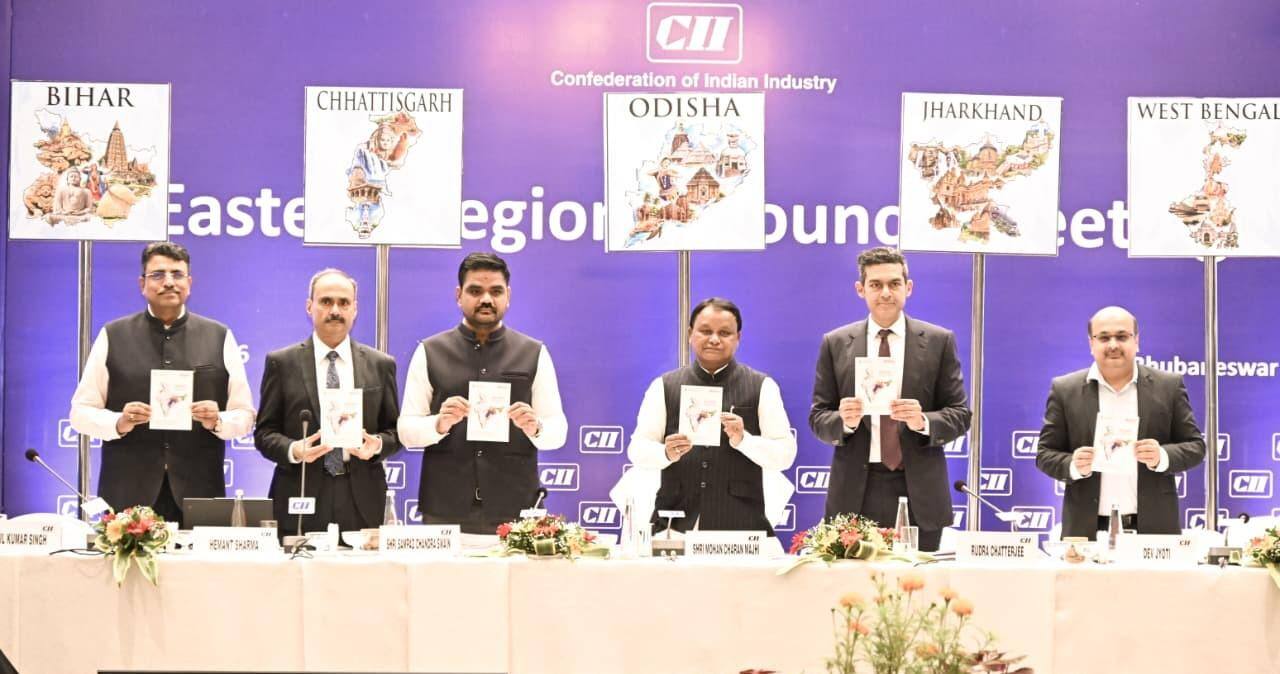
What’s the News?
The Odisha Government has launched the GO-EAST (Government of Odisha – Eastern Investment Accelerator & Special Taskforce) platform to accelerate industrialisation, attract investments from Eastern and North-Eastern India, and promote balanced regional development. Alongside the initiative, the State has announced key amendments to the Industrial Policy Resolution (IPR), 2022 to provide enhanced incentives for industries in economically backward districts.
GO-EAST Platform
Overview
- A dedicated investment facilitation framework under Odisha's Single Window System.
- Aims to position Odisha as the preferred industrial destination in Eastern India.
- Focuses on:
- Fast-tracking investments.
- Providing investor handholding.
- Speedy regulatory approvals.
- Structured resolution of project-related issues.
Features
- Priority facilitation for strategic investment proposals.
- Dedicated relationship managers for investors.
- Time-bound approvals through the Single Window System.
- Inter-departmental coordination for faster project implementation.
- Special emphasis on attracting investments from Eastern and North-Eastern States.
Amendments to Industrial Policy Resolution (IPR), 2022
Major Changes
- Enhanced incentives extended to non-mineral-based industries in 15 economically backward districts.
- These districts will receive 'Thrust Sector' benefits to encourage industrial diversification.
- Objective is to reduce regional disparities and promote manufacturing beyond mining-dependent regions.
Targeted Sectors
- Steel and aluminium.
- Chemicals and petrochemicals (especially around the Paradip industrial hub).
- Electronics and semiconductors.
- Green manufacturing.
- Food processing and other value-added industries.
Additional Info
- Industrial Policy Resolution (IPR), 2022
- Odisha's flagship industrial policy.
- Provides fiscal and non-fiscal incentives for industrial investments.
- Focuses on MSMEs, large industries, exports, innovation, and employment generation.
- Ease of Doing Business Reforms
- Odisha has significantly reduced industrial approval timelines through Deregulation 1.0 and Deregulation 2.0.
- The State aims to reduce approval timelines to less than 100 days.
- Industrial Development Priorities
- Development of the Paradip industrial hub for steel, aluminium, chemicals, and petrochemicals.
- Promotion of electronics, semiconductor manufacturing, and advanced manufacturing clusters.
- Industrialisation of border and backward districts to achieve inclusive growth.
Sources
Nasha Mukt Bharat Saptah 2026 Observed Nationwide
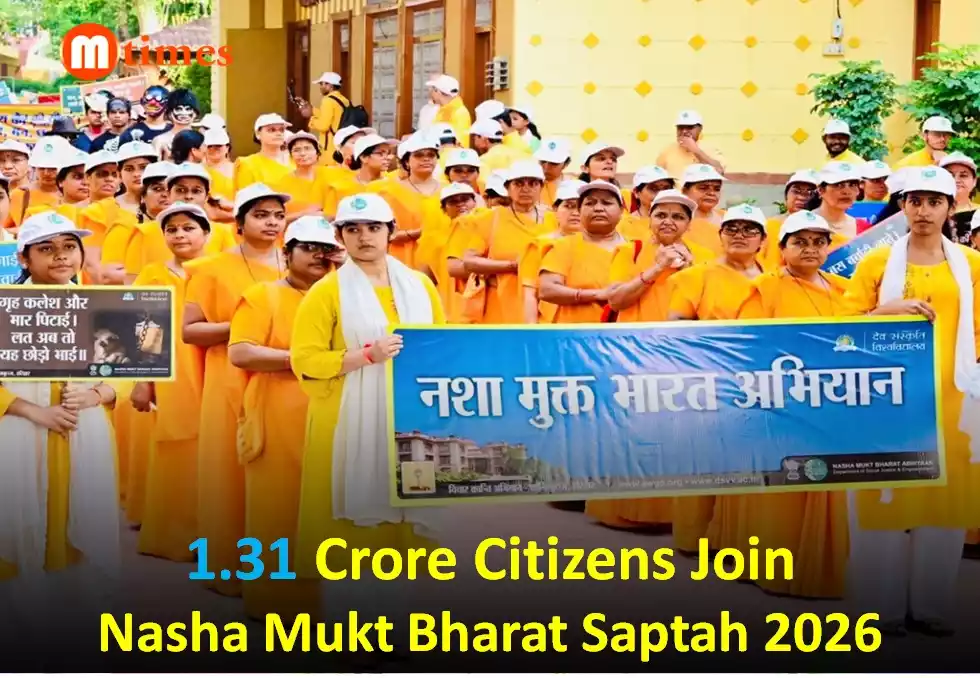
What’s the News?
The Ministry of Social Justice and Empowerment observed Nasha Mukt Bharat Saptah 2026 across the country under the Nasha Mukt Bharat Abhiyaan (NMBA). The nationwide anti-drug awareness campaign culminated on the International Day Against Drug Abuse and Illicit Trafficking, with over 1.31 crore citizens participating in awareness and community outreach activities. The valedictory programme was held at Dev Sanskriti Vishwavidyalaya (DSVV), Haridwar, and was chaired by Union Minister Dr. Virendra Kumar.
Nasha Mukt Bharat Saptah 2026
- Raise awareness about the harmful effects of drug abuse.
- Promote a drug-free and healthy society through community participation.
- Strengthen drug demand reduction through a whole-of-government and whole-of-society approach.
- Encourage youth, educational institutions and civil society to actively participate in anti-drug initiatives.
Highlights
- More than 1.31 crore citizens participated nationwide.
- Activities conducted included:
- Mass pledge drives.
- Nasha Mukti rallies.
- Street plays (Nukkad Nataks).
- Essay, painting and slogan-writing competitions.
- Yoga and meditation sessions.
- Seminars, webinars and awareness campaigns.
- Nasha Mukti Mitra registration drives.
- Around 4,000 participants joined the concluding anti-drug rally in Haridwar.
Announcements
- Two Memorandums of Understanding (MoUs) were signed between the Department of Social Justice and Empowerment and the Akhil Vishwa Gayatri Pariwar.
- The collaboration aims to:
- Strengthen grassroots awareness on substance abuse.
- Enhance community mobilisation.
- Support drug demand reduction under NMBA.
- Promote senior citizen welfare under the Atal Vayo Abhyuday Yojana (AVYAY).
Nasha Mukt Bharat Abhiyaan (NMBA)
Overview
- Launched in 2020 by the Ministry of Social Justice and Empowerment.
- A flagship national campaign to reduce drug demand through preventive education, awareness generation and community participation.
- Covers all districts of the country with a special focus on vulnerable populations.
Major Components
- Preventive education.
- Behavioural change communication.
- Capacity building.
- Community outreach.
- De-addiction and rehabilitation support.
- Participation of educational institutions, NGOs, youth organisations and volunteers.
International Day Against Drug Abuse and Illicit Trafficking
- Observed annually on 26 June.
- Established by the United Nations General Assembly in 1987.
- Coordinated globally by the United Nations Office on Drugs and Crime (UNODC).
- Objective:
- Strengthen action and cooperation to achieve a world free of drug abuse and illicit trafficking.
Additional Info
- Ministry of Social Justice and Empowerment
- Nodal ministry for implementing the Nasha Mukt Bharat Abhiyaan.
- Focuses on social justice, welfare and drug demand reduction.
- Nasha Mukti Mitra
- A volunteer-based initiative under NMBA.
- Supports awareness generation and community engagement against substance abuse.
- Atal Vayo Abhyuday Yojana (AVYAY)
- Umbrella scheme for the welfare and empowerment of senior citizens.
- Implemented by the Ministry of Social Justice and Empowerment.
- United Nations Office on Drugs and Crime (UNODC)
- Headquarters: Vienna, Austria.
- Established: 1997.
- Leads global efforts against illicit drugs, organised crime and corruption.
Sources
World MSME Day 2026
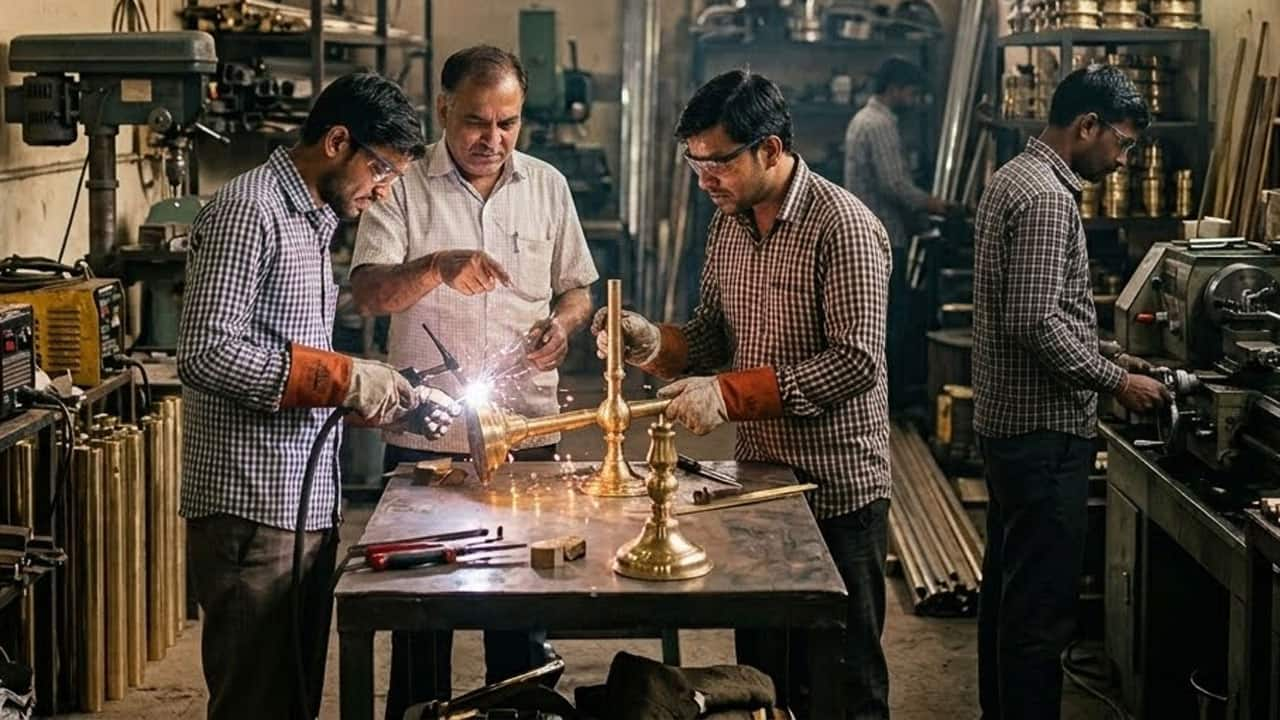
What’s the News?
World Micro, Small and Medium-sized Enterprises (MSME) Day was observed globally on 27 June to recognise the contribution of MSMEs to economic growth, employment, innovation and sustainable development. In India, the Ministry of MSME commemorated the occasion through the "Udyami Bharat – MSME Day 2026" event, where new digital initiatives and measures to strengthen the MSME ecosystem were highlighted. The event was attended by Vice President Jagdeep Dhankhar, Union MSME Minister Jitan Ram Manjhi, and Minister of State Shobha Karandlaje.
World MSME Day
Theme
"Empowering MSMEs through Innovation and Sustainable Industrial Development."
Objectives
- Recognise the contribution of MSMEs to economic growth and employment.
- Promote entrepreneurship, innovation and digital transformation.
- Improve access to finance, technology and global markets.
- Encourage sustainable and resilient industrial development.
- Highlight the role of MSMEs in achieving the Sustainable Development Goals (SDGs).
Importance of MSMEs in India
Economic Contribution
- Contribute around 30% of India's GDP.
- Account for nearly 36% of manufacturing output.
- Generate about 45% of India's exports.
- Employ over 28 crore people, making the sector the second-largest source of employment after agriculture.
- Comprise more than 6.3 crore enterprises, with the majority being micro enterprises.
Government Initiatives for MSMEs
- Prime Minister's Employment Generation Programme (PMEGP) – Promotes self-employment through credit-linked subsidies.
- Credit Guarantee Fund Trust for Micro and Small Enterprises (CGTMSE) – Provides collateral-free credit guarantees.
- Raising and Accelerating MSME Performance (RAMP) – Supports MSME competitiveness, market access and institutional reforms.
- Champions Portal – ICT-based grievance redressal and handholding platform.
- Udyam Registration Portal – Online registration for MSMEs with simplified procedures.
- Public Procurement Policy for MSEs – Mandates procurement from Micro and Small Enterprises by Central Ministries and CPSEs.
- ZED (Zero Defect Zero Effect) Certification Scheme – Encourages quality manufacturing with environmental sustainability.
- MSME Competitive (LEAN, Design, Incubation and IPR Components) – Improves productivity, innovation and intellectual property protection.
Challenges Facing MSMEs
- Limited access to affordable credit.
- Delayed payments from buyers.
- Low adoption of advanced technology.
- Rising compliance costs.
- Supply-chain disruptions.
- Limited integration with global value chains.
- Skill gaps and inadequate digital adoption.
Additional Info
-
World MSME Day
- Declared by the United Nations General Assembly (UNGA).
- Observed annually on 27 June.
- Established through UNGA Resolution A/RES/71/279 in 2017.
-
Ministry of Micro, Small and Medium Enterprises
- Nodal ministry for MSME development in India.
- Implements schemes for credit support, technology upgradation, skill development and market promotion.
-
Revised MSME Classification (2020)
| Category | Investment Limit | Annual Turnover Limit |
|---|---|---|
| Micro | Up to ₹1 crore | Up to ₹5 crore |
| Small | Up to ₹10 crore | Up to ₹50 crore |
| Medium | Up to ₹50 crore | Up to ₹250 crore |
Sources
SCO Women's Forum 2026 Held in Bishkek
What’s the News?
The Shanghai Cooperation Organisation (SCO) Women's Forum 2026 was held in Bishkek, Kyrgyz Republic, under the theme "Women's Leadership". The forum brought together representatives from SCO member countries to discuss women's leadership, gender equality and economic empowerment. India reaffirmed its commitment to women-led development, with Union Minister for Women and Child Development Annapurna Devi addressing the forum virtually and showcasing India's achievements in women empowerment.
SCO Women's Forum 2026
Objectives
- Promote women's leadership in governance and decision-making.
- Enhance women's participation in socio-economic development.
- Strengthen cooperation among SCO member countries on gender equality.
- Exchange best practices on women's entrepreneurship, digital empowerment and financial inclusion.
Highlights
- Theme: "Women's Leadership".
- Hosted by Kyrgyzstan, the current SCO Chair.
- Focus areas included:
- Women's economic empowerment.
- Digital inclusion.
- Entrepreneurship.
- Leadership in public life.
- Regional cooperation for inclusive development.
India's Participation
Points Highlighted
- India reiterated that women are drivers of development, not merely beneficiaries.
- Showcased major women-centric initiatives:
- Mission Shakti.
- Mission Poshan 2.0.
- Self-Help Group (SHG) movement.
- Lakhpati Didi initiative.
- Highlighted that:
- Around 100 million women are associated with over 9 million Self-Help Groups (SHGs).
- More than 30 million women have become Lakhpati Didis through livelihood enhancement programmes.
- Reaffirmed India's commitment to the SCO Spirit based on mutual trust, equality, consultation and shared development.
Additional Info
- Shanghai Cooperation Organisation (SCO)
- Established: 2001.
- Headquarters: Beijing, China.
- Members:
- China
- India
- Kazakhstan
- Kyrgyzstan
- Pakistan
- Russia
- Tajikistan
- Uzbekistan
- Iran
- Belarus
- Objectives:
- Regional security.
- Counter-terrorism.
- Economic cooperation.
- Cultural and people-to-people exchanges.
- SCO Spirit
- Mutual trust.
- Mutual benefit.
- Equality.
- Consultation.
- Respect for cultural diversity.
- Pursuit of common development.
- Women-Centric Initiatives Mentioned by India
- Mission Shakti – Umbrella scheme for women's safety, security and empowerment.
- Mission Poshan 2.0 – Nutrition improvement for women and children.
- Lakhpati Didi Initiative – Aims to enable women Self-Help Group members to earn an annual income of at least ₹1 lakh.
- Deendayal Antyodaya Yojana – National Rural Livelihoods Mission (DAY-NRLM) – Promotes women-led SHGs and rural livelihoods.
Sources
June 2026
Archive
October 2026
- 27 October 2026
- 26 October 2026
- 24 October 2026
- 23 October 2026
- 22 October 2026
- 21 October 2026
- 20 October 2026
- 19 October 2026
- 17 October 2026
- 16 October 2026
- 15 October 2026
- 14 October 2026
- 13 October 2026
- 12 October 2026
- 10 October 2026
- 09 October 2026
- 08 October 2026
- 07 October 2026
- 06 October 2026
- 05 October 2026
- 03 October 2026
- 02 October 2026
- 01 October 2026
September 2026
- 30 September 2026
- 29 September 2026
- 28 September 2026
- 26 September 2026
- 25 September 2026
- 24 September 2026
- 23 September 2026
- 22 September 2026
- 21 September 2026
- 19 September 2026
- 18 September 2026
- 17 September 2026
- 16 September 2026
- 15 September 2026
- 12 September 2026
- 11 September 2026
- 10 September 2026
- 09 September 2026
- 08 September 2026
- 07 September 2026
- 05 September 2026
- 04 September 2026
- 03 September 2026
- 02 September 2026
- 01 September 2026
August 2026
- 31 August 2026
- 29 August 2026
- 27 August 2026
- 26 August 2026
- 25 August 2026
- 24 August 2026
- 22 August 2026
- 21 August 2026
- 20 August 2026
- 19 August 2026
- 18 August 2026
- 17 August 2026
- 14 August 2026
- 13 August 2026
- 12 August 2026
- 11 August 2026
- 10 August 2026
- 08 August 2026
- 07 August 2026
- 06 August 2026
- 05 August 2026
- 04 August 2026
- 03 August 2026
- 01 August 2026
July 2026
- 31 July 2026
- 30 July 2026
- 29 July 2026
- 28 July 2026
- 27 July 2026
- 25 July 2026
- 23 July 2026
- 22 July 2026
- 21 July 2026
- 20 July 2026
- 18 July 2026
- 17 July 2026
- 15 July 2026
- 14 July 2026
- 13 July 2026
- 11 July 2026
- 10 July 2026
- 09 July 2026
- 08 July 2026
- 07 July 2026
- 06 July 2026
- 04 July 2026
- 03 July 2026
- 02 July 2026
- 01 July 2026
June 2026
May 2026
April 2026
March 2026
- 31 March 2026
- 30 March 2026
- 28 March 2026
- 27 March 2026
- 26 March 2026
- 25 March 2026
- 24 March 2026
- 23 March 2026
- 21 March 2026
- 20 March 2026
- 19 March 2026
- 18 March 2026
- 17 March 2026
- 16 March 2026
- 14 March 2026
- 13 March 2026
- 12 March 2026
- 11 March 2026
- 10 March 2026
- 09 March 2026
- 07 March 2026
- 06 March 2026
- 05 March 2026
- 03 March 2026
- 02 March 2026
February 2026
- 28 February 2026
- 27 February 2026
- 26 February 2026
- 25 February 2026
- 24 February 2026
- 23 February 2026
- 21 February 2026
- 20 February 2026
- 19 February 2026
- 18 February 2026
- 17 February 2026
- 16 February 2026
- 13 February 2026
- 12 February 2026
- 11 February 2026
- 10 February 2026
- 09 February 2026
- 07 February 2026
- 06 February 2026
- 05 February 2026
- 04 February 2026
- 03 February 2026
- 02 February 2026
January 2026
- 31 January 2026
- 30 January 2026
- 29 January 2026
- 28 January 2026
- 27 January 2026
- 26 January 2026
- 24 January 2026
- 23 January 2026
- 22 January 2026
- 21 January 2026
- 20 January 2026
- 19 January 2026
- 16 January 2026
- 15 January 2026
- 14 January 2026
- 13 January 2026
- 12 January 2026
- 10 January 2026
- 09 January 2026
- 08 January 2026
- 07 January 2026
- 06 January 2026
- 05 January 2026
- 03 January 2026
- 02 January 2026
- 01 January 2026
December 2025
- 31 December 2025
- 30 December 2025
- 29 December 2025
- 27 December 2025
- 26 December 2025
- 24 December 2025
- 23 December 2025
- 22 December 2025
- 20 December 2025
- 19 December 2025
- 18 December 2025
- 17 December 2025
- 16 December 2025
- 15 December 2025
- 13 December 2025
- 12 December 2025
- 11 December 2025
- 10 December 2025
- 09 December 2025
- 08 December 2025
- 05 December 2025
- 04 December 2025
- 03 December 2025
- 02 December 2025
November 2025
- 29 November 2025
- 28 November 2025
- 27 November 2025
- 26 November 2025
- 25 November 2025
- 24 November 2025
- 22 November 2025
- 21 November 2025
- 20 November 2025
- 19 November 2025
- 18 November 2025
- 17 November 2025
- 15 November 2025
- 14 November 2025
- 13 November 2025
- 12 November 2025
- 11 November 2025
- 10 November 2025
- 08 November 2025
- 07 November 2025
- 06 November 2025
- 05 November 2025
- 04 November 2025
- 03 November 2025
- 01 November 2025
October 2025
- 31 October 2025
- 30 October 2025
- 29 October 2025
- 28 October 2025
- 27 October 2025
- 25 October 2025
- 24 October 2025
- 23 October 2025
- 22 October 2025
- 21 October 2025
- 20 October 2025
- 18 October 2025
- 17 October 2025
- 16 October 2025
- 15 October 2025
- 14 October 2025
- 13 October 2025
- 11 October 2025
- 10 October 2025
- 09 October 2025
- 08 October 2025
- 07 October 2025
- 06 October 2025
- 04 October 2025
- 03 October 2025
- 02 October 2025
- 01 October 2025
September 2025
- 30 September 2025
- 29 September 2025
- 27 September 2025
- 26 September 2025
- 25 September 2025
- 24 September 2025
- 23 September 2025
- 22 September 2025
- 20 September 2025
- 19 September 2025
- 18 September 2025
- 17 September 2025
- 16 September 2025
- 15 September 2025
- 13 September 2025
- 12 September 2025
- 11 September 2025
- 10 September 2025
- 09 September 2025
- 08 September 2025
- 06 September 2025
- 05 September 2025
- 04 September 2025
- 03 September 2025
- 02 September 2025
- 01 September 2025
August 2025
- 30 August 2025
- 29 August 2025
- 28 August 2025
- 27 August 2025
- 26 August 2025
- 25 August 2025
- 23 August 2025
- 22 August 2025
- 21 August 2025
- 20 August 2025
- 19 August 2025
- 18 August 2025
- 16 August 2025
- 14 August 2025
- 13 August 2025
- 12 August 2025
- 11 August 2025
- 08 August 2025
- 07 August 2025
- 06 August 2025
- 05 August 2025
- 04 August 2025
- 02 August 2025
- 01 August 2025
July 2025
- 31 July 2025
- 30 July 2025
- 29 July 2025
- 28 July 2025
- 26 July 2025
- 25 July 2025
- 24 July 2025
- 23 July 2025
- 22 July 2025
- 21 July 2025
- 19 July 2025
- 18 July 2025
- 17 July 2025
- 16 July 2025
- 15 July 2025
- 12 July 2025
- 11 July 2025
- 10 July 2025
- 09 July 2025
- 07 July 2025
- 05 July 2025
- 04 July 2025
- 03 July 2025
- 02 July 2025
- 01 July 2025
June 2025
- 30 June 2025
- 28 June 2025
- 27 June 2025
- 26 June 2025
- 25 June 2025
- 24 June 2025
- 23 June 2025
- 21 June 2025
- 20 June 2025
- 19 June 2025
- 18 June 2025
- 17 June 2025
- 16 June 2025
- 14 June 2025
- 13 June 2025
- 12 June 2025
- 11 June 2025
- 10 June 2025
- 09 June 2025
- 07 June 2025
- 06 June 2025
- 05 June 2025
- 04 June 2025
- 03 June 2025
- 02 June 2025
May 2025
April 2025
- 30 April 2025
- 29 April 2025
- 28 April 2025
- 26 April 2025
- 25 April 2025
- 24 April 2025
- 23 April 2025
- 22 April 2025
- 21 April 2025
- 19 April 2025
- 18 April 2025
- 17 April 2025
- 16 April 2025
- 15 April 2025
- 14 April 2025
- 12 April 2025
- 11 April 2025
- 10 April 2025
- 09 April 2025
- 08 April 2025
- 07 April 2025
- 05 April 2025
- 04 April 2025
- 03 April 2025
- 02 April 2025
- 01 April 2025
March 2025
- 31 March 2025
- 29 March 2025
- 28 March 2025
- 27 March 2025
- 26 March 2025
- 25 March 2025
- 24 March 2025
- 22 March 2025
- 21 March 2025
- 20 March 2025
- 19 March 2025
- 18 March 2025
- 17 March 2025
- 15 March 2025
- 13 March 2025
- 12 March 2025
- 11 March 2025
- 10 March 2025
- 08 March 2025
- 07 March 2025
- 06 March 2025
- 05 March 2025
- 04 March 2025
- 03 March 2025
- 01 March 2025
February 2025
- 28 February 2025
- 27 February 2025
- 26 February 2025
- 25 February 2025
- 24 February 2025
- 22 February 2025
- 21 February 2025
- 20 February 2025
- 19 February 2025
- 18 February 2025
- 17 February 2025
- 15 February 2025
- 14 February 2025
- 13 February 2025
- 12 February 2025
- 11 February 2025
- 10 February 2025
- 08 February 2025
- 07 February 2025
- 06 February 2025
- 05 February 2025
- 04 February 2025
- 03 February 2025
- 01 February 2025
January 2025
- 31 January 2025
- 30 January 2025
- 29 January 2025
- 28 January 2025
- 27 January 2025
- 25 January 2025
- 24 January 2025
- 23 January 2025
- 22 January 2025
- 21 January 2025
- 20 January 2025
- 18 January 2025
- 17 January 2025
- 16 January 2025
- 15 January 2025
- 14 January 2025
- 13 January 2025
- 11 January 2025
- 10 January 2025
- 09 January 2025
- 08 January 2025
- 07 January 2025
- 06 January 2025
- 04 January 2025
- 03 January 2025
- 02 January 2025
- 01 January 2025