
Current Affairs
Stay updated with the latest national and international events.
27 January 2026
UN Convention against Cybercrime Exposes Global Governance Fractures

What’s the News?
- The United Nations General Assembly adopted the Convention against Cybercrime (also known as the Hanoi Convention), the first legally binding global treaty to combat cybercrime through international cooperation.
- India, the U.S., Japan, and Canada declined to sign the treaty, exposing deep fractures in global cyber governance and a growing "principles-practice gap" between universal norms and national implementation.
- The Convention, which requires 40 ratifications to enter into force, criminalizes offences like ransomware, child sexual abuse material, and financial fraud, while establishing mechanisms for cross-border evidence sharing.
The UN Convention: Scope and Significance
- Universal Criminalization: Establishes the first global framework to criminalize cyber offences including ransomware, non-consensual sharing of intimate images, and online scams going beyond regional instruments like the Budapest Convention (2001).
- Electronic Evidence Sharing: Facilitates cross-border requests for digital evidence through a 24/7 global cooperation network, crucial for investigating transnational crimes that bypass traditional jurisdictional boundaries.
- Child Protection: First treaty to specifically target sexual violence against children committed through information technologies.
- Human Rights Safeguards: Includes provisions to protect privacy and dignity, though critics argue these remain tethered to domestic frameworks rather than uniform international standards.
Why the Global Governance Crisis?
- Polycentricism: The world is moving toward overlapping, often conflicting regional and bilateral rules rather than universal standards. While nations agree on broad goals like "safe AI," they diverge sharply on implementation.
- Sovereignty vs. Cooperation: Major powers resist surrendering institutional control over citizen data to international bodies. India specifically refused the Convention due to concerns about retaining autonomy over cross-border data sharing and domestic lawmaking.
- Legitimacy Deficit: Non-participation by major democracies (India, U.S., Japan, Canada) signals that the treaty lacks broad-based legitimacy despite securing 72 votes in the General Assembly.
- Human Rights Risks: Civil society warns that broad definitions of "serious crimes" could enable authoritarian regimes to target journalists, activists, and political opponents using international legal frameworks.
India’s Cyber Threat Landscape
- Incident Surge: India recorded a sharp rise in cyber incidents from 10.29 lakh in 2022 to 22.68 lakh in 2024, more than doubling in two years.
- Financial Impact: Average losses reached ₹1,000 crore per month in the first half of 2025, with annual projections potentially hitting 0.7% of GDP.
- AI-Powered Threats: Artificial Intelligence is acting as a "force multiplier" for sophisticated phishing, deepfake-based fraud, and automated malware attacks.
- Identity-Centric Attacks: Deepfakes and credential abuse have made identity security the primary battleground, bypassing traditional biometric and perimeter defences.
- Supply Chain Vulnerabilities: Third-party breaches account for 18% of top threats that Indian organizations are least prepared to address.
Additional Info
Constitutional & Legal Framework:
- Information Technology Act, 2000: Primary legislation governing cybercrime in India; currently undergoing amendments to address AI and IoT threats.
- Digital Personal Data Protection Act, 2023: Establishes framework for cross-border data transfers, directly impacting India's stance on international data sharing agreements.
- Article 21: Right to privacy (as interpreted by Supreme Court in Puttaswamy judgment, 2017) influences India's reluctance to surrender data sovereignty.
Key Institutions:
- Indian Computer Emergency Response Team (CERT-In): National nodal agency for cybersecurity incident response; operates under Ministry of Electronics and Information Technology.
- National Critical Information Infrastructure Protection Centre (NCIIPC): Protects critical infrastructure across sectors like energy, banking, and telecom.
Alternative Global Frameworks:
- Budapest Convention on Cybercrime (2001): Council of Europe treaty with 76 parties; criticized for being non-inclusive toward India, Russia, and China.
- Hiroshima Process (G7): Focused on safety standards for generative AI development.
- UN Global Digital Compact: High-level initiative for human-centric digital future.
- Cyber Initiative Tokyo 2025: Forum exploring data security and integrated deterrence for critical infrastructure.
Critical Gaps in India:
- Ghost SIM Cards: Issuance by PoS agents remains a primary enabler for UPI and financial frauds.
- District-Level Capacity: Lack of localized cybersecurity units to manage threats closer to citizens.
- Legacy Infrastructure: Organizations remain dependent on VPNs rather than Zero Trust Network Access (ZTNA), increasing vulnerability to credential compromise.
Sources
Wings India 2026: Showcasing India's Aviation Ascent as Global Growth Engine

What’s the News?
- Wings India 2026, Asia’s largest civil aviation exhibition and conference, will be held at Begumpet Airport, Hyderabad showcasing India’s transformation into the world’s fastest-growing civil aviation market.
- The biennial event, organized by the Ministry of Civil Aviation alongside the Airports Authority of India (AAI) and FICCI, will feature 150+ exhibitors, 7,500 business visitors, and 500+ B2B/B2G meetings with participation from 20 countries.
- The platform aims to attract investment, facilitate technology transfer, and highlight India’s expanding capabilities across the entire aviation value chain from manufacturing and MRO to sustainable aviation and advanced air mobility.
India’s Aviation Landscape: Scale and Growth
- Market Position: India is currently the third-largest domestic civil aviation market globally in terms of passenger traffic, and the fastest-growing major aviation economy.
- Fleet Expansion: Indian airlines now operate more than 800 aircraft, reflecting significant capacity addition over the past decade.
- Infrastructure Growth: The number of operational airports in India has doubled in the last 10 years, with new greenfield airports at Jewar (Noida) and Navi Mumbai set to add substantial capacity to major metropolitan destinations.
- Future Projections: The Maintenance, Repair and Overhaul (MRO) industry is projected to grow to $4 billion by 2030, positioning India as an emerging regional MRO hub.
- Investment Climate: 100% Foreign Direct Investment (FDI) is permitted in the MRO sector through the automatic route, encouraging global players to establish facilities in India.
Event Significance and Focus Areas
- Comprehensive Platform: Wings India combines air displays (both static and aerobatic), global aviation conferences, Ministerial Plenary, Global CEOs Forum, and an Aviation Job Fair with a Student Innovation Competition.
- Technological Showcase: Heavy focus on Sustainable Aviation Fuel (SAF), green airport infrastructure, digital air navigation systems, and Advanced Air Mobility (AAM) covering electric vertical take-off and landing (eVTOL) and urban air mobility concepts.
- Policy Dialogue: Industry roundtables will address airport transformation, aircraft leasing and finance, helicopter capabilities expansion, and women in aviation addressing gender parity in the sector.
- B2B/B2G Engagement: The event facilitates direct business-to-business and business-to-government meetings, expected to drive partnerships in aerospace manufacturing, cargo logistics, and aviation training.
Additional Info
Historical Evolution:
- Origins: The event series began in 2008 as "India Aviation", featuring the historic landing of the Airbus A380 at Begumpet Airport, the first such landing in India.
- Rebranding: Subsequently renamed Wings India, with Hyderabad designated as the permanent venue for the biennial show.
- Scale Growth: From a regional exhibition to Asia’s largest civil aviation platform, reflecting India’s rising geopolitical and economic importance in global aviation.
Constitutional and Policy Framework:
- Ministry of Civil Aviation (MoCA): Central ministry overseeing policy formulation and regulation of civil aviation; operates under entries in the Union List (airways, aircraft) and Concurrent List (economic and social planning).
- Airports Authority of India (AAI): Statutory body under the Airports Authority of India Act, 1994; responsible for creating, upgrading, maintaining and managing civil aviation infrastructure.
- UDAN (Ude Desh ka Aam Naagrik): Flagship regional connectivity scheme launched to enable affordable air travel on unserved and underserved routes; has significantly expanded India's airport network to tier-2 and tier-3 cities.
Sectoral Initiatives:
- National Civil Aviation Policy (NCAP), 2016: Framework for increasing regional connectivity, promoting ease of doing business, and creating a liberalized charter policy.
- Make in India (Aviation): Push for indigenous manufacturing of aircraft components and assembly; Tata-Airbus joint venture for military transport aircraft (C-295) highlights manufacturing potential.
- MRO Policy Reforms: Reduction of GST on MRO services from 18% to 5%, rationalization of customs duties on imported parts, and land allocation at airports to develop MRO clusters.
- Green Aviation: Focus on carbon neutrality for airports, adoption of renewable energy, and development of SAF production capabilities under the Indian Carbon Reduction Strategy.
Industry Representation:
- Participating Global OEMs: Airbus, Boeing, Rolls-Royce, and major lessors; alongside domestic carriers Air India and IndiGo both among the world’s largest airline customers by order volume.
- Emerging Segments: General Aviation (business jets, charters), Helicopter Services ( UDAN-enabled heliports), and Drone/UA V integration into civil airspace.
Sources
Uttarakhand Implements Uniform Civil Code Amendment Ordinance
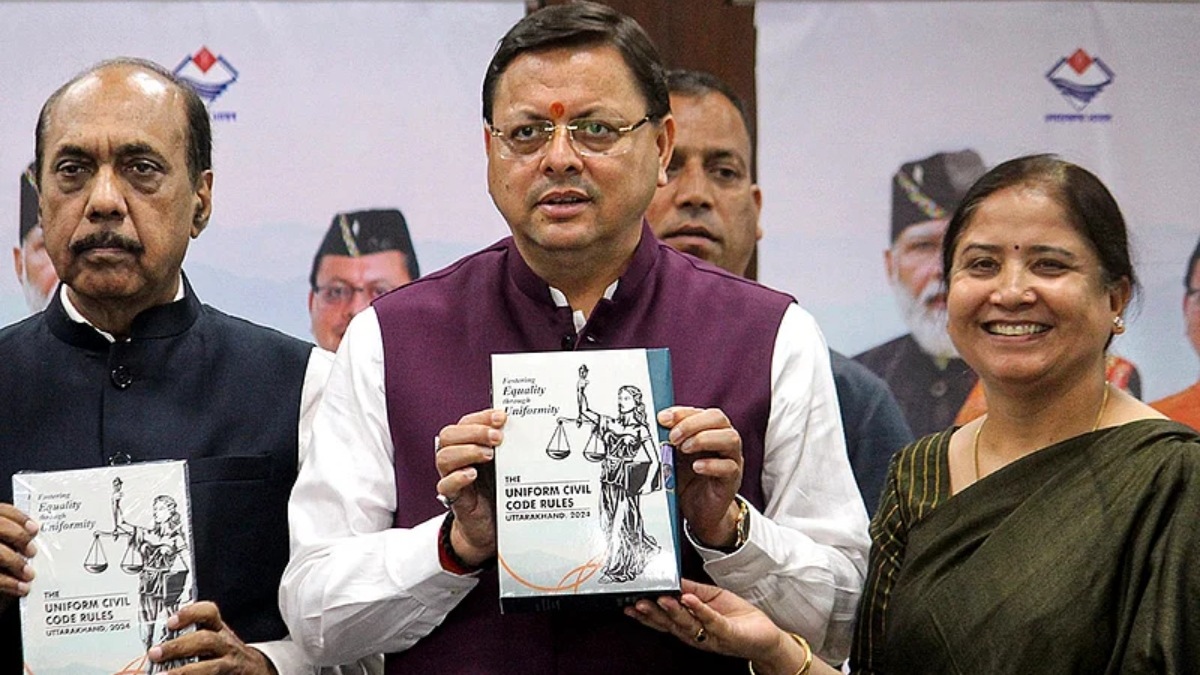
What’s the News?
- The Uttarakhand Government implemented the Uniform Civil Code (Amendment) Ordinance, 2026, following approval by the Governor, marking one year since the State became the first in India to enforce a UCC.
- The Ordinance introduces procedural, administrative and penal refinements to the Uttarakhand Uniform Civil Code Act, 2024, aiming to streamline implementation and enhance transparency in civil matters governing marriage, divorce, and live-in relationships.
- The State observed January 27, 2026 as "UCC Day" to commemorate the first anniversary of the Code coming into force, with awareness programmes organized across urban and rural areas.
The Amendment Ordinance: Scope and Authority
- Constitutional Basis: Promulgated under Article 213 of the Constitution, which empowers the Governor to issue Ordinances during recess of the State Legislature, subject to subsequent legislative approval.
- Immediate Effect: The Ordinance came into force immediately upon gubernatorial assent, bypassing the need for immediate legislative passage while ensuring continuity of governance.
- Penal Alignment: The amendments align penal provisions with India’s updated criminal laws (Bharatiya Nyaya Sanhita, 2023), ensuring consistency across criminal and civil jurisprudence.
- Appellate Mechanisms: Strengthens registration powers and appellate procedures, addressing administrative bottlenecks identified during the first year of implementation.
Digital Transformation: Marriage Registration Impact
- Volume Surge: Over 4.74 lakh marriages registered in less than one year since UCC implementation, a massive increase from the previous regime.
- Process Efficiency: Average registration time reduced to five days for certificate issuance, compared to significantly longer timelines under the earlier offline system.
- Daily Throughput: Approximately 1,400 registrations per day processed under the UCC, versus merely 67 per day under the previous Uttarakhand Compulsory Registration of Marriages Act, 2010.
- Digitization Milestone: Nearly 100% of registrations now conducted online, compared to the previous system requiring physical presence of both spouses and two witnesses at Sub-Registrar offices on fixed dates.
- Remote Compliance: Couples and witnesses can now complete registration from anywhere by uploading documents and recording video statements, eliminating geographical and bureaucratic barriers.
Additional Info
Constitutional Framework:
- Article 44: Part of Directive Principles of State Policy (DPSP), mandates that the State shall endeavour to secure for citizens a Uniform Civil Code throughout India; not enforceable by courts but fundamental in governance.
- Article 213: Governor’s ordinance-making power when Legislative Assembly is not in session; Ordinance valid for six weeks from reassembly unless approved earlier.
- Entry 5 of Concurrent List: Marriage and divorce fall under shared jurisdiction of Centre and States, enabling Uttarakhand to legislate on civil matters.
Uttarakhand UCC Act, 2024: Key Features:
- Applicability: Covers marriage, divorce, succession, inheritance, live-in relationships, and child custody across all religions (with exceptions for Scheduled Tribes).
- Live-in Relationship Registration: Mandatory registration of live-in relationships with criminal penalties for non-compliance (up to three months imprisonment or fine).
- Marriage Provisions: Minimum age maintained at 18 (women) and 21 (men); registration compulsory within specified timelines.
- Succession: Equal inheritance rights for sons and daughters, removing gender-based discrimination prevalent in personal laws.
- Ban on Practices: Prohibits polygamy, polyandry, and child marriage uniformly across communities.
Previous Legal Regime:
- Uttarakhand Compulsory Registration of Marriages Act, 2010: Required physical appearance at Sub-Registrar offices, manual documentation, and witness verification in person creating significant logistical hurdles for migrant couples and rural populations.
Governance Impact:
- Women and Child Focus: Ordinance explicitly emphasizes women’s empowerment, child rights protection, and equality in civil rights as core objectives.
- Transparency: Digitization has reduced intermediary discretion and potential corruption in registration processes.
- Model Law Status: Chief Minister has positioned Uttarakhand’s UCC as a template for other States considering similar legal harmonization.
Comparative Context:
- Uttarakhand remains the only Indian State to implement a comprehensive UCC covering marriage, succession, and live-in relationships.
- Goa: Existing Portuguese Civil Code applies uniformly but predates Independence; not a post-Constitution UCC implementation.
- Other States including Assam and Gujarat have expressed intent to draft UCC legislation, with Uttarakhand serving as the operational reference point.
Sources
National Girl Child Day 2026: Empowering Girls for a Brighter Tomorrow
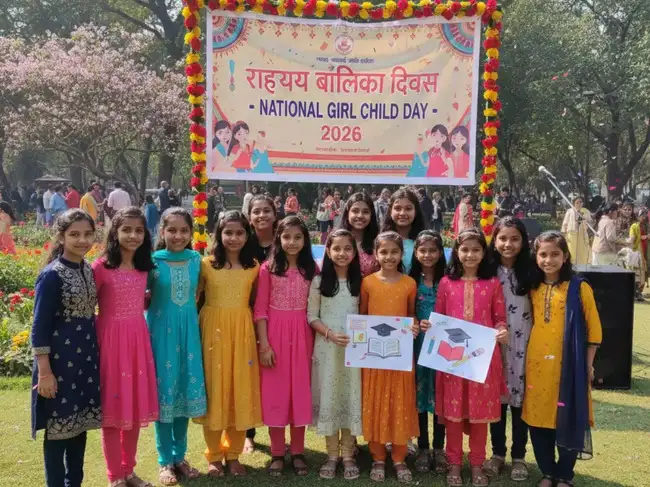
What’s the News?
- National Girl Child Day 2026 was observed across India on January 24, 2026, marking the 18th anniversary of the observance first launched by the Ministry of Women and Child Development in 2008.
- The day reinforces the national commitment to addressing gender inequalities, discrimination, and violence faced by girls, while promoting their rights to education, health, nutrition, and safety.
- The observance aligns with flagship government initiatives like Beti Bachao Beti Padhao (BBBP), which recorded 4.53 crore accounts under the Sukanya Samriddhi Yojana (as of completion of 11 years), demonstrating sustained policy focus on girl child welfare.
Historical Significance and Evolution
- Inception: First observed in 2008 by the Ministry of Women and Child Development to confront declining child sex ratios, female foeticide, and entrenched gender discrimination.
- Symbolic Date: January 24 was chosen to commemorate Indira Gandhi assuming office as India’s first woman Prime Minister on this date in 1966, establishing a powerful precedent for women’s leadership in governance.
- Progressive Milestone: The observance traces its philosophical roots to the 1995 Beijing Declaration and Platform for Action, the first UN framework to specifically address girls' rights alongside women's empowerment.
Core Objectives
- Awareness Generation: Increase public consciousness regarding inequalities faced by girls in education, healthcare, and social participation.
- Rights Protection: Promote awareness of legal rights safeguarding girls against child marriage, gender-based violence, and discriminatory practices.
- Education Promotion: Address barriers causing high dropout rates among adolescent girls, ensuring transition from primary to secondary and higher education.
- Health and Nutrition: Highlight anemia, malnutrition, and inadequate healthcare access as critical challenges affecting the girl child.
- Empowerment: Build self-confidence, leadership capabilities, and economic potential through skill development and equal opportunity advocacy.
Thematic Focus and Expected Impact
- 2026 Focus: While the official theme was not formally announced, the observance continued emphasis on "Empowering Girls for a Bright Future"; highlighting education, safety, and leadership as foundational pillars.
- Educational Access: Focus on STEM participation, digital literacy, and vocational training to prepare girls for emerging economic sectors.
- Safety and Security: Addressing concerns regarding violence against girls, trafficking, and creating safe environments in schools and public spaces.
- Health Priorities: Emphasis on adolescent nutrition, menstrual hygiene management, and mental health support for holistic development.
Additional Info
Constitutional and Legal Framework:
- Article 21: Right to life and personal liberty interpreted by Supreme Court to include right to education and dignity for the girl child.
- Article 15(3): Enables special provisions for women and children, legitimizing affirmative action schemes for girls.
- Article 45 (DPSP): Early childhood care and education mandate supporting girl child development.
- Prohibition of Child Marriage Act, 2006: Legal framework preventing marriage of girls below 18 years.
- Pre-Conception and Pre-Natal Diagnostic Techniques (PCPNDT) Act, 1994: Prohibits sex selection and sex determination to prevent female foeticide.
- Right to Education Act, 2009: Mandates free and compulsory education until age 14, reducing gender gaps in primary enrollment.
- Protection of Children from Sexual Offences (POCSO) Act, 2012: Safeguards girls against sexual abuse and exploitation.
Flagship Government Schemes:
- Beti Bachao Beti Padhao (BBBP):
- Launch: January 22, 2015 by the Prime Minister.
- Objective: Address declining Child Sex Ratio (CSR) and promote women’s empowerment through survival, protection, education, and participation.
- Key Interventions: Guddi-Gudda Boards (public display of gender-wise birth statistics), Selfie with Daughters campaign, and district-level convergence with health and education departments.
- Sukanya Samriddhi Yojana (SSY):
- Interest Rate: 8.40% per annum (competitive long-term savings instrument).
- Tax Benefits: Triple exemption (EEE status) under Section 80C of Income Tax Act, exemption on deposit, interest, and maturity.
- Eligibility: Parents/guardians can open accounts for up to two daughters below age 10 (exceptions for twins/triplets).
- Deposit Limits: Minimum ₹250; Maximum annual deposit ₹1.5 lakh.
- Maturity: 21 years from opening or upon marriage (whichever earlier), ensuring financial security for higher education or career pursuits.
- Kanyashree Prakalpa (West Bengal): Conditional cash transfer scheme preventing child marriage and encouraging education.
- Ladli Laxmi Yojana (Madhya Pradesh and other states): Financial incentive schemes for girl education and marriage expenses.
Sources
January 2026
31 January 202630 January 202629 January 202628 January 202627 January 202626 January 202624 January 202623 January 202622 January 202621 January 202620 January 202619 January 202616 January 202615 January 202614 January 202613 January 202612 January 202610 January 202609 January 202608 January 202607 January 202606 January 202605 January 202603 January 202602 January 202601 January 2026
Archive
October 2026
- 27 October 2026
- 26 October 2026
- 24 October 2026
- 23 October 2026
- 22 October 2026
- 21 October 2026
- 20 October 2026
- 19 October 2026
- 17 October 2026
- 16 October 2026
- 15 October 2026
- 14 October 2026
- 13 October 2026
- 12 October 2026
- 10 October 2026
- 09 October 2026
- 08 October 2026
- 07 October 2026
- 06 October 2026
- 05 October 2026
- 03 October 2026
- 02 October 2026
- 01 October 2026
September 2026
- 30 September 2026
- 29 September 2026
- 28 September 2026
- 26 September 2026
- 25 September 2026
- 24 September 2026
- 23 September 2026
- 22 September 2026
- 21 September 2026
- 19 September 2026
- 18 September 2026
- 17 September 2026
- 16 September 2026
- 15 September 2026
- 12 September 2026
- 11 September 2026
- 10 September 2026
- 09 September 2026
- 08 September 2026
- 07 September 2026
- 05 September 2026
- 04 September 2026
- 03 September 2026
- 02 September 2026
- 01 September 2026
August 2026
- 31 August 2026
- 29 August 2026
- 27 August 2026
- 26 August 2026
- 25 August 2026
- 24 August 2026
- 22 August 2026
- 21 August 2026
- 20 August 2026
- 19 August 2026
- 18 August 2026
- 17 August 2026
- 14 August 2026
- 13 August 2026
- 12 August 2026
- 11 August 2026
- 10 August 2026
- 08 August 2026
- 07 August 2026
- 06 August 2026
- 05 August 2026
- 04 August 2026
- 03 August 2026
- 01 August 2026
July 2026
- 31 July 2026
- 30 July 2026
- 29 July 2026
- 28 July 2026
- 27 July 2026
- 25 July 2026
- 23 July 2026
- 22 July 2026
- 21 July 2026
- 20 July 2026
- 18 July 2026
- 17 July 2026
- 15 July 2026
- 14 July 2026
- 13 July 2026
- 11 July 2026
- 10 July 2026
- 09 July 2026
- 08 July 2026
- 07 July 2026
- 06 July 2026
- 04 July 2026
- 03 July 2026
- 02 July 2026
- 01 July 2026
June 2026
May 2026
April 2026
March 2026
- 31 March 2026
- 30 March 2026
- 28 March 2026
- 27 March 2026
- 26 March 2026
- 25 March 2026
- 24 March 2026
- 23 March 2026
- 21 March 2026
- 20 March 2026
- 19 March 2026
- 18 March 2026
- 17 March 2026
- 16 March 2026
- 14 March 2026
- 13 March 2026
- 12 March 2026
- 11 March 2026
- 10 March 2026
- 09 March 2026
- 07 March 2026
- 06 March 2026
- 05 March 2026
- 03 March 2026
- 02 March 2026
February 2026
- 28 February 2026
- 27 February 2026
- 26 February 2026
- 25 February 2026
- 24 February 2026
- 23 February 2026
- 21 February 2026
- 20 February 2026
- 19 February 2026
- 18 February 2026
- 17 February 2026
- 16 February 2026
- 13 February 2026
- 12 February 2026
- 11 February 2026
- 10 February 2026
- 09 February 2026
- 07 February 2026
- 06 February 2026
- 05 February 2026
- 04 February 2026
- 03 February 2026
- 02 February 2026
January 2026
- 31 January 2026
- 30 January 2026
- 29 January 2026
- 28 January 2026
- 27 January 2026
- 26 January 2026
- 24 January 2026
- 23 January 2026
- 22 January 2026
- 21 January 2026
- 20 January 2026
- 19 January 2026
- 16 January 2026
- 15 January 2026
- 14 January 2026
- 13 January 2026
- 12 January 2026
- 10 January 2026
- 09 January 2026
- 08 January 2026
- 07 January 2026
- 06 January 2026
- 05 January 2026
- 03 January 2026
- 02 January 2026
- 01 January 2026
December 2025
- 31 December 2025
- 30 December 2025
- 29 December 2025
- 27 December 2025
- 26 December 2025
- 24 December 2025
- 23 December 2025
- 22 December 2025
- 20 December 2025
- 19 December 2025
- 18 December 2025
- 17 December 2025
- 16 December 2025
- 15 December 2025
- 13 December 2025
- 12 December 2025
- 11 December 2025
- 10 December 2025
- 09 December 2025
- 08 December 2025
- 05 December 2025
- 04 December 2025
- 03 December 2025
- 02 December 2025
November 2025
- 29 November 2025
- 28 November 2025
- 27 November 2025
- 26 November 2025
- 25 November 2025
- 24 November 2025
- 22 November 2025
- 21 November 2025
- 20 November 2025
- 19 November 2025
- 18 November 2025
- 17 November 2025
- 15 November 2025
- 14 November 2025
- 13 November 2025
- 12 November 2025
- 11 November 2025
- 10 November 2025
- 08 November 2025
- 07 November 2025
- 06 November 2025
- 05 November 2025
- 04 November 2025
- 03 November 2025
- 01 November 2025
October 2025
- 31 October 2025
- 30 October 2025
- 29 October 2025
- 28 October 2025
- 27 October 2025
- 25 October 2025
- 24 October 2025
- 23 October 2025
- 22 October 2025
- 21 October 2025
- 20 October 2025
- 18 October 2025
- 17 October 2025
- 16 October 2025
- 15 October 2025
- 14 October 2025
- 13 October 2025
- 11 October 2025
- 10 October 2025
- 09 October 2025
- 08 October 2025
- 07 October 2025
- 06 October 2025
- 04 October 2025
- 03 October 2025
- 02 October 2025
- 01 October 2025
September 2025
- 30 September 2025
- 29 September 2025
- 27 September 2025
- 26 September 2025
- 25 September 2025
- 24 September 2025
- 23 September 2025
- 22 September 2025
- 20 September 2025
- 19 September 2025
- 18 September 2025
- 17 September 2025
- 16 September 2025
- 15 September 2025
- 13 September 2025
- 12 September 2025
- 11 September 2025
- 10 September 2025
- 09 September 2025
- 08 September 2025
- 06 September 2025
- 05 September 2025
- 04 September 2025
- 03 September 2025
- 02 September 2025
- 01 September 2025
August 2025
- 30 August 2025
- 29 August 2025
- 28 August 2025
- 27 August 2025
- 26 August 2025
- 25 August 2025
- 23 August 2025
- 22 August 2025
- 21 August 2025
- 20 August 2025
- 19 August 2025
- 18 August 2025
- 16 August 2025
- 14 August 2025
- 13 August 2025
- 12 August 2025
- 11 August 2025
- 08 August 2025
- 07 August 2025
- 06 August 2025
- 05 August 2025
- 04 August 2025
- 02 August 2025
- 01 August 2025
July 2025
- 31 July 2025
- 30 July 2025
- 29 July 2025
- 28 July 2025
- 26 July 2025
- 25 July 2025
- 24 July 2025
- 23 July 2025
- 22 July 2025
- 21 July 2025
- 19 July 2025
- 18 July 2025
- 17 July 2025
- 16 July 2025
- 15 July 2025
- 12 July 2025
- 11 July 2025
- 10 July 2025
- 09 July 2025
- 07 July 2025
- 05 July 2025
- 04 July 2025
- 03 July 2025
- 02 July 2025
- 01 July 2025
June 2025
- 30 June 2025
- 28 June 2025
- 27 June 2025
- 26 June 2025
- 25 June 2025
- 24 June 2025
- 23 June 2025
- 21 June 2025
- 20 June 2025
- 19 June 2025
- 18 June 2025
- 17 June 2025
- 16 June 2025
- 14 June 2025
- 13 June 2025
- 12 June 2025
- 11 June 2025
- 10 June 2025
- 09 June 2025
- 07 June 2025
- 06 June 2025
- 05 June 2025
- 04 June 2025
- 03 June 2025
- 02 June 2025
May 2025
April 2025
- 30 April 2025
- 29 April 2025
- 28 April 2025
- 26 April 2025
- 25 April 2025
- 24 April 2025
- 23 April 2025
- 22 April 2025
- 21 April 2025
- 19 April 2025
- 18 April 2025
- 17 April 2025
- 16 April 2025
- 15 April 2025
- 14 April 2025
- 12 April 2025
- 11 April 2025
- 10 April 2025
- 09 April 2025
- 08 April 2025
- 07 April 2025
- 05 April 2025
- 04 April 2025
- 03 April 2025
- 02 April 2025
- 01 April 2025
March 2025
- 31 March 2025
- 29 March 2025
- 28 March 2025
- 27 March 2025
- 26 March 2025
- 25 March 2025
- 24 March 2025
- 22 March 2025
- 21 March 2025
- 20 March 2025
- 19 March 2025
- 18 March 2025
- 17 March 2025
- 15 March 2025
- 13 March 2025
- 12 March 2025
- 11 March 2025
- 10 March 2025
- 08 March 2025
- 07 March 2025
- 06 March 2025
- 05 March 2025
- 04 March 2025
- 03 March 2025
- 01 March 2025
February 2025
- 28 February 2025
- 27 February 2025
- 26 February 2025
- 25 February 2025
- 24 February 2025
- 22 February 2025
- 21 February 2025
- 20 February 2025
- 19 February 2025
- 18 February 2025
- 17 February 2025
- 15 February 2025
- 14 February 2025
- 13 February 2025
- 12 February 2025
- 11 February 2025
- 10 February 2025
- 08 February 2025
- 07 February 2025
- 06 February 2025
- 05 February 2025
- 04 February 2025
- 03 February 2025
- 01 February 2025
January 2025
- 31 January 2025
- 30 January 2025
- 29 January 2025
- 28 January 2025
- 27 January 2025
- 25 January 2025
- 24 January 2025
- 23 January 2025
- 22 January 2025
- 21 January 2025
- 20 January 2025
- 18 January 2025
- 17 January 2025
- 16 January 2025
- 15 January 2025
- 14 January 2025
- 13 January 2025
- 11 January 2025
- 10 January 2025
- 09 January 2025
- 08 January 2025
- 07 January 2025
- 06 January 2025
- 04 January 2025
- 03 January 2025
- 02 January 2025
- 01 January 2025