
Current Affairs
Stay updated with the latest national and international events.
27 February 2026
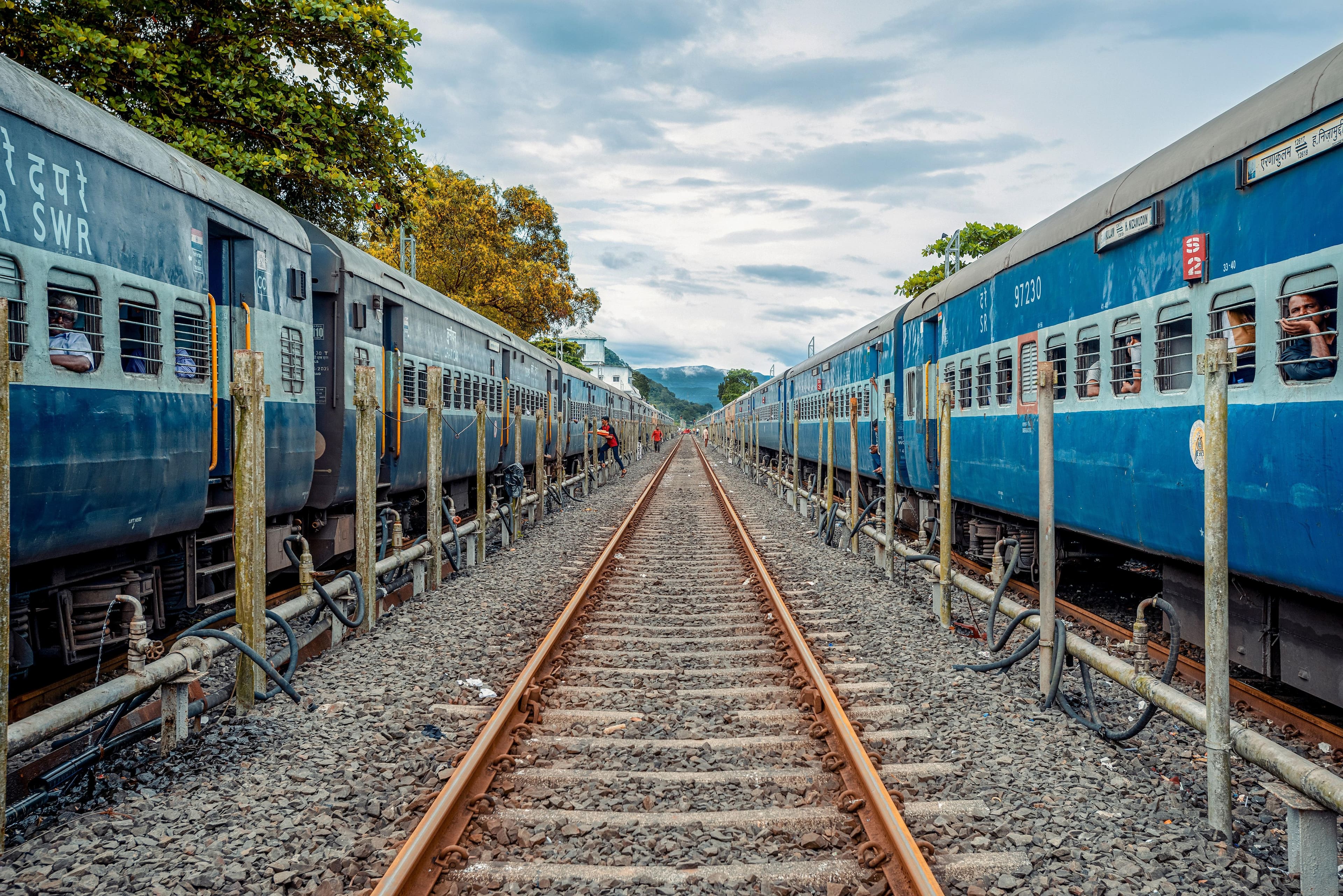
Rail Tech Policy Launched to Drive Innovation; Railway Claims Tribunal Goes Fully Digital
What's the News?
Union Railway Minister Ashwini Vaishnaw announced two major reforms under the "52 Reforms in 52 Weeks" initiative:
- Rail Tech Policy & Portal: A dedicated platform to engage startups, innovators, industry, and institutions for technology-driven solutions in Indian Railways. The government will fund up to 50% of development costs for approved projects.
- e-RCT System: Complete digitisation of the Railway Claims Tribunal (RCT), enabling end-to-end online filing, processing, and adjudication of claims across all 23 RCT benches in India within the next 12 months.
Rail Tech Policy?
Overview: The policy creates a structured, simplified ecosystem for technology adoption in railways, moving away from rigid vendor selection to an innovation-driven framework modeled on the Defence Ministry's iDEX initiative.
Features:
- Single-stage proposal submission through the Rail Tech Portal (open permanently for startups)
- Funding structure: Up to 50% government funding for development; substantial long-term orders for successful solutions
- Enhanced grants: Scale-up grant increased more than 3x; prototype development grant doubled compared to the 2022 Indian Railway Innovation Policy
- Focus:
- AI-based Elephant Intrusion Detection System (EIDS)
- AI fire detection in coaches
- Drone-based broken rail detection
- Rail stress monitoring systems
- AI-enabled CCTV for passenger security
- Predictive maintenance for overhead electrical equipment
- AI-based pension and dispute resolution systems
- Solar panels on coaches and sensor-based load calculation devices
Significance:
- Addresses legacy challenges in safety, maintenance, and administrative efficiency
- Creates a transparent, digital-only, end-to-end process removing procedural bottlenecks
- Potential template for other sectors if successful
- Successful innovators can target export markets post-validation
e-RCT (Electronic Railway Claims Tribunal)?
Overview: Complete AI-enabled digitisation of the Railway Claims Tribunal to transform claims processing from physical to paperless, ensuring faster disposal and nationwide accessibility.
Features:
- 24×7 e-filing: Claims can be filed online from anywhere, eliminating jurisdiction confusion for passengers traveling across states
- End-to-end computerisation: Digital case filing, document submission, and real-time case tracking
- Hybrid hearings: Online hearings and instant access to orders
- Paperless courts: Eliminates need for physical visits to Tribunal offices
- Centralised case management across all 23 RCT benches
Significance:
- Reduces delays and procedural hurdles for accident victims and litigants
- Improves transparency and accessibility for aggrieved passengers
- Addresses compensation claims for:
- Death or injury in railway accidents/untoward incidents
- Loss or non-delivery of goods
- Refund of fares and freight
Additional Info
- Research Designs and Standards Organisation (RDSO):
- Functions as the R&D wing of the Ministry of Railways.
- Under the new policy, RDSO’s role will evolve from being the sole developer to acting as a standard-setter and facilitator for private innovators.
- National Rail Plan (NRP) 2030:
- The policy is a core component of the NRP, which aims to create a 'future-ready' railway system.
- A primary goal of the NRP is to increase the modal share of Railways in freight transport from the current 27% to 45% by 2030.
- Kavach System:
- The indigenous Automatic Train Protection (ATP) system.
- The Rail Tech Policy will expedite the R&D required to scale Kavach across the entire Indian Rail network.
Sources
India Unveils New GDP Series with 2022-23 Base Year
What's the News?
The Ministry of Statistics and Programme Implementation (MoSPI) released a new GDP series with FY 2022-23 as the base year, replacing the decade-old 2011-12 benchmark. This comprehensive revision introduces significant methodological improvements to better capture India's evolving economic structure, including the digital economy, gig work, and post-pandemic consumption patterns.
Key Highlights:
- Real GDP growth for FY 2025-26 estimated at 7.6% (upward revision from previous estimates)
- Nominal GDP projected to reach ₹345.47 lakh crore in FY 2025-26
- Manufacturing sector recorded double-digit growth in FY 2023-24 and FY 2024-25
- Secondary and Tertiary sectors registered above 9% growth in FY 2024-25
Why the New Base Year?
Overview: Base years are updated periodically to reflect structural changes in the economy. The 2011-12 base year became outdated as it failed to capture:
- The rise of the digital economy and platform services
- GST implementation (2017) and its impact on tax data
- Post-COVID consumption patterns and gig economy expansion
- Modern industrial technologies and service sector evolution
Selection Rationale:
- FY 2022-23 chosen as it represents a "recent normal year" post-COVID with robust, comprehensive data availability
- 2017-18 rejected due to GST introduction disruption
- 2019-20 to 2021-22 excluded due to pandemic impact and rebound effects
Key Methodological Changes?
1. Advanced Inflation Adjustment (Deflation)
- Granular deflators: Price indicators expanded from ~180 to ~600, using specific CPI and WPI components
- Double deflation: Applied to agriculture and manufacturing sectors—inputs and outputs deflated separately to prevent profit fluctuations from being misread as production growth
- Sector-specific indices: Replaced composite economy-wide indices with targeted, industry-specific price indicators
2. Enhanced Data Sources & Big Data Integration
- GST data: Primary tool for cross-validating corporate growth and regional economic allocation
- e-Vahan data: Precise measurement of road transport services
- PFMS (Public Finance Management System): Real-time tracking of government expenditure
- ASUSE and PLFS: Annual surveys replacing old proxy data for unincorporated sector and household activity
- Gig economy tracking: New codes for platform workers (delivery partners, aggregator drivers)
3. Structural Consistency Improvements
- Supply and Use Tables (SUT): Integrated framework to reduce discrepancies between production-side and expenditure-side GDP estimates
- Proportional Denton method: Replaced pro-rata benchmarking to eliminate artificial quarterly spikes ("step problem")
- Refined PFCE estimation: Triangulated approach using surveys, commodity flow, and production data; aligned with COICOP 2018 international standards
- FISIM-based approach: For financial services valuation (Financial Intermediation Services Indirectly Measured)
4. Improved Corporate Classification
- Activity-wise turnover data: Companies classified by specific economic activities rather than dominant business segment
- Multi-activity enterprise segregation: Better capture of diversified corporate operations
Additional Info
Historical Base Year Revisions:
- 2011-12: Previous base year (replaced 2004-05)
- 2022-23: Current revision (follows international best practice of periodic updates)
Key Economic Indicators (New Series):
- GDP (Constant Prices):
- FY 2022-23: ₹261.18 lakh crore (base)
- FY 2023-24: ₹280.01 lakh crore (7.2% growth)
- FY 2024-25: ₹299.89 lakh crore (7.1% growth)
- FY 2025-26: ₹322.58 lakh crore (7.6% growth)
- Per Capita Income (Current Prices):
- FY 2022-23: ₹1,59,557
- FY 2023-24: ₹1,76,465
- FY 2024-25: ₹1,92,774
- Gross Capital Formation to GDP Ratio: 34.3% (FY 2024-25)
Sectoral Growth (FY 2024-25):
- Primary Sector: 4.9%
- Secondary Sector: 8.0%
- Tertiary Sector: 7.9%
Upcoming Releases:
- Back series data: Expected by December 2026
- Detailed methodology report: To be released in coming months
Constitutional & Legal Framework:
- Article 266: Consolidated Fund of India (relevant for PFMS integration)
- Article 280: Finance Commission (uses GDP data for tax devolution)
- Collection of Statistics Act, 2008: Legal backing for surveys
Sources
India and Israel Elevate Ties to "Special Strategic Partnership"; FTA Negotiations Progress

What's the News?
Prime Minister Narendra Modi undertook a State Visit to Israel (February 25-26, 2026) at the invitation of Prime Minister Benjamin Netanyahu. The visit culminated in the elevation of bilateral relations to a "Special Strategic Partnership for Peace, Innovation and Prosperity" and the signing of 16 agreements/MoUs spanning defence, technology, agriculture, and cybersecurity. Both leaders also welcomed the conclusion of the first round of FTA negotiations in New Delhi, with the next round scheduled for May 2026 in Israel.
Special Strategic Partnership?
Overview: The elevation represents a qualitative upgrade from the existing Strategic Partnership (established 2017), institutionalising cooperation across Government-to-Government, Business-to-Business, and People-to-People domains.
Pillars:
- Peace: Cooperation on regional stability, counter-terrorism, and Gaza peace initiatives
- Innovation: Integration of capabilities in AI, semiconductors, quantum computing, biotechnology, and space
- Prosperity: Enhanced trade, investment facilitation, and connectivity through IMEC and I2U2 frameworks
Strategic Context:
- Complementary strengths: Israel as a global innovation hub; India as a talent and manufacturing powerhouse
- Alignment with India's 'Atmanirbhar Bharat' and 'Viksit Bharat 2047' visions
- Support for US President Trump's "Comprehensive Plan to End the Gaza Conflict"
FTA & Economic Cooperation?
Free Trade Agreement Progress:
- First negotiating round: Concluded in New Delhi (4-day talks covering goods, services, rules of origin, digital trade)
- Next round: Scheduled for May 2026 in Israel
- Chief Negotiators: Ajay Bhadoo (India) and Yifat Alon Perel (Israel)
- Scope: Market access, investment facilitation, customs simplification, technology transfer
Bilateral Investment Treaty:
- Signed in September 2025 by Finance Ministers
- Provides transparency, predictability, and independent dispute resolution
Financial Integration:
- UPI-MASAV linkage: MoU between NPCI International and Israel's payment system for cross-border transactions
- Financial-Cyber Partnership: Exchange of intelligence and joint simulations through Financial CSIRTs
- India-Israel Financial Dialogue: Launched to boost monetary cooperation
Trade Potential:
- Current bilateral trade: Approximately $10-12 billion (2024 estimates)
- Target sectors: Machinery, chemicals, textiles, agriculture, medical devices, advanced technologies
Defence & Security Cooperation?
Recent Developments:
- MoU on Defence Cooperation signed (November 2025)
- Reported $10 billion multi-year defence deal under discussion focusing on:
- Air-defence systems
- Surveillance and battlefield technologies
- AI and quantum computing applications
Strategic Cooperation:
- I2U2 Partnership: India-Israel-UAE-US quadrilateral for regional projects
- IMEC: India-Middle East-Europe Economic Corridor for connectivity
- Counter-terrorism: Joint condemnation of October 7, 2023 attack on Israel and Pahalgam attack (April 2025) on Indian tourists
Data Point:
- India purchased roughly one-third of Israel's weapons exports (~$20.5 billion between 2020-2024), making it Israel's largest defence customer
Technology & Innovation?
Critical and Emerging Technologies (CET):
- NSA-led initiative on CET cooperation (semiconductors, AI, quantum)
- India-Israel Industrial R&D and Innovation Fund (I4F): Jointly implemented by DST (India) and Israel Innovation Authority
- AI Cooperation MoU: Signed for frontier technology collaboration
- Space Cooperation: Enhanced engagement between ISRO and Israel Space Agency (ISA)
Cybersecurity:
- Inaugural Cyber Policy Dialogue (March 2025)
- Centre of Excellence in Cybersecurity to be established in India
- Multi-year strategic program with joint roadmap for capacity building and Security by Design principles
Horizon Scanning Mechanism:
- Declaration of Intent signed for strategic foresight using data, AI, and expert insights
Agriculture & Water?
Ongoing Initiatives:
- 35 Centres of Excellence in agriculture operational; 8 additional centres being established
- Over 1 million Indian farmers trained at these centres
- India-Israel Innovation Centre for Agriculture (IINCA): MoU between ICAR and MASHAV
- 20 Joint Fellowships for agricultural research at Volcani Agriculture Research Organization
Water Management:
- Cooperation on Ganges cleaning, wastewater treatment, desalination, and water utility reforms
- Joint Centre of Excellence in Fisheries and Aquaculture proposed
People-to-People & Mobility?
Workforce Mobility:
- Framework Agreement (November 2023) facilitating Indian workers in construction and caregiving sectors
- Up to 50,000 additional Indian workers to arrive in Israel over next 5 years
- Expansion to high-skill sectors: Data science, AI, and hi-tech
- Joint Coordination Committee (JCC) tasked with resolving worker-related issues
Cultural & Educational Ties:
- India-Israel Academic Cooperation Forum (I2I Forum): University-led platform for annual dialogue
- MoU between Nalanda University and Hebrew University of Jerusalem
- Cinema cooperation: Joint productions and creator exchanges
- Parliamentary Friendship Group established in Indian Parliament
Additional Info
Historical Context:
- 1992: Full diplomatic relations established
- 2017: Prime Minister Modi's historic visit to Israel; Strategic Partnership established
- 2018: Prime Minister Netanyahu's visit to India
- 2025: Bilateral Investment Treaty signed
Regional Connectivity Initiatives:
- IMEC: Proposed corridor through India-UAE-Jordan-Saudi Arabia-Israel-Europe
- I2U2: West Asian Quad focusing on water, energy, transportation, space, health, and food security
Sources
National Small Industries Corporation (NSIC) Upgraded to Schedule ‘A’ Category CPSE

What’s the News?
- The Ministry of Micro, Small and Medium Enterprises (MSME) has officially upgraded the National Small Industries Corporation (NSIC) from a Schedule ‘B’ to a Schedule ‘A’ Central Public Sector Enterprise (CPSE).
- This elevation recognizes NSIC’s sustained financial performance, operational excellence, and its pivotal role in the growth of the MSME sector in India.
- The upgrade followed a recommendation by the Public Enterprises Selection Board (PESB) and approval from the Department of Public Enterprises (DPE).
Significance of Schedule ‘A’ Status?
- Financial Autonomy: The upgrade grants the NSIC Board significantly higher powers for capital expenditure (CAPEX) and investment decisions without requiring prior government approval.
- Organizational Structure: It allows for the creation of higher-level executive positions and enhances the pay scales for senior management, helping the corporation attract and retain top-tier talent.
- Global Competitiveness: With Schedule ‘A’ status, NSIC is better positioned to enter into international joint ventures and large-scale strategic partnerships to support Indian small businesses globally.
- Path to Navratna: This classification is a critical step for a CPSE to eventually qualify for Navratna status, provided it meets other financial benchmarks like being a Miniratna Category-I enterprise.
Performance and Operational Metrics?
- Consistent Profitability: The upgrade was driven by NSIC’s ability to maintain a healthy Net Worth and consistent dividend payments to the Government of India.
- MoU Ratings: NSIC has frequently secured ‘Excellent’ or ‘Very Good’ ratings in the annual Memorandum of Understanding (MoU) performance evaluations conducted by the government.
- Market Impact: The corporation has expanded its footprint through digital platforms and a vast network of technical centers, supporting millions of MSMEs through raw material procurement and marketing assistance.
Additional Info
- About NSIC:
- Established: 1955 as an ISO 9001:2015 certified Government of India Enterprise.
- Core Objective: To promote, aid, and foster the growth of MSMEs across the country.
- Key Schemes:
- Single Point Registration Scheme (SPRS): Facilitates MSME participation in government procurement.
- Raw Material Assistance (RMA): Provides credit and bulk purchase benefits for essential raw materials.
- MSME Global Mart: A B2B web portal providing end-to-end marketing solutions.
- Classification of CPSEs:
- CPSEs are categorized into four schedules (A, B, C, and D) based on quantitative factors (turnover, investment, capital employed) and qualitative factors (strategic importance, number of employees).
- Schedule ‘A’ is the highest category, reserved for enterprises with the largest scale of operations and strategic impact.
Sources:
Congo Basin Lakes Releasing Ancient Carbon from Peatlands

What's the News?
A study published in Nature Geoscience by researchers from ETH Zurich has revealed that Lake Mai-Ndombe and Lake Tumba in the Democratic Republic of Congo are emitting ancient carbon dioxide—up to 40% of which originates from peat deposits over 3,000 years old. This finding challenges the assumption that tropical peatlands permanently lock away carbon and raises concerns about potential climate feedback loops.
Ancient Carbon Emissions?
Key Findings:
- 40% of CO₂ emissions from the two lakes comes from ancient peat carbon (3,000+ years old)
- Carbon was previously believed to remain stably trapped in waterlogged peat soils
- Lakes are "blackwater" systems—stained dark by dissolved plant material and soil organic matter
- Lake Mai-Ndombe: Africa's largest blackwater lake, 4x larger than Lake Constance
- Exact mechanism of carbon transport from peatlands to lakes remains unclear
Research Significance:
- Indicates the carbon reservoir has a "leak" allowing ancient carbon to escape
- Questions whether this represents natural balance or destabilizing shift
- Suggests tropical peatlands may not be as secure a carbon sink as previously assumed
Congo Basin Peatlands?
Scale of Carbon Storage:
- Cover only 0.3% of Earth's land surface
- Store approximately one-third of all carbon in tropical peatlands globally
- Part of the world's second-largest rainforest (after Amazon)
- Estimated 100 gigatonnes of carbon locked in tropical peatlands worldwide
Formation Process:
- Peat forms from partially decomposed plant material in waterlogged, oxygen-poor conditions
- Prevents complete decomposition, allowing carbon accumulation over millennia
- Congo Basin peatlands among the most significant yet least-studied carbon reservoirs
Climate Risks & Feedback Loops?
Drought and Drying:
- Climate change may cause peat soils to dry out more frequently
- Oxygen penetration accelerates microbial breakdown of organic material
- Could trigger massive CO₂ release from this enormous carbon store
- Risk of reaching tipping point where emissions become self-sustaining
Methane Dynamics:
- Parallel study in Journal of Geophysical Research found water levels strongly influence methane emissions
- High water levels: Microorganisms consume methane before atmospheric release
- Low water levels (dry season): Less methane breakdown, larger emissions
- Fear that longer, more intense droughts could turn lakes into significant methane sources
Deforestation Pressures:
- DR Congo population projected to triple by 2050
- Increasing demand for farmland driving forest clearing
- Deforestation intensifies drought conditions by reducing evapotranspiration
- Forests act as "green lungs"—not just gas exchange but water vapor release promoting precipitation
Additional Info
Research Context:
- TropSEDs project: Led by ETH Zurich, funded by Swiss National Science Foundation
- Collaboration with University of Louvain (Belgium) and DR Congo institutions
- Congo Basin remains one of the least-studied major forest ecosystems
Related Climate Concepts:
- Radiocarbon dating: Method used to determine age of dissolved CO₂
- Blackwater rivers/lakes: High dissolved organic matter from plant decay, tea-colored water
- Carbon sink vs. source: Ecosystems that absorb vs. emit carbon
- Tipping point: Threshold beyond which change becomes irreversible
Global Implications:
- Findings help improve global climate models—tropical lakes/wetlands currently underrepresented
- Highlights urgency of Congo Basin wetland protection
- Reinforces need for emission reduction to prevent triggering peatland carbon release
Key Data Points:
- Ancient carbon proportion: Up to 40% of lake emissions
- Peatland coverage: 0.3% of global land area
- Carbon storage: ~33% of tropical peatland carbon
- Population projection: 3x increase by 2050 in DR Congo
Sources
Pakistan Declares "Open War" on Afghanistan
What's the News?
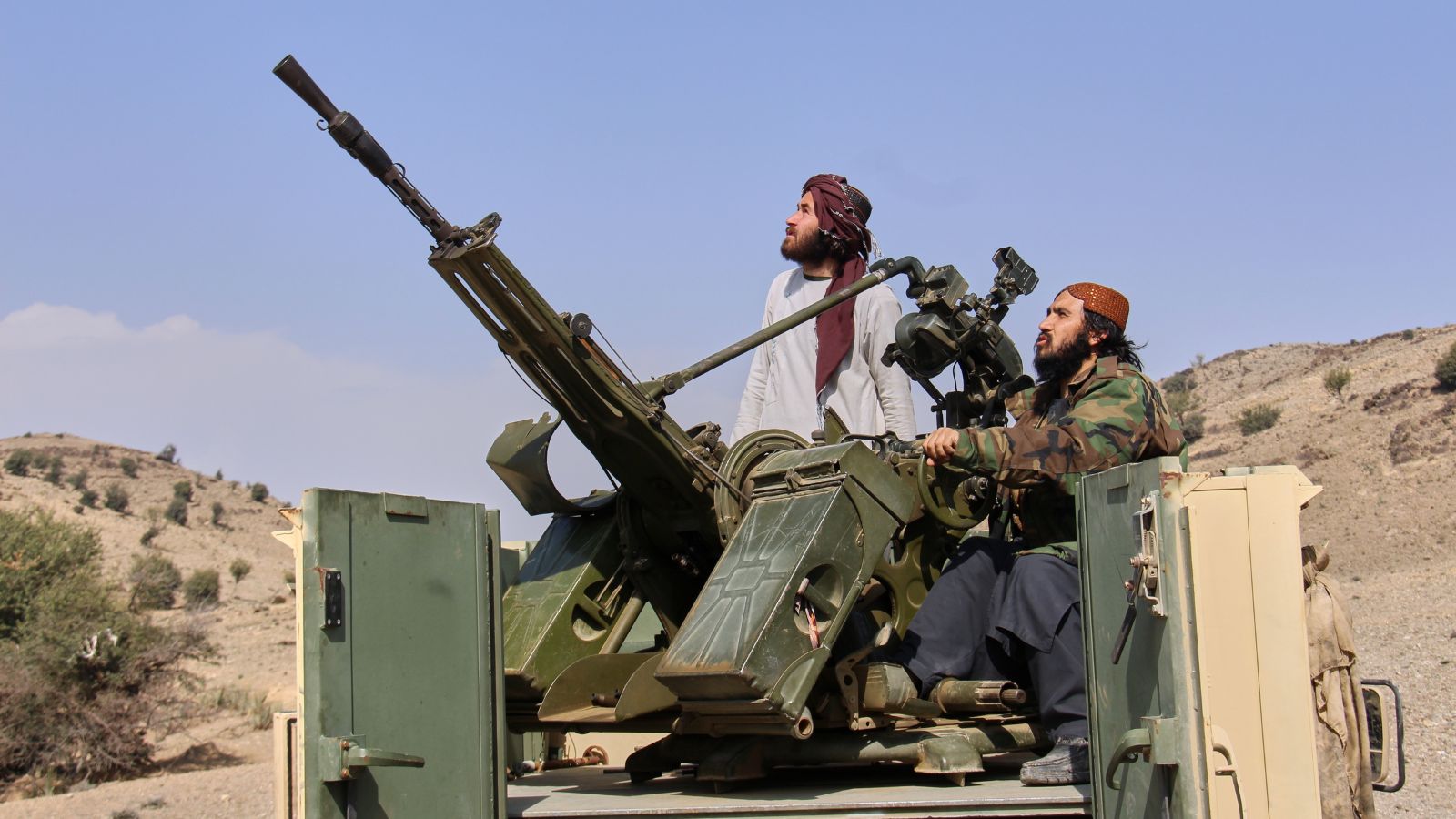
Pakistan's Defence Minister Khawaja Asif declared "open war" with Afghanistan following a sharp escalation in cross-border hostilities. The conflict intensified after Pakistan Air Force (PAF) conducted airstrikes on Kabul, Kandahar, and Paktia province in Afghanistan, targeting what Islamabad claimed were Taliban military installations. This followed Afghan forces' retaliatory attacks on Pakistani border positions. Both nations have launched full-scale military operations, marking the most serious confrontation between the neighbours in decades.
Operation Ghazab Lil Haq?
Overview:
Pakistan launched "Operation Ghazab Lil Haq" (Arabic: "Wrath for the Truth") against the Taliban government, involving:
- Airstrikes on 22 locations across Afghanistan including capital Kabul
- Artillery and ground operations along the Durand Line (2,611 km border)
- Targeting of Taliban brigade headquarters, ammunition depots, and border posts
Pakistan's Claims:
- 274 Taliban fighters killed, over 400 injured
- 83 Taliban posts destroyed, 17 captured
- 80+ pieces of equipment destroyed (tanks, artillery, APCs)
- 12 Pakistani soldiers killed, 27 injured in retaliatory attacks
Afghanistan's Claims:
- 55 Pakistani soldiers killed in retaliatory operations
- Two Pakistani military bases captured
- Only 8 Afghan soldiers killed, 11 wounded
- Civilian casualties including women and children in Kabul strikes
Background & Triggers?
Immediate Triggers:
- February 21, 2026: Pakistan conducted initial airstrikes on Nangarhar, Paktika, and Khost provinces targeting alleged TTP (Tehreek-e-Taliban Pakistan) and ISIS-K camps
- February 26, 2026: Afghanistan launched "retaliatory operations" against Pakistani border posts
- February 27, 2026: Pakistan declared "open war" and expanded strikes to Kabul and Kandahar
Core Dispute:
- Pakistan accuses Taliban of harbouring TTP militants using Afghan soil to launch attacks inside Pakistan
- February 2026 attacks in Pakistan:
- Islamabad mosque bombing: 36 killed (Shiite mosque)
- Bajaur checkpoint attack: 11 soldiers + 1 child killed
- Bannu attack: Multiple casualties
Historical Context:
- October 2025: Qatar-mediated ceasefire after deadliest border clashes in years (70+ killed)
- February 11, 2026: Pakistan warned of pre-Ramadan strikes if Taliban didn't curb militant activity
- Durand Line dispute: Unresolved border demarcation since British colonial era
International Reactions?
India:
- Strongly condemned Pakistan's airstrikes on Afghan territory
- Called it "another attempt by Pakistan to externalise its internal failures"
- Expressed support for Afghanistan's sovereignty and territorial integrity
China:
- "Deeply concerned" over escalation
- Urged both sides to exercise restraint
Iran:
- Foreign Minister Abbas Araghchi urged dialogue during holy month of Ramadan
- Called for "self-restraint and Islamic solidarity"
United Nations:
- UNAMA confirmed 13+ civilian casualties from initial Pakistani strikes
- Secretary-General Antonio Guterres urged adherence to international law
- UN Special Rapporteur Richard Bennett expressed concern over child casualties
Russia:
- Offered to mediate between the two countries
- Called for immediate halt to cross-border attacks
Qatar & Turkey:
- Qatar: Discussed tension reduction with Pakistani Foreign Minister
- Turkey: Foreign Minister Hakan Fidan held calls with both sides
United Kingdom:
- Urged immediate de-escalation and return to mediated dialogue
United States:
- Former Ambassador Zalmay Khalilzad called attacks a "terrible dynamic that must stop"
- Proposed diplomatic agreement monitored by third party (suggested Turkey)
Additional Info
Key Entities:
- TTP (Tehreek-e-Taliban Pakistan): Pakistani militant group ideologically aligned with Afghan Taliban but operationally distinct
- ISIS-K: Islamic State – Khorasan Province, active in Afghanistan-Pakistan region
- Durand Line: 2,611 km disputed border established in 1893
- UNAMA: United Nations Assistance Mission in Afghanistan
Casualty Data (Conflicting Claims):
| Source | Claim |
|---|---|
| Pakistan | 274 Taliban killed, 12 Pakistani soldiers killed |
| Afghanistan | 55 Pakistani soldiers killed, 8 Afghan soldiers killed |
| UNAMA | 13+ civilians killed in initial strikes |
Border Crossings:
- Torkham crossing: Remained open for Afghan refugees returning from Pakistan despite conflict
- Other crossings: Largely shut since October 2025 clashes
Previous Mediation:
- October 2025 ceasefire: Qatar-mediated truce lasted until early 2026
- Saudi Arabia: Facilitated release of 3 Pakistani soldiers captured in October 2025
Sources
February 2026
Archive
October 2026
- 28 October 2026
- 27 October 2026
- 26 October 2026
- 24 October 2026
- 23 October 2026
- 22 October 2026
- 21 October 2026
- 20 October 2026
- 19 October 2026
- 17 October 2026
- 16 October 2026
- 15 October 2026
- 14 October 2026
- 13 October 2026
- 12 October 2026
- 10 October 2026
- 09 October 2026
- 08 October 2026
- 07 October 2026
- 06 October 2026
- 05 October 2026
- 03 October 2026
- 02 October 2026
- 01 October 2026
September 2026
- 30 September 2026
- 29 September 2026
- 28 September 2026
- 26 September 2026
- 25 September 2026
- 24 September 2026
- 23 September 2026
- 22 September 2026
- 21 September 2026
- 19 September 2026
- 18 September 2026
- 17 September 2026
- 16 September 2026
- 15 September 2026
- 12 September 2026
- 11 September 2026
- 10 September 2026
- 09 September 2026
- 08 September 2026
- 07 September 2026
- 05 September 2026
- 04 September 2026
- 03 September 2026
- 02 September 2026
- 01 September 2026
August 2026
- 31 August 2026
- 29 August 2026
- 27 August 2026
- 26 August 2026
- 25 August 2026
- 24 August 2026
- 22 August 2026
- 21 August 2026
- 20 August 2026
- 19 August 2026
- 18 August 2026
- 17 August 2026
- 14 August 2026
- 13 August 2026
- 12 August 2026
- 11 August 2026
- 10 August 2026
- 08 August 2026
- 07 August 2026
- 06 August 2026
- 05 August 2026
- 04 August 2026
- 03 August 2026
- 01 August 2026
July 2026
- 31 July 2026
- 30 July 2026
- 29 July 2026
- 28 July 2026
- 27 July 2026
- 25 July 2026
- 23 July 2026
- 22 July 2026
- 21 July 2026
- 20 July 2026
- 18 July 2026
- 17 July 2026
- 15 July 2026
- 14 July 2026
- 13 July 2026
- 11 July 2026
- 10 July 2026
- 09 July 2026
- 08 July 2026
- 07 July 2026
- 06 July 2026
- 04 July 2026
- 03 July 2026
- 02 July 2026
- 01 July 2026
June 2026
May 2026
April 2026
March 2026
- 31 March 2026
- 30 March 2026
- 28 March 2026
- 27 March 2026
- 26 March 2026
- 25 March 2026
- 24 March 2026
- 23 March 2026
- 21 March 2026
- 20 March 2026
- 19 March 2026
- 18 March 2026
- 17 March 2026
- 16 March 2026
- 14 March 2026
- 13 March 2026
- 12 March 2026
- 11 March 2026
- 10 March 2026
- 09 March 2026
- 07 March 2026
- 06 March 2026
- 05 March 2026
- 03 March 2026
- 02 March 2026
February 2026
- 28 February 2026
- 27 February 2026
- 26 February 2026
- 25 February 2026
- 24 February 2026
- 23 February 2026
- 21 February 2026
- 20 February 2026
- 19 February 2026
- 18 February 2026
- 17 February 2026
- 16 February 2026
- 13 February 2026
- 12 February 2026
- 11 February 2026
- 10 February 2026
- 09 February 2026
- 07 February 2026
- 06 February 2026
- 05 February 2026
- 04 February 2026
- 03 February 2026
- 02 February 2026
January 2026
- 31 January 2026
- 30 January 2026
- 29 January 2026
- 28 January 2026
- 27 January 2026
- 26 January 2026
- 24 January 2026
- 23 January 2026
- 22 January 2026
- 21 January 2026
- 20 January 2026
- 19 January 2026
- 16 January 2026
- 15 January 2026
- 14 January 2026
- 13 January 2026
- 12 January 2026
- 10 January 2026
- 09 January 2026
- 08 January 2026
- 07 January 2026
- 06 January 2026
- 05 January 2026
- 03 January 2026
- 02 January 2026
- 01 January 2026
December 2025
- 31 December 2025
- 30 December 2025
- 29 December 2025
- 27 December 2025
- 26 December 2025
- 24 December 2025
- 23 December 2025
- 22 December 2025
- 20 December 2025
- 19 December 2025
- 18 December 2025
- 17 December 2025
- 16 December 2025
- 15 December 2025
- 13 December 2025
- 12 December 2025
- 11 December 2025
- 10 December 2025
- 09 December 2025
- 08 December 2025
- 05 December 2025
- 04 December 2025
- 03 December 2025
- 02 December 2025
November 2025
- 29 November 2025
- 28 November 2025
- 27 November 2025
- 26 November 2025
- 25 November 2025
- 24 November 2025
- 22 November 2025
- 21 November 2025
- 20 November 2025
- 19 November 2025
- 18 November 2025
- 17 November 2025
- 15 November 2025
- 14 November 2025
- 13 November 2025
- 12 November 2025
- 11 November 2025
- 10 November 2025
- 08 November 2025
- 07 November 2025
- 06 November 2025
- 05 November 2025
- 04 November 2025
- 03 November 2025
- 01 November 2025
October 2025
- 31 October 2025
- 30 October 2025
- 29 October 2025
- 28 October 2025
- 27 October 2025
- 25 October 2025
- 24 October 2025
- 23 October 2025
- 22 October 2025
- 21 October 2025
- 20 October 2025
- 18 October 2025
- 17 October 2025
- 16 October 2025
- 15 October 2025
- 14 October 2025
- 13 October 2025
- 11 October 2025
- 10 October 2025
- 09 October 2025
- 08 October 2025
- 07 October 2025
- 06 October 2025
- 04 October 2025
- 03 October 2025
- 02 October 2025
- 01 October 2025
September 2025
- 30 September 2025
- 29 September 2025
- 27 September 2025
- 26 September 2025
- 25 September 2025
- 24 September 2025
- 23 September 2025
- 22 September 2025
- 20 September 2025
- 19 September 2025
- 18 September 2025
- 17 September 2025
- 16 September 2025
- 15 September 2025
- 13 September 2025
- 12 September 2025
- 11 September 2025
- 10 September 2025
- 09 September 2025
- 08 September 2025
- 06 September 2025
- 05 September 2025
- 04 September 2025
- 03 September 2025
- 02 September 2025
- 01 September 2025
August 2025
- 30 August 2025
- 29 August 2025
- 28 August 2025
- 27 August 2025
- 26 August 2025
- 25 August 2025
- 23 August 2025
- 22 August 2025
- 21 August 2025
- 20 August 2025
- 19 August 2025
- 18 August 2025
- 16 August 2025
- 14 August 2025
- 13 August 2025
- 12 August 2025
- 11 August 2025
- 08 August 2025
- 07 August 2025
- 06 August 2025
- 05 August 2025
- 04 August 2025
- 02 August 2025
- 01 August 2025
July 2025
- 31 July 2025
- 30 July 2025
- 29 July 2025
- 28 July 2025
- 26 July 2025
- 25 July 2025
- 24 July 2025
- 23 July 2025
- 22 July 2025
- 21 July 2025
- 19 July 2025
- 18 July 2025
- 17 July 2025
- 16 July 2025
- 15 July 2025
- 12 July 2025
- 11 July 2025
- 10 July 2025
- 09 July 2025
- 07 July 2025
- 05 July 2025
- 04 July 2025
- 03 July 2025
- 02 July 2025
- 01 July 2025
June 2025
- 30 June 2025
- 28 June 2025
- 27 June 2025
- 26 June 2025
- 25 June 2025
- 24 June 2025
- 23 June 2025
- 21 June 2025
- 20 June 2025
- 19 June 2025
- 18 June 2025
- 17 June 2025
- 16 June 2025
- 14 June 2025
- 13 June 2025
- 12 June 2025
- 11 June 2025
- 10 June 2025
- 09 June 2025
- 07 June 2025
- 06 June 2025
- 05 June 2025
- 04 June 2025
- 03 June 2025
- 02 June 2025
May 2025
April 2025
- 30 April 2025
- 29 April 2025
- 28 April 2025
- 26 April 2025
- 25 April 2025
- 24 April 2025
- 23 April 2025
- 22 April 2025
- 21 April 2025
- 19 April 2025
- 18 April 2025
- 17 April 2025
- 16 April 2025
- 15 April 2025
- 14 April 2025
- 12 April 2025
- 11 April 2025
- 10 April 2025
- 09 April 2025
- 08 April 2025
- 07 April 2025
- 05 April 2025
- 04 April 2025
- 03 April 2025
- 02 April 2025
- 01 April 2025
March 2025
- 31 March 2025
- 29 March 2025
- 28 March 2025
- 27 March 2025
- 26 March 2025
- 25 March 2025
- 24 March 2025
- 22 March 2025
- 21 March 2025
- 20 March 2025
- 19 March 2025
- 18 March 2025
- 17 March 2025
- 15 March 2025
- 13 March 2025
- 12 March 2025
- 11 March 2025
- 10 March 2025
- 08 March 2025
- 07 March 2025
- 06 March 2025
- 05 March 2025
- 04 March 2025
- 03 March 2025
- 01 March 2025
February 2025
- 28 February 2025
- 27 February 2025
- 26 February 2025
- 25 February 2025
- 24 February 2025
- 22 February 2025
- 21 February 2025
- 20 February 2025
- 19 February 2025
- 18 February 2025
- 17 February 2025
- 15 February 2025
- 14 February 2025
- 13 February 2025
- 12 February 2025
- 11 February 2025
- 10 February 2025
- 08 February 2025
- 07 February 2025
- 06 February 2025
- 05 February 2025
- 04 February 2025
- 03 February 2025
- 01 February 2025
January 2025
- 31 January 2025
- 30 January 2025
- 29 January 2025
- 28 January 2025
- 27 January 2025
- 25 January 2025
- 24 January 2025
- 23 January 2025
- 22 January 2025
- 21 January 2025
- 20 January 2025
- 18 January 2025
- 17 January 2025
- 16 January 2025
- 15 January 2025
- 14 January 2025
- 13 January 2025
- 11 January 2025
- 10 January 2025
- 09 January 2025
- 08 January 2025
- 07 January 2025
- 06 January 2025
- 04 January 2025
- 03 January 2025
- 02 January 2025
- 01 January 2025