
Current Affairs
Stay updated with the latest national and international events.
26 May 2025
Panchayat Advancement Index 2.0 Launched to Boost Grassroots Governance and Track SDGs
The Ministry of Panchayati Raj has launched the Panchayat Advancement Index (PAI) 2.0 portal and a related Local Indicator Framework (LIF) Booklet for the financial year 2023-24. This significant initiative, rolled out during a national writeshop held on May 26-27, 2025, aims to empower Gram Panchayats across the country by enabling them to systematically assess their performance, plan effectively, and monitor progress towards achieving the Localization of Sustainable Development Goals (LSDGs).

What is the Panchayat Advancement Index (PAI) 2.0?
- Purpose: PAI 2.0 is a multi-dimensional assessment framework designed to track the performance of over 2.5 lakh Gram Panchayats. It helps Panchayats understand their strengths and weaknesses across key areas of governance and service delivery.
- Alignment with SDGs: The index evaluates Panchayats across nine specific themes that are directly linked to the Localization of Sustainable Development Goals (LSDGs). These themes include areas like poverty alleviation, health, education, water sufficiency, clean environment, infrastructure, good governance, social justice, and women empowerment.
- Data-Driven Governance: The PAI promotes evidence-based planning and monitoring at the grassroots level. It aims to institutionalize transparent, accountable, and performance-based governance within Panchayats.
- Evolution from PAI 1.0: PAI 2.0 is an enhanced version of its predecessor (PAI 1.0, which served as a baseline for FY 2022-23). The new version incorporates feedback from field experiences and stakeholders.
Key Improvements and Features of PAI 2.0:
PAI 2.0 represents a significant leap forward with several key enhancements:
- Rationalized Indicators: The number of indicators has been substantially reduced from 516 in PAI 1.0 to 147 in PAI 2.0. This makes the framework sharper, more focused on outcome-oriented and measurable indicators, reduces the reporting burden, and improves data quality. Similarly, data points have been streamlined from 794 to 227.
- Auto-integration of Data: The portal will now automatically pull data from various national portals of Union Ministries and Departments, ensuring efficiency and reliability.
- User-Friendly Interface: The PAI 2.0 portal is mobile-friendly and features improved dashboards and better user accessibility.
- Data Validation: It includes built-in validation and anomaly detection mechanisms to ensure accurate data entry and tracking.
- Decision Support System: A key feature is the Decision Support System (DSS), designed to help Panchayats identify development gaps in their areas and prioritize resource allocation effectively.
- Public Accountability: Ministry officials have urged Gram Panchayats to display their PAI scorecards prominently at Gram Panchayat Bhawans to promote public participation and local accountability.
Why is PAI 2.0 Important?
The launch of PAI 2.0 is a vital step for several reasons:
- Empowering Local Governments: It equips Panchayats with practical tools to assess their own progress, identify critical gaps, and plan their development initiatives more meaningfully.
- Achieving SDGs from the Ground Up: By focusing on LSDGs, the PAI ensures that national and global development goals are translated into actionable strategies at the village level.
- Enhancing Transparency and Accountability: The data-driven approach and public display of scores will foster greater transparency and make local governance more accountable to the citizens.
- Promoting Healthy Competition: The index is expected to encourage a culture of healthy competition and continuous improvement among Panchayats.
- Informing Policy and Resource Allocation: PAI data will serve as a crucial input for policymakers at all levels (State, Central) to understand ground-level progress, fine-tune strategies, and allocate resources more effectively.
- Supporting National Goals: As highlighted by officials, PAI 2.0 will complement the SDG India Index, enhance India's readiness for future Voluntary National Reviews (VNRs) at global forums, and contribute to the vision of "Viksit Bharat" (Developed India) through a bottom-up, participatory approach.
Additional Information
- Panchayati Raj System in India:
- Established through the 73rd Constitutional Amendment Act, 1992, which added Part IX ("The Panchayats") to the Constitution and the Eleventh Schedule.
- It mandates a three-tier system of Panchayats at the village (Gram Panchayat), intermediate (Block/Panchayat Samiti), and district (Zila Parishad) levels (except in states with a population not exceeding 20 lakhs, which may not constitute the intermediate level).
- The Eleventh Schedule lists 29 subjects that may be devolved to Panchayats, empowering them to function as institutions of local self-government.
- Key features include regular elections, reservation of seats for SCs, STs, and women.
- Ministry of Panchayati Raj (MoPR):
- The nodal ministry of the Government of India responsible for matters relating to Panchayati Raj and Panchayati Raj Institutions.
- It works towards strengthening PRIs and enabling them to function as effective units of local self-government and agents of rural development.
- Sustainable Development Goals (SDGs):
- A set of 17 global goals adopted by all United Nations Member States in 2015 as part of the 2030 Agenda for Sustainable Development.
- They are an urgent call for action by all countries – developed and developing – in a global partnership to address poverty, inequality, climate change, environmental degradation, peace, and justice.
- Localization of SDGs (LSDGs):
- The process of adapting, implementing, and monitoring the SDGs at the local level, making them relevant to local contexts and ensuring community participation.
- The Ministry of Panchayati Raj has adopted a thematic approach for LSDGs, clubbing the 17 SDGs into 9 themes for easier understanding and implementation by Panchayats. These themes are:
- Poverty-free and Enhanced Livelihoods Panchayat
- Healthy Panchayat
- Child-Friendly Panchayat
- Water-Sufficient Panchayat
- Clean and Green Panchayat2
- Panchayat with Self-Sufficient Infrastructure
- Socially Just and Socially Secured Panchayat
- Panchayat with Good Governance
- Women-Friendly Panchayat
- Gram Panchayat Development Plan (GPDP):
- A comprehensive plan prepared by Gram Panchayats for their economic development and social justice, based on local needs and available resources. PAI 2.0 is expected to strengthen the GPDP formulation process.
- Importance of Data and Indices in Governance:
- Indices like PAI provide a quantitative basis for assessing performance, identifying disparities, and making informed policy decisions.
- They promote transparency, accountability, and can drive competition for better outcomes.
India & WHO Ink Landmark Pact to Globalize Ayush Systems through Standardized Interventions
In a major boost to India's traditional systems of medicine, the Ministry of Ayush and the World Health Organization (WHO) have signed a significant Project Collaboration Agreement on May 24, 2025. This historic pact aims to standardize and globally mainstream Ayush systems (Ayurveda, Yoga, Unani, Siddha, Sowa-Rigpa, and Homoeopathy) by developing a dedicated Traditional Medicine (TM) module within the WHO's International Classification of Health Interventions (ICHI). India has also committed $3 million to support this WHO initiative.

Details of the Landmark Agreement:
- Objective: The primary goal is to create a standardized global classification system for traditional medicine interventions. This new module will be part of the ICHI, which is a companion tool to the WHO's widely used International Classification of Diseases (ICD-11).
- What it Entails: The agreement will facilitate the development of the second strategy for traditional medicine (TM-2), focusing on codifying interventions and procedures from Ayush systems. This means practices like Panchakarma (Ayurveda), specific Yoga therapies, Unani regimens, and Siddha procedures will have globally recognized, evidence-based terminology and classifications.
- Financial Commitment: India will contribute $3 million to the WHO to support its work in traditional medicine and the development of the ICHI system.
- Global Recognition: This will allow for the documentation of Ayush interventions in a standardized format, making them recognizable and understandable within global health systems.
Prime Minister Shri Narendra Modi, in his 'Mann Ki Baat' radio address, lauded this initiative, stating, "This step will ensure that Ayush reaches the maximum number of people across the world scientifically and credibly." WHO Director-General Dr. Tedros Adhanom Ghebreyesus also welcomed the agreement and India's commitment to global health.
Why is This Collaboration Significant?
This India-WHO partnership carries immense significance for Ayush systems and global health:
- Global Mainstreaming of Ayush: By integrating Ayush practices into the ICHI, the agreement will elevate their status from traditional practices to globally recognized health interventions.
- Enhanced Credibility & Scientific Validation: Standardization and classification will promote more rigorous, evidence-based research on Ayush therapies, strengthening their scientific credibility worldwide.
- Improved Healthcare Integration:
- It is expected to lead to transparent billing and equitable pricing for Ayush services in clinical settings.
- It will facilitate the inclusion of Ayush treatments in health insurance schemes, making them more accessible.
- It will improve clinical documentation and hospital management related to Ayush interventions.
- Increased Accessibility: A globally accepted classification will make it easier for people worldwide to access and understand Ayush treatments.
- Strengthening India's Soft Power: This initiative showcases India's rich heritage in traditional medicine and positions it as a leader in promoting holistic and accessible healthcare solutions globally.
- Policy Formulation: Standardized data on traditional medicine interventions will aid in better policy formulation and regulation at national and international levels.
Alignment with Global Efforts:
This agreement aligns perfectly with broader global initiatives to integrate traditional medicine into mainstream healthcare:
- WHO Traditional Medicine Strategy: The WHO has been actively working on strategies (the current one being 2014-2023, with a new one for 2025-2034 in development) to help member states harness the potential of traditional and complementary medicine (T&CM) and promote its safe and effective use.
- WHO Global Centre for Traditional Medicine (GCTM) in Jamnagar: Established in Gujarat, India, with WHO support, the GCTM aims to be a global hub for evidence-based research, data, and awareness in traditional medicine. This new agreement will complement the work of the GCTM.
Additional Information
- Ministry of Ayush:
- Formed on November 9, 2014, by elevating the Department of Indian System of Medicine and Homoeopathy (ISM&H) (created in 1995, renamed Department of AYUSH in 2003).
- Objective: To promote and propagate the Ayush systems of healthcare, ensure quality control of Ayush drugs, strengthen educational institutions, and facilitate research.
- AYUSH Systems: An acronym for:
- Ayurveda: An ancient Indian system of medicine focusing on holistic health through diet, lifestyle, herbal remedies, and therapies like Panchakarma.
- Yoga & Naturopathy: Yoga involves physical postures, breathing exercises, and meditation for physical and mental well-being. Naturopathy emphasizes the body's self-healing capacity using natural therapies.
- Unani: A Perso-Arabic system of medicine based on the teachings of Greek physicians like Hippocrates and Galen.
- Siddha: A traditional system of medicine that originated in Tamil Nadu, India, focusing on balancing body, mind, and spirit.
- Sowa-Rigpa: (Often included) The traditional Tibetan system of medicine, practiced in parts of the Himalayan region.
- Homoeopathy: A system of alternative medicine created in the late 18th century by Samuel Hahnemann, based on the principle of "like cures like."
- World Health Organization (WHO):
- A specialized agency of the United Nations responsible for international public health.
- Headquarters: Geneva, Switzerland.
- Objective: "The attainment by all peoples of the highest possible level of health."
- Its work includes setting norms and standards, providing technical support to countries, monitoring health trends, and coordinating responses to health emergencies.
- WHO Global Centre for Traditional Medicine (GCTM):
- Established in Jamnagar, Gujarat, India, with an investment from the Government of India. It is the first and only global outposted Centre for traditional medicine by WHO.
- Purpose: To harness the potential of traditional medicine from across the world through modern science and technology to improve the health of people and the planet. It focuses on evidence and learning, data and analytics, sustainability and equity, and innovation and technology.
- International Classification of Diseases (ICD):
- The global standard for diagnostic health information. It is used by physicians and health systems worldwide to classify diseases and other health problems. ICD-11 is the latest version.
- International Classification of Health Interventions (ICHI):
- A companion classification to ICD, designed to provide a common tool for reporting and analyzing health interventions for clinical and statistical purposes.
- Importance of Traditional Medicine:
- Provides accessible and affordable healthcare for many communities, especially in developing countries.
- Offers holistic approaches to health and well-being.
- Source of many modern medicines (e.g., aspirin, artemisinin).
- Challenges: Lack of standardization, insufficient scientific evidence for efficacy and safety of some practices, need for better regulation, and conservation of medicinal plants.
- India's Efforts to Promote Ayush:
- National Ayush Mission (NAM): A centrally sponsored scheme to promote Ayush medical systems, improve educational institutions, ensure quality control of Ayush drugs, and promote cultivation of medicinal plants.
- Establishing Ayush Health and Wellness Centres under Ayushman Bharat.
- Promoting research and international collaboration.
Medium Enterprises: India's Future Economic Powerhouses, Says NITI Aayog Report
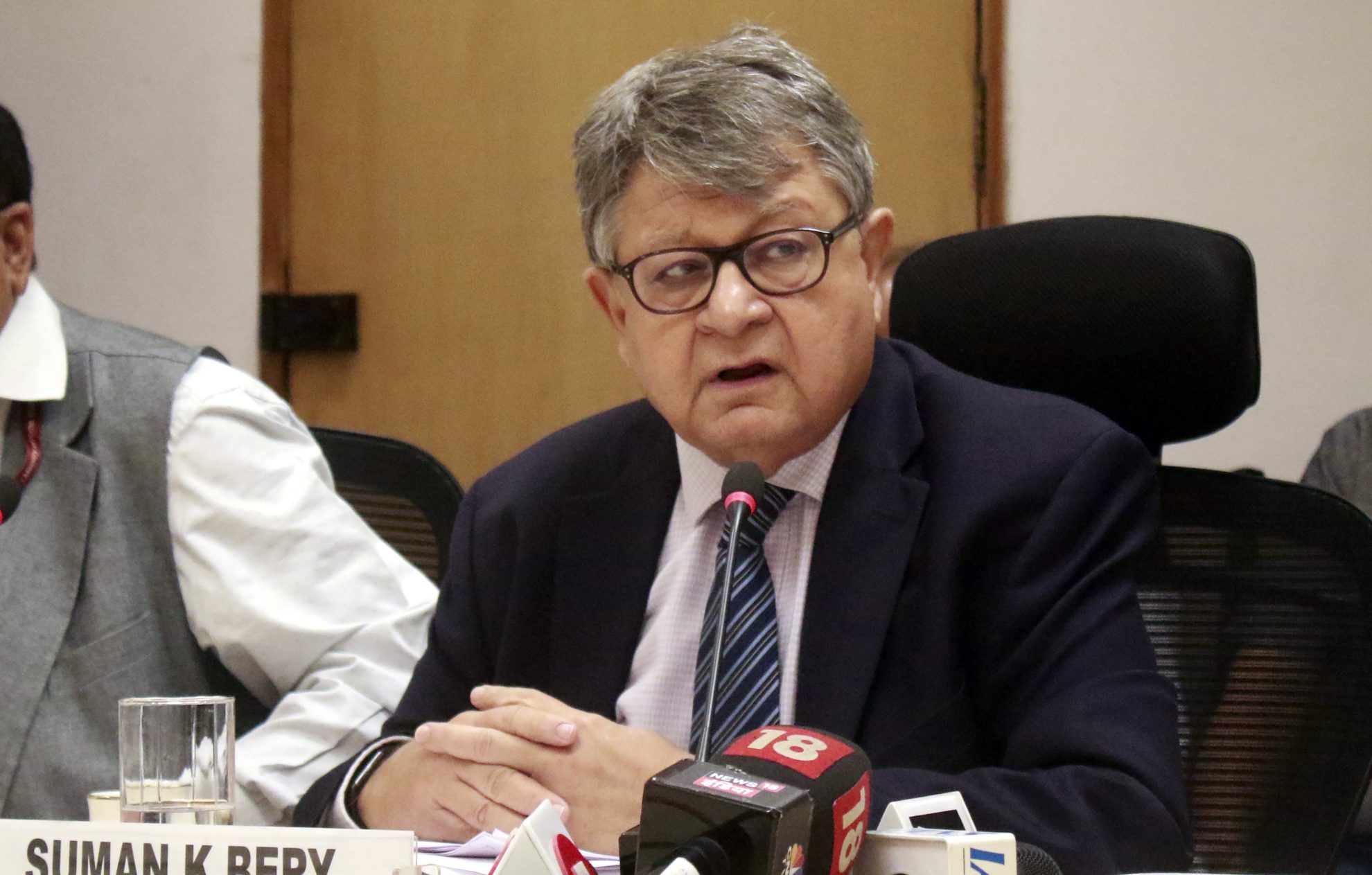
A landmark report by NITI Aayog, titled "Designing a Policy for Medium Enterprises," has identified medium-sized enterprises as the crucial engines for India's future economic growth, innovation, employment, and export performance. Launched on May 26, 2025, by NITI Aayog Vice Chairman Shri Suman Bery and Members Dr. V.K. Saraswat and Dr. Arvind Virmani, the report presents a detailed roadmap to unlock the immense, yet largely untapped, potential of these enterprises, positioning them as key drivers for achieving the vision of Viksit Bharat @ 2047.
The "Missing Middle" with Mighty Potential
The NITI Aayog report highlights a "structural skew" in India's MSME sector. While the sector contributes significantly to the economy (approximately 29% to GDP, 40% of exports, and over 60% of employment), it is overwhelmingly dominated by micro-enterprises.
- Small in Number, Big in Impact: Medium enterprises constitute a mere 0.3% of all registered MSMEs.
- However, this tiny fraction contributes nearly 40% of total MSME exports and accounts for 81% of R&D investment within the MSME sector.
- They also employ the highest number of individuals per unit, with an average of 89 employees, compared to just 6 in micro-enterprises and 19 in small enterprises.
This data underscores the extraordinary efficiency and export-orientation of medium enterprises, often referred to as the "forgotten middle" or "silent scalers," which have the potential to become future large corporations.
Why Medium Enterprises are Key for Viksit Bharat @ 2047
NITI Aayog identifies medium enterprises as strategic players in India's journey towards self-reliance and global competitiveness because:
- Scalability: They possess the inherent capacity to scale up operations, unlike many micro and small enterprises.
- Innovation Hubs: They invest more in R&D and are better positioned to adopt new technologies.
- Export Champions: Their significant contribution to exports can help India integrate more deeply into global value chains.
- Quality Job Creation: They create more formal and higher-value jobs compared to smaller firms.
- Bridging the Gap: They can act as a vital link between small enterprises and large corporations, fostering a more robust industrial ecosystem.
Hurdles Stunting Growth: Challenges Faced
Despite their potential, medium enterprises grapple with several significant challenges that hinder their growth:
- Limited Access to Tailored Finance: They face a credit demand gap exceeding $10 billion (as of 2024), receive fewer priority sector loans compared to micro-enterprises, and often pay higher interest rates than large corporations. Many government schemes are not tailored to their working capital needs.
- Low Technology Adoption: Slow uptake of advanced technologies like Industry 4.0 and smart manufacturing solutions.
- Inadequate R&D Support: Lack of a supportive ecosystem for innovation and research.
- Weak Testing & Certification Infrastructure: Difficulty in accessing affordable and sector-specific testing and certification facilities, impacting quality and compliance.
- Skill Gaps: A mismatch between the skills of the available workforce and the specific needs of medium enterprises.
- Regulatory Burdens: Complex compliance requirements can be a deterrent.
- Scheme Accessibility: Out of over 250 MSME schemes, only a handful (around eight) are reportedly accessible to medium enterprises, with very few offering dedicated credit support.
NITI Aayog's Roadmap: Six Pillars for Empowerment
To address these challenges and unlock the potential of medium enterprises, the NITI Aayog report proposes a comprehensive policy framework built on six priority pillars:
- Tailored Financial Solutions:
- Introducing working capital financing linked to enterprise turnover.
- Providing a ₹5 crore credit card facility at market rates for urgent needs.
- Ensuring expedited fund disbursal through retail banks, overseen by the Ministry of MSME.
- Establishing a dedicated financing scheme for medium enterprises offering concessional loans (up to ₹25 crore, with a maximum of ₹5 crore per request).
- Technology Integration and Industry 4.0:
- Upgrading existing Technology Centers into sector-specific and regionally customized "India SME 4.0 Competence Centers" to promote the adoption of advanced digital solutions.
- R&D Promotion Mechanism:
- Establishing a dedicated R&D cell within the Ministry of MSME.
- Leveraging the Self-Reliant India (SRI) Fund for cluster-based innovation projects of national importance.
- Cluster-Based Testing Infrastructure:
- Developing sector-focused testing and certification hubs (e.g., for manufacturing, pharmaceuticals, textiles) to ease compliance and enhance product quality.
- Custom Skill Development:
- Aligning skilling programs with the specific needs of medium enterprises by region and sector.
- Integrating medium enterprise-centric modules into existing Entrepreneurship and Skill Development Programmes (ESDP).
- Centralized Digital Portal:
- Creating a dedicated AI-enabled sub-portal within the Udyam platform specifically for medium enterprises. This portal would offer scheme discovery tools, compliance assistance, and business facilitation resources.
Expected Impact of Nurturing Medium Enterprises
The report suggests that if these targeted interventions are effectively implemented, the growth of medium enterprises could have a massive positive impact. For instance, a 20% increase in the number of medium enterprises could potentially lead to:
- ₹5.42 lakh crore in additional foreign exchange earnings.
- ₹28,119 crore in extra R&D spending.
- Over 12 lakh new jobs.
NITI Aayog emphasizes that fostering these "future large enterprises" requires a shift towards inclusive policy design and collaborative governance, paving the way for India's transition to a high-growth, innovation-led economy.
Additional Information
- MSME Definition (Latest Classification - effective from July 1, 2020):
- Based on a composite criterion of Investment in Plant & Machinery/Equipment AND Annual Turnover.
- Micro Enterprise: Investment up to ₹1 crore AND Turnover up to ₹5 crore.
- Small Enterprise: Investment up to ₹102 crore AND Turnover up to ₹50 crore.
- Medium Enterprise: Investment up to ₹50 crore AND Turnover up to ₹250 crore.
- Based on a composite criterion of Investment in Plant & Machinery/Equipment AND Annual Turnover.
- NITI Aayog (National Institution for Transforming India):
- India's premier policy think tank, established on January 1, 2015, replacing the Planning Commission.
- Aims to foster cooperative federalism and provide strategic and technical advice to the Central and State governments.
- Chaired by the Prime Minister of India.
- Significance of the MSME Sector in India:
- Acts as the backbone of the Indian economy.
- Crucial for large-scale employment generation (second largest employer after agriculture).
- Significant contribution to industrial production and exports.
- Promotes inclusive growth by providing opportunities to people in rural and backward areas.
- Fosters entrepreneurship and innovation.
- Government Schemes for MSMEs (General):
- Pradhan Mantri Mudra Yojana (PMMY): For providing loans up to ₹10 lakh to non-corporate, non-farm small/micro enterprises.
- Credit Guarantee Fund Trust for Micro and Small Enterprises (CGTMSE): Provides collateral-free loans.
- Prime Minister's Employment Generation Programme (PMEGP): Credit-linked subsidy program for self-employment.
- Udyam Registration Portal: A single-window registration system for MSMEs.
- MSME Samadhaan Portal: For addressing issues of delayed payments to MSMEs.
- Scheme of Fund for Regeneration of Traditional Industries (SFURTI): Organizes traditional industries and artisans into clusters.
- Self Reliant India (SRI) Fund: A SEBI-registered Category-II Alternative Investment Fund (AIF) for equity infusion in MSMEs.
India Overtakes Japan to Become World's 4th Largest Economy: NITI Aayog CEO
India has surpassed Japan to become the world's fourth-largest economy, according to Shri B.V.R. Subrahmanyam, CEO of NITI Aayog. The announcement, made around May 25-26, 2025, and citing data from the International Monetary Fund (IMF), marks a significant moment in India's journey towards becoming a global economic powerhouse. India's economy is now estimated to be around $4.19 trillion in nominal GDP terms.

The Economic Milestone: India at Number 4
- New Global Ranking: India has moved up to the 4th position in the global ranking of economies by nominal Gross Domestic Product (GDP).
- Overtaking Japan: Japan, a long-standing economic giant, has now moved to the 5th position.
- India's Economic Size: India's economy has crossed the $4 trillion mark, with IMF data projecting its GDP at approximately $4.19 trillion for 2025. Japan's GDP is marginally lower at around $4.186 trillion.
- Economies Ahead: The only economies now larger than India are the United States (around $30.5 trillion), China (around $19.2 trillion), and Germany (around $4.7 trillion).
NITI Aayog CEO Shri Subrahmanyam stated, "We are the fourth largest economy as I speak. We are a USD 4 trillion economy as I speak. This is not my data—it's IMF data. India today is larger than Japan."
Future Projections: Eyeing the No. 3 Spot
India's ascent is not expected to stop here.
-
Targeting Germany: Shri Subrahmanyam expressed confidence that if India maintains its current growth trajectory and sticks to its planned economic strategies, it could overtake Germany to become the world's third-largest economy within the next 2.5 to 3 years.
-
Fastest Growing Major Economy: The IMF has consistently projected India as the world's fastest-growing major economy, with an expected growth rate of around 6.2% for 2025-26.
-
Towards $5.5 Trillion: By 2028, the IMF projects India's GDP to reach approximately $5.5 trillion.
Factors Fueling India's Economic Engine
Several key factors have contributed to India's remarkable economic growth and its rise in global rankings:
- Strong Domestic Demand: Robust private consumption, particularly in urban and increasingly in rural areas, has been a primary driver.
- Government Reforms and Policy Stability: Initiatives like "Make in India," "Digital India," the Production Linked Incentive (PLI) schemes, and continuous efforts to improve the Ease of Doing Business have created a favorable investment climate.
- Infrastructure Development: Significant government spending on infrastructure projects (roads, railways, ports, digital infrastructure) has boosted economic activity.
- Growing Services Sector: India's services sector, especially IT and software services, continues to be a strong performer and a major contributor to exports.
- Stable Macroeconomic Fundamentals: Prudent fiscal management and proactive monetary policy by the Reserve Bank of India (RBI) have helped maintain stability.
- Demographic Dividend: A young and growing working-age population offers a significant advantage.
- Increasing Investor Confidence: Both domestic and foreign investors have shown growing confidence in the Indian economy's prospects.
The Big Picture: Significance and the Path Ahead
India's elevation to the world's fourth-largest economy is a moment of national pride and has several implications:
- Shifting Global Economic Order: It underscores the increasing role of emerging economies in the global landscape.
- Increased Global Influence: A larger economy gives India greater leverage in international forums and trade negotiations.
- Attracting Investment: This achievement can further boost investor confidence and attract more foreign investment.
- Challenges Remain: While the overall GDP is impressive, India's per capita income (around $2,880 - $2,934 in 2025) is still low compared to developed nations. Bridging this gap and ensuring inclusive growth remains a key challenge. Job creation for the large youth population is another critical area.
- "Viksit Bharat @ 2047": This milestone is a significant step towards India's ambitious goal of becoming a "Viksit Bharat" (Developed India) by 2047, its 100th year of independence, with a target of becoming a $30 trillion economy.
Additional Information
- Gross Domestic Product (GDP):
- The total monetary or market value of all the finished goods and services produced within a country's borders in a specific time period (usually a year).
- Nominal GDP: GDP evaluated at current market prices. It includes all of the changes in market prices that have occurred during the current year due to inflation or deflation. This is the common measure used for international GDP comparisons in USD terms.
- Real GDP: GDP evaluated at constant base-year prices. It is adjusted for inflation.
- GDP at Purchasing Power Parity (PPP): Compares economies based on a standard basket of goods and services, accounting for differences in price levels between countries. India's rank is often higher (typically 3rd) in PPP terms.
- Economic Ranking of Countries: Based on nominal GDP in USD, it provides a snapshot of the relative economic strength and size of nations. It influences global perceptions, investment flows, and a country's say in international economic institutions.
- NITI Aayog (National Institution for Transforming India):
- India's premier policy think tank, established on January 1, 2015, replacing the Planning Commission.
- Aims to foster cooperative federalism and provide strategic and technical advice to the Central and State governments.
- Chaired by the Prime Minister of India.
- Key Features of the Indian Economy:
- Mixed economy with significant public and private sector participation.
- Predominantly agrarian in terms of employment but driven by the services sector in terms of GDP contribution.
- Large domestic market.
- Young demographic profile.
- Challenges for the Indian Economy:
- Job creation for a large workforce.
- Improving agricultural productivity.
- Bridging infrastructure gaps.
- Enhancing human capital (health and education).
- Managing inflation and fiscal deficit.
- Ensuring environmental sustainability alongside growth.
- "Viksit Bharat @ 2047":
- A national vision to transform India into a developed nation by 2047.
- Key pillars include economic prosperity, social progress, environmental sustainability, and good governance.
May 2025
Archive
October 2026
- 28 October 2026
- 27 October 2026
- 26 October 2026
- 24 October 2026
- 23 October 2026
- 22 October 2026
- 21 October 2026
- 20 October 2026
- 19 October 2026
- 17 October 2026
- 16 October 2026
- 15 October 2026
- 14 October 2026
- 13 October 2026
- 12 October 2026
- 10 October 2026
- 09 October 2026
- 08 October 2026
- 07 October 2026
- 06 October 2026
- 05 October 2026
- 03 October 2026
- 02 October 2026
- 01 October 2026
September 2026
- 30 September 2026
- 29 September 2026
- 28 September 2026
- 26 September 2026
- 25 September 2026
- 24 September 2026
- 23 September 2026
- 22 September 2026
- 21 September 2026
- 19 September 2026
- 18 September 2026
- 17 September 2026
- 16 September 2026
- 15 September 2026
- 12 September 2026
- 11 September 2026
- 10 September 2026
- 09 September 2026
- 08 September 2026
- 07 September 2026
- 05 September 2026
- 04 September 2026
- 03 September 2026
- 02 September 2026
- 01 September 2026
August 2026
- 31 August 2026
- 29 August 2026
- 27 August 2026
- 26 August 2026
- 25 August 2026
- 24 August 2026
- 22 August 2026
- 21 August 2026
- 20 August 2026
- 19 August 2026
- 18 August 2026
- 17 August 2026
- 14 August 2026
- 13 August 2026
- 12 August 2026
- 11 August 2026
- 10 August 2026
- 08 August 2026
- 07 August 2026
- 06 August 2026
- 05 August 2026
- 04 August 2026
- 03 August 2026
- 01 August 2026
July 2026
- 31 July 2026
- 30 July 2026
- 29 July 2026
- 28 July 2026
- 27 July 2026
- 25 July 2026
- 23 July 2026
- 22 July 2026
- 21 July 2026
- 20 July 2026
- 18 July 2026
- 17 July 2026
- 15 July 2026
- 14 July 2026
- 13 July 2026
- 11 July 2026
- 10 July 2026
- 09 July 2026
- 08 July 2026
- 07 July 2026
- 06 July 2026
- 04 July 2026
- 03 July 2026
- 02 July 2026
- 01 July 2026
June 2026
May 2026
April 2026
March 2026
- 31 March 2026
- 30 March 2026
- 28 March 2026
- 27 March 2026
- 26 March 2026
- 25 March 2026
- 24 March 2026
- 23 March 2026
- 21 March 2026
- 20 March 2026
- 19 March 2026
- 18 March 2026
- 17 March 2026
- 16 March 2026
- 14 March 2026
- 13 March 2026
- 12 March 2026
- 11 March 2026
- 10 March 2026
- 09 March 2026
- 07 March 2026
- 06 March 2026
- 05 March 2026
- 03 March 2026
- 02 March 2026
February 2026
- 28 February 2026
- 27 February 2026
- 26 February 2026
- 25 February 2026
- 24 February 2026
- 23 February 2026
- 21 February 2026
- 20 February 2026
- 19 February 2026
- 18 February 2026
- 17 February 2026
- 16 February 2026
- 13 February 2026
- 12 February 2026
- 11 February 2026
- 10 February 2026
- 09 February 2026
- 07 February 2026
- 06 February 2026
- 05 February 2026
- 04 February 2026
- 03 February 2026
- 02 February 2026
January 2026
- 31 January 2026
- 30 January 2026
- 29 January 2026
- 28 January 2026
- 27 January 2026
- 26 January 2026
- 24 January 2026
- 23 January 2026
- 22 January 2026
- 21 January 2026
- 20 January 2026
- 19 January 2026
- 16 January 2026
- 15 January 2026
- 14 January 2026
- 13 January 2026
- 12 January 2026
- 10 January 2026
- 09 January 2026
- 08 January 2026
- 07 January 2026
- 06 January 2026
- 05 January 2026
- 03 January 2026
- 02 January 2026
- 01 January 2026
December 2025
- 31 December 2025
- 30 December 2025
- 29 December 2025
- 27 December 2025
- 26 December 2025
- 24 December 2025
- 23 December 2025
- 22 December 2025
- 20 December 2025
- 19 December 2025
- 18 December 2025
- 17 December 2025
- 16 December 2025
- 15 December 2025
- 13 December 2025
- 12 December 2025
- 11 December 2025
- 10 December 2025
- 09 December 2025
- 08 December 2025
- 05 December 2025
- 04 December 2025
- 03 December 2025
- 02 December 2025
November 2025
- 29 November 2025
- 28 November 2025
- 27 November 2025
- 26 November 2025
- 25 November 2025
- 24 November 2025
- 22 November 2025
- 21 November 2025
- 20 November 2025
- 19 November 2025
- 18 November 2025
- 17 November 2025
- 15 November 2025
- 14 November 2025
- 13 November 2025
- 12 November 2025
- 11 November 2025
- 10 November 2025
- 08 November 2025
- 07 November 2025
- 06 November 2025
- 05 November 2025
- 04 November 2025
- 03 November 2025
- 01 November 2025
October 2025
- 31 October 2025
- 30 October 2025
- 29 October 2025
- 28 October 2025
- 27 October 2025
- 25 October 2025
- 24 October 2025
- 23 October 2025
- 22 October 2025
- 21 October 2025
- 20 October 2025
- 18 October 2025
- 17 October 2025
- 16 October 2025
- 15 October 2025
- 14 October 2025
- 13 October 2025
- 11 October 2025
- 10 October 2025
- 09 October 2025
- 08 October 2025
- 07 October 2025
- 06 October 2025
- 04 October 2025
- 03 October 2025
- 02 October 2025
- 01 October 2025
September 2025
- 30 September 2025
- 29 September 2025
- 27 September 2025
- 26 September 2025
- 25 September 2025
- 24 September 2025
- 23 September 2025
- 22 September 2025
- 20 September 2025
- 19 September 2025
- 18 September 2025
- 17 September 2025
- 16 September 2025
- 15 September 2025
- 13 September 2025
- 12 September 2025
- 11 September 2025
- 10 September 2025
- 09 September 2025
- 08 September 2025
- 06 September 2025
- 05 September 2025
- 04 September 2025
- 03 September 2025
- 02 September 2025
- 01 September 2025
August 2025
- 30 August 2025
- 29 August 2025
- 28 August 2025
- 27 August 2025
- 26 August 2025
- 25 August 2025
- 23 August 2025
- 22 August 2025
- 21 August 2025
- 20 August 2025
- 19 August 2025
- 18 August 2025
- 16 August 2025
- 14 August 2025
- 13 August 2025
- 12 August 2025
- 11 August 2025
- 08 August 2025
- 07 August 2025
- 06 August 2025
- 05 August 2025
- 04 August 2025
- 02 August 2025
- 01 August 2025
July 2025
- 31 July 2025
- 30 July 2025
- 29 July 2025
- 28 July 2025
- 26 July 2025
- 25 July 2025
- 24 July 2025
- 23 July 2025
- 22 July 2025
- 21 July 2025
- 19 July 2025
- 18 July 2025
- 17 July 2025
- 16 July 2025
- 15 July 2025
- 12 July 2025
- 11 July 2025
- 10 July 2025
- 09 July 2025
- 07 July 2025
- 05 July 2025
- 04 July 2025
- 03 July 2025
- 02 July 2025
- 01 July 2025
June 2025
- 30 June 2025
- 28 June 2025
- 27 June 2025
- 26 June 2025
- 25 June 2025
- 24 June 2025
- 23 June 2025
- 21 June 2025
- 20 June 2025
- 19 June 2025
- 18 June 2025
- 17 June 2025
- 16 June 2025
- 14 June 2025
- 13 June 2025
- 12 June 2025
- 11 June 2025
- 10 June 2025
- 09 June 2025
- 07 June 2025
- 06 June 2025
- 05 June 2025
- 04 June 2025
- 03 June 2025
- 02 June 2025
May 2025
April 2025
- 30 April 2025
- 29 April 2025
- 28 April 2025
- 26 April 2025
- 25 April 2025
- 24 April 2025
- 23 April 2025
- 22 April 2025
- 21 April 2025
- 19 April 2025
- 18 April 2025
- 17 April 2025
- 16 April 2025
- 15 April 2025
- 14 April 2025
- 12 April 2025
- 11 April 2025
- 10 April 2025
- 09 April 2025
- 08 April 2025
- 07 April 2025
- 05 April 2025
- 04 April 2025
- 03 April 2025
- 02 April 2025
- 01 April 2025
March 2025
- 31 March 2025
- 29 March 2025
- 28 March 2025
- 27 March 2025
- 26 March 2025
- 25 March 2025
- 24 March 2025
- 22 March 2025
- 21 March 2025
- 20 March 2025
- 19 March 2025
- 18 March 2025
- 17 March 2025
- 15 March 2025
- 13 March 2025
- 12 March 2025
- 11 March 2025
- 10 March 2025
- 08 March 2025
- 07 March 2025
- 06 March 2025
- 05 March 2025
- 04 March 2025
- 03 March 2025
- 01 March 2025
February 2025
- 28 February 2025
- 27 February 2025
- 26 February 2025
- 25 February 2025
- 24 February 2025
- 22 February 2025
- 21 February 2025
- 20 February 2025
- 19 February 2025
- 18 February 2025
- 17 February 2025
- 15 February 2025
- 14 February 2025
- 13 February 2025
- 12 February 2025
- 11 February 2025
- 10 February 2025
- 08 February 2025
- 07 February 2025
- 06 February 2025
- 05 February 2025
- 04 February 2025
- 03 February 2025
- 01 February 2025
January 2025
- 31 January 2025
- 30 January 2025
- 29 January 2025
- 28 January 2025
- 27 January 2025
- 25 January 2025
- 24 January 2025
- 23 January 2025
- 22 January 2025
- 21 January 2025
- 20 January 2025
- 18 January 2025
- 17 January 2025
- 16 January 2025
- 15 January 2025
- 14 January 2025
- 13 January 2025
- 11 January 2025
- 10 January 2025
- 09 January 2025
- 08 January 2025
- 07 January 2025
- 06 January 2025
- 04 January 2025
- 03 January 2025
- 02 January 2025
- 01 January 2025