
Current Affairs
Stay updated with the latest national and international events.
26 March 2026
Graduate Unemployment Crisis: State of Working India 2026 Report

What's the News?
- Azim Premji University released the State of Working India (SWI) 2026 report focusing on "Youth in the Labour Market: Pathways from Learning to Earning" .
- The report highlights a severe graduate paradox where nearly 40% of graduates aged 15–25 remain unemployed despite rising education levels .
- Less than 7% of male graduates secure permanent salaried jobs within a year of completing education .
- Only 3.7% of graduates land white-collar jobs, revealing a widening gap between education and job creation .
- India produces approximately 8–9 million graduates annually, but employment generation has not kept pace .
Findings of SWI 2026
| Indicator | Data |
|---|---|
| Youth Graduate Unemployment (15-25 yrs) | ~40% |
| Male Graduates in Permanent Jobs (within 1 year) | <7% |
| Graduates in White-Collar Jobs | 3.7% |
| Annual Graduate Output | 8-9 million |
| Engineering Graduates Unemployable | >70% |
Rising Education, Persistent Gaps?
The report notes significant progress in educational access over the past four decades, but also reveals critical gaps in quality and equity.
- Increased Attainment: India’s tertiary enrolment rate now stands at 28%, comparable to nations with similar per capita incomes. Higher education has become more democratised, with the share of students from the poorest households rising from 8% (2007) to 15% (2017).
- Concerning Drop in Male Enrolment: The share of young men in education fell from 38% (2017) to 34% (2024) , with a large proportion citing the need to support household incomes as the primary reason.
- Financial Barriers in Professional Courses: Despite overall democratisation, access to high-return fields like engineering and medicine remains skewed towards richer households, as the cost often exceeds the annual per capita expenditure of poorer families.
The Employment Challenge: Graduate Unemployment and Stagnant Wages
The transition from education to employment remains fraught with difficulty, reflecting a deep-seated structural issue.
- High Graduate Unemployment: Unemployment is alarmingly high among educated youth, standing at nearly 40% for the 15-25 age group and 20% for the 25-29 age group.
- Stagnant Earnings: While graduates earn roughly twice as much as non-graduates, entry-level salaries for young male graduates have seen a slowdown in growth since 2011.
- The “Jobless Growth” Concern: Only a small fraction of graduates secure stable salaried employment within a year of graduation, underscoring a mismatch between educational outcomes and labour market demands.
Additional Info
- Demographic Dividend: India's working-age population share is expected to begin declining after 2030. The coming years represent a critical window to create productive employment.
- Sectoral Shift: Young workers are moving out of agriculture into manufacturing and services faster than older cohorts. Young women are increasingly finding employment in sectors like IT, automobile manufacturing, and business services.
- Migration: Youth migration acts as a crucial mechanism to balance regional disparities, with poorer, younger states serving as major sources of labour for richer states with ageing populations.
- Key Policies and Organisations:
- AICTE: The All India Council for Technical Education sets norms for technical education, including student-teacher ratios.
- National Education Policy (NEP) 2020: Aims to overhaul the education system to improve quality, increase gross enrolment ratio, and enhance employability.
- Skill India Mission: A flagship initiative focused on skilling, reskilling, and upskilling the workforce to meet industry demands.
This topic is crucial for UPSC, State PSC, SSC, State SSC and Banking exams under Economy, Social Justice, and Governance sections. Focus on data points, policy recommendations, and the education-employment nexus for mains answers and interview discussions.
Sources
Operation Urja Suraksha: Indian Navy Secures Energy Lifelines
What's the News?
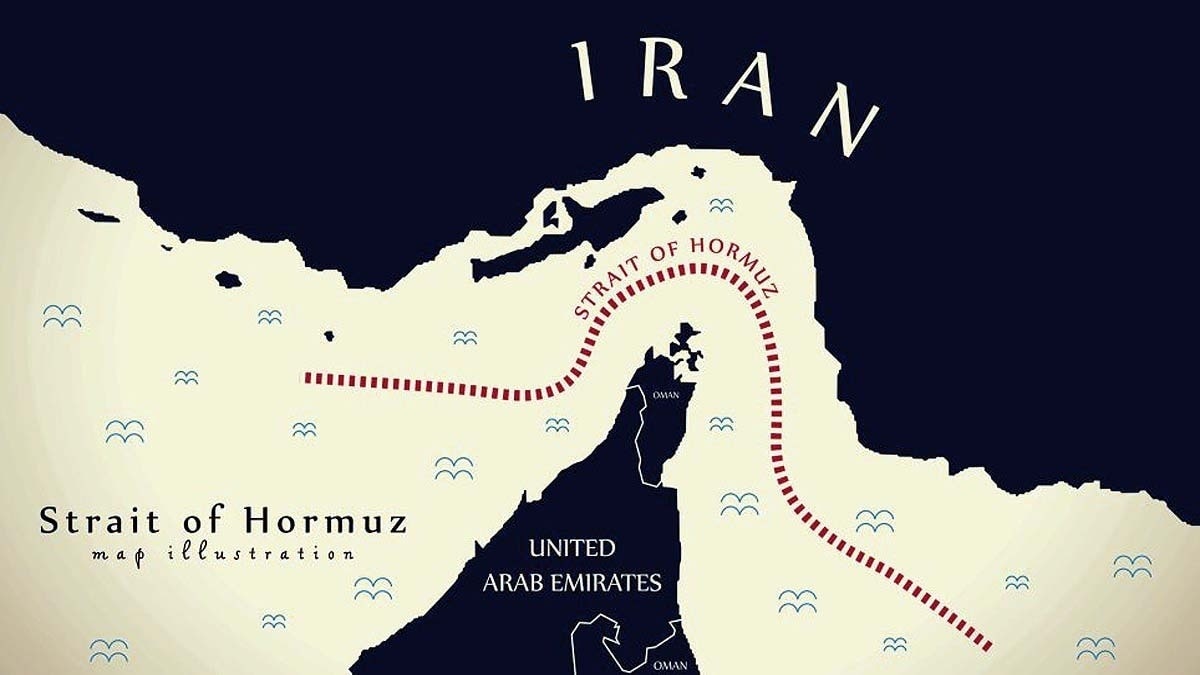
- Indian Navy launched Operation Urja Suraksha (Energy Security) in March 2026 to safeguard India-bound energy tankers transiting through the Strait of Hormuz .
- The operation was initiated amid escalating West Asia tensions threatening global energy supply chains .
- Naval warships have been deployed to escort Indian-flagged crude oil and LPG vessels through the volatile maritime corridor .
- The mission marks a proactive shift in India's maritime doctrine towards protecting critical energy infrastructure .
- LPG carriers including Nanda Devi and Shivalik have been successfully escorted to Gujarat ports under this operation .
About the Operation?
Operation Urja Suraksha is a strategic maritime security mission designed to mitigate risks to India’s energy imports.
- Aim: To ensure uninterrupted energy supply by providing secure passage for vessels carrying crude oil, liquefied natural gas (LNG), and liquefied petroleum gas (LPG).
- Naval Deployment: The Navy has deployed multiple frontline warships, including destroyers and frigates, in the Gulf of Oman and the Arabian Sea.
- Escort Mechanism: Warships escort merchant vessels after they exit the Strait of Hormuz, providing layered security and guidance through designated safe routes to avoid threats like sea mines.
- Coordination: The Navy maintains constant communication with vessels, providing real-time navigation support and coordinating with regional authorities and stakeholders through backchannels.
Significance: Energy Security and Strategic Presence
The operation underscores India’s proactive approach to protecting its economic and strategic interests.
- Energy Security: A significant portion of India’s hydrocarbon imports—critical for its energy security—pass through the Strait of Hormuz. The operation aims to prevent supply shocks and fuel price volatility.
- Strategic Maritime Role: The mission enhances India’s stature as a net security provider in the Indian Ocean Region (IOR), showcasing its capability to protect global trade routes and its own nationals abroad.
- Safeguarding Indian Assets: It ensures the safety of Indian-flagged vessels and their crews, with several ships, including LPG carriers Pine Gas, Jag Vasant, Shivalik, Nanda Devi, and crude oil tanker Jag Laadki, already successfully escorted.
Additional Info
- Strait of Hormuz: A narrow waterway between Oman and Iran, it is one of the world’s most critical energy chokepoints. Nearly a fifth of the world’s oil and seaborne liquefied gas passes through it. Any disruption has immediate global economic implications.
- Geopolitical Context: The operation was launched following a sharp decline in maritime traffic through the strait, which Iran has stated remains open for “friendly” countries like India.
- Precedent: Operation Urja Suraksha builds on previous Indian naval missions in the region, such as Operation Sankalp, which was launched during earlier Gulf tensions to safeguard commercial shipping.
Crucial for UPSC, State PSC, SSC, State SSC and Banking exams under International Relations, Security, and Economy sections. Focus on maritime doctrine, energy security, and strategic autonomy for mains answers and interview discussions.
Sources
India's Updated NDC Targets for 2031-2035 Approved
What's the News?
- Union Cabinet approved India's updated Nationally Determined Contribution (NDC) for the period 2031-2035 to be communicated to UNFCCC .
- The new NDC outlines India's climate action commitments including emissions reduction, renewable energy expansion, and carbon sink enhancement .
- India reaffirms its commitment to Panchamrit (five-fold action plan) announced at COP26 Glasgow .
- The updated targets align with India's Long-Term Low Carbon Development Strategy submitted at COP27 .
- This represents India's third NDC submission under the Paris Agreement framework .
NDC Targets for 2031-2035
| Target Area | Commitment |
|---|---|
| Emissions Intensity Reduction | 45% reduction from 2005 levels by 2030 |
| Non-Fossil Energy Capacity | 500 GW by 2030 |
| Renewable Energy Share | 50% of total energy mix |
| Carbon Sink Creation | 2.5-3 billion tonnes CO2 equivalent |
| Net Zero Target | By 2070 |
Panchamrit Five-Fold Action Plan
- Reach 500 GW non-fossil energy capacity by 2030
- Meet 50% energy requirements from renewable sources by 2030
- Reduce carbon emissions by 1 billion tonnes by 2030
- Reduce carbon intensity by 45% below 2005 levels by 2030
- Achieve Net Zero emissions by 2070
Implementation Framework
- Ministry of Environment, Forest and Climate Change (MoEFCC): Nodal agency for NDC implementation
- NITI Aayog: Coordinates cross-ministerial climate action planning
- State Action Plans on Climate Change (SAPCC): All states have developed climate action plans
- National Climate Fund: Supports climate mitigation and adaptation projects
- Monitoring & Verification: Regular reporting to UNFCCC through Biennial Update Reports
Additional Info
Related International Agreements
- Paris Agreement (2015): Global framework for climate action under UNFCCC
- UNFCCC: United Nations Framework Convention on Climate Change
- COP26 Glasgow (2021): India announced Panchamrit commitments
- COP27 Sharm El-Sheikh (2022): India submitted Long-Term Strategy
- COP28 Dubai (2023): Global stocktake and renewable energy commitments
Government Initiatives
- National Solar Mission: Target of 100 GW solar capacity
- International Solar Alliance (ISA): India-led initiative for solar energy promotion
- Coalition for Disaster Resilient Infrastructure (CDRI): Infrastructure resilience framework
- LiFE Mission: Lifestyle for Environment initiative announced at COP26
- Green Hydrogen Mission: ₹19,744 crore allocation for clean hydrogen production
- PM-KUSUM: Solar pumps for farmers
- FAME India: Electric vehicle promotion scheme
Constitutional & Legal Framework
- Article 48A: Directive Principle for environmental protection
- Article 51A(g): Fundamental Duty to protect environment
- Environment Protection Act, 1986: Primary environmental legislation
- Climate Change Act (Proposed): Under consideration for climate governance
- SDG 13: Climate Action under Sustainable Development Goals
Energy Transition Progress
- Current Renewable Capacity: ~180 GW (as of recent data)
- Solar Capacity Growth: From 2.6 GW (2014) to 80+ GW (current)
- Wind Capacity: ~45 GW installed
- Electric Vehicle Sales: Growing at 80%+ annually
- Energy Efficiency: UJALA scheme distributed 37 crore LED bulbs
Financial Mechanisms
- Green Climate Fund: International climate finance support
- National Adaptation Fund: Supports climate adaptation projects
- Sovereign Green Bonds: ₹16,000 crore issued for green projects
- Climate Finance Taxonomy: Framework for sustainable investments
- Carbon Trading Mechanism: Domestic carbon market under development
This topic is crucial for UPSC, State PSC, SSC, State SSC and Banking exams under Environment, International Relations, and Governance sections. Focus on NDC targets, Panchamrit, climate finance, and India's position in global climate negotiations for mains answers and interview discussions.
Sources
Cabinet Extends IVFRT Scheme for 5 Years to Modernise Immigration

What's the News?
- Union Cabinet approved the extension of Immigration, Visa, Foreigners Registration & Tracking (IVFRT) scheme for 5 years .
- The scheme aims to make India's immigration system faster, safer, and more efficient through digital modernization .
- Ministry of Home Affairs (MHA) will continue implementing the scheme with enhanced technological infrastructure .
- The extension focuses on strengthening border security while improving visa and foreigner services .
- This represents the third phase (IVFRT 3.0) of the ongoing immigration modernization program .
About the IVFRT Scheme?
The IVFRT platform is a centralised, technology-driven system designed to integrate and streamline all functions related to immigration, visa issuance, and the registration of foreigners in India.
- Objective: To provide secure, efficient, and seamless management of international travellers while strengthening national security.
- Evolution: Initially approved in 2010, the scheme has undergone several phases of expansion. This latest extension builds on the previous phases (including IVFRT 3.0) to further enhance capabilities.
- Coverage: The system currently spans 117 immigration posts, 15 Foreigners Regional Registration Offices (FRROs) , and 854 district-level registration authorities across the country.
Focus Areas: Modernisation and Service Delivery
The renewed scheme focuses on three broad areas to transform India’s immigration ecosystem.
- Emerging Technologies: Adoption of mobile-based services and self-service kiosks to enable seamless and secure passenger movement.
- Infrastructure Upgrade: Expansion and strengthening of core infrastructure across Immigration Check Posts, FRROs, and data centres to build a resilient and scalable nationwide system.
- Enhanced Service Delivery: Optimisation of technology-enabled services through unified digital platforms, aiming to improve user experience without compromising security.
Performance and Strategic Context
The extension is driven by the scheme’s proven track record and the need to address new legislative and security requirements.
- Improved Efficiency:
- Over 91% of e-Visa applications have been processed within 72 hours in recent years.
- Average passenger clearance time at immigration checkpoints has dropped to 2.5-3 minutes (including biometrics), compared to 5-6 minutes under manual processes.
- Under the Fast Track Immigration-Trusted Traveller Programme, automated e-gates have further reduced clearance time to about 30 seconds for eligible travellers.
- Legal and Security Backing:
- The scheme is now reinforced by the Immigration and Foreigners Act, 2025, which provides a modern legal framework to manage immigration, track foreigners, and counter illegal migration.
- The modernisation is framed not just as a technical upgrade, but as a strategic transformation to support international mobility, tourism, and economic growth while ensuring robust security.
Additional Info
Related Government Initiatives
- e-Visa Facility: Available for citizens of 160+ countries for tourism, business, and medical purposes
- Face Recognition System: AI-based identification at immigration counters
- Integrated Border Management System: Coordinated border security across agencies
- National Immigration Portal: Single-window platform for all immigration services
- Smart Policing Initiatives: Technology-driven law enforcement integration
Institutional Framework
- Bureau of Immigration (BoI): Under MHA, handles immigration operations
- Foreigners Regional Registration Office (FRRO): City-level foreigner registration
- Foreigners Registration Office (FRO): District-level registration offices
- Multi-Agency Coordination: IB, CBI, State Police, and Airport Authorities
Constitutional & Legal Framework
- Article 21: Right to life and personal liberty (applicable to foreigners with restrictions)
- Foreigners Act, 1946: Primary legislation for foreigner regulation
- Passport (Entry into India) Act, 1920: Entry documentation requirements
- Citizenship Act, 1955: Citizenship and registration provisions
- SDG 16: Peace, Justice and Strong Institutions
Key Statistics
- Annual Visa Applications: ~8-9 million processed through digital systems
- e-Visa Arrivals: ~3 million foreign tourists annually (pre-pandemic data)
- FRRO/FRO Offices: 20+ major cities with registration facilities
- Immigration Check Posts: 100+ ICPs across air, sea, and land borders
- Foreigner Registrations: ~5-6 lakh foreigners registered annually
This topic is crucial for UPSC, State PSC, SSC, State SSC and Banking exams under Internal Security, Governance, and International Relations sections. Focus on immigration policy, border management, foreigner regulation, and digital governance for mains answers and interview discussions.
Sources
March 2026
Archive
October 2026
- 27 October 2026
- 26 October 2026
- 24 October 2026
- 23 October 2026
- 22 October 2026
- 21 October 2026
- 20 October 2026
- 19 October 2026
- 17 October 2026
- 16 October 2026
- 15 October 2026
- 14 October 2026
- 13 October 2026
- 12 October 2026
- 10 October 2026
- 09 October 2026
- 08 October 2026
- 07 October 2026
- 06 October 2026
- 05 October 2026
- 03 October 2026
- 02 October 2026
- 01 October 2026
September 2026
- 30 September 2026
- 29 September 2026
- 28 September 2026
- 26 September 2026
- 25 September 2026
- 24 September 2026
- 23 September 2026
- 22 September 2026
- 21 September 2026
- 19 September 2026
- 18 September 2026
- 17 September 2026
- 16 September 2026
- 15 September 2026
- 12 September 2026
- 11 September 2026
- 10 September 2026
- 09 September 2026
- 08 September 2026
- 07 September 2026
- 05 September 2026
- 04 September 2026
- 03 September 2026
- 02 September 2026
- 01 September 2026
August 2026
- 31 August 2026
- 29 August 2026
- 27 August 2026
- 26 August 2026
- 25 August 2026
- 24 August 2026
- 22 August 2026
- 21 August 2026
- 20 August 2026
- 19 August 2026
- 18 August 2026
- 17 August 2026
- 14 August 2026
- 13 August 2026
- 12 August 2026
- 11 August 2026
- 10 August 2026
- 08 August 2026
- 07 August 2026
- 06 August 2026
- 05 August 2026
- 04 August 2026
- 03 August 2026
- 01 August 2026
July 2026
- 31 July 2026
- 30 July 2026
- 29 July 2026
- 28 July 2026
- 27 July 2026
- 25 July 2026
- 23 July 2026
- 22 July 2026
- 21 July 2026
- 20 July 2026
- 18 July 2026
- 17 July 2026
- 15 July 2026
- 14 July 2026
- 13 July 2026
- 11 July 2026
- 10 July 2026
- 09 July 2026
- 08 July 2026
- 07 July 2026
- 06 July 2026
- 04 July 2026
- 03 July 2026
- 02 July 2026
- 01 July 2026
June 2026
May 2026
April 2026
March 2026
- 31 March 2026
- 30 March 2026
- 28 March 2026
- 27 March 2026
- 26 March 2026
- 25 March 2026
- 24 March 2026
- 23 March 2026
- 21 March 2026
- 20 March 2026
- 19 March 2026
- 18 March 2026
- 17 March 2026
- 16 March 2026
- 14 March 2026
- 13 March 2026
- 12 March 2026
- 11 March 2026
- 10 March 2026
- 09 March 2026
- 07 March 2026
- 06 March 2026
- 05 March 2026
- 03 March 2026
- 02 March 2026
February 2026
- 28 February 2026
- 27 February 2026
- 26 February 2026
- 25 February 2026
- 24 February 2026
- 23 February 2026
- 21 February 2026
- 20 February 2026
- 19 February 2026
- 18 February 2026
- 17 February 2026
- 16 February 2026
- 13 February 2026
- 12 February 2026
- 11 February 2026
- 10 February 2026
- 09 February 2026
- 07 February 2026
- 06 February 2026
- 05 February 2026
- 04 February 2026
- 03 February 2026
- 02 February 2026
January 2026
- 31 January 2026
- 30 January 2026
- 29 January 2026
- 28 January 2026
- 27 January 2026
- 26 January 2026
- 24 January 2026
- 23 January 2026
- 22 January 2026
- 21 January 2026
- 20 January 2026
- 19 January 2026
- 16 January 2026
- 15 January 2026
- 14 January 2026
- 13 January 2026
- 12 January 2026
- 10 January 2026
- 09 January 2026
- 08 January 2026
- 07 January 2026
- 06 January 2026
- 05 January 2026
- 03 January 2026
- 02 January 2026
- 01 January 2026
December 2025
- 31 December 2025
- 30 December 2025
- 29 December 2025
- 27 December 2025
- 26 December 2025
- 24 December 2025
- 23 December 2025
- 22 December 2025
- 20 December 2025
- 19 December 2025
- 18 December 2025
- 17 December 2025
- 16 December 2025
- 15 December 2025
- 13 December 2025
- 12 December 2025
- 11 December 2025
- 10 December 2025
- 09 December 2025
- 08 December 2025
- 05 December 2025
- 04 December 2025
- 03 December 2025
- 02 December 2025
November 2025
- 29 November 2025
- 28 November 2025
- 27 November 2025
- 26 November 2025
- 25 November 2025
- 24 November 2025
- 22 November 2025
- 21 November 2025
- 20 November 2025
- 19 November 2025
- 18 November 2025
- 17 November 2025
- 15 November 2025
- 14 November 2025
- 13 November 2025
- 12 November 2025
- 11 November 2025
- 10 November 2025
- 08 November 2025
- 07 November 2025
- 06 November 2025
- 05 November 2025
- 04 November 2025
- 03 November 2025
- 01 November 2025
October 2025
- 31 October 2025
- 30 October 2025
- 29 October 2025
- 28 October 2025
- 27 October 2025
- 25 October 2025
- 24 October 2025
- 23 October 2025
- 22 October 2025
- 21 October 2025
- 20 October 2025
- 18 October 2025
- 17 October 2025
- 16 October 2025
- 15 October 2025
- 14 October 2025
- 13 October 2025
- 11 October 2025
- 10 October 2025
- 09 October 2025
- 08 October 2025
- 07 October 2025
- 06 October 2025
- 04 October 2025
- 03 October 2025
- 02 October 2025
- 01 October 2025
September 2025
- 30 September 2025
- 29 September 2025
- 27 September 2025
- 26 September 2025
- 25 September 2025
- 24 September 2025
- 23 September 2025
- 22 September 2025
- 20 September 2025
- 19 September 2025
- 18 September 2025
- 17 September 2025
- 16 September 2025
- 15 September 2025
- 13 September 2025
- 12 September 2025
- 11 September 2025
- 10 September 2025
- 09 September 2025
- 08 September 2025
- 06 September 2025
- 05 September 2025
- 04 September 2025
- 03 September 2025
- 02 September 2025
- 01 September 2025
August 2025
- 30 August 2025
- 29 August 2025
- 28 August 2025
- 27 August 2025
- 26 August 2025
- 25 August 2025
- 23 August 2025
- 22 August 2025
- 21 August 2025
- 20 August 2025
- 19 August 2025
- 18 August 2025
- 16 August 2025
- 14 August 2025
- 13 August 2025
- 12 August 2025
- 11 August 2025
- 08 August 2025
- 07 August 2025
- 06 August 2025
- 05 August 2025
- 04 August 2025
- 02 August 2025
- 01 August 2025
July 2025
- 31 July 2025
- 30 July 2025
- 29 July 2025
- 28 July 2025
- 26 July 2025
- 25 July 2025
- 24 July 2025
- 23 July 2025
- 22 July 2025
- 21 July 2025
- 19 July 2025
- 18 July 2025
- 17 July 2025
- 16 July 2025
- 15 July 2025
- 12 July 2025
- 11 July 2025
- 10 July 2025
- 09 July 2025
- 07 July 2025
- 05 July 2025
- 04 July 2025
- 03 July 2025
- 02 July 2025
- 01 July 2025
June 2025
- 30 June 2025
- 28 June 2025
- 27 June 2025
- 26 June 2025
- 25 June 2025
- 24 June 2025
- 23 June 2025
- 21 June 2025
- 20 June 2025
- 19 June 2025
- 18 June 2025
- 17 June 2025
- 16 June 2025
- 14 June 2025
- 13 June 2025
- 12 June 2025
- 11 June 2025
- 10 June 2025
- 09 June 2025
- 07 June 2025
- 06 June 2025
- 05 June 2025
- 04 June 2025
- 03 June 2025
- 02 June 2025
May 2025
April 2025
- 30 April 2025
- 29 April 2025
- 28 April 2025
- 26 April 2025
- 25 April 2025
- 24 April 2025
- 23 April 2025
- 22 April 2025
- 21 April 2025
- 19 April 2025
- 18 April 2025
- 17 April 2025
- 16 April 2025
- 15 April 2025
- 14 April 2025
- 12 April 2025
- 11 April 2025
- 10 April 2025
- 09 April 2025
- 08 April 2025
- 07 April 2025
- 05 April 2025
- 04 April 2025
- 03 April 2025
- 02 April 2025
- 01 April 2025
March 2025
- 31 March 2025
- 29 March 2025
- 28 March 2025
- 27 March 2025
- 26 March 2025
- 25 March 2025
- 24 March 2025
- 22 March 2025
- 21 March 2025
- 20 March 2025
- 19 March 2025
- 18 March 2025
- 17 March 2025
- 15 March 2025
- 13 March 2025
- 12 March 2025
- 11 March 2025
- 10 March 2025
- 08 March 2025
- 07 March 2025
- 06 March 2025
- 05 March 2025
- 04 March 2025
- 03 March 2025
- 01 March 2025
February 2025
- 28 February 2025
- 27 February 2025
- 26 February 2025
- 25 February 2025
- 24 February 2025
- 22 February 2025
- 21 February 2025
- 20 February 2025
- 19 February 2025
- 18 February 2025
- 17 February 2025
- 15 February 2025
- 14 February 2025
- 13 February 2025
- 12 February 2025
- 11 February 2025
- 10 February 2025
- 08 February 2025
- 07 February 2025
- 06 February 2025
- 05 February 2025
- 04 February 2025
- 03 February 2025
- 01 February 2025
January 2025
- 31 January 2025
- 30 January 2025
- 29 January 2025
- 28 January 2025
- 27 January 2025
- 25 January 2025
- 24 January 2025
- 23 January 2025
- 22 January 2025
- 21 January 2025
- 20 January 2025
- 18 January 2025
- 17 January 2025
- 16 January 2025
- 15 January 2025
- 14 January 2025
- 13 January 2025
- 11 January 2025
- 10 January 2025
- 09 January 2025
- 08 January 2025
- 07 January 2025
- 06 January 2025
- 04 January 2025
- 03 January 2025
- 02 January 2025
- 01 January 2025