
Current Affairs
Stay updated with the latest national and international events.
24 May 2025
New COVID-19 Variants NB.1.8.1 and LF.7 Detected in India, Health Ministry Urges Vigilance
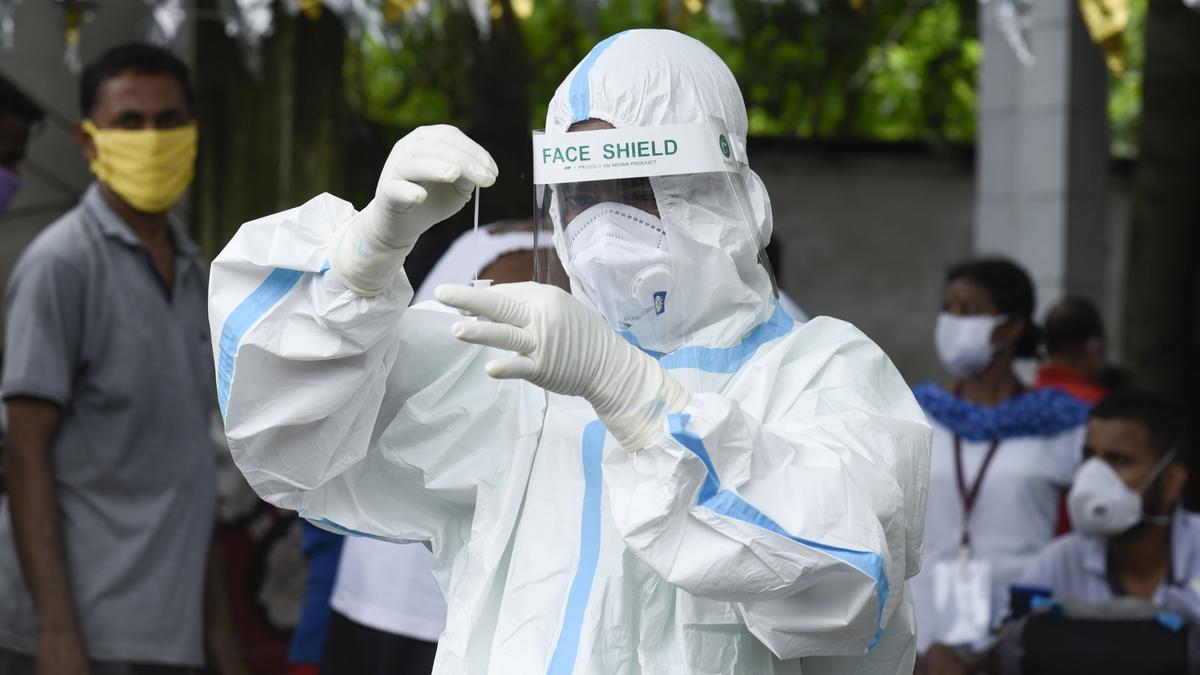
India's genomic surveillance network has detected the presence of two new COVID-19 subvariants, NB.1.8.1 and LF.7, according to recent data from the Indian SARS-CoV-2 Genomics Consortium (INSACOG). While these variants are currently classified as "Variants Under Monitoring" (VUMs) by the World Health Organization (WHO) and are associated with a rise in cases in some parts of Asia, health officials have stated that most cases in India remain mild, and there is no cause for immediate alarm. However, they have urged continued vigilance and adherence to COVID-appropriate behavior.
What are the New Variants?
- Detection:
- One case of the NB.1.8.1 subvariant was identified in Tamil Nadu in April 2025.
- Four cases of the LF.7 subvariant were detected in Gujarat in May 2025.
- Lineage: Both NB.1.8.1 and LF.7 are descendants of the Omicron variant, specifically sublineages of JN.1, which remains the predominant variant in India (accounting for 53% of tested samples).
- WHO Classification: As of May 2025, the WHO classifies LF.7 and NB.1.8.1 as VUMs. This means they are being monitored for their potential characteristics and public health impact but are not yet designated as Variants of Concern (VOC) or Variants of Interest (VOI).
What Do We Know About Them?
- Transmissibility and Immune Evasion:
- These subvariants are reportedly contributing to an increase in COVID-19 cases in China and other parts of Asia.
- The NB.1.8.1 variant possesses certain spike protein mutations (like A435S, V445H, and T478I) that suggest a potential for increased transmissibility and immune evasion compared to other variants.
- Severity and Vaccine Effectiveness:
- Despite these characteristics, the WHO's preliminary risk assessment indicates that NB.1.8.1 poses a low public health risk globally.
- Currently approved COVID-19 vaccines are expected to remain effective in protecting against symptomatic and severe disease caused by these variants.
- Symptoms associated with these new subvariants are largely consistent with previous Omicron strains, including sore throat, fatigue, mild cough, fever, muscle aches, and congestion.
Current COVID-19 Scenario in India and Surveillance
- Active Cases: As of May 19, 2025, India reported a relatively low number of active COVID-19 cases (around 257).
- Dominant Variant: JN.1 continues to be the most common variant circulating in the country, followed by BA.2 and other Omicron sublineages.
- Localized Increases: Some states, including Kerala (which reported 273 cases in May alone), Delhi, Tamil Nadu, Maharashtra, and Karnataka, have seen localized increases in COVID-19 cases. However, health officials have noted that most of these cases are mild, with patients recovering under home care.
- INSACOG's Role: The detection of these new variants is a result of continuous genomic sequencing efforts by INSACOG, a network of laboratories established to monitor genomic variations in SARS-CoV-2.
Additional Information
- Understanding Viruses and Variants:
- Viruses, like SARS-CoV-2, naturally mutate over time as they replicate. These changes can lead to the emergence of new variants.
- Variant of Interest (VOI): A variant with genetic changes predicted or known to affect virus characteristics such as transmissibility, disease severity, immune escape, or diagnostic/therapeutic escape, and which has been identified to cause significant community transmission or multiple COVID-19 clusters in multiple countries.
- Variant of Concern (VOC): A variant that meets the definition of a VOI and, through a comparative assessment, has been demonstrated to be associated with one or more of the following changes at a degree of global public health significance: increase in transmissibility or detrimental change in COVID-19 epidemiology; OR increase in virulence or change in clinical disease presentation; OR decrease in effectiveness of public health and social measures or available diagnostics, vaccines, therapeutics.
- Variant Under Monitoring (VUM): A SARS-CoV-2 variant with genetic changes that are suspected to affect virus characteristics, with some indication that it could pose a future risk, but the evidence of phenotypic or epidemiological impact is currently unclear, requiring enhanced monitoring and repeat assessment pending new evidence.
- Genome Sequencing:
- The process of determining the complete DNA or RNA sequence of an organism's genome.
- For SARS-CoV-2, it helps in tracking mutations, understanding how the virus is evolving, identifying new variants, and informing public health strategies, including vaccine development.
- INSACOG (Indian SARS-CoV-2 Genomics Consortium):
- A consortium of over 60 laboratories established by the Indian government in December 2020.
- Its primary objective is to monitor the genomic variations in SARS-CoV-2 across India through sequencing of samples from sentinel sites and also from outbreaks.
Pakistan Violated Indus Treaty's Spirit with Wars & Terror: India at UN
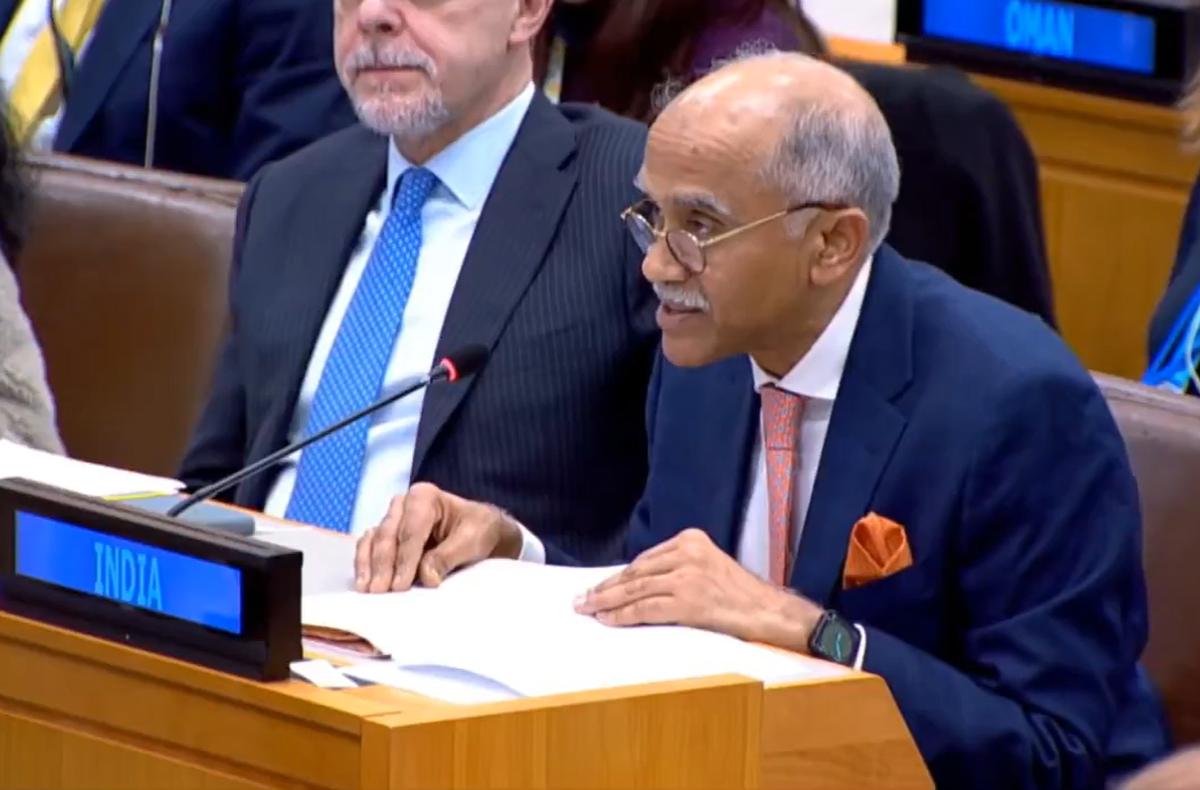
India has strongly accused Pakistan of violating the "spirit of goodwill and friendship" enshrined in the Indus Waters Treaty (IWT) of 1960 by inflicting three wars and thousands of terror attacks over the past six and a half decades. Speaking at a United Nations Security Council (UNSC) Arria Formula meeting on "Protecting Water in Armed Conflict – Protecting Civilian Lives" around May 23-24, 2025, India's Permanent Representative, Ambassador Parvathaneni Harish, asserted that these actions by Pakistan have resulted in the loss of over 20,000 Indian lives in the last four decades alone.
This strong statement comes in the backdrop of India's recent decision to hold the Indus Waters Treaty in "abeyance" following the heinous Pahalgam terror attack on April 22, 2025, which killed 26 civilians.
What India Said at the UN:
- Violation of Treaty's Spirit: Ambassador Harish emphasized that the IWT was concluded "in a spirit of goodwill and friendship," as stated in its Preamble. However, he argued that "throughout these six and a half decades, Pakistan has violated the spirit of that treaty by inflicting three wars and thousands of terror attacks on India."
- Terrorism as a Key Factor: India directly linked Pakistan's support for cross-border terrorism to the current stance on the IWT. The Indian envoy stated that the treaty would remain in abeyance until Pakistan, described as a "global epicentre of terror," credibly and irrevocably ends its support for cross-border terrorism.
- Disinformation by Pakistan: India's statement was also a rebuttal to what it termed "disinformation" being spread by Pakistan at the UN regarding the IWT and India's actions.
- India's Responsible Conduct: Ambassador Harish highlighted that India has always acted as a responsible upper riparian state and has honored the treaty for 65 years despite numerous provocations and a security situation vastly different from when the treaty was signed.
- Need for Treaty Modernization: India pointed out that far-reaching fundamental changes have occurred since 1960, including escalating security concerns due to cross-border terror, growing needs for clean energy, climate change impacts, and demographic shifts. Despite India formally requesting discussions on treaty modifications over the past two years to address these contemporary realities and outdated engineering techniques, Pakistan has reportedly rejected these proposals and consistently blocked permissible changes to ageing water infrastructure, some of which now pose safety concerns.
- Attacks on Infrastructure: The Indian envoy also cited instances of terrorist attacks on water infrastructure in India, like the 2012 attack on the Tulbul Navigation Project, as acts endangering civilian lives and projects.
Context: IWT Suspension and Pahalgam Attack
India's decision to put the IWT in "abeyance" (a state of temporary disuse or suspension) was announced on April 23, 2025, a day after the tragic terrorist attack in Pahalgam, Jammu and Kashmir. India has linked the attack to cross-border elements from Pakistan. This suspension marked a significant hardening of India's stance on the decades-old water-sharing pact.
The "Spirit" vs. "Letter" of the Treaty
India's argument focuses on the "spirit" of the IWT. While the treaty's mechanisms for water sharing (the "letter" of the law) have largely been adhered to by India despite conflicts, India contends that Pakistan's persistent hostility and use of terrorism have vitiated the atmosphere of "goodwill and friendship" that is fundamental to any such bilateral agreement. The Preamble of a treaty often outlines its guiding principles and objectives, which India believes Pakistan has fundamentally breached.
Additional Information
- The Indus Waters Treaty (IWT):
- Signed on September 19, 1960, between India (Prime Minister Jawaharlal Nehru) and Pakistan (President Ayub Khan), brokered by the World Bank (then International Bank for Reconstruction and Development).
- Water Allocation:
- Eastern Rivers: Sutlej, Beas, and Ravi. All waters of these were allocated for the unrestricted use of India.
- Western Rivers: Indus, Jhelum, and Chenab. All waters of these were allocated for the unrestricted use of Pakistan, except for certain specified domestic, non-consumptive, and agricultural uses by India, as well as generation of hydro-electric power under specific conditions.
- Permanent Indus Commission (PIC): Established with a Commissioner from each country to serve as a regular channel of communication on all matters relating to the implementation of the Treaty. Mandated to meet regularly.
- Dispute Resolution Mechanism: A three-stage graded process:
- "Questions" to be resolved by the PIC.
- "Differences" to be referred to a Neutral Expert (appointed by the World Bank if parties cannot agree).
- "Disputes" to be referred to a seven-member Court of Arbitration.
- India's Rights on Western Rivers: India is permitted to construct Run-of-River (RoR) hydro-electric projects on the Western Rivers, subject to specific criteria for design and operation laid out in the treaty. Projects like Baglihar and Kishanganga on Western Rivers have been sources of contention in the past.
- Calls for Abrogation/Review in India: Following major terror attacks like Uri (2016) and Pulwama (2019), there have been strong calls within India to reconsider or even abrogate the IWT, with the sentiment that "blood and water cannot flow together." The recent decision to hold the treaty in "abeyance" is the most significant step taken by India in this direction.
- No Unilateral Exit Clause: The treaty does not have a unilateral exit clause. Any modification or termination requires mutual consent. However, international law principles regarding fundamental change of circumstances or material breach are sometimes debated in such contexts, though India's current stance is "abeyance" linked to specific conditions.
Government Approves 8.25% Interest Rate on EPF Deposits for FY 2024-25
The Central Government has officially ratified an 8.25% interest rate on Employees' Provident Fund (EPF) deposits for the financial year 2024-25 (April 1, 2024, to March 31, 2025). This decision, announced around May 24, 2025, means that the interest rate remains unchanged from the previous fiscal year (2023-24). The move is set to benefit over seven crore EPF subscribers across the country.

Details of the Announcement:
- Approved Interest Rate: The government has approved an 8.25% rate of interest.
- Financial Year: This rate is applicable for the financial year 2024-25.
- Recommendation: The Central Board of Trustees (CBT) of the Employees' Provident Fund Organisation (EPFO) had recommended this rate at its meeting on February 28, 2025, chaired by the Union Minister for Labour & Employment.
- Ratification: The Ministry of Finance has provided its concurrence to this recommended rate. The Labour Ministry has subsequently notified the EPFO.
- Crediting Interest: Following this ratification, the EPFO will now proceed to credit the interest into the accounts of its subscribers.
How is the EPF Interest Rate Determined?
The process of deciding the EPF interest rate involves several steps:
- EPFO's Earnings Assessment: The EPFO, which manages the EPF corpus, assesses its earnings from various investments made during the year.
- CBT Recommendation: Based on these earnings and the overall financial health of the fund, the Central Board of Trustees (CBT) of EPFO proposes an interest rate for the financial year. The CBT is a tripartite body with representatives from the government (Central and State), employers, and employees.
- Finance Ministry Approval: This recommendation is then sent to the Ministry of Finance for its approval. The Finance Ministry examines the proposal to ensure financial prudence and its alignment with broader economic conditions.
- Notification and Crediting: Once the Finance Ministry ratifies the rate, it is formally notified by the government. The EPFO then credits the interest to the individual accounts of its members. Interest is calculated on the monthly running balances in the EPF account but is credited annually.
Significance for Subscribers:
- Stable Returns: The decision to maintain the interest rate at 8.25% provides a sense of stability and continued good returns for EPF subscribers, especially when compared to many other fixed-income instruments. For FY 2023-24, the 8.25% rate was based on a record income of ₹1.07 lakh crore on a corpus of ₹13 lakh crore.
- Retirement Savings: EPF is a cornerstone of retirement savings for a vast majority of salaried individuals in India. The interest earned significantly contributes to building a substantial retirement corpus.
- Social Security: The scheme plays a crucial role in providing social security to the organized sector workforce.
- Tax Efficiency: Contributions to EPF, the interest earned, and the maturity amount are tax-free under certain conditions (EEE - Exempt-Exempt-Exempt status), making it an attractive long-term savings option.
- Comparison: The 8.25% rate for FY 2024-25 and FY 2023-24 is an improvement from the 8.15% offered in FY 2022-23 and the 8.10% in FY 2021-22 (which was an over four-decade low).
This consistent and relatively high interest rate reinforces EPF's position as a secure and rewarding savings avenue for millions of Indian employees.
PM Modi at NITI Aayog Meet: "Viksit Rajya for Viksit Bharat" Key to 2047 Goal
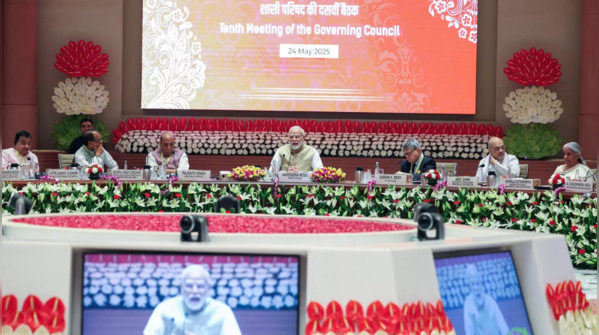
Prime Minister Narendra Modi chaired the 10th Governing Council Meeting of NITI Aayog on Saturday, May 24, 2025, at Bharat Mandapam in New Delhi. The central theme of this crucial meeting, attended by Chief Ministers, Lieutenant Governors, and Union Ministers, was "Viksit Rajya for Viksit Bharat @ 2047" (Developed States for a Developed India by 2047). The Prime Minister emphasized that the collective efforts of states working in the spirit of "Team India" are paramount to achieving the national vision of a developed India, potentially even before the 2047 target.
PM Modi's Vision and Key Messages:
Prime Minister Modi delivered a powerful address, outlining the roadmap and the collective resolve needed to achieve the "Viksit Bharat" dream:
- National Aspiration: He described "Viksit Bharat" not as a political agenda but as the aspiration of 140 crore Indians. "When every state is Viksit, then Bharat will be Viksit," he stated, urging every state, city, and village to commit to this goal.
- Accelerated Transformation: Acknowledging India's rise as one of the top five global economies and the milestone of 25 crore people escaping poverty, the PM stressed the need to increase the speed of this transformation.
- Role of States: He called upon states to:
- Leverage their manufacturing strengths and make it easier for global investments to flow in, with NITI Aayog tasked to prepare an "Investment-friendly Charter."
- Focus on skilling youth for modern technologies like AI, semiconductors, and 3D printing, aiming to make India the "Skill Capital of the world." A ₹60,000 crore scheme for skilling has been approved by the Centre.
- Develop at least one tourist destination of global standards ("One State, One Global Destination") to boost the local economy.
- Drive sustainable urban growth, especially in Tier 2 and Tier 3 cities, supported by a ₹1 lakh crore Urban Challenge Fund.
- Empower Nari Shakti (women power) by reforming laws and policies to enhance their respectful integration and ease of working in the workforce.
- Consider interlinking rivers within states to combat water scarcity and floods.
- Strengthen agriculture by focusing on "lab to land" initiatives like the Viksit Krishi Sankalp Abhiyan.
- Team India Spirit: The PM reiterated that if the Centre and states work together as "Team India," no goal is impossible to achieve.
- National Security and Preparedness: The meeting commenced with a minute of silence for the victims of the Pahalgam terrorist attack (April 2025). PM Modi also mentioned "Operation Sindoor" (a reported successful counter-terror operation), emphasizing it shouldn't be a one-off initiative and stressed the need for modernizing civil preparedness.
Core Agenda: Viksit Rajya for Viksit Bharat
The meeting served as a platform for deliberations on achieving the "Viksit Bharat @ 2047" vision, with a strong focus on the contributions of individual states:
- State Vision Documents: States were encouraged to craft their own bold, long-term, and inclusive vision documents for development by 2047, aligned with national priorities yet rooted in regional strengths.
- Key Discussion Areas: Deliberations centered on strategies to:
- Promote entrepreneurship, employment, and skilling to leverage India's demographic dividend.
- Boost manufacturing and services, especially by creating enabling ecosystems in Tier 2 and Tier 3 cities.
- Support Micro, Small, and Medium Enterprises (MSMEs) and address informal employment in rural non-farm and urban sectors.
- Harness opportunities in the green economy, including renewable energy and green hydrogen.
- Address challenges like cybersecurity and enhance health service delivery, including preparedness for potential COVID-related challenges.
Emphasis on Cooperative Federalism
The 10th Governing Council meeting underscored NITI Aayog's role as a crucial platform for fostering cooperative federalism. It provided an opportunity for the Centre and States/Union Territories to:
- Deliberate on national development challenges.
- Build consensus on the pivotal role of states in transforming India into a developed nation.
- Share best practices and specific regional demands. (Several Chief Ministers raised state-specific issues related to funding, projects, and fiscal devolution).
Understanding "Viksit Bharat @ 2047"
"Viksit Bharat @ 2047" is the ambitious vision of the Government of India to transform the nation into a developed country by the 100th year of its independence (2047). This comprehensive vision encompasses:
- Economic Growth: Achieving high levels of economic prosperity, making India a $30 trillion economy (as per some projections linked to the vision).
- Social Progress: Ensuring inclusive development, high standards of living, quality education, healthcare, and empowerment for all citizens.
- Environmental Sustainability: Balancing development with environmental protection and climate resilience.
- Good Governance: Promoting efficient, transparent, and citizen-centric governance.
- Global Leadership: Positioning India as a leading voice and power in the global arena.
India's Net FDI Plummets in FY25 Despite Strong Gross Inflows, RBI Cites Market Maturity
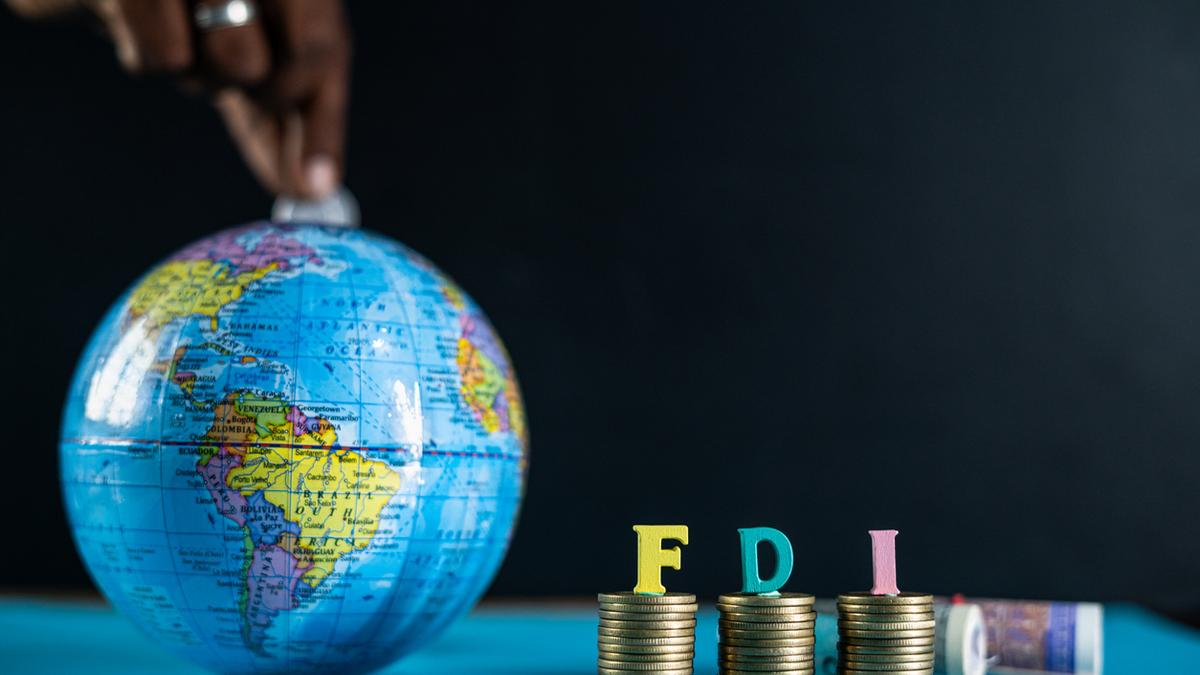
India witnessed a dramatic 96.5% plunge in its Net Foreign Direct Investment (FDI) during the financial year 2024-25 (April 2024 - March 2025), which fell to an all-time low of approximately $353 million. This sharp decline occurred despite robust gross FDI inflows, which grew by 13.7% year-on-year to reach $81 billion in the same period. According to the Reserve Bank of India (RBI), this significant drop in net figures is primarily due to a surge in repatriation and disinvestment by foreign investors and a substantial increase in overseas investments by Indian companies.
Decoding the Numbers: FY 2024-25 FDI Performance
- Gross FDI Inflows: India continued to attract substantial foreign investment, with gross inflows (total money coming into the country as FDI) reaching $81 billion in FY 2024-25, up from about $71.3 billion in FY 2023-24.
- Net FDI: This figure, which is Gross FDI inflows minus (Repatriation/disinvestment by foreign firms + Outward FDI by Indian firms), stood at a mere $353 million. This is a stark contrast to the $10.1 billion net FDI recorded in FY 2023-24 and $44 billion in FY 2020-21.
- Repatriation and Disinvestment: The amount of money repatriated (profits sent back to home countries) or disinvested (stakes sold) by foreign companies operating in India saw a significant jump to around $49 billion - $51.5 billion in FY25 (figures vary slightly across reports), up from approximately $41 billion - $44.5 billion in the previous year.
- Outward FDI by Indian Companies: Indian firms also significantly increased their investments abroad, with outward FDI (OFDI) surging by over 75% to $29.2 billion in FY25 from about $16.7 billion - $17 billion in FY24.
Why the Sharp Dip in Net FDI?
The drastic reduction in net FDI, despite healthy gross inflows, is primarily attributed to two key factors:
- Increased Repatriation and Disinvestment by Foreign Investors:
- A booming Initial Public Offering (IPO) market in India during FY25 allowed many long-term foreign investors, including private equity and venture capital firms, to make profitable exits from their investments. For instance, significant stake sales were seen during the IPOs of companies like Hyundai Motor India and Swiggy, leading to large outflows.
- Some foreign companies also chose to repatriate higher profits or disinvest from certain ventures.
- Surge in Overseas Investments by Indian Companies:
- Indian businesses have shown a growing appetite for global expansion, leading to a substantial increase in their investments in foreign countries. This reflects their increasing global ambitions and efforts to tap into international supply chains and markets.
RBI's Perspective: A Sign of Market Maturity?
The Reserve Bank of India (RBI), in its May 2025 monthly bulletin ("State of the Economy" report), has suggested that the sharp fall in net FDI should not be viewed solely as a negative indicator.
- The RBI noted that the ease of capital mobility, allowing foreign investors to enter and exit the Indian market smoothly, reflects the maturity and resilience of the country's financial system.
Gross FDI: Where is the Money Coming From and Going To?
Despite the net figure, the continued strength in gross FDI inflows indicates sustained global investor interest in the Indian economy.
- Top Sectors: More than 60% of gross FDI inflows in FY25 were directed into key sectors such as manufacturing, financial services, electricity and other energy, and communication services.
- Key Source Countries: Singapore, Mauritius, the United Arab Emirates (UAE), the Netherlands, and the United States (US) remained the top contributors, accounting for over 75% of the total gross FDI inflows.
- Outward FDI Destinations: Indian firms primarily channeled their outbound investments into similar destinations like Singapore, the US, UAE, Mauritius, and the Netherlands. The key sectors for these overseas investments included financial, banking and insurance services, manufacturing, and wholesale & retail trade.
Tech Giants Lock Horns in Multi-Million Dollar Battle for "Superstar" AI Talent
A fierce global "talent war" is raging in the world of Artificial Intelligence (AI), with tech behemoths like OpenAI (creator of ChatGPT), Google (DeepMind), and Elon Musk's xAI engaged in an intense competition to hire and retain a small pool of "superstar" AI researchers and engineers. These companies are reportedly "shelling out millions" in salaries, bonuses, and stock options, highlighting the critical role that top human intellect plays in the race to develop next-generation AI and potentially Artificial General Intelligence (AGI). This global tussle for talent has significant implications for the tech industry, academia, and countries like India, which are aspiring to be major AI players.

The "AI Gold Rush": Who's Competing and What's on Offer?
The demand for elite AI talent has reached unprecedented levels, with companies pulling out all stops:
- Key Players: The most prominent players include OpenAI, Google DeepMind, xAI, Meta, Anthropic, and even new ventures started by former top researchers from these established labs.
- Talent in Focus: The battle is primarily for a very select group of AI researchers and engineers—often described as "10,000x" contributors—who possess the rare skills and vision to create groundbreaking AI models. Estimates suggest there are only a few dozen to perhaps a thousand such individuals globally.
- Sky-High Compensation:
- Annual compensation packages for these top-tier researchers are reportedly ranging from $10 million to over $20 million, including salary, hefty bonuses, and substantial equity stakes.
- Companies are offering massive retention bonuses (often $1 million to $2 million or more) and significant additional stock options to prevent their star researchers from defecting to competitors.
- Some firms, like Google DeepMind, are reportedly reducing stock vesting periods (e.g., from four years to three) to make offers more attractive.
- Beyond Money: Besides financial incentives, companies are also offering:
- Access to vast computing resources (essential for training large AI models).
- The opportunity to work on cutting-edge, impactful projects.
- Significant research autonomy and the chance to lead teams.
- Personalized recruitment efforts from top executives, including founders like Elon Musk or Sergey Brin.
Why the Mad Dash for AI Gurus?
Several factors are fueling this intense competition:
- Race for AI Supremacy: The primary driver is the global race to achieve breakthroughs in AI, particularly in areas like Large Language Models (LLMs), Generative AI, and the long-term goal of AGI. Companies believe that a handful of brilliant minds can provide a decisive competitive advantage.
- Transformative Potential: AI is seen as a transformative technology with the potential to reshape industries, economies, and societies. Securing top talent is viewed as crucial for unlocking this potential.
- Scarcity of Elite Expertise: Truly exceptional AI researchers with a proven track record of innovation are incredibly rare.
- Post-ChatGPT Boom: The launch and explosive popularity of ChatGPT in late 2022 significantly amplified the urgency and investment in the AI field, further escalating the demand for talent.
Impact on the Tech Ecosystem and Beyond
This high-stakes talent war has several ripple effects:
- Wage Inflation: It is driving up salaries for AI professionals across the board, though the most astronomical figures are reserved for the very top tier.
- Challenges for Smaller Players: Startups and smaller companies find it increasingly difficult to compete with the financial muscle of tech giants for top talent, potentially stifling innovation in smaller settings.
- Brain Drain from Academia: Universities are struggling to retain their top AI professors and researchers, who are lured by a lucrative industry offers. This raises concerns about the pipeline for training the next generation of AI experts.
- Concentration of Talent: A significant portion of top AI talent is becoming concentrated within a few large corporations, which could influence the direction and control of AI development.
India in the Global AI Talent Arena: Strengths, Hurdles, and the Way Forward
India has a significant role to play in the global AI landscape, possessing both strengths and challenges:
- India's Strengths:
- Ranks 1st globally in AI skill penetration and has seen a massive 263% growth in its AI talent pool since 2016 (Stanford AI Index 2024).
- A large base of engineers and IT professionals who are increasingly upskilling in AI.
- A burgeoning AI startup ecosystem and significant contributions to global open-source AI projects (ranking 2nd in AI-related GitHub projects in 2024).
- Hurdles for India:
- A shortage of highly specialized AI researchers capable of deep-tech innovation (most professionals are currently in service-based AI roles).
- Lagging in private investment in AI research, patent output, and the creation of globally recognized foundational AI models.
- Dependence on foreign-made AI hardware (like GPUs) and limited domestic manufacturing capabilities.
- The Way Forward for India:
- Investing in Research and Development: Strengthening the R&D ecosystem and fostering an environment for cutting-edge AI research.
- Nurturing Top-Tier Talent: Focusing on creating high-quality postgraduate and doctoral programs in AI to develop world-class researchers.
- Government Initiatives: Leveraging programs like the IndiaAI Mission (with an outlay of over ₹10,300 crore) to build AI computing infrastructure, promote AI skilling (IndiaAI FutureSkills), create datasets platforms (IndiaAI Datasets Platform), and establish Centres of Excellence.
- Fostering Indigenous Innovation: Supporting the development of India-specific AI models and solutions.
- Strategic Global Collaboration: Engaging in international partnerships while safeguarding national interests.
- Addressing Brain Drain: Creating attractive opportunities within India to retain and attract top AI talent.
The global AI talent war underscores the strategic importance of human capital in the 21st century. For India to achieve its ambition of becoming a leading AI nation, a concerted effort to nurture, attract, and retain "superstar" AI talent will be indispensable.
Additional Information
- Artificial Intelligence (AI): A branch of computer science that aims to create machines capable of performing tasks that typically require human intelligence, such as learning, problem-solving, decision-making, and understanding language.
- Key Sub-fields:
- Machine Learning (ML): Algorithms that allow computer systems to learn from data without being explicitly programmed.
- Deep Learning: A subset of ML that uses artificial neural networks with multiple layers to analyze complex data.
- Natural Language Processing (NLP): Enables computers to understand, interpret, and generate human language.
- Generative AI: AI models that can create new content, such as text, images, audio, and video (e.g., ChatGPT, DALL-E).
- Key Sub-fields:
- Artificial General Intelligence (AGI): A hypothetical type of AI that possesses the ability to understand, learn, and apply knowledge across a wide range of tasks at a human-like level3 or beyond. It is considered the holy grail for many AI researchers.
- IndiaAI Mission: A comprehensive program by the Government of India aimed at establishing a robust AI ecosystem. Its key pillars include:
- IndiaAI Compute: Building high-performance computing infrastructure for AI.
- IndiaAI FutureSkills: Initiatives to upskill and reskill the workforce in AI.
- IndiaAI Datasets Platform: Providing access to quality datasets for AI development.
- IndiaAI Innovation Centres & Application Development: Promoting research and the development of AI solutions.
- IndiaAI Startup Financing: Supporting AI startups.
- Safe & Trusted AI: Developing frameworks for responsible and ethical AI.
May 2025
Archive
October 2026
- 28 October 2026
- 27 October 2026
- 26 October 2026
- 24 October 2026
- 23 October 2026
- 22 October 2026
- 21 October 2026
- 20 October 2026
- 19 October 2026
- 17 October 2026
- 16 October 2026
- 15 October 2026
- 14 October 2026
- 13 October 2026
- 12 October 2026
- 10 October 2026
- 09 October 2026
- 08 October 2026
- 07 October 2026
- 06 October 2026
- 05 October 2026
- 03 October 2026
- 02 October 2026
- 01 October 2026
September 2026
- 30 September 2026
- 29 September 2026
- 28 September 2026
- 26 September 2026
- 25 September 2026
- 24 September 2026
- 23 September 2026
- 22 September 2026
- 21 September 2026
- 19 September 2026
- 18 September 2026
- 17 September 2026
- 16 September 2026
- 15 September 2026
- 12 September 2026
- 11 September 2026
- 10 September 2026
- 09 September 2026
- 08 September 2026
- 07 September 2026
- 05 September 2026
- 04 September 2026
- 03 September 2026
- 02 September 2026
- 01 September 2026
August 2026
- 31 August 2026
- 29 August 2026
- 27 August 2026
- 26 August 2026
- 25 August 2026
- 24 August 2026
- 22 August 2026
- 21 August 2026
- 20 August 2026
- 19 August 2026
- 18 August 2026
- 17 August 2026
- 14 August 2026
- 13 August 2026
- 12 August 2026
- 11 August 2026
- 10 August 2026
- 08 August 2026
- 07 August 2026
- 06 August 2026
- 05 August 2026
- 04 August 2026
- 03 August 2026
- 01 August 2026
July 2026
- 31 July 2026
- 30 July 2026
- 29 July 2026
- 28 July 2026
- 27 July 2026
- 25 July 2026
- 23 July 2026
- 22 July 2026
- 21 July 2026
- 20 July 2026
- 18 July 2026
- 17 July 2026
- 15 July 2026
- 14 July 2026
- 13 July 2026
- 11 July 2026
- 10 July 2026
- 09 July 2026
- 08 July 2026
- 07 July 2026
- 06 July 2026
- 04 July 2026
- 03 July 2026
- 02 July 2026
- 01 July 2026
June 2026
May 2026
April 2026
March 2026
- 31 March 2026
- 30 March 2026
- 28 March 2026
- 27 March 2026
- 26 March 2026
- 25 March 2026
- 24 March 2026
- 23 March 2026
- 21 March 2026
- 20 March 2026
- 19 March 2026
- 18 March 2026
- 17 March 2026
- 16 March 2026
- 14 March 2026
- 13 March 2026
- 12 March 2026
- 11 March 2026
- 10 March 2026
- 09 March 2026
- 07 March 2026
- 06 March 2026
- 05 March 2026
- 03 March 2026
- 02 March 2026
February 2026
- 28 February 2026
- 27 February 2026
- 26 February 2026
- 25 February 2026
- 24 February 2026
- 23 February 2026
- 21 February 2026
- 20 February 2026
- 19 February 2026
- 18 February 2026
- 17 February 2026
- 16 February 2026
- 13 February 2026
- 12 February 2026
- 11 February 2026
- 10 February 2026
- 09 February 2026
- 07 February 2026
- 06 February 2026
- 05 February 2026
- 04 February 2026
- 03 February 2026
- 02 February 2026
January 2026
- 31 January 2026
- 30 January 2026
- 29 January 2026
- 28 January 2026
- 27 January 2026
- 26 January 2026
- 24 January 2026
- 23 January 2026
- 22 January 2026
- 21 January 2026
- 20 January 2026
- 19 January 2026
- 16 January 2026
- 15 January 2026
- 14 January 2026
- 13 January 2026
- 12 January 2026
- 10 January 2026
- 09 January 2026
- 08 January 2026
- 07 January 2026
- 06 January 2026
- 05 January 2026
- 03 January 2026
- 02 January 2026
- 01 January 2026
December 2025
- 31 December 2025
- 30 December 2025
- 29 December 2025
- 27 December 2025
- 26 December 2025
- 24 December 2025
- 23 December 2025
- 22 December 2025
- 20 December 2025
- 19 December 2025
- 18 December 2025
- 17 December 2025
- 16 December 2025
- 15 December 2025
- 13 December 2025
- 12 December 2025
- 11 December 2025
- 10 December 2025
- 09 December 2025
- 08 December 2025
- 05 December 2025
- 04 December 2025
- 03 December 2025
- 02 December 2025
November 2025
- 29 November 2025
- 28 November 2025
- 27 November 2025
- 26 November 2025
- 25 November 2025
- 24 November 2025
- 22 November 2025
- 21 November 2025
- 20 November 2025
- 19 November 2025
- 18 November 2025
- 17 November 2025
- 15 November 2025
- 14 November 2025
- 13 November 2025
- 12 November 2025
- 11 November 2025
- 10 November 2025
- 08 November 2025
- 07 November 2025
- 06 November 2025
- 05 November 2025
- 04 November 2025
- 03 November 2025
- 01 November 2025
October 2025
- 31 October 2025
- 30 October 2025
- 29 October 2025
- 28 October 2025
- 27 October 2025
- 25 October 2025
- 24 October 2025
- 23 October 2025
- 22 October 2025
- 21 October 2025
- 20 October 2025
- 18 October 2025
- 17 October 2025
- 16 October 2025
- 15 October 2025
- 14 October 2025
- 13 October 2025
- 11 October 2025
- 10 October 2025
- 09 October 2025
- 08 October 2025
- 07 October 2025
- 06 October 2025
- 04 October 2025
- 03 October 2025
- 02 October 2025
- 01 October 2025
September 2025
- 30 September 2025
- 29 September 2025
- 27 September 2025
- 26 September 2025
- 25 September 2025
- 24 September 2025
- 23 September 2025
- 22 September 2025
- 20 September 2025
- 19 September 2025
- 18 September 2025
- 17 September 2025
- 16 September 2025
- 15 September 2025
- 13 September 2025
- 12 September 2025
- 11 September 2025
- 10 September 2025
- 09 September 2025
- 08 September 2025
- 06 September 2025
- 05 September 2025
- 04 September 2025
- 03 September 2025
- 02 September 2025
- 01 September 2025
August 2025
- 30 August 2025
- 29 August 2025
- 28 August 2025
- 27 August 2025
- 26 August 2025
- 25 August 2025
- 23 August 2025
- 22 August 2025
- 21 August 2025
- 20 August 2025
- 19 August 2025
- 18 August 2025
- 16 August 2025
- 14 August 2025
- 13 August 2025
- 12 August 2025
- 11 August 2025
- 08 August 2025
- 07 August 2025
- 06 August 2025
- 05 August 2025
- 04 August 2025
- 02 August 2025
- 01 August 2025
July 2025
- 31 July 2025
- 30 July 2025
- 29 July 2025
- 28 July 2025
- 26 July 2025
- 25 July 2025
- 24 July 2025
- 23 July 2025
- 22 July 2025
- 21 July 2025
- 19 July 2025
- 18 July 2025
- 17 July 2025
- 16 July 2025
- 15 July 2025
- 12 July 2025
- 11 July 2025
- 10 July 2025
- 09 July 2025
- 07 July 2025
- 05 July 2025
- 04 July 2025
- 03 July 2025
- 02 July 2025
- 01 July 2025
June 2025
- 30 June 2025
- 28 June 2025
- 27 June 2025
- 26 June 2025
- 25 June 2025
- 24 June 2025
- 23 June 2025
- 21 June 2025
- 20 June 2025
- 19 June 2025
- 18 June 2025
- 17 June 2025
- 16 June 2025
- 14 June 2025
- 13 June 2025
- 12 June 2025
- 11 June 2025
- 10 June 2025
- 09 June 2025
- 07 June 2025
- 06 June 2025
- 05 June 2025
- 04 June 2025
- 03 June 2025
- 02 June 2025
May 2025
April 2025
- 30 April 2025
- 29 April 2025
- 28 April 2025
- 26 April 2025
- 25 April 2025
- 24 April 2025
- 23 April 2025
- 22 April 2025
- 21 April 2025
- 19 April 2025
- 18 April 2025
- 17 April 2025
- 16 April 2025
- 15 April 2025
- 14 April 2025
- 12 April 2025
- 11 April 2025
- 10 April 2025
- 09 April 2025
- 08 April 2025
- 07 April 2025
- 05 April 2025
- 04 April 2025
- 03 April 2025
- 02 April 2025
- 01 April 2025
March 2025
- 31 March 2025
- 29 March 2025
- 28 March 2025
- 27 March 2025
- 26 March 2025
- 25 March 2025
- 24 March 2025
- 22 March 2025
- 21 March 2025
- 20 March 2025
- 19 March 2025
- 18 March 2025
- 17 March 2025
- 15 March 2025
- 13 March 2025
- 12 March 2025
- 11 March 2025
- 10 March 2025
- 08 March 2025
- 07 March 2025
- 06 March 2025
- 05 March 2025
- 04 March 2025
- 03 March 2025
- 01 March 2025
February 2025
- 28 February 2025
- 27 February 2025
- 26 February 2025
- 25 February 2025
- 24 February 2025
- 22 February 2025
- 21 February 2025
- 20 February 2025
- 19 February 2025
- 18 February 2025
- 17 February 2025
- 15 February 2025
- 14 February 2025
- 13 February 2025
- 12 February 2025
- 11 February 2025
- 10 February 2025
- 08 February 2025
- 07 February 2025
- 06 February 2025
- 05 February 2025
- 04 February 2025
- 03 February 2025
- 01 February 2025
January 2025
- 31 January 2025
- 30 January 2025
- 29 January 2025
- 28 January 2025
- 27 January 2025
- 25 January 2025
- 24 January 2025
- 23 January 2025
- 22 January 2025
- 21 January 2025
- 20 January 2025
- 18 January 2025
- 17 January 2025
- 16 January 2025
- 15 January 2025
- 14 January 2025
- 13 January 2025
- 11 January 2025
- 10 January 2025
- 09 January 2025
- 08 January 2025
- 07 January 2025
- 06 January 2025
- 04 January 2025
- 03 January 2025
- 02 January 2025
- 01 January 2025