
Current Affairs
Stay updated with the latest national and international events.
24 January 2026
UNEP Releases "State of Finance for Nature 2026" Report

What’s the News?
- The United Nations Environment Programme (UNEP) has released the fourth edition of its flagship report, titled "Nature in the Red: Powering the Trillion-Dollar Nature Transition Economy."
- The report highlights a stark imbalance in global financial priorities, revealing that for every $1 invested in protecting nature, the world spends $30 on activities that destroy it.
- It tracks global financial flows to Nature-based Solutions (NbS) and identifies the massive funding gap required to meet international targets for climate, biodiversity, and land restoration.
Global Finance Gap for Nature
- Nature-negative finance: Includes subsidies and investments that degrade ecosystems (e.g., fossil fuels, environmentally harmful subsidies).
- Nature-positive finance: Focuses on NbS—actions to protect, restore, and sustainably manage ecosystems to address societal challenges.
- Funding shortfall: Annual NbS investment must rise over 2.5 times to $571 billion by 2030 to meet Rio Convention targets (1.5°C warming limit and halting biodiversity loss).
Public vs Private Sector Role
- 90% of NbS funding comes from public sources; private sector contribution remains minimal at $23.4 billion.
- Private capital largely flows into high-impact sectors like fossil fuels and heavy industry.
- Over 730 organizations globally have adopted the Taskforce on Nature-related Financial Disclosures (TNFD) framework to track nature-related risks.
Key Successes and Failures
- Successes:
- Debt-for-Nature Swaps (DNS): Agreements in Ecuador, Belize, and Gabon unlocked significant conservation funds.
- Sustainable bonds: E.g., UK’s United Utilities issued a GBP 300 million bond for peatland restoration.
- Innovation: Use of self-healing concrete and fungi-based leather in real economy sectors.
- Failures:
- Harmful subsidies persist: India continues large fertilizer and power subsidies, contributing to groundwater depletion and soil degradation.
- CAMPA limitations: India’s Compensatory Afforestation Fund (US$0.86 billion) struggles to replicate lost biodiversity effectively.
- Weak private mobilization: Despite renewable energy growth, private debt finance for NbS projects lags.
- Regulatory erosion: Recent amendments to forest and environmental clearance rules risk ecological zones.
- Insufficient international finance: Official Development Finance (ODF) remains inadequate for India’s 30×30 conservation goals.
Recommendations
- Reform subsidies: Redirect $2.4 trillion in harmful public subsidies toward regenerative agriculture and clean energy.
- Mandatory disclosure: Enact laws requiring large firms and financial institutions to disclose nature-related risks.
- Scale blended finance: Use public funds to de-risk private NbS investments via guarantees and co-financing.
- Integrate NbS into budgets: Embed nature-based infrastructure into national fiscal frameworks and green budgeting.
- Ensure equity: Prioritize support for vulnerable communities and developing nations.
Additional Info
- United Nations Environment Programme (UNEP):
- Established: 1972 (following the Stockholm Conference).
- Headquarters: Nairobi, Kenya.
- Key Reports: Emission Gap Report, Adaptation Gap Report, and Global Environment Outlook.
- Nature-based Solutions (NbS):
- Defined as actions to protect, sustainably manage, and restore natural or modified ecosystems to address societal challenges (e.g., carbon sequestration via forests, mangrove restoration for disaster risk reduction).
- Rio Conventions:
- Refers to the three major environmental agreements from the 1992 Earth Summit:
- UNFCCC (Climate Change)
- UNCBD (Biological Diversity)
- UNCCD (Desertification)
- Refers to the three major environmental agreements from the 1992 Earth Summit:
Sources
Global Election Bodies Adopt Delhi Declaration 2026 at IICDEM

What’s the News?
- The Election Commission of India (ECI) hosted the inaugural International Conference on Democracy and Election Management (IICDEM) 2026 at Bharat Mandapam, New Delhi.
- The conference concluded with the unanimous adoption of the Delhi Declaration 2026 by the heads of 42 Election Management Bodies (EMBs).
- Led by Chief Election Commissioner Shri Gyanesh Kumar, the event focused on strengthening global democratic standards and fostering international cooperation in election management.
- A significant highlight was the launch of ECINET, a one-stop digital platform designed to serve as a global hub for election-related information and technological sharing.
Delhi Declaration 2026?
- The Five Pillars: Participating EMBs resolved to collaborate on five foundational areas to ensure electoral integrity:
- Purity of Electoral Rolls: Ensuring accurate, clean, and inclusive voter lists, including the issuance of Photo Identity Cards to all eligible electors.
- Conduct of Elections: Commitment to free, fair, and participative elections conducted as per constitutional mandates.
- Research and Publications: Developing a shared knowledge base, including a co-curated Encyclopaedia of Democracies of the World and a global Electoral Atlas.
- Use of Technology: Responsibly leveraging advanced tech to assist voters and combat threats such as misinformation and foreign interference.
- Training and Capacity Building: Strengthening institutional professionalism through the India International Institute of Democracy and Election Management (IIIDEM).
- Significance: The declaration establishes a framework for South-South cooperation and sets "model international electoral standards" for the 21st century.
IICDEM 2026 Overview?
- Theme: The conference was anchored in the theme “Democracy for an inclusive, peaceful, resilient and sustainable world.”
- Global Scale: The event was the largest of its kind, attended by nearly 1,000 participants, including delegates from 42 EMBs, ambassadors from 27 countries, and experts from 70 national institutions.
- Institutional Participation: Academic contributions were provided by 4 IITs, 6 IIMs, and 12 National Law Universities (NLUs) through 36 thematic groups led by State Chief Electoral Officers (CEOs).
- Bilateral Engagement: The ECI conducted over 40 bilateral meetings to expand mutual cooperation and understand collective priorities.
Additional Info
- India’s International Role:
- India assumed the Chairship of the Council of Member States of International IDEA for 2026.
- IIIDEM: Established in 2011, it is the ECI’s training and research arm, now evolving into a global center for electoral capacity building.
- Constitutional Framework:
- Article 324: Grants the ECI the power of superintendence, direction, and control of all elections to Parliament and State Legislatures.
- Article 326: Guarantees elections based on adult suffrage, ensuring every citizen above 18 years has the right to vote.
- Technological Innovations:
- ECINET: A digital platform offered by India for co-development with other EMBs to streamline electoral services globally.
- cVIGIL: An app mentioned as a benchmark for citizens to report electoral violations in real-time.
Sources
Govt Approves Five Companies in 4th Round of PLI Scheme for White Goods
What’s the News?
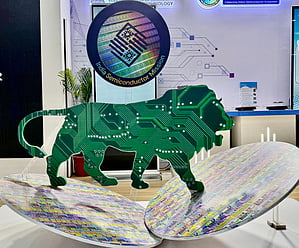
- The Ministry of Commerce and Industry has provisionally selected five companies in the fourth round of the Production Linked Incentive (PLI) Scheme for White Goods (Air Conditioners and LED Lights).
- These companies—Kirloskar Pneumatic, Indo-Asia Copper, Godrej & Boyce, Kryon Technology, and Pranav Vikas—focus exclusively on manufacturing Air Conditioner (AC) components.
- The selection follows a competitive evaluation of 13 applications received during the fourth application window, which was extended to November 2025 due to high industry interest.
White Goods PLI Scheme?
- Objective: To create a robust domestic component ecosystem and integrate India into global supply chains by reducing import dependence on critical parts.
- Target Segments:
- Air Conditioners: Components like compressors, copper tubes, heat exchangers, and BLDC motors.
- LED Lights: Components like LED chip packaging, drivers, engines, and light management systems.
- Incentives: Offers a financial incentive of 4% to 6% on incremental sales of goods manufactured in India for a period of five years.
- Value Addition: Aims to increase Domestic Value Addition (DVA) from the current 20–25% to 75–80%.
- Financial Outlay: The scheme has a total cabinet-approved outlay of ₹6,238 crore for implementation until FY 2028–29.
Fourth Round Selections & Impact?
- Investment Commitment: The five newly selected firms have committed a total investment of ₹863 crore.
- Projected Production: These projects are expected to achieve a total production value of ₹8,337.24 crore by FY 2027–28.
- Employment Generation: The fourth round is projected to create 1,799 additional direct jobs.
- Selected companies & investments:
- Kirloskar Pneumatic Co. Ltd.: ₹320 crore (compressors, motors, heat exchangers).
- Indo Asia Copper Ltd.: ₹258.97 crore (copper tubes).
- Kryon Technology Pvt. Ltd.: ₹175 crore (control assemblies, motors).
- Godrej & Boyce Mfg. Co. Ltd.: ₹58.69 crore (heat exchangers, plastic moulded parts).
- Pranav Vikas (India) Pvt. Ltd.: ₹50 crore (brass components, cross-flow fans, valves).
Additional Info
- Cumulative Scheme Progress:
- 85 companies have been selected across four rounds since the scheme's inception in 2021.
- Total Investment: Expected to reach ₹11,198 crore.
- Total Production: Cumulative output is projected at ₹1,90,050 crore (approx. ₹1.9 lakh crore).
- Nodal Department:
- Implemented by the Department for Promotion of Industry and Internal Trade (DPIIT) under the Ministry of Commerce and Industry.
- Atmanirbhar Bharat Context:
- The scheme is a cornerstone of the Make in India initiative, shifting focus from "assembly-only" to "component-level" manufacturing to ensure long-term industrial resilience.
- Over 50% of the applicants in the latest round were MSMEs, indicating deepening industrial participation.
Sources
Odisha Imposes Comprehensive Ban on Gutka and Tobacco Products

What’s the News?
- The Odisha government has issued a fresh notification imposing a total ban on the manufacture, storage, sale, and distribution of gutka, pan masala, and all food products containing tobacco or nicotine.
- This decision aligns with the directives of the Supreme Court of India and the Food Safety and Standards Authority of India (FSSAI) to safeguard public health.
- The ban is primarily aimed at curbing the high prevalence of oral cancer and protecting the youth from the harmful effects of smokeless tobacco.
- Unlike previous orders, this notification explicitly prohibits the sale of tobacco and pan masala even in separate sachets intended to be mixed by consumers.
Gutka and Tobacco Ban in Odisha?
- Scope of the Ban: The prohibition covers a wide array of products including gutka, pan masala, zarda, khaini, and any other flavoured or scented food products containing nicotine or tobacco as ingredients.
- Legal Framework: The order has been issued under Regulation 2.3.4 of the Food Safety and Standards (Prohibition and Restrictions on Sales) Regulations, 2011, framed under the Food Safety and Standards Act, 2006.
- Closing Loopholes: The 2026 notification supersedes a 2013 order. It addresses the "twin-pack" loophole where manufacturers sold pan masala and tobacco in separate conjoined sachets to bypass the definition of "food containing tobacco."
- Enforcement & Penalties:
- District Drugs Inspectors and police officials have been authorized to conduct enforcement activities and raids.
- Violations can lead to strict penal action, including the seizure of products, cancellation of trade licenses, and prosecution under the Food Safety Act.
- Historical penalties under the Act include fines up to ₹10 lakh and imprisonment up to six years for selling unsafe food causing grievous injury.
Additional Info
- Constitutional Basis:
- Article 47: A Directive Principle of State Policy (DPSP) that mandates the State to raise the level of nutrition, standard of living, and improve public health. It specifically urges the State to endeavor to bring about the prohibition of consumption of intoxicating drinks and drugs harmful to health.
- Relevant Legislation:
- Food Safety and Standards Act, 2006: Consolidates various laws relating to food and establishes FSSAI as the regulator. It defines "food" broadly, allowing for the regulation of chewable substances.
- COTPA, 2003: The Cigarettes and Other Tobacco Products Act regulates the trade, commerce, and advertisement of tobacco but does not provide for a total ban, which is why states use the Food Safety Act for stricter prohibitions.
- Health Metrics:
- Prevalence: According to the Global Adult Tobacco Survey (GATS), over 42% of Odisha's adult population uses smokeless tobacco, which is nearly double the national average.
- Cancer Incidence: Oral cancer accounts for approximately one-third of all cancer cases in Odisha, with high concentrations in districts like Khordha.
- Carcinogens: The WHO and the International Agency for Research on Cancer classify chewing tobacco products as Group 1 carcinogens (substances known to cause cancer in humans).
Sources
Pixxel-led Consortium to Build India’s First Private EO Satellite Constellation

What’s the News?
- The Indian National Space Promotion and Authorisation Centre (IN-SPACe) has signed a landmark agreement with a consortium led by Pixxel to design, build, and operate India's first privately-led national Earth Observation (EO) satellite constellation.
- This marks the official commencement of the Earth Observation Public-Private Partnership (EO-PPP) programme, a strategic shift from exclusively government-built systems to private sector-led national space infrastructure.
- The project, valued at over ₹1,200 crore, involves a consortium of four Indian space-tech startups: Pixxel, Dhruva Space, PierSight, and SatSure.
- The first set of satellites under this agreement is expected to be launched in 2027.
Pixxel’s EO Constellation?
- Project Scale: The consortium will deploy a constellation of 12 state-of-the-art satellites over the next five years.
- Multimodal Imaging: The satellites will be equipped with a diverse suite of sensors to provide comprehensive data:
- Hyperspectral Imaging: Capturing 135+ spectral bands for deep chemical and biological analysis.
- Very High-Resolution Optical: For detailed visual mapping.
- Multispectral: For vegetation and water health monitoring.
- Synthetic Aperture Radar (SAR): For all-weather, day-and-night imaging.
- Operational Model: The consortium will own and operate the constellation while providing Analysis Ready Data (ARD) and Value-Added Services (VAS) to the Indian government and global commercial markets.
- Strategic Impact: The project aims to reduce India's dependence on foreign satellite data and strengthen data sovereignty in critical sectors like national security and disaster management.
Key Objectives & Applications?
- Agriculture: Real-time monitoring of crop health, soil moisture, and early detection of pest infestations or nutrient stress.
- Climate & Environment: Tracking deforestation, monitoring greenhouse gas emissions, and assessing ocean pollution or water quality.
- Infrastructure & Energy: Assisting in urban planning, monitoring large-scale construction projects, and detecting leaks in oil and gas pipelines.
- Disaster Management: Providing rapid response data during floods, forest fires, or earthquakes to assist in rescue and recovery efforts.
- Maritime Surveillance: Enhancing sea-lane security and monitoring illegal fishing or oil spills through SAR and optical data.
Additional Info
- IN-SPACe (Indian National Space Promotion and Authorisation Centre):
- An autonomous nodal agency under the Department of Space (DoS).
- Acts as a "single-window" regulator to promote and authorize private sector participation in the Indian space ecosystem.
- Hyperspectral Imaging vs. Multispectral:
- While multispectral imaging captures data in a few broad bands (typically 3–10), hyperspectral imaging captures hundreds of narrow, contiguous bands. This allows for the identification of materials and chemical signatures (e.g., specific mineral types or crop diseases) that are invisible to standard sensors.
Sources
DoT De-licenses Lower 6 GHz Band to Boost Next-Gen Wi-Fi Services

What’s the News?
- The Department of Telecommunications (DoT), Ministry of Communications, has officially de-licensed the lower 6 GHz band (5925–6425 MHz) for public use.
- This move, formalized under the Use of Low Power and Very Low Power Wireless Access System Rules, 2026, allows for the operation of Wi-Fi equipment without a license or spectrum fees.
- The decision follows a long-standing debate between tech giants (seeking unlicensed use) and telecom operators (seeking spectrum auctions), with the government opting for a balanced approach.
- The de-licensing is a critical milestone for the adoption of Wi-Fi 6E and Wi-Fi 7, enabling multi-gigabit wireless speeds and ultra-low latency for Indian consumers.
De-licensing Framework?
- Frequencies: A contiguous block of 500 MHz spectrum (5925–6425 MHz) has been made license-exempt.
- Operating Categories:
- Low Power Indoor (LPI): Devices like routers are permitted a maximum EIRP (Equivalent Isotropic Radiated Power) of 30 dBm.
- Very Low Power (VLP) Outdoor: Short-range outdoor systems are capped at 14 dBm EIRP to prevent interference with other services.
- Key Restrictions:
- Usage is prohibited on land vehicles (cars, trains), boats, oil platforms, and for the control of drones (Unmanned Aerial Systems).
- Indoor use in aircraft is allowed only when flying above 10,000 feet.
- Technical Compliance: Devices must feature integrated antennas and employ contention-based protocols to share the spectrum fairly on a non-interference basis.
Benefits of the 6 GHz Band?
- Ultra-Fast Speeds: Wi-Fi 7 can utilize wide 320 MHz channels to deliver theoretical speeds up to 9.6 Gbps, nearly 7x faster than standard Wi-Fi 5.
- Multi-Link Operation (MLO): A hallmark of Wi-Fi 7 that allows devices to transmit data across 2.4 GHz, 5 GHz, and 6 GHz bands simultaneously, ensuring stable connections even in congested areas.
- Network Offloading: By providing a "pressure valve" for indoor traffic, the 6 GHz band helps offload massive data from 5G mobile networks, improving outdoor cellular performance.
- Enabling New Tech: Supports data-intensive applications like 8K streaming, high-fidelity cloud gaming, Industry 4.0 (smart factories), and Augmented/Virtual Reality (AR/VR).
- Market Expansion: Removal of regulatory hurdles allows for the launch of advanced hardware, such as the Sony PlayStation 5 Pro, which requires 6 GHz access to function optimally.
Additional Info
- Upper 6 GHz Band (6425–7125 MHz):
- While the lower half is de-licensed, the upper 700 MHz remains reserved.
- Telecom operators (via COAI) advocate for this portion to be auctioned for 5G and 6G mobile services to meet future urban capacity needs.
- TRAI (Telecom Regulatory Authority of India):
- The sector regulator recommended de-licensing the lower band after extensive consultations to align India with global standards while protecting incumbent satellite and backhaul services.
- Global Alignment:
- United States & South Korea: Have de-licensed the entire 1200 MHz (5925–7125 MHz) for Wi-Fi.
- China: Has reserved the entire band for licensed mobile services.
- India & Europe: Have adopted a "split" approach, balancing unlicensed Wi-Fi with future mobile needs.
- NFAP (National Frequency Allocation Plan): The 6 GHz de-licensing is reflected in the latest NFAP, which serves as the master blueprint for spectrum usage in India.
- ITSAR (Indian Telecom Security Assurance Requirements): New Wi-Fi devices must comply with these security standards to ensure network integrity and reduce the risk of spurious imports.
Sources
January 2026
31 January 202630 January 202629 January 202628 January 202627 January 202626 January 202624 January 202623 January 202622 January 202621 January 202620 January 202619 January 202616 January 202615 January 202614 January 202613 January 202612 January 202610 January 202609 January 202608 January 202607 January 202606 January 202605 January 202603 January 202602 January 202601 January 2026
Archive
October 2026
- 27 October 2026
- 26 October 2026
- 24 October 2026
- 23 October 2026
- 22 October 2026
- 21 October 2026
- 20 October 2026
- 19 October 2026
- 17 October 2026
- 16 October 2026
- 15 October 2026
- 14 October 2026
- 13 October 2026
- 12 October 2026
- 10 October 2026
- 09 October 2026
- 08 October 2026
- 07 October 2026
- 06 October 2026
- 05 October 2026
- 03 October 2026
- 02 October 2026
- 01 October 2026
September 2026
- 30 September 2026
- 29 September 2026
- 28 September 2026
- 26 September 2026
- 25 September 2026
- 24 September 2026
- 23 September 2026
- 22 September 2026
- 21 September 2026
- 19 September 2026
- 18 September 2026
- 17 September 2026
- 16 September 2026
- 15 September 2026
- 12 September 2026
- 11 September 2026
- 10 September 2026
- 09 September 2026
- 08 September 2026
- 07 September 2026
- 05 September 2026
- 04 September 2026
- 03 September 2026
- 02 September 2026
- 01 September 2026
August 2026
- 31 August 2026
- 29 August 2026
- 27 August 2026
- 26 August 2026
- 25 August 2026
- 24 August 2026
- 22 August 2026
- 21 August 2026
- 20 August 2026
- 19 August 2026
- 18 August 2026
- 17 August 2026
- 14 August 2026
- 13 August 2026
- 12 August 2026
- 11 August 2026
- 10 August 2026
- 08 August 2026
- 07 August 2026
- 06 August 2026
- 05 August 2026
- 04 August 2026
- 03 August 2026
- 01 August 2026
July 2026
- 31 July 2026
- 30 July 2026
- 29 July 2026
- 28 July 2026
- 27 July 2026
- 25 July 2026
- 23 July 2026
- 22 July 2026
- 21 July 2026
- 20 July 2026
- 18 July 2026
- 17 July 2026
- 15 July 2026
- 14 July 2026
- 13 July 2026
- 11 July 2026
- 10 July 2026
- 09 July 2026
- 08 July 2026
- 07 July 2026
- 06 July 2026
- 04 July 2026
- 03 July 2026
- 02 July 2026
- 01 July 2026
June 2026
May 2026
April 2026
March 2026
- 31 March 2026
- 30 March 2026
- 28 March 2026
- 27 March 2026
- 26 March 2026
- 25 March 2026
- 24 March 2026
- 23 March 2026
- 21 March 2026
- 20 March 2026
- 19 March 2026
- 18 March 2026
- 17 March 2026
- 16 March 2026
- 14 March 2026
- 13 March 2026
- 12 March 2026
- 11 March 2026
- 10 March 2026
- 09 March 2026
- 07 March 2026
- 06 March 2026
- 05 March 2026
- 03 March 2026
- 02 March 2026
February 2026
- 28 February 2026
- 27 February 2026
- 26 February 2026
- 25 February 2026
- 24 February 2026
- 23 February 2026
- 21 February 2026
- 20 February 2026
- 19 February 2026
- 18 February 2026
- 17 February 2026
- 16 February 2026
- 13 February 2026
- 12 February 2026
- 11 February 2026
- 10 February 2026
- 09 February 2026
- 07 February 2026
- 06 February 2026
- 05 February 2026
- 04 February 2026
- 03 February 2026
- 02 February 2026
January 2026
- 31 January 2026
- 30 January 2026
- 29 January 2026
- 28 January 2026
- 27 January 2026
- 26 January 2026
- 24 January 2026
- 23 January 2026
- 22 January 2026
- 21 January 2026
- 20 January 2026
- 19 January 2026
- 16 January 2026
- 15 January 2026
- 14 January 2026
- 13 January 2026
- 12 January 2026
- 10 January 2026
- 09 January 2026
- 08 January 2026
- 07 January 2026
- 06 January 2026
- 05 January 2026
- 03 January 2026
- 02 January 2026
- 01 January 2026
December 2025
- 31 December 2025
- 30 December 2025
- 29 December 2025
- 27 December 2025
- 26 December 2025
- 24 December 2025
- 23 December 2025
- 22 December 2025
- 20 December 2025
- 19 December 2025
- 18 December 2025
- 17 December 2025
- 16 December 2025
- 15 December 2025
- 13 December 2025
- 12 December 2025
- 11 December 2025
- 10 December 2025
- 09 December 2025
- 08 December 2025
- 05 December 2025
- 04 December 2025
- 03 December 2025
- 02 December 2025
November 2025
- 29 November 2025
- 28 November 2025
- 27 November 2025
- 26 November 2025
- 25 November 2025
- 24 November 2025
- 22 November 2025
- 21 November 2025
- 20 November 2025
- 19 November 2025
- 18 November 2025
- 17 November 2025
- 15 November 2025
- 14 November 2025
- 13 November 2025
- 12 November 2025
- 11 November 2025
- 10 November 2025
- 08 November 2025
- 07 November 2025
- 06 November 2025
- 05 November 2025
- 04 November 2025
- 03 November 2025
- 01 November 2025
October 2025
- 31 October 2025
- 30 October 2025
- 29 October 2025
- 28 October 2025
- 27 October 2025
- 25 October 2025
- 24 October 2025
- 23 October 2025
- 22 October 2025
- 21 October 2025
- 20 October 2025
- 18 October 2025
- 17 October 2025
- 16 October 2025
- 15 October 2025
- 14 October 2025
- 13 October 2025
- 11 October 2025
- 10 October 2025
- 09 October 2025
- 08 October 2025
- 07 October 2025
- 06 October 2025
- 04 October 2025
- 03 October 2025
- 02 October 2025
- 01 October 2025
September 2025
- 30 September 2025
- 29 September 2025
- 27 September 2025
- 26 September 2025
- 25 September 2025
- 24 September 2025
- 23 September 2025
- 22 September 2025
- 20 September 2025
- 19 September 2025
- 18 September 2025
- 17 September 2025
- 16 September 2025
- 15 September 2025
- 13 September 2025
- 12 September 2025
- 11 September 2025
- 10 September 2025
- 09 September 2025
- 08 September 2025
- 06 September 2025
- 05 September 2025
- 04 September 2025
- 03 September 2025
- 02 September 2025
- 01 September 2025
August 2025
- 30 August 2025
- 29 August 2025
- 28 August 2025
- 27 August 2025
- 26 August 2025
- 25 August 2025
- 23 August 2025
- 22 August 2025
- 21 August 2025
- 20 August 2025
- 19 August 2025
- 18 August 2025
- 16 August 2025
- 14 August 2025
- 13 August 2025
- 12 August 2025
- 11 August 2025
- 08 August 2025
- 07 August 2025
- 06 August 2025
- 05 August 2025
- 04 August 2025
- 02 August 2025
- 01 August 2025
July 2025
- 31 July 2025
- 30 July 2025
- 29 July 2025
- 28 July 2025
- 26 July 2025
- 25 July 2025
- 24 July 2025
- 23 July 2025
- 22 July 2025
- 21 July 2025
- 19 July 2025
- 18 July 2025
- 17 July 2025
- 16 July 2025
- 15 July 2025
- 12 July 2025
- 11 July 2025
- 10 July 2025
- 09 July 2025
- 07 July 2025
- 05 July 2025
- 04 July 2025
- 03 July 2025
- 02 July 2025
- 01 July 2025
June 2025
- 30 June 2025
- 28 June 2025
- 27 June 2025
- 26 June 2025
- 25 June 2025
- 24 June 2025
- 23 June 2025
- 21 June 2025
- 20 June 2025
- 19 June 2025
- 18 June 2025
- 17 June 2025
- 16 June 2025
- 14 June 2025
- 13 June 2025
- 12 June 2025
- 11 June 2025
- 10 June 2025
- 09 June 2025
- 07 June 2025
- 06 June 2025
- 05 June 2025
- 04 June 2025
- 03 June 2025
- 02 June 2025
May 2025
April 2025
- 30 April 2025
- 29 April 2025
- 28 April 2025
- 26 April 2025
- 25 April 2025
- 24 April 2025
- 23 April 2025
- 22 April 2025
- 21 April 2025
- 19 April 2025
- 18 April 2025
- 17 April 2025
- 16 April 2025
- 15 April 2025
- 14 April 2025
- 12 April 2025
- 11 April 2025
- 10 April 2025
- 09 April 2025
- 08 April 2025
- 07 April 2025
- 05 April 2025
- 04 April 2025
- 03 April 2025
- 02 April 2025
- 01 April 2025
March 2025
- 31 March 2025
- 29 March 2025
- 28 March 2025
- 27 March 2025
- 26 March 2025
- 25 March 2025
- 24 March 2025
- 22 March 2025
- 21 March 2025
- 20 March 2025
- 19 March 2025
- 18 March 2025
- 17 March 2025
- 15 March 2025
- 13 March 2025
- 12 March 2025
- 11 March 2025
- 10 March 2025
- 08 March 2025
- 07 March 2025
- 06 March 2025
- 05 March 2025
- 04 March 2025
- 03 March 2025
- 01 March 2025
February 2025
- 28 February 2025
- 27 February 2025
- 26 February 2025
- 25 February 2025
- 24 February 2025
- 22 February 2025
- 21 February 2025
- 20 February 2025
- 19 February 2025
- 18 February 2025
- 17 February 2025
- 15 February 2025
- 14 February 2025
- 13 February 2025
- 12 February 2025
- 11 February 2025
- 10 February 2025
- 08 February 2025
- 07 February 2025
- 06 February 2025
- 05 February 2025
- 04 February 2025
- 03 February 2025
- 01 February 2025
January 2025
- 31 January 2025
- 30 January 2025
- 29 January 2025
- 28 January 2025
- 27 January 2025
- 25 January 2025
- 24 January 2025
- 23 January 2025
- 22 January 2025
- 21 January 2025
- 20 January 2025
- 18 January 2025
- 17 January 2025
- 16 January 2025
- 15 January 2025
- 14 January 2025
- 13 January 2025
- 11 January 2025
- 10 January 2025
- 09 January 2025
- 08 January 2025
- 07 January 2025
- 06 January 2025
- 04 January 2025
- 03 January 2025
- 02 January 2025
- 01 January 2025