
Current Affairs
Stay updated with the latest national and international events.
23 October 2026
Oil India Discovers Natural Gas in Krishna-Godavari Basin

What’s the News?
- Oil India Limited (OIL), a Maharatna Central Public Sector Enterprise (CPSE), has discovered natural gas in the previously unappraised Matsyapuri formation of the Krishna-Godavari (KG) Basin.
- The discovery was made through the Godavari-1 appraisal well in the shallow offshore block KG-DSF/GSKW/2018, operated solely by OIL.
- The discovery could strengthen domestic natural gas production and reduce India's dependence on energy imports, subject to commercial development.
Details of the Discovery
- Discovery depth: Hydrocarbons were found at 2,024–2,027 metres.
- Gas flow rate: Approximately 1 lakh standard cubic metres per day (SCMD), with a peak of 2 lakh SCMD during continuous testing.
- Condensate production: Approximately 170 barrels per day.
- Wellhead pressure: 1,815 pounds per square inch (psi).
- Next step: Testing of the next higher hydrocarbon-bearing zone is being prepared.
- The estimated gas reserves and commercial production timeline have not yet been disclosed.
Krishna-Godavari Basin
- A major sedimentary basin located along India's eastern coast, associated with the Krishna and Godavari river deltas.
- Extends into the Bay of Bengal, covering both onshore and offshore hydrocarbon-bearing areas.
- Contains significant oil and natural gas resources.
Additional Info
- Discovered Small Field (DSF) Policy:
- Implemented by the Ministry of Petroleum and Natural Gas to accelerate production from discovered but unmonetised oil and gas fields.
- Operates under a Revenue Sharing Contract (RSC) model.
- Aims to enhance domestic hydrocarbon production and energy security.
- Oil India Limited (OIL):
- Established: 1959.
- Headquarters: Duliajan, Assam.
- Administrative Ministry: Ministry of Petroleum and Natural Gas.
- Status: Maharatna CPSE.
- Natural Gas Target: India aims to increase natural gas's share in its energy mix to 15%, compared with approximately 6% currently.
Sources
DoT Makes SIM-Binding Mandatory for Messaging Apps from 2027

What’s the News?
- The Department of Telecommunications (DoT) has mandated SIM-binding for messaging applications such as WhatsApp, Telegram and Signal, effective from January 2027.
- The rules require messaging accounts to remain linked to the active SIM card registered with the user's mobile number.
- The initiative aims to prevent cyber fraud, digital arrest scams, phishing and misuse of Indian mobile numbers, particularly in cross-border fraud.
SIM-Binding Rules?
- SIM Binding: A security mechanism linking a messaging account to the registered SIM card present in the user's device.
- Compliance deadline: End of December 2026, with enforcement beginning in January 2027.
- Covered platforms: WhatsApp, Telegram, Signal, Arattai, ShareChat, Josh and JioChat. Snapchat, initially included, is reportedly exempt.
- Requirements:
- The registered SIM must remain active and present in the device.
- Removing or deactivating the SIM may restrict access to the messaging application.
- Web and desktop sessions will follow a risk-based logout mechanism, replacing the earlier mandatory logout every six hours.
- Affected users: Individuals using messaging apps on SIM-less devices, frequently switching SIM cards or accessing accounts across multiple devices.
Objective of SIM Binding
- Prevent fraudulent use of Indian mobile numbers from outside India.
- Strengthen user authentication and traceability of telecom identifiers.
- Address financial fraud, impersonation, phishing and digital arrest scams.
- India's reported cyber-fraud losses exceeded ₹22,800 crore in 2024, highlighting the need for stronger digital security measures.
Additional Info
- Regulatory Framework:
- Directions issued under the Telecommunications (Telecom Cyber Security) Rules, 2024, framed under the Telecommunications Act, 2023.
- Non-compliant platforms may face action under the applicable telecom regulatory framework.
- Department of Telecommunications (DoT):
- Administrative Ministry: Ministry of Communications.
- Responsible for telecommunications policy, licensing and telecom security.
- SIM (Subscriber Identity Module):
- Stores subscriber identification and authentication credentials.
- Enables secure identification of users on mobile networks.
Sources
OpenAI Partners with Karmayogi Bharat to Train 1.7 Crore Government Employees in AI

What’s the News?
- OpenAI and Karmayogi Bharat have signed a Memorandum of Understanding (MoU) to provide Artificial Intelligence (AI) training to government employees through the iGOT Karmayogi platform.
- The collaboration aims to benefit over 1.7 crore registered government employees across the Centre, States and Union Territories.
- The initiative supports Mission Karmayogi by promoting responsible AI adoption, digital skills and citizen-centric public service delivery.
Features of the Partnership
- OpenAI's Role: Provide approved educational resources from OpenAI Academy for integration into iGOT Karmayogi.
- Karmayogi Bharat's Role: Facilitate access, learner engagement and coordination with government departments.
- Training Focus:
- Practical application of AI in day-to-day administrative work.
- Responsible and effective use of AI tools.
- Improving efficiency and quality of public service delivery.
- Officials:
- Chhavi Bhardwaj – CEO, Karmayogi Bharat.
- Pragya Misra – Head of Strategy & Government Affairs, OpenAI India.
- The financial terms and course rollout timeline have not been disclosed.
Mission Karmayogi?
- Full Name: National Programme for Civil Services Capacity Building (NPCSCB).
- Launched: 2020.
- Nodal Department: Department of Personnel and Training (DoPT), Ministry of Personnel, Public Grievances and Pensions.
- Objective: Transform civil services training from a rule-based system to a role-based, competency-driven framework.
- iGOT Karmayogi:
- Full Form: Integrated Government Online Training Karmayogi.
- A digital learning platform providing anytime, anywhere training to government employees.
- Offers courses across behavioural, functional and domain competencies.
Additional Info
- Karmayogi Bharat:
- Established: 2022.
- A 100% government-owned, not-for-profit Special Purpose Vehicle (SPV).
- Responsible for managing and operating the iGOT Karmayogi platform.
- Capacity Building Commission (CBC):
- Established: 2021.
- Supports government departments in preparing and implementing capacity-building plans.
- iGOT Platform's AI Training:
- Already hosted 218 courses on AI and emerging technologies.
- Recorded over 3.3 crore course completions in these subjects, according to government-reported figures.
Sources
Piyush Goyal Launches National Strategic Trade Command Centre (NSTCC)
What’s the News?
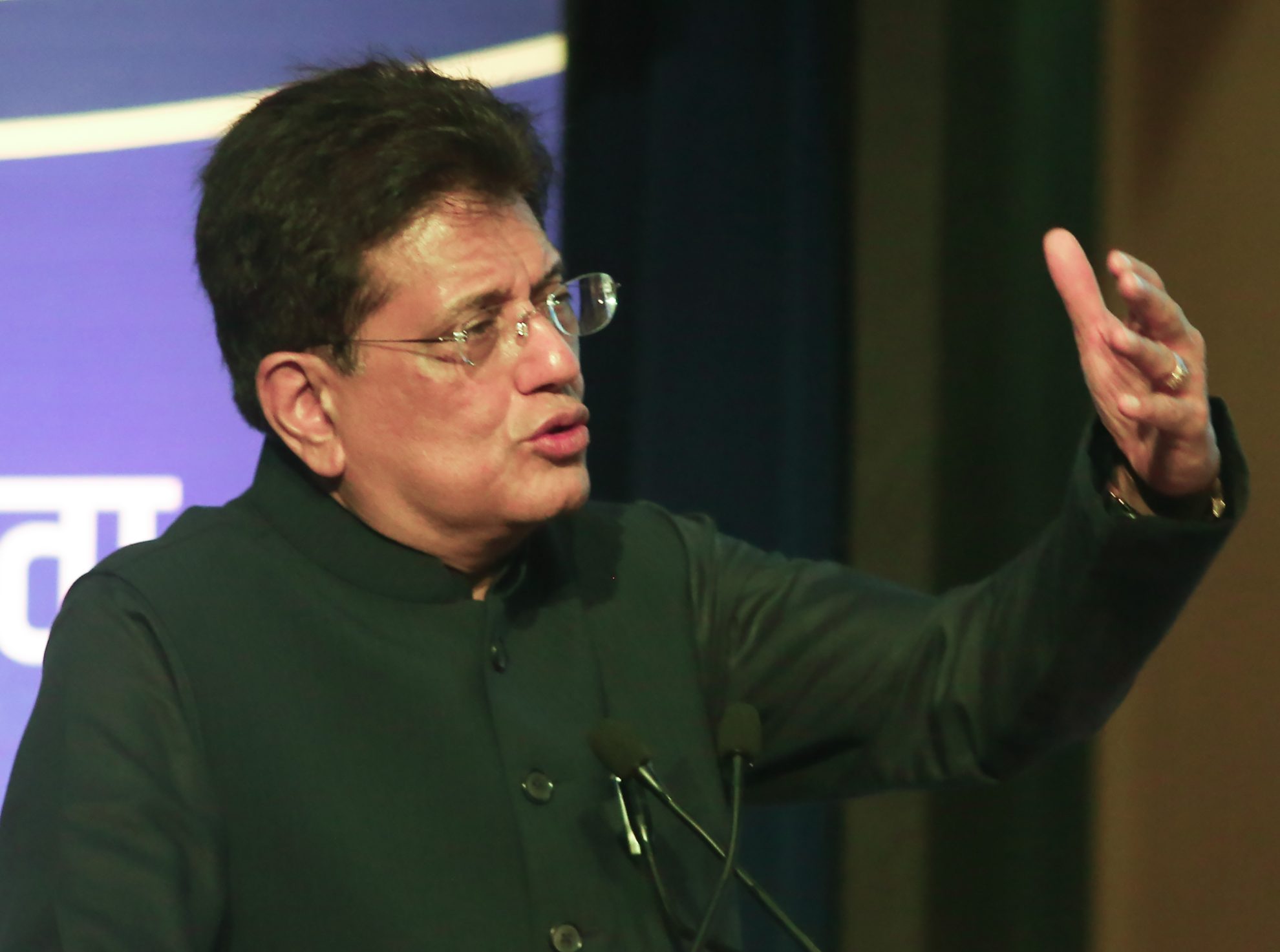
- Union Minister of Commerce and Industry Piyush Goyal launched the National Strategic Trade Command Centre (NSTCC) at Vanijya Bhawan, New Delhi.
- Developed by the Department of Commerce, Ministry of Commerce and Industry, the initiative aims to strengthen India's international trade monitoring, trade intelligence and data-driven policymaking.
- The launch was attended by Commerce Secretary Rajesh Agrawal and Director General of Foreign Trade Lav Agarwal.
National Strategic Trade Command Centre (NSTCC)?
- Objective: Provide a unified digital platform for monitoring trade performance, export promotion schemes, regulatory approvals and operational efficiency.
- Functions:
- Integrated Monitoring: Track trade trends, pending applications, processing timelines and emerging risks.
- Performance Assessment: Evaluate export schemes, Regional Authorities and trade facilitation processes.
- Evidence-Based Policymaking: Identify procedural bottlenecks, export opportunities and areas requiring policy intervention.
- Digital Infrastructure: Integrates existing DGFT systems and Trade Connect ePlatform with interactive analytics dashboards.
- Future Expansion: Phased access for ministries, State Governments, Export Promotion Councils and other institutions, supported by automated alerts and advanced analytics.
Areas Covered by NSTCC
- Importer Exporter Code (IEC): Registration and identification of importers and exporters.
- Advance Authorisation: Duty-free imports of inputs used in export production.
- Export Promotion Capital Goods (EPCG): Facilitates duty-free imports of capital goods, subject to export obligations.
- Certificate of Origin (CoO): Certifies the origin of exported goods for trade benefits.
- SCOMET: Monitors export licensing of sensitive and dual-use goods and technologies.
- Restricted Imports and Exports: Tracks regulatory approvals and compliance.
Additional Info
- SCOMET:
- Full Form: Special Chemicals, Organisms, Materials, Equipment and Technologies.
- Covers sensitive and dual-use items with both civilian and military applications.
- Piyush Goyal called for regular, potentially weekly, Inter-Ministerial Committee meetings to clear pending SCOMET applications.
- Directorate General of Foreign Trade (DGFT):
- An attached office of the Department of Commerce, Ministry of Commerce and Industry.
- Responsible for implementing India's Foreign Trade Policy.
- Functions under the Foreign Trade (Development and Regulation) Act, 1992.
- Trade Connect ePlatform:
- Launched in 2024 to provide trade-related information and services to exporters, particularly MSMEs.
- Supports exporters in accessing global markets and trade facilitation services.
Sources
International Day of the Snow Leopard 2026 Observed on 23 October

What’s the News?
- International Day of the Snow Leopard was observed on 23 October 2026 to raise awareness about snow leopard conservation and the protection of high-altitude mountain ecosystems.
- The United Nations General Assembly (UNGA) officially proclaimed the day through Resolution A/RES/79/143 in December 2024.
- The observance promotes international cooperation among 12 snow leopard range countries, including India, to protect the species and its natural habitat.
International Day of the Snow Leopard?
- Observed: 23 October annually.
- First UN Observance: 2025.
- Proclaimed By: United Nations General Assembly (UNGA).
- Facilitated By: United Nations Environment Programme (UNEP).
- Objectives:
- Protect snow leopards and fragile mountain ecosystems.
- Address habitat loss, poaching, climate change and human-wildlife conflict.
- Strengthen cross-border conservation and biodiversity protection.
About Snow Leopard
- Scientific Name: Panthera uncia.
- Family: Felidae.
- Common Name: Ghost of the Mountains.
- Habitat: High-altitude Himalayan and Central Asian mountain ecosystems.
- Distribution: Found in 12 countries across Central and South Asia.
- Ecological Role: An apex predator regulating populations of wild herbivores such as blue sheep and ibex.
- Conservation Status:
- IUCN Red List: Vulnerable.
- CITES: Appendix I.
- CMS: Appendix I.
- Wildlife (Protection) Act, 1972: Schedule I.
Snow Leopard Population in India
- India's first Snow Leopard Population Assessment in India (SPAI) estimated 718 snow leopards, with findings released in 2024.
- State/UT-wise Population:
| State/UT | Estimated Population |
|---|---|
| Ladakh | 477 |
| Uttarakhand | 124 |
| Himachal Pradesh | 51 |
| Arunachal Pradesh | 36 |
| Sikkim | 21 |
| Jammu & Kashmir | 9 |
| Total | 718 |
- Survey Coverage: Approximately 1,20,000 sq. km, covering over 70% of India's potential snow leopard habitat.
- SPAI 2.0: Launched during Wildlife Week 2025 to strengthen population monitoring and conservation planning.
Additional Info
- Project Snow Leopard:
- Launched: 2009.
- Nodal Ministry: Ministry of Environment, Forest and Climate Change (MoEFCC).
- Objective: Landscape-based conservation of snow leopards and high-altitude ecosystems through community participation.
- Global Snow Leopard and Ecosystem Protection Programme (GSLEP):
- Launched: 2013.
- Brings together 12 snow leopard range countries for coordinated conservation.
- International Big Cat Alliance (IBCA):
- Launched by India in 2023.
- Focuses on conserving seven big cat species, including snow leopards.
- State Animal: Snow leopard is the State Animal of Ladakh.
Sources
PHP2Shell Vulnerabilities Trigger Global Cybersecurity Alerts

What’s the News?
- Two critical security vulnerabilities, collectively known as PHP2Shell, have triggered global cybersecurity alerts, potentially exposing millions of websites and internet-facing services.
- Identified as CVE-2026-109618 and CVE-2026-109619, the flaws allow hackers to execute malicious code remotely without authentication.
- The PHP Foundation has released emergency security updates, while cybersecurity agencies, including India's CERT-In, have advised organisations to patch vulnerable systems immediately.
PHP2Shell Vulnerabilities?
- Affected Technology: PHP (Hypertext Preprocessor), an open-source, server-side scripting language widely used in web development.
- Vulnerability Identifiers:
- CVE-2026-109618: Memory corruption caused by improper handling of out-of-memory conditions.
- CVE-2026-109619: Improper management of internal memory references, resulting in use-after-free vulnerabilities.
- Severity: Both vulnerabilities received a CVSS v4.0 score of 9.2/10 (Critical).
- Impacts:
- Unauthenticated Remote Code Execution (RCE).
- Theft of passwords, authentication tokens and API keys.
- Unauthorised access to web servers and sensitive information.
- Affected Platforms: PHP-based applications, including WordPress, Drupal, Joomla and Magento.
Global Cybersecurity Impact
- Censys Assessment: Approximately 3.67 crore internet-facing services were identified as reporting potentially affected PHP versions.
- Qualys Assessment:
- Identified 16.7 crore PHP package installations across its analysed environments.
- Around 73% of installations with known PHP versions were on internet-facing assets.
- Approximately 11 crore installations used unsupported PHP versions.
- India's Exposure:
- India ranked 9th globally, with approximately 53,400 internet-facing services displaying PHP information in a CloudSEK analysis.
- Around 36,100 of 36,700 Indian services disclosing PHP version details were identified as unpatched.
Security Measures
- Emergency Updates: The PHP Foundation released patched versions 8.2.35, 8.3.36, 8.4.27 and 8.5.12.
- Recommended Actions:
- Upgrade to supported PHP versions.
- Prioritise internet-facing web servers.
- Monitor system logs for suspicious activity.
- Restrict access to vulnerable services until remediation is completed.
- Unsupported Versions: PHP 8.1 and earlier versions require appropriate vendor-supported fixes or migration to supported releases.
Additional Info
- CERT-In (Indian Computer Emergency Response Team):
- Established: 2004.
- Nodal Ministry: Ministry of Electronics and Information Technology (MeitY).
- Designated as the national agency for responding to cybersecurity incidents under Section 70B of the Information Technology Act, 2000.
- CVE (Common Vulnerabilities and Exposures):
- A standardised identification system for publicly disclosed cybersecurity vulnerabilities.
- CVSS (Common Vulnerability Scoring System):
- An internationally recognised framework for assessing vulnerability severity.
- Uses a numerical score ranging from 0 to 10.
- Remote Code Execution (RCE):
- A security vulnerability enabling attackers to execute commands or malicious programs on a remote system.
Sources
Nepal Becomes First Beneficiary of Global Loss and Damage Fund
What’s the News?
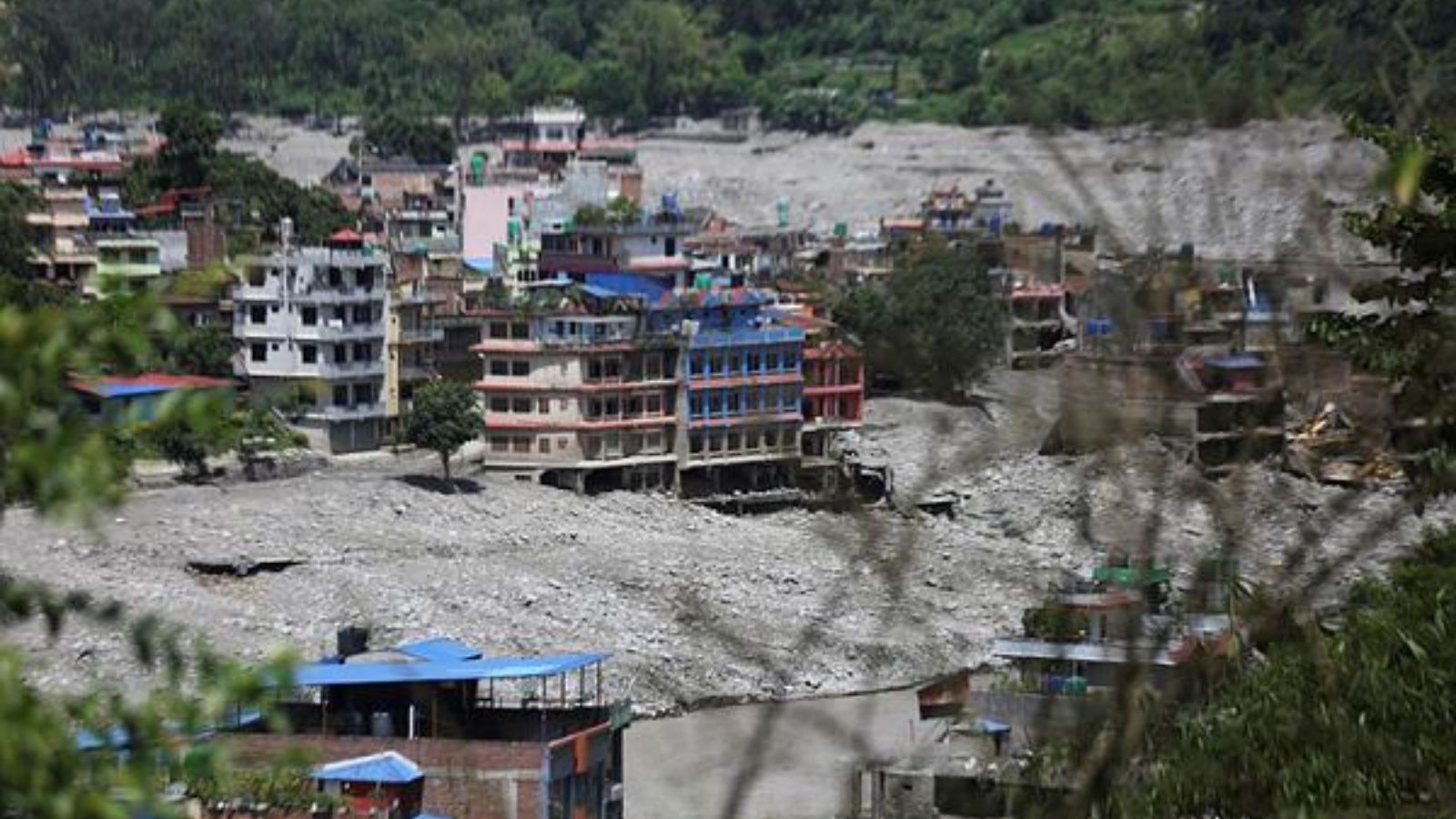
- Nepal has become the first country to receive a provisional funding allocation from the Fund for Responding to Loss and Damage (FRLD), established under the United Nations climate framework.
- The FRLD Board has earmarked US$20 million to support Nepal's recovery from devastating climate-induced flash floods.
- The decision marks the first country-specific allocation from the fund, although actual disbursement remains subject to further approval.
Nepal's Funding Allocation
- Funding Amount: US$20 million for recovery and reconstruction, plus US$1.6 million for oversight fees.
- Affected Region: Bhote Koshi and Trishuli river basins in Nepal.
- Cause: A climate-linked rock and ice avalanche triggered devastating flash floods.
- Impact:
- Over 60,000 people affected across approximately 15,000 households.
- Estimated economic damage: US$2.69 billion.
- Estimated recovery and reconstruction needs: US$4.71 billion.
- Funding Process:
- Nepal must submit a detailed project proposal for formal approval.
- The maximum funding permitted for a single request is US$20 million.
- The allocation represents less than 0.5% of Nepal's estimated reconstruction needs.
Fund for Responding to Loss and Damage (FRLD)?
- Established: COP27, Sharm El-Sheikh, Egypt (2022).
- Operationalised: COP28, Dubai, UAE (2023).
- Framework: United Nations Framework Convention on Climate Change (UNFCCC).
- Interim Host: World Bank.
- Objective: Provide financial assistance to vulnerable developing countries experiencing economic and non-economic losses from climate change.
- Features:
- Addresses climate impacts that cannot be avoided through mitigation or adaptation.
- Supports recovery from extreme weather events and slow-onset climate impacts.
- Funding contributions are primarily voluntary.
- Individual funding requests generally range from US$5 million to US$20 million.
- Funding Demand: The fund had received 176 requests from 119 countries, totalling approximately US$2.8 billion, by June 2026.
Additional Info
- Loss and Damage:
- Refers to climate-related harm resulting from extreme weather events, rising sea levels, glacier retreat and other climate impacts.
- Includes economic losses (infrastructure, crops and property) and non-economic losses (lives, cultural heritage and biodiversity).
- Glacial Lake Outburst Flood (GLOF):
- A sudden release of water from a glacial lake due to the failure of an ice or moraine dam.
- Glacier retreat, avalanches and landslides can increase GLOF risks in Himalayan regions.
- Climate Finance:
- Mitigation: Reducing greenhouse gas emissions.
- Adaptation: Adjusting to existing or anticipated climate impacts.
- Loss and Damage: Addressing climate-related losses that occur despite mitigation and adaptation efforts.
Sources
October 2026
28 October 202627 October 202626 October 202624 October 202623 October 202622 October 202621 October 202620 October 202619 October 202617 October 202616 October 202615 October 202614 October 202613 October 202612 October 202610 October 202609 October 202608 October 202607 October 202606 October 202605 October 202603 October 202602 October 202601 October 2026
Archive
October 2026
- 28 October 2026
- 27 October 2026
- 26 October 2026
- 24 October 2026
- 23 October 2026
- 22 October 2026
- 21 October 2026
- 20 October 2026
- 19 October 2026
- 17 October 2026
- 16 October 2026
- 15 October 2026
- 14 October 2026
- 13 October 2026
- 12 October 2026
- 10 October 2026
- 09 October 2026
- 08 October 2026
- 07 October 2026
- 06 October 2026
- 05 October 2026
- 03 October 2026
- 02 October 2026
- 01 October 2026
September 2026
- 30 September 2026
- 29 September 2026
- 28 September 2026
- 26 September 2026
- 25 September 2026
- 24 September 2026
- 23 September 2026
- 22 September 2026
- 21 September 2026
- 19 September 2026
- 18 September 2026
- 17 September 2026
- 16 September 2026
- 15 September 2026
- 12 September 2026
- 11 September 2026
- 10 September 2026
- 09 September 2026
- 08 September 2026
- 07 September 2026
- 05 September 2026
- 04 September 2026
- 03 September 2026
- 02 September 2026
- 01 September 2026
August 2026
- 31 August 2026
- 29 August 2026
- 27 August 2026
- 26 August 2026
- 25 August 2026
- 24 August 2026
- 22 August 2026
- 21 August 2026
- 20 August 2026
- 19 August 2026
- 18 August 2026
- 17 August 2026
- 14 August 2026
- 13 August 2026
- 12 August 2026
- 11 August 2026
- 10 August 2026
- 08 August 2026
- 07 August 2026
- 06 August 2026
- 05 August 2026
- 04 August 2026
- 03 August 2026
- 01 August 2026
July 2026
- 31 July 2026
- 30 July 2026
- 29 July 2026
- 28 July 2026
- 27 July 2026
- 25 July 2026
- 23 July 2026
- 22 July 2026
- 21 July 2026
- 20 July 2026
- 18 July 2026
- 17 July 2026
- 15 July 2026
- 14 July 2026
- 13 July 2026
- 11 July 2026
- 10 July 2026
- 09 July 2026
- 08 July 2026
- 07 July 2026
- 06 July 2026
- 04 July 2026
- 03 July 2026
- 02 July 2026
- 01 July 2026
June 2026
May 2026
April 2026
March 2026
- 31 March 2026
- 30 March 2026
- 28 March 2026
- 27 March 2026
- 26 March 2026
- 25 March 2026
- 24 March 2026
- 23 March 2026
- 21 March 2026
- 20 March 2026
- 19 March 2026
- 18 March 2026
- 17 March 2026
- 16 March 2026
- 14 March 2026
- 13 March 2026
- 12 March 2026
- 11 March 2026
- 10 March 2026
- 09 March 2026
- 07 March 2026
- 06 March 2026
- 05 March 2026
- 03 March 2026
- 02 March 2026
February 2026
- 28 February 2026
- 27 February 2026
- 26 February 2026
- 25 February 2026
- 24 February 2026
- 23 February 2026
- 21 February 2026
- 20 February 2026
- 19 February 2026
- 18 February 2026
- 17 February 2026
- 16 February 2026
- 13 February 2026
- 12 February 2026
- 11 February 2026
- 10 February 2026
- 09 February 2026
- 07 February 2026
- 06 February 2026
- 05 February 2026
- 04 February 2026
- 03 February 2026
- 02 February 2026
January 2026
- 31 January 2026
- 30 January 2026
- 29 January 2026
- 28 January 2026
- 27 January 2026
- 26 January 2026
- 24 January 2026
- 23 January 2026
- 22 January 2026
- 21 January 2026
- 20 January 2026
- 19 January 2026
- 16 January 2026
- 15 January 2026
- 14 January 2026
- 13 January 2026
- 12 January 2026
- 10 January 2026
- 09 January 2026
- 08 January 2026
- 07 January 2026
- 06 January 2026
- 05 January 2026
- 03 January 2026
- 02 January 2026
- 01 January 2026
December 2025
- 31 December 2025
- 30 December 2025
- 29 December 2025
- 27 December 2025
- 26 December 2025
- 24 December 2025
- 23 December 2025
- 22 December 2025
- 20 December 2025
- 19 December 2025
- 18 December 2025
- 17 December 2025
- 16 December 2025
- 15 December 2025
- 13 December 2025
- 12 December 2025
- 11 December 2025
- 10 December 2025
- 09 December 2025
- 08 December 2025
- 05 December 2025
- 04 December 2025
- 03 December 2025
- 02 December 2025
November 2025
- 29 November 2025
- 28 November 2025
- 27 November 2025
- 26 November 2025
- 25 November 2025
- 24 November 2025
- 22 November 2025
- 21 November 2025
- 20 November 2025
- 19 November 2025
- 18 November 2025
- 17 November 2025
- 15 November 2025
- 14 November 2025
- 13 November 2025
- 12 November 2025
- 11 November 2025
- 10 November 2025
- 08 November 2025
- 07 November 2025
- 06 November 2025
- 05 November 2025
- 04 November 2025
- 03 November 2025
- 01 November 2025
October 2025
- 31 October 2025
- 30 October 2025
- 29 October 2025
- 28 October 2025
- 27 October 2025
- 25 October 2025
- 24 October 2025
- 23 October 2025
- 22 October 2025
- 21 October 2025
- 20 October 2025
- 18 October 2025
- 17 October 2025
- 16 October 2025
- 15 October 2025
- 14 October 2025
- 13 October 2025
- 11 October 2025
- 10 October 2025
- 09 October 2025
- 08 October 2025
- 07 October 2025
- 06 October 2025
- 04 October 2025
- 03 October 2025
- 02 October 2025
- 01 October 2025
September 2025
- 30 September 2025
- 29 September 2025
- 27 September 2025
- 26 September 2025
- 25 September 2025
- 24 September 2025
- 23 September 2025
- 22 September 2025
- 20 September 2025
- 19 September 2025
- 18 September 2025
- 17 September 2025
- 16 September 2025
- 15 September 2025
- 13 September 2025
- 12 September 2025
- 11 September 2025
- 10 September 2025
- 09 September 2025
- 08 September 2025
- 06 September 2025
- 05 September 2025
- 04 September 2025
- 03 September 2025
- 02 September 2025
- 01 September 2025
August 2025
- 30 August 2025
- 29 August 2025
- 28 August 2025
- 27 August 2025
- 26 August 2025
- 25 August 2025
- 23 August 2025
- 22 August 2025
- 21 August 2025
- 20 August 2025
- 19 August 2025
- 18 August 2025
- 16 August 2025
- 14 August 2025
- 13 August 2025
- 12 August 2025
- 11 August 2025
- 08 August 2025
- 07 August 2025
- 06 August 2025
- 05 August 2025
- 04 August 2025
- 02 August 2025
- 01 August 2025
July 2025
- 31 July 2025
- 30 July 2025
- 29 July 2025
- 28 July 2025
- 26 July 2025
- 25 July 2025
- 24 July 2025
- 23 July 2025
- 22 July 2025
- 21 July 2025
- 19 July 2025
- 18 July 2025
- 17 July 2025
- 16 July 2025
- 15 July 2025
- 12 July 2025
- 11 July 2025
- 10 July 2025
- 09 July 2025
- 07 July 2025
- 05 July 2025
- 04 July 2025
- 03 July 2025
- 02 July 2025
- 01 July 2025
June 2025
- 30 June 2025
- 28 June 2025
- 27 June 2025
- 26 June 2025
- 25 June 2025
- 24 June 2025
- 23 June 2025
- 21 June 2025
- 20 June 2025
- 19 June 2025
- 18 June 2025
- 17 June 2025
- 16 June 2025
- 14 June 2025
- 13 June 2025
- 12 June 2025
- 11 June 2025
- 10 June 2025
- 09 June 2025
- 07 June 2025
- 06 June 2025
- 05 June 2025
- 04 June 2025
- 03 June 2025
- 02 June 2025
May 2025
April 2025
- 30 April 2025
- 29 April 2025
- 28 April 2025
- 26 April 2025
- 25 April 2025
- 24 April 2025
- 23 April 2025
- 22 April 2025
- 21 April 2025
- 19 April 2025
- 18 April 2025
- 17 April 2025
- 16 April 2025
- 15 April 2025
- 14 April 2025
- 12 April 2025
- 11 April 2025
- 10 April 2025
- 09 April 2025
- 08 April 2025
- 07 April 2025
- 05 April 2025
- 04 April 2025
- 03 April 2025
- 02 April 2025
- 01 April 2025
March 2025
- 31 March 2025
- 29 March 2025
- 28 March 2025
- 27 March 2025
- 26 March 2025
- 25 March 2025
- 24 March 2025
- 22 March 2025
- 21 March 2025
- 20 March 2025
- 19 March 2025
- 18 March 2025
- 17 March 2025
- 15 March 2025
- 13 March 2025
- 12 March 2025
- 11 March 2025
- 10 March 2025
- 08 March 2025
- 07 March 2025
- 06 March 2025
- 05 March 2025
- 04 March 2025
- 03 March 2025
- 01 March 2025
February 2025
- 28 February 2025
- 27 February 2025
- 26 February 2025
- 25 February 2025
- 24 February 2025
- 22 February 2025
- 21 February 2025
- 20 February 2025
- 19 February 2025
- 18 February 2025
- 17 February 2025
- 15 February 2025
- 14 February 2025
- 13 February 2025
- 12 February 2025
- 11 February 2025
- 10 February 2025
- 08 February 2025
- 07 February 2025
- 06 February 2025
- 05 February 2025
- 04 February 2025
- 03 February 2025
- 01 February 2025
January 2025
- 31 January 2025
- 30 January 2025
- 29 January 2025
- 28 January 2025
- 27 January 2025
- 25 January 2025
- 24 January 2025
- 23 January 2025
- 22 January 2025
- 21 January 2025
- 20 January 2025
- 18 January 2025
- 17 January 2025
- 16 January 2025
- 15 January 2025
- 14 January 2025
- 13 January 2025
- 11 January 2025
- 10 January 2025
- 09 January 2025
- 08 January 2025
- 07 January 2025
- 06 January 2025
- 04 January 2025
- 03 January 2025
- 02 January 2025
- 01 January 2025