
Current Affairs
Stay updated with the latest national and international events.
23 January 2026
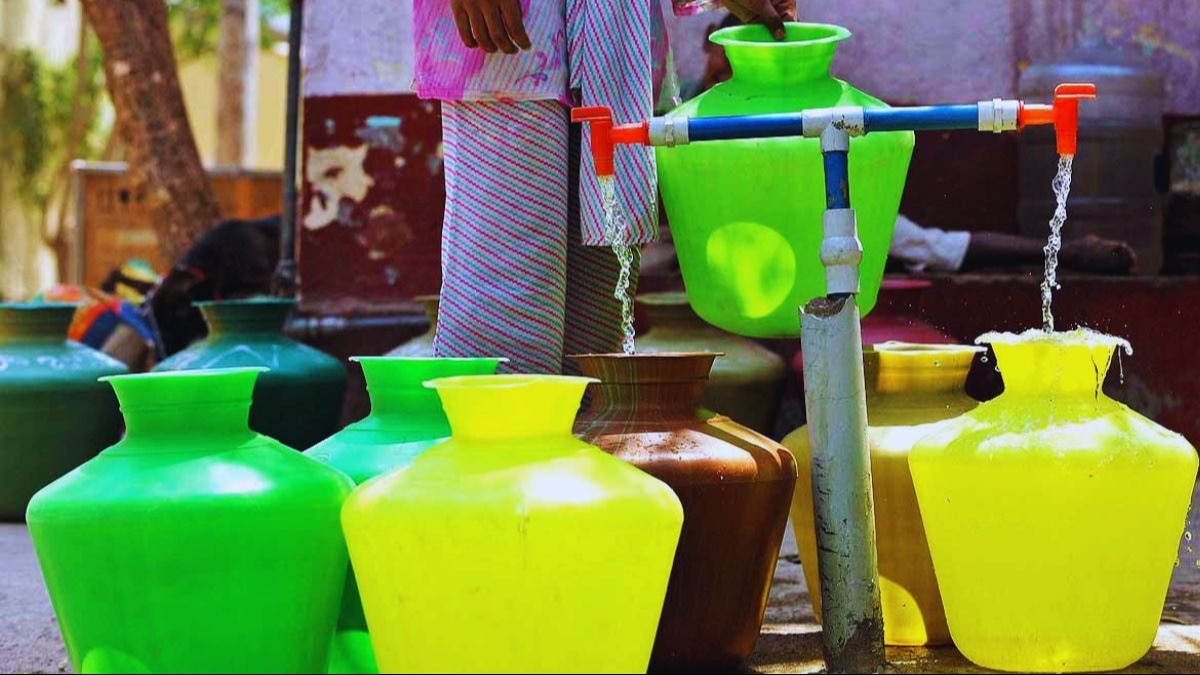
UN Declares Era of "Global Water Bankruptcy" in Landmark Report
What’s the News?
- The United Nations University Institute for Water, Environment and Health (UNU-INWEH) has released a flagship report titled "Global Water Bankruptcy: Living Beyond Our Hydrological Means in the Post-Crisis Era".
- The report formally declares that the world has moved past a temporary "water crisis" and entered a persistent state of global water bankruptcy.
- It highlights that human demand for water has fundamentally outpaced renewable supply, leading to the irreversible depletion of natural "water savings" like aquifers and glaciers.
What is "Global Water Bankruptcy"?
- Definition: A persistent post-crisis condition where long-term water use and pollution exceed renewable inflows and safe depletion limits.
- Irreversibility: Unlike "water stress" (reversible pressure) or "water crisis" (temporary shock), bankruptcy implies damage to natural capital—rivers, lakes, and wetlands—that cannot realistically be restored to previous levels.
- Structural Insolvency: Many regions are now drawing on water "savings" (groundwater) to fund daily "expenditure," a model the UN describes as hydrologically unsustainable.
Data and Indicators
- 75% of the global population lives in countries classified as water-insecure or critically water-insecure (as of 2026).
- 70% of global freshwater is used in agriculture, with 170 million hectares of irrigated cropland under high or very high water stress.
- 70% of major aquifers show long-term decline; some areas experience land subsidence up to 25 cm/year.
- 410 million hectares of natural wetlands lost since the 1970s—equivalent to the size of the European Union.
Major Drivers of Water Bankruptcy
- Slow-onset depletion: e.g., severe groundwater over-extraction in the Indo-Gangetic Plain.
- Infrastructure-driven overshoot: e.g., inter-basin transfers failing to prevent “Day Zero” scenarios in cities like Chennai.
- Ecological liquidation: e.g., degradation of urban wetlands in Bengaluru, reducing recharge and increasing flood risk.
- Climate-amplified overshoot: e.g., retreating Himalayan glaciers threatening dry-season flows in the Indus and Ganges basins.
- Institutional inertia: e.g., resistance to shifting crop patterns in water-scarce regions like Punjab and Haryana.
Relevance for India
- Groundwater Depletion: The Indo-Gangetic plain exhibits some of the highest rates of groundwater depletion globally due to intensive irrigation.
- Urban "Day Zero": Major Indian cities, including Chennai, Bengaluru, and parts of the National Capital Region (NCR), face recurring emergencies where municipal systems struggle to provide piped water.
- Himalayan Risk: Retreating Himalayan glaciers threaten the long-term reliability of the Indus and Brahmaputra-Ganges basins, which are critical for India's "breadbasket" states.
- NITI Aayog Context: Previous national assessments indicated that 600 million Indians face high to extreme water stress, with demand expected to outstrip supply by twofold by 2030.
Sources
India Unveils Military Quantum Mission Policy Framework for Future Warfare

What’s the News?
- Chief of Defence Staff (CDS) General Anil Chauhan released the Military Quantum Mission (MQM) Policy Framework in New Delhi on January 22, 2026.
- The framework serves as a strategic roadmap to integrate quantum technologies across the Tri-Services (Army, Navy, and Air Force) to prepare for future technology-centric battlefields.
- The launch event was attended by the Chiefs of the Army, Navy, and Air Force, signaling a unified military approach toward achieving technological supremacy.
Four Pillars of the Military Quantum Mission
The framework focuses on the systematic adoption of four essential domains of quantum technology:
- Quantum Communication: Focused on creating ultra-secure, unhackable communication channels using Quantum Key Distribution (QKD) to protect sensitive battlefield data and command-and-control links.
- Quantum Computing: Aims to leverage high-speed processing for complex simulations, advanced cryptanalysis (breaking adversary codes), and optimizing large-scale military logistics.
- Quantum Sensing & Metrology: Development of high-precision sensors for Positioning, Navigation, and Timing (PNT) in GPS-denied environments and advanced threat detection, such as spotting stealth vehicles or submarines.
- Quantum Materials & Devices: Focused on indigenous development of specialized hardware, including superconducting circuits and topological materials, to support next-generation sensors and electronics.
Objectives and Strategic Importance
- Battlefield Superiority: The mission aims to shift the military advantage from traditional platforms to superior information and decision speed.
- National Alignment: It aligns military requirements with the Cabinet-approved National Quantum Mission (NQM), ensuring the Armed Forces are core stakeholders in India’s broader quantum push.
- Civil-Military Fusion: The policy proposes dedicated governing bodies and collaboration with academia and the private deep-tech startup ecosystem to accelerate the "lab-to-field" transition.
- Atmanirbharta (Self-Reliance): By fostering indigenous research, the framework seeks to reduce dependency on foreign Original Equipment Manufacturers (OEMs) for critical security infrastructure.
Additional Info
- National Quantum Mission (NQM):
- Launched in 2023 with a total outlay of ₹6,003.65 crore for the period 2023–24 to 2030–31.
- Targets include developing intermediate-scale quantum computers with 50–1,000 physical qubits and establishing satellite-based secure communication over 2,000 km.
- OODA Loop: The framework aims to shorten the Observe-Orient-Decide-Act (OODA) cycle, giving commanders real-time actionable intelligence through quantum-accelerated data processing.
- Post-Quantum Cryptography (PQC): A critical focus area to transition military encryption to algorithms that remain secure even against future attacks by powerful quantum computers.
Sources
Parakram Diwas 2026: Commemorating Netaji Subhas Chandra Bose’s Legacy

What’s the News?
India observed Parakram Diwas on January 23, 2026, marking the 129th birth anniversary of Netaji Subhas Chandra Bose, a pivotal figure in India’s freedom struggle. The day honours his unwavering courage, revolutionary leadership, and contributions to national independence through events, educational programmes, and tributes across the country.
Why is it Called Parakram Diwas?
- In 2021, the Government of India officially declared January 23 as Parakram Diwas (Day of Valour) to institutionalize Netaji’s legacy and inspire citizens—especially youth—with values of bravery, discipline, and selfless service.
- The term Parakram reflects Netaji’s bold, action-oriented approach to achieving complete independence from British rule.
Key Facts About Netaji Subhas Chandra Bose
- Early Life: Born on January 23, 1897, in Cuttack, Odisha, to Janakinath Bose and Prabhavati Devi.
- Political Career:
- Qualified for the Indian Civil Service (ICS) in 1920 but resigned in 1921 to join the freedom struggle.
- Served as the President of the Indian National Congress at the Haripura Session (1938) and the Tripuri Session (1939).
- Formed the All India Forward Bloc in 1939 after resigning from the Congress presidency.
- The "Great Escape" & INA:
- Escaped from house arrest in Calcutta in 1941, traveling through Afghanistan to Germany and later to Japan.
- Took command of the Indian National Army (Azad Hind Fauj) in Singapore in 1943.
- Established the Provisional Government of Free India (Azad Hind Government) in October 1943.
- Famous Slogans: "Jai Hind," "Delhi Chalo," and "Give me blood, and I shall give you freedom".
Sources
Forest Fire Rages in Sikkim’s Pangolakha Wildlife Sanctuary

What’s the News?
- A major forest fire has been raging for several days in the Pangolakha Wildlife Sanctuary in the Pakyong district of East Sikkim.
- The fire broke out in the high-altitude areas of the sanctuary, specifically near the Indo-China border, posing a threat to the region's sensitive ecosystem.
- Rescue and containment operations are being led by the Sikkim Forest Department, with assistance from the Indian Army, Sikkim Police, and local volunteers.
- Heavy winds and the rugged, steep terrain at high altitudes (above 10,000 feet) have made it extremely difficult for ground teams to reach the active fire lines.
Factors Behind the Fire
- Prolonged dry weather: Unusually low winter precipitation and absence of snowfall have created highly flammable conditions across the Himalayan region.
- Fuel accumulation: Dry grass, leaf litter, and deadwood on forest floors act as ready fuel, enabling rapid fire spread from even minor ignition sources.
- Geographical constraints: Inaccessible slopes and high-altitude conditions limit mechanical and aerial firefighting options.
- Administrative restrictions: Parts of the sanctuary fall under Army jurisdiction, delaying civilian firefighting deployment.
Rising Forest Fire Incidents in India
- According to Forest Survey of India (FSI) data, states with highest fire alerts include:
- Uttarakhand: 1,756 alerts
- Maharashtra: 1,028 alerts
- Karnataka: 924 alerts
- Madhya Pradesh: 868 alerts
- Chhattisgarh: 862 alerts
- Himalayan states like Jammu & Kashmir, Himachal Pradesh, and Sikkim are increasingly vulnerable due to climate-induced dry winters and erratic snowfall patterns.
Pangolakha Wildlife Sanctuary
- Geographical Significance: It is the largest wildlife sanctuary in Sikkim, covering an area of approximately 128 square kilometers.
- Connectivity: It serves as a tri-junction between Sikkim (India), Bhutan, and Tibet (China), making it strategically and ecologically vital.
- Biodiversity:
- The sanctuary is a known habitat for the Red Panda (Sikkim's state animal).
- It features unique high-altitude lakes, including the famous Tsongmo (Changu) Lake in its vicinity.
- Climate Context: Forest fires in this region during January are relatively rare but are increasingly linked to prolonged dry spells and a lack of winter precipitation.
Sources
India Unveils Draft National Electricity Policy 2026 to Power "Viksit Bharat"
What’s the News?
- The Ministry of Power has released the Draft National Electricity Policy (NEP) 2026, providing a comprehensive roadmap to overhaul India’s power sector in alignment with the Viksit Bharat @2047 vision.
- Once finalized, the new policy will replace the nearly two-decade-old NEP 2005, reflecting modern shifts in technology, energy demand, and global climate priorities.
- The government has invited stakeholders and the public to submit comments and suggestions on the draft by February 19, 2026.
Objectives of NEP 2026
- Achieve per capita electricity consumption of 2,000 kWh by 2030 and over 4,000 kWh by 2047.
- Support India’s climate commitments: 45% reduction in emissions intensity (from 2005 levels) by 2030 and net-zero by 2070.
- Scale up nuclear capacity to 100 GWe by 2047—a more than tenfold increase from the current 8.8 GWe.
Nuclear Energy as a Strategic Pillar
- Promote Small Modular Reactors (SMRs) and Bharat Small Reactors for flexible, scalable deployment.
- Enable direct use of nuclear power by commercial and industrial consumers, including replacement of coal-based captive plants with nuclear alternatives.
- Facilitate repurposing of retired thermal plant sites for nuclear generation.
- Allow nuclear projects to access Green Bond financing under India’s sustainable finance framework.
- Align with the SHANTI Act, which opens the nuclear sector to private participation.
Tariff and Cross-Subsidy Reforms
- Introduce an index-linked automatic tariff revision mechanism: if state regulators fail to revise tariffs annually, tariffs will auto-adjust based on a pre-defined index.
- Exempt the following from cross-subsidy charges and surcharges when procuring power via open access:
- Manufacturing units
- Indian Railways
- Metro rail systems
- Aim: Reduce logistics and production costs, enhance export competitiveness, and lower urban commuting expenses.
Focus on Discom Financial Health
- Promote cost-reflective tariffs and timely cost pass-through to reduce revenue gaps.
- Target reduction in Aggregate Technical & Commercial (AT&C) losses through smart metering and infrastructure upgrades.
- Encourage multi-year tariff frameworks to provide predictability for investors and utilities.
Renewables and Grid Stability
- Continue support for renewable energy expansion via market mechanisms and captive solar/wind plants.
- Emphasize energy storage integration to manage variability from solar and wind sources.
- Explore two-part tariffs for nuclear plants to enable flexible operation alongside renewables.
Sources
January 2026
31 January 202630 January 202629 January 202628 January 202627 January 202626 January 202624 January 202623 January 202622 January 202621 January 202620 January 202619 January 202616 January 202615 January 202614 January 202613 January 202612 January 202610 January 202609 January 202608 January 202607 January 202606 January 202605 January 202603 January 202602 January 202601 January 2026
Archive
October 2026
- 27 October 2026
- 26 October 2026
- 24 October 2026
- 23 October 2026
- 22 October 2026
- 21 October 2026
- 20 October 2026
- 19 October 2026
- 17 October 2026
- 16 October 2026
- 15 October 2026
- 14 October 2026
- 13 October 2026
- 12 October 2026
- 10 October 2026
- 09 October 2026
- 08 October 2026
- 07 October 2026
- 06 October 2026
- 05 October 2026
- 03 October 2026
- 02 October 2026
- 01 October 2026
September 2026
- 30 September 2026
- 29 September 2026
- 28 September 2026
- 26 September 2026
- 25 September 2026
- 24 September 2026
- 23 September 2026
- 22 September 2026
- 21 September 2026
- 19 September 2026
- 18 September 2026
- 17 September 2026
- 16 September 2026
- 15 September 2026
- 12 September 2026
- 11 September 2026
- 10 September 2026
- 09 September 2026
- 08 September 2026
- 07 September 2026
- 05 September 2026
- 04 September 2026
- 03 September 2026
- 02 September 2026
- 01 September 2026
August 2026
- 31 August 2026
- 29 August 2026
- 27 August 2026
- 26 August 2026
- 25 August 2026
- 24 August 2026
- 22 August 2026
- 21 August 2026
- 20 August 2026
- 19 August 2026
- 18 August 2026
- 17 August 2026
- 14 August 2026
- 13 August 2026
- 12 August 2026
- 11 August 2026
- 10 August 2026
- 08 August 2026
- 07 August 2026
- 06 August 2026
- 05 August 2026
- 04 August 2026
- 03 August 2026
- 01 August 2026
July 2026
- 31 July 2026
- 30 July 2026
- 29 July 2026
- 28 July 2026
- 27 July 2026
- 25 July 2026
- 23 July 2026
- 22 July 2026
- 21 July 2026
- 20 July 2026
- 18 July 2026
- 17 July 2026
- 15 July 2026
- 14 July 2026
- 13 July 2026
- 11 July 2026
- 10 July 2026
- 09 July 2026
- 08 July 2026
- 07 July 2026
- 06 July 2026
- 04 July 2026
- 03 July 2026
- 02 July 2026
- 01 July 2026
June 2026
May 2026
April 2026
March 2026
- 31 March 2026
- 30 March 2026
- 28 March 2026
- 27 March 2026
- 26 March 2026
- 25 March 2026
- 24 March 2026
- 23 March 2026
- 21 March 2026
- 20 March 2026
- 19 March 2026
- 18 March 2026
- 17 March 2026
- 16 March 2026
- 14 March 2026
- 13 March 2026
- 12 March 2026
- 11 March 2026
- 10 March 2026
- 09 March 2026
- 07 March 2026
- 06 March 2026
- 05 March 2026
- 03 March 2026
- 02 March 2026
February 2026
- 28 February 2026
- 27 February 2026
- 26 February 2026
- 25 February 2026
- 24 February 2026
- 23 February 2026
- 21 February 2026
- 20 February 2026
- 19 February 2026
- 18 February 2026
- 17 February 2026
- 16 February 2026
- 13 February 2026
- 12 February 2026
- 11 February 2026
- 10 February 2026
- 09 February 2026
- 07 February 2026
- 06 February 2026
- 05 February 2026
- 04 February 2026
- 03 February 2026
- 02 February 2026
January 2026
- 31 January 2026
- 30 January 2026
- 29 January 2026
- 28 January 2026
- 27 January 2026
- 26 January 2026
- 24 January 2026
- 23 January 2026
- 22 January 2026
- 21 January 2026
- 20 January 2026
- 19 January 2026
- 16 January 2026
- 15 January 2026
- 14 January 2026
- 13 January 2026
- 12 January 2026
- 10 January 2026
- 09 January 2026
- 08 January 2026
- 07 January 2026
- 06 January 2026
- 05 January 2026
- 03 January 2026
- 02 January 2026
- 01 January 2026
December 2025
- 31 December 2025
- 30 December 2025
- 29 December 2025
- 27 December 2025
- 26 December 2025
- 24 December 2025
- 23 December 2025
- 22 December 2025
- 20 December 2025
- 19 December 2025
- 18 December 2025
- 17 December 2025
- 16 December 2025
- 15 December 2025
- 13 December 2025
- 12 December 2025
- 11 December 2025
- 10 December 2025
- 09 December 2025
- 08 December 2025
- 05 December 2025
- 04 December 2025
- 03 December 2025
- 02 December 2025
November 2025
- 29 November 2025
- 28 November 2025
- 27 November 2025
- 26 November 2025
- 25 November 2025
- 24 November 2025
- 22 November 2025
- 21 November 2025
- 20 November 2025
- 19 November 2025
- 18 November 2025
- 17 November 2025
- 15 November 2025
- 14 November 2025
- 13 November 2025
- 12 November 2025
- 11 November 2025
- 10 November 2025
- 08 November 2025
- 07 November 2025
- 06 November 2025
- 05 November 2025
- 04 November 2025
- 03 November 2025
- 01 November 2025
October 2025
- 31 October 2025
- 30 October 2025
- 29 October 2025
- 28 October 2025
- 27 October 2025
- 25 October 2025
- 24 October 2025
- 23 October 2025
- 22 October 2025
- 21 October 2025
- 20 October 2025
- 18 October 2025
- 17 October 2025
- 16 October 2025
- 15 October 2025
- 14 October 2025
- 13 October 2025
- 11 October 2025
- 10 October 2025
- 09 October 2025
- 08 October 2025
- 07 October 2025
- 06 October 2025
- 04 October 2025
- 03 October 2025
- 02 October 2025
- 01 October 2025
September 2025
- 30 September 2025
- 29 September 2025
- 27 September 2025
- 26 September 2025
- 25 September 2025
- 24 September 2025
- 23 September 2025
- 22 September 2025
- 20 September 2025
- 19 September 2025
- 18 September 2025
- 17 September 2025
- 16 September 2025
- 15 September 2025
- 13 September 2025
- 12 September 2025
- 11 September 2025
- 10 September 2025
- 09 September 2025
- 08 September 2025
- 06 September 2025
- 05 September 2025
- 04 September 2025
- 03 September 2025
- 02 September 2025
- 01 September 2025
August 2025
- 30 August 2025
- 29 August 2025
- 28 August 2025
- 27 August 2025
- 26 August 2025
- 25 August 2025
- 23 August 2025
- 22 August 2025
- 21 August 2025
- 20 August 2025
- 19 August 2025
- 18 August 2025
- 16 August 2025
- 14 August 2025
- 13 August 2025
- 12 August 2025
- 11 August 2025
- 08 August 2025
- 07 August 2025
- 06 August 2025
- 05 August 2025
- 04 August 2025
- 02 August 2025
- 01 August 2025
July 2025
- 31 July 2025
- 30 July 2025
- 29 July 2025
- 28 July 2025
- 26 July 2025
- 25 July 2025
- 24 July 2025
- 23 July 2025
- 22 July 2025
- 21 July 2025
- 19 July 2025
- 18 July 2025
- 17 July 2025
- 16 July 2025
- 15 July 2025
- 12 July 2025
- 11 July 2025
- 10 July 2025
- 09 July 2025
- 07 July 2025
- 05 July 2025
- 04 July 2025
- 03 July 2025
- 02 July 2025
- 01 July 2025
June 2025
- 30 June 2025
- 28 June 2025
- 27 June 2025
- 26 June 2025
- 25 June 2025
- 24 June 2025
- 23 June 2025
- 21 June 2025
- 20 June 2025
- 19 June 2025
- 18 June 2025
- 17 June 2025
- 16 June 2025
- 14 June 2025
- 13 June 2025
- 12 June 2025
- 11 June 2025
- 10 June 2025
- 09 June 2025
- 07 June 2025
- 06 June 2025
- 05 June 2025
- 04 June 2025
- 03 June 2025
- 02 June 2025
May 2025
April 2025
- 30 April 2025
- 29 April 2025
- 28 April 2025
- 26 April 2025
- 25 April 2025
- 24 April 2025
- 23 April 2025
- 22 April 2025
- 21 April 2025
- 19 April 2025
- 18 April 2025
- 17 April 2025
- 16 April 2025
- 15 April 2025
- 14 April 2025
- 12 April 2025
- 11 April 2025
- 10 April 2025
- 09 April 2025
- 08 April 2025
- 07 April 2025
- 05 April 2025
- 04 April 2025
- 03 April 2025
- 02 April 2025
- 01 April 2025
March 2025
- 31 March 2025
- 29 March 2025
- 28 March 2025
- 27 March 2025
- 26 March 2025
- 25 March 2025
- 24 March 2025
- 22 March 2025
- 21 March 2025
- 20 March 2025
- 19 March 2025
- 18 March 2025
- 17 March 2025
- 15 March 2025
- 13 March 2025
- 12 March 2025
- 11 March 2025
- 10 March 2025
- 08 March 2025
- 07 March 2025
- 06 March 2025
- 05 March 2025
- 04 March 2025
- 03 March 2025
- 01 March 2025
February 2025
- 28 February 2025
- 27 February 2025
- 26 February 2025
- 25 February 2025
- 24 February 2025
- 22 February 2025
- 21 February 2025
- 20 February 2025
- 19 February 2025
- 18 February 2025
- 17 February 2025
- 15 February 2025
- 14 February 2025
- 13 February 2025
- 12 February 2025
- 11 February 2025
- 10 February 2025
- 08 February 2025
- 07 February 2025
- 06 February 2025
- 05 February 2025
- 04 February 2025
- 03 February 2025
- 01 February 2025
January 2025
- 31 January 2025
- 30 January 2025
- 29 January 2025
- 28 January 2025
- 27 January 2025
- 25 January 2025
- 24 January 2025
- 23 January 2025
- 22 January 2025
- 21 January 2025
- 20 January 2025
- 18 January 2025
- 17 January 2025
- 16 January 2025
- 15 January 2025
- 14 January 2025
- 13 January 2025
- 11 January 2025
- 10 January 2025
- 09 January 2025
- 08 January 2025
- 07 January 2025
- 06 January 2025
- 04 January 2025
- 03 January 2025
- 02 January 2025
- 01 January 2025