
Current Affairs
Stay updated with the latest national and international events.
22 June 2026
World Bank Approves $1.5 Billion Financing for Job Creation and Economic Growth in India

What’s the News?
The World Bank has approved a $1.5 billion financing package to support India's structural reform agenda under the Boosting Job Creation in the Private Sector Development Policy Financing (DPF) Operation. The initiative aims to accelerate private sector-led job creation, strengthen economic growth, improve labour market outcomes, and support reforms that enhance the business environment. The programme is expected to help create employment opportunities for the nearly 11 million youth entering India's labour market annually over the coming decades.
Boosting Job Creation DPF Operation
The Development Policy Financing (DPF) operation seeks to support policy and institutional reforms that:
- Increase private sector investment.
- Improve labour market efficiency.
- Expand employment opportunities, especially for youth and women.
- Promote sustainable economic growth.
- Enhance India's competitiveness and productivity.
Features
- Financing Amount: US$1.5 billion
- Implementing Framework: Development Policy Financing (DPF)
- Focus: Private sector-led employment generation
- Target Group: Youth entering the labour market and job-seeking workforce.
- Approach: Supports policy reforms rather than financing a single infrastructure project.
Why is the Financing Important?
Employment Challenge
- Around 11 million young people are expected to enter India's labour market every year over the next two decades.
- Sustained economic growth requires large-scale job creation beyond the public sector.
- The private sector is expected to play a central role in generating productive and formal employment opportunities.
Economic Impact
The reform package aims to:
- Improve the investment climate.
- Reduce barriers for businesses.
- Encourage entrepreneurship and innovation.
- Increase formal employment opportunities.
- Strengthen India's long-term growth prospects.
Development Policy Financing (DPF)
What is DPF?
Development Policy Financing is a World Bank lending instrument that provides financial assistance to countries undertaking policy and institutional reforms.
Characteristics
- Supports policy actions and reforms.
- Funds are generally linked to reform milestones.
- Does not finance a specific construction or infrastructure project.
- Aims to improve governance, economic management, and development outcomes.
Additional Info
World Bank
- Established: 1944
- Headquarters: Washington, D.C., USA
- Origin: Created at the Bretton Woods Conference (1944) along with the International Monetary Fund (IMF).
- Purpose:
- Poverty reduction
- Economic development
- Infrastructure financing
- Policy reform support
- India is among the largest borrowers from the World Bank.
India–World Bank Partnership
- The India–World Bank Country Partnership Framework (FY26–FY31) prioritizes:
- Job-rich growth
- Private sector development
- Skill enhancement
- Youth employment
- Women's economic participation
- The broader partnership envisages substantial financing support for India's development priorities.
Labour Reforms Context
- India's Four Labour Codes were introduced to consolidate and simplify 29 central labour laws.
- The reforms seek to improve ease of doing business while enhancing labour welfare and formalization of employment.
Sources
Moody’s Flags Risks in India’s Water Management Framework

What’s the News?
Moody’s Ratings has warned that India’s fragmented and inflexible water management framework could increase fiscal and credit risks over time. The agency highlighted that water governance is spread across states, resulting in uneven policies, subsidised pricing, slow water reallocation, and delayed investments. According to Moody’s, growing water stress could lead to higher public expenditure, disruptions in agriculture and industry, and greater pressure on government finances.
Why is Moody’s Concerned?
Fragmented Governance
- Water governance in India is largely controlled by individual states.
- Policies, pricing mechanisms, and allocation frameworks vary significantly across regions.
- Lack of a coordinated national framework can delay responses during droughts and water shortages.
Structural Weaknesses Identified
Moody’s noted several challenges:
- Highly subsidised water pricing.
- Limited flexibility in reallocating water among sectors.
- Slow implementation of water infrastructure projects.
- Weak investment pathways for long-term water security.
- Growing competition for water among agriculture, industry, and urban areas.
Fiscal and Credit Risks
Impact on Government Finances
Water shortages may force governments to:
- Increase spending on drought relief and water supply schemes.
- Expand irrigation and storage infrastructure.
- Support affected agricultural communities.
- Invest in climate-resilient water systems.
Such expenditures can create sustained fiscal pressure on both state and central governments.
Impact on Credit Profile
Moody’s warned that prolonged water stress can result in:
- Higher industrial production costs.
- Disruptions in public services.
- Reduced agricultural output.
- Inflationary pressures, especially in food prices.
- Slower economic growth and increased credit risks.
Water Stress and Climate Change
Growing Vulnerability
India faces increasing water stress due to:
- Rising population and urbanisation.
- Expanding industrial demand.
- Dependence on monsoon rainfall.
- Climate change-induced droughts, floods, and heatwaves.
Moody’s has previously observed that declining per-capita water availability could adversely affect India’s economic growth and sovereign credit strength.
Economic Sectors at Risk
Water-intensive sectors particularly exposed include:
- Agriculture
- Thermal power generation
- Steel and manufacturing industries
- Urban water supply systems
Disruptions in these sectors can affect productivity, employment, and government revenues.
India’s Water Governance Framework
Constitutional Provisions
- Entry 17, State List (Seventh Schedule): Water supply, irrigation, canals, drainage, embankments, water storage and water power largely fall under state jurisdiction.
- Entry 56, Union List: Parliament can regulate and develop inter-state rivers and river valleys in the public interest.
This division often creates coordination challenges between states and the Centre.
Key Institutions
- Ministry of Jal Shakti
- Central Water Commission (CWC)
- Central Ground Water Board (CGWB)
- National Water Development Agency (NWDA)
Additional Info
National Water Policy, 2012
Objectives:
- Integrated Water Resources Management (IWRM).
- Efficient water use and conservation.
- Participatory irrigation management.
- Climate-resilient water planning.
- Protection of rivers, wetlands, and groundwater.
Jal Jeevan Mission (2019)
- Objective: Functional household tap water connection to every rural household.
- Nodal Ministry: Ministry of Jal Shakti.
Atal Bhujal Yojana
- Community-led groundwater management scheme.
- Focuses on water-stressed areas across selected states.
PM Krishi Sinchayee Yojana (PMKSY)
- Motto: “Har Khet Ko Pani”
- Aims to improve irrigation efficiency and water-use efficiency.
National Water Mission
- One of the eight missions under the National Action Plan on Climate Change (NAPCC).
- Target: Improve water-use efficiency and ensure integrated water resource management.
Sources
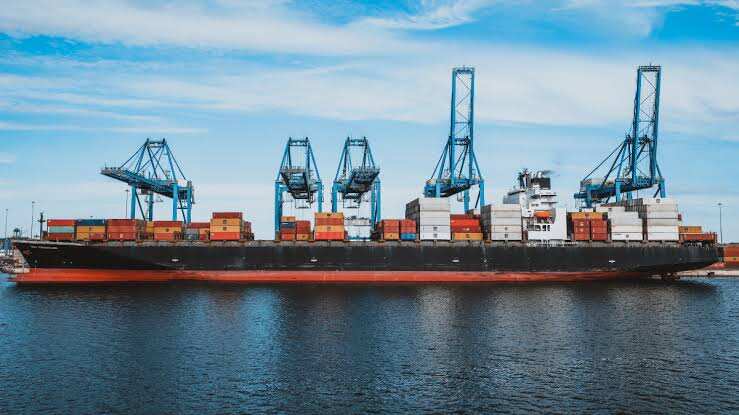
India Becomes the World’s Largest Ship Recycling Nation
What’s the News?
India has emerged as the world’s largest ship recycling nation, achieving a key target under Maritime India Vision (MIV) 2030 ahead of schedule. According to the latest data from the United Nations Conference on Trade and Development (UNCTAD), India's ship recycling volume rose significantly in 2025, enabling it to surpass other major ship-recycling countries and secure the top global position.
India’s Ship Recycling Milestone
Achievements
- India recycled 2.99 million Gross Tons (GT) of ships in 2025.
- Ship recycling volume increased by nearly 60% from 1.86 million GT in 2024.
- India's share of global ship recycling increased from 30.1% to 35.4% within a year.
- The achievement fulfills a major Maritime India Vision 2030 target several years ahead of schedule.
Why It Matters
- Strengthens India's position in the global maritime economy.
- Generates employment in recycling, steel processing, logistics, and allied sectors.
- Promotes circular economy practices through recovery and reuse of steel and equipment.
- Enhances India's role in sustainable maritime infrastructure.
Factors Behind the Success
Policy Measures
The government attributes the achievement to several reforms and initiatives:
- Ship-breaking Credit Note Scheme to incentivize domestic shipbuilding.
- Expansion and modernization of ship recycling facilities.
- Active stakeholder engagement with industry participants.
- Compliance with international environmental and safety standards.
- Inclusion of Indian recycling yards under the European Union Ship Recycling Regulation (EUSRR) framework.
Infrastructure Development
- Continuous modernization of recycling yards.
- Improved environmental safeguards and worker safety measures.
- Greater global acceptance of Indian recycling facilities.
Alang-Sosiya Ship Recycling Hub
India's Ship Recycling Backbone
The Alang-Sosiya Ship Recycling Yard in Gujarat remains the world's largest ship recycling cluster and accounts for nearly all of India's ship recycling activity. It possesses an annual recycling capacity of around 6 million gross tonnes.
Strategic Advantages
- Large tidal range facilitating beaching of vessels.
- Extensive downstream steel and recycling ecosystem.
- Established waste-management and dismantling infrastructure.
- Availability of skilled workforce.
Maritime India Vision (MIV) 2030
What is MIV 2030?
Maritime India Vision 2030 is the Government of India's long-term roadmap for transforming the maritime sector.
Targets
- Become a global leader in ship recycling.
- Enter the top ranks in global shipbuilding.
- Enhance port efficiency and logistics connectivity.
- Increase India's share in global maritime trade.
- Promote sustainable and green maritime practices.
Additional Info
Hong Kong International Convention for Ship Recycling
- Adopted by the International Maritime Organization (IMO) in 2009.
- Ensures safe and environmentally sound recycling of ships.
- Entered into force globally in 2025.
- India enacted the Recycling of Ships Act, 2019 and was among the early major ship-recycling nations to align with the Convention.
United Nations Conference on Trade and Development (UNCTAD)
- Established: 1964
- Headquarters: Geneva, Switzerland
- Mandate:
- Promote trade and development.
- Support developing countries in integrating into the global economy.
- Publish global maritime and shipping statistics.
Circular Economy Benefits of Ship Recycling
- Recovery of steel and non-ferrous metals.
- Reuse of machinery, equipment, and fittings.
- Reduction in demand for virgin raw materials.
- Lower carbon footprint compared to primary steel production.
Sources
I4C Warns Against Emerging ‘Boss Scam’ Cyber Fraud

What’s the News?
The Indian Cyber Crime Coordination Centre (I4C) under the Ministry of Home Affairs has issued an advisory warning citizens and businesses about an emerging cyber fraud known as the “Boss Scam” or CEO Impersonation Scam. In this scheme, cybercriminals impersonate senior executives, company heads, or regulatory officials through emails and messaging platforms and pressure employees into making urgent financial transfers or sharing sensitive information. The fraud primarily targets corporate organizations, especially finance and accounts departments.
What is the Boss Scam?
Modus Operandi
Cybercriminals typically:
- Impersonate CEOs, Managing Directors, CFOs, or senior officials.
- Use emails, WhatsApp messages, or compromised accounts.
- Create a sense of urgency and secrecy.
- Instruct employees to:
- Transfer funds immediately.
- Purchase gift cards or vouchers.
- Share confidential company information.
- Download files or click malicious links.
The scam exploits employees' trust in organizational hierarchy and fear of questioning senior authorities.
Advanced Techniques
According to I4C, fraudsters may:
- Pose as officials from regulatory bodies such as the RBI.
- Send malware-laden attachments.
- Compromise executives' devices and messaging accounts.
- Use hacked WhatsApp accounts to communicate with employees.
- Conduct highly targeted social-engineering attacks.
Why is it a Concern?
Impact on Organisations
The scam can lead to:
- High-value financial losses.
- Leakage of confidential corporate data.
- Malware infections within company networks.
- Reputational damage.
- Business disruption.
Finance and accounts departments are considered particularly vulnerable because they regularly handle payment authorizations.
Growing Trend
I4C observed an increasing number of such targeted attacks against corporate executives and organizations. Similar CEO impersonation scams globally have caused substantial financial losses by exploiting authority and urgency.
Preventive Measures Suggested by I4C
For Employees
- Verify financial requests through independent channels.
- Confirm instructions through a phone call or face-to-face communication.
- Be cautious of urgent requests demanding secrecy.
- Do not click suspicious links or open unknown attachments.
- Report suspicious communications immediately.
For Organisations
- Establish multi-level approval systems for financial transactions.
- Implement strong cybersecurity controls.
- Conduct regular employee awareness training.
- Use multi-factor authentication (MFA).
- Monitor executive accounts for suspicious activity.
Indian Cyber Crime Coordination Centre (I4C)
- Established by: Ministry of Home Affairs (MHA)
- Purpose: National coordination and response mechanism for cybercrime.
- Acts as the nodal agency for combating cybercrime in India.
Initiatives
- National Cyber Crime Reporting Portal
- Website: cybercrime.gov.in
- National Cyber Crime Helpline – 1930
- Cyber threat analytics and intelligence sharing.
- Cybercrime awareness campaigns through CyberDost.
Additional Info
Social Engineering Attack
A social engineering attack is a cybercrime technique that manipulates human psychology rather than exploiting technical vulnerabilities.
Common examples:
- Phishing
- Spear Phishing
- Vishing (Voice Phishing)
- Smishing (SMS Phishing)
- CEO/Boss Impersonation Scams
If You Become a Victim
- Immediately call 1930.
- Report the incident on the National Cyber Crime Reporting Portal.
- Inform the concerned bank or financial institution without delay.
Sources
Khurasani Imli of Mandu Receives Geographical Indication (GI) Tag

What’s the News?
Khurasani Imli, a unique fruit associated with the historic town of Mandu (Mandav) in Madhya Pradesh's Dhar district, has been granted the Geographical Indication (GI) Tag. The recognition provides legal protection to the product, strengthens its market identity, and is expected to boost the livelihoods of tribal communities engaged in its cultivation and trade. The GI tag also brings global attention to one of Mandu's lesser-known heritage products.
What is Khurasani Imli?
Unique Heritage Fruit
- Despite its name, Khurasani Imli is not tamarind (Imli).
- It is the fruit of the Baobab tree (Adansonia digitata), often called the "Tree of Life".
- The tree is native to Africa and is believed to have reached India centuries ago through trade links.
- Mandu hosts one of India's oldest and largest concentrations of Baobab trees.
Distinct Features
- Hard woody shell with dry, nutrient-rich pulp.
- Rich in:
- Vitamin C
- Calcium
- Potassium
- Dietary fibre
- Antioxidants
- Traditionally consumed as food and used in folk medicine.
Geographical Indication (GI) Tag
A Geographical Indication identifies goods originating from a specific region where a particular quality, reputation, or characteristic is essentially linked to that geographical origin.
Legal Framework
- Governed by the Geographical Indications of Goods (Registration and Protection) Act, 1999.
- GI Registry Headquarters: Chennai.
- Administered by the Department for Promotion of Industry and Internal Trade (DPIIT) under the Ministry of Commerce and Industry.
Benefits of GI Status
- Legal protection against unauthorized use.
- Enhanced market value and branding.
- Promotion of exports.
- Preservation of traditional knowledge and cultural heritage.
- Improved income opportunities for local producers.
Mandu: The Heritage Connection
- Mandu is located in Dhar district, Madhya Pradesh.
- Known for:
- Afghan architecture
- Medieval forts and palaces
- The romantic legacy of Baz Bahadur and Rani Roopmati
- Historically connected to trade routes that may have facilitated the introduction of Baobab trees into the region.
Additional Info
Baobab Tree (Adansonia digitata)
- Native Region: Sub-Saharan Africa.
- Family: Malvaceae.
- Lifespan: Can survive for more than 1,000 years.
- Known for:
- Massive trunk capable of storing large quantities of water.
- Exceptional drought resistance.
- High nutritional value of fruit pulp.
Geographical Indication vs Trademark
| GI Tag | Trademark |
|---|---|
| Linked to a geographical region | Linked to an individual/company |
| Collective right of producers | Private ownership |
| Indicates origin and unique characteristics | Identifies brand ownership |
| Cannot usually be transferred independently | Can be sold or licensed |
Notable GI-Tagged Products of Madhya Pradesh
- Chanderi Fabric
- Maheshwari Saree
- Ratlami Sev
- Kadaknath Chicken
- Bagh Prints
Sources
India Wins FIH Women’s Nations Cup 2026, Secures Promotion to Pro League

What’s the News?
The Indian Women’s Hockey Team won the FIH Women’s Nations Cup 2026 by defeating Ireland in the final, successfully defending its title and earning promotion to the next season of the FIH Hockey Pro League. The victory marks a significant achievement for Indian women's hockey, strengthening its position among the world's top teams and providing an opportunity to compete regularly against elite hockey nations.
FIH Women’s Nations Cup 2026
Tournament Overview
- Organized by the International Hockey Federation (FIH).
- Serves as the second-tier international tournament below the FIH Hockey Pro League.
- Features emerging and highly ranked teams competing for promotion.
India’s Performance
- India remained one of the strongest teams throughout the tournament.
- Defeated Ireland in the final to clinch the championship.
- Successfully defended the Nations Cup title won in the previous edition.
- Earned qualification for the upcoming FIH Hockey Pro League season.
Promotion to FIH Hockey Pro League
The FIH Hockey Pro League is the premier annual international hockey competition.
Benefits for India include:
- Regular matches against top-ranked hockey nations.
- Greater international exposure.
- Improved player development and competitive experience.
- Enhanced preparation for major tournaments such as:
- Hockey World Cup
- Olympic Games
- Asian Games
- Commonwealth Games
About FIH Hockey Pro League
- Launched by the International Hockey Federation (FIH) in 2019.
- Annual global league competition for top men's and women's national teams.
- Replaced the Hockey World League format.
International Hockey Federation (FIH)
- Full Name: Fédération Internationale de Hockey (FIH)
- Established: 1924
- Headquarters: Lausanne, Switzerland
- Governing body for international field hockey.
Sources
India Wins Gold in Women’s 4×100m Relay at Asian Relay Championships
What’s the News?
The Indian women’s team won the gold medal in the 4×100m relay at the Asian Relay Championships 2026, delivering an impressive performance against strong continental competition. The victory marked one of India’s most significant achievements in sprint relays and highlighted the growing strength of Indian athletics at the Asian level.
Women’s 4×100m Relay Gold
India’s Winning Performance
- The Indian quartet secured the gold medal in the women's 4×100m relay event.
- The team produced a strong finish and efficient baton exchanges throughout the race.
- The victory placed India at the top of the podium ahead of several established Asian sprinting nations.
Asian Relay Championships
- A continental athletics competition organized under the Asian Athletics Association (AAA).
- Brings together Asia’s leading relay teams.
- Serves as a qualification and preparation platform for global athletics competitions.
Additional Info
Athletics Federation of India (AFI)
- Established: 1946
- Headquarters: New Delhi
- Governing body for athletics in India.
- Affiliated with:
- World Athletics
- Asian Athletics Association
Asian Athletics Association (AAA)
- Governing body for athletics in Asia.
- Organizes:
- Asian Athletics Championships
- Asian Relay Championships
- Other continental athletics events.
Relay Race Basics
4×100m Relay
- Four athletes run 100 metres each.
- Baton exchanges occur within designated exchange zones.
- Smooth baton passing is often as important as raw sprinting speed.
Common Causes of Disqualification
- Baton exchange outside the exchange zone.
- Lane violations.
- Dropping the baton and failing to recover it properly.
Sources
Neeraj Chopra and Parul Chaudhary Named Athletes of the Year at Indian Athletics Awards 2025
What’s the News?
Olympic medalist Neeraj Chopra and long-distance runner Parul Chaudhary were honoured as the Best Male Athlete and Best Female Athlete respectively at the inaugural Indian Athletics Awards 2025. The awards, instituted by the Athletics Federation of India (AFI), recognize outstanding performances by Indian athletes across various categories.
Indian Athletics Awards 2025
Purpose of the Awards
The awards were launched to:
- Recognize excellence in Indian athletics.
- Encourage emerging talent.
- Celebrate achievements across track and field events.
- Promote athletics as a major competitive sport in India.
Major Winners
Best Male Athlete
- Neeraj Chopra
- Recognized for his consistent performances at international competitions and continued dominance in javelin throw.
Best Female Athlete
- Parul Chaudhary
- Honoured for her achievements in long-distance and steeplechase events at international championships.
Other Award Categories
Recognition Beyond Senior Athletes
The awards also recognized:
- Emerging athletes.
- Junior performers.
- Coaches and support staff.
- Outstanding contributors to Indian athletics.
Athletics Federation of India (AFI)
- Established: 1946
- Headquarters: New Delhi
- Governing body for athletics in India.
- Affiliated with:
- World Athletics
- Asian Athletics Association
Functions
- Selection of national athletics teams.
- Conduct of national championships.
- Development of athletes and coaches.
- Promotion of athletics across India.
Additional Info
Neeraj Chopra
- Event: Javelin Throw
- Olympic Gold Medal: Tokyo Olympics
- Olympic Silver Medal: Paris Olympics
- First Indian athlete to win an Olympic gold medal in track and field athletics.
Parul Chaudhary
- Specialization:
- 3000m Steeplechase
- 5000m
- Among India's leading distance runners in recent years.
World Athletics
- Former Name: International Association of Athletics Federations (IAAF)
- Headquarters: Monaco
- Governing body for global athletics competitions.
Sources
Keir Starmer Resigns as UK Prime Minister

What’s the News?
Keir Starmer has announced his resignation as the Prime Minister of the United Kingdom after less than two years in office. The decision came amid growing pressure within the ruling Labour Party, declining public support, electoral setbacks, and concerns over the party's future prospects. Starmer stated that an orderly leadership transition was necessary in the national interest.
Why Did Starmer Resign?
Political Pressure
Several factors contributed to the resignation:
- Falling approval ratings and declining voter confidence.
- Poor performance in local elections.
- Growing influence of Nigel Farage and the rise of Reform UK.
- Internal criticism from Labour MPs and cabinet members regarding leadership and communication.
Governance Challenges
Starmer's government faced criticism over:
- Economic management and cost-of-living concerns.
- Immigration and public service delivery.
- Policy reversals and leadership controversies.
- Internal party divisions and declining public trust.
What Happens Next?
Leadership Transition
- Starmer will remain in office during the transition period.
- Andy Burnham has emerged as the leading contender to succeed him.
- Senior Labour leaders have largely rallied behind Burnham, making him the likely next Labour leader and Prime Minister.
Political Significance
If Burnham assumes office:
- The UK will have had seven Prime Ministers in roughly a decade.
- The transition could reshape Labour's electoral strategy ahead of future elections.
- Opposition parties are demanding a fresh electoral mandate.
Keir Starmer: A Brief Overview
Political Career
- Leader of the Labour Party since 2020.
- Prime Minister since Labour's landslide victory in the 2024 General Election.
- Former Director of Public Prosecutions (DPP) of England and Wales.
- Knighted in 2014 for services to criminal justice.
Major Policies During Premiership
- Strengthening workers' rights.
- Establishment of Great British Energy.
- NHS reform initiatives.
- Support for Ukraine.
- Trade agreements with major economies, including India.
UK Prime Minister: Appointment Process
Constitutional Position
- The UK follows a Parliamentary System.
- The Prime Minister is usually the leader of the majority party in the House of Commons.
- Formally appointed by King Charles III.
No Automatic General Election
A Prime Minister's resignation does not automatically trigger a general election.
A new Prime Minister can be appointed if:
- The governing party elects a new leader.
- The new leader can command a majority in the House of Commons.
Additional Info
Labour Party
- Founded: 1900
- Ideology: Centre-left social democracy.
- Current Status: Governing party in the UK since the 2024 General Election.
Reform UK
- Led by Nigel Farage.
- Gained significant electoral support in recent local elections.
- Emerged as a major challenge to both Labour and Conservative parties.
UK Political System
- Constitutional Monarchy.
- Parliamentary Democracy.
- Legislature:
- House of Commons (Lower House)
- House of Lords (Upper House)
Sources
US Approves Support Package for India’s Apache Helicopters and M777 Howitzers

What’s the News?
The United States has approved a defence support package worth over US$428 million (estimated at about US$482 million including associated services and equipment) for India's AH-64E Apache attack helicopters and M777 Ultra-Light Howitzers. The package includes maintenance support, spare parts, logistics, training, and technical assistance aimed at enhancing the operational readiness of these key military platforms.
Details of the Support Package
Apache Helicopter Support
The package provides support for India's fleet of AH-64E Apache attack helicopters, including:
- Spare and repair parts.
- Ground support equipment.
- Maintenance and logistics services.
- Technical documentation.
- Training and engineering support.
M777 Howitzer Support
Support for the M777 Ultra-Light Howitzers includes:
- Replacement components and spare parts.
- Repair and maintenance services.
- Technical assistance.
- Logistical support for sustained operations.
The objective is to ensure higher availability and combat readiness of these systems deployed by the Indian Armed Forces.
AH-64E Apache Attack Helicopter
- Manufactured by Boeing.
- Multi-role attack helicopter.
- Equipped with:
- Hellfire missiles.
- Air-to-air missiles.
- 30 mm chain gun.
- Advanced sensors and target acquisition systems.
- Capable of day and night operations.
Indian Service
- Operated by both the Indian Air Force and Indian Army.
- Used for:
- Close air support.
- Anti-armour operations.
- Battlefield surveillance.
M777 Ultra-Light Howitzer
- 155 mm/39-calibre artillery gun.
- Weight: Approximately 4.2 tonnes.
- Constructed using titanium alloys for reduced weight.
- Can be transported by helicopters in mountainous terrain.
- Effective for rapid deployment in high-altitude regions.
India–US Defence Cooperation
Major Defence Agreements
India and the US have signed several foundational agreements:
- LEMOA (Logistics Exchange Memorandum of Agreement) – 2016.
- COMCASA (Communications Compatibility and Security Agreement) – 2018.
- BECA (Basic Exchange and Cooperation Agreement) – 2020.
Defence Trade Growth
- India–US defence trade has grown from near-zero levels in 2008 to over US$20 billion in recent years.
- The US is now among India's major defence partners.
Foreign Military Sales (FMS)
The support package is being processed through the Foreign Military Sales (FMS) programme of the United States.
FMS Programme
- Managed by the US Defense Security Cooperation Agency (DSCA).
- Facilitates government-to-government defence sales.
- Requires approval from the US Government and Congressional notification.
Sources
June 2026
Archive
October 2026
- 27 October 2026
- 26 October 2026
- 24 October 2026
- 23 October 2026
- 22 October 2026
- 21 October 2026
- 20 October 2026
- 19 October 2026
- 17 October 2026
- 16 October 2026
- 15 October 2026
- 14 October 2026
- 13 October 2026
- 12 October 2026
- 10 October 2026
- 09 October 2026
- 08 October 2026
- 07 October 2026
- 06 October 2026
- 05 October 2026
- 03 October 2026
- 02 October 2026
- 01 October 2026
September 2026
- 30 September 2026
- 29 September 2026
- 28 September 2026
- 26 September 2026
- 25 September 2026
- 24 September 2026
- 23 September 2026
- 22 September 2026
- 21 September 2026
- 19 September 2026
- 18 September 2026
- 17 September 2026
- 16 September 2026
- 15 September 2026
- 12 September 2026
- 11 September 2026
- 10 September 2026
- 09 September 2026
- 08 September 2026
- 07 September 2026
- 05 September 2026
- 04 September 2026
- 03 September 2026
- 02 September 2026
- 01 September 2026
August 2026
- 31 August 2026
- 29 August 2026
- 27 August 2026
- 26 August 2026
- 25 August 2026
- 24 August 2026
- 22 August 2026
- 21 August 2026
- 20 August 2026
- 19 August 2026
- 18 August 2026
- 17 August 2026
- 14 August 2026
- 13 August 2026
- 12 August 2026
- 11 August 2026
- 10 August 2026
- 08 August 2026
- 07 August 2026
- 06 August 2026
- 05 August 2026
- 04 August 2026
- 03 August 2026
- 01 August 2026
July 2026
- 31 July 2026
- 30 July 2026
- 29 July 2026
- 28 July 2026
- 27 July 2026
- 25 July 2026
- 23 July 2026
- 22 July 2026
- 21 July 2026
- 20 July 2026
- 18 July 2026
- 17 July 2026
- 15 July 2026
- 14 July 2026
- 13 July 2026
- 11 July 2026
- 10 July 2026
- 09 July 2026
- 08 July 2026
- 07 July 2026
- 06 July 2026
- 04 July 2026
- 03 July 2026
- 02 July 2026
- 01 July 2026
June 2026
May 2026
April 2026
March 2026
- 31 March 2026
- 30 March 2026
- 28 March 2026
- 27 March 2026
- 26 March 2026
- 25 March 2026
- 24 March 2026
- 23 March 2026
- 21 March 2026
- 20 March 2026
- 19 March 2026
- 18 March 2026
- 17 March 2026
- 16 March 2026
- 14 March 2026
- 13 March 2026
- 12 March 2026
- 11 March 2026
- 10 March 2026
- 09 March 2026
- 07 March 2026
- 06 March 2026
- 05 March 2026
- 03 March 2026
- 02 March 2026
February 2026
- 28 February 2026
- 27 February 2026
- 26 February 2026
- 25 February 2026
- 24 February 2026
- 23 February 2026
- 21 February 2026
- 20 February 2026
- 19 February 2026
- 18 February 2026
- 17 February 2026
- 16 February 2026
- 13 February 2026
- 12 February 2026
- 11 February 2026
- 10 February 2026
- 09 February 2026
- 07 February 2026
- 06 February 2026
- 05 February 2026
- 04 February 2026
- 03 February 2026
- 02 February 2026
January 2026
- 31 January 2026
- 30 January 2026
- 29 January 2026
- 28 January 2026
- 27 January 2026
- 26 January 2026
- 24 January 2026
- 23 January 2026
- 22 January 2026
- 21 January 2026
- 20 January 2026
- 19 January 2026
- 16 January 2026
- 15 January 2026
- 14 January 2026
- 13 January 2026
- 12 January 2026
- 10 January 2026
- 09 January 2026
- 08 January 2026
- 07 January 2026
- 06 January 2026
- 05 January 2026
- 03 January 2026
- 02 January 2026
- 01 January 2026
December 2025
- 31 December 2025
- 30 December 2025
- 29 December 2025
- 27 December 2025
- 26 December 2025
- 24 December 2025
- 23 December 2025
- 22 December 2025
- 20 December 2025
- 19 December 2025
- 18 December 2025
- 17 December 2025
- 16 December 2025
- 15 December 2025
- 13 December 2025
- 12 December 2025
- 11 December 2025
- 10 December 2025
- 09 December 2025
- 08 December 2025
- 05 December 2025
- 04 December 2025
- 03 December 2025
- 02 December 2025
November 2025
- 29 November 2025
- 28 November 2025
- 27 November 2025
- 26 November 2025
- 25 November 2025
- 24 November 2025
- 22 November 2025
- 21 November 2025
- 20 November 2025
- 19 November 2025
- 18 November 2025
- 17 November 2025
- 15 November 2025
- 14 November 2025
- 13 November 2025
- 12 November 2025
- 11 November 2025
- 10 November 2025
- 08 November 2025
- 07 November 2025
- 06 November 2025
- 05 November 2025
- 04 November 2025
- 03 November 2025
- 01 November 2025
October 2025
- 31 October 2025
- 30 October 2025
- 29 October 2025
- 28 October 2025
- 27 October 2025
- 25 October 2025
- 24 October 2025
- 23 October 2025
- 22 October 2025
- 21 October 2025
- 20 October 2025
- 18 October 2025
- 17 October 2025
- 16 October 2025
- 15 October 2025
- 14 October 2025
- 13 October 2025
- 11 October 2025
- 10 October 2025
- 09 October 2025
- 08 October 2025
- 07 October 2025
- 06 October 2025
- 04 October 2025
- 03 October 2025
- 02 October 2025
- 01 October 2025
September 2025
- 30 September 2025
- 29 September 2025
- 27 September 2025
- 26 September 2025
- 25 September 2025
- 24 September 2025
- 23 September 2025
- 22 September 2025
- 20 September 2025
- 19 September 2025
- 18 September 2025
- 17 September 2025
- 16 September 2025
- 15 September 2025
- 13 September 2025
- 12 September 2025
- 11 September 2025
- 10 September 2025
- 09 September 2025
- 08 September 2025
- 06 September 2025
- 05 September 2025
- 04 September 2025
- 03 September 2025
- 02 September 2025
- 01 September 2025
August 2025
- 30 August 2025
- 29 August 2025
- 28 August 2025
- 27 August 2025
- 26 August 2025
- 25 August 2025
- 23 August 2025
- 22 August 2025
- 21 August 2025
- 20 August 2025
- 19 August 2025
- 18 August 2025
- 16 August 2025
- 14 August 2025
- 13 August 2025
- 12 August 2025
- 11 August 2025
- 08 August 2025
- 07 August 2025
- 06 August 2025
- 05 August 2025
- 04 August 2025
- 02 August 2025
- 01 August 2025
July 2025
- 31 July 2025
- 30 July 2025
- 29 July 2025
- 28 July 2025
- 26 July 2025
- 25 July 2025
- 24 July 2025
- 23 July 2025
- 22 July 2025
- 21 July 2025
- 19 July 2025
- 18 July 2025
- 17 July 2025
- 16 July 2025
- 15 July 2025
- 12 July 2025
- 11 July 2025
- 10 July 2025
- 09 July 2025
- 07 July 2025
- 05 July 2025
- 04 July 2025
- 03 July 2025
- 02 July 2025
- 01 July 2025
June 2025
- 30 June 2025
- 28 June 2025
- 27 June 2025
- 26 June 2025
- 25 June 2025
- 24 June 2025
- 23 June 2025
- 21 June 2025
- 20 June 2025
- 19 June 2025
- 18 June 2025
- 17 June 2025
- 16 June 2025
- 14 June 2025
- 13 June 2025
- 12 June 2025
- 11 June 2025
- 10 June 2025
- 09 June 2025
- 07 June 2025
- 06 June 2025
- 05 June 2025
- 04 June 2025
- 03 June 2025
- 02 June 2025
May 2025
April 2025
- 30 April 2025
- 29 April 2025
- 28 April 2025
- 26 April 2025
- 25 April 2025
- 24 April 2025
- 23 April 2025
- 22 April 2025
- 21 April 2025
- 19 April 2025
- 18 April 2025
- 17 April 2025
- 16 April 2025
- 15 April 2025
- 14 April 2025
- 12 April 2025
- 11 April 2025
- 10 April 2025
- 09 April 2025
- 08 April 2025
- 07 April 2025
- 05 April 2025
- 04 April 2025
- 03 April 2025
- 02 April 2025
- 01 April 2025
March 2025
- 31 March 2025
- 29 March 2025
- 28 March 2025
- 27 March 2025
- 26 March 2025
- 25 March 2025
- 24 March 2025
- 22 March 2025
- 21 March 2025
- 20 March 2025
- 19 March 2025
- 18 March 2025
- 17 March 2025
- 15 March 2025
- 13 March 2025
- 12 March 2025
- 11 March 2025
- 10 March 2025
- 08 March 2025
- 07 March 2025
- 06 March 2025
- 05 March 2025
- 04 March 2025
- 03 March 2025
- 01 March 2025
February 2025
- 28 February 2025
- 27 February 2025
- 26 February 2025
- 25 February 2025
- 24 February 2025
- 22 February 2025
- 21 February 2025
- 20 February 2025
- 19 February 2025
- 18 February 2025
- 17 February 2025
- 15 February 2025
- 14 February 2025
- 13 February 2025
- 12 February 2025
- 11 February 2025
- 10 February 2025
- 08 February 2025
- 07 February 2025
- 06 February 2025
- 05 February 2025
- 04 February 2025
- 03 February 2025
- 01 February 2025
January 2025
- 31 January 2025
- 30 January 2025
- 29 January 2025
- 28 January 2025
- 27 January 2025
- 25 January 2025
- 24 January 2025
- 23 January 2025
- 22 January 2025
- 21 January 2025
- 20 January 2025
- 18 January 2025
- 17 January 2025
- 16 January 2025
- 15 January 2025
- 14 January 2025
- 13 January 2025
- 11 January 2025
- 10 January 2025
- 09 January 2025
- 08 January 2025
- 07 January 2025
- 06 January 2025
- 04 January 2025
- 03 January 2025
- 02 January 2025
- 01 January 2025