
Current Affairs
Stay updated with the latest national and international events.
20 May 2026
Ayush Anudan Portal

What's the News?
- The Ministry of Ayush has launched the Ayush Anudan Portal, a centralized digital platform to manage grant proposals under its Central Sector Schemes.
- Launched by Union Minister Shri Prataprao Jadhav, the portal aims to ensure 100% transparency, efficiency, and accountability in the end-to-end grant management process—from proposal submission to fund disbursement.
- It replaces manual, paper-based workflows with a structured online system, aligned with the government's Ease of Doing Business and Digital India vision.
Portal Framework & Key Features
- Nodal Ministry: Ministry of Ayush, Government of India.
- Parent Initiative: Developed under the Ayush Grid—a comprehensive digital ecosystem for the traditional medicine sector, conceptualized in 2018 under Digital India.
- Core Objectives:
- Digitize and streamline grant application, processing, approval, and monitoring.
- Enable paperless governance and reduce processing delays.
- Enhance institutional credibility through automated verification.
- Salient Features:
- NGO Darpan Integration: Seamless authentication of applicant organizations via NITI Aayog's NGO Darpan portal, ensuring faster, error-free verification.
- Scheme-Wise Application Management: Proposals are categorized and processed as per specific guidelines of individual Central Sector Schemes (e.g., IEC, International Cooperation, AYURSWASTHYA, AYURGYAN).
- Real-Time Tracking Dashboard: Applicants and officials can monitor proposal status at every stage—submission, review, approval, or rejection.
- Single-Window Access: Available via the Ministry's My Ayush Integrated Services Portal (MAISP) or directly at the portal link.
Policy Context & Governance Significance
- Digital Public Infrastructure (DPI): The portal strengthens India's DPI stack by extending digital governance to the Ayush sector, promoting interoperability and citizen-centric service delivery.
- ABDM Alignment: The Ayush Grid (and by extension, this portal) is compliant with the Ayushman Bharat Digital Mission (ABDM), enabling future integration of traditional medicine records with mainstream health systems.
- Central Sector Schemes Coverage: The portal manages grants for schemes fully funded by the Union Government, including:
- Promotion of Information, Education & Communication (IEC) in Ayush
- Conservation of Medicinal Plants
- International Cooperation for global propagation of Ayush
- AYURSWASTHYA (public health integration) and AYURGYAN (education & capacity building)
Additional Info
- Historical Background:
- Ministry of Ayush was formed in 2014 (earlier: Department of ISM&H, 1995; renamed Ayush, 2003).
- Ayush Grid initiated in 2018 to create a unified digital backbone for Ayurveda, Yoga, Unani, Siddha, Sowa-Rigpa, and Homoeopathy.
- Related Initiatives & Portals:
- MAISP (My Ayush Integrated Services Portal): Single-window platform for all Ayush services.
- Ayush Sanjivani App: For telemedicine and wellness services.
- NGO Darpan: NITI Aayog's platform for voluntary organization registration and verification.
- Constitutional & Policy Linkages:
- Supports Article 47 (Directive Principle: duty to improve public health) by strengthening traditional healthcare delivery.
- Aligns with National Health Policy 2017 emphasis on integrating AYUSH systems into mainstream healthcare.
- Advances SDG 3 (Good Health and Well-being) and SDG 9 (Industry, Innovation, and Infrastructure).
Sources
India Notifies Technical Standards for E30 Petrol Blends
What's the News?
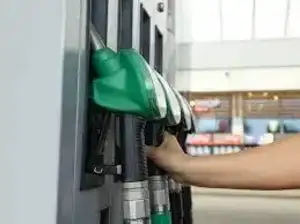
- The Bureau of Indian Standards (BIS) has notified technical specifications for higher ethanol-petrol blends: E22, E25, E27, and E30 under standard IS 19850:2026.
- The notification establishes a regulatory framework for blending anhydrous ethanol with motor gasoline for use in positive ignition engine-powered vehicles (petrol vehicles).
- This is a preparatory regulatory step, not an immediate nationwide rollout; fuel stations will not start selling E30 petrol instantly.
- The move signals India's long-term roadmap beyond the current E20 Ethanol Blending Programme, aligning with energy security and clean mobility goals.
Technical Standards & Scope
- Nodal Agency: Bureau of Indian Standards (BIS), under the Ministry of Consumer Affairs, Food & Public Distribution.
- Standard Notified: IS 19850:2026 — "E22, E25, E27 and E30 Fuel, Admixture of Anhydrous Ethanol and Motor Gasoline for Usage in Positive Ignition Engine Powered Vehicles".
- Blend Definitions:
- E22: 22% ethanol + 78% gasoline
- E25: 25% ethanol + 75% gasoline
- E27: 27% ethanol + 73% gasoline
- E30: 30% ethanol + 70% gasoline
- Key Requirement: Use of anhydrous ethanol (very low water content) to ensure fuel stability and engine compatibility.
Ethanol Blending Policy: Strategic Context
- Programme Goal: Reduce crude oil import dependence, support farm incomes, and lower transport emissions.
- E20 Target Acceleration: Original target of 20% ethanol blending by 2030 advanced to Ethanol Supply Year 2025-26 following successful pilot implementation.
- Feedstock Sources: Primarily sugarcane molasses, maize, and other biomass—linking fuel policy to agricultural value addition.
- Current Blending Achievement: India achieved ~12-15% average ethanol blending in recent years; E20 rollout is ongoing in select states.
- Future Exploration: Government is also evaluating feasibility of E85 (85% ethanol) and E100 (100% ethanol) for flex-fuel ecosystems.
Vehicle Compatibility & Infrastructure Readiness
- Technical Challenge: Higher ethanol concentrations can impact:
- Engine components (seals, gaskets, fuel lines)
- Combustion efficiency and cold-start performance
- Mileage due to ethanol's lower energy density vs. petrol
- Automotive Research Association of India (ARAI): Commissioned by the Ministry of Petroleum to study E25 impact on existing E10/E20-compliant vehicles (mileage, engine life).
- Flex-Fuel Vehicles (FFVs): Critical for higher blends; designed to operate on multiple ethanol-gasoline ratios. India's FFV policy framework is under development.
- Infrastructure Needs: Upgrades required in fuel storage, transportation, and retail dispensing to handle ethanol's hygroscopic (moisture-absorbing) nature.
Additional Info
- Historical Background:
- Ethanol Blending Programme (EBP) launched in 2003; initially voluntary, later made mandatory.
- National Policy on Biofuels 2018: Set indicative target of 20% ethanol blending by 2030; later accelerated.
- BIS Act, 2016: Empowers BIS to formulate and notify Indian Standards for products and processes.
- Related Initiatives & Organisations:
- Pradhan Mantri JI-VAN Yojana: Promotes 2nd generation (cellulosic) ethanol from agricultural residues.
- Global Biofuels Alliance (GBA): India-led initiative to accelerate global biofuel adoption; E30 norms strengthen India's leadership role.
- Automotive Research Association of India (ARAI): Key R&D agency for vehicle-fuel compatibility studies.
- Constitutional & Policy Linkages:
- Supports Article 48A (Directive Principle: protect environment) and Article 51A(g) (Fundamental Duty: protect natural resources).
- Aligns with National Green Hydrogen Mission and Panchamrit climate commitments (net-zero by 2070).
- Advances SDG 7 (Affordable Clean Energy), SDG 13 (Climate Action), and SDG 2 (Zero Hunger via farm income support).
Sources
DRDO Successfully Tests Indigenous ULPGM-V3
What's the News?
- The Defence Research & Development Organisation (DRDO) has successfully completed final configuration trials of the Unmanned Aerial Vehicle Launched Precision Guided Missile (ULPGM)-V3 at its Kurnool test range, Andhra Pradesh.
- The missile was tested in both Air-to-Ground (anti-tank) and Air-to-Air (counter-drone/helicopter) modes using an integrated Ground Control System (GCS).
- Developed by Research Centre Imarat (RCI), Hyderabad as the nodal laboratory, the ULPGM-V3 is a lightweight, fire-and-forget weapon designed for integration with tactical UAVs.
- The trials confirm a fully mature indigenous supply chain, enabling immediate serial production under the Aatmanirbhar Bharat initiative.
Technical Specifications & Capabilities
- Weight & Platform Compatibility: Ultra-lightweight design at 12.5 kg, enabling integration with multiple tactical and high-endurance UAV platforms.
- Operational Range: Extended strike range up to 10 km; effective engagement envelope of 4 km (day) and 2.5 km (night).
- Guidance System: Dual-channel Imaging Infrared (IIR) seeker with laser guidance for all-weather, day-night target acquisition.
- Accuracy: Circular Error Probable (CEP) of 10 cm, ensuring precision strikes on high-value point targets.
- Data Link: Two-way S-Band digital datalink for real-time target updates, mid-course correction, and in-flight re-targeting.
- Propulsion: Advanced dual-thrust, smokeless solid rocket motor for low-observable launch signature.
- Modular Warhead Options:
- Anti-Armor/EFP: Explosively Formed Penetrator for top-attack against main battle tanks.
- Penetration-Cum-Blast (PCB): Bunker-buster variant for hardened structures.
- Pre-Fragmented: Area-effect warhead for anti-personnel/soft targets.
Additional Info
- DRDO Laboratories Involved:
- Research Centre Imarat (RCI), Hyderabad: Nodal lab for missile systems and avionics.
- Defence Research & Development Laboratory (DRDL), Hyderabad: Missile aerodynamics and propulsion.
- Terminal Ballistics Research Laboratory (TBRL), Chandigarh: Warhead design and lethality.
- High Energy Materials Research Laboratory (HEMRL), Pune: Propellant and energetic materials.
- Related Initiatives & Policy Frameworks:
- Make in India (Defence): Promotes domestic design, development, and manufacturing of defence equipment.
- Innovations for Defence Excellence (iDEX): Supports startups/MSMEs in defence innovation; several ULPGM contributors are iDEX partners.
- Positive Indigenisation Lists (PILs): Ministry of Defence embargoes import of items on PILs, creating assured demand for indigenous systems like ULPGM.
- Constitutional & Strategic Linkages:
- Supports Article 51 (Directive Principle: promote international peace and security) by strengthening credible deterrence.
- Aligns with National Security Strategy emphasis on technology-driven, network-centric warfare.
- Advances SDG 9 (Industry, Innovation, and Infrastructure) through defence-industrial ecosystem development.
Sources
India Semiconductor Mission 2.0

What's the News?
- The Union Budget 2026–27 announced India Semiconductor Mission (ISM) 2.0, marking a strategic shift from ecosystem creation to consolidation, technological depth, and global integration.
- A budgetary provision of ₹1,000 crore has been allocated for FY 2026–27 to support indigenous manufacturing of semiconductor equipment, full-stack Indian semiconductor IP development, and industry-led research centres.
- ISM 2.0 builds on the foundation of ISM 1.0 (approved in 2021 with ₹76,000 crore outlay), under which 10 projects worth ₹1.60 lakh crore have been approved across six states.
Mission Framework & Key Focus Areas
- Nodal Agency: India Semiconductor Mission (ISM), under the Ministry of Electronics & Information Technology (MeitY).
- Core Objectives:
- Indigenous Manufacturing: Local production of semiconductor equipment, chemicals, gases, and materials to reduce import dependence.
- Full-Stack IP Development: Promotion of end-to-end Indian semiconductor intellectual property for secure, globally competitive chip solutions.
- Research & Skills: Establishment of industry-led research and training centres to support applied R&D and advanced manufacturing skills.
- Supply Chain Resilience: Strengthening domestic and global semiconductor value chains amid geopolitical uncertainties.
- Financial Architecture:
- ISM 2.0 Allocation: ₹1,000 crore (FY 2026–27).
- Modified Programme for Semiconductor & Display Manufacturing: ₹8,000 crore total outlay for 2026–27.
- Projected Annual Targets:
- Semiconductor fabs: ₹4,000 crore investment; 1,500 jobs.
- ATMP/OSAT units: ₹11,000 crore investment; 3,000 jobs.
- Design Linked Incentive (DLI) Scheme: 10 IP cores; 200 design engineers.
Strategic Context & Market Outlook
- Market Growth Trajectory:
- Indian semiconductor market: $38 billion (2023) → $45–50 billion (2024–25) → $100–110 billion (projected by 2030).
- Target: 70–75% self-sufficiency in domestic chip demand by 2029; 3nm and 2nm technology nodes capability by 2035.
- Global Positioning:
- India aims to become a trusted, reliable partner in global semiconductor supply chains, reducing concentration risks (Taiwan produces ~90% of advanced chips).
- Aligns with global re-shoring trends: US CHIPS Act, EU Chips Act, and Japan's semiconductor revival initiatives.
- Policy Evolution:
- ISM 1.0 (2021): Focused on attracting fabs, ATMP/OSAT units, and design companies via fiscal incentives (up to 50% support).
- ISM 2.0 (2026): Emphasises technology depth, indigenous IP, equipment localisation, and talent pipeline development.
Design Ecosystem & Indigenous Innovation
- Design Linked Incentive (DLI) Scheme Achievements (as of Jan 2026):
- 24 semiconductor design startups supported; ₹430 crore venture capital attracted.
- 2.25 crore tool hours logged on national EDA platform; 67,000 students trained.
- 122 academic tape-outs; 56 chips fabricated at 180nm; 6 chips at advanced nodes (up to 12nm).
- 85 patents filed (75 academic, 10 startup).
- Indigenous Microprocessors:
- DHRUV64: Fully indigenous 64-bit processor by C-DAC under Microprocessor Development Programme.
- RISC-V Portfolio: SHAKTI, AJIT, VIKRAM, THEJAS processors developed under Digital India RISC-V (DIR-V) programme—eliminating licence costs via open-source architecture.
- Talent Development Initiatives:
- Chips to Startup Programme: EDA tool access across 397 universities/startups.
- SMART Lab (NIELIT Calicut): Targeting 1 lakh engineers; 62,000+ already trained.
- FutureSkills PRIME: MeitY-NASSCOM joint initiative for semiconductor skilling/reskilling.
Additional Info
- Historical Background:
- Semiconductor Policy Evolution: From Modified Special Incentive Package Scheme (M-SIPS, 2012) → Scheme for Promotion of Manufacturing of Electronic Components and Semiconductors (SPECS, 2020) → India Semiconductor Mission (2021).
- Key Milestones: Micron's $2.75 billion ATMP facility (Gujarat, 2023); Tata-PSMC fab project (₹91,000 crore, Assam, 2024).
- Related Initiatives & Organisations:
- Semiconductor Laboratory (SCL), Mohali: India's only pilot semiconductor fabrication facility.
- Centre for Development of Advanced Computing (C-DAC): Nodal agency for indigenous processor development.
- Electronic Development Fund (EDF): Supports innovation in electronics system design and manufacturing.
- Constitutional & Policy Linkages:
- Supports Article 51A(h) (Fundamental Duty: develop scientific temper) and Article 47 (public health via technology-enabled services).
- Aligns with National Electronics Policy 2019, National Strategy for Artificial Intelligence, and Panchamrit climate commitments (energy-efficient chips).
- Advances SDG 9 (Industry, Innovation, Infrastructure), SDG 8 (Decent Work), and SDG 17 (Partnerships for Goals).
Sources
PRAGATI 2026

What's the News?
- The Indian Army has launched PRAGATI 2026, a two-week multinational military exercise at Umroi Military Station, Meghalaya.
- Armed forces from 12 friendly nations—Bhutan, Cambodia, Indonesia, Laos, Malaysia, Maldives, Myanmar, Nepal, Philippines, Seychelles, Sri Lanka, and Vietnam—are participating alongside India.
- The exercise focuses on counter-terrorism operations in semi-mountainous and jungle terrain, aiming to enhance interoperability, intelligence sharing, and joint operational coordination among regional partners.
- PRAGATI stands for Partnership of Regional Armies for Growth and Transformation in the Indian Ocean Region, reflecting India's commitment to collaborative security frameworks.
Exercise Framework & Operational Focus
- Nodal Agency: Indian Army, under the Ministry of Defence.
- Venue: Umroi Military Station, near Shillong, Meghalaya—a strategic location offering realistic jungle and semi-mountainous training terrain.
- Core Objectives:
- Strengthen military-to-military cooperation and professional exchange among participating nations.
- Develop common operational concepts for multinational counter-terrorism missions.
- Institutionalise mechanisms for best-practice sharing and joint intelligence management.
- Build trust and camaraderie through joint training and cultural interaction.
- Training Components:
- Joint Planning Exercises: Scenario-based mission planning for complex counter-terrorism operations.
- Tactical Drills: Small-unit tactics, ambush/counter-ambush, and cordon-and-search operations.
- Field Operations: Coordinated patrols, heliborne insertions, and night operations in challenging terrain.
- Soft Skills Emphasis: Physical fitness, discipline, and cross-cultural team coordination.
Additional Info
- Historical Background:
- India regularly hosts multinational exercises: Mitra Shakti (Sri Lanka), Surya Kiran (Nepal), Ex Ekuverin (Maldives), and CORPAT (maritime patrols with Southeast Asian nations).
- Umroi Cantonment: Established in the 1970s; strategically located near India's eastern border for rapid deployment and training.
- Related Initiatives & Organisations:
- Indian Ocean Rim Association (IORA): Promotes regional cooperation on maritime security, trade, and disaster management.
- Quad Defence Cooperation: India's participation in quadrilateral security dialogue with US, Japan, Australia complements sub-regional exercises like PRAGATI.
- Defence Research & Development Organisation (DRDO): Supports indigenous equipment showcased during the exercise (e.g., UAVs, communication systems, personal gear).
- Constitutional & Policy Linkages:
- Supports Article 51 (Directive Principle: promote international peace and security) and Article 246 (Union List: defence and foreign affairs).
- Aligns with National Security Strategy emphasis on technology-enabled, network-centric warfare and regional partnerships.
- Advances SDG 16 (Peace, Justice, and Strong Institutions) and SDG 17 (Partnerships for the Goals).
Sources
World Bee Day 2026

What's the News?
- World Bee Day is observed annually on 20 May to recognise the critical role of bees and other pollinators in agriculture, biodiversity, and ecosystem stability.
- The 2026 theme, "Bee Together for People and the Planet", emphasises collaborative action to protect pollinators as essential partners in food security and sustainable development.
- Verified global reports highlight accelerating bee decline due to habitat loss, pesticide exposure, climate stress, and disease, with US commercial beekeepers reporting a record 62% colony loss (2024–25).
- India has emerged as the world's second-largest honey exporter (up from ninth in five years), yet faces a paradox: rising exports alongside declining native pollinator populations.
India's Honey Economy: Growth vs. Ecological Sustainability
- Export Performance:
- India exported over 1 lakh metric tonnes of honey in the last fiscal year.
- Minimum Export Price (MEP): Anchored at US$ 1,400 per metric tonne to ensure fair returns.
- Annual Production Growth: ~5%, driven by the National Beekeeping & Honey Mission (NBHM) with ₹500 crore investment.
- Native vs. Commercial Species:
- Native Species: Apis dorsata (rock bee), Apis cerana indica (Indian honey bee), and stingless bees—critical for forest and crop pollination but lower-yielding.
- Commercial Species: Apis mellifera (European honey bee)—higher honey yield but less adapted to local ecosystems and less effective for native plant pollination.
- Domestic Price Disparity: Premium native honeys (e.g., Jamun, Himalayan White) retail at US$ 4,500–6,000/tonne domestically, far above the export MEP, indicating value retention challenges.
Threats to Pollinators: Policy and Environmental Challenges
- Pesticide Exposure:
- Neonicotinoids and systemic insecticides used in mustard, sunflower, and litchi belts impair bee navigation, foraging, and reproduction.
- Regulatory Gap: Unlike the EU's 2018 ban on three major neonicotinoids, India lacks mandatory restrictions on pesticide use during flowering seasons in key beekeeping zones.
- Climate Change Impacts:
- Erratic monsoons, shortened flowering windows, and extreme heat disrupt synchrony between bee activity and plant blooming cycles.
- Increased frequency of droughts and unseasonal rainfall reduces nectar availability and hive stability.
- Habitat Fragmentation:
- Urban expansion, monoculture farming, and loss of wild flowering patches reduce nesting sites and continuous forage for wild pollinators.
- Disease and Parasites:
- Varroa mite infestations and colony collapse disorders affect managed hives, especially under high-density beekeeping practices.
Additional Info
- Historical & Legal Context:
- World Bee Day: Established by UN General Assembly (2017); date aligns with birthday of Anton Janša, pioneer of modern beekeeping.
- Constitutional Linkages: Supports Article 48A (environment protection) and Article 51A(g) (fundamental duty to protect wildlife).
- International Commitments: Aligns with CBD (Convention on Biological Diversity), IPBES assessments, and SDG 2 (Zero Hunger), SDG 15 (Life on Land).
- Related Initiatives & Organisations:
- Krishi Vigyan Kendras (KVKs): Provide extension services on pollinator-friendly farming and pesticide management.
- Centre for Bee Development: NGO working with tribal communities on sustainable wild honey harvesting and conservation of Apis dorsata.
- Global Biofuels Alliance & IORA: Indirectly support pollinator health through sustainable land-use and agro-ecological practices.
Sources
US Senate Advances Resolution to Curb Presidential War Powers on Iran

What's the News?
- The United States Senate has advanced a procedural vote on a War Powers Resolution aimed at limiting the President's authority to conduct military operations against Iran without explicit Congressional authorization.
- The resolution, sponsored by Democratic Senator Tim Kaine, directs the President to withdraw US Armed Forces from hostilities against Iran unless Congress issues a declaration of war or specific Authorization for Use of Military Force (AUMF).
- The 50-47 procedural vote marks a rare instance of bipartisan support, with four Republican senators joining nearly all Democrats to advance the measure.
- While symbolic, the vote underscores growing legislative scrutiny over executive war powers and the constitutional balance between the Executive and Legislative branches in matters of national security.
Constitutional Framework: War Powers Resolution, 1973
- Legal Basis: The resolution invokes the War Powers Resolution of 1973, enacted post-Vietnam War to check prolonged military engagements without Congressional approval.
- Key Provisions:
- President must consult Congress before introducing US forces into hostilities.
- Military action limited to 60 days unless Congress authorizes continuation or grants a 30-day extension for "unavoidable military necessity".
- Requires reporting to Congress within 48 hours of deploying forces.
- Constitutional Tension:
- Article I, Section 8: Grants Congress the exclusive power to declare war.
- Article II, Section 2: Designates the President as Commander-in-Chief of the Armed Forces.
- The resolution seeks to reaffirm Congressional primacy in authorizing sustained military conflict.
Voting Dynamics & Political Significance
- Bipartisan Cross-Voting:
- Republican Supporters: Susan Collins (Maine), Lisa Murkowski (Alaska), Rand Paul (Kentucky), Bill Cassidy (Louisiana).
- Notable Shift: Senator Bill Cassidy switched support days after losing his Republican primary to a Trump-backed challenger, citing lack of transparency on "Operation Epic Fury".
- Lone Dissenting Democrat: John Fetterman (Pennsylvania) voted against advancement.
- Legislative Hurdles Ahead:
- Resolution requires a final Senate vote, passage in the Republican-led House, and a two-thirds majority in both chambers to override an expected presidential veto.
- Even if enacted, the White House may argue the resolution is moot due to the declared ceasefire, despite ongoing naval blockades and skirmishes.
Strategic Context: US-Iran Conflict & Regional Security
- Conflict Timeline: Hostilities began in late February 2026; the 60-day War Powers clock expired on May 1, prompting the resolution's advancement.
- Current Status:
- President declared a ceasefire "terminated" hostilities, but US continues maritime blockades of Iranian ports and strikes on Iranian vessels.
- Iran maintains effective control over the Strait of Hormuz, a critical chokepoint for ~20% of global oil trade.
- Geopolitical Implications:
- Energy Security: Disruptions in the Strait of Hormuz impact global oil prices and India's energy imports (~85% crude import dependence).
- Regional Stability: Escalation risks affecting India's strategic interests in West Asia, including diaspora safety and trade routes.
- Diplomatic Channels: Gulf states (Saudi Arabia, UAE, Qatar) acting as mediators for US-Iran negotiations.
Sources
3rd India-Nordic Summit
What's the News?
- The 3rd India-Nordic Summit was held in Oslo, Norway, with participation from India and all five Nordic nations: Denmark, Finland, Iceland, Norway, and Sweden.
- Leaders formally elevated the India-Nordic relationship to a Green Technology and Innovation Strategic Partnership, marking a strategic shift toward sustainable development, clean tech collaboration, and trusted digital infrastructure.
- The summit reinforced cooperation across trade, climate action, maritime security, AI governance, space exploration, and defence industrial collaboration, grounded in shared democratic values and a rules-based international order.
Strategic Partnership Framework & Key Pillars
- Nodal Mechanism: India-Nordic Summit (triennial plurilateral dialogue); coordinated by respective Foreign Ministries and Ministry of External Affairs (India).
- Core Pillars of Cooperation:
- Green Transition & Climate Action: Joint focus on renewable energy, green hydrogen, carbon capture, and circular economy principles aligned with Mission LiFE and Paris Agreement commitments.
- Trade & Economic Integration: Operationalization of India-EFTA Trade and Economic Partnership Agreement (TEPA) targeting USD 100 billion investment and 1 million direct jobs in India; progress on India-EU FTA implementation.
- Blue Economy & Maritime Security: Partnership for sustainable ocean management, low-carbon shipping transition, and adherence to Hong Kong Convention on ship recycling; initiation of bilateral Maritime Security Dialogues with Norway and Denmark.
- Technology & Innovation: Collaboration on AI governance, 5G/6G infrastructure, trusted computing, and open-source solutions; building on India's AI Impact Summit 2026.
- Space Cooperation: Framework Agreement between ISRO and Norwegian Space Agency; Swedish scientific payload integration in India's Venus Orbiter Mission (Shukrayaan-1).
- Defence Industrial Collaboration: Nordic firms eligible for 100% FDI in Indian Defence Industrial Corridors; focus on supply chain resilience and co-development of critical components.
Geopolitical & Multilateral Alignment
- UN Reform Support: Nordic nations reiterated explicit backing for India's permanent membership in a reformed UN Security Council and supported India's application to the Nuclear Suppliers' Group (NSG).
- Indo-Pacific Engagement: Norway formally joined India's Indo-Pacific Oceans Initiative (IPOI), expanding European alignment with India's maritime vision under MAHASAGAR (Mutual and Holistic Advancement for Security and Growth Across Regions).
- Counter-Terrorism Commitment: Joint condemnation of cross-border terrorism, with specific reference to the 2025 Pahalgam and New Delhi attacks; commitment to disrupt terror financing via UN and FATF mechanisms.
- Arctic-Indo-Pacific Linkages: Recognition of growing interconnections between polar and tropical climate systems; India welcomed as constructive Arctic Council observer for research collaboration.
Sweden Joins India's Shukrayaan Venus Orbiter Mission
What's the News?
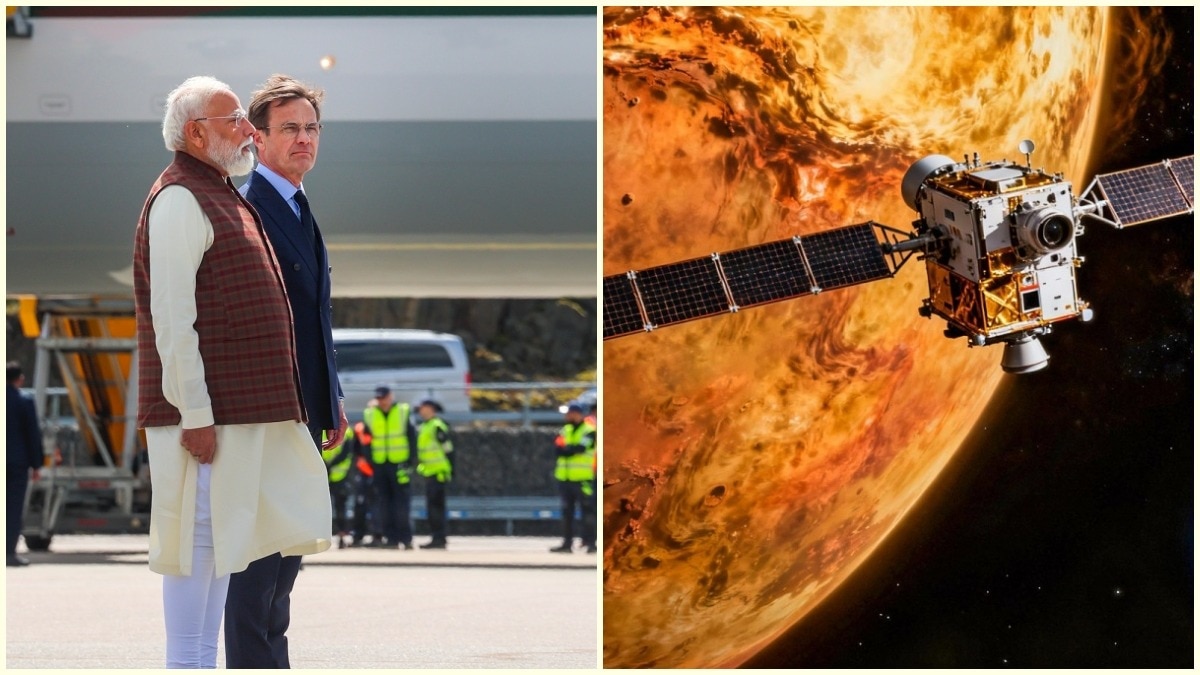
- The Indian Space Research Organisation (ISRO) and Swedish National Space Agency have signed a Memorandum of Understanding (MoU) formalising Sweden's participation in India's Shukrayaan Mission—India's first dedicated orbiter to Venus.
- Under the agreement, the Swedish Institute of Space Physics (IRF) will develop the Venusian Neutrals Analyser (VNA), a scientific instrument to study interactions between solar wind particles and Venus's upper atmosphere.
- The VNA will be integrated into VISWAS (Venus Ionospheric and Solar Wind Particle AnalySer), a plasma package developed by India's Space Physics Laboratory, Thiruvananthapuram.
- The collaboration strengthens the recently elevated India-Sweden Green Technology and Innovation Strategic Partnership and underscores ISRO's growing role as a trusted partner in global planetary exploration.
Mission Profile & Technical Framework
- Nodal Agency: ISRO, under the Department of Space, Government of India.
- Launch Vehicle: LVM-3 (Launch Vehicle Mark-3), India's heavy-lift rocket proven in Chandrayaan-3 and commercial satellite missions.
- Budget & Timeline:
- Approved by Union Cabinet with an outlay of ₹1,236 crore.
- Preliminary Design Review completed; targeted launch in March 2028.
- 112-day transit; orbital insertion planned for July 2028.
- Orbital Parameters: Elliptical orbit with periapsis at 500 km and apoapsis at 60,000 km to enable multi-altitude atmospheric and surface observations.
- Payload Configuration:
- 19 scientific instruments total, including Indian and international contributions.
- Key International Payloads:
- VNA (Sweden): Measures escaping neutral particles to study atmospheric loss mechanisms.
- VIRAL (Russia): Venus Infrared Atmospheric Gases Linker for trace gas analysis.
- Indian Payloads: Focus on surface composition, cloud dynamics, thermal mapping, and plasma environment.
Scientific Objectives & Research Value
- Atmospheric Evolution: Investigate why Venus—similar in size to Earth—evolved into an extreme greenhouse world with surface temperatures exceeding 460°C and sulphuric acid clouds.
- Solar Wind Interaction: Study how charged particles from the Sun strip atmospheric gases, offering insights into planetary climate change and comparative planetology.
- Surface & Volcanic Activity: Map geological features to assess past/present volcanic processes and surface-atmosphere exchange mechanisms.
- Super-Rotation Mystery: Analyse Venus's atmosphere, which rotates 60 times faster than the planet itself—a phenomenon not fully understood.
- Habitability Clues: Examine whether Venus once hosted liquid water or temperate conditions, informing models of exoplanet habitability.
Sources
Microbes Found Beneath Ross Ice Shelf: Life in Extreme Darkness

What's the News?
- Researchers have identified thriving microbial communities hundreds of metres beneath Antarctica's Ross Ice Shelf, the world's largest ice shelf.
- The discovery, published in Nature Communications, reveals a functional ecosystem operating independently of sunlight, sustained by chemosynthesis rather than photosynthesis.
- Using metagenomics and metatranscriptomics, scientists detected diverse microbes obtaining energy from chemical compounds like ammonium, nitrite, and sulfur in the cold, dark, low-energy sub-ice environment .
- The findings reshape understanding of life's resilience in extreme habitats and offer insights for astrobiology, climate science, and carbon cycling in polar regions.
Microbial Diversity & Energy Mechanisms
- Dominant Groups: Aerobic lithoautotrophic archaea and bacteria capable of chemosynthesis, alongside heterotrophic microbes that recycle organic carbon .
- Chemosynthesis vs. Photosynthesis:
- Chemosynthesis: Converts chemical energy (from ammonium, nitrite, sulfur compounds) into biological energy—no sunlight required.
- Photosynthesis: Relies on solar energy; impossible beneath thick ice where light cannot penetrate.
- Viral Role: Viruses were detected actively infecting ammonium- and sulfur-oxidising microbes, suggesting they regulate population dynamics and nutrient cycling in this closed ecosystem .
- Functional Diversity: Microbes exhibit distinct taxonomic and metabolic profiles compared to open-ocean communities, indicating adaptation to prolonged isolation .
Scientific Methods & Research Significance
- Multi-Omics Approach:
- Metagenomics: Analyses genetic material directly from environmental samples to identify microbial composition.
- Metatranscriptomics: Examines RNA transcripts to determine which genes are actively expressed .
- Sampling Challenge: Accessing the sub-ice cavity required drilling through ~500m of ice, using sterile techniques to avoid contamination .
- Key Findings:
- Ammonium oxidation rates in sub-ice waters are comparable to those in the winter Antarctic Ocean.
- The ecosystem includes both primary producers (chemoautotrophs) and decomposers, forming a self-sustaining nutrient loop.
Sources
Ice Age Hunting Structures Found Beneath Lake Huron

What's the News?
- Archaeologists have identified 9,000-year-old stone hunting structures on the Alpena-Amberley Ridge, a submerged land bridge beneath Lake Huron in North America.
- The features—including caribou drive lanes, hunting blinds, and stone tool caches—were preserved in cold, low-oxygen lake waters, offering a rare "time capsule" of Paleoindian and early Archaic period human activity.
- Using multibeam sonar, remotely operated vehicles (ROVs), and underwater diving, researchers from the University of Michigan and NOAA have documented over 80 archaeological locations on the ridge.
- The discovery provides critical insights into early human adaptation, hunting strategies, and long-distance trade networks in post-Ice Age North America.
Archaeological Discovery
- Site Location: Alpena-Amberley Ridge—a 10-mile-wide former land bridge connecting present-day Michigan (USA) and Ontario (Canada) when lake levels were lower during the Late Pleistocene.
- Structures Identified:
- Drive Lanes: Stone alignments (e.g., 1,148-foot "Drop 45 Drive Lane") used to funnel migrating caribou toward concealed hunters.
- Hunting Blinds: Stone enclosures for ambush tactics during seasonal hunts.
- Lithic Caches: Stored raw materials (chert, obsidian) for on-site tool production.
- Material Evidence:
- Obsidian artifacts traced to Oregon (~2,500 km away), indicating extensive prehistoric exchange networks.
- Stone tools reflect sophisticated lithic technology adapted to subarctic hunting.
- Preservation Advantage: Submerged, sediment-free environment prevented erosion and agricultural disturbance, preserving the landscape in exceptional condition.
Additional Info
- Historical & Geographic Context:
- Great Lakes Formation: Result of glacial retreat ~14,000 years ago; Lake Huron is the second-largest by surface area among the five Great Lakes.
- Paleoindian Period: Earliest well-documented human cultural phase in the Americas (~13,000–8,000 years ago), characterized by big-game hunting and mobile lifeways.
- Alpena-Amberley Ridge: Named after towns on either side of the submerged feature; exposed during the Lake Stanley low-stand phase.
- Related Initiatives & Organisations:
- NOAA Office of National Marine Sanctuaries: Manages underwater archaeological resources in US waters; supports Great Lakes research.
- UNESCO Convention on the Protection of the Underwater Cultural Heritage (2001): International framework for preserving submerged sites; India is a signatory.
- Archaeological Survey of India (ASI): Conducts underwater archaeology in Indian waters (e.g., Dwarka, Poompuhar); potential for knowledge exchange on submerged site methodologies.
Sources
May 2026
Archive
October 2026
- 28 October 2026
- 27 October 2026
- 26 October 2026
- 24 October 2026
- 23 October 2026
- 22 October 2026
- 21 October 2026
- 20 October 2026
- 19 October 2026
- 17 October 2026
- 16 October 2026
- 15 October 2026
- 14 October 2026
- 13 October 2026
- 12 October 2026
- 10 October 2026
- 09 October 2026
- 08 October 2026
- 07 October 2026
- 06 October 2026
- 05 October 2026
- 03 October 2026
- 02 October 2026
- 01 October 2026
September 2026
- 30 September 2026
- 29 September 2026
- 28 September 2026
- 26 September 2026
- 25 September 2026
- 24 September 2026
- 23 September 2026
- 22 September 2026
- 21 September 2026
- 19 September 2026
- 18 September 2026
- 17 September 2026
- 16 September 2026
- 15 September 2026
- 12 September 2026
- 11 September 2026
- 10 September 2026
- 09 September 2026
- 08 September 2026
- 07 September 2026
- 05 September 2026
- 04 September 2026
- 03 September 2026
- 02 September 2026
- 01 September 2026
August 2026
- 31 August 2026
- 29 August 2026
- 27 August 2026
- 26 August 2026
- 25 August 2026
- 24 August 2026
- 22 August 2026
- 21 August 2026
- 20 August 2026
- 19 August 2026
- 18 August 2026
- 17 August 2026
- 14 August 2026
- 13 August 2026
- 12 August 2026
- 11 August 2026
- 10 August 2026
- 08 August 2026
- 07 August 2026
- 06 August 2026
- 05 August 2026
- 04 August 2026
- 03 August 2026
- 01 August 2026
July 2026
- 31 July 2026
- 30 July 2026
- 29 July 2026
- 28 July 2026
- 27 July 2026
- 25 July 2026
- 23 July 2026
- 22 July 2026
- 21 July 2026
- 20 July 2026
- 18 July 2026
- 17 July 2026
- 15 July 2026
- 14 July 2026
- 13 July 2026
- 11 July 2026
- 10 July 2026
- 09 July 2026
- 08 July 2026
- 07 July 2026
- 06 July 2026
- 04 July 2026
- 03 July 2026
- 02 July 2026
- 01 July 2026
June 2026
May 2026
April 2026
March 2026
- 31 March 2026
- 30 March 2026
- 28 March 2026
- 27 March 2026
- 26 March 2026
- 25 March 2026
- 24 March 2026
- 23 March 2026
- 21 March 2026
- 20 March 2026
- 19 March 2026
- 18 March 2026
- 17 March 2026
- 16 March 2026
- 14 March 2026
- 13 March 2026
- 12 March 2026
- 11 March 2026
- 10 March 2026
- 09 March 2026
- 07 March 2026
- 06 March 2026
- 05 March 2026
- 03 March 2026
- 02 March 2026
February 2026
- 28 February 2026
- 27 February 2026
- 26 February 2026
- 25 February 2026
- 24 February 2026
- 23 February 2026
- 21 February 2026
- 20 February 2026
- 19 February 2026
- 18 February 2026
- 17 February 2026
- 16 February 2026
- 13 February 2026
- 12 February 2026
- 11 February 2026
- 10 February 2026
- 09 February 2026
- 07 February 2026
- 06 February 2026
- 05 February 2026
- 04 February 2026
- 03 February 2026
- 02 February 2026
January 2026
- 31 January 2026
- 30 January 2026
- 29 January 2026
- 28 January 2026
- 27 January 2026
- 26 January 2026
- 24 January 2026
- 23 January 2026
- 22 January 2026
- 21 January 2026
- 20 January 2026
- 19 January 2026
- 16 January 2026
- 15 January 2026
- 14 January 2026
- 13 January 2026
- 12 January 2026
- 10 January 2026
- 09 January 2026
- 08 January 2026
- 07 January 2026
- 06 January 2026
- 05 January 2026
- 03 January 2026
- 02 January 2026
- 01 January 2026
December 2025
- 31 December 2025
- 30 December 2025
- 29 December 2025
- 27 December 2025
- 26 December 2025
- 24 December 2025
- 23 December 2025
- 22 December 2025
- 20 December 2025
- 19 December 2025
- 18 December 2025
- 17 December 2025
- 16 December 2025
- 15 December 2025
- 13 December 2025
- 12 December 2025
- 11 December 2025
- 10 December 2025
- 09 December 2025
- 08 December 2025
- 05 December 2025
- 04 December 2025
- 03 December 2025
- 02 December 2025
November 2025
- 29 November 2025
- 28 November 2025
- 27 November 2025
- 26 November 2025
- 25 November 2025
- 24 November 2025
- 22 November 2025
- 21 November 2025
- 20 November 2025
- 19 November 2025
- 18 November 2025
- 17 November 2025
- 15 November 2025
- 14 November 2025
- 13 November 2025
- 12 November 2025
- 11 November 2025
- 10 November 2025
- 08 November 2025
- 07 November 2025
- 06 November 2025
- 05 November 2025
- 04 November 2025
- 03 November 2025
- 01 November 2025
October 2025
- 31 October 2025
- 30 October 2025
- 29 October 2025
- 28 October 2025
- 27 October 2025
- 25 October 2025
- 24 October 2025
- 23 October 2025
- 22 October 2025
- 21 October 2025
- 20 October 2025
- 18 October 2025
- 17 October 2025
- 16 October 2025
- 15 October 2025
- 14 October 2025
- 13 October 2025
- 11 October 2025
- 10 October 2025
- 09 October 2025
- 08 October 2025
- 07 October 2025
- 06 October 2025
- 04 October 2025
- 03 October 2025
- 02 October 2025
- 01 October 2025
September 2025
- 30 September 2025
- 29 September 2025
- 27 September 2025
- 26 September 2025
- 25 September 2025
- 24 September 2025
- 23 September 2025
- 22 September 2025
- 20 September 2025
- 19 September 2025
- 18 September 2025
- 17 September 2025
- 16 September 2025
- 15 September 2025
- 13 September 2025
- 12 September 2025
- 11 September 2025
- 10 September 2025
- 09 September 2025
- 08 September 2025
- 06 September 2025
- 05 September 2025
- 04 September 2025
- 03 September 2025
- 02 September 2025
- 01 September 2025
August 2025
- 30 August 2025
- 29 August 2025
- 28 August 2025
- 27 August 2025
- 26 August 2025
- 25 August 2025
- 23 August 2025
- 22 August 2025
- 21 August 2025
- 20 August 2025
- 19 August 2025
- 18 August 2025
- 16 August 2025
- 14 August 2025
- 13 August 2025
- 12 August 2025
- 11 August 2025
- 08 August 2025
- 07 August 2025
- 06 August 2025
- 05 August 2025
- 04 August 2025
- 02 August 2025
- 01 August 2025
July 2025
- 31 July 2025
- 30 July 2025
- 29 July 2025
- 28 July 2025
- 26 July 2025
- 25 July 2025
- 24 July 2025
- 23 July 2025
- 22 July 2025
- 21 July 2025
- 19 July 2025
- 18 July 2025
- 17 July 2025
- 16 July 2025
- 15 July 2025
- 12 July 2025
- 11 July 2025
- 10 July 2025
- 09 July 2025
- 07 July 2025
- 05 July 2025
- 04 July 2025
- 03 July 2025
- 02 July 2025
- 01 July 2025
June 2025
- 30 June 2025
- 28 June 2025
- 27 June 2025
- 26 June 2025
- 25 June 2025
- 24 June 2025
- 23 June 2025
- 21 June 2025
- 20 June 2025
- 19 June 2025
- 18 June 2025
- 17 June 2025
- 16 June 2025
- 14 June 2025
- 13 June 2025
- 12 June 2025
- 11 June 2025
- 10 June 2025
- 09 June 2025
- 07 June 2025
- 06 June 2025
- 05 June 2025
- 04 June 2025
- 03 June 2025
- 02 June 2025
May 2025
April 2025
- 30 April 2025
- 29 April 2025
- 28 April 2025
- 26 April 2025
- 25 April 2025
- 24 April 2025
- 23 April 2025
- 22 April 2025
- 21 April 2025
- 19 April 2025
- 18 April 2025
- 17 April 2025
- 16 April 2025
- 15 April 2025
- 14 April 2025
- 12 April 2025
- 11 April 2025
- 10 April 2025
- 09 April 2025
- 08 April 2025
- 07 April 2025
- 05 April 2025
- 04 April 2025
- 03 April 2025
- 02 April 2025
- 01 April 2025
March 2025
- 31 March 2025
- 29 March 2025
- 28 March 2025
- 27 March 2025
- 26 March 2025
- 25 March 2025
- 24 March 2025
- 22 March 2025
- 21 March 2025
- 20 March 2025
- 19 March 2025
- 18 March 2025
- 17 March 2025
- 15 March 2025
- 13 March 2025
- 12 March 2025
- 11 March 2025
- 10 March 2025
- 08 March 2025
- 07 March 2025
- 06 March 2025
- 05 March 2025
- 04 March 2025
- 03 March 2025
- 01 March 2025
February 2025
- 28 February 2025
- 27 February 2025
- 26 February 2025
- 25 February 2025
- 24 February 2025
- 22 February 2025
- 21 February 2025
- 20 February 2025
- 19 February 2025
- 18 February 2025
- 17 February 2025
- 15 February 2025
- 14 February 2025
- 13 February 2025
- 12 February 2025
- 11 February 2025
- 10 February 2025
- 08 February 2025
- 07 February 2025
- 06 February 2025
- 05 February 2025
- 04 February 2025
- 03 February 2025
- 01 February 2025
January 2025
- 31 January 2025
- 30 January 2025
- 29 January 2025
- 28 January 2025
- 27 January 2025
- 25 January 2025
- 24 January 2025
- 23 January 2025
- 22 January 2025
- 21 January 2025
- 20 January 2025
- 18 January 2025
- 17 January 2025
- 16 January 2025
- 15 January 2025
- 14 January 2025
- 13 January 2025
- 11 January 2025
- 10 January 2025
- 09 January 2025
- 08 January 2025
- 07 January 2025
- 06 January 2025
- 04 January 2025
- 03 January 2025
- 02 January 2025
- 01 January 2025