
Current Affairs
Stay updated with the latest national and international events.
20 January 2026
Central Government Notifies Rules for Environmental Protection Fund (EPF)

What’s the News?
The Union Government has notified the Environmental (Protection) Fund Rules, 2026, operationalising the statutory Environmental (Protection) Fund under the Environment (Protection) Act, 1986. These rules detail how monetary penalties collected from violations of environmental laws including the Air Act, 1981, Water Act, 1974, and EPA, 1986 will be utilised for environmental restoration, monitoring, research, and capacity building.
Features of the EPF Rules
- Fund Sources:
- Amounts collected as penalties under Section 15 of the Environment (Protection) Act.
- Environmental compensation and fines imposed by the National Green Tribunal (NGT) or other authorities.
- Interest earned on the accumulated funds and any other specific grants provided by the Central Government.
- Management & Administration:
- The fund will be managed by a Committee chaired by the Secretary of MoEFCC.
- Members include representatives from the Central Pollution Control Board (CPCB) and financial experts to ensure transparent allocation.
- Authorized Utilization:
- Remediation: Cleaning up contaminated sites and restoring damaged ecosystems.
- Pollution Control: Funding projects to improve air, water, and soil quality in critically polluted areas.
- R&D and Monitoring: Supporting scientific research, laboratory upgrades, and the establishment of advanced monitoring systems.
- Public Awareness: Promoting education and training programs related to environmental protection.
Impact of the Jan Vishwas Act
- Decriminalization: The Jan Vishwas (Amendment of Provisions) Act, 2023 amended the Environment (Protection) Act, 1986, replacing many criminal penalties (imprisonment) with monetary penalties.
- Funding Stream: By converting minor offenses into civil penalties, the government has created a steady stream of revenue for the EPF specifically dedicated to environmental causes.
- Simplified Compliance: The move reduces the burden on the judiciary by allowing an Adjudicating Officer to impose penalties rather than proceeding through long criminal trials.
Additional Info
- Legal & Constitutional Framework:
- Environment (Protection) Act, 1986: Enacted under Article 253 of the Constitution following the Stockholm Conference (1972) to provide a comprehensive framework for environmental protection.
- Article 48A: A Directive Principle of State Policy that mandates the State to protect and improve the environment.
- Article 51A(g): Establishes a Fundamental Duty for citizens to protect the natural environment.
- The Polluter Pays Principle:
- The EPF is an institutionalization of the Polluter Pays Principle, a legal concept where those who produce pollution bear the costs of managing it to prevent damage to human health or the environment.
- Related Organizations:
- Central Pollution Control Board (CPCB): A statutory organization established under the Water (Prevention and Control of Pollution) Act, 1974, which provides technical services to the MoEFCC.
- National Green Tribunal (NGT): A specialized body established under the NGT Act, 2010 for effective and expeditious disposal of cases relating to environmental protection.
Sources
Central Government Notifies Greenhouse Gases Emission Intensity (GEI) Target (Amendment) Rules, 2025
What’s the News?
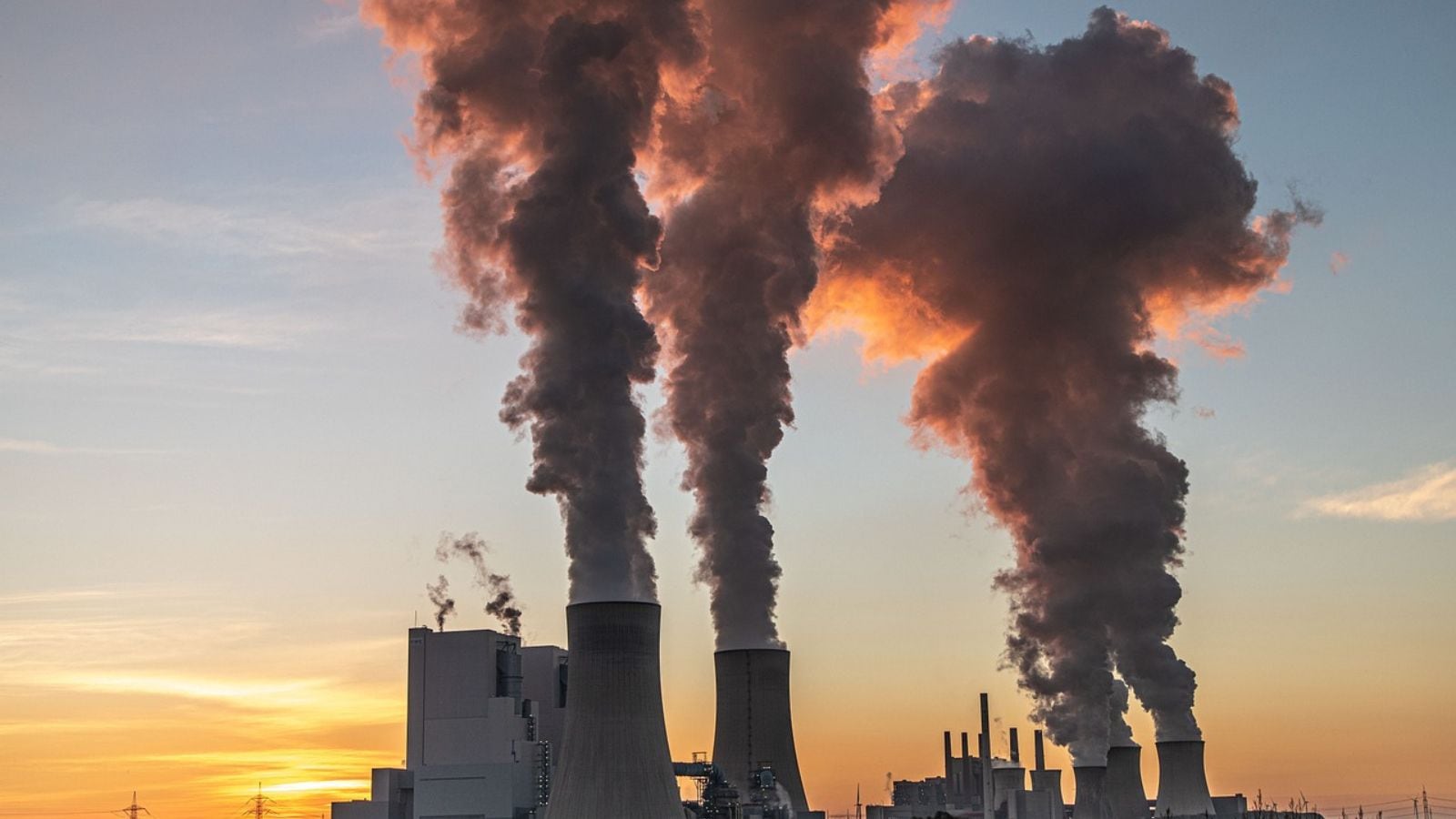
- The Ministry of Environment, Forest and Climate Change (MoEFCC) has notified the Greenhouse Gases Emission Intensity (GEI) Target (Amendment) Rules, 2025, expanding the mandatory emission reduction regime to four additional carbon-heavy sectors.
- The newly included sectors are Petroleum Refinery, Petrochemicals, Textiles, and Secondary Aluminium, bringing a total of 208 industrial units under legally binding targets.
- These rules operationalize the Carbon Credit Trading Scheme (CCTS), 2023, and are a key part of India's commitment to reduce its GDP's emission intensity by 45% by 2030.
GEI Amendment Rules
- Sectors covered:
- Petroleum refineries (21 units, including Indian Oil, BPCL, HPCL, ONGC, Reliance)
- Petrochemical units (11 units)
- Textile sector (173 units across spinning, processing, fibre, and composites)
- Secondary aluminium (3 units)
- Emission intensity metric:
- Measured as tonnes of CO₂ equivalent (tCO₂e) per unit of output.
- Baseline set at 2023–24 levels; targets apply for 2025–26 and 2026–27.
- Compliance mechanism:
- Units meeting targets earn carbon credit certificates issued by the Bureau of Energy Efficiency (BEE).
- Non-compliant units must pay environmental compensation = twice the average carbon credit price of the compliance year, enforced by the Central Pollution Control Board (CPCB) within 90 days.
- Carbon market linkage:
- Integrated with India’s Carbon Credit Trading Scheme (CCTS), 2023, enabling trading, banking, and inter-sectoral offsetting of credits.
Additional Info
- Carbon Credit Trading Scheme (CCTS), 2023:
- Established under the Energy Conservation Act, 2001 (as amended in 2022) to create a domestic carbon market.
- Includes a Compliance Mechanism (for obligated industries) and an Offset Mechanism (for voluntary emission reduction projects).
- Nodal Agencies:
- BEE: Sets targets, monitors reporting, and issues carbon credits.
- CERC: Regulates the trading of carbon credits on exchanges.
- CPCB: Responsible for enforcement and imposing penalties for non-compliance.
- Transition from PAT: This regime builds upon the existing Perform, Achieve and Trade (PAT) scheme, shifting the focus from energy efficiency to specific greenhouse gas emission limits.
Sources
India Launches Responsible Nations Index (RNI) 2026

What’s the News?
- Former President of India Ram Nath Kovind launched the inaugural Responsible Nations Index (RNI) 2026 at the Dr. Ambedkar International Centre in New Delhi.
- India has been ranked 16th out of 154 countries in this first-of-its-kind global framework.
- The index, developed by the World Intellectual Foundation (WIF), shifts the global assessment lens from raw economic or military power to ethical governance and social responsibility.
Rankings & Performance
- Top Performers: Singapore topped the global rankings with a score of 0.61945, followed by Switzerland (2nd) and Denmark (3rd).
- India's Standing: India secured the 16th spot with an overall score of 0.551513, outperforming major economies like the United States (66th) and China (68th).
- Regional Context: India is the top-ranked Asian nation in the index, highlighting its progress in people-centered governance and environmental policies.
- Bottom of the Index: The Central African Republic (154th), Syria (153rd), and South Sudan (152nd) were the lowest-ranked nations.
The Three Core Pillars
The RNI evaluates national success based on how responsibly a country exercises its power across three primary dimensions:
- Internal Responsibility: Focuses on a nation's obligations toward the dignity, well-being, and empowerment of its own citizens.
- Environmental Responsibility: Analyzes a country’s commitment to ecological protection, climate action, and sustainable resource management.
- External Responsibility: Measures how a nation behaves within the international system, focusing on its contribution to global peace, stability, and cooperation.
Assessment Framework & Methodology
- Structural Components: The index is operationalized through 7 dimensions, 15 aspects, and 58 specific indicators.
- Key Dimensions: These include quality of life, governance, social justice, economic performance, environmental stewardship, commitment to peace, and international economic relations.
- Academic Collaboration: The framework was developed over three years in partnership with Jawaharlal Nehru University (JNU) and received methodological validation from the Indian Institute of Management (IIM) Mumbai.
- Data Sources: It draws from globally recognized sources, including the World Bank, United Nations agencies (WHO, ILO, FAO), IMF, and the World Justice Project.
Sources
India and UAE Pledge to Double Bilateral Trade to $200 Billion by 2032
What’s the News?
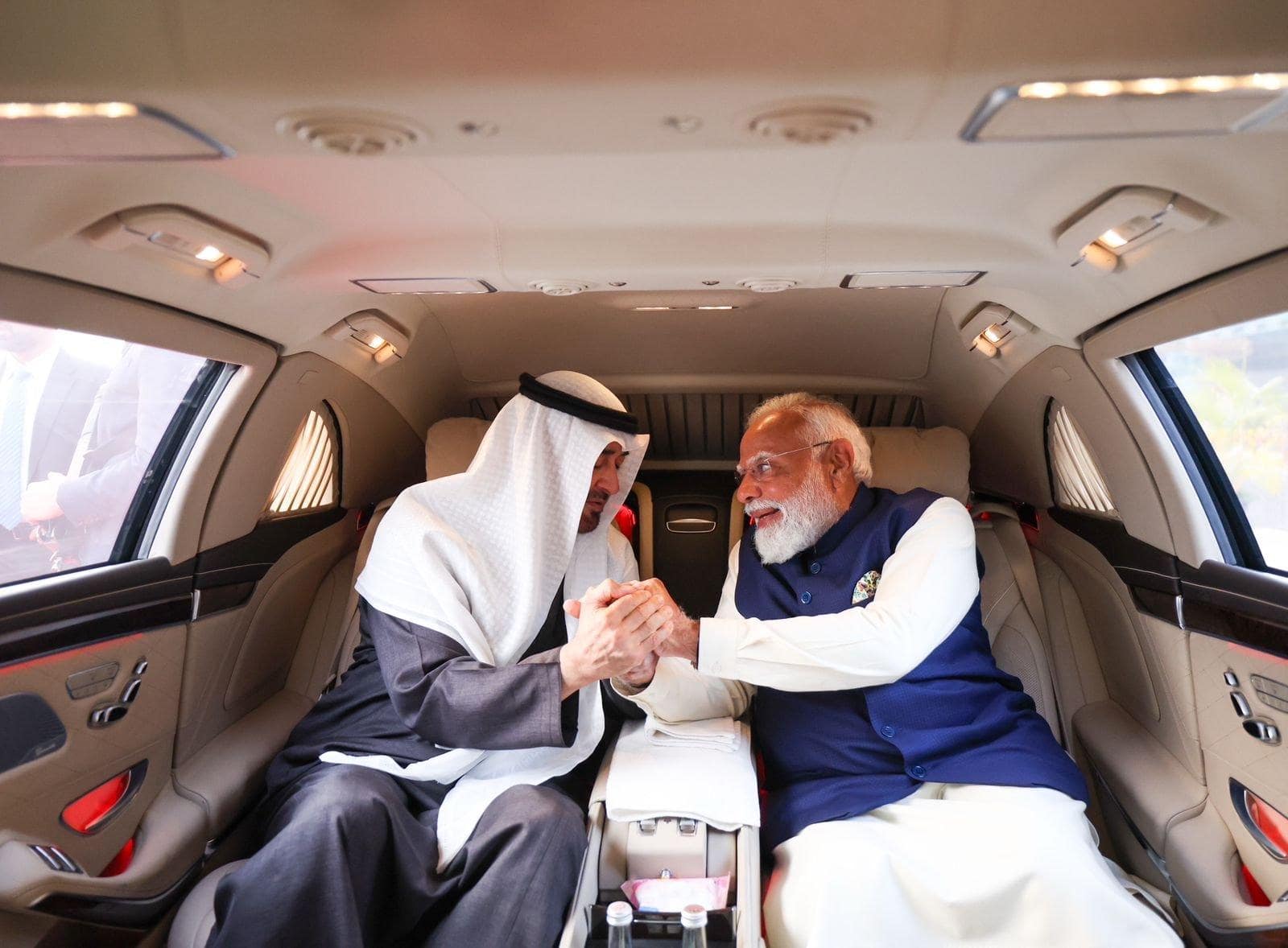
- Prime Minister Narendra Modi and UAE President Sheikh Mohamed bin Zayed Al Nahyan have set an ambitious target to double bilateral non-oil trade to $200 billion by 2032.
- During the high-level visit, both nations signed multiple Memorandums of Understanding (MoUs) spanning critical sectors including nuclear energy, defence, space exploration, and LNG supply.
Areas of Cooperation
- Trade & Investment:
- Target: $200 billion in bilateral trade by 2032, up from $100 billion in 2024–25.
- Focus on MSME linkages, Bharat Mart, Virtual Trade Corridor, and Bharat Africa Setu for market expansion.
- Energy Security:
- 10-year LNG deal: ADNOC Gas to supply 500,000 tonnes per annum to HPCL starting 2028.
- UAE now India’s second-largest LNG supplier.
- Defence & Security:
- Letter of Intent (LoI) signed for a Strategic Defence Partnership, covering co-development, technology transfer, and capability building.
- Joint condemnation of terrorism in all forms.
- Civil Nuclear Cooperation:
- Collaboration on large reactors, small modular reactors (SMRs), plant operations, safety, and advanced nuclear technologies under India’s SHANTI Act framework.
- Space & Digital Tech:
- LoI between IN-SPACe and UAE Space Agency for commercial space ventures and private-sector participation.
- Supercomputing cluster to be established in India with support from UAE’s G42.
- Exploration of digital/data embassies for secure cross-border data flows.
- Infrastructure & Finance:
- UAE to invest in Dholera Special Investment Region (Gujarat)—including airport, railway, energy, and urban township projects.
- First Abu Dhabi Bank (FAB) and DP World to set up operations in GIFT City, boosting India’s financial and logistics hub ambitions.
- People-to-People Ties:
- Establishment of “House of India” in Abu Dhabi to showcase Indian art, heritage, and archaeology.
- Enhanced youth and cultural exchanges.
Additional Info
- Comprehensive Economic Partnership Agreement (CEPA):
- Signed in February 2022, it was India's first bilateral trade agreement with a major Gulf nation.
- It provides duty-free access to over 90% of Indian exports to the UAE, particularly in labor-intensive sectors like textiles, gems & jewelry, and agriculture.
- The IMEC Factor:
- The India-Middle East-Europe Economic Corridor (IMEC), announced during the G20 summit, relies heavily on the UAE-Saudi Arabia-Jordan-Israel rail and shipping link to connect India with Europe.
Sources
U.S. President Trump Invites India to Join Proposed "Board of Peace" for Gaza

What’s the News?
- U.S. President Donald Trump has officially invited India to become a founding member of the newly established Board of Peace.
- Announced on January 15, 2026, the Board of Peace (BoP) is a U.S.-led international organization designed to oversee the stabilization, governance, and reconstruction of Gaza following the conflict.
- While initially focused on the Middle East, the organization's draft charter suggests a broader mandate to resolve global conflicts, potentially serving as an alternative to existing United Nations frameworks.
Board of Peace
- Leadership & Structure:
- Chaired by Donald Trump, who holds exclusive authority to appoint members, set agendas, and dissolve subsidiary entities.
- Features a high-level Executive Board including figures like Marco Rubio (U.S. Secretary of State), Jared Kushner, and Ajay Banga (World Bank President).
- Includes a Gaza Executive Board led by High Representative Nickolay Mladenov to coordinate on-the-ground activities.
- Membership & Funding:
- Membership is by invitation only, with approximately 60 countries invited so far.
- While standard membership lasts three years, permanent status is granted to countries that contribute at least $1 billion in cash within the first year.
- Gaza Administration:
- Supports the National Committee for the Administration of Gaza (NCAG), a 15-member body of independent Palestinian technocrats responsible for day-to-day civil administration.
Strategic Challenges for India
- Multilateral Principles: Joining a body that operates explicitly outside of United Nations frameworks may conflict with India's long-standing commitment to reformed multilateralism and the primacy of the UN Security Council.
- Regional Friction: Pakistan has also been invited and has officially confirmed its receipt of the invitation, potentially forcing India to share a diplomatic platform with its neighbor on sensitive security issues.
- Military Involvement: The U.S. is seeking troops for a temporary International Stabilization Force (ISF) in Gaza. India has historically refused to send military personnel to missions not authorized by the UN.
- Diplomatic Balancing: Refusing the invitation from a "mercurial" U.S. administration could impact ongoing negotiations regarding high U.S. tariffs on Indian exports.
Sources
World Economic Forum (WEF) Annual Meeting 2026: "A Spirit of Dialogue"

What’s the News?
- The 56th Annual Meeting of the World Economic Forum (WEF) is being held from January 19–23, 2026, in Davos-Klosters, Switzerland.
- Under the theme "A Spirit of Dialogue", the summit brings together nearly 3,000 global leaders from over 130 countries to address geopolitical tensions and economic fragmentation.
- A major highlight is the participation of U.S. President Donald Trump, who is set to deliver a special address focusing on his administration's "business-minded" approach to global politics and trade.
Key Agenda and Themes
The 2026 programme is structured around several critical global challenges:
- Geopolitics and Security: Renewing cooperation amid contested norms and regional conflicts, specifically addressing the situations in Ukraine and Gaza.
- Economic Stability and Growth: Navigating economic uncertainty, trade volatility, and the impact of new tariff policies on global integration.
- Technological Transformation: Focusing on the responsible deployment of Generative AI, quantum computing, and their impact on the future of work and workforce skills.
- Planetary Boundaries: Rebuilding prosperity while ensuring secure energy, nature, and water systems through a just and inclusive energy transition.
India’s High-Level Delegation
India has sent a "power-packed" delegation to showcase its economic growth and investment potential at a dedicated India Pavilion.
- Union Ministers:
- Ashwini Vaishnaw (Railways, I&B, and Electronics & IT).
- Shivraj Singh Chouhan (Agriculture & Farmers' Welfare and Rural Development).
- Pralhad Joshi (Renewable Energy).
- K. Rammohan Naidu (Civil Aviation).
- State Leadership: Chief Ministers including N. Chandrababu Naidu (Andhra Pradesh), Revanth Reddy (Telangana), Himanta Biswa Sarma (Assam), and Hemant Soren (Jharkhand) are participating to attract state-level global investments.
- Corporate Participation: Over 100 Indian CEOs are attending, including Mukesh Ambani (Reliance Industries), N. Chandrasekaran (Tata Group), Sunil Bharti Mittal (Bharti Group), and Nandan Nilekani (Infosys).
Sources
17th Edition of Trilateral Maritime Exercise 'Dosti' Commences in Maldives

What’s the News?
- The Coast Guards of India, Sri Lanka, and the Maldives recently conducted the 17th edition of the trilateral maritime exercise, Dosti-17, in Malé.
- The exercise focused on strengthening regional maritime cooperation, interoperability, and operational coordination to address shared security challenges in the Indian Ocean Region (IOR).
- Key leadership involved included Maldivian Defence Minister Mohamed Ghassan Maumoon, Indian Coast Guard Director General Paramesh Sivamani, and Sri Lankan Coast Guard Director General Admiral Rohan Joseph.
Dosti-17?
- Phased Training: The exercise was structured into two primary components:
- Harbour Phase: Featured Visit, Board, Search, and Seizure (VBSS) drills, Marine Pollution (MARPOL) response exercises, and tabletop simulations to enhance mutual understanding.
- Sea Phase: Involved active maritime drills including Search and Rescue (SAR) operations, surveillance, and communication protocols in open waters.
- Core Objectives:
- Enhancing the collective ability to respond to non-traditional security threats such as piracy, smuggling, and illegal fishing.
- Building technical compatibility for environmental protection, particularly during oil spill emergencies.
- Fostering camaraderie and professional relationships between the three maritime forces.
Additional Info
- Historical Context:
- 1991: Initiated as a bilateral engagement between the Indian Coast Guard (ICG) and the Maldives National Defence Force (MNDF).
- 2012: Transitioned into a trilateral framework with the inclusion of the Sri Lanka Coast Guard.
- Strategic Alignment:
- SAGAR Vision: The exercise is a practical manifestation of India's Security and Growth for All in the Region (SAGAR) initiative.
- Neighbourhood First Policy: Reflects India’s commitment to prioritizing cooperation with immediate maritime neighbors for a stable IOR.
- Participating Assets:
- Indian Navy/Coast Guard: Deployed advanced vessels including ICGS Atulya, ICGS Vajra, and an ICG Dornier aircraft.
- Sri Lanka: Deployed the vessel SLNS Suranimila.
Sources
New Blind Caecilian Species Discovered in Northern Western Ghats
What’s the News?
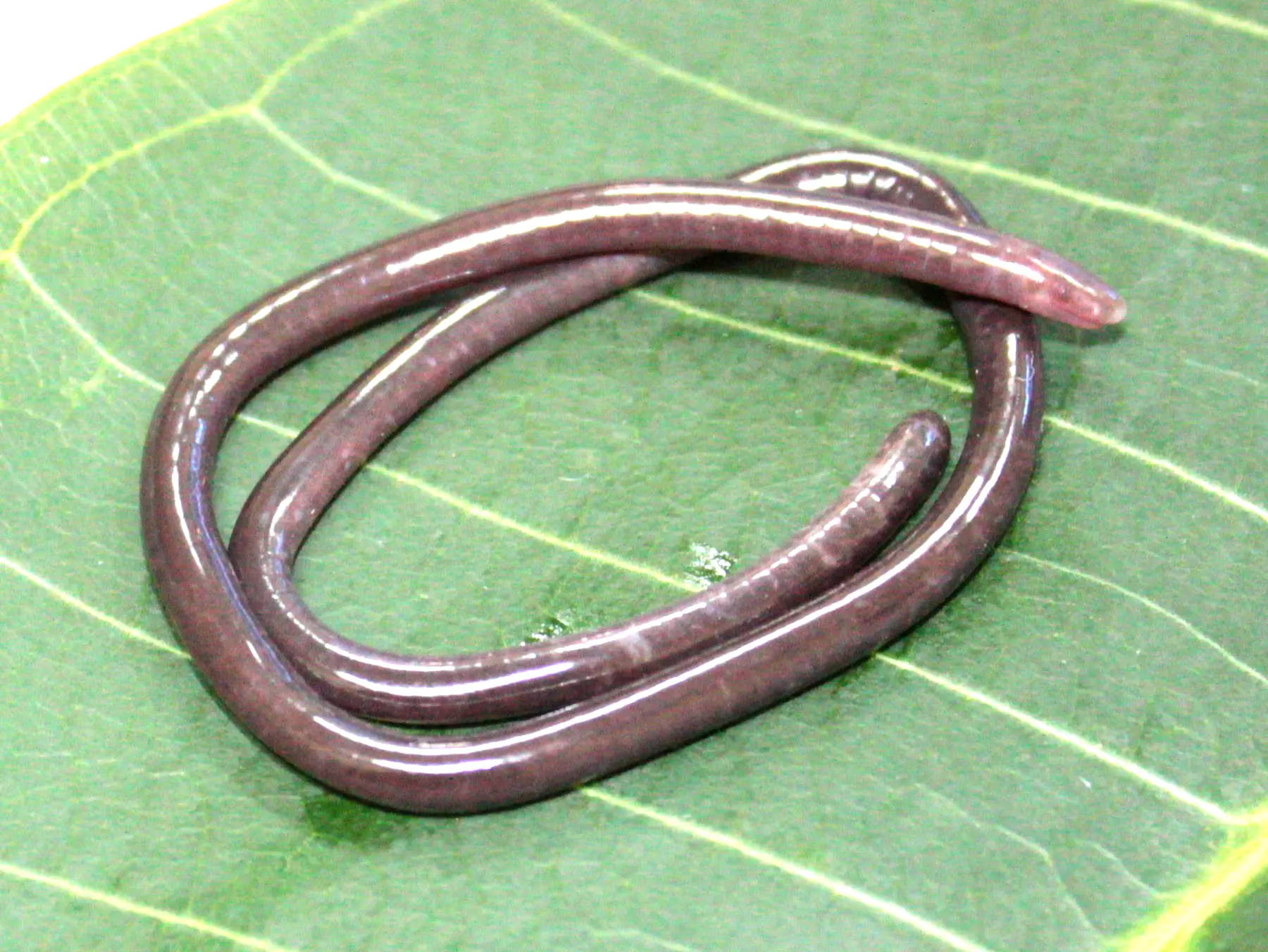
- A research team led by the Zoological Survey of India (ZSI) has identified a new species of rare, subterranean amphibian in Maharashtra.
- The species, named Gegeneophis valmiki, marks the first discovery within its genus in more than a decade.
- The discovery was published in the international peer-reviewed journal Phyllomedusa after years of morphological and genetic analysis.
Gegeneophis valmiki?
- Discovery Location: The species was identified on the Valmiki Plateau in the Satara district of Maharashtra, located in the Northern Western Ghats.
- Etymology: It has been named in honor of the historic Maharshi Valmiki Mandir situated near the site where it was first collected.
- Physical Characteristics:
- It is a limbless, worm-like amphibian with a smooth, elongated body.
- The species is functionally blind, as its eyes are concealed beneath its bony skull and skin.
- Unlike many other amphibians, it does not produce vocal calls, making it extremely difficult to detect in the wild.
- Habitat: It is a fossorial (burrowing) creature that lives deep within moist soil, humus, and organic matter.
Biodiversity and Conservation Context
- Western Ghats:
- A UNESCO World Heritage Site and one of the world’s 36 biodiversity hotspots.
- Home to 26 endemic caecilian species, including 11 from the Gegeneophis genus.
- Amphibian vulnerability:
- 41% of global amphibian species are threatened with extinction.
- Caecilians constitute only 231 of 8,983 known amphibian species worldwide.
- In India, 42 caecilian species exist among 457 total amphibians.
Sources
January 2026
Archive
October 2026
- 27 October 2026
- 26 October 2026
- 24 October 2026
- 23 October 2026
- 22 October 2026
- 21 October 2026
- 20 October 2026
- 19 October 2026
- 17 October 2026
- 16 October 2026
- 15 October 2026
- 14 October 2026
- 13 October 2026
- 12 October 2026
- 10 October 2026
- 09 October 2026
- 08 October 2026
- 07 October 2026
- 06 October 2026
- 05 October 2026
- 03 October 2026
- 02 October 2026
- 01 October 2026
September 2026
- 30 September 2026
- 29 September 2026
- 28 September 2026
- 26 September 2026
- 25 September 2026
- 24 September 2026
- 23 September 2026
- 22 September 2026
- 21 September 2026
- 19 September 2026
- 18 September 2026
- 17 September 2026
- 16 September 2026
- 15 September 2026
- 12 September 2026
- 11 September 2026
- 10 September 2026
- 09 September 2026
- 08 September 2026
- 07 September 2026
- 05 September 2026
- 04 September 2026
- 03 September 2026
- 02 September 2026
- 01 September 2026
August 2026
- 31 August 2026
- 29 August 2026
- 27 August 2026
- 26 August 2026
- 25 August 2026
- 24 August 2026
- 22 August 2026
- 21 August 2026
- 20 August 2026
- 19 August 2026
- 18 August 2026
- 17 August 2026
- 14 August 2026
- 13 August 2026
- 12 August 2026
- 11 August 2026
- 10 August 2026
- 08 August 2026
- 07 August 2026
- 06 August 2026
- 05 August 2026
- 04 August 2026
- 03 August 2026
- 01 August 2026
July 2026
- 31 July 2026
- 30 July 2026
- 29 July 2026
- 28 July 2026
- 27 July 2026
- 25 July 2026
- 23 July 2026
- 22 July 2026
- 21 July 2026
- 20 July 2026
- 18 July 2026
- 17 July 2026
- 15 July 2026
- 14 July 2026
- 13 July 2026
- 11 July 2026
- 10 July 2026
- 09 July 2026
- 08 July 2026
- 07 July 2026
- 06 July 2026
- 04 July 2026
- 03 July 2026
- 02 July 2026
- 01 July 2026
June 2026
May 2026
April 2026
March 2026
- 31 March 2026
- 30 March 2026
- 28 March 2026
- 27 March 2026
- 26 March 2026
- 25 March 2026
- 24 March 2026
- 23 March 2026
- 21 March 2026
- 20 March 2026
- 19 March 2026
- 18 March 2026
- 17 March 2026
- 16 March 2026
- 14 March 2026
- 13 March 2026
- 12 March 2026
- 11 March 2026
- 10 March 2026
- 09 March 2026
- 07 March 2026
- 06 March 2026
- 05 March 2026
- 03 March 2026
- 02 March 2026
February 2026
- 28 February 2026
- 27 February 2026
- 26 February 2026
- 25 February 2026
- 24 February 2026
- 23 February 2026
- 21 February 2026
- 20 February 2026
- 19 February 2026
- 18 February 2026
- 17 February 2026
- 16 February 2026
- 13 February 2026
- 12 February 2026
- 11 February 2026
- 10 February 2026
- 09 February 2026
- 07 February 2026
- 06 February 2026
- 05 February 2026
- 04 February 2026
- 03 February 2026
- 02 February 2026
January 2026
- 31 January 2026
- 30 January 2026
- 29 January 2026
- 28 January 2026
- 27 January 2026
- 26 January 2026
- 24 January 2026
- 23 January 2026
- 22 January 2026
- 21 January 2026
- 20 January 2026
- 19 January 2026
- 16 January 2026
- 15 January 2026
- 14 January 2026
- 13 January 2026
- 12 January 2026
- 10 January 2026
- 09 January 2026
- 08 January 2026
- 07 January 2026
- 06 January 2026
- 05 January 2026
- 03 January 2026
- 02 January 2026
- 01 January 2026
December 2025
- 31 December 2025
- 30 December 2025
- 29 December 2025
- 27 December 2025
- 26 December 2025
- 24 December 2025
- 23 December 2025
- 22 December 2025
- 20 December 2025
- 19 December 2025
- 18 December 2025
- 17 December 2025
- 16 December 2025
- 15 December 2025
- 13 December 2025
- 12 December 2025
- 11 December 2025
- 10 December 2025
- 09 December 2025
- 08 December 2025
- 05 December 2025
- 04 December 2025
- 03 December 2025
- 02 December 2025
November 2025
- 29 November 2025
- 28 November 2025
- 27 November 2025
- 26 November 2025
- 25 November 2025
- 24 November 2025
- 22 November 2025
- 21 November 2025
- 20 November 2025
- 19 November 2025
- 18 November 2025
- 17 November 2025
- 15 November 2025
- 14 November 2025
- 13 November 2025
- 12 November 2025
- 11 November 2025
- 10 November 2025
- 08 November 2025
- 07 November 2025
- 06 November 2025
- 05 November 2025
- 04 November 2025
- 03 November 2025
- 01 November 2025
October 2025
- 31 October 2025
- 30 October 2025
- 29 October 2025
- 28 October 2025
- 27 October 2025
- 25 October 2025
- 24 October 2025
- 23 October 2025
- 22 October 2025
- 21 October 2025
- 20 October 2025
- 18 October 2025
- 17 October 2025
- 16 October 2025
- 15 October 2025
- 14 October 2025
- 13 October 2025
- 11 October 2025
- 10 October 2025
- 09 October 2025
- 08 October 2025
- 07 October 2025
- 06 October 2025
- 04 October 2025
- 03 October 2025
- 02 October 2025
- 01 October 2025
September 2025
- 30 September 2025
- 29 September 2025
- 27 September 2025
- 26 September 2025
- 25 September 2025
- 24 September 2025
- 23 September 2025
- 22 September 2025
- 20 September 2025
- 19 September 2025
- 18 September 2025
- 17 September 2025
- 16 September 2025
- 15 September 2025
- 13 September 2025
- 12 September 2025
- 11 September 2025
- 10 September 2025
- 09 September 2025
- 08 September 2025
- 06 September 2025
- 05 September 2025
- 04 September 2025
- 03 September 2025
- 02 September 2025
- 01 September 2025
August 2025
- 30 August 2025
- 29 August 2025
- 28 August 2025
- 27 August 2025
- 26 August 2025
- 25 August 2025
- 23 August 2025
- 22 August 2025
- 21 August 2025
- 20 August 2025
- 19 August 2025
- 18 August 2025
- 16 August 2025
- 14 August 2025
- 13 August 2025
- 12 August 2025
- 11 August 2025
- 08 August 2025
- 07 August 2025
- 06 August 2025
- 05 August 2025
- 04 August 2025
- 02 August 2025
- 01 August 2025
July 2025
- 31 July 2025
- 30 July 2025
- 29 July 2025
- 28 July 2025
- 26 July 2025
- 25 July 2025
- 24 July 2025
- 23 July 2025
- 22 July 2025
- 21 July 2025
- 19 July 2025
- 18 July 2025
- 17 July 2025
- 16 July 2025
- 15 July 2025
- 12 July 2025
- 11 July 2025
- 10 July 2025
- 09 July 2025
- 07 July 2025
- 05 July 2025
- 04 July 2025
- 03 July 2025
- 02 July 2025
- 01 July 2025
June 2025
- 30 June 2025
- 28 June 2025
- 27 June 2025
- 26 June 2025
- 25 June 2025
- 24 June 2025
- 23 June 2025
- 21 June 2025
- 20 June 2025
- 19 June 2025
- 18 June 2025
- 17 June 2025
- 16 June 2025
- 14 June 2025
- 13 June 2025
- 12 June 2025
- 11 June 2025
- 10 June 2025
- 09 June 2025
- 07 June 2025
- 06 June 2025
- 05 June 2025
- 04 June 2025
- 03 June 2025
- 02 June 2025
May 2025
April 2025
- 30 April 2025
- 29 April 2025
- 28 April 2025
- 26 April 2025
- 25 April 2025
- 24 April 2025
- 23 April 2025
- 22 April 2025
- 21 April 2025
- 19 April 2025
- 18 April 2025
- 17 April 2025
- 16 April 2025
- 15 April 2025
- 14 April 2025
- 12 April 2025
- 11 April 2025
- 10 April 2025
- 09 April 2025
- 08 April 2025
- 07 April 2025
- 05 April 2025
- 04 April 2025
- 03 April 2025
- 02 April 2025
- 01 April 2025
March 2025
- 31 March 2025
- 29 March 2025
- 28 March 2025
- 27 March 2025
- 26 March 2025
- 25 March 2025
- 24 March 2025
- 22 March 2025
- 21 March 2025
- 20 March 2025
- 19 March 2025
- 18 March 2025
- 17 March 2025
- 15 March 2025
- 13 March 2025
- 12 March 2025
- 11 March 2025
- 10 March 2025
- 08 March 2025
- 07 March 2025
- 06 March 2025
- 05 March 2025
- 04 March 2025
- 03 March 2025
- 01 March 2025
February 2025
- 28 February 2025
- 27 February 2025
- 26 February 2025
- 25 February 2025
- 24 February 2025
- 22 February 2025
- 21 February 2025
- 20 February 2025
- 19 February 2025
- 18 February 2025
- 17 February 2025
- 15 February 2025
- 14 February 2025
- 13 February 2025
- 12 February 2025
- 11 February 2025
- 10 February 2025
- 08 February 2025
- 07 February 2025
- 06 February 2025
- 05 February 2025
- 04 February 2025
- 03 February 2025
- 01 February 2025
January 2025
- 31 January 2025
- 30 January 2025
- 29 January 2025
- 28 January 2025
- 27 January 2025
- 25 January 2025
- 24 January 2025
- 23 January 2025
- 22 January 2025
- 21 January 2025
- 20 January 2025
- 18 January 2025
- 17 January 2025
- 16 January 2025
- 15 January 2025
- 14 January 2025
- 13 January 2025
- 11 January 2025
- 10 January 2025
- 09 January 2025
- 08 January 2025
- 07 January 2025
- 06 January 2025
- 04 January 2025
- 03 January 2025
- 02 January 2025
- 01 January 2025