
Current Affairs
Stay updated with the latest national and international events.
20 August 2025
Agni-5 Successfully Test-Fired
What’s the News?
- Agni-5 was successfully test-fired from the Integrated Test Range, Chandipur.
- The launch validated operational and technical parameters.
- The mission was conducted under the aegis of the Strategic Forces Command.

Missile Specs & Strategic Significance
- Overview: Agni-5 is a long-range, nuclear-capable ballistic missile developed by DRDO.
- Key technical details
- Range: reported in the 5,000–7,000 km class.
- Propulsion & launch: solid-fuel, multi-stage design; canister-launch capable.
- Warhead: designed for nuclear delivery; tests have demonstrated multiple re-entry vehicle tracking (MIRV capability reported in past tests).
- Strategic effects
- Deterrence: strengthens India’s long-range strike and credible minimum deterrent posture.
- Operational readiness: validation of parameters supports future induction decisions and force readiness.
Additional Info
- Programme context
- Developer: Defence Research and Development Organisation (DRDO).
- Operational authority: Strategic Forces Command manages strategic assets.
- Agni family (comparative metrics)
- Agni-I: short range.
- Agni-II / III / IV: progressively longer ranges.
- Agni-V: 5,000+ km class; expands strategic reach regionally and beyond.
- Policy & governance links
- Defence is a Union subject under the Seventh Schedule (List I) of the Constitution of India.
- Ministry of Defence issues and vets strategic test releases and operational approvals.
- Technical metrics (concise)
- Range: ~5,000–7,000 km.
- Payload class: designed for strategic nuclear payloads; MIRV capability reported in prior trials.
Sources
Lok Sabha Clears Promotion and Regulation of Online Gaming Bill, 2025

What’s the News?
- Lok Sabha passed the Promotion and Regulation of Online Gaming Bill, 2025, to promote e-sports and online social games while prohibiting online money games.
- The law targets service providers, advertisers, promoters and financial facilitators rather than individual players.
- The Bill prescribes criminal and financial penalties for offences and empowers authorised officers with investigatory and seizure powers.
Regulatory Design
- Objective
- Promote legitimate e-sports, educational and social gaming ecosystems.
- Prevent harms from online money gaming including addiction, fraud, money-laundering and threats to public order.
- Key provisions
- Prohibition: Offering, operating, facilitating or promoting online money games is forbidden.
- Penalties: Offences may attract imprisonment up to 3 years and/or fines up to ₹1 crore; advertising violations carry separate penalties and enhanced sanctions for repeats.
- Liability focus: Legal action targets platforms, advertisers, promoters and financial intermediaries; players are not criminalised for participation.
- Financial interdiction: Banks and payment service providers are barred from facilitating transactions for prohibited games.
- Enforcement powers: Authorised officers may search, seize digital and physical assets and take coercive action in specified cases.
- Regulatory body: Centre may constitute an Authority to coordinate policy, oversight and sectoral development.
Additional Info
- Legal and constitutional context
- Legislative domain: Betting and gambling appear in Entry 34, State List of the Seventh Schedule. This makes traditional gambling a State subject; the Bill asserts Centre’s interest by framing online money games as a national problem requiring a uniform legal framework.
- Centre–State tension: Central legislation on matters touching State List invites questions on parliamentary competence, public order, financial system integrity, and potential judicial review.
- Policy and institutional links
- Ministry of Electronics and Information Technology is the nodal Ministry for the Bill’s introduction and framing.
- Authority under the Bill will handle policy coordination, regulation, promotion of e-sports and oversight of compliance.
- Enforcement and safeguards
- Players: explicitly not criminalised; emphasis on protecting youth and vulnerable groups.
- Financial safeguards: restrictions on financial intermediaries aim to cut off payment rails used by prohibited platforms.
Sources
Bills to Remove PM/CMs/Ministers Arrested on Serious Charges

What’s the News?
- Union Home Minister Amit Shah introduced three bills in Lok Sabha, including the Constitution (One Hundred and Thirtieth Amendment) Bill, 2025, proposing automatic vacancy of office if a sitting Prime Minister, Chief Minister, or Union Minister is arrested and detained for 30 consecutive days on an offence punishable with 5 years or more.
- The bills were referred to a Joint Parliamentary Committee after introduction.
- The amendment allows reappointment after release and places removal powers with the President, Governors, or Lieutenant Governors acting on prescribed advice or lapse rules.
Constitutional Mechanism & Rationale
- Objective
- Restore public trust in executive office by creating a statutory trigger for vacancy when ministers are detained on serious charges.
- Key design features
- Trigger: detention for 30 consecutive days for offences with imprisonment ceiling ≥ 5 years.
- Automatic vacancy: office ceases if removal advice is not tendered by the relevant authority within the prescribed window.
- Reappointment: permitted on release from custody.
- Scope of amendment: proposed changes to Articles 75, 164, and 239AA to operationalise removal across Centre, States, and Union Territories.
- Significance
- Instrumental attempt to tie constitutional morality to criminal accountability while keeping removal a political-constitutional act rather than a judicial conviction trigger.
Additional Info
- Legal text and procedure
- Amendment target: Articles 75, 164, 239AA to create vacancy rules for Prime Minister, Chief Ministers, and ministers of Union Territories.
- Reference: bills referred to a Joint Parliamentary Committee for examination prior to further debate.
- Institutional roles
- President: formal removal of the Prime Minister on prescribed advice or lapse.
- Governor / Lieutenant Governor: formal removal of Chief Ministers under the amended scheme.
- Practical and governance points
- Enforcement trade-offs: balancing swift accountability against risks of political misuse and administrative instability.
- Reappointment safeguard: allows restoration on release, moderating permanence of the removal trigger.
- Political contestation: Opposition protests and floor debate expected during committee scrutiny.
Sources
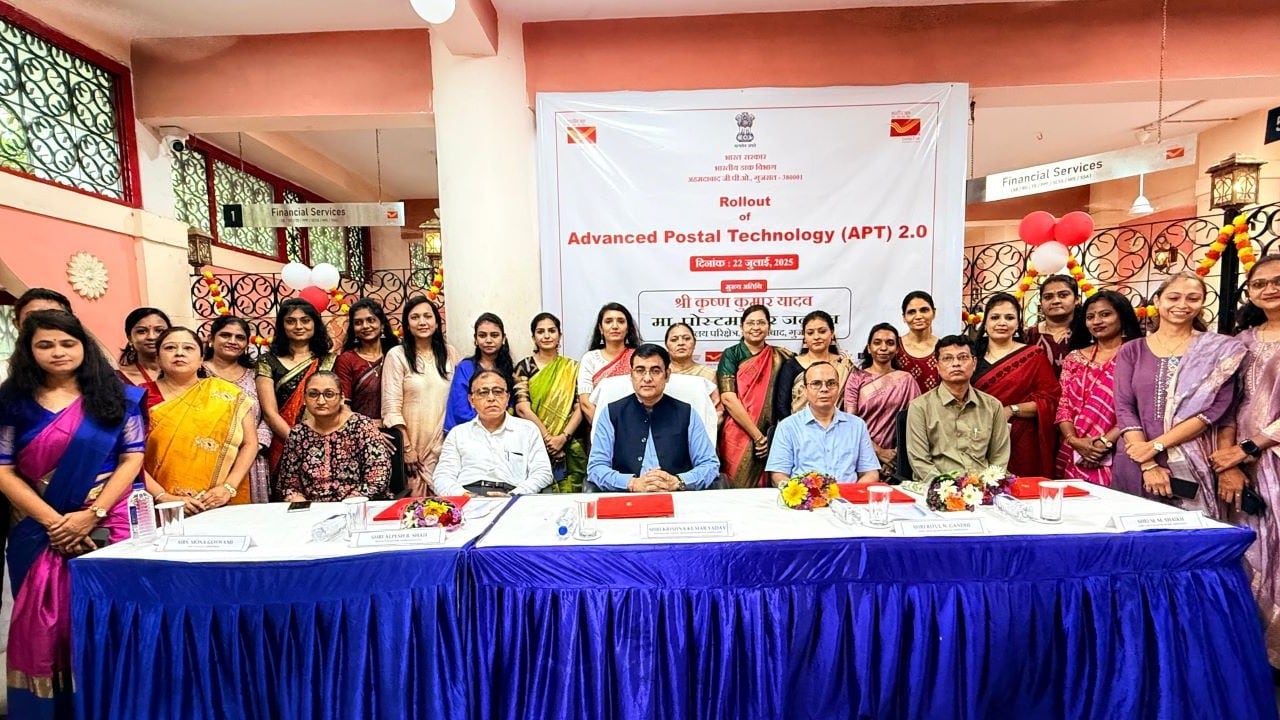
India Post Rolls Out IT 2.0 — Advanced Postal Technology
What’s the News?
- India Post has rolled out IT 2.0 / Advanced Postal Technology (APT) nationally to modernise postal operations and customer interface.
- The programme is backed by an investment of ₹5,800 crore and aims to make postal services mobile-first, faster and digitally auditable.
- Key customer-facing features include OTP-based deliveries, real-time parcel tracking, QR/UPI payments, and a 10-digit DigiPIN for secure delivery authentication.
- The platform is hosted on MeghRaj (cloud) with network support through BSNL and integration with postal banking services such as India Post Payments Bank (IPPB).
- Initial rollout has connected over 1.6 lakh post offices and included large-scale staff training to operate the new system.
APT — Design, Objectives and Expected Impact
- Overview
- Purpose: Transition India Post from legacy workflows to a unified digital logistics and payments platform.
- Operational features
- Delivery security: OTP + DigiPIN to reduce failed or fraudulent handovers.
- Payments: QR-code acceptance and UPI to cut cash handling and enable doorstep digital commerce.
- Visibility: End-to-end electronic tracking to improve accountability and delivery timelines.
- Integration: Single interface for mail, parcels, banking and insurance offered through post offices.
Additional Info
- Institutional & policy context
- Administrator: Department of Posts, Ministry of Communications.
- Cloud & network: Hosted on MeghRaj cloud; connectivity supported by BSNL.
- Linked initiatives: Digital India and government cloud adoption programmes.
- Technical/operational notes
- User authentication: DigiPIN and OTP replace manual signatures for most deliveries.
- Payments rails: UPI and QR reduce dependency on cash and improve audit trails.
- Scalability: Designed to handle national mail and parcel volumes through a unified backend.
- Metrics to remember
- Investment: ₹5,800 crore (APT / IT 2.0 rollout).
- Coverage: >1.6 lakh post offices connected during initial rollout.
Sources
Adi Karmayogi Abhiyan — World’s Largest Tribal Grassroots Leadership Programme
What’s the News?
- Ministry of Tribal Affairs launched Adi Karmayogi Abhiyan, a national programme to build decentralised tribal leadership and strengthen last-mile responsive governance.
- Scale: targets ~1 lakh tribal-dominated villages, 20 lakh change leaders, across ~550 districts and 30 States/UTs.
- Modus operandi: capacity building via Regional/State Process Labs, Governance Process Labs, and a national toolkit to institutionalise community-led problem solving.

Programme Design & Objectives
- Overview
- Aim: institutionalise responsive, people-led governance in tribal areas to improve delivery of health, education, livelihoods and basic services.
- Key components
- Cadre building: train State Master Trainers who cascade training to district, block and village levels.
- Process labs: hands-on learning labs to co-create local development plans and remove implementation bottlenecks.
- Community teams: village teams and change leaders to monitor schemes and drive local accountability.
- Significance
- Governance outcome: aims to convert scheme reach into measurable service improvements at the grassroots.
- Systemic effect: strengthens state-society interface and creates institutional memory for tribal governance.
Additional Info
- Programme metrics & delivery
- Coverage: ~1 lakh villages, 20 lakh changemakers, ~550 districts, 30 States/UTs.
- Training architecture
- Regional Process Labs (RPLs) → State Process Labs (SPLs) → District/Block/Village level labs.
- Toolkit Vol-II provides standard modules and facilitation guides for trainers.
- Policy & institutional links
- Nodal agency: Ministry of Tribal Affairs.
- Implementing partners: government training bodies and field partners (state administrations, civil-society resource organisations).
- Alignment: part of Janjatiya Gaurav Varsh and contributes to the Viksit Bharat 2047 vision.
- Constitutional relevance
- Directive Principle link: advances the obligation in Article 46 (promotion of educational and economic interests of Scheduled Tribes).
- Governance angle: illustrates centre-led mission delivery model using capacity building, convergence and social accountability—useful for answers on implementation challenges and centre-state cooperation.
Sources
Varanasi Pilots Removable Solar Panels Between Railway Tracks

What’s the News?
- Banaras Locomotive Works (BLW), Varanasi commissioned a pilot removable solar panel system installed between railway tracks.
- Pilot scale: 70 m of track fitted with 28 panels totalling 15 kWp capacity.
- Immediate impact: adds local renewable generation without land acquisition and demonstrates an operable, non-disruptive installation method for rail yards.
On-track Solar Pilot — Design and Significance
- Overview
- Objective: augment Indian Railways’ renewable capacity and test use of yard/ workshop track space for power generation.
- Key technical and operational points
- System features: removable mounting; rubber vibration pads and epoxy fixation to protect panels and track integrity.
- Performance metrics (pilot):
- Installed capacity: 15 kWp (28 panels).
- Power density (pilot estimates): reported ~220–240 kWp/km.
- Energy density (pilot estimates): reported ~880–960 units/km/day.
- Operational advantage: uses existing rail corridor space so no land acquisition and panels are removable for maintenance or seasonal needs.
- Significance for policy and scale
- Scalability potential: concept intended for yard lines and non-traffic stretches across the national network as a complementary renewable source.
- Cost and auditability: reduces dependence on external power purchases for workshops and supports Indian Railways’ sustainability goals.
Sources
Press Sewa Portal Launched to Simplify Newspaper & Periodical Registration

What’s the News?
- Press Registrar General launched the Press Sewa portal as a single-window digital system to simplify registration and compliance for newspapers and periodicals.
- The portal moves core processes online to speed approvals, increase transparency and reduce intermediaries for publishers.
Portal Design & Purpose
- Objective
- Ease of doing business for publishers and faster clearance of registration and intimation filings.
- Key features
- Online applications for periodical registration with Aadhaar-based e-KYC and credentialed logins.
- Dashboard for Specified Authorities to record comments and no-objection responses.
- IT helpdesk and onboarding training for state authorities and publishers.
- Centralised portal URL: presssewa.prgi.gov.in for filings and status tracking.
Additional Info
- Legal & institutional context
- Statutory anchor: implementation under the Press & Registration of Periodicals Act, 2023 and administered by the Press Registrar General of India (PRGI).
- Administrative link: PRGI functions under the Ministry of Information & Broadcasting.
- Operational architecture
- User types
- Publishers: create accounts, submit registration/intimation, track status.
- Specified Authorities (DPA/DM level): receive and record local comments via a dedicated dashboard.
- Support systems
- IT helpdesk for technical issues.
- Training modules for onboarding state officers and publishers.
- User types
Sources
August 2025
30 August 202529 August 202528 August 202527 August 202526 August 202525 August 202523 August 202522 August 202521 August 202520 August 202519 August 202518 August 202516 August 202514 August 202513 August 202512 August 202511 August 202508 August 202507 August 202506 August 202505 August 202504 August 202502 August 202501 August 2025
Archive
October 2026
- 28 October 2026
- 27 October 2026
- 26 October 2026
- 24 October 2026
- 23 October 2026
- 22 October 2026
- 21 October 2026
- 20 October 2026
- 19 October 2026
- 17 October 2026
- 16 October 2026
- 15 October 2026
- 14 October 2026
- 13 October 2026
- 12 October 2026
- 10 October 2026
- 09 October 2026
- 08 October 2026
- 07 October 2026
- 06 October 2026
- 05 October 2026
- 03 October 2026
- 02 October 2026
- 01 October 2026
September 2026
- 30 September 2026
- 29 September 2026
- 28 September 2026
- 26 September 2026
- 25 September 2026
- 24 September 2026
- 23 September 2026
- 22 September 2026
- 21 September 2026
- 19 September 2026
- 18 September 2026
- 17 September 2026
- 16 September 2026
- 15 September 2026
- 12 September 2026
- 11 September 2026
- 10 September 2026
- 09 September 2026
- 08 September 2026
- 07 September 2026
- 05 September 2026
- 04 September 2026
- 03 September 2026
- 02 September 2026
- 01 September 2026
August 2026
- 31 August 2026
- 29 August 2026
- 27 August 2026
- 26 August 2026
- 25 August 2026
- 24 August 2026
- 22 August 2026
- 21 August 2026
- 20 August 2026
- 19 August 2026
- 18 August 2026
- 17 August 2026
- 14 August 2026
- 13 August 2026
- 12 August 2026
- 11 August 2026
- 10 August 2026
- 08 August 2026
- 07 August 2026
- 06 August 2026
- 05 August 2026
- 04 August 2026
- 03 August 2026
- 01 August 2026
July 2026
- 31 July 2026
- 30 July 2026
- 29 July 2026
- 28 July 2026
- 27 July 2026
- 25 July 2026
- 23 July 2026
- 22 July 2026
- 21 July 2026
- 20 July 2026
- 18 July 2026
- 17 July 2026
- 15 July 2026
- 14 July 2026
- 13 July 2026
- 11 July 2026
- 10 July 2026
- 09 July 2026
- 08 July 2026
- 07 July 2026
- 06 July 2026
- 04 July 2026
- 03 July 2026
- 02 July 2026
- 01 July 2026
June 2026
May 2026
April 2026
March 2026
- 31 March 2026
- 30 March 2026
- 28 March 2026
- 27 March 2026
- 26 March 2026
- 25 March 2026
- 24 March 2026
- 23 March 2026
- 21 March 2026
- 20 March 2026
- 19 March 2026
- 18 March 2026
- 17 March 2026
- 16 March 2026
- 14 March 2026
- 13 March 2026
- 12 March 2026
- 11 March 2026
- 10 March 2026
- 09 March 2026
- 07 March 2026
- 06 March 2026
- 05 March 2026
- 03 March 2026
- 02 March 2026
February 2026
- 28 February 2026
- 27 February 2026
- 26 February 2026
- 25 February 2026
- 24 February 2026
- 23 February 2026
- 21 February 2026
- 20 February 2026
- 19 February 2026
- 18 February 2026
- 17 February 2026
- 16 February 2026
- 13 February 2026
- 12 February 2026
- 11 February 2026
- 10 February 2026
- 09 February 2026
- 07 February 2026
- 06 February 2026
- 05 February 2026
- 04 February 2026
- 03 February 2026
- 02 February 2026
January 2026
- 31 January 2026
- 30 January 2026
- 29 January 2026
- 28 January 2026
- 27 January 2026
- 26 January 2026
- 24 January 2026
- 23 January 2026
- 22 January 2026
- 21 January 2026
- 20 January 2026
- 19 January 2026
- 16 January 2026
- 15 January 2026
- 14 January 2026
- 13 January 2026
- 12 January 2026
- 10 January 2026
- 09 January 2026
- 08 January 2026
- 07 January 2026
- 06 January 2026
- 05 January 2026
- 03 January 2026
- 02 January 2026
- 01 January 2026
December 2025
- 31 December 2025
- 30 December 2025
- 29 December 2025
- 27 December 2025
- 26 December 2025
- 24 December 2025
- 23 December 2025
- 22 December 2025
- 20 December 2025
- 19 December 2025
- 18 December 2025
- 17 December 2025
- 16 December 2025
- 15 December 2025
- 13 December 2025
- 12 December 2025
- 11 December 2025
- 10 December 2025
- 09 December 2025
- 08 December 2025
- 05 December 2025
- 04 December 2025
- 03 December 2025
- 02 December 2025
November 2025
- 29 November 2025
- 28 November 2025
- 27 November 2025
- 26 November 2025
- 25 November 2025
- 24 November 2025
- 22 November 2025
- 21 November 2025
- 20 November 2025
- 19 November 2025
- 18 November 2025
- 17 November 2025
- 15 November 2025
- 14 November 2025
- 13 November 2025
- 12 November 2025
- 11 November 2025
- 10 November 2025
- 08 November 2025
- 07 November 2025
- 06 November 2025
- 05 November 2025
- 04 November 2025
- 03 November 2025
- 01 November 2025
October 2025
- 31 October 2025
- 30 October 2025
- 29 October 2025
- 28 October 2025
- 27 October 2025
- 25 October 2025
- 24 October 2025
- 23 October 2025
- 22 October 2025
- 21 October 2025
- 20 October 2025
- 18 October 2025
- 17 October 2025
- 16 October 2025
- 15 October 2025
- 14 October 2025
- 13 October 2025
- 11 October 2025
- 10 October 2025
- 09 October 2025
- 08 October 2025
- 07 October 2025
- 06 October 2025
- 04 October 2025
- 03 October 2025
- 02 October 2025
- 01 October 2025
September 2025
- 30 September 2025
- 29 September 2025
- 27 September 2025
- 26 September 2025
- 25 September 2025
- 24 September 2025
- 23 September 2025
- 22 September 2025
- 20 September 2025
- 19 September 2025
- 18 September 2025
- 17 September 2025
- 16 September 2025
- 15 September 2025
- 13 September 2025
- 12 September 2025
- 11 September 2025
- 10 September 2025
- 09 September 2025
- 08 September 2025
- 06 September 2025
- 05 September 2025
- 04 September 2025
- 03 September 2025
- 02 September 2025
- 01 September 2025
August 2025
- 30 August 2025
- 29 August 2025
- 28 August 2025
- 27 August 2025
- 26 August 2025
- 25 August 2025
- 23 August 2025
- 22 August 2025
- 21 August 2025
- 20 August 2025
- 19 August 2025
- 18 August 2025
- 16 August 2025
- 14 August 2025
- 13 August 2025
- 12 August 2025
- 11 August 2025
- 08 August 2025
- 07 August 2025
- 06 August 2025
- 05 August 2025
- 04 August 2025
- 02 August 2025
- 01 August 2025
July 2025
- 31 July 2025
- 30 July 2025
- 29 July 2025
- 28 July 2025
- 26 July 2025
- 25 July 2025
- 24 July 2025
- 23 July 2025
- 22 July 2025
- 21 July 2025
- 19 July 2025
- 18 July 2025
- 17 July 2025
- 16 July 2025
- 15 July 2025
- 12 July 2025
- 11 July 2025
- 10 July 2025
- 09 July 2025
- 07 July 2025
- 05 July 2025
- 04 July 2025
- 03 July 2025
- 02 July 2025
- 01 July 2025
June 2025
- 30 June 2025
- 28 June 2025
- 27 June 2025
- 26 June 2025
- 25 June 2025
- 24 June 2025
- 23 June 2025
- 21 June 2025
- 20 June 2025
- 19 June 2025
- 18 June 2025
- 17 June 2025
- 16 June 2025
- 14 June 2025
- 13 June 2025
- 12 June 2025
- 11 June 2025
- 10 June 2025
- 09 June 2025
- 07 June 2025
- 06 June 2025
- 05 June 2025
- 04 June 2025
- 03 June 2025
- 02 June 2025
May 2025
April 2025
- 30 April 2025
- 29 April 2025
- 28 April 2025
- 26 April 2025
- 25 April 2025
- 24 April 2025
- 23 April 2025
- 22 April 2025
- 21 April 2025
- 19 April 2025
- 18 April 2025
- 17 April 2025
- 16 April 2025
- 15 April 2025
- 14 April 2025
- 12 April 2025
- 11 April 2025
- 10 April 2025
- 09 April 2025
- 08 April 2025
- 07 April 2025
- 05 April 2025
- 04 April 2025
- 03 April 2025
- 02 April 2025
- 01 April 2025
March 2025
- 31 March 2025
- 29 March 2025
- 28 March 2025
- 27 March 2025
- 26 March 2025
- 25 March 2025
- 24 March 2025
- 22 March 2025
- 21 March 2025
- 20 March 2025
- 19 March 2025
- 18 March 2025
- 17 March 2025
- 15 March 2025
- 13 March 2025
- 12 March 2025
- 11 March 2025
- 10 March 2025
- 08 March 2025
- 07 March 2025
- 06 March 2025
- 05 March 2025
- 04 March 2025
- 03 March 2025
- 01 March 2025
February 2025
- 28 February 2025
- 27 February 2025
- 26 February 2025
- 25 February 2025
- 24 February 2025
- 22 February 2025
- 21 February 2025
- 20 February 2025
- 19 February 2025
- 18 February 2025
- 17 February 2025
- 15 February 2025
- 14 February 2025
- 13 February 2025
- 12 February 2025
- 11 February 2025
- 10 February 2025
- 08 February 2025
- 07 February 2025
- 06 February 2025
- 05 February 2025
- 04 February 2025
- 03 February 2025
- 01 February 2025
January 2025
- 31 January 2025
- 30 January 2025
- 29 January 2025
- 28 January 2025
- 27 January 2025
- 25 January 2025
- 24 January 2025
- 23 January 2025
- 22 January 2025
- 21 January 2025
- 20 January 2025
- 18 January 2025
- 17 January 2025
- 16 January 2025
- 15 January 2025
- 14 January 2025
- 13 January 2025
- 11 January 2025
- 10 January 2025
- 09 January 2025
- 08 January 2025
- 07 January 2025
- 06 January 2025
- 04 January 2025
- 03 January 2025
- 02 January 2025
- 01 January 2025