Current Affairs
Stay updated with the latest national and international events.
19 November 2026
India Ranks 10th in Climate Risk Index 2027
What’s the News?
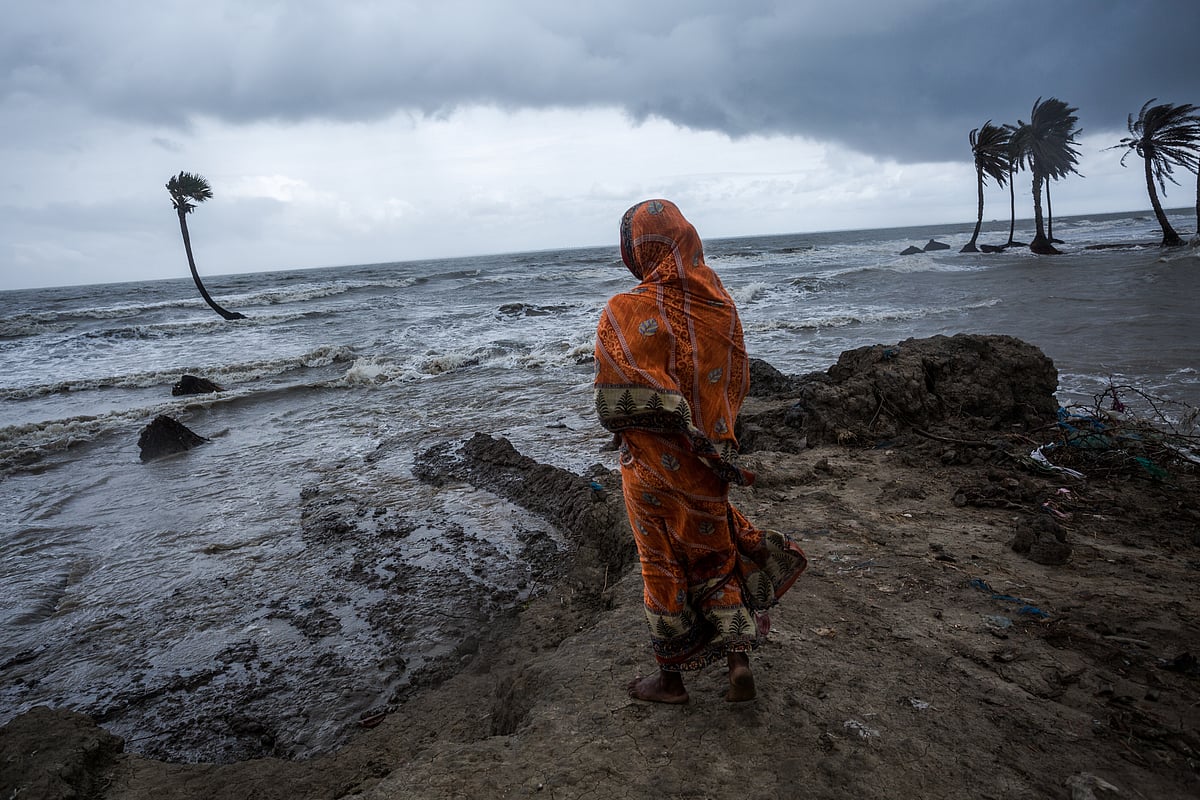
- India ranked 10th globally among countries most affected by extreme weather over the past three decades in the Climate Risk Index (CRI) 2027, released by Germanwatch during COP31 in Antalya, Türkiye.
- India also ranked 12th in the annual assessment, reflecting the impact of recurring floods, cyclones, heatwaves and droughts.
Climate Risk Index (CRI) 2027?
- Released by: Germanwatch, a Germany-based non-profit environmental organisation, publishing the index since 2006.
- Purpose: Assesses the human and economic impacts of extreme weather events across countries.
- Assessment Period:
- Long-term: 1996–2025 (30 years).
- Annual: 2025.
- Methodology: Uses six indicators covering absolute and relative fatalities, affected populations and economic losses.
- Data Sources: EM-DAT International Disaster Database, World Bank and International Monetary Fund (IMF).
- Nature: A retrospective assessment of actual impacts, not a prediction of future climate risks.
India's Performance in CRI 2027
| Indicator | India's Performance |
|---|---|
| Long-term rank (1996–2025) | 10th |
| Annual rank (2025) | 12th |
| Extreme weather events | 436 |
| Fatalities | Over 78,000 |
| People affected | Over 1.2 billion (cumulative) |
| Economic losses | Over USD 170 billion (inflation-adjusted) |
- Major Disasters: Gujarat Cyclone (1998), Odisha Super Cyclone (1999), Uttarakhand Floods (2013), Cyclone Hudhud (2014) and Cyclone Amphan (2020).
Global Findings
- Long-term rankings (1996–2025):
- Dominica
- Myanmar
- Honduras
- Annual rankings (2025):
- Jamaica
- Sri Lanka
- Spain
- Global Impact (1996–2025):
- Extreme weather events: Around 10,000.
- Fatalities: Over 916,000.
- People affected: Around 5.5 billion (cumulative).
- Economic losses: Approximately USD 4.7 trillion.
- Heatwaves accounted for approximately 40% of fatalities, while storms contributed around 58% of economic losses during the three-decade period.
Additional Info
- Germanwatch:
- Headquarters: Bonn, Germany.
- Also co-publishes the Climate Change Performance Index (CCPI), which evaluates climate mitigation performance rather than disaster impacts.
- India's Disaster Management Framework:
- Disaster Management Act, 2005: Provides the legal framework for disaster management and establishes the National Disaster Management Authority (NDMA).
- National Action Plan on Climate Change (NAPCC), 2008: Provides a framework for climate mitigation and adaptation through national missions.
Sources
U.S., China and Russia Hold Historic Trilateral Summit in Shenzhen

What’s the News?
- The United States, China and Russia held their first-ever trilateral leaders’ summit in Shenzhen, China, on the sidelines of the Asia-Pacific Economic Cooperation (APEC) Summit.
- The meeting brought together U.S. President Donald Trump, Chinese President Xi Jinping and Russian President Vladimir Putin.
- The three leaders adopted the “China-Russia-U.S. Heads of State Declaration toward Peace”, focusing on global security, strategic stability, UN reforms and nuclear risk reduction.
- However, no major breakthrough was achieved on the conflicts in Ukraine and Iran.
Outcomes of the Shenzhen Summit?
The leaders adopted a four-point joint declaration covering:
- United Nations Reform: Committed to improving the UN's effectiveness in addressing global challenges and maintaining international peace and security.
- Energy Security: Agreed to increase the production and supply of refined petroleum products while ensuring stable global energy flows.
- International Criminal Court (ICC): Emphasised state consent, immunity of state officials and preventing misuse of jurisdiction by international courts.
- Nuclear Risk Reduction: Reaffirmed that nuclear war must never be fought and agreed to pursue dialogue on reducing nuclear risks and preventing proliferation.
Additional Info
Asia-Pacific Economic Cooperation (APEC):
- Established: 1989.
- Headquarters: Singapore (APEC Secretariat).
- Members: 21 economies.
- India is not a member of APEC.
United Nations Security Council (UNSC):
- Total Members: 15 (5 permanent and 10 non-permanent).
- Permanent Members: China, France, Russia, United Kingdom and United States.
- India, along with Brazil, Germany and Japan, forms the G4, advocating UNSC reforms and permanent membership.
International Criminal Court (ICC):
- Established: 2002 under the Rome Statute, 1998.
- Headquarters: The Hague, Netherlands.
- Jurisdiction: Genocide, war crimes, crimes against humanity and the crime of aggression.
- India is not a party to the Rome Statute.
Sources
World AMR Awareness Week 2026

What’s the News?
- India is observing World Antimicrobial Resistance (AMR) Awareness Week 2026 from 18–24 November, under the theme “One Health, One Action: Prevent AMR Now.”
- The Ministry of Health and Family Welfare inaugurated the national observance at Kartavya Bhawan, New Delhi.
- Union Health Secretary Punya Salila Srivastava emphasised responsible antimicrobial use, infection prevention and coordinated action across human, animal and environmental health sectors.
World AMR Awareness Week (WAAW)?
- Observed: 18–24 November annually.
- 2026 Theme: “One Health, One Action: Prevent AMR Now.”
- Objective: Raise awareness about antimicrobial resistance and promote responsible antimicrobial use to prevent drug-resistant infections.
- History:
- 2015: Launched as World Antibiotic Awareness Week.
- 2020: Renamed World Antimicrobial Awareness Week.
- 2023: Renamed World AMR Awareness Week.
- Global Coordination: Supported by the Quadripartite organisations—WHO, FAO, UNEP and WOAH.
Antimicrobial Resistance (AMR)?
- Definition: AMR occurs when bacteria, viruses, fungi and parasites no longer respond effectively to antimicrobial medicines, making infections harder to treat.
- Major Causes:
- Misuse and overuse of antibiotics in humans and animals.
- Poor sanitation, inadequate infection control and environmental pollution.
- Inappropriate antimicrobial use in agriculture and livestock.
- Global Impact:
- Bacterial AMR is associated with over 4.7 million deaths annually.
- Projections indicate up to 39 million AMR-attributable deaths globally by 2050 without effective interventions.
India's Initiatives Against AMR
- National Action Plan on AMR 2.0 (2025–2029):
- Launched by Union Health Minister J.P. Nadda.
- Focuses on AMR surveillance, infection prevention, responsible antimicrobial use, research and intersectoral coordination.
- National Programme on AMR Containment:
- Launched in 2013 and coordinated by the National Centre for Disease Control (NCDC).
- Strengthens laboratory-based surveillance, infection control and antimicrobial stewardship.
- Concerns in India:
- More than 50% of antimicrobial sales occur without prescriptions.
- Nearly 50% of outpatient antibiotic prescriptions are inappropriate.
Additional Info
- One Health Approach:
- Recognises the interconnected health of humans, animals, plants and the environment.
- Promotes coordinated action to address health threats across sectors.
- Global Action Plan on AMR (2026–2036):
- Adopted by the 79th World Health Assembly.
- Focuses on reducing AMR-associated deaths, antimicrobial misuse and environmental contamination.
- Quadripartite Organisations:
- WHO: World Health Organization.
- FAO: Food and Agriculture Organization.
- UNEP: United Nations Environment Programme.
- WOAH: World Organisation for Animal Health (formerly OIE).
Sources
National Book Awards 2026: Hannah Lillith Assadi Wins Fiction Prize for Paradiso 17

What’s the News?
- Hannah Lillith Assadi, a Palestinian-Jewish American author, won the 2026 National Book Award for Fiction for her novel Paradiso 17.
- The winners were announced at the 77th National Book Awards, held at Cipriani Wall Street, New York City, USA.
- Indian-born British-American author Salman Rushdie received the Medal for Distinguished Contribution to American Letters.
National Book Awards 2026 Winners
| Category | Winning Book | Author |
|---|---|---|
| Fiction | Paradiso 17 | Hannah Lillith Assadi |
| Nonfiction | Huna: A Memoir of Revolution, Prison, and Becoming | Abdelrahman ElGendy |
| Poetry | Still House in the Desert: An eco-contemplation | Brenda Hillman |
| Translated Literature | Centroeuropa | Vicente Luis Mora (translated by Rahul Bery) |
| Young People's Literature | The Fight of Our Lives: AIDS in America | David Levithan and Gabriel Duckels |
Paradiso 17?
- Author: Hannah Lillith Assadi (third novel).
- Theme: Explores displacement, exile, identity and memory through the journey of a Palestinian man forced to leave his homeland during the Nakba of 1948.
- Inspiration: Based partly on the experiences of the author's late father, Sami Abdul-Fattah Al-Assadi, who fled Palestine as a child.
Special Honours
- Salman Rushdie:
- Received the Medal for Distinguished Contribution to American Letters.
- Born in Mumbai in 1947.
- Won the Booker Prize in 1981 for Midnight's Children.
- Perri Klass: Received the Literarian Award for Outstanding Service to the American Literary Community.
Additional Info
- National Book Awards:
- Established: 1950.
- Country: United States of America.
- Organised by: National Book Foundation (NBF), a nonprofit organisation established in 1989.
- Categories: Five—Fiction, Nonfiction, Poetry, Translated Literature and Young People's Literature.
- Prize Money: USD 10,000 and a bronze sculpture for each category winner.
- Finalists: Receive USD 1,000 and a medal.
- 2026 Participation: A total of 1,912 books were submitted for consideration.
Sources
World Toilet Day 2026: Theme, Significance and India's Sanitation Initiatives
What’s the News?
- World Toilet Day 2026 was observed globally on 19 November, under the theme “Safe toilets. Equal futures.”
- The observance highlights the importance of safe sanitation in promoting gender equality, public health, dignity and equal opportunities, particularly for women and girls.
- In India, the Ministry of Jal Shakti launched the Swachh Shauchalay – Garimamay Bhavishya (SSGB) campaign to strengthen rural sanitation facilities.
World Toilet Day?
- Observed: 19 November annually.
- 2026 Theme: “Safe toilets. Equal futures.”
- Established: 2001 by the World Toilet Organization (WTO), founded by Singaporean philanthropist Jack Sim.
- UN Recognition: Declared an official UN observance in 2013 through UN General Assembly Resolution 67/291, titled Sanitation for All.
- Coordinated by: UN-Water.
- Objective: Raise awareness of the global sanitation crisis and accelerate progress towards universal access to safe sanitation.
Global Sanitation Status
- 3.4 billion people lack safely managed sanitation services.
- 354 million people practise open defecation.
- 1.7 billion people lack basic hygiene services at home.
- Nearly 1 in 5 adolescent girls aged 10–19 lack access to basic sanitation services.
- Around 1.2 billion people gained access to safely managed sanitation between 2015 and 2024.
India's Sanitation Initiatives
1. Swachh Bharat Mission (SBM)
- Launched in 2014 to eliminate open defecation and improve sanitation coverage.
- Rural India was officially declared Open Defecation Free (ODF) in 2019.
- SBM-Grameen Phase II (2020–21 to 2026–27): Focuses on sustaining ODF status and solid and liquid waste management.
- Approximately 89.9% of villages have achieved ODF Plus (Model) status, according to government reporting.
2. Swachh Bharat Mission-Urban 2.0
- Launched in 2021 under the Ministry of Housing and Urban Affairs.
- Focuses on garbage-free cities, sustainable sanitation, wastewater treatment and scientific waste management.
- Includes development of Aspirational Toilets with improved accessibility and user-friendly facilities.
3. Swachh Shauchalay – Garimamay Bhavishya (SSGB)
- Launched by the Department of Drinking Water and Sanitation, Ministry of Jal Shakti, under SBM-Grameen.
- Focuses on repairing, maintaining and improving community and institutional toilets, especially for women, schoolgirls and persons with disabilities.
- Promotes twin-pit sanitation systems, mechanised desludging and sustained toilet usage.
Additional Info
- Sustainable Development Goals (SDGs):
- SDG 6: Clean Water and Sanitation.
- SDG 3: Good Health and Well-being.
- SDG 5: Gender Equality.
- SDG 10: Reduced Inequalities.
- SDG Target 6.2:
- Achieve access to adequate and equitable sanitation and hygiene for all and end open defecation by 2030, with special attention to women, girls and vulnerable populations.
- ODF Plus: A village sustaining ODF status while implementing solid and liquid waste management and maintaining visual cleanliness.
Sources
International Men's Day 2026: Theme, History and Significance

What’s the News?
- International Men's Day 2026 was observed worldwide on 19 November, under the theme “The Future Is Everyone.”
- The observance recognises the contributions of men and boys to families, communities and society while highlighting men's physical health, mental well-being and gender equality.
- The 2026 theme emphasises inclusivity, mutual respect, equal opportunities and shared responsibility in building a better future.
International Men's Day?
- Observed: 19 November annually.
- 2026 Theme: “The Future Is Everyone.”
- Founded by: Dr Jerome Teelucksingh, a history lecturer at the University of the West Indies.
- First Observed: 1999 in Trinidad and Tobago.
- Reason for Choosing 19 November:
- Commemorates the birthday of the founder's father.
- Also marks a significant football event that promoted national unity in Trinidad and Tobago.
- Objective: Promote positive male role models, men's well-being, gender equality and healthy relationships.
Six Pillars of International Men's Day
- Positive Male Role Models: Recognise responsible and inspiring men in society.
- Men's Contributions: Appreciate their contributions to families, communities and workplaces.
- Health and Well-being: Promote men's physical and mental health.
- Address Discrimination: Highlight disadvantages and discrimination affecting men and boys.
- Gender Equality: Encourage healthy gender relations, equality and mutual respect.
- Better Society: Create a safer and more inclusive society for everyone.
Additional Info
- International Men's Day in India:
- Observed since 2007, with Uma Challa playing a prominent role in promoting the occasion.
- She is associated with the Save Indian Family Foundation (SIFF).
- UN Recognition:
- International Men's Day is not an officially designated United Nations observance.
- Its organisers advocate formal inclusion in the UN calendar.
- Related Observance:
- International Women's Day: 8 March, recognised by the United Nations.
Sources
November 2026
27 November 202626 November 202625 November 202624 November 202623 November 202621 November 202620 November 202619 November 202618 November 202617 November 202616 November 202614 November 202613 November 202612 November 202611 November 202610 November 202609 November 202606 November 202605 November 202604 November 202603 November 202602 November 2026
Archive
November 2026
- 27 November 2026
- 26 November 2026
- 25 November 2026
- 24 November 2026
- 23 November 2026
- 21 November 2026
- 20 November 2026
- 19 November 2026
- 18 November 2026
- 17 November 2026
- 16 November 2026
- 14 November 2026
- 13 November 2026
- 12 November 2026
- 11 November 2026
- 10 November 2026
- 09 November 2026
- 06 November 2026
- 05 November 2026
- 04 November 2026
- 03 November 2026
- 02 November 2026
October 2026
- 31 October 2026
- 30 October 2026
- 29 October 2026
- 28 October 2026
- 27 October 2026
- 26 October 2026
- 24 October 2026
- 23 October 2026
- 22 October 2026
- 21 October 2026
- 20 October 2026
- 19 October 2026
- 17 October 2026
- 16 October 2026
- 15 October 2026
- 14 October 2026
- 13 October 2026
- 12 October 2026
- 10 October 2026
- 09 October 2026
- 08 October 2026
- 07 October 2026
- 06 October 2026
- 05 October 2026
- 03 October 2026
- 02 October 2026
- 01 October 2026
September 2026
- 30 September 2026
- 29 September 2026
- 28 September 2026
- 26 September 2026
- 25 September 2026
- 24 September 2026
- 23 September 2026
- 22 September 2026
- 21 September 2026
- 19 September 2026
- 18 September 2026
- 17 September 2026
- 16 September 2026
- 15 September 2026
- 12 September 2026
- 11 September 2026
- 10 September 2026
- 09 September 2026
- 08 September 2026
- 07 September 2026
- 05 September 2026
- 04 September 2026
- 03 September 2026
- 02 September 2026
- 01 September 2026
August 2026
- 31 August 2026
- 29 August 2026
- 27 August 2026
- 26 August 2026
- 25 August 2026
- 24 August 2026
- 22 August 2026
- 21 August 2026
- 20 August 2026
- 19 August 2026
- 18 August 2026
- 17 August 2026
- 14 August 2026
- 13 August 2026
- 12 August 2026
- 11 August 2026
- 10 August 2026
- 08 August 2026
- 07 August 2026
- 06 August 2026
- 05 August 2026
- 04 August 2026
- 03 August 2026
- 01 August 2026
July 2026
- 31 July 2026
- 30 July 2026
- 29 July 2026
- 28 July 2026
- 27 July 2026
- 25 July 2026
- 23 July 2026
- 22 July 2026
- 21 July 2026
- 20 July 2026
- 18 July 2026
- 17 July 2026
- 15 July 2026
- 14 July 2026
- 13 July 2026
- 11 July 2026
- 10 July 2026
- 09 July 2026
- 08 July 2026
- 07 July 2026
- 06 July 2026
- 04 July 2026
- 03 July 2026
- 02 July 2026
- 01 July 2026
June 2026
May 2026
April 2026
March 2026
- 31 March 2026
- 30 March 2026
- 28 March 2026
- 27 March 2026
- 26 March 2026
- 25 March 2026
- 24 March 2026
- 23 March 2026
- 21 March 2026
- 20 March 2026
- 19 March 2026
- 18 March 2026
- 17 March 2026
- 16 March 2026
- 14 March 2026
- 13 March 2026
- 12 March 2026
- 11 March 2026
- 10 March 2026
- 09 March 2026
- 07 March 2026
- 06 March 2026
- 05 March 2026
- 03 March 2026
- 02 March 2026
February 2026
- 28 February 2026
- 27 February 2026
- 26 February 2026
- 25 February 2026
- 24 February 2026
- 23 February 2026
- 21 February 2026
- 20 February 2026
- 19 February 2026
- 18 February 2026
- 17 February 2026
- 16 February 2026
- 13 February 2026
- 12 February 2026
- 11 February 2026
- 10 February 2026
- 09 February 2026
- 07 February 2026
- 06 February 2026
- 05 February 2026
- 04 February 2026
- 03 February 2026
- 02 February 2026
January 2026
- 31 January 2026
- 30 January 2026
- 29 January 2026
- 28 January 2026
- 27 January 2026
- 26 January 2026
- 24 January 2026
- 23 January 2026
- 22 January 2026
- 21 January 2026
- 20 January 2026
- 19 January 2026
- 16 January 2026
- 15 January 2026
- 14 January 2026
- 13 January 2026
- 12 January 2026
- 10 January 2026
- 09 January 2026
- 08 January 2026
- 07 January 2026
- 06 January 2026
- 05 January 2026
- 03 January 2026
- 02 January 2026
- 01 January 2026
December 2025
- 31 December 2025
- 30 December 2025
- 29 December 2025
- 27 December 2025
- 26 December 2025
- 24 December 2025
- 23 December 2025
- 22 December 2025
- 20 December 2025
- 19 December 2025
- 18 December 2025
- 17 December 2025
- 16 December 2025
- 15 December 2025
- 13 December 2025
- 12 December 2025
- 11 December 2025
- 10 December 2025
- 09 December 2025
- 08 December 2025
- 05 December 2025
- 04 December 2025
- 03 December 2025
- 02 December 2025
November 2025
- 29 November 2025
- 28 November 2025
- 27 November 2025
- 26 November 2025
- 25 November 2025
- 24 November 2025
- 22 November 2025
- 21 November 2025
- 20 November 2025
- 19 November 2025
- 18 November 2025
- 17 November 2025
- 15 November 2025
- 14 November 2025
- 13 November 2025
- 12 November 2025
- 11 November 2025
- 10 November 2025
- 08 November 2025
- 07 November 2025
- 06 November 2025
- 05 November 2025
- 04 November 2025
- 03 November 2025
- 01 November 2025
October 2025
- 31 October 2025
- 30 October 2025
- 29 October 2025
- 28 October 2025
- 27 October 2025
- 25 October 2025
- 24 October 2025
- 23 October 2025
- 22 October 2025
- 21 October 2025
- 20 October 2025
- 18 October 2025
- 17 October 2025
- 16 October 2025
- 15 October 2025
- 14 October 2025
- 13 October 2025
- 11 October 2025
- 10 October 2025
- 09 October 2025
- 08 October 2025
- 07 October 2025
- 06 October 2025
- 04 October 2025
- 03 October 2025
- 02 October 2025
- 01 October 2025
September 2025
- 30 September 2025
- 29 September 2025
- 27 September 2025
- 26 September 2025
- 25 September 2025
- 24 September 2025
- 23 September 2025
- 22 September 2025
- 20 September 2025
- 19 September 2025
- 18 September 2025
- 17 September 2025
- 16 September 2025
- 15 September 2025
- 13 September 2025
- 12 September 2025
- 11 September 2025
- 10 September 2025
- 09 September 2025
- 08 September 2025
- 06 September 2025
- 05 September 2025
- 04 September 2025
- 03 September 2025
- 02 September 2025
- 01 September 2025
August 2025
- 30 August 2025
- 29 August 2025
- 28 August 2025
- 27 August 2025
- 26 August 2025
- 25 August 2025
- 23 August 2025
- 22 August 2025
- 21 August 2025
- 20 August 2025
- 19 August 2025
- 18 August 2025
- 16 August 2025
- 14 August 2025
- 13 August 2025
- 12 August 2025
- 11 August 2025
- 08 August 2025
- 07 August 2025
- 06 August 2025
- 05 August 2025
- 04 August 2025
- 02 August 2025
- 01 August 2025
July 2025
- 31 July 2025
- 30 July 2025
- 29 July 2025
- 28 July 2025
- 26 July 2025
- 25 July 2025
- 24 July 2025
- 23 July 2025
- 22 July 2025
- 21 July 2025
- 19 July 2025
- 18 July 2025
- 17 July 2025
- 16 July 2025
- 15 July 2025
- 12 July 2025
- 11 July 2025
- 10 July 2025
- 09 July 2025
- 07 July 2025
- 05 July 2025
- 04 July 2025
- 03 July 2025
- 02 July 2025
- 01 July 2025
June 2025
- 30 June 2025
- 28 June 2025
- 27 June 2025
- 26 June 2025
- 25 June 2025
- 24 June 2025
- 23 June 2025
- 21 June 2025
- 20 June 2025
- 19 June 2025
- 18 June 2025
- 17 June 2025
- 16 June 2025
- 14 June 2025
- 13 June 2025
- 12 June 2025
- 11 June 2025
- 10 June 2025
- 09 June 2025
- 07 June 2025
- 06 June 2025
- 05 June 2025
- 04 June 2025
- 03 June 2025
- 02 June 2025
May 2025
April 2025
- 30 April 2025
- 29 April 2025
- 28 April 2025
- 26 April 2025
- 25 April 2025
- 24 April 2025
- 23 April 2025
- 22 April 2025
- 21 April 2025
- 19 April 2025
- 18 April 2025
- 17 April 2025
- 16 April 2025
- 15 April 2025
- 14 April 2025
- 12 April 2025
- 11 April 2025
- 10 April 2025
- 09 April 2025
- 08 April 2025
- 07 April 2025
- 05 April 2025
- 04 April 2025
- 03 April 2025
- 02 April 2025
- 01 April 2025
March 2025
- 31 March 2025
- 29 March 2025
- 28 March 2025
- 27 March 2025
- 26 March 2025
- 25 March 2025
- 24 March 2025
- 22 March 2025
- 21 March 2025
- 20 March 2025
- 19 March 2025
- 18 March 2025
- 17 March 2025
- 15 March 2025
- 13 March 2025
- 12 March 2025
- 11 March 2025
- 10 March 2025
- 08 March 2025
- 07 March 2025
- 06 March 2025
- 05 March 2025
- 04 March 2025
- 03 March 2025
- 01 March 2025
February 2025
- 28 February 2025
- 27 February 2025
- 26 February 2025
- 25 February 2025
- 24 February 2025
- 22 February 2025
- 21 February 2025
- 20 February 2025
- 19 February 2025
- 18 February 2025
- 17 February 2025
- 15 February 2025
- 14 February 2025
- 13 February 2025
- 12 February 2025
- 11 February 2025
- 10 February 2025
- 08 February 2025
- 07 February 2025
- 06 February 2025
- 05 February 2025
- 04 February 2025
- 03 February 2025
- 01 February 2025
January 2025
- 31 January 2025
- 30 January 2025
- 29 January 2025
- 28 January 2025
- 27 January 2025
- 25 January 2025
- 24 January 2025
- 23 January 2025
- 22 January 2025
- 21 January 2025
- 20 January 2025
- 18 January 2025
- 17 January 2025
- 16 January 2025
- 15 January 2025
- 14 January 2025
- 13 January 2025
- 11 January 2025
- 10 January 2025
- 09 January 2025
- 08 January 2025
- 07 January 2025
- 06 January 2025
- 04 January 2025
- 03 January 2025
- 02 January 2025
- 01 January 2025