
Current Affairs
Stay updated with the latest national and international events.
18 September 2025
Ministry of Finance Sets Deadline for Unified Pension Scheme
What’s the News?
- The Ministry of Finance has fixed 30 September 2025 as the final date for eligible Central Government employees and past retirees to opt into the Unified Pension Scheme (UPS), moving from the National Pension System (NPS).
- Employees who cannot access the online option due to technical glitches are allowed to submit physical forms through their nodal offices, provided these are submitted by the deadline.
- Under the UPS rules, once an employee opts for UPS, they get a one-time switch back to the NPS, but only under certain conditions and timelines.
Unified Pension Scheme (UPS)
- Overview: UPS is an optional pension scheme launched as an alternative to NPS, providing assured post-retirement benefits. It was notified in January 2025 and implemented from April 1, 2025.
- Key Features:
- Assured Payout: Guarantees 50% of the average basic pay of the last 12 months before retirement for employees with at least 25 years of service. For those with 10-25 years of service, a proportionate payout is provided.
- Minimum Pension: ₹10,000 per month after 10 years of service.
- Contributions: Employee contributes 10% of basic pay + DA, while the government contributes 10% (matching) and an additional 8.5% to a pool corpus.
- Family Benefits: Spouses receive 60% of the pension after the employee’s death.
- Eligibility: Existing and newly joined Central Government employees, as well as past retirees under NPS with at least 10 years of service.
- Current Adoption: As of July 20, 2025, only about 40,000 of the 23.94 lakh eligible employees had opted for UPS.
Additional Info
- National Pension System (NPS):
- Launched in 2004 by the Central Government.
- It replaced the Old Pension Scheme (OPS) for new government employees (excluding armed forces).
- It is regulated by the Pension Fund Regulatory and Development Authority (PFRDA) under the Ministry of Finance.
- NPS is a defined-contribution system, where employees contribute a part of their salary, and the government makes a matching contribution.
- Old Pension Scheme (OPS):
- The previous system provided a fixed pension of 50% of the last drawn salary, along with dearness allowance adjustments, and was fully funded by the government.
- The switch to NPS was aimed at reducing the government's fiscal burden and creating a more sustainable pension system.
- Amid persistent demands to restore OPS, the government introduced the UPS to provide an assured-payout option.
- Switching Conditions:
- The one-time switch from UPS to NPS must be exercised at least one year before superannuation or three months before voluntary retirement.
- This option is not available to employees who have been dismissed or compulsorily retired.
Sources
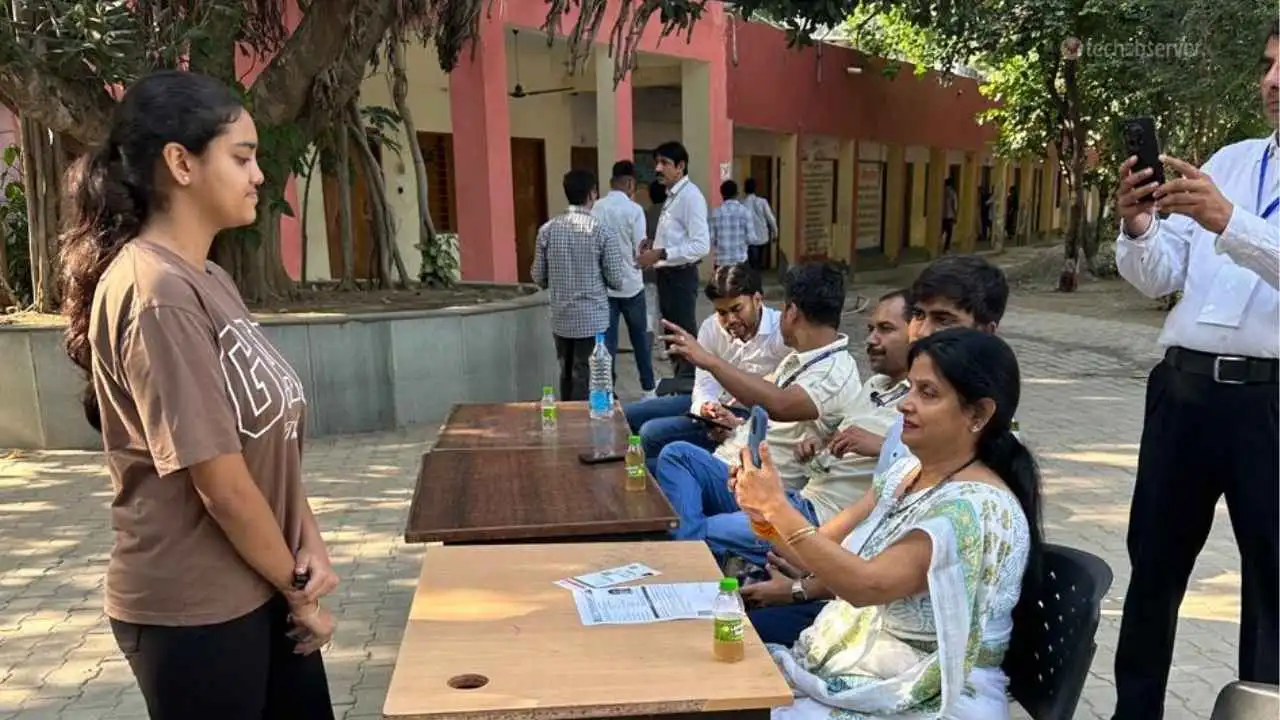
UPSC Pilots AI-Facial Recognition for Exam Verification
What’s the News?
- UPSC ran a pilot for AI-enabled facial authentication during the NDA & NA II, and CDS II exams, in selected centres in Gurugram.
- Facial images of candidates were matched against registration photos.
- Verification time dropped to 8-10 seconds per candidate.
- Around 2,700 successful scans were done for 1,129 candidates across multiple sessions.
AI-Based Facial Authentication System
- Objective:
- To strengthen the integrity of the examination process by adding an extra layer of security against impersonation and malpractices.
- To improve efficiency and reduce entry time at examination halls, ensuring a seamless experience for candidates.
- Technology & Process:
- The system digitally matches live facial images of candidates with photographs submitted during their registration.
- It uses artificial intelligence for rapid and accurate authentication, ensuring minimal manual intervention.
- Outcomes:
- Verification time reduced significantly to 8–10 seconds per candidate (compared to traditional methods).
- Successful implementation at pilot centers with plans for further evaluation and potential scalability.
Additional Info
- Union Public Service Commission (UPSC):
- Established under Article 315 of the Constitution of India.
- It is a central recruiting agency responsible for appointments to and examinations for All India Services and Group A & Group B of Central services.
- The commission's role and functions are outlined in Article 320.
- National e-Governance Division (NeGD):
- An independent business division within the Ministry of Electronics and Information Technology (MeitY).
- It was created to act as the program manager for the National e-Governance Plan (NeGP).
- Its main objective is to provide strategic direction and implement e-governance projects in the country.
Sources
EC Rejects Rahul Gandhi Vote Deletion Claims as Baseless
What’s the News?
- Rahul Gandhi alleged mass deletion and manipulation of voter rolls in the Aland constituency (Karnataka) and Rajura (Maharashtra). He accused use of software, fake logins, odd-hour deletions, and targeting of Congress strongholds.

- The Election Commission of India (ECI) has rejected these claims as incorrect and baseless. It said no vote or voter can be deleted online by the public. EC admitted attempts in 2023 to delete some voters in Aland were made but described them as unsuccessful.
Aland Voter Deletion Incident
- Background:
- In December 2022, 6,018 applications in Form 7 (used for objecting to/include or delete a voter's name) were submitted online for the Aland constituency via apps like NVSP, VHA, and GARUDA.
- Suspicion arose due to the unusually high volume, leading to verification by Booth Level Officers (BLOs).
- Findings:
- Only 24 applications were found to be genuine and processed.
- The remaining 5,994 applications were rejected as incorrect, and no names were deleted based on these fraudulent requests.
- FIR and Investigation:
- An FIR (No.26/2023) was filed at the Aland Police Station on February 21, 2023, by the Electoral Registration Officer.
- The ECI provided all available data, including objector details, Form Reference Numbers, EPIC numbers, mobile numbers, IP addresses, and submission timestamps, to the Superintendent of Police, Kalaburagi, for investigation.
- The Karnataka CID has sought further technical details, such as destination IP addresses and OTP trails, to identify the perpetrators, claiming delays in receiving full cooperation from the ECI.
Additional Info
- Constitutional Basis of ECI:
- The ECI is a permanent and independent constitutional body established under Article 324 of the Constitution of India.
- Its core mandate is to conduct free and fair elections to the Parliament, state legislatures, and the offices of the President and Vice-President.
- Key Legal Provisions:
- The Representation of the People Act, 1950 and the Registration of Electors Rules, 1960 lay down the legal framework for the preparation and revision of electoral rolls.
- Functions of the ECI:
- It prepares and updates electoral rolls, issues voter ID cards (EPIC), and grants recognition to political parties.
- It also enforces the Model Code of Conduct (MCC), sets campaign expenditure limits, and resolves election-related disputes.
- EVM and VVPAT: The ECI has enhanced the electoral process with the introduction of Electronic Voting Machines (EVMs) and the Voter Verifiable Paper Audit Trail (VVPAT) system, which adds a layer of transparency and provides a physical audit trail of votes.
Sources
Election Commission to Conduct Special Intensive Revision in Delhi
What’s the News?
- The Election Commission of India (ECI) has started preparations for a Special Intensive Revision (SIR) of electoral rolls in Delhi. This exercise, which is distinct from the regular annual revision, is aimed at ensuring the integrity and accuracy of voter lists.
- The revision will involve a house-to-house verification drive by Booth Level Officers (BLOs). The process will be comprehensive, with a focus on identifying and removing the names of deceased, shifted, or duplicate voters, as well as including all eligible new voters.
- This initiative in Delhi follows a similar ongoing SIR in Bihar. The ECI’s move to conduct a SIR across the country is part of its commitment to maintain clean and updated electoral rolls, a crucial element for conducting free and fair elections.
What is Special Intensive Revision?
- The SIR is a meticulous and thorough verification of electoral rolls that goes beyond the Special Summary Revision (SSR). While the SSR focuses on incorporating new voters and making minor corrections, the SIR involves a more in-depth, door-to-door verification process.
- The primary goal of SIR is to address issues such as
- Inclusion of eligible citizens: Ensuring that all citizens aged 18 years and above are registered.
- Elimination of ineligible voters: Removing duplicate entries, names of deceased persons, and those who have shifted.
- Ensuring accuracy: Correcting errors in names, addresses, and other details.
- The ECI is using a past voter list from a previous SIR (e.g., the 2002 list in Delhi) to map with current constituencies. This will aid in the house-to-house visits and help verify place-of-birth details.
Additional Info
- Constitutional and Legal Provisions:
- The ECI's authority to conduct such revisions is derived from Article 324 of the Constitution of India, which vests the superintendence, direction, and control of elections in the Commission.
- The process is further governed by the Representation of the People Act, 1950, specifically Section 21, which provides for the preparation and revision of electoral rolls.
- Article 326 guarantees universal adult suffrage, stating that every citizen who is at least 18 years of age and is not otherwise disqualified by law is entitled to be registered as a voter.
- Key Officials:
- Chief Electoral Officer (CEO): An officer in each state who, subject to the ECI's direction, supervises the preparation and revision of electoral rolls.
- Electoral Registration Officer (ERO): Responsible for the preparation of electoral rolls for a particular constituency.
- Booth Level Officer (BLO): A local government official appointed by the ERO to assist in the revision process, including house-to-house verification.
Sources
World Bamboo Day 2025

What’s the News?
- World Bamboo Day is observed globally on 18 September to highlight bamboo’s environmental, economic, and cultural significance.
- The 2025 theme is “Next Generation Bamboo: Solution, Innovation, and Design”, emphasizing bamboo’s role in sustainable design, modern architecture, eco-packaging, green energy, and livelihoods.
- In Nagaland, celebrations at the Nagaland Bamboo Resource Centre included a display of bamboo-based crafts, announcement of a Cane and Bamboo Technology Park, artisan training, and release of a report in collaboration with the Confederation of Indian Industry on easing compliance for the bamboo sector.
India's Role and Potential
- India is the third-largest producer of bamboo in the world, with over 125 species and about 8.96 million hectares of bamboo-bearing area.
- The National Bamboo Mission (NBM), a centrally sponsored scheme, aims to promote the holistic growth of the bamboo sector by linking farmers and consumers. Key objectives include:
- Increasing bamboo plantations in non-forest areas.
- Improving post-harvest management and developing market infrastructure.
- Promoting skill development and entrepreneurship in the sector.
- India's bamboo economy is valued at around ₹1,300 crore, with significant potential for growth. The government is working to reduce import dependence and boost domestic manufacturing and exports.
Additional Info
- World Bamboo Organization (WBO):
- Founded in 2005, the WBO is the international body that promotes the use of bamboo for environmental and socio-economic progress.
- World Bamboo Day was officially established by the WBO at the 8th World Bamboo Congress in Bangkok in 2009.
- Legal and Policy Changes in India:
- The Indian Forest Act of 1927 previously classified bamboo as a "tree," which imposed restrictions on its cultivation and transport by farmers.
- In 2017, the government amended the Act to exempt bamboo grown in non-forest areas from the definition of a "tree."
- This landmark policy change freed bamboo grown on private land from restrictive regulations, empowering farmers and opening up new market opportunities.
- Ecological Benefits:
- Bamboo is a fast-growing grass that can be harvested annually without replanting, making it a highly renewable resource.
- It plays a crucial role in climate change mitigation by absorbing more carbon dioxide and releasing more oxygen than many other plants.
- Its extensive root system helps in soil conservation and prevents erosion, making it effective for land restoration.
Sources
Global Innovation Index 2025: India’s Position & Trends

What’s the News?
- India ranks 38th among 139 economies in the Global Innovation Index (GII) 2025.
- India is first among lower-middle-income economies, and top in the Central & Southern Asia region.
India’s Performance: Strengths & Weaknesses
- Strengths:
- Knowledge & Technology Outputs (#22 globally)
- Market Sophistication (#38 globally)
- Four Indian cities/clusters feature among the top 100 innovation clusters, with Bengaluru being the most innovative cluster in India.
- Weaknesses / Areas for Improvement:
- Business Sophistication ranked low (~ #64)
- Infrastructure (#61) and Institutions (#58) are lagging.
Comparative Insights (China, USA, etc.)
- Top 10 most innovative countries are led by Switzerland (#1), followed by Sweden, USA (#3), Republic of Korea, Singapore, UK, Finland, Netherlands, Denmark, China (#10).
- China has entered the top 10 for the first time. It leads in several metrics such as patent filings, creative goods exports, trademarks.
Additional Info
- About Global Innovation Index (GII):
- The GII is an annual report co-published by WIPO, a specialized agency of the United Nations.
- It is a key tool for policymakers to assess and benchmark their country's innovation performance and design effective policies.
- The index is a composite of two sub-indices: Innovation Input (e.g., institutions, human capital, infrastructure) and Innovation Output (e.g., knowledge and technology outputs, creative outputs).
- Government Initiatives for Innovation in India:
- Startup India Program: Provides financial support, mentorship, and tax exemptions to new ventures.
- Atal Innovation Mission (AIM): A flagship initiative by NITI Aayog to create a culture of innovation and entrepreneurship, which includes establishing Atal Tinkering Labs in schools.
- National Initiative for Developing and Harnessing Innovations (NIDHI): A program to support startups through a network of incubators and accelerators.
- Design Linked Incentive (DLI) Scheme: A scheme under the India Semiconductor Mission (ISM) to support domestic companies in semiconductor design.
- Top Indian Innovation Clusters:
- The GII report also identifies global innovation clusters, and India has four cities in the top 100: Bengaluru (21st), Delhi (26th), Mumbai (46th), and Chennai (84th).
Sources
India Secures Strategic Entry in Chagos Near Diego Garcia

What’s the News?
- India and Mauritius have agreed to establish a Satellite Telemetry, Tracking & Telecommunications Station in Mauritius, close to the US-UK base at Diego Garcia in the Chagos Archipelago.
- This agreement was made during the visit of Mauritius PM Navinchandra Ramgoolam to India. It enhances cooperation in space research, satellite tracking, communications and telecommunications.
- India has announced a US$680 million package for Mauritius that includes infrastructure, security, and development initiatives tied to this strategic entry.
India-Mauritius Strategic Cooperation
- India has pledged a special economic package of $680 million to Mauritius. This is a mix of grants and lines of credit to support projects in infrastructure, healthcare, and maritime security.
- Key elements of the cooperation include:
- Maritime Surveillance and Capacity Building: India will assist Mauritius in monitoring and developing its vast EEZ, particularly the Chagos Marine Protected Area.
- Hydrography Agreement: The two nations will conduct joint surveys and share hydrographic data, a crucial step for navigation and maritime domain awareness.
- Infrastructure Development: Projects such as the redevelopment of Port Louis harbor and the construction of an Air Traffic Control (ATC) tower at the international airport are included in the package.
- This partnership strengthens India's role as a "first responder" and "net security provider" in the Indian Ocean, countering the rising presence of other nations in the region.
Additional Info
- Chagos Archipelago Sovereignty Dispute:
- The Chagos Archipelago was part of the British colony of Mauritius before its independence in 1968.
- In 1965, the UK separated the archipelago to create the British Indian Ocean Territory (BIOT), forcibly relocating the native Chagossian population.
- The dispute gained international momentum when the International Court of Justice (ICJ) issued an advisory opinion in 2019, stating that the UK's continued administration of the islands was unlawful.
- Geopolitical Significance of Diego Garcia:
- Located at a strategic point in the central Indian Ocean, Diego Garcia provides a key military hub for the US and UK.
- The base has been used for military operations in the Gulf War, Afghanistan, and Iraq, and remains critical for projecting power and monitoring sea lanes.
Sources
September 2025
30 September 202529 September 202527 September 202526 September 202525 September 202524 September 202523 September 202522 September 202520 September 202519 September 202518 September 202517 September 202516 September 202515 September 202513 September 202512 September 202511 September 202510 September 202509 September 202508 September 202506 September 202505 September 202504 September 202503 September 202502 September 202501 September 2025
Archive
October 2026
- 28 October 2026
- 27 October 2026
- 26 October 2026
- 24 October 2026
- 23 October 2026
- 22 October 2026
- 21 October 2026
- 20 October 2026
- 19 October 2026
- 17 October 2026
- 16 October 2026
- 15 October 2026
- 14 October 2026
- 13 October 2026
- 12 October 2026
- 10 October 2026
- 09 October 2026
- 08 October 2026
- 07 October 2026
- 06 October 2026
- 05 October 2026
- 03 October 2026
- 02 October 2026
- 01 October 2026
September 2026
- 30 September 2026
- 29 September 2026
- 28 September 2026
- 26 September 2026
- 25 September 2026
- 24 September 2026
- 23 September 2026
- 22 September 2026
- 21 September 2026
- 19 September 2026
- 18 September 2026
- 17 September 2026
- 16 September 2026
- 15 September 2026
- 12 September 2026
- 11 September 2026
- 10 September 2026
- 09 September 2026
- 08 September 2026
- 07 September 2026
- 05 September 2026
- 04 September 2026
- 03 September 2026
- 02 September 2026
- 01 September 2026
August 2026
- 31 August 2026
- 29 August 2026
- 27 August 2026
- 26 August 2026
- 25 August 2026
- 24 August 2026
- 22 August 2026
- 21 August 2026
- 20 August 2026
- 19 August 2026
- 18 August 2026
- 17 August 2026
- 14 August 2026
- 13 August 2026
- 12 August 2026
- 11 August 2026
- 10 August 2026
- 08 August 2026
- 07 August 2026
- 06 August 2026
- 05 August 2026
- 04 August 2026
- 03 August 2026
- 01 August 2026
July 2026
- 31 July 2026
- 30 July 2026
- 29 July 2026
- 28 July 2026
- 27 July 2026
- 25 July 2026
- 23 July 2026
- 22 July 2026
- 21 July 2026
- 20 July 2026
- 18 July 2026
- 17 July 2026
- 15 July 2026
- 14 July 2026
- 13 July 2026
- 11 July 2026
- 10 July 2026
- 09 July 2026
- 08 July 2026
- 07 July 2026
- 06 July 2026
- 04 July 2026
- 03 July 2026
- 02 July 2026
- 01 July 2026
June 2026
May 2026
April 2026
March 2026
- 31 March 2026
- 30 March 2026
- 28 March 2026
- 27 March 2026
- 26 March 2026
- 25 March 2026
- 24 March 2026
- 23 March 2026
- 21 March 2026
- 20 March 2026
- 19 March 2026
- 18 March 2026
- 17 March 2026
- 16 March 2026
- 14 March 2026
- 13 March 2026
- 12 March 2026
- 11 March 2026
- 10 March 2026
- 09 March 2026
- 07 March 2026
- 06 March 2026
- 05 March 2026
- 03 March 2026
- 02 March 2026
February 2026
- 28 February 2026
- 27 February 2026
- 26 February 2026
- 25 February 2026
- 24 February 2026
- 23 February 2026
- 21 February 2026
- 20 February 2026
- 19 February 2026
- 18 February 2026
- 17 February 2026
- 16 February 2026
- 13 February 2026
- 12 February 2026
- 11 February 2026
- 10 February 2026
- 09 February 2026
- 07 February 2026
- 06 February 2026
- 05 February 2026
- 04 February 2026
- 03 February 2026
- 02 February 2026
January 2026
- 31 January 2026
- 30 January 2026
- 29 January 2026
- 28 January 2026
- 27 January 2026
- 26 January 2026
- 24 January 2026
- 23 January 2026
- 22 January 2026
- 21 January 2026
- 20 January 2026
- 19 January 2026
- 16 January 2026
- 15 January 2026
- 14 January 2026
- 13 January 2026
- 12 January 2026
- 10 January 2026
- 09 January 2026
- 08 January 2026
- 07 January 2026
- 06 January 2026
- 05 January 2026
- 03 January 2026
- 02 January 2026
- 01 January 2026
December 2025
- 31 December 2025
- 30 December 2025
- 29 December 2025
- 27 December 2025
- 26 December 2025
- 24 December 2025
- 23 December 2025
- 22 December 2025
- 20 December 2025
- 19 December 2025
- 18 December 2025
- 17 December 2025
- 16 December 2025
- 15 December 2025
- 13 December 2025
- 12 December 2025
- 11 December 2025
- 10 December 2025
- 09 December 2025
- 08 December 2025
- 05 December 2025
- 04 December 2025
- 03 December 2025
- 02 December 2025
November 2025
- 29 November 2025
- 28 November 2025
- 27 November 2025
- 26 November 2025
- 25 November 2025
- 24 November 2025
- 22 November 2025
- 21 November 2025
- 20 November 2025
- 19 November 2025
- 18 November 2025
- 17 November 2025
- 15 November 2025
- 14 November 2025
- 13 November 2025
- 12 November 2025
- 11 November 2025
- 10 November 2025
- 08 November 2025
- 07 November 2025
- 06 November 2025
- 05 November 2025
- 04 November 2025
- 03 November 2025
- 01 November 2025
October 2025
- 31 October 2025
- 30 October 2025
- 29 October 2025
- 28 October 2025
- 27 October 2025
- 25 October 2025
- 24 October 2025
- 23 October 2025
- 22 October 2025
- 21 October 2025
- 20 October 2025
- 18 October 2025
- 17 October 2025
- 16 October 2025
- 15 October 2025
- 14 October 2025
- 13 October 2025
- 11 October 2025
- 10 October 2025
- 09 October 2025
- 08 October 2025
- 07 October 2025
- 06 October 2025
- 04 October 2025
- 03 October 2025
- 02 October 2025
- 01 October 2025
September 2025
- 30 September 2025
- 29 September 2025
- 27 September 2025
- 26 September 2025
- 25 September 2025
- 24 September 2025
- 23 September 2025
- 22 September 2025
- 20 September 2025
- 19 September 2025
- 18 September 2025
- 17 September 2025
- 16 September 2025
- 15 September 2025
- 13 September 2025
- 12 September 2025
- 11 September 2025
- 10 September 2025
- 09 September 2025
- 08 September 2025
- 06 September 2025
- 05 September 2025
- 04 September 2025
- 03 September 2025
- 02 September 2025
- 01 September 2025
August 2025
- 30 August 2025
- 29 August 2025
- 28 August 2025
- 27 August 2025
- 26 August 2025
- 25 August 2025
- 23 August 2025
- 22 August 2025
- 21 August 2025
- 20 August 2025
- 19 August 2025
- 18 August 2025
- 16 August 2025
- 14 August 2025
- 13 August 2025
- 12 August 2025
- 11 August 2025
- 08 August 2025
- 07 August 2025
- 06 August 2025
- 05 August 2025
- 04 August 2025
- 02 August 2025
- 01 August 2025
July 2025
- 31 July 2025
- 30 July 2025
- 29 July 2025
- 28 July 2025
- 26 July 2025
- 25 July 2025
- 24 July 2025
- 23 July 2025
- 22 July 2025
- 21 July 2025
- 19 July 2025
- 18 July 2025
- 17 July 2025
- 16 July 2025
- 15 July 2025
- 12 July 2025
- 11 July 2025
- 10 July 2025
- 09 July 2025
- 07 July 2025
- 05 July 2025
- 04 July 2025
- 03 July 2025
- 02 July 2025
- 01 July 2025
June 2025
- 30 June 2025
- 28 June 2025
- 27 June 2025
- 26 June 2025
- 25 June 2025
- 24 June 2025
- 23 June 2025
- 21 June 2025
- 20 June 2025
- 19 June 2025
- 18 June 2025
- 17 June 2025
- 16 June 2025
- 14 June 2025
- 13 June 2025
- 12 June 2025
- 11 June 2025
- 10 June 2025
- 09 June 2025
- 07 June 2025
- 06 June 2025
- 05 June 2025
- 04 June 2025
- 03 June 2025
- 02 June 2025
May 2025
April 2025
- 30 April 2025
- 29 April 2025
- 28 April 2025
- 26 April 2025
- 25 April 2025
- 24 April 2025
- 23 April 2025
- 22 April 2025
- 21 April 2025
- 19 April 2025
- 18 April 2025
- 17 April 2025
- 16 April 2025
- 15 April 2025
- 14 April 2025
- 12 April 2025
- 11 April 2025
- 10 April 2025
- 09 April 2025
- 08 April 2025
- 07 April 2025
- 05 April 2025
- 04 April 2025
- 03 April 2025
- 02 April 2025
- 01 April 2025
March 2025
- 31 March 2025
- 29 March 2025
- 28 March 2025
- 27 March 2025
- 26 March 2025
- 25 March 2025
- 24 March 2025
- 22 March 2025
- 21 March 2025
- 20 March 2025
- 19 March 2025
- 18 March 2025
- 17 March 2025
- 15 March 2025
- 13 March 2025
- 12 March 2025
- 11 March 2025
- 10 March 2025
- 08 March 2025
- 07 March 2025
- 06 March 2025
- 05 March 2025
- 04 March 2025
- 03 March 2025
- 01 March 2025
February 2025
- 28 February 2025
- 27 February 2025
- 26 February 2025
- 25 February 2025
- 24 February 2025
- 22 February 2025
- 21 February 2025
- 20 February 2025
- 19 February 2025
- 18 February 2025
- 17 February 2025
- 15 February 2025
- 14 February 2025
- 13 February 2025
- 12 February 2025
- 11 February 2025
- 10 February 2025
- 08 February 2025
- 07 February 2025
- 06 February 2025
- 05 February 2025
- 04 February 2025
- 03 February 2025
- 01 February 2025
January 2025
- 31 January 2025
- 30 January 2025
- 29 January 2025
- 28 January 2025
- 27 January 2025
- 25 January 2025
- 24 January 2025
- 23 January 2025
- 22 January 2025
- 21 January 2025
- 20 January 2025
- 18 January 2025
- 17 January 2025
- 16 January 2025
- 15 January 2025
- 14 January 2025
- 13 January 2025
- 11 January 2025
- 10 January 2025
- 09 January 2025
- 08 January 2025
- 07 January 2025
- 06 January 2025
- 04 January 2025
- 03 January 2025
- 02 January 2025
- 01 January 2025