
Current Affairs
Stay updated with the latest national and international events.
18 March 2026
Appropriation Bill 2026 Passed by Parliament
What's the News?
- Parliament has passed the Appropriation Bill 2026 during the Budget Session 2026, with both Lok Sabha and Rajya Sabha approving the legislation .
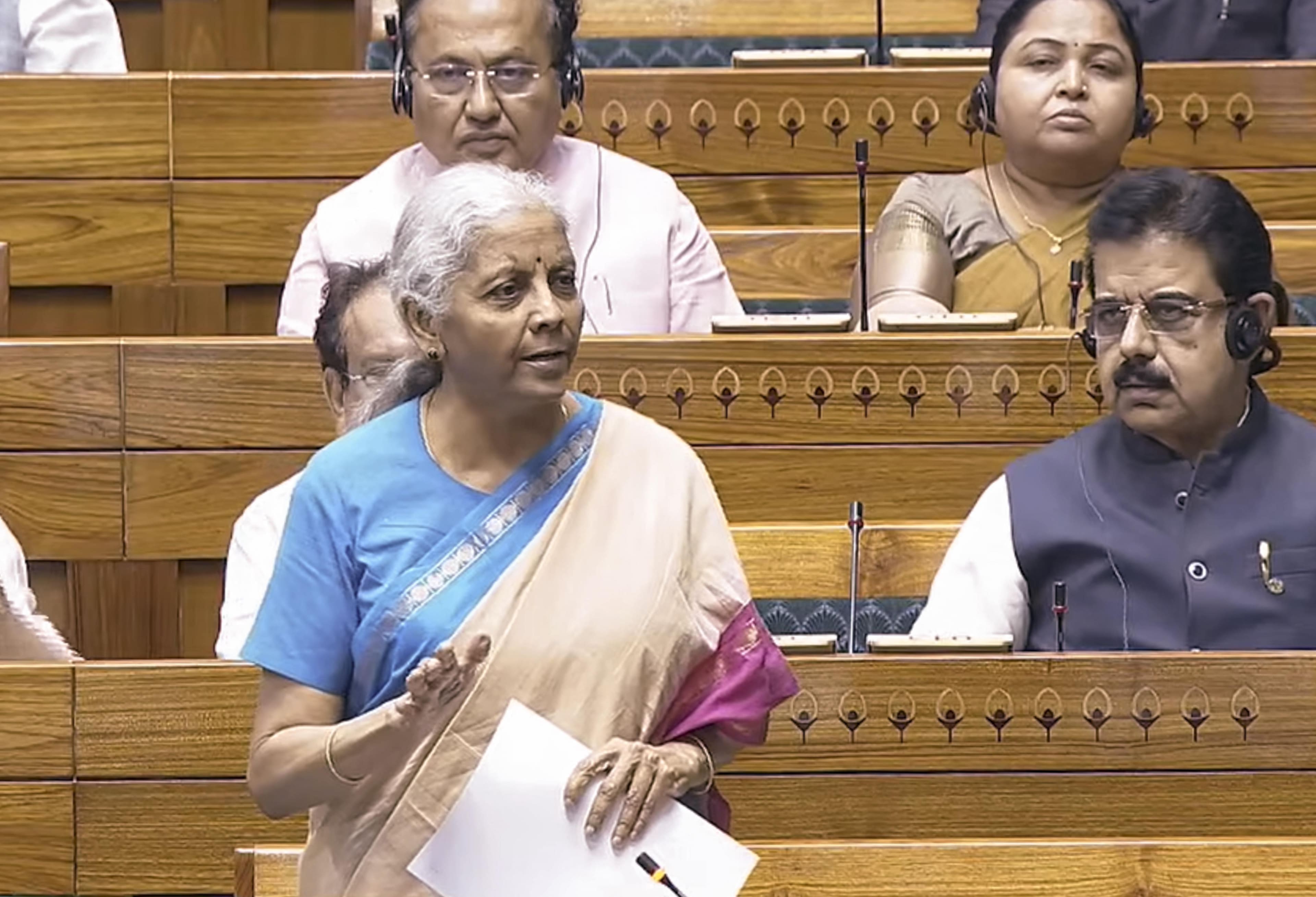
- Finance Minister Nirmala Sitharaman addressed the Rajya Sabha, asserting that the government's budgeting process remains transparent and realistic .
- The Bill authorises the withdrawal of funds from the Consolidated Fund of India for government expenditure for the financial year .
- This is a Money Bill, which means it originates in the Lok Sabha and Rajya Sabha can only make recommendations .
Appropriation Bill
- Purpose: The Bill seeks to authorise payment and appropriation of certain sums from the Consolidated Fund of India for government services .
- Legal Requirement: No money can be withdrawn from the Consolidated Fund without parliamentary approval through this Bill .
- Timing: Introduced after the Union Budget is presented and voted upon by Parliament .
- Scope: Covers all government expenditure proposals approved during the budget discussion .
Constitutional Provisions
- Article 114: Deals with the Appropriation Bill – no amount can be withdrawn from the Consolidated Fund except under appropriation made by law .
- Article 110: Defines Money Bills, including Appropriation Bills .
- Article 266: Establishes the Consolidated Fund of India – all government revenues and expenditures flow through this fund .
- Presidential Recommendation: The Bill requires the President's recommendation before introduction in Parliament .
Significance for Governance
- Parliamentary Control: Ensures legislative oversight over executive spending .
- Financial Accountability: Government must justify every expenditure before Parliament .
- Budget Implementation: Enables actual release of funds for various schemes and programs .
- Transparency: FM Sitharaman emphasised the government's commitment to realistic budgeting .
Additional Info
- Types of Appropriation Bills:
- Main Appropriation Bill: Passed after the main Budget
- Supplementary Appropriation Bill: For additional expenditure during the year
- Vote on Account: Allows interim spending before full Budget passage
- Parliamentary Process:
- Introduced in Lok Sabha only (as Money Bill)
- Rajya Sabha can discuss but not amend
- Requires simple majority for passage
- Receives President's assent to become law
- Related Constitutional Bodies:
- Comptroller and Auditor General (CAG): Audits government expenditure
- Public Accounts Committee (PAC): Reviews government spending
- Finance Commission: Recommends fund distribution between Centre and States
- Key Metrics:
- ₹41,430 crore mentioned by FM in Rajya Sabha discussion on expenditure
- ₹1.4 lakh crore allocated to States as Finance Commission Grants for FY 2026-27
Sources
Economic Stabilisation Fund Announced in Budget 2026
What's the News?
- Finance Minister Nirmala Sitharaman has announced the creation of a new Economic Stabilisation Fund during the Union Budget 2026 presentation .
- An initial allocation of ₹57,381 crore has been proposed for the fund to help India navigate global economic shocks .
- The fund is designed to provide fiscal headroom for responding to external challenges like supply chain disruptions and geopolitical conflicts .
- FM Sitharaman emphasised this will strengthen India's economic resilience against unforeseen international headwinds .
Economic Stabilisation Fund
- Purpose: Acts as a financial shock absorber to protect the Indian economy from global volatility .
- Objective: Enable swift government response to external economic risks without disrupting fiscal targets .
- Scope: Covers emergencies including commodity price fluctuations, currency volatility, and trade disruptions .
- Management: Fund will be managed by the Ministry of Finance with oversight mechanisms .
Features & Allocation
- Initial Corpus: ₹57,381.84 crore allocated in Budget 2026 .
- Total Fund Size: Proposed to build up to ₹1 lakh crore for adequate fiscal buffer .
- Strategic Allocation: Funds designated for sectoral interventions during economic stress .
- Fiscal Flexibility: Provides headroom without breaching Fiscal Responsibility and Budget Management (FRBM) targets .
Additional Info
- Fiscal Policy Framework:
- Unlike the Contingency Fund of India (established under Article 267), which is for "unforeseen" general expenditure, the ESF is a targeted economic tool for market stabilization.
- It aligns with the government’s commitment to a Fiscal Deficit glide path, aiming to keep it below 4.5% of GDP by 2025-26.
- Global Precedents:
- Norway's Government Pension Fund Global: Sovereign wealth fund for oil revenues
- Chile's Economic and Social Stabilisation Fund: Copper revenue buffer
- UAE's Investment Corporation: Diversification fund for oil-dependent economy
- Constitutional Provisions:
- Article 266: Consolidated Fund of India
- Article 267: Contingency Fund provisions
- FRBM Act, 2003: Fiscal discipline framework
Sources
Government Withdraws Jan Vishwas (Amendment) Bill, 2025
What’s the News?
- The Union Government has withdrawn the Jan Vishwas (Amendment) Bill, 2025 from the Lok Sabha.
- The decision was taken to further refine and amend certain provisions of the bill before its re-introduction.
- Union Minister for Commerce and Industry, Piyush Goyal, moved the motion for withdrawal, stating the need for a more comprehensive revision to better align with the objectives of Ease of Doing Business and Ease of Living.
Jan Vishwas (Amendment) Bill, 2025?
- Objective: The primary goal of the bill is to decriminalize minor offenses across multiple central acts to reduce the compliance burden on individuals and businesses.
- Mechanism: It proposes to replace criminal imprisonment with monetary penalties for technical or procedural lapses that do not involve malafide intent.
- Key Focus Areas:
- Reducing Judicial Burden: By shifting minor defaults to an administrative adjudication mechanism, the bill aims to reduce the backlog of cases in the judiciary.
- Rationalizing Penalties: It seeks to introduce a periodic revision of fines and penalties to ensure they remain effective deterrents without being unnecessarily punitive.
- Trust-based Governance: The bill is a pillar of the "Minimum Government, Maximum Governance" approach, fostering a relationship of trust between the state and its citizens.
Significance of Decriminalization
- Investment Climate: By removing the "fear of imprisonment" for minor administrative slips, the bill makes India a more attractive destination for Foreign Direct Investment (FDI) and domestic entrepreneurship.
- Ease of Living: It ensures that ordinary citizens and small-scale entrepreneurs are not subjected to long-drawn criminal proceedings for petty non-compliances.
- Administrative Efficiency: The bill empowers Adjudicating Officers to levy penalties, speeding up the resolution of disputes outside the traditional court system.
Additional Info
- Background of Jan Vishwas:
- The original Jan Vishwas (Amendment of Provisions) Act, 2023 amended 42 Central Acts across various sectors, including environment, agriculture, media, and health.
- The 2025 version was intended to expand this scope further, covering more statutes and fine-tuning the administrative processes.
- Legislative Procedure for Withdrawal:
- A member in charge of a bill may at any stage move for leave to withdraw the bill on the ground that it is to be replaced by a new bill or that the government does not intend to proceed with it.
- This process is governed by the Rules of Procedure and Conduct of Business in Lok Sabha.
- Constitutional Context:
- While "Criminal Law" falls under the Concurrent List (Seventh Schedule), the central acts being amended fall within the respective domains of the Union List or Concurrent List.
Sources:
India Successfully Tests Indigenous Floating LiDAR Buoy System
What's the News?
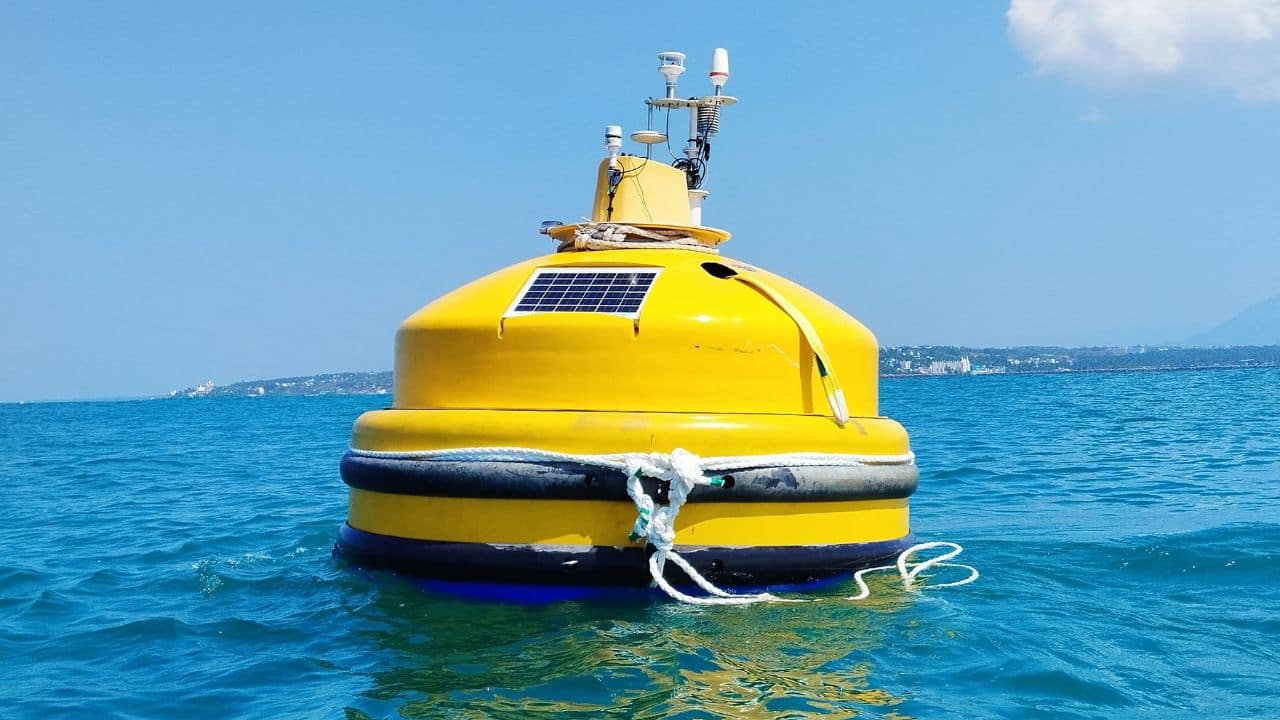
- National Institute of Ocean Technology (NIOT) has successfully tested an indigenous Floating LiDAR Buoy System off the coast of Muttom, Tamil Nadu .
- The system was developed under the Ministry of Earth Sciences (MoES) to enhance ocean observation and atmospheric data collection .
- The buoy is capable of measuring wind speed and direction profiles up to 300 meters above sea level .
- This marks a significant milestone in India's ocean technology indigenisation and offshore wind energy assessment capabilities .
Floating LiDAR Buoy System
- Technology: Integrates LiDAR (Light Detection and Ranging) technology with a buoyant platform for marine deployment .
- Function: Measures atmospheric and oceanic parameters including wind profiles, wave height, and sea surface conditions .
- Power Source: Operates using renewable surface wave energy for sustainable operations .
- Deployment: Moored buoy system that remains stationary while collecting continuous data .
Technical Specifications
- Wind Measurement Range: Profiles wind data up to 300 meters above sea level .
- Ocean Depth Profiling: Capable of profiling up to 30 meters depth during operation .
- Movement Speed: Descent speed of 0.037 m/s and ascent speed of 0.26 m/s .
- Data Collection: Provides continuous real-time meteorological and oceanographic data .
Significance for India
- Offshore Wind Energy: Enables accurate wind resource assessment for offshore wind farm development .
- Weather Forecasting: Improves cyclone prediction and coastal weather monitoring capabilities .
- Import Substitution: Reduces dependency on foreign LiDAR technology and equipment .
- Blue Economy: Supports India's ocean economy initiatives under Sagarmala and Deep Ocean Mission .
Additional Info
- Developing Organization:
- National Institute of Ocean Technology (NIOT)
- Autonomous institute under Ministry of Earth Sciences (MoES)
- Headquartered in Chennai, Tamil Nadu
- Focuses on development of ocean engineering and technology
- LiDAR Technology Applications:
- Renewable Energy: Wind farm site selection and yield optimization
- Disaster Management: Cyclone tracking and coastal hazard assessment
- Marine Research: Ocean current and wave pattern studies
- Navigation Safety: Shipping route optimization and port operations
- Previous LiDAR Initiatives in India:
- FOWIND Consortium: Commissioned first offshore LiDAR in Gulf of Khambhat, Gujarat (2017)
- National Institute of Wind Energy (NIWE): Conducted LiDAR-based wind measurements
- Centre for Wind Energy Technology (CWET): Deployed dual-mode wind LiDAR in Chennai
Sources
24th National Para Athletics Championship Commences at Kalinga Stadium

What’s the News?
- The 24th National Para Athletics Championship is currently being hosted at the Kalinga Stadium in Bhubaneswar, Odisha.
- Organized by the Paralympic Committee of India (PCI) in collaboration with the Government of Odisha, the event marks another major milestone in the state’s sports calendar.
Bhubaneswar as a Sports Hub?
- Infrastructure: Kalinga Stadium is renowned for its world-class synthetic tracks and specialized facilities designed to accommodate athletes with disabilities.
- State Support: The Government of Odisha has consistently positioned itself as a premier destination for sports, providing comprehensive logistics and financial backing for para-sports.
- Strategic Significance: Hosting the nationals in Odisha reinforces the state's "Sports Capital of India" status and its commitment to the "Sports for All" initiative.
Event Highlights and Participation
- Athlete Scale: Over 1,500 para-athletes representing various states and Union Territories are participating in the multi-day event.
- Competition Categories: The meet includes diverse track and field events such as javelin throw, shot put, long jump, and sprint races, divided into specific disability classifications.
- Selection Pathway: Top performers at this national meet are eligible for selection into the national camp for upcoming international events, including the World Para Athletics Championships.
Additional Info
- Paralympic Committee of India (PCI):
- The PCI is the national governing body for the Paralympic movement in India, recognized by the International Paralympic Committee (IPC).
- It is responsible for selecting and training the Indian contingent for the Paralympic Games and other major para-sporting events.
- Classification in Para-Athletics:
- Athletes are grouped by the degree of activity limitation resulting from their impairment to ensure fair competition.
- Prefixes like 'T' (Track) and 'F' (Field) are followed by numbers indicating the type and level of impairment.
- Odisha’s Sports Initiatives:
- The state has established several High Performance Centres (HPCs) across various disciplines to provide elite-level coaching and sports science support.
- Odisha's model of sports governance is often cited as a benchmark for other states due to its sustainable funding and infrastructure development.
Major Sports Awards in Odisha
Odisha offers some of the most lucrative sports awards in India to foster a "Sports Capital" culture.
1. Biju Patnaik Sports Award
The highest state-level sports honor, usually presented on National Sports Day (August 29).
- Outstanding Performance (Senior): Awarded for excellence in international/national arenas.
- 2025 Winner: Animesh Kujur (Athletics).
- Prize: ₹3 Lakh (Increased from ₹2 Lakh in 2025).
- Lifetime Achievement: For long-term contribution to sports.
- 2025 Winner: Bijay Kumar Satapathy (Weightlifting).
- Prize: ₹4 Lakh (Increased from ₹3 Lakh).
- Best Coach: Susama Nanda (Athletics).
- Best Para-Sportsperson: Rakhal Kumar Sethy (Wheelchair Fencing).
- Best Upcoming Athlete (Junior): Sattwik Swain (Chess).
- Other Categories: Excellence in Sports Journalism, Best Contribution to Promotion of Sports, and Biju Patnaik Bravery Award.
2. Ekalabya Puraskar
Instituted by IMPaCT (the charitable wing of IMFA) in 1993, it is the most prestigious private sports award in Odisha for junior athletes.
- 33rd Ekalabya Puraskar (2025): Swetaparna Panda (Badminton).
- Prize: ₹7 Lakh and a citation.
- Citations/Runners-up: Pritismita Bhoi (Weightlifting) and Aahaan (Tennis).
- Prize: ₹1.5 Lakh each.
High-Performance Centers (HPCs)
Odisha follows a unique "State-Corporate-Federation" model where the government provides infrastructure, and corporate houses manage the high-performance training.
| Discipline | Corporate Partner / Academy | Location |
|---|---|---|
| Hockey | Tata Steel & Tata Trusts (Odisha Naval Tata Hockey HPC) | Kalinga Stadium, Bhubaneswar |
| Athletics | Reliance Foundation | Kalinga Stadium, Bhubaneswar |
| Gymnastics | AM/NS India (ArcelorMittal Nippon Steel) | Kalinga Stadium, Bhubaneswar |
| Swimming | JSW Group (Inspire Institute of Sport) | Kalinga Stadium, Bhubaneswar |
| Badminton | Dalmia Bharat & Pullela Gopichand Foundation | Kalinga Stadium, Bhubaneswar |
| Football | AIFF & JSW Group (Odisha-AFDC) | Bhubaneswar |
| Weightlifting | Reliance Foundation | Bhubaneswar |
| Kho-Kho | AM/NS India | Bhubaneswar |
| Sports Science | Abhinav Bindra (Targeting Performance) | Kalinga Stadium, Bhubaneswar |
| Sports Management | Xavier Emlyon Business School | Xavier University, Bhubaneswar |
| Archery | NTPC (Operationalized in 2026) | Rairangpur (Mayurbhanj) |
Infrastructure & Recent Developments (2025-2026)
- Birsa Munda International Hockey Stadium (Rourkela): World’s largest seated hockey stadium; now a major hub for Western Odisha talent.
- Archery Expansion (2026): In February 2026, the President of India laid the foundation for a new NTPC Archery Centre in Rairangpur, Mayurbhanj, specifically to nurture tribal talent.
- Adventure Sports: A new initiative at Godibari (Chandaka) was launched in early 2026 to promote adventure sports and eco-tourism.
- Indoor Stadiums: 89 multi-purpose indoor stadiums have been completed across various Urban Local Bodies (ULBs) to decentralize training from Bhubaneswar.
Sources:
Kusunpur Becomes Odisha's First Smart Village Under CSIR Initiative

What's the News?
- Kusunpur village in Kendrapada district, Odisha has been selected as the state's first Smart Village under the CSIR Smart Village Initiative .
- The project was officially inaugurated on March 16, 2026 at Kusunpur under Rajnagar Block .
- The initiative is being hosted by CSIR-Central Building Research Institute (CSIR-CBRI), Roorkee with collaboration from multiple CSIR laboratories .
- The program follows the "Lab to Land" approach to bring scientific innovations to rural communities .
CSIR Smart Village Initiative
- Objective: Transform rural landscapes through science-led, sustainable solutions .
- Theme: "Viksit Gaon: Viksit Bharat" – linking village development to national progress .
- Approach: Mission-mode project integrating modern technologies into daily life and agriculture .
- Selection: Villages identified in 2025 across diverse climatic regions as testing grounds .
Key Focus Areas of the Initiative
- Advanced Agriculture: Introduction of scientific farming techniques and crop improvement .
- Infrastructure Development: Modern housing, roads, and sustainable building technologies .
- Nutrition Security: Programs to improve dietary intake and health outcomes .
- Waste-to-Wealth: Converting agricultural and household waste into usable resources .
- Clean Energy: Promotion of renewable energy solutions for sustainable living .
Additional Info
- Council of Scientific and Industrial Research (CSIR):
- Established: 1942
- Ministry: Ministry of Science and Technology
- Network: 37 national laboratories across India
- Mandate: Scientific and industrial research for national development
- Participating CSIR Laboratories:
- CSIR-CBRI Roorkee: Lead institution for building and infrastructure
- CSIR-CMERI Durgapur: Agricultural mechanisation and rural technology
- CSIR-CLRI Chennai: Leather and waste management solutions
- CSIR-IHBT Palampur: Himalayan bioresource technology , ,
- Related Government Initiatives:
- Sansad Adarsh Gram Yojana (SAGY): Model village development through MPs
- Deendayal Antyodaya Yojana-National Rural Livelihoods Mission (DAY-NRLM)
- Pradhan Mantri Gram Sadak Yojana (PMGSY): Rural connectivity
- Digital India: Technology integration in rural areas
- Previous CSIR Smart Village Launches:
- Sawaipura Village, Pali District, Rajasthan: Launched December 20, 2025
- Multiple villages: Identified across diverse climatic zones in 2025
- Nationwide expansion: Planned for 2026-27 fiscal year
Sources
March 2026
31 March 202630 March 202628 March 202627 March 202626 March 202625 March 202624 March 202623 March 202621 March 202620 March 202619 March 202618 March 202617 March 202616 March 202614 March 202613 March 202612 March 202611 March 202610 March 202609 March 202607 March 202606 March 202605 March 202603 March 202602 March 2026
Archive
October 2026
- 28 October 2026
- 27 October 2026
- 26 October 2026
- 24 October 2026
- 23 October 2026
- 22 October 2026
- 21 October 2026
- 20 October 2026
- 19 October 2026
- 17 October 2026
- 16 October 2026
- 15 October 2026
- 14 October 2026
- 13 October 2026
- 12 October 2026
- 10 October 2026
- 09 October 2026
- 08 October 2026
- 07 October 2026
- 06 October 2026
- 05 October 2026
- 03 October 2026
- 02 October 2026
- 01 October 2026
September 2026
- 30 September 2026
- 29 September 2026
- 28 September 2026
- 26 September 2026
- 25 September 2026
- 24 September 2026
- 23 September 2026
- 22 September 2026
- 21 September 2026
- 19 September 2026
- 18 September 2026
- 17 September 2026
- 16 September 2026
- 15 September 2026
- 12 September 2026
- 11 September 2026
- 10 September 2026
- 09 September 2026
- 08 September 2026
- 07 September 2026
- 05 September 2026
- 04 September 2026
- 03 September 2026
- 02 September 2026
- 01 September 2026
August 2026
- 31 August 2026
- 29 August 2026
- 27 August 2026
- 26 August 2026
- 25 August 2026
- 24 August 2026
- 22 August 2026
- 21 August 2026
- 20 August 2026
- 19 August 2026
- 18 August 2026
- 17 August 2026
- 14 August 2026
- 13 August 2026
- 12 August 2026
- 11 August 2026
- 10 August 2026
- 08 August 2026
- 07 August 2026
- 06 August 2026
- 05 August 2026
- 04 August 2026
- 03 August 2026
- 01 August 2026
July 2026
- 31 July 2026
- 30 July 2026
- 29 July 2026
- 28 July 2026
- 27 July 2026
- 25 July 2026
- 23 July 2026
- 22 July 2026
- 21 July 2026
- 20 July 2026
- 18 July 2026
- 17 July 2026
- 15 July 2026
- 14 July 2026
- 13 July 2026
- 11 July 2026
- 10 July 2026
- 09 July 2026
- 08 July 2026
- 07 July 2026
- 06 July 2026
- 04 July 2026
- 03 July 2026
- 02 July 2026
- 01 July 2026
June 2026
May 2026
April 2026
March 2026
- 31 March 2026
- 30 March 2026
- 28 March 2026
- 27 March 2026
- 26 March 2026
- 25 March 2026
- 24 March 2026
- 23 March 2026
- 21 March 2026
- 20 March 2026
- 19 March 2026
- 18 March 2026
- 17 March 2026
- 16 March 2026
- 14 March 2026
- 13 March 2026
- 12 March 2026
- 11 March 2026
- 10 March 2026
- 09 March 2026
- 07 March 2026
- 06 March 2026
- 05 March 2026
- 03 March 2026
- 02 March 2026
February 2026
- 28 February 2026
- 27 February 2026
- 26 February 2026
- 25 February 2026
- 24 February 2026
- 23 February 2026
- 21 February 2026
- 20 February 2026
- 19 February 2026
- 18 February 2026
- 17 February 2026
- 16 February 2026
- 13 February 2026
- 12 February 2026
- 11 February 2026
- 10 February 2026
- 09 February 2026
- 07 February 2026
- 06 February 2026
- 05 February 2026
- 04 February 2026
- 03 February 2026
- 02 February 2026
January 2026
- 31 January 2026
- 30 January 2026
- 29 January 2026
- 28 January 2026
- 27 January 2026
- 26 January 2026
- 24 January 2026
- 23 January 2026
- 22 January 2026
- 21 January 2026
- 20 January 2026
- 19 January 2026
- 16 January 2026
- 15 January 2026
- 14 January 2026
- 13 January 2026
- 12 January 2026
- 10 January 2026
- 09 January 2026
- 08 January 2026
- 07 January 2026
- 06 January 2026
- 05 January 2026
- 03 January 2026
- 02 January 2026
- 01 January 2026
December 2025
- 31 December 2025
- 30 December 2025
- 29 December 2025
- 27 December 2025
- 26 December 2025
- 24 December 2025
- 23 December 2025
- 22 December 2025
- 20 December 2025
- 19 December 2025
- 18 December 2025
- 17 December 2025
- 16 December 2025
- 15 December 2025
- 13 December 2025
- 12 December 2025
- 11 December 2025
- 10 December 2025
- 09 December 2025
- 08 December 2025
- 05 December 2025
- 04 December 2025
- 03 December 2025
- 02 December 2025
November 2025
- 29 November 2025
- 28 November 2025
- 27 November 2025
- 26 November 2025
- 25 November 2025
- 24 November 2025
- 22 November 2025
- 21 November 2025
- 20 November 2025
- 19 November 2025
- 18 November 2025
- 17 November 2025
- 15 November 2025
- 14 November 2025
- 13 November 2025
- 12 November 2025
- 11 November 2025
- 10 November 2025
- 08 November 2025
- 07 November 2025
- 06 November 2025
- 05 November 2025
- 04 November 2025
- 03 November 2025
- 01 November 2025
October 2025
- 31 October 2025
- 30 October 2025
- 29 October 2025
- 28 October 2025
- 27 October 2025
- 25 October 2025
- 24 October 2025
- 23 October 2025
- 22 October 2025
- 21 October 2025
- 20 October 2025
- 18 October 2025
- 17 October 2025
- 16 October 2025
- 15 October 2025
- 14 October 2025
- 13 October 2025
- 11 October 2025
- 10 October 2025
- 09 October 2025
- 08 October 2025
- 07 October 2025
- 06 October 2025
- 04 October 2025
- 03 October 2025
- 02 October 2025
- 01 October 2025
September 2025
- 30 September 2025
- 29 September 2025
- 27 September 2025
- 26 September 2025
- 25 September 2025
- 24 September 2025
- 23 September 2025
- 22 September 2025
- 20 September 2025
- 19 September 2025
- 18 September 2025
- 17 September 2025
- 16 September 2025
- 15 September 2025
- 13 September 2025
- 12 September 2025
- 11 September 2025
- 10 September 2025
- 09 September 2025
- 08 September 2025
- 06 September 2025
- 05 September 2025
- 04 September 2025
- 03 September 2025
- 02 September 2025
- 01 September 2025
August 2025
- 30 August 2025
- 29 August 2025
- 28 August 2025
- 27 August 2025
- 26 August 2025
- 25 August 2025
- 23 August 2025
- 22 August 2025
- 21 August 2025
- 20 August 2025
- 19 August 2025
- 18 August 2025
- 16 August 2025
- 14 August 2025
- 13 August 2025
- 12 August 2025
- 11 August 2025
- 08 August 2025
- 07 August 2025
- 06 August 2025
- 05 August 2025
- 04 August 2025
- 02 August 2025
- 01 August 2025
July 2025
- 31 July 2025
- 30 July 2025
- 29 July 2025
- 28 July 2025
- 26 July 2025
- 25 July 2025
- 24 July 2025
- 23 July 2025
- 22 July 2025
- 21 July 2025
- 19 July 2025
- 18 July 2025
- 17 July 2025
- 16 July 2025
- 15 July 2025
- 12 July 2025
- 11 July 2025
- 10 July 2025
- 09 July 2025
- 07 July 2025
- 05 July 2025
- 04 July 2025
- 03 July 2025
- 02 July 2025
- 01 July 2025
June 2025
- 30 June 2025
- 28 June 2025
- 27 June 2025
- 26 June 2025
- 25 June 2025
- 24 June 2025
- 23 June 2025
- 21 June 2025
- 20 June 2025
- 19 June 2025
- 18 June 2025
- 17 June 2025
- 16 June 2025
- 14 June 2025
- 13 June 2025
- 12 June 2025
- 11 June 2025
- 10 June 2025
- 09 June 2025
- 07 June 2025
- 06 June 2025
- 05 June 2025
- 04 June 2025
- 03 June 2025
- 02 June 2025
May 2025
April 2025
- 30 April 2025
- 29 April 2025
- 28 April 2025
- 26 April 2025
- 25 April 2025
- 24 April 2025
- 23 April 2025
- 22 April 2025
- 21 April 2025
- 19 April 2025
- 18 April 2025
- 17 April 2025
- 16 April 2025
- 15 April 2025
- 14 April 2025
- 12 April 2025
- 11 April 2025
- 10 April 2025
- 09 April 2025
- 08 April 2025
- 07 April 2025
- 05 April 2025
- 04 April 2025
- 03 April 2025
- 02 April 2025
- 01 April 2025
March 2025
- 31 March 2025
- 29 March 2025
- 28 March 2025
- 27 March 2025
- 26 March 2025
- 25 March 2025
- 24 March 2025
- 22 March 2025
- 21 March 2025
- 20 March 2025
- 19 March 2025
- 18 March 2025
- 17 March 2025
- 15 March 2025
- 13 March 2025
- 12 March 2025
- 11 March 2025
- 10 March 2025
- 08 March 2025
- 07 March 2025
- 06 March 2025
- 05 March 2025
- 04 March 2025
- 03 March 2025
- 01 March 2025
February 2025
- 28 February 2025
- 27 February 2025
- 26 February 2025
- 25 February 2025
- 24 February 2025
- 22 February 2025
- 21 February 2025
- 20 February 2025
- 19 February 2025
- 18 February 2025
- 17 February 2025
- 15 February 2025
- 14 February 2025
- 13 February 2025
- 12 February 2025
- 11 February 2025
- 10 February 2025
- 08 February 2025
- 07 February 2025
- 06 February 2025
- 05 February 2025
- 04 February 2025
- 03 February 2025
- 01 February 2025
January 2025
- 31 January 2025
- 30 January 2025
- 29 January 2025
- 28 January 2025
- 27 January 2025
- 25 January 2025
- 24 January 2025
- 23 January 2025
- 22 January 2025
- 21 January 2025
- 20 January 2025
- 18 January 2025
- 17 January 2025
- 16 January 2025
- 15 January 2025
- 14 January 2025
- 13 January 2025
- 11 January 2025
- 10 January 2025
- 09 January 2025
- 08 January 2025
- 07 January 2025
- 06 January 2025
- 04 January 2025
- 03 January 2025
- 02 January 2025
- 01 January 2025