
Current Affairs
Stay updated with the latest national and international events.
18 March 2025
Ordnance Factories Day
- Ordnance Factories Day is celebrated annually on March 18 to commemorate the establishment of the first ordnance factory in India at Cossipore, Kolkata, in 1801.
- The day highlights the contributions of the Indian Ordnance Factories (IOFs) in strengthening the nation's defence capabilities.

Historical Significance:
- The Cossipore Gun and Shell Factory, established in 1801, marked the beginning of India's indigenous defence production.
- Over the years, the ordnance factories have played a pivotal role in manufacturing arms, ammunition, and equipment for the Indian Armed Forces.
Modern Contributions:
- The IOFs are now part of the Yantra India Limited (YIL) and Munitions India Limited (MIL), following the corporatization of the Ordnance Factory Board (OFB) in 2021.
- These entities focus on producing state-of-the-art defence equipment, ensuring self-reliance in defence manufacturing under the ‘Atmanirbhar Bharat’ initiative.
Government Initiatives:
Corporatization of OFB:
- In 2021, the Ordnance Factory Board was restructured into seven new defence public sector undertakings (DPSUs) to enhance efficiency and competitiveness.
- This move aligns with the government's vision of making India a global hub for defence manufacturing.
Boost to Indigenous Production:
- The government has introduced policies like the Defence Production and Export Promotion Policy (DPEPP) 2020 to encourage domestic production and exports.
- The focus is on reducing dependency on imports and promoting innovation in defence technology.
Global Displacement Crisis
- According to the Danish Refugee Council (DRC), global displacement is projected to increase by 6.7 million people by the end of 2026.
- This alarming trend is driven by factors such as armed conflicts, climate change, and socio-economic instability.

Current Statistics:
- The number of forcibly displaced individuals worldwide stands at over 122.6 million.
- Nearly 70% of the newly displaced are expected to be internally displaced within their own countries.
Major Contributors:
- Sudan: Ongoing civil war has made it the world's most urgent humanitarian crisis, with 12.6 million people already displaced.
- Myanmar: Escalating civil conflict is expected to displace an additional 1.4 million people by 2026.
- Other affected regions include Afghanistan, Syria, Yemen, and Venezuela.
Impact of Aid Cuts:
- Significant reductions in international aid, particularly from major donors like the United States, have worsened the crisis.
- Essential programs, such as those protecting adolescent girls from child marriage in South Sudan, have been shuttered due to funding shortages.
Government and Global Responses:
- AI-Driven Forecasting: The DRC uses an AI model analysing over 100 indicators (security, politics, economics) to predict displacement trends.
- Call for Action: The DRC emphasizes the need for increased international support to address the crisis and prevent further humanitarian disasters.
Danish Refugee Council (DRC):
- The DRC is a humanitarian organization focused on assisting refugees and displaced individuals worldwide.
- Established in 1956, it operates in over 40 countries.
Global Spy Chiefs Converge in Delhi
- On March 16, 2025, top intelligence and security chiefs from over 20 nations gathered in New Delhi for a high-profile conclave hosted by India's National Security Advisor (NSA) Ajit Doval.
- The meeting was organized by the Research and Analysis Wing (R&AW) and the National Security Council Secretariat (NSCS), preceding the Raisina Dialogue (March 17-19, 2025).
 File photo of U.S. Director of National Intelligence Tulsi Gabbard. | Photo Credit: Reuters
Agenda of the Conclave:
- Discussions focused on counterterrorism, Indo-Pacific cooperation, transnational crimes, terror financing, and emerging technology threats.
- Intelligence-sharing mechanisms and issues like immigration and extradition were also deliberated.
Global Participation:
- Attendees included intelligence chiefs from the Five Eyes alliance (Australia, Canada, New Zealand, the UK, and the US) and other nations like Germany and Russia.
- Tulsi Gabbard, the US Director of National Intelligence, participated as part of her Indo-Pacific tour.
India's Strategic Focus:
- India emphasized concerns about anti-India elements operating abroad and the need for enhanced cooperation in tackling terrorism and money laundering.
Additional Information:
Raisina Dialogue:
- Overview:
- The Raisina Dialogue is India's flagship conference on geopolitics and geo-strategy, organized by the Ministry of External Affairs in collaboration with the Observer Research Foundation (ORF).
- Modelled on global platforms like the Munich Security Conference, it brings together policymakers, academics, and industry leaders.
- Significance:
- It serves as a platform for discussing global challenges, fostering international cooperation, and showcasing India's role in global diplomacy.
Research and Analysis Wing (R&AW):
- It serves as a platform for discussing global challenges, fostering international cooperation, and showcasing India's role in global diplomacy.
- Role:
- R&AW is India's external intelligence agency, established in 1968.
- It focuses on gathering foreign intelligence, counterterrorism, and ensuring national security.
- Key Achievements:
- Played a pivotal role in India's strategic operations, including the 1971 Bangladesh Liberation War.
- Actively monitors and counters threats from neighbouring regions.
India's First Comprehensive River Dolphin Survey
- India has conducted its first-ever comprehensive river dolphin survey, estimating the presence of 6,327 river dolphins across the country.
- The survey, conducted under Project Dolphin, was a collaborative effort by the Wildlife Institute of India (WII) and the Ministry of Environment, Forest & Climate Change (MoEFCC).

Key Findings:
- Species Distribution:
- Gangetic Dolphins: 6,324 individuals found in the Ganga and Brahmaputra River systems.
- Indus River Dolphins: Only 3 individuals recorded in the Beas River, Punjab.
- State-Wise Population:
- Uttar Pradesh: 2,397 dolphins (highest population).
- Bihar: 2,220 dolphins.
- West Bengal: 815 dolphins.
- Assam: 635 dolphins.
- Jharkhand: 162 dolphins.
- Rajasthan & Madhya Pradesh: 95 dolphins.
- Punjab: 3 dolphins.
- Survey Methodology:
- Combined visual surveys and acoustic monitoring to ensure accuracy.
- Covered 28 rivers by boat and 30 rivers by road, spanning a total distance of 8,507 km.
Conservation Challenges:
- Threats to River Dolphins:
- Pollution: Industrial and agricultural runoff contaminates river habitats.
- Habitat Destruction: Dam construction and riverbed mining disrupt ecosystems.
- Fishing Practices: Accidental entanglement in fishing nets poses a significant risk.
- Climate Change: Altered water flow and temperature impact dolphin populations.
Government Initiatives:
- Project Dolphin:
- Launched in 2020 to conserve both marine and riverine dolphins.
- Focuses on engaging local communities, forest departments, and fisheries for conservation efforts.
- Legal Protection:
- River dolphins are classified as Endangered and are protected under Schedule I of the Wildlife Protection Act, 1972.
Additional Information:
Gangetic River Dolphins:
- River dolphins are classified as Endangered and are protected under Schedule I of the Wildlife Protection Act, 1972.
- Scientific Name: Platanista gangetica.
- Habitat: Found in the Ganga, Brahmaputra, and Meghna River systems.
- Significance:
- Act as bio-indicators, reflecting the health of freshwater ecosystems.
- Play a crucial role in maintaining the ecological balance of river habitats.
- Unique Features:
- Functionally blind, they rely on echolocation to navigate and hunt.
Faya Site: A Testament to Humanity's Desert Adaptation
- The Faya Palaeolandscape, located in Sharjah, UAE, has revealed evidence of human adaptation to desert environments spanning over 210,000 years.
- This site, recently nominated for UNESCO World Heritage status, serves as a critical link in ancient trade networks connecting Arabia with India.

Geological Significance:
- The site features the Faya Range, a 20-kilometer limestone ridge that acts as a natural barrier between the Rub’ al-Khali desert and the Dhaid-Madam Plain.
- Geological formations at Faya date back 93 to 66 million years, formed by tectonic collisions of the Arabian and Eurasian plates.
Archaeological Discoveries:
- Excavations have uncovered 18 phases of human occupation, from the Early Middle Palaeolithic to the Neolithic period.
- Artifacts include stone tools, animal and human bones, jewellery, and evidence of burial practices.
Climate Adaptation:
- The site demonstrates human resilience during hyper-arid climate phases, with evidence of habitation even during extreme dryness.
- Periods of increased rainfall, known as the ‘Green Arabia’ phase, transformed the region into a lush landscape with flowing rivers.
60 Years of Blue Cross of India: A Legacy in Animal Welfare
- Book Release: Justice P.N. Prakash, former judge of the Madras High Court, released the book "Memories and Milestones" commemorating 60 years of Blue Cross of India.
- Authors: Written by historian V. Sriram and Lashman.
- Event: Held on March 15, 2025, in Chennai; attended by Maneka Sanjay Gandhi (Animal Rights Activist) and A.L. Somayaji (Former Advocate General of Tamil Nadu).
- Key Achievements:
- Pioneered the Animal Birth Control (ABC) program, a humane approach to sterilize street dogs.
- Introduced interactive computer programs as alternatives to animal dissection in schools.
- First animal welfare organization in India to receive Platinum Level certification for transparency in 2013.
- Legacy: Founded in 1964 by the Sundaram family, it remains one of the most active animal welfare organizations in India.
- Significance: Highlights six decades of innovation, humane animal care, and community engagement in animal welfare.
Dr. Shivkumar Kalyanaraman Appointed CEO of ANRF
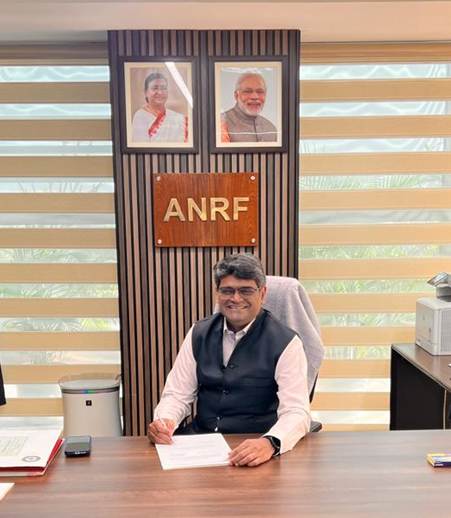
- Appointment: Dr. Shivkumar Kalyanaraman assumes charge as CEO of Anusandhan National Research Foundation (ANRF) on March 17, 2025.
- Predecessor: Took over from Prof. Abhay Karandikar, Secretary, Department of Science and Technology.
- Objective of ANRF: To promote research and innovation across India's universities, colleges, research institutions, and R&D laboratories.
- Professional Achievements:
- Former Chief Technology Officer (CTO) for the Energy Industry in Asia at Microsoft.
- Recipient of the IIT Madras Distinguished Alumnus Award (2021) and Ohio State University Distinguished Alumnus Award (2021).
- Fellow of IEEE, Indian National Academy of Engineering, and ACM Distinguished Scientist.
March 2025
31 March 202529 March 202528 March 202527 March 202526 March 202525 March 202524 March 202522 March 202521 March 202520 March 202519 March 202518 March 202517 March 202515 March 202513 March 202512 March 202511 March 202510 March 202508 March 202507 March 202506 March 202505 March 202504 March 202503 March 202501 March 2025
Archive
October 2026
- 27 October 2026
- 26 October 2026
- 24 October 2026
- 23 October 2026
- 22 October 2026
- 21 October 2026
- 20 October 2026
- 19 October 2026
- 17 October 2026
- 16 October 2026
- 15 October 2026
- 14 October 2026
- 13 October 2026
- 12 October 2026
- 10 October 2026
- 09 October 2026
- 08 October 2026
- 07 October 2026
- 06 October 2026
- 05 October 2026
- 03 October 2026
- 02 October 2026
- 01 October 2026
September 2026
- 30 September 2026
- 29 September 2026
- 28 September 2026
- 26 September 2026
- 25 September 2026
- 24 September 2026
- 23 September 2026
- 22 September 2026
- 21 September 2026
- 19 September 2026
- 18 September 2026
- 17 September 2026
- 16 September 2026
- 15 September 2026
- 12 September 2026
- 11 September 2026
- 10 September 2026
- 09 September 2026
- 08 September 2026
- 07 September 2026
- 05 September 2026
- 04 September 2026
- 03 September 2026
- 02 September 2026
- 01 September 2026
August 2026
- 31 August 2026
- 29 August 2026
- 27 August 2026
- 26 August 2026
- 25 August 2026
- 24 August 2026
- 22 August 2026
- 21 August 2026
- 20 August 2026
- 19 August 2026
- 18 August 2026
- 17 August 2026
- 14 August 2026
- 13 August 2026
- 12 August 2026
- 11 August 2026
- 10 August 2026
- 08 August 2026
- 07 August 2026
- 06 August 2026
- 05 August 2026
- 04 August 2026
- 03 August 2026
- 01 August 2026
July 2026
- 31 July 2026
- 30 July 2026
- 29 July 2026
- 28 July 2026
- 27 July 2026
- 25 July 2026
- 23 July 2026
- 22 July 2026
- 21 July 2026
- 20 July 2026
- 18 July 2026
- 17 July 2026
- 15 July 2026
- 14 July 2026
- 13 July 2026
- 11 July 2026
- 10 July 2026
- 09 July 2026
- 08 July 2026
- 07 July 2026
- 06 July 2026
- 04 July 2026
- 03 July 2026
- 02 July 2026
- 01 July 2026
June 2026
May 2026
April 2026
March 2026
- 31 March 2026
- 30 March 2026
- 28 March 2026
- 27 March 2026
- 26 March 2026
- 25 March 2026
- 24 March 2026
- 23 March 2026
- 21 March 2026
- 20 March 2026
- 19 March 2026
- 18 March 2026
- 17 March 2026
- 16 March 2026
- 14 March 2026
- 13 March 2026
- 12 March 2026
- 11 March 2026
- 10 March 2026
- 09 March 2026
- 07 March 2026
- 06 March 2026
- 05 March 2026
- 03 March 2026
- 02 March 2026
February 2026
- 28 February 2026
- 27 February 2026
- 26 February 2026
- 25 February 2026
- 24 February 2026
- 23 February 2026
- 21 February 2026
- 20 February 2026
- 19 February 2026
- 18 February 2026
- 17 February 2026
- 16 February 2026
- 13 February 2026
- 12 February 2026
- 11 February 2026
- 10 February 2026
- 09 February 2026
- 07 February 2026
- 06 February 2026
- 05 February 2026
- 04 February 2026
- 03 February 2026
- 02 February 2026
January 2026
- 31 January 2026
- 30 January 2026
- 29 January 2026
- 28 January 2026
- 27 January 2026
- 26 January 2026
- 24 January 2026
- 23 January 2026
- 22 January 2026
- 21 January 2026
- 20 January 2026
- 19 January 2026
- 16 January 2026
- 15 January 2026
- 14 January 2026
- 13 January 2026
- 12 January 2026
- 10 January 2026
- 09 January 2026
- 08 January 2026
- 07 January 2026
- 06 January 2026
- 05 January 2026
- 03 January 2026
- 02 January 2026
- 01 January 2026
December 2025
- 31 December 2025
- 30 December 2025
- 29 December 2025
- 27 December 2025
- 26 December 2025
- 24 December 2025
- 23 December 2025
- 22 December 2025
- 20 December 2025
- 19 December 2025
- 18 December 2025
- 17 December 2025
- 16 December 2025
- 15 December 2025
- 13 December 2025
- 12 December 2025
- 11 December 2025
- 10 December 2025
- 09 December 2025
- 08 December 2025
- 05 December 2025
- 04 December 2025
- 03 December 2025
- 02 December 2025
November 2025
- 29 November 2025
- 28 November 2025
- 27 November 2025
- 26 November 2025
- 25 November 2025
- 24 November 2025
- 22 November 2025
- 21 November 2025
- 20 November 2025
- 19 November 2025
- 18 November 2025
- 17 November 2025
- 15 November 2025
- 14 November 2025
- 13 November 2025
- 12 November 2025
- 11 November 2025
- 10 November 2025
- 08 November 2025
- 07 November 2025
- 06 November 2025
- 05 November 2025
- 04 November 2025
- 03 November 2025
- 01 November 2025
October 2025
- 31 October 2025
- 30 October 2025
- 29 October 2025
- 28 October 2025
- 27 October 2025
- 25 October 2025
- 24 October 2025
- 23 October 2025
- 22 October 2025
- 21 October 2025
- 20 October 2025
- 18 October 2025
- 17 October 2025
- 16 October 2025
- 15 October 2025
- 14 October 2025
- 13 October 2025
- 11 October 2025
- 10 October 2025
- 09 October 2025
- 08 October 2025
- 07 October 2025
- 06 October 2025
- 04 October 2025
- 03 October 2025
- 02 October 2025
- 01 October 2025
September 2025
- 30 September 2025
- 29 September 2025
- 27 September 2025
- 26 September 2025
- 25 September 2025
- 24 September 2025
- 23 September 2025
- 22 September 2025
- 20 September 2025
- 19 September 2025
- 18 September 2025
- 17 September 2025
- 16 September 2025
- 15 September 2025
- 13 September 2025
- 12 September 2025
- 11 September 2025
- 10 September 2025
- 09 September 2025
- 08 September 2025
- 06 September 2025
- 05 September 2025
- 04 September 2025
- 03 September 2025
- 02 September 2025
- 01 September 2025
August 2025
- 30 August 2025
- 29 August 2025
- 28 August 2025
- 27 August 2025
- 26 August 2025
- 25 August 2025
- 23 August 2025
- 22 August 2025
- 21 August 2025
- 20 August 2025
- 19 August 2025
- 18 August 2025
- 16 August 2025
- 14 August 2025
- 13 August 2025
- 12 August 2025
- 11 August 2025
- 08 August 2025
- 07 August 2025
- 06 August 2025
- 05 August 2025
- 04 August 2025
- 02 August 2025
- 01 August 2025
July 2025
- 31 July 2025
- 30 July 2025
- 29 July 2025
- 28 July 2025
- 26 July 2025
- 25 July 2025
- 24 July 2025
- 23 July 2025
- 22 July 2025
- 21 July 2025
- 19 July 2025
- 18 July 2025
- 17 July 2025
- 16 July 2025
- 15 July 2025
- 12 July 2025
- 11 July 2025
- 10 July 2025
- 09 July 2025
- 07 July 2025
- 05 July 2025
- 04 July 2025
- 03 July 2025
- 02 July 2025
- 01 July 2025
June 2025
- 30 June 2025
- 28 June 2025
- 27 June 2025
- 26 June 2025
- 25 June 2025
- 24 June 2025
- 23 June 2025
- 21 June 2025
- 20 June 2025
- 19 June 2025
- 18 June 2025
- 17 June 2025
- 16 June 2025
- 14 June 2025
- 13 June 2025
- 12 June 2025
- 11 June 2025
- 10 June 2025
- 09 June 2025
- 07 June 2025
- 06 June 2025
- 05 June 2025
- 04 June 2025
- 03 June 2025
- 02 June 2025
May 2025
April 2025
- 30 April 2025
- 29 April 2025
- 28 April 2025
- 26 April 2025
- 25 April 2025
- 24 April 2025
- 23 April 2025
- 22 April 2025
- 21 April 2025
- 19 April 2025
- 18 April 2025
- 17 April 2025
- 16 April 2025
- 15 April 2025
- 14 April 2025
- 12 April 2025
- 11 April 2025
- 10 April 2025
- 09 April 2025
- 08 April 2025
- 07 April 2025
- 05 April 2025
- 04 April 2025
- 03 April 2025
- 02 April 2025
- 01 April 2025
March 2025
- 31 March 2025
- 29 March 2025
- 28 March 2025
- 27 March 2025
- 26 March 2025
- 25 March 2025
- 24 March 2025
- 22 March 2025
- 21 March 2025
- 20 March 2025
- 19 March 2025
- 18 March 2025
- 17 March 2025
- 15 March 2025
- 13 March 2025
- 12 March 2025
- 11 March 2025
- 10 March 2025
- 08 March 2025
- 07 March 2025
- 06 March 2025
- 05 March 2025
- 04 March 2025
- 03 March 2025
- 01 March 2025
February 2025
- 28 February 2025
- 27 February 2025
- 26 February 2025
- 25 February 2025
- 24 February 2025
- 22 February 2025
- 21 February 2025
- 20 February 2025
- 19 February 2025
- 18 February 2025
- 17 February 2025
- 15 February 2025
- 14 February 2025
- 13 February 2025
- 12 February 2025
- 11 February 2025
- 10 February 2025
- 08 February 2025
- 07 February 2025
- 06 February 2025
- 05 February 2025
- 04 February 2025
- 03 February 2025
- 01 February 2025
January 2025
- 31 January 2025
- 30 January 2025
- 29 January 2025
- 28 January 2025
- 27 January 2025
- 25 January 2025
- 24 January 2025
- 23 January 2025
- 22 January 2025
- 21 January 2025
- 20 January 2025
- 18 January 2025
- 17 January 2025
- 16 January 2025
- 15 January 2025
- 14 January 2025
- 13 January 2025
- 11 January 2025
- 10 January 2025
- 09 January 2025
- 08 January 2025
- 07 January 2025
- 06 January 2025
- 04 January 2025
- 03 January 2025
- 02 January 2025
- 01 January 2025