Current Affairs
Stay updated with the latest national and international events.
17 October 2025
International Day for the Eradication of Poverty 2025: Focus on Dignity and Justice
What's the News?
- The International Day for the Eradication of Poverty will be observed globally on 17 October 2025
- This year's theme focuses on "Ending Social and Institutional Maltreatment: Ensuring respect and effective support for families living in poverty"
- The day aims to promote understanding and dialogue between people living in poverty and wider society
India's Poverty Landscape
- Poverty Reduction Progress: India has made significant strides in poverty reduction, lifting approximately 415 million people out of multidimensional poverty between 2005-06 and 2019-21 according to the National Multidimensional Poverty Index (MPI)
- Current Status: As per latest available data, India's poverty rate has declined to approximately 11.9% of the population living below the poverty line
- Regional Disparities: Significant variations exist across states, with southern and western states showing better performance than eastern and central regions
Government Initiatives for Poverty Alleviation
- National Rural Livelihoods Mission (NRLM): A poverty reduction program implemented by the Ministry of Rural Development, focusing on self-employment and skill development
- Pradhan Mantri Awas Yojana (PMAY): Aims to provide affordable housing for the urban and rural poor by 2024
- Ayushman Bharat Pradhan Mantri Jan Arogya Yojana (AB-PMJAY): World's largest health insurance scheme providing coverage up to ₹5 lakh per family annually
- National Food Security Act (NFSA), 2013: Provides subsidized food grains to approximately two-thirds of India's population
- Digital India: Promotes digital literacy and access to government services, reducing exclusion of marginalized communities
Additional Info
- Historical Context:
- Originated from a gathering of over 100,000 people at Paris's Trocadéro on 17 October 1987
- Formally adopted by the United Nations in 1992 through General Assembly Resolution 47/196
- Inspired by activist Father Joseph Wresinski and his organization ATD Fourth World
- Link to Sustainable Development Goals:
- Directly connects to SDG 1: "End poverty in all its forms everywhere" by 2030
- India's progress on SDG 1 influences achievement of other goals including SDG 2 (Zero Hunger), SDG 3 (Good Health), and SDG 4 (Quality Education)
Sources
Centre Launches First State Mining Readiness Index to Drive Sector Reforms

What’s the News?
- The Ministry of Mines has released India’s first State Mining Readiness Index (SMRI) along with state rankings to promote mining sector reforms
- The initiative fulfills a commitment made in the Union Budget 2025–26 and aims to encourage competitive federalism in mineral governance
- States are evaluated on key performance indicators such as auction performance, early mine operationalisation, exploration thrust, and sustainable mining practices for non-coal minerals
State Mining Readiness Index (SMRI): Overview
- Objective: To benchmark state-level performance, incentivize policy reforms, and accelerate responsible mining activities across India
- Categorisation: States grouped into three categories based on mineral endowment:
- Category A (Mineral-rich): Madhya Pradesh, Rajasthan, Gujarat
- Category B: Goa, Uttar Pradesh, Assam
- Category C: Punjab, Uttarakhand, Tripura
- Focus Areas:
- Timely auction of mineral blocks
- Reduction in time lag between grant of mining lease and actual operationalisation
- Promotion of geological exploration
- Adherence to environmental and social safeguards in mining operations
Additional Info
- Policy Context:
- Builds on the National Mineral Policy 2019, which emphasizes transparency, competitiveness, and sustainability
- Supports Atmanirbhar Bharat by enhancing domestic mineral production and reducing import dependency
- Related Initiatives:
- Coal India Ltd and Singareni Collieries Company Ltd (SCCL) announced Performance-Linked Rewards (PLR) of ₹1,03,000 each for ~2.5 lakh non-executive workers, linking productivity with welfare
- Mines and Minerals (Development and Regulation) Amendment Act provisions on auction regime and district mineral foundations (DMFs) form the legal backbone
Sources
UIDAI Launches SITAA to Counter Deepfakes and Strengthen Aadhaar Authentication

What’s the News?
- The Unique Identification Authority of India (UIDAI) has launched SITAA (Secure Identity Transaction Assurance and Authentication), a new AI-powered security framework to safeguard Aadhaar-based authentication against emerging threats like deepfakes, spoofing, and presentation attacks.
What is SITAA?
- AI-Driven Authentication Layer: SITAA integrates advanced machine learning models and liveness detection algorithms to verify the physical presence of an individual during biometric or facial authentication.
- Real-Time Threat Detection: It continuously monitors authentication attempts for anomalies such as synthetic media, screen replays, or mask-based impersonation.
- Modular Integration: Designed to plug into existing Aadhaar e-KYC, Aadhaar-enabled Payment System (AePS), and DigiLocker workflows without disrupting user experience.
Key Features & Objectives
- Combat Deepfake Fraud: With AI-generated fake identities rising globally, SITAA addresses vulnerabilities in facial recognition systems used in banking, telecom, and government services.
- Zero Additional Cost to Users: The system operates at the backend; citizens need not install new apps or undergo extra steps.
- Compliance with Data Protection Norms: Aligns with principles of the Digital Personal Data Protection Act, 2023, ensuring minimal data retention and purpose limitation.
- Scalable for Private Sector: Banks, fintech firms, and telecom providers can adopt SITAA via UIDAI’s certified authentication partners.
Additional Info
- Aadhaar Authentication Volume: Over 70 crore Aadhaar authentications occur monthly across public and private services, making robust security critical.
- Global Context: India is among the first countries to deploy a national-level, AI-based anti-deepfake layer for a digital ID system.
- Related Frameworks:
- Aadhaar (Authentication) Regulations, 2016: Governs secure authentication protocols.
- India Stack: SITAA strengthens the identity layer of India’s digital public infrastructure stack.
- MeitY’s AI Strategy: Supports the government’s vision of “Responsible AI for All” by embedding security in foundational digital systems.
Sources
Centre Introduces Flexibility in Per Drop More Crop Scheme to Enhance Water Efficiency and Farmer Income
What’s the News?
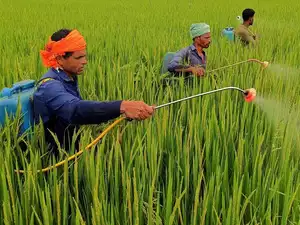
- The Ministry of Agriculture and Farmers Welfare has revised the guidelines of the Per Drop More Crop (PDMC) scheme under the Pradhan Mantri Krishi Sinchayee Yojana (PMKSY) to allow States and Union Territories greater flexibility in implementing micro-level water conservation projects.
- The move aims to improve water-use efficiency, expand micro-irrigation coverage, and boost farmers’ income through localized, need-based interventions.
What is the Per Drop More Crop (PDMC) Scheme?
- Component of PMKSY: Launched in 2015, PDMC focuses on promoting micro-irrigation (drip and sprinkler systems) to maximize “more crop per drop.”
- Objective: Reduce water wastage, enhance agricultural productivity, and ensure sustainable water management in agriculture.
- Funding Pattern: 60:40 (Centre:State) for general states; 90:10 for Himalayan and North-Eastern states.
Key Revisions & Flexibility Measures
- Inclusion of “Other Interventions (OI)”: States/UTs can now undertake micro water storage and harvesting structures—such as diggis, farm ponds, and community reservoirs—as part of PDMC.
- Farmer- and Community-Centric Design: Projects can be tailored for individual farms or community use, based on local hydrological and agronomic conditions.
- Integration with Micro-Irrigation: Water conserved through these structures will directly support drip/sprinkler systems, improving year-round irrigation access.
- Decentralized Planning: Empowers district and block-level authorities to prioritize interventions aligned with local water scarcity and cropping patterns.
Impact & Relevance
- Water Savings: Micro-irrigation can reduce water use by 30–60% while increasing yields by 20–50% for crops like vegetables, fruits, and pulses.
- Climate Resilience: Enhances adaptive capacity in drought-prone and water-stressed regions—over 600 districts in India face recurring water scarcity.
- Income Security: By stabilizing irrigation and reducing input costs, the scheme supports the government’s goal of doubling farmers’ income by 2027.
Additional Info
- PMKSY Structure:
- Accelerated Irrigation Benefit Programme (AIBP): For large irrigation projects.
- Har Khet Ko Pani: For water source augmentation.
- Per Drop More Crop (PDMC): For on-farm water efficiency.
- Performance Metrics (as of 2024):
- Over 110 lakh hectares brought under micro-irrigation since 2015.
- ₹7,000+ crore allocated under PDMC in the last five years.
- Policy Linkages:
- Aligns with National Water Policy (2012) and Jal Shakti Abhiyan.
- Supports SDG 6 (Clean Water and Sanitation) and SDG 2 (Zero Hunger).
Sources
India Slips to 85th Rank in 2025 Henley Passport Index

What’s the News?
India has dropped to 85th position in the 2025 Henley Passport Index, a decline of five places from its 2024 rank. Indian passport holders now enjoy visa-free or visa-on-arrival access to 57 destinations, down from 62 in the previous year. This reflects a narrowing of global travel freedom despite India’s growing diplomatic and economic influence.
What is the Henley Passport Index?
- Global Mobility Benchmark: Ranks 199 passports based on the number of destinations accessible without a prior visa.
- Data Source: Uses exclusive data from the International Air Transport Association (IATA) covering 227 travel destinations.
- Updated Monthly: Published by global residence and citizenship advisory firm Henley & Partners.
- Key Metric: Measures travel freedom, often correlated with a country’s bilateral agreements, security protocols, and international trust.
India’s Passport Performance: Key Trends
- Current Rank (2025): 85th (57 visa-free/visa-on-arrival destinations).
- Previous Year (2024): 80th (62 destinations).
- Historical Peak: 71st in 2006.
- Regional Comparison:
- Singapore: 1st (193 destinations)
- Japan: 3rd (189)
- Pakistan: 102nd (34 destinations)
- Bangladesh: 97th (42 destinations)
Implications for Global Mobility
- Limited Access to Key Regions: Indian citizens still require pre-approved visas for most of Europe, North America, East Asia, and Oceania.
- Diplomatic Gap: Despite strong trade and strategic partnerships, India lags in securing reciprocal visa-waiver agreements with high-income nations.
- Travel & Business Impact: Increased procedural delays and costs for students, professionals, and tourists, potentially affecting diaspora engagement and soft power outreach.
Additional Info
- Visa-Free Destinations Include:
- Asia: Nepal, Bhutan, Indonesia, Thailand, Cambodia, Laos, Maldives, Sri Lanka
- Africa: Kenya, Mauritius, Seychelles, Rwanda, Uganda, Zimbabwe
- Caribbean & Pacific: Fiji, Dominica, Saint Vincent and the Grenadines, Haiti
- Policy Context:
- e-Visa Expansion: India offers e-visas to over 160 countries but has not secured equivalent concessions.
- Bilateral Negotiations: Ongoing talks with the EU and UK on mobility partnerships remain inconclusive.
- Global Indices Correlation: Low passport strength often aligns with constraints in NRI investment facilitation, academic exchange, and tourism promotion.
Sources
Scientists Discover 'Time Rondeau Crystal,' a New Phase of Matter
What’s the News?
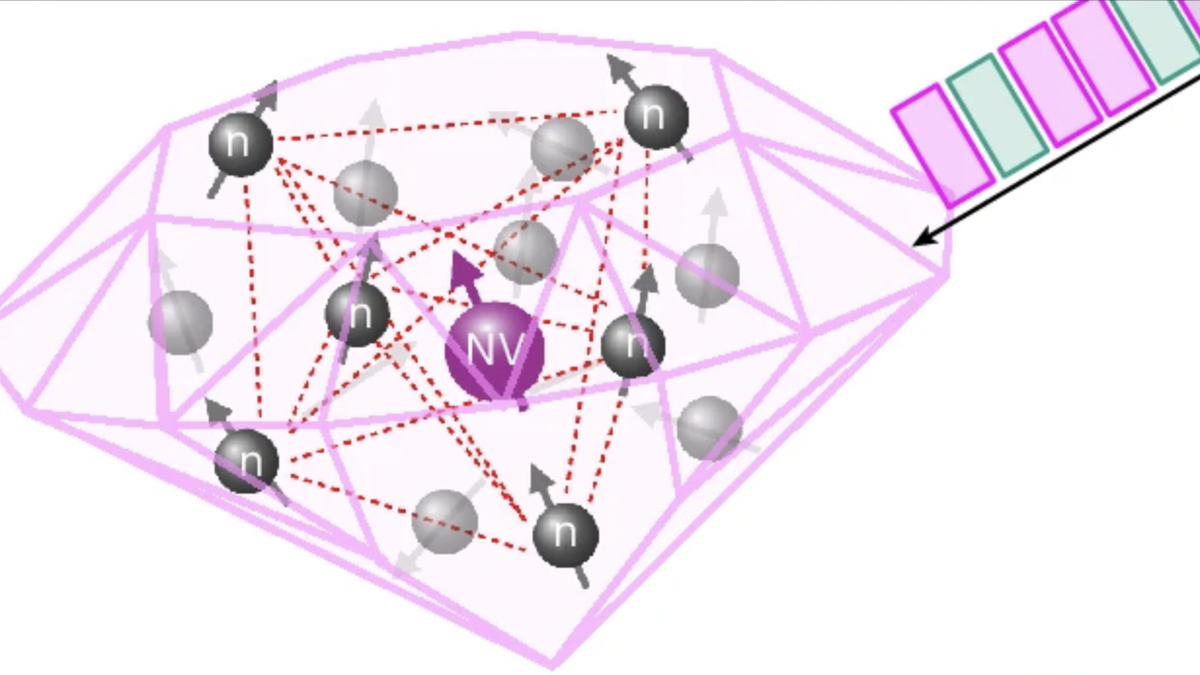
- Scientists have discovered a new phase of matter known as the "time rondeau crystal."
- This novel state of matter exhibits a unique temporal pattern where ordered and disordered states coexist and repeat over time.
- The discovery, made by researchers from the University of Oxford and the Technical University of Munich, expands our understanding of non-equilibrium quantum systems and is related to, but distinct from, a standard time crystal.
Understanding the Time Rondeau Crystal
- A time rondeau crystal is a non-equilibrium phase of matter, meaning it only exists when being actively driven by an external energy source.
- Its defining feature is a complex rhythm where the system alternates between a structured, ordered phase (like a crystal) and a chaotic, disordered phase (like a gas) in a predictable, repeating cycle.
- The name is inspired by a "rondeau," a form of music or poetry where a recurring refrain (the ordered state) is interspersed with changing verses (the disordered states).
- This is different from a regular time crystal, which simply repeats a single ordered pattern over time, much like a clock ticking. The rondeau crystal has a more intricate, multi-state temporal structure.
Experimental Creation
- The researchers created this new phase using a Bose-Einstein Condensate (BEC), a state of matter where atoms are cooled to near absolute zero and act as a single quantum entity.
- They used a condensate of lithium atoms and periodically "kicked" it with laser pulses.
- This periodic driving forced the system into a stable state where it cycled through the ordered and disordered patterns at a frequency different from the driving laser's frequency, confirming the existence of the time rondeau crystal.
Additional Info
- Time Crystal:
- A phase of matter whose constituent particles repeat a pattern in time, not just in space like a conventional crystal (e.g., diamond or salt).
- It breaks "time-translation symmetry," meaning its state is not the same at every moment, even under a periodic drive. It essentially has its own internal "tick" independent of the external push it receives.
- Bose-Einstein Condensate (BEC):
- A state of matter formed when a gas of bosons (a type of particle) is cooled to temperatures very close to absolute zero (-273.15°C).
- At this point, a large fraction of the atoms collapse into the lowest quantum state, behaving as a single macroscopic quantum entity or "superatom."
Sources
Earth's Magnetic Field Has a Growing Weak Spot

What’s the News?
- Scientists are closely monitoring a large and growing area of weakness in the Earth's magnetic field known as the South Atlantic Anomaly (SAA).
- This region, where the magnetic field is significantly weaker than the global average, is expanding westward and splitting into two distinct lobes.
- While the SAA poses no direct threat to life on Earth, it presents a significant radiation risk to satellites and spacecraft, including the International Space Station (ISS).
What is the South Atlantic Anomaly (SAA)?
- The SAA is an extensive region centered over South America and the southern Atlantic Ocean where the Earth's magnetic field is about one-third weaker than the average.
- The Earth's magnetic field acts as a protective shield, deflecting harmful charged particles from the sun (solar wind) and cosmic rays.
- In the SAA, this shield is less effective, allowing these particles to dip closer to the planet's surface.
- This region is where the inner Van Allen radiation belt—a zone of trapped energetic particles—makes its closest approach to the Earth.
Why Does This Weak Spot Exist?
- The Earth's magnetic field is generated by the churning motion of molten iron in the planet's outer core, a process called the geodynamo.
- The SAA is believed to be caused by a massive, dense feature deep within the Earth called the African Large Low-Shear-Velocity Province (LLSVP).
- This continent-sized slab of ancient, dense rock sits at the boundary between the hot liquid outer core and the stiffer mantle.
- The LLSVP disrupts the flow of molten iron in the core beneath it, which in turn weakens the magnetic field generated in the region above, creating the anomaly we observe on the surface.
Sources
China Lodges WTO Complaint Against India Over EV Subsidies

What’s the News?
- China has initiated a dispute settlement process at the World Trade Organization (WTO) against India.
- The complaint alleges that India's subsidy programs for electric vehicles (EVs) and advanced chemistry cell (ACC) batteries unfairly favor domestic producers, violating international trade rules.
- This move escalates trade tensions between the two Asian economic giants, focusing on a strategically important and rapidly growing sector.
The Core of China's Complaint
- China argues that India's policies violate the WTO’s core principle of “national treatment,” which mandates that member countries must treat imported and locally-produced goods equally once they enter the domestic market.
- The complaint specifically targets two of India's flagship initiatives:
- Production-Linked Incentive (PLI) Scheme for ACC Batteries: This scheme provides financial incentives to manufacturers, but China claims the eligibility criteria are discriminatory. To receive subsidies, companies must meet mandated levels of domestic value addition, which requires them to source a certain percentage of components and raw materials locally.
- FAME-II (Faster Adoption and Manufacturing of Electric Vehicles) Scheme: This program, aimed at boosting EV adoption, is also accused of imposing similar localization requirements that disadvantage foreign manufacturers.
- According to China, these conditions create an unfair competitive landscape, effectively penalizing foreign companies that cannot meet the domestic sourcing requirements.
India’s Aatmanirbhar Bharat Policy
- India’s subsidy schemes are a cornerstone of its Aatmanirbhar Bharat (Self-Reliant India) initiative.
- The government's stated objectives for these policies are to:
- Build a robust domestic manufacturing ecosystem for EVs and batteries.
- Reduce heavy reliance on imports, particularly from China, which currently dominates the global battery supply chain.
- Promote local value addition, create jobs, and enhance India's technological capabilities in a critical sector.
What Happens Next: The WTO Process
- The dispute settlement process begins with a 60-day consultation period. During this time, India and China are expected to engage in discussions to find a mutually agreeable solution.
- If these consultations fail to resolve the issue, China can request the establishment of a formal WTO dispute settlement panel to adjudicate the matter and issue a ruling.
- This case is significant as it challenges a key aspect of India's industrial policy aimed at boosting domestic manufacturing.
Sources
October 2025
31 October 202530 October 202529 October 202528 October 202527 October 202525 October 202524 October 202523 October 202522 October 202521 October 202520 October 202518 October 202517 October 202516 October 202515 October 202514 October 202513 October 202511 October 202510 October 202509 October 202508 October 202507 October 202506 October 202504 October 202503 October 202502 October 202501 October 2025
Archive
October 2026
- 28 October 2026
- 27 October 2026
- 26 October 2026
- 24 October 2026
- 23 October 2026
- 22 October 2026
- 21 October 2026
- 20 October 2026
- 19 October 2026
- 17 October 2026
- 16 October 2026
- 15 October 2026
- 14 October 2026
- 13 October 2026
- 12 October 2026
- 10 October 2026
- 09 October 2026
- 08 October 2026
- 07 October 2026
- 06 October 2026
- 05 October 2026
- 03 October 2026
- 02 October 2026
- 01 October 2026
September 2026
- 30 September 2026
- 29 September 2026
- 28 September 2026
- 26 September 2026
- 25 September 2026
- 24 September 2026
- 23 September 2026
- 22 September 2026
- 21 September 2026
- 19 September 2026
- 18 September 2026
- 17 September 2026
- 16 September 2026
- 15 September 2026
- 12 September 2026
- 11 September 2026
- 10 September 2026
- 09 September 2026
- 08 September 2026
- 07 September 2026
- 05 September 2026
- 04 September 2026
- 03 September 2026
- 02 September 2026
- 01 September 2026
August 2026
- 31 August 2026
- 29 August 2026
- 27 August 2026
- 26 August 2026
- 25 August 2026
- 24 August 2026
- 22 August 2026
- 21 August 2026
- 20 August 2026
- 19 August 2026
- 18 August 2026
- 17 August 2026
- 14 August 2026
- 13 August 2026
- 12 August 2026
- 11 August 2026
- 10 August 2026
- 08 August 2026
- 07 August 2026
- 06 August 2026
- 05 August 2026
- 04 August 2026
- 03 August 2026
- 01 August 2026
July 2026
- 31 July 2026
- 30 July 2026
- 29 July 2026
- 28 July 2026
- 27 July 2026
- 25 July 2026
- 23 July 2026
- 22 July 2026
- 21 July 2026
- 20 July 2026
- 18 July 2026
- 17 July 2026
- 15 July 2026
- 14 July 2026
- 13 July 2026
- 11 July 2026
- 10 July 2026
- 09 July 2026
- 08 July 2026
- 07 July 2026
- 06 July 2026
- 04 July 2026
- 03 July 2026
- 02 July 2026
- 01 July 2026
June 2026
May 2026
April 2026
March 2026
- 31 March 2026
- 30 March 2026
- 28 March 2026
- 27 March 2026
- 26 March 2026
- 25 March 2026
- 24 March 2026
- 23 March 2026
- 21 March 2026
- 20 March 2026
- 19 March 2026
- 18 March 2026
- 17 March 2026
- 16 March 2026
- 14 March 2026
- 13 March 2026
- 12 March 2026
- 11 March 2026
- 10 March 2026
- 09 March 2026
- 07 March 2026
- 06 March 2026
- 05 March 2026
- 03 March 2026
- 02 March 2026
February 2026
- 28 February 2026
- 27 February 2026
- 26 February 2026
- 25 February 2026
- 24 February 2026
- 23 February 2026
- 21 February 2026
- 20 February 2026
- 19 February 2026
- 18 February 2026
- 17 February 2026
- 16 February 2026
- 13 February 2026
- 12 February 2026
- 11 February 2026
- 10 February 2026
- 09 February 2026
- 07 February 2026
- 06 February 2026
- 05 February 2026
- 04 February 2026
- 03 February 2026
- 02 February 2026
January 2026
- 31 January 2026
- 30 January 2026
- 29 January 2026
- 28 January 2026
- 27 January 2026
- 26 January 2026
- 24 January 2026
- 23 January 2026
- 22 January 2026
- 21 January 2026
- 20 January 2026
- 19 January 2026
- 16 January 2026
- 15 January 2026
- 14 January 2026
- 13 January 2026
- 12 January 2026
- 10 January 2026
- 09 January 2026
- 08 January 2026
- 07 January 2026
- 06 January 2026
- 05 January 2026
- 03 January 2026
- 02 January 2026
- 01 January 2026
December 2025
- 31 December 2025
- 30 December 2025
- 29 December 2025
- 27 December 2025
- 26 December 2025
- 24 December 2025
- 23 December 2025
- 22 December 2025
- 20 December 2025
- 19 December 2025
- 18 December 2025
- 17 December 2025
- 16 December 2025
- 15 December 2025
- 13 December 2025
- 12 December 2025
- 11 December 2025
- 10 December 2025
- 09 December 2025
- 08 December 2025
- 05 December 2025
- 04 December 2025
- 03 December 2025
- 02 December 2025
November 2025
- 29 November 2025
- 28 November 2025
- 27 November 2025
- 26 November 2025
- 25 November 2025
- 24 November 2025
- 22 November 2025
- 21 November 2025
- 20 November 2025
- 19 November 2025
- 18 November 2025
- 17 November 2025
- 15 November 2025
- 14 November 2025
- 13 November 2025
- 12 November 2025
- 11 November 2025
- 10 November 2025
- 08 November 2025
- 07 November 2025
- 06 November 2025
- 05 November 2025
- 04 November 2025
- 03 November 2025
- 01 November 2025
October 2025
- 31 October 2025
- 30 October 2025
- 29 October 2025
- 28 October 2025
- 27 October 2025
- 25 October 2025
- 24 October 2025
- 23 October 2025
- 22 October 2025
- 21 October 2025
- 20 October 2025
- 18 October 2025
- 17 October 2025
- 16 October 2025
- 15 October 2025
- 14 October 2025
- 13 October 2025
- 11 October 2025
- 10 October 2025
- 09 October 2025
- 08 October 2025
- 07 October 2025
- 06 October 2025
- 04 October 2025
- 03 October 2025
- 02 October 2025
- 01 October 2025
September 2025
- 30 September 2025
- 29 September 2025
- 27 September 2025
- 26 September 2025
- 25 September 2025
- 24 September 2025
- 23 September 2025
- 22 September 2025
- 20 September 2025
- 19 September 2025
- 18 September 2025
- 17 September 2025
- 16 September 2025
- 15 September 2025
- 13 September 2025
- 12 September 2025
- 11 September 2025
- 10 September 2025
- 09 September 2025
- 08 September 2025
- 06 September 2025
- 05 September 2025
- 04 September 2025
- 03 September 2025
- 02 September 2025
- 01 September 2025
August 2025
- 30 August 2025
- 29 August 2025
- 28 August 2025
- 27 August 2025
- 26 August 2025
- 25 August 2025
- 23 August 2025
- 22 August 2025
- 21 August 2025
- 20 August 2025
- 19 August 2025
- 18 August 2025
- 16 August 2025
- 14 August 2025
- 13 August 2025
- 12 August 2025
- 11 August 2025
- 08 August 2025
- 07 August 2025
- 06 August 2025
- 05 August 2025
- 04 August 2025
- 02 August 2025
- 01 August 2025
July 2025
- 31 July 2025
- 30 July 2025
- 29 July 2025
- 28 July 2025
- 26 July 2025
- 25 July 2025
- 24 July 2025
- 23 July 2025
- 22 July 2025
- 21 July 2025
- 19 July 2025
- 18 July 2025
- 17 July 2025
- 16 July 2025
- 15 July 2025
- 12 July 2025
- 11 July 2025
- 10 July 2025
- 09 July 2025
- 07 July 2025
- 05 July 2025
- 04 July 2025
- 03 July 2025
- 02 July 2025
- 01 July 2025
June 2025
- 30 June 2025
- 28 June 2025
- 27 June 2025
- 26 June 2025
- 25 June 2025
- 24 June 2025
- 23 June 2025
- 21 June 2025
- 20 June 2025
- 19 June 2025
- 18 June 2025
- 17 June 2025
- 16 June 2025
- 14 June 2025
- 13 June 2025
- 12 June 2025
- 11 June 2025
- 10 June 2025
- 09 June 2025
- 07 June 2025
- 06 June 2025
- 05 June 2025
- 04 June 2025
- 03 June 2025
- 02 June 2025
May 2025
April 2025
- 30 April 2025
- 29 April 2025
- 28 April 2025
- 26 April 2025
- 25 April 2025
- 24 April 2025
- 23 April 2025
- 22 April 2025
- 21 April 2025
- 19 April 2025
- 18 April 2025
- 17 April 2025
- 16 April 2025
- 15 April 2025
- 14 April 2025
- 12 April 2025
- 11 April 2025
- 10 April 2025
- 09 April 2025
- 08 April 2025
- 07 April 2025
- 05 April 2025
- 04 April 2025
- 03 April 2025
- 02 April 2025
- 01 April 2025
March 2025
- 31 March 2025
- 29 March 2025
- 28 March 2025
- 27 March 2025
- 26 March 2025
- 25 March 2025
- 24 March 2025
- 22 March 2025
- 21 March 2025
- 20 March 2025
- 19 March 2025
- 18 March 2025
- 17 March 2025
- 15 March 2025
- 13 March 2025
- 12 March 2025
- 11 March 2025
- 10 March 2025
- 08 March 2025
- 07 March 2025
- 06 March 2025
- 05 March 2025
- 04 March 2025
- 03 March 2025
- 01 March 2025
February 2025
- 28 February 2025
- 27 February 2025
- 26 February 2025
- 25 February 2025
- 24 February 2025
- 22 February 2025
- 21 February 2025
- 20 February 2025
- 19 February 2025
- 18 February 2025
- 17 February 2025
- 15 February 2025
- 14 February 2025
- 13 February 2025
- 12 February 2025
- 11 February 2025
- 10 February 2025
- 08 February 2025
- 07 February 2025
- 06 February 2025
- 05 February 2025
- 04 February 2025
- 03 February 2025
- 01 February 2025
January 2025
- 31 January 2025
- 30 January 2025
- 29 January 2025
- 28 January 2025
- 27 January 2025
- 25 January 2025
- 24 January 2025
- 23 January 2025
- 22 January 2025
- 21 January 2025
- 20 January 2025
- 18 January 2025
- 17 January 2025
- 16 January 2025
- 15 January 2025
- 14 January 2025
- 13 January 2025
- 11 January 2025
- 10 January 2025
- 09 January 2025
- 08 January 2025
- 07 January 2025
- 06 January 2025
- 04 January 2025
- 03 January 2025
- 02 January 2025
- 01 January 2025