
Current Affairs
Stay updated with the latest national and international events.
17 December 2025
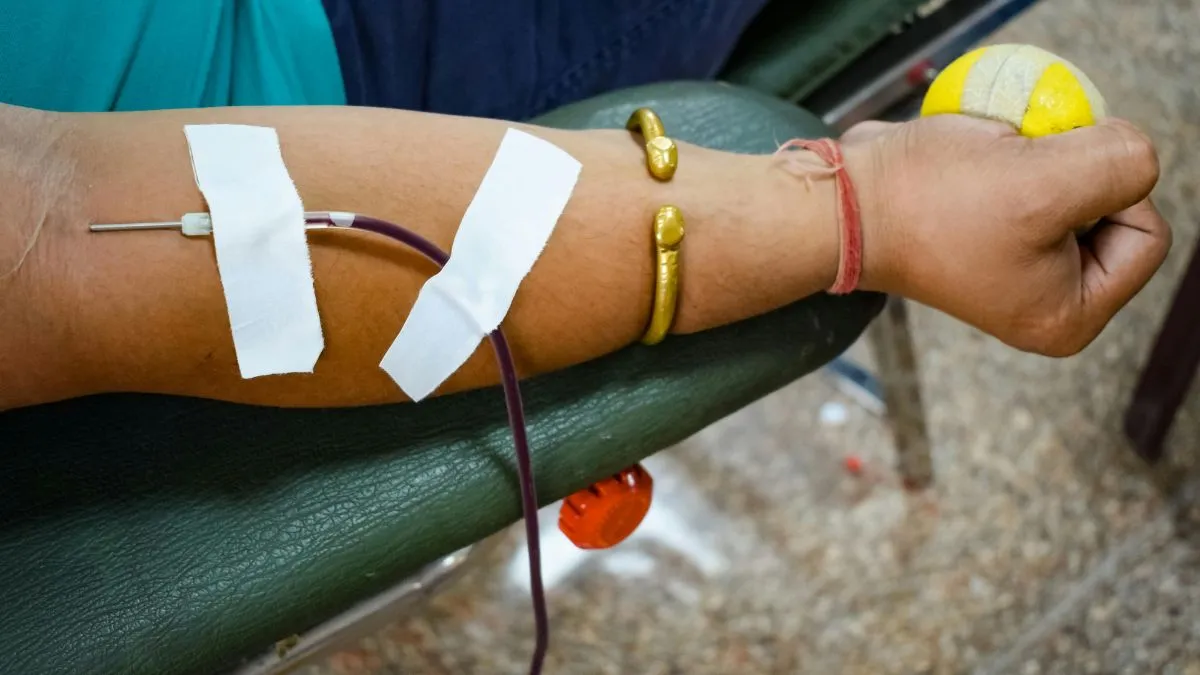
National Blood Transfusion Bill, 2025
What’s the News?
- The Union Government has introduced the National Blood Transfusion Bill, 2025 to establish a uniform, transparent, and patient-centric regulatory framework for blood collection, testing, storage, and transfusion across India.
- The Bill aims to replace fragmented state-level rules with a national legal framework, addressing long-standing concerns related to quality control, accountability, and patient safety.
Why a National Blood Transfusion Law?
- Fragmented Regulation:
- Blood banks are currently regulated under the Drugs and Cosmetics Act, 1940, leading to:
- Uneven standards across States
- Weak oversight and enforcement
- Blood banks are currently regulated under the Drugs and Cosmetics Act, 1940, leading to:
- Public Health Concerns:
- Risks of transfusion-transmitted infections (TTIs) due to inconsistent testing
- Shortages and poor coordination during emergencies and disasters
- Equity & Access Issues:
- Rural and remote areas face limited access to quality blood services
What is the National Blood Transfusion Authority (NBTA)?
- Statutory body with regulatory powers to prescribe and enforce national standards for:
- Blood collection, testing, processing, storage, distribution, and transfusion
- Haemovigilance (adverse event monitoring) and traceability systems
- Functions include:
- Granting, suspending, or cancelling registrations of blood centres
- Conducting inspections and audits
- Promoting voluntary non-remunerated blood donation
- Coordinating inter-state blood movement during emergencies
Provisions of the Bill
- Mandatory Registration: All blood banks and centres must register with NBTA; unregistered operation attracts up to 3 years imprisonment, fine, or both.
- Haemovigilance Programme: Institutionalised national system to:
- Track and report transfusion-related complications
- Prevent transmission of diseases (e.g., HIV, hepatitis B/C)
- Enable early detection of unsafe practices
- Promotion of Voluntary Donation: Shift from replacement/paid donation through centrally coordinated awareness campaigns
- Penalties & Enforcement:
- Heavy fines, licence cancellations, and criminal liability for unsafe practices
- Focus on deterring illegal collection and substandard processing
Additional Info
- Related Initiatives in India:
- e-RaktKosh Portal: National platform for real-time information on blood availability
- National AIDS Control Programme (NACP): Focus on reducing TTIs through improved screening
- Constitutional & Policy Context:
- Article 47: Directive Principle mandating the State to improve public health
- Health is a State Subject, but national standards are enabled through: Concurrent List provisions related to drugs and public health safety
Sources
Viksit Bharat Shiksha Adhikshan Bill, 2025
What’s the News?
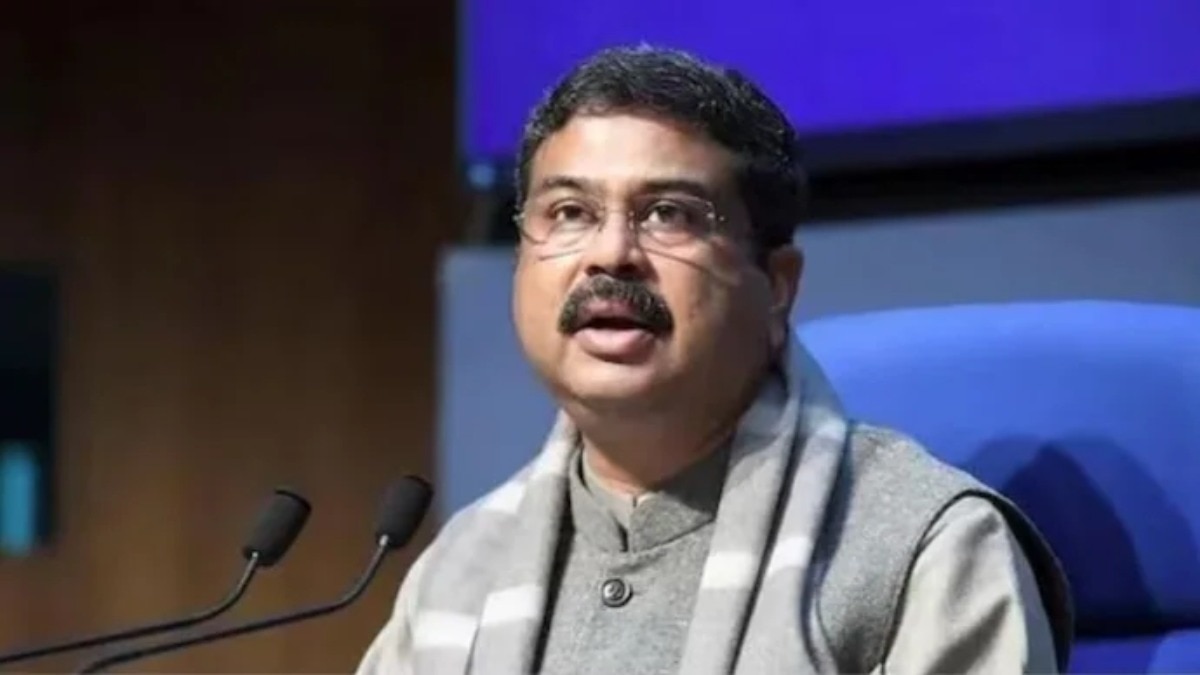
- The Union Government has introduced the Viksit Bharat Shiksha Adhikshan Bill, 2025 aimed at restructuring regulation and governance of higher education institutions in India.
- The Bill seeks to rationalise overlapping regulatory frameworks and strengthen academic autonomy while enhancing quality, innovation, and global competitiveness.
Unified Regulatory Structure
- Central Higher Education Regulatory Authority (CHERA):
- Replaces multiple bodies to act as the primary regulator for higher education.
- Assigned roles for accreditation, standards, and compliance.
- Streamlining Overlaps:
- Existing regulators such as UGC, AICTE, and other councils will see their functions re-aligned under CHERA.
- Focus on reducing regulatory burden and duplication.
Academic Autonomy & Institutional Governance
- Greater Autonomy for high-performing institutions:
- Encourages innovation in curricula, research, and collaboration.
- Institutions meeting quality benchmarks can design programmes and fees within defined parameters.
- Institutional Accountability:
- Transparent performance indicators
- Periodic reviews for quality and relevance
Quality Assurance & Standards
- National Accreditation Framework:
- Standardised evaluation processes for programme and institutional quality.
- Performance Metrics:
- Benchmarks related to:
- Teaching outcomes
- Research output
- Graduate employability
- Benchmarks related to:
- Inclusion of Technology & Digital Learning:
- Encourages online and blended learning adoption while ensuring quality standards.
Student Impact & Governance Changes
- Academic and Fee Transparency:
- Fee regulation mechanisms for non-autonomous segments.
- Clear information on programmes and outcomes for student decision-making.
- Mobility & Recognition:
- Credit transfer frameworks for inter-institutional mobility.
- International recognition alignment to enhance global opportunities.
Constitutional & Federal Concerns
- Centralisation Risks:
- No formal role for State Governments in appointments or policy framing, despite their jurisdiction over many state universities under the State List (Entry 25) and Concurrent List (Entry 39).
- Central Government retains power to issue binding directions and dissolve the Commission, raising concerns about executive overreach.
- Federal Tension: Critics argue the Bill undermines cooperative federalism by concentrating regulatory authority at the Centre, potentially sidelining regional linguistic, cultural, and pedagogical priorities.
Additional Info
- NEP 2020 Alignment:
- Supports Goal 6.16: “Single regulator for higher education”.
- Advances multidisciplinary education, multiple entry-exit options, and research-led institutions.
- Transition Mechanism:
- Existing UGC/AICTE/NCTE approvals remain valid during transition.
- Staff and assets of existing bodies to be absorbed into VBSA.
Sources
DHRUV64: India’s First Indigenous 1.0 GHz, 64-bit Microprocessor

What’s the News?
- The Government of India has unveiled DHRUV64, the country’s first fully indigenous 1.0 GHz, 64-bit dual-core microprocessor developed under the Microprocessor Development Programme (MDP).
- The chip is designed by the Centre for Development of Advanced Computing (C-DAC) with support from national semiconductor initiatives.
Technical Specifications
- Architecture: RISC-V 64G (RV64IMAFD) instruction set
- Clock Speed: 1.0 GHz
- Cores: Dual-core
- Process Node: 28nm
- Design & Fabrication: Fully indigenous
Strategic Objectives & Applications
DHRUV64 is engineered for reliability and sovereignty, targeting critical domains rather than consumer performance:
- Strategic sectors: Defence systems, secure communications, mission-critical infrastructure.
- Commercial & civil use:
- 5G infrastructure and telecom equipment.
- Industrial automation and IoT systems.
- Automotive electronics and embedded controllers.
- Available to startups, academia, and industry for prototyping and scaling indigenous solutions.
Policy & Ecosystem Integration
- DIR-V Programme:
- Aims to establish India as a global RISC-V hub for design, research, and productization.
- Successor chips Dhanush64 and Dhanush64+ already in design phase.
- Open-source advantage: RISC-V eliminates licensing costs and fosters innovation.
- Human capital leverage: India contributes ~20% of global chip design engineers; DHRUV64 aids in upskilling and retaining talent.
RISC-V
- RISC-V is an open-source Instruction Set Architecture (ISA) based on Reduced Instruction Set Computer (RISC) principles.
- It was originally developed at the University of California, Berkeley to provide a license-free alternative to proprietary ISAs such as ARM and x86.
Key Features
- Open-source & royalty-free: Anyone can design, modify, and manufacture processors based on RISC-V without paying licensing fees.
- Modular architecture: A small base instruction set with optional standard extensions (e.g., integer, floating point, vector, security).
- Scalable design: Applicable from low-power embedded systems to high-performance computing.
- Vendor-neutral: Prevents monopoly control and promotes a competitive semiconductor ecosystem.
In Short:
- RISC-V is an ISA, not a finished processor.
- It is open-standard, unlike ARM (licensed) and x86 (proprietary).
- Used in microcontrollers, AI accelerators, IoT devices, and supercomputing research.
Sources
Global Investment Risk and Resilience Index, 2025: India’s Position

What’s the News?
- The 2025 Global Investment Risk and Resilience Index, published by Henley & Partners and AlphaGeo, assesses how countries balance investment risk (economic, geopolitical, climate-related) and resilience (governance, infrastructure, adaptability) to attract and sustain capital.
- India’s rank in the 226-nation index is relatively low, reflecting moderate resilience weighed down by higher exposure to key risks compared to many peers.
Index Overview
- Purpose:
- Measures nations on two core dimensions:
- Risk Exposure: Vulnerabilities to climate, political, economic, and regulatory shocks.
- Resilience Capacity: Ability to absorb and recover through governance, social progress, innovation, and infrastructure.
- Measures nations on two core dimensions:
- Methodology:
- Combines multiple indicators (13 major components) into a composite score scaled 0–100; higher scores denote greater investment safety and adaptive strength.
India’s Ranking & Implications
- Overall Score: 54.42 (out of 100)
- Resilience Score: 49.76
- Risk Score: Elevated (exact value undisclosed; described as “substantial”)
- Regional & Peer Comparison:
- Singapore (4th) is the only Asian country in the top 10
- China ranked 37th, significantly ahead of India due to stronger investment capacity and innovation ecosystem
- Among BRICS, India is the lowest-ranked; China leads, followed by South Africa (87th), Brazil (91st), Russia (98th)
- Top 3: Switzerland (88.42), Denmark (85.09), Norway (83.54)
- Bottom 3: Lebanon (150th), Haiti (149th), Pakistan (148th)
Critical Risk Factors for India
- Political & Regulatory Uncertainty: Inconsistent policy implementation and judicial delays weaken investor confidence.
- Climate Vulnerability: High exposure to physical climate hazards floods, heatwaves, cyclones affects supply chains and infrastructure.
- Institutional Gaps: Weak enforcement of contracts, land acquisition hurdles, and fragmented labour laws increase transaction costs.
Additional Info
- Methodology: Combines quantitative datasets (World Bank, WEF, ND-GAIN, V-Dem) with expert assessments.
- Index Frequency: Annual; first published in 2024.
- India’s Trend: Dropped from 98th in 2024, reflecting rising geopolitical and climate-risk perceptions.
Sources
December 2025
31 December 202530 December 202529 December 202527 December 202526 December 202524 December 202523 December 202522 December 202520 December 202519 December 202518 December 202517 December 202516 December 202515 December 202513 December 202512 December 202511 December 202510 December 202509 December 202508 December 202505 December 202504 December 202503 December 202502 December 2025
Archive
October 2026
- 27 October 2026
- 26 October 2026
- 24 October 2026
- 23 October 2026
- 22 October 2026
- 21 October 2026
- 20 October 2026
- 19 October 2026
- 17 October 2026
- 16 October 2026
- 15 October 2026
- 14 October 2026
- 13 October 2026
- 12 October 2026
- 10 October 2026
- 09 October 2026
- 08 October 2026
- 07 October 2026
- 06 October 2026
- 05 October 2026
- 03 October 2026
- 02 October 2026
- 01 October 2026
September 2026
- 30 September 2026
- 29 September 2026
- 28 September 2026
- 26 September 2026
- 25 September 2026
- 24 September 2026
- 23 September 2026
- 22 September 2026
- 21 September 2026
- 19 September 2026
- 18 September 2026
- 17 September 2026
- 16 September 2026
- 15 September 2026
- 12 September 2026
- 11 September 2026
- 10 September 2026
- 09 September 2026
- 08 September 2026
- 07 September 2026
- 05 September 2026
- 04 September 2026
- 03 September 2026
- 02 September 2026
- 01 September 2026
August 2026
- 31 August 2026
- 29 August 2026
- 27 August 2026
- 26 August 2026
- 25 August 2026
- 24 August 2026
- 22 August 2026
- 21 August 2026
- 20 August 2026
- 19 August 2026
- 18 August 2026
- 17 August 2026
- 14 August 2026
- 13 August 2026
- 12 August 2026
- 11 August 2026
- 10 August 2026
- 08 August 2026
- 07 August 2026
- 06 August 2026
- 05 August 2026
- 04 August 2026
- 03 August 2026
- 01 August 2026
July 2026
- 31 July 2026
- 30 July 2026
- 29 July 2026
- 28 July 2026
- 27 July 2026
- 25 July 2026
- 23 July 2026
- 22 July 2026
- 21 July 2026
- 20 July 2026
- 18 July 2026
- 17 July 2026
- 15 July 2026
- 14 July 2026
- 13 July 2026
- 11 July 2026
- 10 July 2026
- 09 July 2026
- 08 July 2026
- 07 July 2026
- 06 July 2026
- 04 July 2026
- 03 July 2026
- 02 July 2026
- 01 July 2026
June 2026
May 2026
April 2026
March 2026
- 31 March 2026
- 30 March 2026
- 28 March 2026
- 27 March 2026
- 26 March 2026
- 25 March 2026
- 24 March 2026
- 23 March 2026
- 21 March 2026
- 20 March 2026
- 19 March 2026
- 18 March 2026
- 17 March 2026
- 16 March 2026
- 14 March 2026
- 13 March 2026
- 12 March 2026
- 11 March 2026
- 10 March 2026
- 09 March 2026
- 07 March 2026
- 06 March 2026
- 05 March 2026
- 03 March 2026
- 02 March 2026
February 2026
- 28 February 2026
- 27 February 2026
- 26 February 2026
- 25 February 2026
- 24 February 2026
- 23 February 2026
- 21 February 2026
- 20 February 2026
- 19 February 2026
- 18 February 2026
- 17 February 2026
- 16 February 2026
- 13 February 2026
- 12 February 2026
- 11 February 2026
- 10 February 2026
- 09 February 2026
- 07 February 2026
- 06 February 2026
- 05 February 2026
- 04 February 2026
- 03 February 2026
- 02 February 2026
January 2026
- 31 January 2026
- 30 January 2026
- 29 January 2026
- 28 January 2026
- 27 January 2026
- 26 January 2026
- 24 January 2026
- 23 January 2026
- 22 January 2026
- 21 January 2026
- 20 January 2026
- 19 January 2026
- 16 January 2026
- 15 January 2026
- 14 January 2026
- 13 January 2026
- 12 January 2026
- 10 January 2026
- 09 January 2026
- 08 January 2026
- 07 January 2026
- 06 January 2026
- 05 January 2026
- 03 January 2026
- 02 January 2026
- 01 January 2026
December 2025
- 31 December 2025
- 30 December 2025
- 29 December 2025
- 27 December 2025
- 26 December 2025
- 24 December 2025
- 23 December 2025
- 22 December 2025
- 20 December 2025
- 19 December 2025
- 18 December 2025
- 17 December 2025
- 16 December 2025
- 15 December 2025
- 13 December 2025
- 12 December 2025
- 11 December 2025
- 10 December 2025
- 09 December 2025
- 08 December 2025
- 05 December 2025
- 04 December 2025
- 03 December 2025
- 02 December 2025
November 2025
- 29 November 2025
- 28 November 2025
- 27 November 2025
- 26 November 2025
- 25 November 2025
- 24 November 2025
- 22 November 2025
- 21 November 2025
- 20 November 2025
- 19 November 2025
- 18 November 2025
- 17 November 2025
- 15 November 2025
- 14 November 2025
- 13 November 2025
- 12 November 2025
- 11 November 2025
- 10 November 2025
- 08 November 2025
- 07 November 2025
- 06 November 2025
- 05 November 2025
- 04 November 2025
- 03 November 2025
- 01 November 2025
October 2025
- 31 October 2025
- 30 October 2025
- 29 October 2025
- 28 October 2025
- 27 October 2025
- 25 October 2025
- 24 October 2025
- 23 October 2025
- 22 October 2025
- 21 October 2025
- 20 October 2025
- 18 October 2025
- 17 October 2025
- 16 October 2025
- 15 October 2025
- 14 October 2025
- 13 October 2025
- 11 October 2025
- 10 October 2025
- 09 October 2025
- 08 October 2025
- 07 October 2025
- 06 October 2025
- 04 October 2025
- 03 October 2025
- 02 October 2025
- 01 October 2025
September 2025
- 30 September 2025
- 29 September 2025
- 27 September 2025
- 26 September 2025
- 25 September 2025
- 24 September 2025
- 23 September 2025
- 22 September 2025
- 20 September 2025
- 19 September 2025
- 18 September 2025
- 17 September 2025
- 16 September 2025
- 15 September 2025
- 13 September 2025
- 12 September 2025
- 11 September 2025
- 10 September 2025
- 09 September 2025
- 08 September 2025
- 06 September 2025
- 05 September 2025
- 04 September 2025
- 03 September 2025
- 02 September 2025
- 01 September 2025
August 2025
- 30 August 2025
- 29 August 2025
- 28 August 2025
- 27 August 2025
- 26 August 2025
- 25 August 2025
- 23 August 2025
- 22 August 2025
- 21 August 2025
- 20 August 2025
- 19 August 2025
- 18 August 2025
- 16 August 2025
- 14 August 2025
- 13 August 2025
- 12 August 2025
- 11 August 2025
- 08 August 2025
- 07 August 2025
- 06 August 2025
- 05 August 2025
- 04 August 2025
- 02 August 2025
- 01 August 2025
July 2025
- 31 July 2025
- 30 July 2025
- 29 July 2025
- 28 July 2025
- 26 July 2025
- 25 July 2025
- 24 July 2025
- 23 July 2025
- 22 July 2025
- 21 July 2025
- 19 July 2025
- 18 July 2025
- 17 July 2025
- 16 July 2025
- 15 July 2025
- 12 July 2025
- 11 July 2025
- 10 July 2025
- 09 July 2025
- 07 July 2025
- 05 July 2025
- 04 July 2025
- 03 July 2025
- 02 July 2025
- 01 July 2025
June 2025
- 30 June 2025
- 28 June 2025
- 27 June 2025
- 26 June 2025
- 25 June 2025
- 24 June 2025
- 23 June 2025
- 21 June 2025
- 20 June 2025
- 19 June 2025
- 18 June 2025
- 17 June 2025
- 16 June 2025
- 14 June 2025
- 13 June 2025
- 12 June 2025
- 11 June 2025
- 10 June 2025
- 09 June 2025
- 07 June 2025
- 06 June 2025
- 05 June 2025
- 04 June 2025
- 03 June 2025
- 02 June 2025
May 2025
April 2025
- 30 April 2025
- 29 April 2025
- 28 April 2025
- 26 April 2025
- 25 April 2025
- 24 April 2025
- 23 April 2025
- 22 April 2025
- 21 April 2025
- 19 April 2025
- 18 April 2025
- 17 April 2025
- 16 April 2025
- 15 April 2025
- 14 April 2025
- 12 April 2025
- 11 April 2025
- 10 April 2025
- 09 April 2025
- 08 April 2025
- 07 April 2025
- 05 April 2025
- 04 April 2025
- 03 April 2025
- 02 April 2025
- 01 April 2025
March 2025
- 31 March 2025
- 29 March 2025
- 28 March 2025
- 27 March 2025
- 26 March 2025
- 25 March 2025
- 24 March 2025
- 22 March 2025
- 21 March 2025
- 20 March 2025
- 19 March 2025
- 18 March 2025
- 17 March 2025
- 15 March 2025
- 13 March 2025
- 12 March 2025
- 11 March 2025
- 10 March 2025
- 08 March 2025
- 07 March 2025
- 06 March 2025
- 05 March 2025
- 04 March 2025
- 03 March 2025
- 01 March 2025
February 2025
- 28 February 2025
- 27 February 2025
- 26 February 2025
- 25 February 2025
- 24 February 2025
- 22 February 2025
- 21 February 2025
- 20 February 2025
- 19 February 2025
- 18 February 2025
- 17 February 2025
- 15 February 2025
- 14 February 2025
- 13 February 2025
- 12 February 2025
- 11 February 2025
- 10 February 2025
- 08 February 2025
- 07 February 2025
- 06 February 2025
- 05 February 2025
- 04 February 2025
- 03 February 2025
- 01 February 2025
January 2025
- 31 January 2025
- 30 January 2025
- 29 January 2025
- 28 January 2025
- 27 January 2025
- 25 January 2025
- 24 January 2025
- 23 January 2025
- 22 January 2025
- 21 January 2025
- 20 January 2025
- 18 January 2025
- 17 January 2025
- 16 January 2025
- 15 January 2025
- 14 January 2025
- 13 January 2025
- 11 January 2025
- 10 January 2025
- 09 January 2025
- 08 January 2025
- 07 January 2025
- 06 January 2025
- 04 January 2025
- 03 January 2025
- 02 January 2025
- 01 January 2025