
Current Affairs
Stay updated with the latest national and international events.
16 October 2025
World Food Day 2025: “Hand in Hand for Better Foods and a Better Future”
What’s the News?
- World Food Day 2025 will be observed globally on 16 October 2025 under the theme “Hand in Hand for Better Foods and a Better Future”.
- This year marks the 80th anniversary of the founding of the Food and Agriculture Organization (FAO), with a series of global events, including the inauguration of the Food and Agriculture Museum and Network at FAO headquarters in Rome.
- FAO’s 80th Anniversary: Commemorated through year-long #FAO80 events, including a virtual exhibition on “FAO and India – 80 Years of Impact” (September–October 2025) showcasing decades of technical cooperation in agriculture, nutrition, and rural development.
- Flagship Events: A World Food Week (10–17 October) in Rome will feature policy dialogues, cultural showcases, and the World Food Forum, engaging global leaders including representatives from Brazil and Lesotho.
- Food and Agriculture Museum: A new permanent educational space at FAO HQ will offer immersive experiences on food systems, blending art, technology, and live workshops to foster public engagement.
Additional Info
- World Food Day:
- Established in 1979 by FAO’s General Conference.
- Observed in over 150 countries, making it one of the most widely celebrated UN days.
- Aims to raise awareness about hunger, malnutrition, food security, and sustainable agriculture despite global food sufficiency.
- FAO–India Collaboration:
- Began in 1948, focusing on crop diversification, soil health, livestock development, and climate-resilient farming.
- Supported key Indian initiatives like the National Food Security Mission and Zero Hunger Programme.
Sources
Global Forests and Coral Reefs in Crisis: Key Findings from 2025 Assessments
What’s the News?
Two major global environmental assessments released in October 2025 highlight alarming trends:
- The Forest Declaration Assessment 2025 reports that 8.1 million hectares (M ha) of forest were lost in 2024, leaving the world 63% off-track to meet the 2030 zero-deforestation target pledged at COP26.
- A parallel scientific report confirms Earth has crossed its first climate tipping point: widespread, irreversible dieback of warm-water coral reefs, with 84% of reefs across 82 countries affected by bleaching since January 2023.
Forest Crisis: Scale and Drivers
- Deforestation & Degradation:
- 8.1 M ha deforested and 8.8 M ha degraded in 2024; 94% of loss occurred in tropical regions.
- 6.7 M ha of tropical primary forests—critical for biodiversity—were destroyed, mainly in Latin America and Africa.
- Emissions Impact: Forest loss contributed 3.1 Gt CO₂e in 2024—equivalent to 150% of U.S. energy sector emissions.
- Primary Driver: Agricultural expansion accounts for 86% of global deforestation over the past decade, fueled by subsidies for livestock, soy, and monocrops.
Coral Reef Collapse: A Tipping Point Crossed
- Bleaching Extent: From January 2023 to early 2025, 84% of global coral reef area experienced bleaching-level heat stress—the worst event on record.
- Ecological & Human Impact:
- Coral reefs support 25% of marine species and livelihoods of nearly 1 billion people.
- Losses impair coastal protection, fisheries, and tourism, with recovery unlikely under current warming trajectories.
- Scientific Consensus: At 1.4°C of global warming, reefs have exceeded thermal tolerance thresholds, marking an irreversible shift.
Global & Indian Policy Context
- International Commitments:
- Glasgow Leaders’ Declaration (2021) and Kunming-Montreal Global Biodiversity Framework pledged to halt deforestation and restore 30% of degraded ecosystems by 2030—targets now severely off-track.
- Only 10.6 M ha (0.3% of biophysical potential) is under active restoration globally.
- India’s Role:
- Targets 26 M ha of forest restoration by 2030 via Green India Mission, CAMPA, and National Afforestation Programme.
- However, recent amendments to the Forest Conservation Act have reduced protections for forested lands and undermined rights of forest-dependent communities, per the Forest Declaration Assessment.
Sources
India’s Biodiversity Under Stress: IUCN Flags Key Sites and Species in 2025 Assessments
What’s the News?
Recent assessments by the International Union for Conservation of Nature (IUCN) and India’s own scientific surveys reveal deepening threats to the country’s natural heritage:
- The IUCN World Heritage Outlook 4 (2025) has placed India’s Western Ghats, Manas National Park (Assam), and Sundarbans National Park (West Bengal) in the “significant concern” category for conservation outlook.
- India’s wild elephant population has declined by 18%, from 27,312 in 2017 to 22,446 in 2025, based on the first-ever DNA-based national count.
- The Indian wolf (Canis lupus pallipes) has been recognized as a “potential distinct species” and classified as Vulnerable, with only ~3,000 individuals estimated in the wild across India and Pakistan.
IUCN World Heritage Outlook 2025: Key Findings for India
- Sites of Concern:
- Western Ghats, Manas NP, and Sundarbans NP face escalating pressures from climate change, infrastructure expansion, tourism, and invasive species.
- All three are transboundary or ecologically sensitive ecosystems: Sundarbans (shared with Bangladesh), Manas (with Bhutan), and Western Ghats (a global biodiversity hotspot).
- Other Indian Sites:
- Four sites—Great Himalayan NP, Kaziranga, Keoladeo, and Nanda Devi–Valley of Flowers—are rated “good with some concerns”.
- Only Khangchendzonga NP (Sikkim) retains a “good” conservation status—the sole Indian site in this top tier.
- Top Threats in Asia:
- Climate change is now the #1 threat to natural World Heritage sites (replacing hunting), followed by tourism, invasive species, and road/rail infrastructure.
Wildlife Population Trends: Elephants and Wolves
- Asian Elephants:
- 22,446 individuals (95% CI: 18,255–26,645), down from 27,312 in 2017.
- Regional Distribution:
- Western Ghats: 11,934 (53% of national total)
- Northeast & Brahmaputra floodplains: 6,559
- Karnataka (6,013) remains the top state, followed by Assam (4,159) and Tamil Nadu (3,136).
- Threats: Habitat fragmentation due to linear infrastructure, encroachment, and human-elephant conflict.
- Indian Wolf:
- Recognized as a distinct evolutionary lineage within the Canis genus, warranting elevated conservation priority.
- Only 12.4% of its range falls within protected areas, leaving it highly vulnerable to habitat loss, livestock conflict, and persecution.
- Classified as Vulnerable on the IUCN Red List (2025), with a declining population trend.
Additional Info
- Constitutional & Policy Framework:
- Article 48A (DPSP): Directs state to protect forests and wildlife.
- Article 51A(g): Imposes citizen duty to preserve natural environment.
- Wildlife (Protection) Act, 1972: Provides legal basis for Project Elephant (1992) and species protection.
- Key Programs:
- Project Elephant: Covers 32 elephant reserves across 16 states.
- National Board for Wildlife (NBWL): Mandated to approve infrastructure projects in eco-sensitive zones.
- Global Linkages:
- All flagged sites are UNESCO World Heritage Sites inscribed for outstanding universal value.
- IUCN assessments feed into UNESCO’s Reactive Monitoring and can trigger “In Danger” listing.
Sources
- The Hindu – IUCN Puts Western Ghats, Manas, Sundarbans on Concern List
- Times of India – Indian Wolf Identified as Potential Distinct Species
- The Hindu – India’s Wild Elephant Numbers Drop by 18%
Chhattisgarh Recognized as Top Performer in PM-JAY Implementation
What’s the News?
- At the National Health Authority (NHA) Conclave 2025 held in Bhopal, Chhattisgarh was awarded as the best-performing state in implementing the Pradhan Mantri Jan Arogya Yojana (PM-JAY).
- The state achieved near-zero claim pendency, with 97% of empanelled hospitals actively delivering services and over 32,000 audits conducted for fraud control and quality assurance.
About PM-JAY: Key Features & Objectives
- World’s largest government-funded health assurance scheme, launched on 23 September 2018 as part of Ayushman Bharat.
- Provides ₹5 lakh annual health cover per family on a family floater basis—with no cap on family size, age, or gender.
- Covers 1,929 medical procedures, including surgery, diagnostics, ICU, implants, and medicines, along with 3 days pre- and 15 days post-hospitalisation care.
- Cashless and paperless treatment across public and private empanelled hospitals nationwide, with portability across states.
- Pre-existing conditions covered from day one; fully funded by the government through Centre–State cost-sharing.
Beneficiary Coverage & Eligibility
- Targets 12 crore vulnerable families (~55 crore people), covering the bottom 40% of India’s population.
- Eligibility based primarily on Socio-Economic and Caste Census (SECC) 2011 data.
- Expanded in 2023 to include all senior citizens aged 70+ years, regardless of income or SECC status.
Why Chhattisgarh Stands Out
- Operational Efficiency: Near-zero claim settlement delays due to robust digital infrastructure and real-time monitoring.
- Hospital Empanelment: 97% of empanelled hospitals are functional—well above the national average.
- Fraud Mitigation: Over 32,000 audits conducted to ensure scheme integrity and prevent misuse.
- Community Outreach: Strong last-mile awareness campaigns and support through Ayushman Mitras at health facilities.
Additional Info
- Constitutional & Policy Context:
- Entry 29, Concurrent List: Empowers both Centre and States to legislate on “prevention of extension from one State to another of infectious or contagious diseases.”
- National Health Policy 2017: Aims to achieve Universal Health Coverage (UHC)—PM-JAY is a key instrument toward this goal.
- Impact Metrics (National, as of 2025):
- Over 7.5 crore hospital admissions authorized since inception.
- Estimated ₹1.25 lakh crore in financial protection provided to poor households.
- Catastrophic health expenditure (CHE) reduced by 18–22% in high-coverage states (NITI Aayog, 2024).
Sources
DRDO’s Indigenous Military Combat Parachute System Successfully Tested at 32,000 Feet

What’s the News?
- The Defence Research and Development Organisation (DRDO) has successfully tested the indigenously developed Military Combat Parachute System (MCPS) in a combat free-fall jump from an altitude of 32,000 feet.
- Conducted by Indian Air Force (IAF) test jumpers, the trial marks a major milestone in India’s push for self-reliance in critical defence technologies. The system is now the only parachute in operational use by Indian Armed Forces capable of deployment above 25,000 feet.
Key Features of MCPS
- High-Altitude Capability: Enables safe jumps from up to 32,000 feet, with parachute deployment at 30,000 feet—critical for stealth and strategic airborne operations.
- Enhanced Tactical Performance:
- Lower rate of descent for improved safety.
- Superior steering control for precise navigation and landing in designated zones.
- NavIC Integration: Fully compatible with India’s Navigation with Indian Constellation (NavIC) satellite system, ensuring resilience against GPS denial or jamming by adversaries.
- Indigenous Design & Maintenance: Developed to reduce turnaround time for repairs and eliminate dependency on foreign suppliers during conflicts.
Development & Strategic Significance
- Developed by:
- Aerial Delivery Research and Development Establishment (ADRDE), Agra
- Defence Bioengineering and Electromedical Laboratory (DEBEL), Bengaluru
- Operational Impact:
- Enables high-altitude, low-opening (HALO) and high-altitude, high-opening (HAHO) paradrop missions—essential for special forces insertion behind enemy lines.
- Reduces reliance on imported systems, aligning with Atmanirbhar Bharat in defence.
- NavIC (Navigation with Indian Constellation):
- India’s regional satellite navigation system, operational since 2018.
- Provides positioning accuracy of <20 meters over India and <10 meters in restricted military mode.
Sources
- The Hindu – DRDO MCPS Test
- ABP Live – MCPS Successfully Tested
- India TV – IAF Tests DRDO Parachute System
India Elected Unopposed to UN Human Rights Council for 2026–2028 Term

What’s the News?
- India has been elected unopposed to the United Nations Human Rights Council (UNHRC) for the 2026–2028 term, marking its seventh tenure on the 47-member body.
- The election, held by the UN General Assembly, reflects broad international support for India’s role in advancing human rights through dialogue, development, and multilateral cooperation.
About the UN Human Rights Council
- Established: 2006 by UNGA Resolution 60/251, replacing the UN Commission on Human Rights.
- Headquarters: Geneva, Switzerland.
- Membership:
- 47 member states elected for three-year terms.
- Regional distribution: Asia-Pacific (13 seats), Africa (13), Latin America & Caribbean (8), Western Europe (7), Eastern Europe (6).
- Term limit: Maximum of two consecutive terms; India’s current term follows a gap after 2024, allowing re-election.
- Key Functions:
- Conducts Universal Periodic Review (UPR) of all UN member states’ human rights records.
- Appoints Special Rapporteurs and Commissions of Inquiry to investigate violations.
- Adopts resolutions on thematic issues (e.g., gender equality, freedom of expression, digital rights).
- Serves as a global forum for dialogue among governments, civil society, and NGOs.
India’s Role and Contributions
- Tenure History: Served in 2006–07, 2011–14, 2014–17, 2017–20, 2022–24, and now 2026–28—the most frequent re-election among Asian states.
- Core Principles:
- Emphasizes sovereignty, non-interference, and development as integral to human rights.
- Advocates for inclusive, non-politicized approaches to rights protection.
- Key Focus Areas:
- Digital rights and AI governance
- Climate justice and human rights
- Gender equality and women’s empowerment
- Capacity-building in Global South
Sources
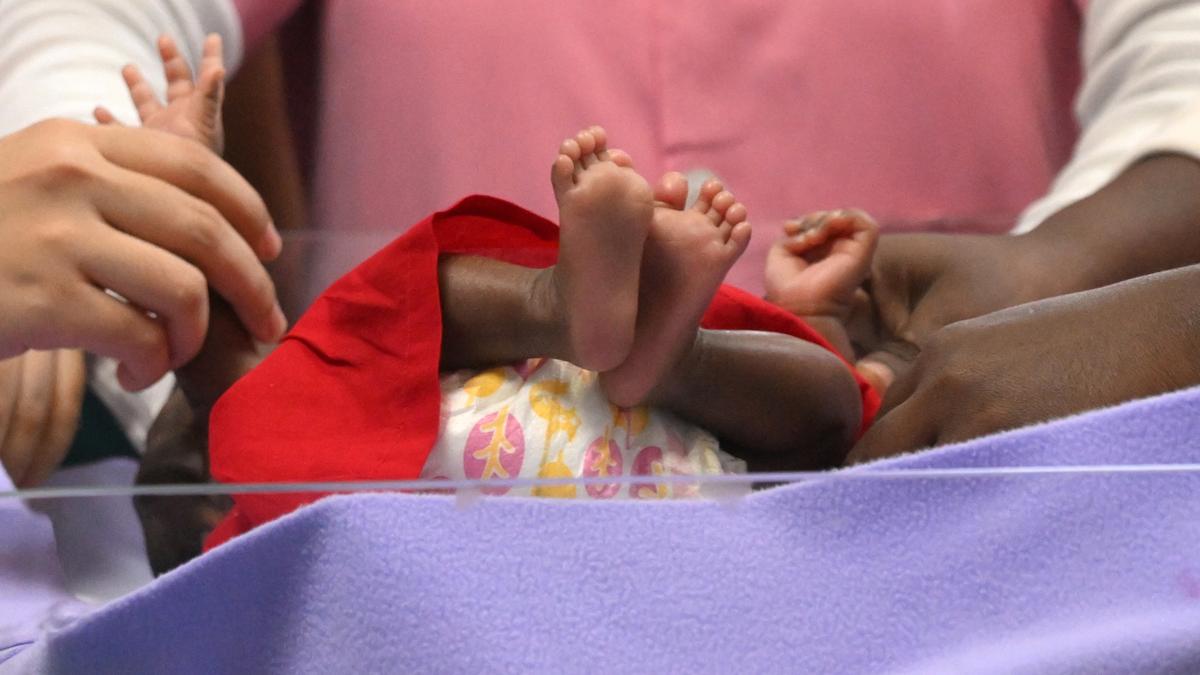
India Records Decline in Births, Slight Rise in Deaths in 2023: Vital Statistics Report
What’s the News?
- According to the Vital Statistics of India 2023 report released by the Registrar General of India (RGI), India recorded 2.52 crore registered births in 2023—2.32 lakh fewer than in 2022. Meanwhile, registered deaths rose marginally to 86.6 lakh from 86.5 lakh in 2022.
- The data, based on the Civil Registration System (CRS), shows continued demographic transition with declining fertility and stable mortality trends post-pandemic.
Key Demographic Indicators (2023)
- Births:
- 2.52 crore registered (98.4% registration coverage).
- 74.7% were institutional births (excluding Sikkim).
- Deaths:
- 86.6 lakh registered—no significant spike compared to 2022.
- Sharp rise in deaths observed only in 2021 (1.02 crore), attributed to the second wave of COVID-19.
- Sex Ratio at Birth (SRB):
- National average: Not explicitly stated, but state-wise data reveals wide disparities.
- Lowest SRB: Jharkhand (899), Bihar (900), Telangana (906), Maharashtra (909).
- Highest SRB: Arunachal Pradesh (1,085), Nagaland (1,007), Goa (973), Kerala (967).
State-wise Birth Registration Performance
- >90% timely registration (within 21 days):
- Gujarat, Puducherry, Chandigarh, Dadra & Nagar Haveli and Daman & Diu, Tamil Nadu, Lakshadweep, Andaman & Nicobar, Haryana, Himachal Pradesh, Goa, Punjab.
- 80–90%: Odisha, Mizoram, Maharashtra, Chhattisgarh, Andhra Pradesh.
- 50–80%: 14 states/UTs including Uttar Pradesh, Bihar, West Bengal, Delhi, MP, Rajasthan, J&K.
Additional Info
- Legal Framework:
- Registration of Births and Deaths Act, 1969: Mandates compulsory registration within 21 days.
- Civil Registration System (CRS): Digitally integrated with Aadhaar, PAN, and voter ID for improved linkage and service delivery.
- Link to SDGs:
- SDG 3.1 & 3.2: Maternal and child health monitoring depends on accurate birth/death data.
- SDG 5: Skewed SRB reflects gender inequality and hinders progress on women’s rights.
- Historical Context:
- 2021: Recorded 1.02 crore deaths—a 25.5% jump from 2020 (81.2 lakh)—largely pandemic-driven.
- 2022–23: Mortality normalised, indicating post-pandemic recovery in health systems.
Sources
Astronomers Observe Real-Time Ring Formation Around Celestial Body Chiron

What’s the News?
- Astronomers have, for the first time, observed active ring formation around (2060) Chiron, a minor icy body orbiting between Saturn and Uranus.
- Using advanced telescopic imaging and stellar occultation techniques, scientists detected four distinct rings evolving around Chiron—marking the first real-time observation of ring system formation around a small celestial object in the outer solar system.
About Chiron: A Hybrid Celestial Object
- Classification: Chiron is a centaur—a rare class of objects exhibiting characteristics of both asteroids and comets.
- Discovery: First identified in 1977 by astronomer Charles Kowal, it was the inaugural member of the centaur group.
- Orbit & Size:
- Orbits the Sun every ~50 years in the region between Jupiter and Neptune.
- Diameter: Approximately 200 km.
- Composition: Made of rock, water ice, and organic compounds, with occasional comet-like outbursts of gas and dust.
Key Observations: The Ring System
- Number of Rings: Four identified:
- Three dense inner rings at distances of 273 km, 325 km, and 438 km from Chiron’s center.
- One diffuse outer ring at ~1,400 km, primarily composed of water ice and fine dust.
- Formation Mechanism: Likely triggered by:
- A recent collision with another small body, or
- Ejection of debris from Chiron’s own surface due to internal activity or rotational instability.
- Significance of Timing: Unlike static rings (e.g., Saturn’s), Chiron’s rings appear to be actively forming, offering a rare window into dynamic ring evolution processes.
Sources
October 2025
31 October 202530 October 202529 October 202528 October 202527 October 202525 October 202524 October 202523 October 202522 October 202521 October 202520 October 202518 October 202517 October 202516 October 202515 October 202514 October 202513 October 202511 October 202510 October 202509 October 202508 October 202507 October 202506 October 202504 October 202503 October 202502 October 202501 October 2025
Archive
October 2026
- 27 October 2026
- 26 October 2026
- 24 October 2026
- 23 October 2026
- 22 October 2026
- 21 October 2026
- 20 October 2026
- 19 October 2026
- 17 October 2026
- 16 October 2026
- 15 October 2026
- 14 October 2026
- 13 October 2026
- 12 October 2026
- 10 October 2026
- 09 October 2026
- 08 October 2026
- 07 October 2026
- 06 October 2026
- 05 October 2026
- 03 October 2026
- 02 October 2026
- 01 October 2026
September 2026
- 30 September 2026
- 29 September 2026
- 28 September 2026
- 26 September 2026
- 25 September 2026
- 24 September 2026
- 23 September 2026
- 22 September 2026
- 21 September 2026
- 19 September 2026
- 18 September 2026
- 17 September 2026
- 16 September 2026
- 15 September 2026
- 12 September 2026
- 11 September 2026
- 10 September 2026
- 09 September 2026
- 08 September 2026
- 07 September 2026
- 05 September 2026
- 04 September 2026
- 03 September 2026
- 02 September 2026
- 01 September 2026
August 2026
- 31 August 2026
- 29 August 2026
- 27 August 2026
- 26 August 2026
- 25 August 2026
- 24 August 2026
- 22 August 2026
- 21 August 2026
- 20 August 2026
- 19 August 2026
- 18 August 2026
- 17 August 2026
- 14 August 2026
- 13 August 2026
- 12 August 2026
- 11 August 2026
- 10 August 2026
- 08 August 2026
- 07 August 2026
- 06 August 2026
- 05 August 2026
- 04 August 2026
- 03 August 2026
- 01 August 2026
July 2026
- 31 July 2026
- 30 July 2026
- 29 July 2026
- 28 July 2026
- 27 July 2026
- 25 July 2026
- 23 July 2026
- 22 July 2026
- 21 July 2026
- 20 July 2026
- 18 July 2026
- 17 July 2026
- 15 July 2026
- 14 July 2026
- 13 July 2026
- 11 July 2026
- 10 July 2026
- 09 July 2026
- 08 July 2026
- 07 July 2026
- 06 July 2026
- 04 July 2026
- 03 July 2026
- 02 July 2026
- 01 July 2026
June 2026
May 2026
April 2026
March 2026
- 31 March 2026
- 30 March 2026
- 28 March 2026
- 27 March 2026
- 26 March 2026
- 25 March 2026
- 24 March 2026
- 23 March 2026
- 21 March 2026
- 20 March 2026
- 19 March 2026
- 18 March 2026
- 17 March 2026
- 16 March 2026
- 14 March 2026
- 13 March 2026
- 12 March 2026
- 11 March 2026
- 10 March 2026
- 09 March 2026
- 07 March 2026
- 06 March 2026
- 05 March 2026
- 03 March 2026
- 02 March 2026
February 2026
- 28 February 2026
- 27 February 2026
- 26 February 2026
- 25 February 2026
- 24 February 2026
- 23 February 2026
- 21 February 2026
- 20 February 2026
- 19 February 2026
- 18 February 2026
- 17 February 2026
- 16 February 2026
- 13 February 2026
- 12 February 2026
- 11 February 2026
- 10 February 2026
- 09 February 2026
- 07 February 2026
- 06 February 2026
- 05 February 2026
- 04 February 2026
- 03 February 2026
- 02 February 2026
January 2026
- 31 January 2026
- 30 January 2026
- 29 January 2026
- 28 January 2026
- 27 January 2026
- 26 January 2026
- 24 January 2026
- 23 January 2026
- 22 January 2026
- 21 January 2026
- 20 January 2026
- 19 January 2026
- 16 January 2026
- 15 January 2026
- 14 January 2026
- 13 January 2026
- 12 January 2026
- 10 January 2026
- 09 January 2026
- 08 January 2026
- 07 January 2026
- 06 January 2026
- 05 January 2026
- 03 January 2026
- 02 January 2026
- 01 January 2026
December 2025
- 31 December 2025
- 30 December 2025
- 29 December 2025
- 27 December 2025
- 26 December 2025
- 24 December 2025
- 23 December 2025
- 22 December 2025
- 20 December 2025
- 19 December 2025
- 18 December 2025
- 17 December 2025
- 16 December 2025
- 15 December 2025
- 13 December 2025
- 12 December 2025
- 11 December 2025
- 10 December 2025
- 09 December 2025
- 08 December 2025
- 05 December 2025
- 04 December 2025
- 03 December 2025
- 02 December 2025
November 2025
- 29 November 2025
- 28 November 2025
- 27 November 2025
- 26 November 2025
- 25 November 2025
- 24 November 2025
- 22 November 2025
- 21 November 2025
- 20 November 2025
- 19 November 2025
- 18 November 2025
- 17 November 2025
- 15 November 2025
- 14 November 2025
- 13 November 2025
- 12 November 2025
- 11 November 2025
- 10 November 2025
- 08 November 2025
- 07 November 2025
- 06 November 2025
- 05 November 2025
- 04 November 2025
- 03 November 2025
- 01 November 2025
October 2025
- 31 October 2025
- 30 October 2025
- 29 October 2025
- 28 October 2025
- 27 October 2025
- 25 October 2025
- 24 October 2025
- 23 October 2025
- 22 October 2025
- 21 October 2025
- 20 October 2025
- 18 October 2025
- 17 October 2025
- 16 October 2025
- 15 October 2025
- 14 October 2025
- 13 October 2025
- 11 October 2025
- 10 October 2025
- 09 October 2025
- 08 October 2025
- 07 October 2025
- 06 October 2025
- 04 October 2025
- 03 October 2025
- 02 October 2025
- 01 October 2025
September 2025
- 30 September 2025
- 29 September 2025
- 27 September 2025
- 26 September 2025
- 25 September 2025
- 24 September 2025
- 23 September 2025
- 22 September 2025
- 20 September 2025
- 19 September 2025
- 18 September 2025
- 17 September 2025
- 16 September 2025
- 15 September 2025
- 13 September 2025
- 12 September 2025
- 11 September 2025
- 10 September 2025
- 09 September 2025
- 08 September 2025
- 06 September 2025
- 05 September 2025
- 04 September 2025
- 03 September 2025
- 02 September 2025
- 01 September 2025
August 2025
- 30 August 2025
- 29 August 2025
- 28 August 2025
- 27 August 2025
- 26 August 2025
- 25 August 2025
- 23 August 2025
- 22 August 2025
- 21 August 2025
- 20 August 2025
- 19 August 2025
- 18 August 2025
- 16 August 2025
- 14 August 2025
- 13 August 2025
- 12 August 2025
- 11 August 2025
- 08 August 2025
- 07 August 2025
- 06 August 2025
- 05 August 2025
- 04 August 2025
- 02 August 2025
- 01 August 2025
July 2025
- 31 July 2025
- 30 July 2025
- 29 July 2025
- 28 July 2025
- 26 July 2025
- 25 July 2025
- 24 July 2025
- 23 July 2025
- 22 July 2025
- 21 July 2025
- 19 July 2025
- 18 July 2025
- 17 July 2025
- 16 July 2025
- 15 July 2025
- 12 July 2025
- 11 July 2025
- 10 July 2025
- 09 July 2025
- 07 July 2025
- 05 July 2025
- 04 July 2025
- 03 July 2025
- 02 July 2025
- 01 July 2025
June 2025
- 30 June 2025
- 28 June 2025
- 27 June 2025
- 26 June 2025
- 25 June 2025
- 24 June 2025
- 23 June 2025
- 21 June 2025
- 20 June 2025
- 19 June 2025
- 18 June 2025
- 17 June 2025
- 16 June 2025
- 14 June 2025
- 13 June 2025
- 12 June 2025
- 11 June 2025
- 10 June 2025
- 09 June 2025
- 07 June 2025
- 06 June 2025
- 05 June 2025
- 04 June 2025
- 03 June 2025
- 02 June 2025
May 2025
April 2025
- 30 April 2025
- 29 April 2025
- 28 April 2025
- 26 April 2025
- 25 April 2025
- 24 April 2025
- 23 April 2025
- 22 April 2025
- 21 April 2025
- 19 April 2025
- 18 April 2025
- 17 April 2025
- 16 April 2025
- 15 April 2025
- 14 April 2025
- 12 April 2025
- 11 April 2025
- 10 April 2025
- 09 April 2025
- 08 April 2025
- 07 April 2025
- 05 April 2025
- 04 April 2025
- 03 April 2025
- 02 April 2025
- 01 April 2025
March 2025
- 31 March 2025
- 29 March 2025
- 28 March 2025
- 27 March 2025
- 26 March 2025
- 25 March 2025
- 24 March 2025
- 22 March 2025
- 21 March 2025
- 20 March 2025
- 19 March 2025
- 18 March 2025
- 17 March 2025
- 15 March 2025
- 13 March 2025
- 12 March 2025
- 11 March 2025
- 10 March 2025
- 08 March 2025
- 07 March 2025
- 06 March 2025
- 05 March 2025
- 04 March 2025
- 03 March 2025
- 01 March 2025
February 2025
- 28 February 2025
- 27 February 2025
- 26 February 2025
- 25 February 2025
- 24 February 2025
- 22 February 2025
- 21 February 2025
- 20 February 2025
- 19 February 2025
- 18 February 2025
- 17 February 2025
- 15 February 2025
- 14 February 2025
- 13 February 2025
- 12 February 2025
- 11 February 2025
- 10 February 2025
- 08 February 2025
- 07 February 2025
- 06 February 2025
- 05 February 2025
- 04 February 2025
- 03 February 2025
- 01 February 2025
January 2025
- 31 January 2025
- 30 January 2025
- 29 January 2025
- 28 January 2025
- 27 January 2025
- 25 January 2025
- 24 January 2025
- 23 January 2025
- 22 January 2025
- 21 January 2025
- 20 January 2025
- 18 January 2025
- 17 January 2025
- 16 January 2025
- 15 January 2025
- 14 January 2025
- 13 January 2025
- 11 January 2025
- 10 January 2025
- 09 January 2025
- 08 January 2025
- 07 January 2025
- 06 January 2025
- 04 January 2025
- 03 January 2025
- 02 January 2025
- 01 January 2025