
Current Affairs
Stay updated with the latest national and international events.
16 June 2026
Centre Temporarily Blocks Telegram Ahead of NEET-UG Re-Examination

What’s the News?
The Central Government has temporarily blocked access to the messaging platform Telegram across India until the completion of the NEET-UG 2026 re-examination. The move was taken as a precautionary measure to prevent the circulation of leaked question papers, answer keys, and other exam-related misinformation through online channels. The restriction will remain in force until the re-examination process is completed.
Why Was Telegram Blocked?
- Authorities observed that Telegram channels and groups were allegedly being used to circulate leaked examination material and facilitate unfair practices.
- The temporary suspension aims to:
- Maintain the integrity and credibility of the re-examination.
- Prevent the rapid spread of unauthorized exam content.
- Reduce opportunities for organized cheating networks.
- The decision follows concerns arising from the NEET-UG paper leak controversy, which led to demands for stricter examination security measures.
Legal Framework Behind the Blocking Order
- Section 69A of the Information Technology Act, 2000 empowers the Central Government to issue directions for blocking public access to any information generated, transmitted, received or stored in any computer resource in the interest of sovereignty, integrity, defence, security, friendly relations with foreign states, or public order.
- Information Technology (Procedure and Safeguards for Blocking of Access of Information by Public) Rules, 2009 prescribes the procedure for blocking, including examination of requests by a designated government committee and recording of reasons in writing.
- Rule 9 of the IT Blocking Rules interim blocking orders can be issued by the Secretary, Ministry of Electronics and Information Technology (MeitY), subject to ex post facto ratification by the review committee within a stipulated period.
NEET-UG and Examination Security
National Eligibility-cum-Entrance Test (NEET-UG)
- Conducted by the National Testing Agency (NTA).
- Serves as the single entrance examination for:
- MBBS
- BDS
- AYUSH courses
- Veterinary and other undergraduate medical programmes.
- One of the largest entrance examinations in India, with millions of candidates appearing annually.
Measures to Strengthen Exam Integrity
- Enhanced digital surveillance.
- Monitoring of social media and messaging platforms.
- Coordination between:
- Ministry of Education
- NTA
- Law-enforcement agencies
- State governments
- Stricter action against paper leak networks and impersonation rackets.
Concerns
- Temporary restriction affects legitimate users of the platform.
- Raises concerns regarding:
- Digital access
- Freedom of communication
- Proportionality of platform-wide restrictions
- Highlights the growing challenge of securing large-scale examinations in the digital era.
Additional Info
National Testing Agency (NTA)
- Established in 2017.
- Functions under the Ministry of Education.
- Responsible for conducting major national-level entrance examinations, including:
- NEET
- JEE Main
- CUET
- UGC-NET
Recent Measures Against Examination Malpractices
- Strengthening cyber-monitoring systems.
- Greater use of data analytics for detecting suspicious activities.
- Improved coordination among central and state enforcement agencies.
- Tighter security protocols for transportation and storage of question papers.
Constitutional & Rights Angle
- Article 21 — The Right to Education has been read into the right to life and personal liberty; ensuring the fairness of examinations is essential to give effect to this right.
- *Article 19(1)(a) read with Article 19(2) — The right to access information (including through messaging platforms) flows from freedom of speech and expression, but is subject to reasonable restrictions under Article 19(2) on grounds such as sovereignty, security, and public order.
Sources
Centre Extends Tenure of Ravi-Beas and Krishna Water Disputes Tribunals
What’s the News?
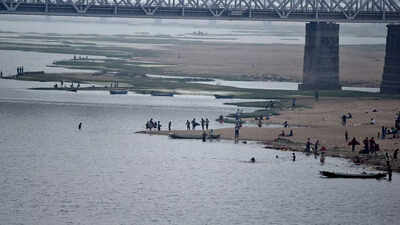
The Central Government has extended the tenure of two of India's oldest river water dispute tribunals—the Ravi-Beas Water Tribunal and the Krishna Water Disputes Tribunal (KWDT-II)—by one year. The extension was granted as both tribunals are yet to submit final reports and resolve long-pending inter-state river water-sharing disputes.
Ravi-Beas Water Tribunal
Overview
- Constituted in 1986 under the Inter-State River Water Disputes Act, 1956.
- Also known as the Eradi Tribunal.
- It is India's oldest active water dispute tribunal.
States Involved
- Punjab
- Haryana
- Rajasthan
Key Issues
- Verification of water usage claims by the concerned states.
- Determination of shares in the remaining Ravi-Beas waters.
- Linked to the long-pending Sutlej-Yamuna Link (SYL) Canal dispute between Punjab and Haryana.
Status
- The tribunal submitted its initial report in 1987.
- States and the Centre sought clarifications, resulting in repeated extensions.
- The latest extension pushes its tenure further as the dispute remains unresolved.
Krishna Water Disputes Tribunal (KWDT-II)
Overview
- Constituted in 2004 under the Inter-State River Water Disputes Act, 1956.
- Adjudicates disputes concerning the sharing of Krishna River waters.
States Involved
- Maharashtra
- Karnataka
- Andhra Pradesh
- Telangana (after bifurcation of Andhra Pradesh)
Major Issues
- Allocation and reallocation of Krishna River waters.
- Distribution of river waters between Andhra Pradesh and Telangana after the Andhra Pradesh Reorganisation.
- Additional Terms of Reference relating to post-bifurcation water sharing.
Status
- Despite multiple extensions, the tribunal has not delivered a final acceptable resolution.
- The Union Jal Shakti Ministry has also been engaging with Andhra Pradesh and Telangana to facilitate consensus-based solutions.
Inter-State River Water Disputes Mechanism
Constitutional Provisions
Article 262
- Empowers Parliament to provide for adjudication of disputes relating to inter-state rivers and river valleys.
- Allows Parliament to exclude the jurisdiction of the Supreme Court and other courts in such disputes.
Legislative Framework
Inter-State River Water Disputes Act, 1956
- Enacted under Article 262.
- Provides for the establishment of tribunals when negotiations fail.
- Tribunal decisions, once notified, have the force of a Supreme Court decree.
Additional Info
Active Inter-State Water Dispute Tribunals
- Ravi-Beas Water Tribunal
- Krishna Water Disputes Tribunal
- Mahanadi Water Disputes Tribunal
- Vamsadhara Water Disputes Tribunal
- Mahadayi Water Disputes Tribunal
Krishna River
- Origin: Mahabaleshwar, Maharashtra.
- Flows through Maharashtra, Karnataka, Telangana and Andhra Pradesh.
- Major tributaries:
- Bhima
- Tungabhadra
- Ghataprabha
- Malaprabha
- Musi
Ravi River
- One of the six rivers of the Indus Basin.
- Originates in Himachal Pradesh.
- Flows through Punjab before entering Pakistan.
Beas River
- Originates from Beas Kund near Rohtang Pass, Himachal Pradesh.
- Joins the Sutlej River in Punjab.
Sources
- The Times of India – India extends two oldest water tribunals by 1 year
- The Times of India – Krishna tribunal granted a year's extension
Indian Railways Expands Kavach 4.0 Safety System

What’s the News?
Indian Railways has approved multiple projects to expand Kavach 4.0, India's indigenous Automatic Train Protection (ATP) system. The latest approvals include the installation of Kavach on the Ahmedabad Division of Western Railway and other high-density railway corridors. The initiative aims to enhance rail safety, reduce accidents caused by human error, and strengthen operational efficiency across the railway network.
Kavach 4.0 Expansion
Recent Approvals
- Indian Railways has sanctioned the installation of Kavach Version 4.0 on 598 route kilometres covering 48 block sections in the Ahmedabad Division of Western Railway.
- The Ahmedabad project has been approved at a cost of ₹140 crore.
- Additional projects have been approved for route deployment, locomotive installation and communication infrastructure upgrades under the railway safety programme.
Wider Rollout
- Kavach 4.0 is being deployed on major high-density corridors across the country.
- Earlier, Kavach 4.0 had been commissioned on sections of:
- Delhi–Mumbai corridor
- Delhi–Howrah corridor
- Vadodara–Ahmedabad route
- Indian Railways is accelerating nationwide implementation as part of its safety modernization programme.
What is Kavach?
Overview
- Kavach is an indigenously developed Automatic Train Protection (ATP) system.
- Developed under the guidance of the Research Designs and Standards Organisation (RDSO).
- Designed to prevent train collisions and enhance operational safety.
- Recognized as one of the world's most cost-effective ATP systems.
Functions
- Prevents Signal Passing at Danger (SPAD).
- Controls overspeeding.
- Automatically applies brakes during critical situations.
- Prevents head-on and rear-end collisions.
- Assists train operations during poor visibility conditions.
- Warns loco pilots about unsafe movements and operational risks.
Features of Kavach 4.0
Advanced Capabilities
- Real-time train monitoring and communication.
- Automatic braking when a collision risk is detected.
- Enhanced interoperability across railway zones.
- LTE-based communication backbone for faster data exchange.
- Compliance with Safety Integrity Level (SIL)-4, the highest international railway safety standard.
Components
- RFID tags installed along tracks.
- On-board equipment in locomotives.
- Station-based signalling systems.
- Radio communication towers and optical fibre network.
Additional Info
Research Designs and Standards Organisation (RDSO)
- Established in 1957.
- Headquarters: Lucknow, Uttar Pradesh.
- Functions as the research and development wing of Indian Railways.
- Responsible for developing and standardizing railway technologies.
Signal Passing at Danger (SPAD)
- Occurs when a train passes a stop signal without authorization.
- Considered one of the major causes of railway accidents globally.
- Kavach automatically intervenes to prevent such incidents.
Railway Safety Push in 2026
- Kavach 4.0 commissioned on over 1,300 route kilometres across Indian Railways.
- Expansion underway on major freight and passenger corridors.
- Thousands of railway personnel have been trained for Kavach operations and maintenance.
Sources
Doctor’s Prescription Made Mandatory for Cough Syrups and Other Syrup Medicines

What’s the News?
The Central Government has amended the Drugs Rules, 1945, making a doctor’s prescription mandatory for the purchase of cough syrups and other syrup-based medicines. The move ends their over-the-counter (OTC) sale and requires dispensing only through licensed pharmacies. The decision aims to strengthen regulatory oversight, curb misuse, and improve patient safety.
What Has Changed?
End of Over-the-Counter Sale
- Syrup-based medicines, including cough syrups, can no longer be freely sold without a prescription.
- Consumers must now present a valid prescription from a registered medical practitioner.
- Sales must be routed through licensed pharmacies under pharmacist supervision.
Amendment to Drugs Rules, 1945
- The government has removed "syrup" from the exemptions provided under Schedule K of the Drugs Rules, 1945.
- Earlier, certain cough syrups could be sold under relaxed conditions, especially in small settlements lacking pharmacy infrastructure.
- The amendment brings syrup formulations under stricter regulatory control.
Why Was the Decision Taken?
Safety Concerns
- Authorities have sought tighter regulation following incidents involving contaminated cough syrups.
- Contaminated Indian-made cough syrups were linked to the deaths of more than 140 children in several countries since 2022, leading to global scrutiny of India's pharmaceutical sector.
Preventing Misuse
- Medical experts have highlighted concerns regarding:
- Self-medication
- Overuse and misuse of cough syrups
- Delayed diagnosis of underlying diseases
- Potential abuse of certain formulations containing sedative ingredients.
Schedule K of Drugs Rules
What is Schedule K?
- Schedule K is a part of the Drugs Rules, 1945.
- It lists categories of medicines exempt from certain provisions related to:
- Sale
- Distribution
- Licensing requirements
- These exemptions were primarily intended to improve medicine availability in remote and underserved areas.
Impact of the Amendment
- Syrup formulations are no longer covered under Schedule K exemptions.
- Their sale now requires:
- Licensed pharmacy outlets.
- Prescription by a registered medical practitioner.
- Compliance with the provisions of the Drugs and Cosmetics framework.
Additional Info
Drugs and Cosmetics Act, 1940
- Principal legislation governing:
- Import
- Manufacture
- Distribution
- Sale of drugs and cosmetics in India.
Central Drugs Standard Control Organisation (CDSCO)
- National regulatory authority for pharmaceuticals and medical devices.
- Headed by the Drugs Controller General of India (DCGI).
- Functions under the Ministry of Health and Family Welfare.
Recent Regulatory Measures on Cough Syrups
- Mandatory testing of exported cough syrups.
- Large-scale inspections of manufacturing facilities.
- Strengthening Good Manufacturing Practices (GMP) compliance.
- Increased surveillance following contamination-related incidents.
Sources
Two Indian Airports Featured in Prix Versailles World's Most Beautiful Airports List 2026

What’s the News?
India's Navi Mumbai International Airport (Terminal 1) and Lokpriya Gopinath Bordoloi International Airport, Guwahati (Terminal 2) have been included in the prestigious Prix Versailles World's Most Beautiful Airports List 2026. The recognition highlights excellence in airport architecture, sustainability, innovation and passenger-centric design.
Prix Versailles Awards
What is Prix Versailles?
- Prix Versailles is a global architecture and design award that recognizes outstanding contemporary projects worldwide.
- Presented annually at UNESCO since 2015.
- Covers categories such as:
- Airports
- Museums
- Hotels
- Restaurants
- Campuses
- Passenger stations
- Sports facilities
- Evaluates projects on:
- Architectural excellence
- Sustainability
- Cultural integration
- Innovation
- Social impact
Indian Airports on the 2026 List
Navi Mumbai International Airport (Terminal 1)
- Located in Maharashtra.
- Recognized for its modern architecture and sustainable design.
- Terminal design incorporates lotus-inspired motifs, extensive natural lighting and green spaces.
- Developed as a major aviation hub to reduce congestion at Mumbai's existing airport.
- Reflects India's emphasis on world-class airport infrastructure.
Lokpriya Gopinath Bordoloi International Airport (Terminal 2), Guwahati
- Located in Assam.
- Terminal design draws inspiration from the cultural and natural heritage of Northeast India.
- Features a bamboo-inspired indoor sky forest and sustainable architectural elements.
- Strengthens Guwahati's position as the gateway to Northeast India.
- Recognized for blending regional identity with modern aviation infrastructure.
Other Airports in the 2026 List
The seven airports selected by Prix Versailles for 2026 include:
| Airport | Country | |
|---|---|---|
| Guangzhou Baiyun International Airport (Terminal 3) | China | |
| Frankfurt Airport (Terminal 3) | Germany | |
| Lokpriya Gopinath Bordoloi International Airport (Terminal 2) | India | |
| Navi Mumbai International Airport (Terminal 1) | India | |
| Techo International Airport | Cambodia | |
| Pittsburgh International Airport | USA | |
| San Diego International Airport (Terminal 1) | USA |
Additional Info
Navi Mumbai International Airport
- Located at Ulwe, Navi Mumbai, Maharashtra.
- Developed by Navi Mumbai International Airport Limited (NMIAL).
- Intended to function as a second major airport for the Mumbai Metropolitan Region.
- Designed to ease congestion at Chhatrapati Shivaji Maharaj International Airport.
Lokpriya Gopinath Bordoloi International Airport
- Named after Gopinath Bordoloi.
- Largest airport in Northeast India.
- Operated by Adani Airports.
- Serves as a key aviation gateway for the northeastern states.
UNESCO
- Full Form: United Nations Educational, Scientific and Cultural Organization.
- Established: 1945.
- Headquarters: Paris.
- Promotes international cooperation in education, science and culture.
Sources
June 2026
Archive
October 2026
- 27 October 2026
- 26 October 2026
- 24 October 2026
- 23 October 2026
- 22 October 2026
- 21 October 2026
- 20 October 2026
- 19 October 2026
- 17 October 2026
- 16 October 2026
- 15 October 2026
- 14 October 2026
- 13 October 2026
- 12 October 2026
- 10 October 2026
- 09 October 2026
- 08 October 2026
- 07 October 2026
- 06 October 2026
- 05 October 2026
- 03 October 2026
- 02 October 2026
- 01 October 2026
September 2026
- 30 September 2026
- 29 September 2026
- 28 September 2026
- 26 September 2026
- 25 September 2026
- 24 September 2026
- 23 September 2026
- 22 September 2026
- 21 September 2026
- 19 September 2026
- 18 September 2026
- 17 September 2026
- 16 September 2026
- 15 September 2026
- 12 September 2026
- 11 September 2026
- 10 September 2026
- 09 September 2026
- 08 September 2026
- 07 September 2026
- 05 September 2026
- 04 September 2026
- 03 September 2026
- 02 September 2026
- 01 September 2026
August 2026
- 31 August 2026
- 29 August 2026
- 27 August 2026
- 26 August 2026
- 25 August 2026
- 24 August 2026
- 22 August 2026
- 21 August 2026
- 20 August 2026
- 19 August 2026
- 18 August 2026
- 17 August 2026
- 14 August 2026
- 13 August 2026
- 12 August 2026
- 11 August 2026
- 10 August 2026
- 08 August 2026
- 07 August 2026
- 06 August 2026
- 05 August 2026
- 04 August 2026
- 03 August 2026
- 01 August 2026
July 2026
- 31 July 2026
- 30 July 2026
- 29 July 2026
- 28 July 2026
- 27 July 2026
- 25 July 2026
- 23 July 2026
- 22 July 2026
- 21 July 2026
- 20 July 2026
- 18 July 2026
- 17 July 2026
- 15 July 2026
- 14 July 2026
- 13 July 2026
- 11 July 2026
- 10 July 2026
- 09 July 2026
- 08 July 2026
- 07 July 2026
- 06 July 2026
- 04 July 2026
- 03 July 2026
- 02 July 2026
- 01 July 2026
June 2026
May 2026
April 2026
March 2026
- 31 March 2026
- 30 March 2026
- 28 March 2026
- 27 March 2026
- 26 March 2026
- 25 March 2026
- 24 March 2026
- 23 March 2026
- 21 March 2026
- 20 March 2026
- 19 March 2026
- 18 March 2026
- 17 March 2026
- 16 March 2026
- 14 March 2026
- 13 March 2026
- 12 March 2026
- 11 March 2026
- 10 March 2026
- 09 March 2026
- 07 March 2026
- 06 March 2026
- 05 March 2026
- 03 March 2026
- 02 March 2026
February 2026
- 28 February 2026
- 27 February 2026
- 26 February 2026
- 25 February 2026
- 24 February 2026
- 23 February 2026
- 21 February 2026
- 20 February 2026
- 19 February 2026
- 18 February 2026
- 17 February 2026
- 16 February 2026
- 13 February 2026
- 12 February 2026
- 11 February 2026
- 10 February 2026
- 09 February 2026
- 07 February 2026
- 06 February 2026
- 05 February 2026
- 04 February 2026
- 03 February 2026
- 02 February 2026
January 2026
- 31 January 2026
- 30 January 2026
- 29 January 2026
- 28 January 2026
- 27 January 2026
- 26 January 2026
- 24 January 2026
- 23 January 2026
- 22 January 2026
- 21 January 2026
- 20 January 2026
- 19 January 2026
- 16 January 2026
- 15 January 2026
- 14 January 2026
- 13 January 2026
- 12 January 2026
- 10 January 2026
- 09 January 2026
- 08 January 2026
- 07 January 2026
- 06 January 2026
- 05 January 2026
- 03 January 2026
- 02 January 2026
- 01 January 2026
December 2025
- 31 December 2025
- 30 December 2025
- 29 December 2025
- 27 December 2025
- 26 December 2025
- 24 December 2025
- 23 December 2025
- 22 December 2025
- 20 December 2025
- 19 December 2025
- 18 December 2025
- 17 December 2025
- 16 December 2025
- 15 December 2025
- 13 December 2025
- 12 December 2025
- 11 December 2025
- 10 December 2025
- 09 December 2025
- 08 December 2025
- 05 December 2025
- 04 December 2025
- 03 December 2025
- 02 December 2025
November 2025
- 29 November 2025
- 28 November 2025
- 27 November 2025
- 26 November 2025
- 25 November 2025
- 24 November 2025
- 22 November 2025
- 21 November 2025
- 20 November 2025
- 19 November 2025
- 18 November 2025
- 17 November 2025
- 15 November 2025
- 14 November 2025
- 13 November 2025
- 12 November 2025
- 11 November 2025
- 10 November 2025
- 08 November 2025
- 07 November 2025
- 06 November 2025
- 05 November 2025
- 04 November 2025
- 03 November 2025
- 01 November 2025
October 2025
- 31 October 2025
- 30 October 2025
- 29 October 2025
- 28 October 2025
- 27 October 2025
- 25 October 2025
- 24 October 2025
- 23 October 2025
- 22 October 2025
- 21 October 2025
- 20 October 2025
- 18 October 2025
- 17 October 2025
- 16 October 2025
- 15 October 2025
- 14 October 2025
- 13 October 2025
- 11 October 2025
- 10 October 2025
- 09 October 2025
- 08 October 2025
- 07 October 2025
- 06 October 2025
- 04 October 2025
- 03 October 2025
- 02 October 2025
- 01 October 2025
September 2025
- 30 September 2025
- 29 September 2025
- 27 September 2025
- 26 September 2025
- 25 September 2025
- 24 September 2025
- 23 September 2025
- 22 September 2025
- 20 September 2025
- 19 September 2025
- 18 September 2025
- 17 September 2025
- 16 September 2025
- 15 September 2025
- 13 September 2025
- 12 September 2025
- 11 September 2025
- 10 September 2025
- 09 September 2025
- 08 September 2025
- 06 September 2025
- 05 September 2025
- 04 September 2025
- 03 September 2025
- 02 September 2025
- 01 September 2025
August 2025
- 30 August 2025
- 29 August 2025
- 28 August 2025
- 27 August 2025
- 26 August 2025
- 25 August 2025
- 23 August 2025
- 22 August 2025
- 21 August 2025
- 20 August 2025
- 19 August 2025
- 18 August 2025
- 16 August 2025
- 14 August 2025
- 13 August 2025
- 12 August 2025
- 11 August 2025
- 08 August 2025
- 07 August 2025
- 06 August 2025
- 05 August 2025
- 04 August 2025
- 02 August 2025
- 01 August 2025
July 2025
- 31 July 2025
- 30 July 2025
- 29 July 2025
- 28 July 2025
- 26 July 2025
- 25 July 2025
- 24 July 2025
- 23 July 2025
- 22 July 2025
- 21 July 2025
- 19 July 2025
- 18 July 2025
- 17 July 2025
- 16 July 2025
- 15 July 2025
- 12 July 2025
- 11 July 2025
- 10 July 2025
- 09 July 2025
- 07 July 2025
- 05 July 2025
- 04 July 2025
- 03 July 2025
- 02 July 2025
- 01 July 2025
June 2025
- 30 June 2025
- 28 June 2025
- 27 June 2025
- 26 June 2025
- 25 June 2025
- 24 June 2025
- 23 June 2025
- 21 June 2025
- 20 June 2025
- 19 June 2025
- 18 June 2025
- 17 June 2025
- 16 June 2025
- 14 June 2025
- 13 June 2025
- 12 June 2025
- 11 June 2025
- 10 June 2025
- 09 June 2025
- 07 June 2025
- 06 June 2025
- 05 June 2025
- 04 June 2025
- 03 June 2025
- 02 June 2025
May 2025
April 2025
- 30 April 2025
- 29 April 2025
- 28 April 2025
- 26 April 2025
- 25 April 2025
- 24 April 2025
- 23 April 2025
- 22 April 2025
- 21 April 2025
- 19 April 2025
- 18 April 2025
- 17 April 2025
- 16 April 2025
- 15 April 2025
- 14 April 2025
- 12 April 2025
- 11 April 2025
- 10 April 2025
- 09 April 2025
- 08 April 2025
- 07 April 2025
- 05 April 2025
- 04 April 2025
- 03 April 2025
- 02 April 2025
- 01 April 2025
March 2025
- 31 March 2025
- 29 March 2025
- 28 March 2025
- 27 March 2025
- 26 March 2025
- 25 March 2025
- 24 March 2025
- 22 March 2025
- 21 March 2025
- 20 March 2025
- 19 March 2025
- 18 March 2025
- 17 March 2025
- 15 March 2025
- 13 March 2025
- 12 March 2025
- 11 March 2025
- 10 March 2025
- 08 March 2025
- 07 March 2025
- 06 March 2025
- 05 March 2025
- 04 March 2025
- 03 March 2025
- 01 March 2025
February 2025
- 28 February 2025
- 27 February 2025
- 26 February 2025
- 25 February 2025
- 24 February 2025
- 22 February 2025
- 21 February 2025
- 20 February 2025
- 19 February 2025
- 18 February 2025
- 17 February 2025
- 15 February 2025
- 14 February 2025
- 13 February 2025
- 12 February 2025
- 11 February 2025
- 10 February 2025
- 08 February 2025
- 07 February 2025
- 06 February 2025
- 05 February 2025
- 04 February 2025
- 03 February 2025
- 01 February 2025
January 2025
- 31 January 2025
- 30 January 2025
- 29 January 2025
- 28 January 2025
- 27 January 2025
- 25 January 2025
- 24 January 2025
- 23 January 2025
- 22 January 2025
- 21 January 2025
- 20 January 2025
- 18 January 2025
- 17 January 2025
- 16 January 2025
- 15 January 2025
- 14 January 2025
- 13 January 2025
- 11 January 2025
- 10 January 2025
- 09 January 2025
- 08 January 2025
- 07 January 2025
- 06 January 2025
- 04 January 2025
- 03 January 2025
- 02 January 2025
- 01 January 2025