
Current Affairs
Stay updated with the latest national and international events.
15 December 2025
Cabinet Approves India-Oman Free Trade Agreement Ahead of PM’s Visit

What’s the News?
- The Union Cabinet, chaired by Prime Minister Narendra Modi, has approved the signing and ratification of the Comprehensive Economic Partnership Agreement (CEPA) between India and Oman.
- This approval comes just days before the Prime Minister’s scheduled visit to the Gulf nation, following a similar clearance by Oman’s Shura Council (Parliament).
- The pact aims to significantly boost bilateral trade and investment, marking India's second free trade agreement with a Gulf Cooperation Council (GCC) country, after the UAE.
Features of the CEPA
- Tariff Liberalisation:
- Oman to grant up to 98% tariff-free access to Indian goods, eliminating or reducing duties averaging 5%, with current rates ranging 0–100%.
- Over 98% of Indian exports expected to benefit from duty elimination/reduction under the pact.
- Sectoral Coverage:
- Key Indian export sectors: petroleum products, chemicals, textiles, gems & jewellery, engineering goods, electronics, pharmaceuticals, and agri-food products.
- Services and investment liberalisation included, with mutual commitments to fair rules of origin to prevent third-country dumping.
- Trade Facilitation Measures:
- Five-year multiple-entry ‘India Business Card’ visas for executives of firms investing above US$1 million, issued within 15 days.
- Streamlined customs procedures and digital documentation protocols.
Bilateral Trade Snapshot (FY 2024–25)
- Total trade: US$10.61 billion (↑18.6% YoY)
- Indian exports: US$4.06 billion
- Indian imports: US$6.55 billion
- Trade deficit: ~US$2.5 billion, primarily driven by crude oil and LNG imports.
- Top Indian exports: refined petroleum, machinery, iron & steel, organic chemicals.
- Top imports from Oman: crude oil, LNG, fertilisers, minerals.
Negotiation & Implementation Timeline
- Negotiations launched in November 2023.
- Text finalised and negotiations concluded in mid-2025.
- Cabinet approval granted on December 12, 2025.
- Agreement expected to be signed on December 17–18, 2025, during PM Modi’s visit.
Sources
NITI Aayog Releases Roadmap to Deepen Corporate Bond Market

What’s the News?
- NITI Aayog released a comprehensive report titled “Deepening the Corporate Bond Market in India”, outlining a strategic roadmap to strengthen the country's debt capital market.
- The report, launched by CEO B.V.R. Subrahmanyam, aims to expand India's corporate bond market to ₹100–120 trillion by 2030, supporting the Viksit Bharat 2047 vision.
- It highlights the urgent need to shift from bank-led financing to market-based financing to meet the massive long-term capital requirements for infrastructure, climate action, and industrial growth.
Current Landscape & Challenges
- Market Size: The corporate bond market has grown at a CAGR of ~12% over the last decade, reaching ₹53.6 trillion (FY2025), which is approximately 16% of GDP.
- Global Comparison: Despite growth, India lags behind peers like South Korea (79% of GDP) and Malaysia (54%), and remains significantly smaller than its own equity market, which is nearly 7 times larger.
- Key Bottlenecks Identified:
- Issuer Concentration: Issuance is dominated by AAA-rated corporates, leaving mid-sized firms (MSMEs) with limited access.
- Shallow Secondary Market: Low liquidity and a "buy-and-hold" mentality among institutional investors restrict active trading.
- Regulatory Friction: Overlapping norms from SEBI, RBI, and MCA create compliance burdens and delays.
Key Recommendations for Reform
The report proposes a phased approach (Short, Medium, and Long term) to transform the market.
- Unified Regulatory Framework: Harmonizing regulations across SEBI, RBI, and MCA to reduce approval timelines and compliance costs.
- Tax Harmonization: The report suggests parity in tax treatment between equities and bonds (e.g., standardizing Long-Term Capital Gains tax) to make bonds attractive for retail investors.
- Product Innovation: Introducing diverse instruments like Credit-Enhanced Bonds, Sustainability-Linked Bonds, and Market-Linked Debentures to attract varied risk profiles.
- Broadening Investor Base:
- Relaxing investment mandates for insurance and pension funds to allow exposure to lower-rated (but viable) bonds.
- Leveraging digital platforms to boost retail participation.
Additional Info
- Strategic Importance: A deep bond market reduces systemic risk by diversifying funding sources away from the banking sector, which is often constrained by Asset-Liability Mismatch (ALM) when funding long-term projects.
- Global Best Practices: The report benchmarks successful bond markets like the US and South Korea, which utilize active market-making and credit enhancement mechanisms to ensure liquidity.
- Related Initiatives:
- Corporate Debt Market Development Fund (CDMDF): A backstop facility launched to instill confidence during market stress.
- Guarantee Scheme for Corporate Debt (GSCD): Provides guarantees to cover default risks for issuers.
Sources
US Launches “Pax Silica” Initiative; India Excluded from New Critical Mineral & AI Pact

What’s the News?
- The United States has launched a new nine-nation strategic alliance titled “Pax Silica” to secure global supply chains for semiconductors, artificial intelligence (AI), and critical minerals.
- The initiative aims to reduce global reliance on China for high-tech components. However, India has been excluded from the founding group, despite its status as a key US strategic partner and a member of the Quad.
- The alliance was unveiled at the inaugural Pax Silica Summit in Washington, D.C., attended by the US and eight other partner nations.
What is the “Pax Silica” Initiative?
- Meaning: The term combines “Pax” (Latin for peace/stability) and “Silica” (referring to Silicon, the base material for chips). It frames technological dominance in chips and AI as central to future global stability, serving as a counter-narrative to “Pax Sinica” (Chinese dominance).
- Core Objective: To create a “trusted technology ecosystem” where member nations coordinate on:
- Critical Minerals: Securing access to rare earth elements essential for tech.
- Semiconductors: diverse and resilient chip manufacturing capabilities.
- AI Infrastructure: Protecting sensitive data and AI models from “countries of concern” (implicitly China).
- Member Nations: The founding members are the US, Japan, South Korea, Singapore, the Netherlands, the United Kingdom, Israel, the UAE, and Australia.
- Note: These countries represent key “chokepoints” in the tech supply chain (e.g., Dutch lithography machines, Australian minerals, US/UK design, Taiwan’s manufacturing capacity as a guest).
Why was India Excluded?
Despite India's “Initiative on Critical and Emerging Technology (iCET)” with the US, it was left out due to several potential factors:
- Capability Gap: The initiative focuses on nations that currently possess advanced capabilities in the high-end value chain (e.g., advanced chip manufacturing or massive mineral processing). India is seen primarily as a market and chip designer rather than a manufacturing hub at this stage.
- Trade & Regulatory Tensions: Reports suggest friction in US-India trade negotiations, particularly regarding data flows, tariffs, and India's hesitation to open sectors like agriculture and e-commerce to US firms.
- Labor & Standards: The US often links such exclusive high-standard pacts with strict labor and environmental standards, which India sometimes finds restrictive.
Additional Info
- Strategic Implications for India:
- Missed Opportunity: Exclusion limits India’s immediate access to high-level coordination on next-gen chip supply chains.
- China Factor: The group aims to counter China, which controls ~60-70% of global rare earth processing. India’s exclusion might slow its own efforts to decouple from Chinese inputs.
- Guest Participants: While not full members, Taiwan, the European Union, and Canada participated as guests.
- Related US-India Mechanisms:
- iCET: The main bilateral framework for tech cooperation (Space, AI, Defense).
- Minerals Security Partnership (MSP): A US-led group that India has joined, focusing purely on critical minerals rather than the broader "AI + Chip" scope of Pax Silica.
Sources
India Ranks Third Globally in AI Competitiveness

What’s the News?
- India has emerged as the world’s third most competitive country in Artificial Intelligence (AI), ranking after the United States and China.
- The ranking is based on the Global AI Competitiveness / AI Index published by Stanford University, which evaluates countries across multiple AI-related parameters.
- India’s improved position reflects rapid progress in AI research, talent availability, startup activity, and policy support, strengthening its role in the global AI ecosystem.
Global AI Index: What Does It Measure?
- The AI Index is a comprehensive assessment of a country’s AI ecosystem.
- It evaluates performance across key pillars such as:
- Research & Development (AI publications, citations)
- Talent & Skills (AI workforce, education pipeline)
- Industry Activity (startups, private investment)
- Government Strategy (policies, national AI plans)
- Infrastructure (compute capacity, digital readiness)
India’s Key Strengths in AI
- Large Talent Pool: India ranks among the top countries in terms of AI-skilled workforce, driven by strong STEM education and IT services sector.
- Vibrant Startup Ecosystem: Rapid growth in AI startups, especially in health-tech, fintech, agritech, and governance solutions.
- Policy Push: Government-led initiatives promoting responsible and inclusive AI, with focus on public service delivery.
- Cost Advantage: Competitive costs for AI development and deployment compared to advanced economies.
Government Initiatives Supporting AI
- IndiaAI Mission: ocuses on building compute capacity, datasets, and indigenous AI models.
- National Strategy for Artificial Intelligence: Anchored around the vision of “AI for All”, emphasizing social sectors like healthcare, agriculture, education, and smart mobility.
- Digital Public Infrastructure (DPI): Platforms like Aadhaar, UPI, and DigiLocker provide large-scale data and use-cases for AI-driven governance.
Challenges Highlighted
- Compute Infrastructure Gap: Limited access to high-end AI chips and supercomputing compared to the US and China.
- Research Commercialisation: Need to improve translation of academic research into scalable products.
- Ethical & Regulatory Frameworks: Balancing innovation with concerns around data privacy, bias, and accountability.
Sources
Supreme Court Expands POSH Act: ICC of Complainant’s Workplace Can Probe "Outsiders"
What’s the News?
- The Supreme Court of India has ruled that the Internal Complaints Committee (ICC) of an aggrieved woman's workplace has the jurisdiction to inquire into sexual harassment complaints even if the respondent (accused) belongs to a different department or organization.
- The judgment, delivered by a bench of Justices J.K. Maheshwari and Vijay Bishnoi in the case of Dr. Sohail Malik v. Union of India, settled a critical jurisdictional conflict under the POSH Act, 2013.
- The Court held that forcing a woman to approach the ICC of the accused’s workplace would create "procedural and psychological barriers" and defeat the remedial objective of the law.
Key Aspects of the Judgment
1. Jurisdiction Clarified
- The Issue: The accused (an IRS officer) argued that the ICC of the complainant's department (Food and Public Distribution) could not investigate him because he belonged to a different department (Revenue).
- The Ruling: The Court rejected this, stating that the definition of "workplace" under Section 2(o) is broad and "neutral," covering any place visited by the employee during employment.
- Section 11 Interpretation: The phrase "where the respondent is an employee" in Section 11 was interpreted as a procedural trigger (indicating which service rules apply for punishment) rather than a jurisdictional bar preventing the woman's ICC from conducting the inquiry.
2. The "Two-Stage" Mechanism
To balance jurisdiction with disciplinary authority, the Court established a clear procedure:
| Stage | Authority | Responsibility |
|---|---|---|
| Stage 1: Inquiry | ICC of Aggrieved Woman's Workplace | Conducts the fact-finding inquiry and submits a report. |
| Stage 2: Action | Respondent's Employer / Disciplinary Authority | Receives the report and takes disciplinary action (punishment) based on their specific service rules. |
3. "Alien Workplace" Doctrine
- The Court noted that compelling a woman to attend proceedings at the respondent's office (an "alien workplace") would be intimidating and discourage reporting due to the fear of stigma and a hostile environment.
- Under Section 19(f), the employer of the respondent is statutorily bound to cooperate with the woman's ICC and provide all necessary information.
Additional Info
- POSH Act, 2013:
- Full Name: The Sexual Harassment of Women at Workplace (Prevention, Prohibition and Redressal) Act, 2013.
- Origin: Enacted based on the Vishaka Guidelines (1997) laid down by the Supreme Court.
- Mandate: Every workplace with 10 or more employees must constitute an Internal Complaints Committee (ICC) headed by a senior woman employee.
- Local Committee (LC): Receives complaints from establishments with fewer than 10 employees or where the employer himself is the accused.
- Constitutional Context:
- The Act realizes the Right to Equality (Article 14), Right to Non-Discrimination (Article 15), and the Right to Life and Dignity (Article 21).
- SHe-Box: The Sexual Harassment electronic Box is a government portal for registering complaints, which are then routed to the relevant ICC.
Sources
Supreme Court Rules Forced Narco Tests Unconstitutional: Amlesh Kumar v. State of Bihar (2025)

What’s the News?
- The Supreme Court of India has ruled that forced or involuntary narco-analysis tests are unconstitutional, setting aside a Patna High Court order in the case of Amlesh Kumar v. State of Bihar (2025).
- The Court held that subjecting an accused to such tests without their free and informed consent violates their right against self-incrimination and personal liberty.
- The judgment reaffirmed the principles laid down in the landmark Selvi v. State of Karnataka (2010) case, emphasizing that investigative convenience cannot override constitutional safeguards.
Key Aspects of the Judgment
1. Violation of Fundamental Rights
- Article 20(3): The Court ruled that involuntary administration of narco tests compels an accused to be a witness against themselves, directly violating the protection against self-incrimination.
- Article 21: It was held that such intrusive tests infringe upon the Right to Life and Personal Liberty, specifically the Right to Privacy and Mental Privacy.
- "Golden Triangle": The Court invoked the "Golden Triangle" of Articles 14 (Equality), 19 (Freedoms), and 21 (Life), stating that any procedure infringing on privacy must be "fair, just, and reasonable".
2. No "Absolute Right" for the Accused
- While the judgment protects the accused from forced tests, it also clarified that an accused does not have an absolute right to demand a narco test to prove their innocence.
- The Court noted that allowing such requests routinely could lead to delays and misuse of the legal process.
- However, an accused may voluntarily request a test during the defence evidence stage (under Section 253 of the Bharatiya Nagarik Suraksha Sanhita (BNSS)), subject to the Court's discretion.
3. Guidelines for Validity
- Consent is Mandatory: The test is valid only if the accused gives informed consent recorded before a Judicial Magistrate.
- Evidentiary Value: Even with consent, the results of the test themselves are not admissible as evidence in court. Only new material evidence discovered based on the information revealed during the test (e.g., finding a hidden weapon) is admissible under Section 27 of the Evidence Act.
Additional Info
- What is a Narco Test?:
- It involves injecting the subject with a drug like Sodium Pentothal (often called "Truth Serum").
- The drug induces a hypnotic state (twilight stage), lowering the subject's inhibitions and making them more likely to divulge information they would otherwise suppress.
- Related "Deception Detection" Tests:
- Polygraph: Measures physiological responses like blood pressure and pulse.
- Brain Mapping (P-300): Measures brain waves in response to familiar stimuli.
- Note: The Supreme Court's ban on involuntary application applies to all three types of tests.
- Key Constitutional Articles:
- Article 20(3): "No person accused of any offence shall be compelled to be a witness against himself."
- Article 21: Protection of life and personal liberty.
Sources
Union Cabinet Approves Census of India 2027
What’s the News?
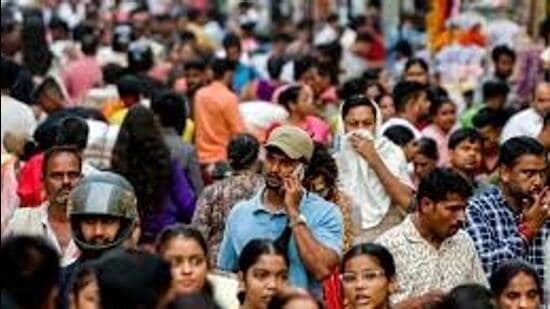
- The Union Cabinet has approved the conduct of the Census of India, 2027, India’s next decennial population census.
- The exercise will be conducted in two phases, with large-scale digital integration for data collection.
- The total approved financial outlay for the census operations is ₹11,718 crore, covering field operations, digital infrastructure, and manpower.
Census of India: Key Features
- Decennial Exercise:
- Conducted once every 10 years under the Census Act, 1948.
- Two-Phase Structure:
- House Listing & Housing Census (HLH):
- Collection of data on housing conditions, household assets, and amenities.
- Population Enumeration (PE):
- Collection of individual-level demographic, social, and economic data.
- House Listing & Housing Census (HLH):
- Digital-First Census:
- Use of mobile applications and digital devices by enumerators.
- Provision for self-enumeration by citizens.
- Improved Data Security:
- Enhanced protocols for data confidentiality and cyber security.
Why Census 2027 Is Significant
- First Census After a Long Gap:
- The previous census was conducted in 2011, making this a critical update for demographic data.
- Policy & Planning Backbone:
- Census data underpins:
- Welfare scheme targeting
- Fiscal devolution
- Infrastructure planning
- Health and education policy
- Census data underpins:
- Urbanisation & Migration Insights:
- Updated data on internal migration, urban growth, and household composition.
- Technology Integration:
- Marks a shift from paper-based enumeration to digitally driven governance.
Financial & Administrative Aspects
- Approved Outlay: ₹11,718 crore
- Covers training of enumerators, IT systems, field logistics, and data processing.
- Nodal Authority:
- Conducted by the Office of the Registrar General & Census Commissioner, India (ORGI) under the Ministry of Home Affairs.
- Manpower Deployment:
- Involves millions of enumerators and supervisors, largely drawn from state government staff.
Constitutional & Legal Context
- Census Act, 1948:
- Provides statutory backing for conducting the census and mandates public cooperation.
- Union List:
- Census is a Union subject, enabling uniform data collection across states.
- Delimitation & Representation:
- Census data forms the base for:
- Delimitation of constituencies
- Reservation of seats for SCs and STs.
- Census data forms the base for:
Additional Info
- Delimitation Linkage:
- Future delimitation of Lok Sabha and Assembly constituencies is contingent on updated census data.
- Data Usage:
- Census data is used by bodies such as:
- Finance Commission
- NITI Aayog
- Election Commission of India
- Census data is used by bodies such as:
- Global Practice:
- Census exercises align with UN-recommended population data standards for comparability.
Sources
December 2025
31 December 202530 December 202529 December 202527 December 202526 December 202524 December 202523 December 202522 December 202520 December 202519 December 202518 December 202517 December 202516 December 202515 December 202513 December 202512 December 202511 December 202510 December 202509 December 202508 December 202505 December 202504 December 202503 December 202502 December 2025
Archive
October 2026
- 28 October 2026
- 27 October 2026
- 26 October 2026
- 24 October 2026
- 23 October 2026
- 22 October 2026
- 21 October 2026
- 20 October 2026
- 19 October 2026
- 17 October 2026
- 16 October 2026
- 15 October 2026
- 14 October 2026
- 13 October 2026
- 12 October 2026
- 10 October 2026
- 09 October 2026
- 08 October 2026
- 07 October 2026
- 06 October 2026
- 05 October 2026
- 03 October 2026
- 02 October 2026
- 01 October 2026
September 2026
- 30 September 2026
- 29 September 2026
- 28 September 2026
- 26 September 2026
- 25 September 2026
- 24 September 2026
- 23 September 2026
- 22 September 2026
- 21 September 2026
- 19 September 2026
- 18 September 2026
- 17 September 2026
- 16 September 2026
- 15 September 2026
- 12 September 2026
- 11 September 2026
- 10 September 2026
- 09 September 2026
- 08 September 2026
- 07 September 2026
- 05 September 2026
- 04 September 2026
- 03 September 2026
- 02 September 2026
- 01 September 2026
August 2026
- 31 August 2026
- 29 August 2026
- 27 August 2026
- 26 August 2026
- 25 August 2026
- 24 August 2026
- 22 August 2026
- 21 August 2026
- 20 August 2026
- 19 August 2026
- 18 August 2026
- 17 August 2026
- 14 August 2026
- 13 August 2026
- 12 August 2026
- 11 August 2026
- 10 August 2026
- 08 August 2026
- 07 August 2026
- 06 August 2026
- 05 August 2026
- 04 August 2026
- 03 August 2026
- 01 August 2026
July 2026
- 31 July 2026
- 30 July 2026
- 29 July 2026
- 28 July 2026
- 27 July 2026
- 25 July 2026
- 23 July 2026
- 22 July 2026
- 21 July 2026
- 20 July 2026
- 18 July 2026
- 17 July 2026
- 15 July 2026
- 14 July 2026
- 13 July 2026
- 11 July 2026
- 10 July 2026
- 09 July 2026
- 08 July 2026
- 07 July 2026
- 06 July 2026
- 04 July 2026
- 03 July 2026
- 02 July 2026
- 01 July 2026
June 2026
May 2026
April 2026
March 2026
- 31 March 2026
- 30 March 2026
- 28 March 2026
- 27 March 2026
- 26 March 2026
- 25 March 2026
- 24 March 2026
- 23 March 2026
- 21 March 2026
- 20 March 2026
- 19 March 2026
- 18 March 2026
- 17 March 2026
- 16 March 2026
- 14 March 2026
- 13 March 2026
- 12 March 2026
- 11 March 2026
- 10 March 2026
- 09 March 2026
- 07 March 2026
- 06 March 2026
- 05 March 2026
- 03 March 2026
- 02 March 2026
February 2026
- 28 February 2026
- 27 February 2026
- 26 February 2026
- 25 February 2026
- 24 February 2026
- 23 February 2026
- 21 February 2026
- 20 February 2026
- 19 February 2026
- 18 February 2026
- 17 February 2026
- 16 February 2026
- 13 February 2026
- 12 February 2026
- 11 February 2026
- 10 February 2026
- 09 February 2026
- 07 February 2026
- 06 February 2026
- 05 February 2026
- 04 February 2026
- 03 February 2026
- 02 February 2026
January 2026
- 31 January 2026
- 30 January 2026
- 29 January 2026
- 28 January 2026
- 27 January 2026
- 26 January 2026
- 24 January 2026
- 23 January 2026
- 22 January 2026
- 21 January 2026
- 20 January 2026
- 19 January 2026
- 16 January 2026
- 15 January 2026
- 14 January 2026
- 13 January 2026
- 12 January 2026
- 10 January 2026
- 09 January 2026
- 08 January 2026
- 07 January 2026
- 06 January 2026
- 05 January 2026
- 03 January 2026
- 02 January 2026
- 01 January 2026
December 2025
- 31 December 2025
- 30 December 2025
- 29 December 2025
- 27 December 2025
- 26 December 2025
- 24 December 2025
- 23 December 2025
- 22 December 2025
- 20 December 2025
- 19 December 2025
- 18 December 2025
- 17 December 2025
- 16 December 2025
- 15 December 2025
- 13 December 2025
- 12 December 2025
- 11 December 2025
- 10 December 2025
- 09 December 2025
- 08 December 2025
- 05 December 2025
- 04 December 2025
- 03 December 2025
- 02 December 2025
November 2025
- 29 November 2025
- 28 November 2025
- 27 November 2025
- 26 November 2025
- 25 November 2025
- 24 November 2025
- 22 November 2025
- 21 November 2025
- 20 November 2025
- 19 November 2025
- 18 November 2025
- 17 November 2025
- 15 November 2025
- 14 November 2025
- 13 November 2025
- 12 November 2025
- 11 November 2025
- 10 November 2025
- 08 November 2025
- 07 November 2025
- 06 November 2025
- 05 November 2025
- 04 November 2025
- 03 November 2025
- 01 November 2025
October 2025
- 31 October 2025
- 30 October 2025
- 29 October 2025
- 28 October 2025
- 27 October 2025
- 25 October 2025
- 24 October 2025
- 23 October 2025
- 22 October 2025
- 21 October 2025
- 20 October 2025
- 18 October 2025
- 17 October 2025
- 16 October 2025
- 15 October 2025
- 14 October 2025
- 13 October 2025
- 11 October 2025
- 10 October 2025
- 09 October 2025
- 08 October 2025
- 07 October 2025
- 06 October 2025
- 04 October 2025
- 03 October 2025
- 02 October 2025
- 01 October 2025
September 2025
- 30 September 2025
- 29 September 2025
- 27 September 2025
- 26 September 2025
- 25 September 2025
- 24 September 2025
- 23 September 2025
- 22 September 2025
- 20 September 2025
- 19 September 2025
- 18 September 2025
- 17 September 2025
- 16 September 2025
- 15 September 2025
- 13 September 2025
- 12 September 2025
- 11 September 2025
- 10 September 2025
- 09 September 2025
- 08 September 2025
- 06 September 2025
- 05 September 2025
- 04 September 2025
- 03 September 2025
- 02 September 2025
- 01 September 2025
August 2025
- 30 August 2025
- 29 August 2025
- 28 August 2025
- 27 August 2025
- 26 August 2025
- 25 August 2025
- 23 August 2025
- 22 August 2025
- 21 August 2025
- 20 August 2025
- 19 August 2025
- 18 August 2025
- 16 August 2025
- 14 August 2025
- 13 August 2025
- 12 August 2025
- 11 August 2025
- 08 August 2025
- 07 August 2025
- 06 August 2025
- 05 August 2025
- 04 August 2025
- 02 August 2025
- 01 August 2025
July 2025
- 31 July 2025
- 30 July 2025
- 29 July 2025
- 28 July 2025
- 26 July 2025
- 25 July 2025
- 24 July 2025
- 23 July 2025
- 22 July 2025
- 21 July 2025
- 19 July 2025
- 18 July 2025
- 17 July 2025
- 16 July 2025
- 15 July 2025
- 12 July 2025
- 11 July 2025
- 10 July 2025
- 09 July 2025
- 07 July 2025
- 05 July 2025
- 04 July 2025
- 03 July 2025
- 02 July 2025
- 01 July 2025
June 2025
- 30 June 2025
- 28 June 2025
- 27 June 2025
- 26 June 2025
- 25 June 2025
- 24 June 2025
- 23 June 2025
- 21 June 2025
- 20 June 2025
- 19 June 2025
- 18 June 2025
- 17 June 2025
- 16 June 2025
- 14 June 2025
- 13 June 2025
- 12 June 2025
- 11 June 2025
- 10 June 2025
- 09 June 2025
- 07 June 2025
- 06 June 2025
- 05 June 2025
- 04 June 2025
- 03 June 2025
- 02 June 2025
May 2025
April 2025
- 30 April 2025
- 29 April 2025
- 28 April 2025
- 26 April 2025
- 25 April 2025
- 24 April 2025
- 23 April 2025
- 22 April 2025
- 21 April 2025
- 19 April 2025
- 18 April 2025
- 17 April 2025
- 16 April 2025
- 15 April 2025
- 14 April 2025
- 12 April 2025
- 11 April 2025
- 10 April 2025
- 09 April 2025
- 08 April 2025
- 07 April 2025
- 05 April 2025
- 04 April 2025
- 03 April 2025
- 02 April 2025
- 01 April 2025
March 2025
- 31 March 2025
- 29 March 2025
- 28 March 2025
- 27 March 2025
- 26 March 2025
- 25 March 2025
- 24 March 2025
- 22 March 2025
- 21 March 2025
- 20 March 2025
- 19 March 2025
- 18 March 2025
- 17 March 2025
- 15 March 2025
- 13 March 2025
- 12 March 2025
- 11 March 2025
- 10 March 2025
- 08 March 2025
- 07 March 2025
- 06 March 2025
- 05 March 2025
- 04 March 2025
- 03 March 2025
- 01 March 2025
February 2025
- 28 February 2025
- 27 February 2025
- 26 February 2025
- 25 February 2025
- 24 February 2025
- 22 February 2025
- 21 February 2025
- 20 February 2025
- 19 February 2025
- 18 February 2025
- 17 February 2025
- 15 February 2025
- 14 February 2025
- 13 February 2025
- 12 February 2025
- 11 February 2025
- 10 February 2025
- 08 February 2025
- 07 February 2025
- 06 February 2025
- 05 February 2025
- 04 February 2025
- 03 February 2025
- 01 February 2025
January 2025
- 31 January 2025
- 30 January 2025
- 29 January 2025
- 28 January 2025
- 27 January 2025
- 25 January 2025
- 24 January 2025
- 23 January 2025
- 22 January 2025
- 21 January 2025
- 20 January 2025
- 18 January 2025
- 17 January 2025
- 16 January 2025
- 15 January 2025
- 14 January 2025
- 13 January 2025
- 11 January 2025
- 10 January 2025
- 09 January 2025
- 08 January 2025
- 07 January 2025
- 06 January 2025
- 04 January 2025
- 03 January 2025
- 02 January 2025
- 01 January 2025