
Current Affairs
Stay updated with the latest national and international events.
14 November 2025
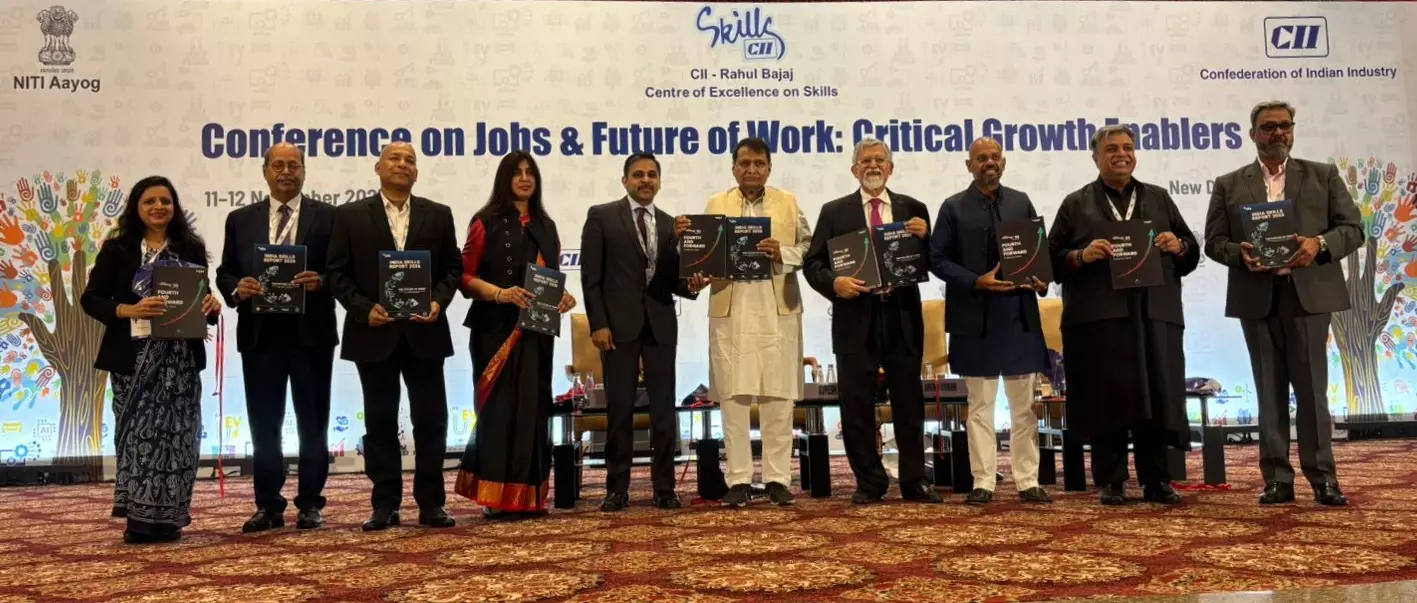
India Skills Report 2026: Employability Rises to 56.35%, Women Surpass Men
What’s the News?
- The India Skills Report 2026 has been released, revealing that India's overall employability has increased to 56.35%.
- The report is published by Educational Testing Service (ETS) and Wheebox, in collaboration with the Confederation of Indian Industry (CII), All India Council for Technical Education (AICTE), and the Association of Indian Universities (AIU).
- For the first time, the employability of women (54%) has surpassed that of men (51.5%), a shift attributed to hybrid work models and digital skilling initiatives.
- The report’s theme is “The Future of Work: Gig Workforce, Freelancing, AI-Supplemented Workforce, Remote Work & Entrepreneurship”.
Key Trends & Sectoral Insights
- Tech & AI Dominate Employability:
- Computer Science graduates: 80% employable.
- IT engineers: 78% employable.
- Demand driven by roles in AI, data analytics, automation, cloud, and cybersecurity.
- Fresher Hiring on the Rise:
- IT sector leads fresher hiring at 35%, up from 14% cross-industry average in 2025.
- Overall corporate hiring intent rose to 40%, up from 29% last year.
- Graduate Stream Performance:
- Commerce: 62.81% (up from 55%), boosted by BFSI & fintech.
- Science: 61%.
- Arts: 55.55%, aided by digital and interdisciplinary roles.
- ITI graduates: 45.95% (up from 41%).
- Polytechnic diploma holders: 32.92%.
- Internships & Practical Exposure:
- 92.8% of students seek internships, highest in Karnataka, Madhya Pradesh, and Tamil Nadu.
Gig Economy Expansion
- Gig hiring grew by ~38%, forming ~16% of all jobs.
- Gig workforce projected to reach 23.5 million by 2030.
- Over 40% of IT & gig workers now use AI tools for daily tasks.
Emerging Shifts in Hiring & Learning
- Skills-first hiring replacing degree-centric models.
- Rise of micro-credentials, stackable certifications, and experiential learning.
- AI-assisted recruitment platforms enabling personalised upskilling pathways.
Challenges Highlighted
- Access & equity gaps: AI/digital skills remain concentrated in metros and elite institutions.
- Soft skills deficit: Shortfall in communication, critical thinking, and teamwork, especially among first-gen learners.
- Curriculum lag: Mismatch between academic content and real-time industry demand.
- Digital divide: High cost of new tech limits rural/Tier-3 access.
- Gig precarity: Income volatility, lack of social security, and low bargaining power.
- Over-reliance on foreign AI platforms, risking IP and value capture loss.
Additional Info
- About the Report:
- The 13th edition of the India Skills Report draws insights from assessments of over 100,000 candidates and 1,000 employers across key industries.
- It positions India as a “preferred global source of skilled talent” and highlights a shift toward a "skill-first" economy.
- Educational Domain Insights:
- Graduates with MBA and B.Tech / B.E. degrees remain the most employable.
- Employability for Commerce graduates saw a sharp rise.
- Vocational courses also showed improvement, with ITI graduates' employability improving significantly.
Sources
Centre Releases Draft Seeds Bill, 2025 for Public Consultation
What’s the News?
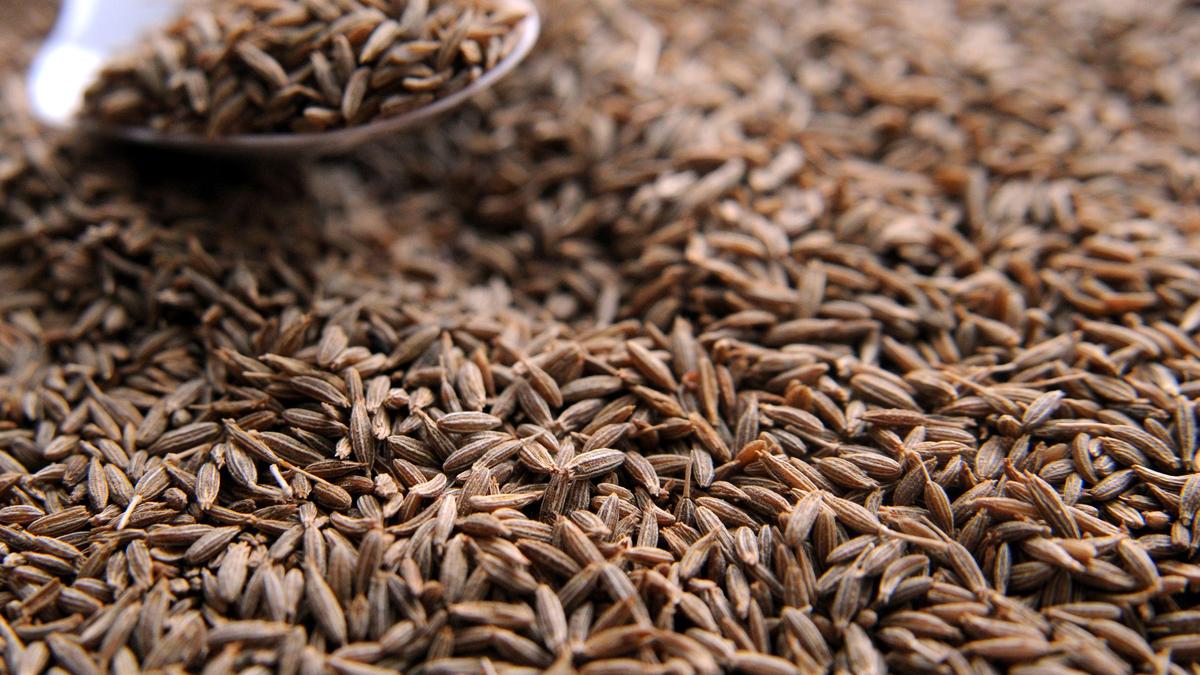
- The Union Ministry of Agriculture and Farmers Welfare has released the Draft Seeds Bill, 2025, for public consultation.
- The Bill aims to create a modern regulatory framework, replacing the existing Seeds Act, 1966, and the Seeds (Control) Order, 1983.
- The primary objectives are to regulate the quality of seeds and planting materials, ensure farmers' access to high-quality seeds, curb the sale of spurious seeds, and promote innovation.
- This is the government's third attempt at this legislation, following previous drafts in 2004 and 2019 that were withdrawn after opposition.
Key Provisions & Innovations
- Mandatory Variety Registration:
- All seed varieties must be registered based on Value for Cultivation and Use (VCU) trials.
- Existing notified varieties under the 1966 Act are deemed registered.
- Farmers’ varieties receive provisional registration for 3 years.
- Registration may be suspended or revoked for poor performance or safety concerns.
- Digital Traceability via SATHI Portal:
- Mandatory QR-code-based labelling for end-to-end tracking.
- All stakeholders (producers, dealers, nurseries, researchers) must register on the Seed Traceability Portal (SATHI) to minimise fraud and ensure transparency.
- Strengthened Certification Infrastructure:
- Establishment of accredited Seed Certification Agencies.
- Upgraded Central and State Seed Testing Laboratories with standardised protocols.
- Empowered Seed Inspectors for sampling, search, and seizure.
Farmer-Centric Safeguards
- Explicit protection of farmers’ rights:
- Right to save, use, re-sow, exchange, and sell farm-saved seeds retained.
- Exemption from penalties for selling unbranded farm seeds.
- Prohibition on branding farm-saved seeds without registration.
- Price Regulation in Emergencies:
- Central government empowered to fix seed prices during scarcity, monopolistic practices, or profiteering.
Graded Penalty System (Decriminalisation + Deterrence)
- Trivial offences: Written warnings or minor fines.
- Minor offences: Penalties up to ₹2 lakh.
- Major offences (e.g., spurious/misbranded seeds, repeat violations):
- Fines up to ₹30 lakh.
- Cancellation of registration.
- Imprisonment up to 3 years for serious/repeat cases.
Regulation of Seed Trade & Imports
- Mandatory registration for all in the seed chain: producers, processors, dealers, distributors, and plant nurseries.
- Central Accreditation System allows multi-state operators to be “deemed registered”.
- Seed imports allowed only if compliant with Indian certification and quarantine norms.
- Unregistered varieties permitted for research and trials with prior approval.
Additional Info
- Rationale for Reform:
- Existing laws outdated amid rise of hybrids, biotech traits, and private seed companies
- Previous attempts (e.g., Seeds Bill 2004) stalled due to opposition over farmer rights and corporate control
- 2025 version seeks balance: stricter quality control + explicit farmer safeguards
- Stakeholder Reactions:
- Industry bodies welcome clarity, digital systems, and decriminalisation of minor lapses
- Farm unions remain cautious, seeking stronger liability clauses and grievance redress for seed failure
- Constitutional & Policy Links:
- Agriculture is a State subject, but seed quality and inter-state trade fall under Concurrent List (Entry 33)
- Aligns with National Mission on Agricultural Extension and Technology (NMAET) and Seed Minikit Programme
- Supports SDG 2 (Zero Hunger) and SDG 9 (Industry, Innovation)
Sources
Indian Railways Deploys AI-System 'DRISHTI' for Freight Wagon Safety
What’s the News?
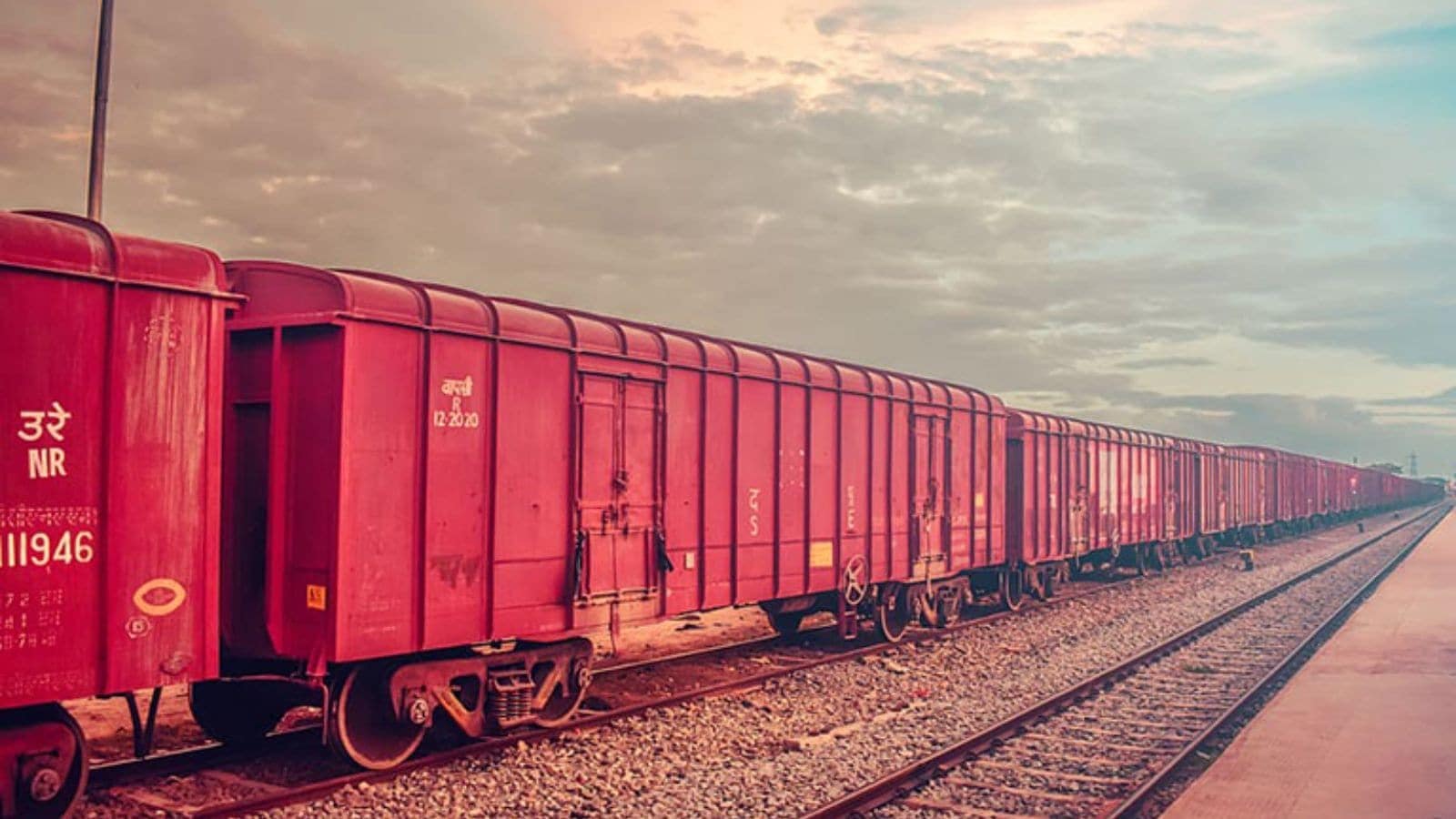
- Indian Railways has implemented an AI-based Locking Monitoring System known as DRISHTI (Distributed Railway Information System for Train Identification).
- The system is designed to enhance the security and safety of freight trains by automatically monitoring the door locks of wagons.
- It was developed by the South Central Railway (SCR) in collaboration with the Centre for Railway Information Systems (CRIS).
- The primary goal is to provide real-time alerts to prevent theft, pilferage, and unauthorised access to valuable cargo during transit.
Key Features & Functionality
- Real-Time Surveillance:
- Uses AI-enabled cameras and sensors mounted at strategic points to monitor door position and locking integrity.
- Operates non-intrusively at full train speed, eliminating need for halts or manual checks.
- Anomaly Detection & Alerts:
- Flags loose locks, tampering, or seal breaches via computer vision and machine learning algorithms.
- Triggers automated, data-driven alerts to control rooms for immediate response.
- Integration & Scalability:
- Compatible with freight management platforms for audit trails, analytics, and tracking transparency.
- Designed for phased nationwide rollout after successful field validation.
Operational & Strategic Impact
- Pilferage Reduction: Minimises theft and cargo loss due to seal failures or human error.
- Operational Efficiency: Cuts inspection time, labour dependency, and transit delays.
- Safety Enhancement: Prevents accidents caused by unsecured doors during transit.
- Indigenous Innovation: Fully developed in India, aligning with Atmanirbhar Bharat goals in transport-tech.
Current Status
- Prototype has undergone ~10 months of successful field trials on select freight rakes.
- Preliminary results show high detection accuracy; system is now being refined for wider deployment across NFR and eventually pan-India.
Sources
MoD Inks ₹2,095 Crore Deal with BDL for INVAR Anti-Tank Missiles

What’s the News?
- The Ministry of Defence (MoD) has signed a significant contract worth ₹2,095.70 crore with Bharat Dynamics Limited (BDL).
- The contract is for the procurement of INVAR Anti-Tank Guided Missiles (ATGMs).
- These missiles are acquired to enhance the firepower and lethality of the T-90 ‘Bhishma’ tank, the mainstay of the Indian Army's Armoured Regiments.
- The procurement is classified under the Buy (Indian) category, reinforcing the government's ‘Aatmanirbhar Bharat’ (self-reliant India) initiative in defence.
Key Features of INVAR Missile System
- Type & Guidance: Laser beam–riding, precision-guided ATGM, produced under licence in India with technical collaboration from Rosoboronexport (Russia)
- Launch Platform: Fired through the 125 mm smoothbore gun of T-90 tanks (compatible with 3UBK20 ammunition round)
- Warhead & Penetration:
- Tandem high-explosive anti-tank (HEAT) warhead
- Designed to defeat explosive reactive armour (ERA) and modern tank composites
- Performance Metrics:
- Effective range: Up to 5 km
- Flight time: ~17.6 seconds at max range
- Hit probability: Very high (described as “high hit and kill probability”)
- Target capability: Engages both stationary and moving targets (up to 70 kmph)
- Physical Specs:
- Missile length: 695 mm; launch cartridge: 395 mm
- Weight: 17.2 kg
Additional Info
- T-90 Bhishma Specifications:
- 125 mm smoothbore gun with auto-loader
- Advanced fire-control system (FCS), hunter-killer capability
- Kontakt-5 ERA & Kanchan composite armour for survivability
- Doctrine Alignment:
- Supports Cold Start Doctrine and rapid offensive operations by enabling deep, precise strikes
- Strengthens deterrence on western and northern borders
- Procurement Context:
- Part of MoD’s capital acquisition plan FY2025–26 prioritising critical operational deficiencies
- Follows fast-track procurement route to meet urgent battlefield requirements
Sources
Punjab Becomes First State to Implement Amended Bharat Net Scheme Statewide

What’s the News?
- Punjab has become the first state in India to implement the amended Bharat Net scheme across all its villages.
- Announced by the Union Minister of State for Communications, the initiative will provide high-speed broadband internet connectivity to all 12,000 villages in the state.
- The project aims to bridge the rural-urban digital divide and ensure digital access for all citizens.
Key Features of Amended BharatNet Programme (ABP)
- Approved by Union Cabinet on August 4, 2023, with an outlay of ₹1,39,579 crore (including ₹42,847 crore CAPEX and ₹48,717 crore for 10-year O&M).
- Target: High-speed optical fibre connectivity to 2.64 lakh Gram Panchayats (GPs) using ring topology for redundancy and reliability.
- Technology Stack:
- OFC ring topology (block-to-GP).
- IP-MPLS backbone network for scalable traffic management.
- Centralised Network Operations Centre (CNOC) for real-time monitoring.
- Last-mile connectivity via Fibre-to-the-Home (FTTH), wireless, or satellite as needed.
- FTTH Expansion: 1.5 crore household connections targeted through BSNL in next five years.
- Universal Service: Supports access for mobile operators, ISPs, cable providers, and content platforms to launch digital services in rural India.
Punjab’s Implementation Milestones
- 43 “shadow areas” (remote/border villages) already covered
- Digital backbone now supports e-governance, e-health, and real-time border surveillance
- Recognised nationally: Punjab’s Chief Secretary awarded for “exemplary implementation” by BSNL
- Serves as a replicable model for other states aiming for last-mile rural connectivity
Notes:
- Original BharatNet launched in 2015 (renamed from NOFN).
- Phase I: Connected ~1 lakh GPs using existing fibre.
- ABP subsumes and expands Phase II with updated tech, financing, and scalability.
Sources
World Diabetes Day Observed on November 14
What’s the News?
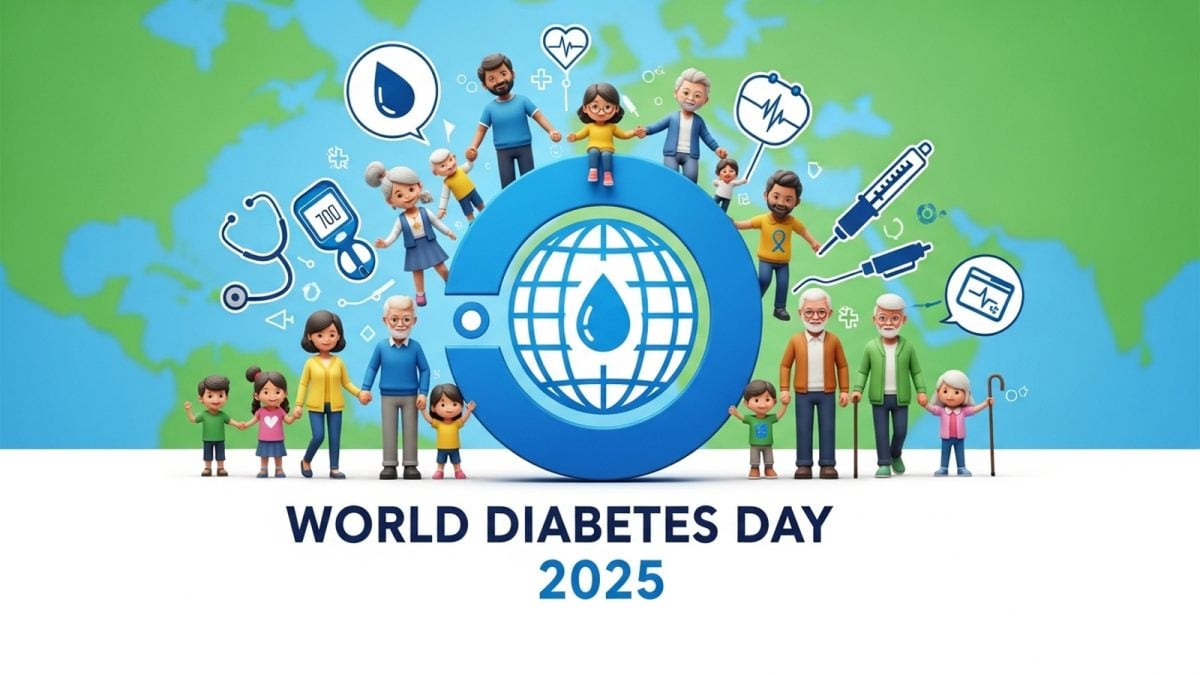
- World Diabetes Day was observed globally on November 14 to raise awareness about diabetes as a major global public health issue.
- The theme for 2025, as highlighted by the World Health Organization (WHO) and the United Nations (UN), is “Diabetes Across Life Stages”.
- The day serves as the primary global awareness campaign, led by the International Diabetes Federation (IDF) and the WHO.
Global & National Context
- 589 million people globally live with diabetes; nearly half remain undiagnosed, especially in low- and middle-income countries.
- India’s burden: Estimated 101 million people with diabetes (ICMR–INDIAB 2023); another 136 million in prediabetes.
- Rising incidence in youth (Type 2) and gestational diabetes (GDM), posing intergenerational health risks.
WHO’s 2030 Global Diabetes Coverage Targets
| Target | Goal by 2030 |
|---|---|
| Diagnosis | 80% of people with diabetes diagnosed |
| Glycaemic control | 80% of diagnosed individuals achieve HbA1c <7% |
| Blood pressure control | 80% of diagnosed individuals maintain BP <140/90 mmHg |
| Statin use | 60% of people ≥40 years receive statins |
| Type 1 diabetes support | 100% have access to affordable insulin & glucose monitoring |
Prevention & Early Action Priorities
- Prediabetes intervention: Lifestyle modification can reduce progression to diabetes by 58%.
- Weight loss of 5–7%, 150 min/week physical activity.
- Limit ultra-processed foods, sugary drinks; prioritise whole grains, fibre, legumes.
- Screening at key life stages:
- Children: BMI + family history.
- Women: Preconception & antenatal GDM screening.
- Adults ≥30 yrs: Annual fasting glucose/HbA1c if risk factors present.
Additional Info
- Constitutional & Policy Links:
- Falls under Article 21 (Right to Health) as interpreted in Bandhua Mukti Morcha, Paschim Banga Khet Mazdoor Samity.
- Aligns with National Programme for Prevention & Control of Cancer, Diabetes, CVDs & Stroke (NPCDCS).
- Supported by Ayushman Bharat Health & Wellness Centres (AB-HWCs) for early screening & follow-up.
- Static Facts:
- WDD launched in 1991 by International Diabetes Federation (IDF) and WHO.
- Became a UN-recognised day in 2006 (Resolution 61/225).
- Date (Nov 14) honours Sir Frederick Banting, co-discoverer of insulin (1922).
- India’s Initiatives:
- mDiabetes (SMS-based awareness by MoHFW & WHO).
- National Guidelines for Management of Diabetes (2024).
- Integration of NCD screening in 1.5+ lakh AB-HWCs.
Sources
Oman Elected to UNESCO's Man and the Biosphere (MAB) Council

What’s the News?
- The Sultanate of Oman has been elected as a member of the International Coordinating Council (ICC) of the UNESCO Man and the Biosphere (MAB) Programme.
- Oman, represented by its Environment Authority, will serve a four-year term from 2025 to 2029.
- The election took place during the 43rd session of the UNESCO General Conference in Samarkand, Uzbekistan.
About the Man and the Biosphere (MAB) Programme
- Launched by UNESCO in 1971, MAB is an intergovernmental scientific initiative aimed at improving the relationship between people and their environments through research, capacity building, and policy innovation.
- Core Objective: Reconcile biodiversity conservation with sustainable socio-economic development by promoting "learning places for sustainable development" - the Biosphere Reserves.
- Operates under the International Coordinating Council (MAB-ICC) of 34 elected Member States, which sets strategic direction and oversees the World Network of Biosphere Reserves (WNBR).
Oman’s Strategic Relevance
- Oman’s election reflects its growing role in arid-zone ecosystem management, leveraging unique landscapes such as the Dhofar monsoon forest, Al-Hajar Mountains, and Rub’ al-Khali desert fringe - all ecologically sensitive and culturally rich zones.
- The country has already designated three Biosphere Reserves:
- Jabal Samhan (2021)
- Al Wusta (2022)
- Masirah Island (2023)
- demonstrating commitment to balancing heritage preservation, climate resilience, and community-based conservation.
Additional Info
- Constitutional & Policy Links:
- Biosphere Reserves in India fall under the National Biodiversity Act, 2002 and are managed jointly by State Forest Departments, Ministry of Environment, Forest and Climate Change (MoEF&CC), and local communities.
- Aligns with SDG 13 (Climate Action), SDG 15 (Life on Land), and National Mission for Green India.
- Global Stats:
- 748 Biosphere Reserves across 134 countries as of 2025.
- MAB promotes transboundary reserves (e.g., Karakoram–Pamir involving India, China, Pakistan, Tajikistan), offering a model for regional cooperation.
November 2025
29 November 202528 November 202527 November 202526 November 202525 November 202524 November 202522 November 202521 November 202520 November 202519 November 202518 November 202517 November 202515 November 202514 November 202513 November 202512 November 202511 November 202510 November 202508 November 202507 November 202506 November 202505 November 202504 November 202503 November 202501 November 2025
Archive
October 2026
- 28 October 2026
- 27 October 2026
- 26 October 2026
- 24 October 2026
- 23 October 2026
- 22 October 2026
- 21 October 2026
- 20 October 2026
- 19 October 2026
- 17 October 2026
- 16 October 2026
- 15 October 2026
- 14 October 2026
- 13 October 2026
- 12 October 2026
- 10 October 2026
- 09 October 2026
- 08 October 2026
- 07 October 2026
- 06 October 2026
- 05 October 2026
- 03 October 2026
- 02 October 2026
- 01 October 2026
September 2026
- 30 September 2026
- 29 September 2026
- 28 September 2026
- 26 September 2026
- 25 September 2026
- 24 September 2026
- 23 September 2026
- 22 September 2026
- 21 September 2026
- 19 September 2026
- 18 September 2026
- 17 September 2026
- 16 September 2026
- 15 September 2026
- 12 September 2026
- 11 September 2026
- 10 September 2026
- 09 September 2026
- 08 September 2026
- 07 September 2026
- 05 September 2026
- 04 September 2026
- 03 September 2026
- 02 September 2026
- 01 September 2026
August 2026
- 31 August 2026
- 29 August 2026
- 27 August 2026
- 26 August 2026
- 25 August 2026
- 24 August 2026
- 22 August 2026
- 21 August 2026
- 20 August 2026
- 19 August 2026
- 18 August 2026
- 17 August 2026
- 14 August 2026
- 13 August 2026
- 12 August 2026
- 11 August 2026
- 10 August 2026
- 08 August 2026
- 07 August 2026
- 06 August 2026
- 05 August 2026
- 04 August 2026
- 03 August 2026
- 01 August 2026
July 2026
- 31 July 2026
- 30 July 2026
- 29 July 2026
- 28 July 2026
- 27 July 2026
- 25 July 2026
- 23 July 2026
- 22 July 2026
- 21 July 2026
- 20 July 2026
- 18 July 2026
- 17 July 2026
- 15 July 2026
- 14 July 2026
- 13 July 2026
- 11 July 2026
- 10 July 2026
- 09 July 2026
- 08 July 2026
- 07 July 2026
- 06 July 2026
- 04 July 2026
- 03 July 2026
- 02 July 2026
- 01 July 2026
June 2026
May 2026
April 2026
March 2026
- 31 March 2026
- 30 March 2026
- 28 March 2026
- 27 March 2026
- 26 March 2026
- 25 March 2026
- 24 March 2026
- 23 March 2026
- 21 March 2026
- 20 March 2026
- 19 March 2026
- 18 March 2026
- 17 March 2026
- 16 March 2026
- 14 March 2026
- 13 March 2026
- 12 March 2026
- 11 March 2026
- 10 March 2026
- 09 March 2026
- 07 March 2026
- 06 March 2026
- 05 March 2026
- 03 March 2026
- 02 March 2026
February 2026
- 28 February 2026
- 27 February 2026
- 26 February 2026
- 25 February 2026
- 24 February 2026
- 23 February 2026
- 21 February 2026
- 20 February 2026
- 19 February 2026
- 18 February 2026
- 17 February 2026
- 16 February 2026
- 13 February 2026
- 12 February 2026
- 11 February 2026
- 10 February 2026
- 09 February 2026
- 07 February 2026
- 06 February 2026
- 05 February 2026
- 04 February 2026
- 03 February 2026
- 02 February 2026
January 2026
- 31 January 2026
- 30 January 2026
- 29 January 2026
- 28 January 2026
- 27 January 2026
- 26 January 2026
- 24 January 2026
- 23 January 2026
- 22 January 2026
- 21 January 2026
- 20 January 2026
- 19 January 2026
- 16 January 2026
- 15 January 2026
- 14 January 2026
- 13 January 2026
- 12 January 2026
- 10 January 2026
- 09 January 2026
- 08 January 2026
- 07 January 2026
- 06 January 2026
- 05 January 2026
- 03 January 2026
- 02 January 2026
- 01 January 2026
December 2025
- 31 December 2025
- 30 December 2025
- 29 December 2025
- 27 December 2025
- 26 December 2025
- 24 December 2025
- 23 December 2025
- 22 December 2025
- 20 December 2025
- 19 December 2025
- 18 December 2025
- 17 December 2025
- 16 December 2025
- 15 December 2025
- 13 December 2025
- 12 December 2025
- 11 December 2025
- 10 December 2025
- 09 December 2025
- 08 December 2025
- 05 December 2025
- 04 December 2025
- 03 December 2025
- 02 December 2025
November 2025
- 29 November 2025
- 28 November 2025
- 27 November 2025
- 26 November 2025
- 25 November 2025
- 24 November 2025
- 22 November 2025
- 21 November 2025
- 20 November 2025
- 19 November 2025
- 18 November 2025
- 17 November 2025
- 15 November 2025
- 14 November 2025
- 13 November 2025
- 12 November 2025
- 11 November 2025
- 10 November 2025
- 08 November 2025
- 07 November 2025
- 06 November 2025
- 05 November 2025
- 04 November 2025
- 03 November 2025
- 01 November 2025
October 2025
- 31 October 2025
- 30 October 2025
- 29 October 2025
- 28 October 2025
- 27 October 2025
- 25 October 2025
- 24 October 2025
- 23 October 2025
- 22 October 2025
- 21 October 2025
- 20 October 2025
- 18 October 2025
- 17 October 2025
- 16 October 2025
- 15 October 2025
- 14 October 2025
- 13 October 2025
- 11 October 2025
- 10 October 2025
- 09 October 2025
- 08 October 2025
- 07 October 2025
- 06 October 2025
- 04 October 2025
- 03 October 2025
- 02 October 2025
- 01 October 2025
September 2025
- 30 September 2025
- 29 September 2025
- 27 September 2025
- 26 September 2025
- 25 September 2025
- 24 September 2025
- 23 September 2025
- 22 September 2025
- 20 September 2025
- 19 September 2025
- 18 September 2025
- 17 September 2025
- 16 September 2025
- 15 September 2025
- 13 September 2025
- 12 September 2025
- 11 September 2025
- 10 September 2025
- 09 September 2025
- 08 September 2025
- 06 September 2025
- 05 September 2025
- 04 September 2025
- 03 September 2025
- 02 September 2025
- 01 September 2025
August 2025
- 30 August 2025
- 29 August 2025
- 28 August 2025
- 27 August 2025
- 26 August 2025
- 25 August 2025
- 23 August 2025
- 22 August 2025
- 21 August 2025
- 20 August 2025
- 19 August 2025
- 18 August 2025
- 16 August 2025
- 14 August 2025
- 13 August 2025
- 12 August 2025
- 11 August 2025
- 08 August 2025
- 07 August 2025
- 06 August 2025
- 05 August 2025
- 04 August 2025
- 02 August 2025
- 01 August 2025
July 2025
- 31 July 2025
- 30 July 2025
- 29 July 2025
- 28 July 2025
- 26 July 2025
- 25 July 2025
- 24 July 2025
- 23 July 2025
- 22 July 2025
- 21 July 2025
- 19 July 2025
- 18 July 2025
- 17 July 2025
- 16 July 2025
- 15 July 2025
- 12 July 2025
- 11 July 2025
- 10 July 2025
- 09 July 2025
- 07 July 2025
- 05 July 2025
- 04 July 2025
- 03 July 2025
- 02 July 2025
- 01 July 2025
June 2025
- 30 June 2025
- 28 June 2025
- 27 June 2025
- 26 June 2025
- 25 June 2025
- 24 June 2025
- 23 June 2025
- 21 June 2025
- 20 June 2025
- 19 June 2025
- 18 June 2025
- 17 June 2025
- 16 June 2025
- 14 June 2025
- 13 June 2025
- 12 June 2025
- 11 June 2025
- 10 June 2025
- 09 June 2025
- 07 June 2025
- 06 June 2025
- 05 June 2025
- 04 June 2025
- 03 June 2025
- 02 June 2025
May 2025
April 2025
- 30 April 2025
- 29 April 2025
- 28 April 2025
- 26 April 2025
- 25 April 2025
- 24 April 2025
- 23 April 2025
- 22 April 2025
- 21 April 2025
- 19 April 2025
- 18 April 2025
- 17 April 2025
- 16 April 2025
- 15 April 2025
- 14 April 2025
- 12 April 2025
- 11 April 2025
- 10 April 2025
- 09 April 2025
- 08 April 2025
- 07 April 2025
- 05 April 2025
- 04 April 2025
- 03 April 2025
- 02 April 2025
- 01 April 2025
March 2025
- 31 March 2025
- 29 March 2025
- 28 March 2025
- 27 March 2025
- 26 March 2025
- 25 March 2025
- 24 March 2025
- 22 March 2025
- 21 March 2025
- 20 March 2025
- 19 March 2025
- 18 March 2025
- 17 March 2025
- 15 March 2025
- 13 March 2025
- 12 March 2025
- 11 March 2025
- 10 March 2025
- 08 March 2025
- 07 March 2025
- 06 March 2025
- 05 March 2025
- 04 March 2025
- 03 March 2025
- 01 March 2025
February 2025
- 28 February 2025
- 27 February 2025
- 26 February 2025
- 25 February 2025
- 24 February 2025
- 22 February 2025
- 21 February 2025
- 20 February 2025
- 19 February 2025
- 18 February 2025
- 17 February 2025
- 15 February 2025
- 14 February 2025
- 13 February 2025
- 12 February 2025
- 11 February 2025
- 10 February 2025
- 08 February 2025
- 07 February 2025
- 06 February 2025
- 05 February 2025
- 04 February 2025
- 03 February 2025
- 01 February 2025
January 2025
- 31 January 2025
- 30 January 2025
- 29 January 2025
- 28 January 2025
- 27 January 2025
- 25 January 2025
- 24 January 2025
- 23 January 2025
- 22 January 2025
- 21 January 2025
- 20 January 2025
- 18 January 2025
- 17 January 2025
- 16 January 2025
- 15 January 2025
- 14 January 2025
- 13 January 2025
- 11 January 2025
- 10 January 2025
- 09 January 2025
- 08 January 2025
- 07 January 2025
- 06 January 2025
- 04 January 2025
- 03 January 2025
- 02 January 2025
- 01 January 2025