
Current Affairs
Stay updated with the latest national and international events.
14 January 2026
Iranian Conundrum: Economic Collapse and Nationwide Protests

What’s the News?
- Iran is witnessing its most significant internal crisis since the 1979 Revolution, as nationwide anti-government protests spread across all 31 provinces.
- The unrest was triggered by a catastrophic economic collapse, marked by the sharp devaluation of the Iranian rial and soaring inflation.
- In response, the Iranian government has implemented a nationwide internet blackout and a violent security crackdown, leading to thousands of reported deaths and arrests.
The Economic Trigger & Social Break
- Currency Crisis: The Iranian rial lost nearly 45% of its value in 2025, falling to a record low of 1.45 million per dollar, making essential imports unaffordable.
- Bazaar Strikes: In a significant structural break, traders at the Tehran Grand Bazaar—traditionally a pillar of regime support—initiated strikes to protest worsening economic conditions.
- Cost of Living: Rapid inflation in food prices followed the government’s decision to end subsidized exchange rates for importers, further fueling public anger.
- Energy Shortages: Daily power outages and infrastructure stress have added to the "economic exhaustion" experienced by the populace.
State Response and Crackdown
- Communication Blackout: A total internet and telecommunications shutdown was imposed on January 8, 2026, to disrupt protest coordination and prevent the documentation of human rights violations.
- Security Escalation: Authorities have categorized protesters as "terrorists" and labeled participation in demonstrations after January 8 as an act of "internal war".
- Casualty Reports: Human rights organizations and international media estimate the death toll between 2,000 and 6,000, with over 10,000 individuals detained.
- Use of Technology: The state has intensified the search for Starlink satellite dishes to cut off the last remaining channels for sharing information with the outside world.
Geopolitical Implications
- U.S. Stance: U.S. President Donald Trump warned that the United States is "locked and loaded" to intervene if the killing of protesters continues, and he has threatened a 25% tariff on any country trading with Iran.
- Regional Vulnerability: The unrest follows a 12-day conflict with Israel in June 2025, which decimated Iran's air defenses and significantly damaged its nuclear infrastructure.
- Impact on India: Political instability in Iran threatens strategic connectivity projects like the Chabahar Port, which is vital for India's access to Afghanistan and Central Asia.
- Sanctions: New sanctions have been announced by the U.S., EU, and G7 nations to pressure the Iranian government over its suppression of the protests.
Additional Info
- Legal & International Framework:
- Article 2(4) of the UN Charter: Iran has invoked this article to the UN Security Council, arguing that U.S. threats of force constitute a violation of international law.
- Human Rights Violations: Amnesty International and the UN High Commissioner for Human Rights have condemned the crackdown as a violation of the freedom of expression and peaceful assembly.
- Historical Context:
- "Woman, Life, Freedom" (2022-23): The current protests are frequently compared to the 2022 movement triggered by the death of Mahsa Amini, though the 2026 unrest is more deeply rooted in economic grievances.
- The 1979 Revolution: Analysts suggest the scale of the 2026 protests represents the most serious challenge to the clerical establishment since its inception.
- Domestic Governance:
- President Masoud Pezeshkian: Despite signaling limited social relaxation previously, the administration has been largely paralyzed by the economic crisis and security imperatives.
- IRGC and Bonyads: The dominance of the Islamic Revolutionary Guard Corps and quasi-governmental trusts (Bonyads) in the economy is cited as a primary cause of private sector stagnation.
Sources
16th IRENA Assembly: Accelerating Global Renewable Energy Transition

What’s the News?
- The 16th Assembly of the International Renewable Energy Agency (IRENA) concluded in Abu Dhabi, UAE, with a global call to triple renewable energy capacity by 2030.
- The Assembly served as a critical platform to track progress on the COP28 goal of transitioning away from fossil fuels and achieving net-zero emissions.
- Over 1,500 participants, including heads of state, ministers, and industry leaders from 168 member nations, gathered to address the widening gap between climate goals and current implementation.
Key Highlights of the 16th Assembly
- Tripling Renewables by 2030: The Assembly emphasized the urgent need to reach 11,000 GW of renewable capacity by 2030 to keep the 1.5°C target within reach.
- Investment Gaps: Global investment in renewables reached a record $1.3 trillion in 2023, yet the Assembly noted that annual investments must triple to $5 trillion to meet 2030 targets.
- Focus on the Global South: Discussions highlighted that 80% of the world’s population lives in developing nations that receive less than 15% of global renewable energy investment.
- Technology & Infrastructure: The Assembly stressed the importance of modernizing power grids, enhancing energy storage, and scaling up green hydrogen production.
India’s Renewable Energy Milestones Highlighted
- Installed capacity: India has achieved 260–266 GW of renewable energy capacity—five years ahead of its 2030 target—and now meets 50% of its electricity from non-fossil sources.
- PM Surya Ghar Scheme: Over 2.6 million households have benefited from rooftop solar subsidies, showcasing a people-centric energy transition.
- Investment call: India urged mobilization of $300 billion annually in clean energy finance to sustain momentum.
Renewable Energy Employment & Manufacturing
According to IRENA and ILO’s Renewable Energy and Jobs – Annual Review 2025:
- Global RE jobs (2024): 16.6 million, led by solar PV and dominated by China.
- India’s RE workforce: 1.3 million jobs (7.7% of global total), ranking:
- 2nd globally in solar PV and hydropower employment
- 4th in wind and liquid biofuels employment.
- Solar manufacturing: India holds 4.8% of global PV module production, with Gujarat (42%) and Tamil Nadu (11%) as key hubs.
The Path Toward COP30
- NDCs 3.0: Nations were urged to submit more ambitious Nationally Determined Contributions (NDCs) ahead of COP30 in 2025, specifically incorporating quantitative renewable energy targets.
- Finance Mobilization: Member states called for the reform of international financial institutions to provide low-cost financing for energy transitions in emerging economies.
- Workforce Development: A key focus was placed on the "just transition," aiming to create millions of new jobs in the renewable sector while supporting workers transitioning from fossil fuel industries.
Additional Info
- International Renewable Energy Agency (IRENA):
- Established: Founded in 2009 in Bonn, Germany; officially headquartered in Abu Dhabi, UAE.
- Membership: Comprises 169 members (168 states and the European Union).
- Mandate: To promote the widespread adoption and sustainable use of all forms of renewable energy, including bioenergy, geothermal, hydropower, ocean, solar, and wind energy.
- India’s Role in IRENA:
- India is a founder member and currently serves on the IRENA Council.
- India has utilized the platform to showcase initiatives like the International Solar Alliance (ISA) and the National Green Hydrogen Mission.
- India currently ranks 4th globally in total installed renewable energy capacity.
- IRENA Publications:
- World Energy Transitions Outlook (WETO): The flagship report used to guide global policy and investment.
Sources
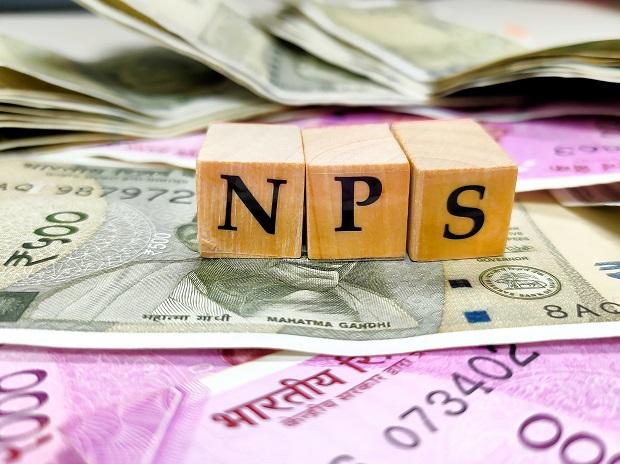
PFRDA Constitutes M.S. Sahoo Committee for Assured NPS Payouts
What’s the News?
- The Pension Fund Regulatory and Development Authority (PFRDA) has established a high-level 15-member expert committee chaired by Dr. M.S. Sahoo to develop a regulatory framework for assured pension payouts under the National Pension System (NPS).
- The committee is tasked with shifting the NPS focus from merely accumulating wealth to providing guaranteed income certainty for subscribers post-retirement.
- Simultaneously, PFRDA issued revised guidelines for NPS Vatsalya, significantly easing exit norms and partial withdrawal rules to make the minor-focused scheme more attractive.
The M.S. Sahoo Committee on Assured Payouts
- Composition: Chaired by Dr. M.S. Sahoo (Former Chairperson of IBBI), the panel includes experts from legal, actuarial, finance, insurance, and academic backgrounds.
- Primary Mandate: To design a framework for structured pension payouts that offer subscribers greater certainty while maintaining the market-linked benefits of NPS.
- Key Objectives:
- Developing transition mechanisms from the accumulation phase to the decumulation (payout) phase.
- Evaluating market-based models that provide legally enforceable guarantees through novation and settlement structures.
- Defining operational standards, including lock-in periods, pricing frameworks, and capital adequacy for providers.
- Establishing disclosure norms to prevent mis-selling and ensure transparent management of subscriber expectations.
Eased Norms for NPS Vatsalya
- Revised Partial Withdrawals:
- Permitted after 3 years of account opening for specific needs like education, medical treatment, or disability.
- Subscribers can withdraw up to 25% of their own contributions (excluding returns).
- Withdrawals are allowed twice before age 18 and twice between ages 18–21.
- Flexible Exit Options:
- Upon reaching 18 years, the account can be converted into a regular NPS Tier-I account.
- Subscribers can exit with up to 80% of the corpus as a lump sum, provided at least 20% is used for an annuity.
- Full withdrawal of the entire corpus is allowed if the total accumulated wealth is ₹8 lakh or less.
Additional Info
- About NPS:
- Launched in 2004 for government employees; opened to all citizens in 2009.
- Regulated by PFRDA under the PFRDA Act, 2013.
- Operates on a defined contribution basis with investments in equity, corporate bonds, and government securities.
- Recent Enhancements:
- Equity exposure raised to 75% for private subscribers
- Maximum account age extended to 85 years
- Minimum contribution under NPS Vatsalya: ₹250 (no upper limit)
Sources
National Sports Governance Rules 2026 Notified to Reform Sports Administration
What’s the News?
- The Ministry of Youth Affairs and Sports has notified the National Sports Governance (National Sports Bodies) Rules, 2026, under the National Sports Governance Act, 2025.
- The rules aim to professionalize Indian sports administration by ensuring transparency, athlete-centric governance, and mandatory gender representation.
- National Sports Federations (NSFs) and the National Olympic Committee are now required to align their internal bye-laws with these statutory rules within six months.
Key Provisions of the Rules
- Athlete Representation:
- Minimum 4 Sportspersons of Outstanding Merit (SOMs) must be included in the General Body of every NSB.
- 50% of SOMs must be women.
- At least 4 women must be represented in the Executive Committee, with provisions to reserve specific posts via byelaws.
- Eligibility Criteria for SOMs:
- Minimum age: 25 years
- Must have retired from active sports
- Should not have participated in any selection-level event (district/state/national) for at least one year prior to application.
- Tiered Achievement Framework:
- 10-tier system based on sporting accomplishments:
- Tier 1: Olympic/Paralympic/Winter Olympic medalists
- Tiers 2–9: Participation in Olympics and other international competitions.
- Tier 10: National Games or National Championship medalists
- Designed to be inclusive across diverse sports disciplines.
- 10-tier system based on sporting accomplishments:
- Election & Governance Reforms:
- National Sports Election Panel must maintain a roster of at least 20 qualified members.
- Electoral officer fees capped at ₹5 lakh, plus mutually agreed assistant fees.
- Structured election timelines for:
- SOM applications
- Electoral roll publication
- Nomination process
- Poll conduct.
- Disqualification Clause:
- Any person convicted by a court and sentenced to imprisonment is barred from membership or contesting elections.
- Compliance Deadline:
- All NSBs must amend their byelaws within 6 months to align with the Act and Rules.
- Central Government may grant up to 12 months’ relaxation in exceptional cases.
Electoral and Ethical Oversight
- National Sports Election Panel: A standing roster of at least 20 qualified members will oversee and conduct fair elections for sports bodies.
- Term Limits: The term of office for the Executive Committee cannot exceed four years, and office-bearers are limited to a maximum of three consecutive terms.
- Mandatory Committees: All NSFs must establish three core institutional committees:
- Athletes Committee: To represent active player interests.
- Ethics Committee: To ensure integrity and fair play.
- Dispute Resolution Committee: To provide a mechanism for internal grievance redressal.
- Disqualification: Individuals convicted of an offense followed by imprisonment or those declared insolvent are barred from contesting elections or holding any committee membership.
Sources
India and Malaysia Co-Chair 16th ADMM-Plus Counter-Terrorism Meeting in New Delhi
What’s the News?
- India and Malaysia are co-chairing the 16th Experts' Working Group (EWG) on Counter-Terrorism under the ASEAN Defence Ministers’ Meeting Plus (ADMM-Plus) framework.
- The meeting, hosted in New Delhi, focuses on strengthening regional cooperation to combat the evolving threat of transnational terrorism.
- This gathering brings together military and security experts to synchronize counter-terrorism strategies and prepare for upcoming joint field training exercises.
Focus of the 16th EWG?
- Collaborative Strategies: The meeting aims to develop a common understanding of terrorism threats across the Indo-Pacific region.
- Capacity Building: Discussions center on sharing best practices in tactical operations, intelligence sharing, and the use of technology in counter-terror efforts.
- Field Training Exercise (FTX): A primary goal is to finalize the planning for the ADMM-Plus Counter-Terrorism FTX, which aims to improve interoperability among the 18 participating nations.
- Transnational Threats: Experts are addressing the rise of cyber-terrorism and the use of drones by non-state actors in modern warfare.
ADMM-Plus Framework & Participation
- Member Composition: The group includes the 10 ASEAN member states and 8 Plus countries: India, Australia, China, Japan, New Zealand, South Korea, Russia, and the United States.
- Co-Chairmanship Cycle: India and Malaysia are serving as co-chairs for the current cycle (2024–2027), leading the counter-terrorism workstream.
- Frequency: The EWG meets regularly to ensure consistent dialogue between defense ministries and military experts.
Additional Info
- About ADMM-Plus:
- Established in 2010 in Hanoi, Vietnam, as a platform for ASEAN and its eight dialogue partners to strengthen security and defense cooperation.
- It is the highest defense consultative and cooperative mechanism within the ASEAN framework.
- Seven Areas of Cooperation:
- The ADMM-Plus focuses on seven Experts’ Working Groups (EWGs):
- Maritime Security
- Counter-Terrorism
- Humanitarian Assistance and Disaster Relief (HADR)
- Peacekeeping Operations
- Military Medicine
- Humanitarian Mine Action
- Cyber Security.
- The ADMM-Plus focuses on seven Experts’ Working Groups (EWGs):
- India's Strategic Role:
- India has been an active participant since the inception of ADMM-Plus, advocating for a "free, open, and inclusive" Indo-Pacific.
- Co-chairing the EWG aligns with India’s 'Act East Policy' and the 'Security and Growth for All in the Region' (SAGAR) initiative.
Sources
January 2026
31 January 202630 January 202629 January 202628 January 202627 January 202626 January 202624 January 202623 January 202622 January 202621 January 202620 January 202619 January 202616 January 202615 January 202614 January 202613 January 202612 January 202610 January 202609 January 202608 January 202607 January 202606 January 202605 January 202603 January 202602 January 202601 January 2026
Archive
October 2026
- 27 October 2026
- 26 October 2026
- 24 October 2026
- 23 October 2026
- 22 October 2026
- 21 October 2026
- 20 October 2026
- 19 October 2026
- 17 October 2026
- 16 October 2026
- 15 October 2026
- 14 October 2026
- 13 October 2026
- 12 October 2026
- 10 October 2026
- 09 October 2026
- 08 October 2026
- 07 October 2026
- 06 October 2026
- 05 October 2026
- 03 October 2026
- 02 October 2026
- 01 October 2026
September 2026
- 30 September 2026
- 29 September 2026
- 28 September 2026
- 26 September 2026
- 25 September 2026
- 24 September 2026
- 23 September 2026
- 22 September 2026
- 21 September 2026
- 19 September 2026
- 18 September 2026
- 17 September 2026
- 16 September 2026
- 15 September 2026
- 12 September 2026
- 11 September 2026
- 10 September 2026
- 09 September 2026
- 08 September 2026
- 07 September 2026
- 05 September 2026
- 04 September 2026
- 03 September 2026
- 02 September 2026
- 01 September 2026
August 2026
- 31 August 2026
- 29 August 2026
- 27 August 2026
- 26 August 2026
- 25 August 2026
- 24 August 2026
- 22 August 2026
- 21 August 2026
- 20 August 2026
- 19 August 2026
- 18 August 2026
- 17 August 2026
- 14 August 2026
- 13 August 2026
- 12 August 2026
- 11 August 2026
- 10 August 2026
- 08 August 2026
- 07 August 2026
- 06 August 2026
- 05 August 2026
- 04 August 2026
- 03 August 2026
- 01 August 2026
July 2026
- 31 July 2026
- 30 July 2026
- 29 July 2026
- 28 July 2026
- 27 July 2026
- 25 July 2026
- 23 July 2026
- 22 July 2026
- 21 July 2026
- 20 July 2026
- 18 July 2026
- 17 July 2026
- 15 July 2026
- 14 July 2026
- 13 July 2026
- 11 July 2026
- 10 July 2026
- 09 July 2026
- 08 July 2026
- 07 July 2026
- 06 July 2026
- 04 July 2026
- 03 July 2026
- 02 July 2026
- 01 July 2026
June 2026
May 2026
April 2026
March 2026
- 31 March 2026
- 30 March 2026
- 28 March 2026
- 27 March 2026
- 26 March 2026
- 25 March 2026
- 24 March 2026
- 23 March 2026
- 21 March 2026
- 20 March 2026
- 19 March 2026
- 18 March 2026
- 17 March 2026
- 16 March 2026
- 14 March 2026
- 13 March 2026
- 12 March 2026
- 11 March 2026
- 10 March 2026
- 09 March 2026
- 07 March 2026
- 06 March 2026
- 05 March 2026
- 03 March 2026
- 02 March 2026
February 2026
- 28 February 2026
- 27 February 2026
- 26 February 2026
- 25 February 2026
- 24 February 2026
- 23 February 2026
- 21 February 2026
- 20 February 2026
- 19 February 2026
- 18 February 2026
- 17 February 2026
- 16 February 2026
- 13 February 2026
- 12 February 2026
- 11 February 2026
- 10 February 2026
- 09 February 2026
- 07 February 2026
- 06 February 2026
- 05 February 2026
- 04 February 2026
- 03 February 2026
- 02 February 2026
January 2026
- 31 January 2026
- 30 January 2026
- 29 January 2026
- 28 January 2026
- 27 January 2026
- 26 January 2026
- 24 January 2026
- 23 January 2026
- 22 January 2026
- 21 January 2026
- 20 January 2026
- 19 January 2026
- 16 January 2026
- 15 January 2026
- 14 January 2026
- 13 January 2026
- 12 January 2026
- 10 January 2026
- 09 January 2026
- 08 January 2026
- 07 January 2026
- 06 January 2026
- 05 January 2026
- 03 January 2026
- 02 January 2026
- 01 January 2026
December 2025
- 31 December 2025
- 30 December 2025
- 29 December 2025
- 27 December 2025
- 26 December 2025
- 24 December 2025
- 23 December 2025
- 22 December 2025
- 20 December 2025
- 19 December 2025
- 18 December 2025
- 17 December 2025
- 16 December 2025
- 15 December 2025
- 13 December 2025
- 12 December 2025
- 11 December 2025
- 10 December 2025
- 09 December 2025
- 08 December 2025
- 05 December 2025
- 04 December 2025
- 03 December 2025
- 02 December 2025
November 2025
- 29 November 2025
- 28 November 2025
- 27 November 2025
- 26 November 2025
- 25 November 2025
- 24 November 2025
- 22 November 2025
- 21 November 2025
- 20 November 2025
- 19 November 2025
- 18 November 2025
- 17 November 2025
- 15 November 2025
- 14 November 2025
- 13 November 2025
- 12 November 2025
- 11 November 2025
- 10 November 2025
- 08 November 2025
- 07 November 2025
- 06 November 2025
- 05 November 2025
- 04 November 2025
- 03 November 2025
- 01 November 2025
October 2025
- 31 October 2025
- 30 October 2025
- 29 October 2025
- 28 October 2025
- 27 October 2025
- 25 October 2025
- 24 October 2025
- 23 October 2025
- 22 October 2025
- 21 October 2025
- 20 October 2025
- 18 October 2025
- 17 October 2025
- 16 October 2025
- 15 October 2025
- 14 October 2025
- 13 October 2025
- 11 October 2025
- 10 October 2025
- 09 October 2025
- 08 October 2025
- 07 October 2025
- 06 October 2025
- 04 October 2025
- 03 October 2025
- 02 October 2025
- 01 October 2025
September 2025
- 30 September 2025
- 29 September 2025
- 27 September 2025
- 26 September 2025
- 25 September 2025
- 24 September 2025
- 23 September 2025
- 22 September 2025
- 20 September 2025
- 19 September 2025
- 18 September 2025
- 17 September 2025
- 16 September 2025
- 15 September 2025
- 13 September 2025
- 12 September 2025
- 11 September 2025
- 10 September 2025
- 09 September 2025
- 08 September 2025
- 06 September 2025
- 05 September 2025
- 04 September 2025
- 03 September 2025
- 02 September 2025
- 01 September 2025
August 2025
- 30 August 2025
- 29 August 2025
- 28 August 2025
- 27 August 2025
- 26 August 2025
- 25 August 2025
- 23 August 2025
- 22 August 2025
- 21 August 2025
- 20 August 2025
- 19 August 2025
- 18 August 2025
- 16 August 2025
- 14 August 2025
- 13 August 2025
- 12 August 2025
- 11 August 2025
- 08 August 2025
- 07 August 2025
- 06 August 2025
- 05 August 2025
- 04 August 2025
- 02 August 2025
- 01 August 2025
July 2025
- 31 July 2025
- 30 July 2025
- 29 July 2025
- 28 July 2025
- 26 July 2025
- 25 July 2025
- 24 July 2025
- 23 July 2025
- 22 July 2025
- 21 July 2025
- 19 July 2025
- 18 July 2025
- 17 July 2025
- 16 July 2025
- 15 July 2025
- 12 July 2025
- 11 July 2025
- 10 July 2025
- 09 July 2025
- 07 July 2025
- 05 July 2025
- 04 July 2025
- 03 July 2025
- 02 July 2025
- 01 July 2025
June 2025
- 30 June 2025
- 28 June 2025
- 27 June 2025
- 26 June 2025
- 25 June 2025
- 24 June 2025
- 23 June 2025
- 21 June 2025
- 20 June 2025
- 19 June 2025
- 18 June 2025
- 17 June 2025
- 16 June 2025
- 14 June 2025
- 13 June 2025
- 12 June 2025
- 11 June 2025
- 10 June 2025
- 09 June 2025
- 07 June 2025
- 06 June 2025
- 05 June 2025
- 04 June 2025
- 03 June 2025
- 02 June 2025
May 2025
April 2025
- 30 April 2025
- 29 April 2025
- 28 April 2025
- 26 April 2025
- 25 April 2025
- 24 April 2025
- 23 April 2025
- 22 April 2025
- 21 April 2025
- 19 April 2025
- 18 April 2025
- 17 April 2025
- 16 April 2025
- 15 April 2025
- 14 April 2025
- 12 April 2025
- 11 April 2025
- 10 April 2025
- 09 April 2025
- 08 April 2025
- 07 April 2025
- 05 April 2025
- 04 April 2025
- 03 April 2025
- 02 April 2025
- 01 April 2025
March 2025
- 31 March 2025
- 29 March 2025
- 28 March 2025
- 27 March 2025
- 26 March 2025
- 25 March 2025
- 24 March 2025
- 22 March 2025
- 21 March 2025
- 20 March 2025
- 19 March 2025
- 18 March 2025
- 17 March 2025
- 15 March 2025
- 13 March 2025
- 12 March 2025
- 11 March 2025
- 10 March 2025
- 08 March 2025
- 07 March 2025
- 06 March 2025
- 05 March 2025
- 04 March 2025
- 03 March 2025
- 01 March 2025
February 2025
- 28 February 2025
- 27 February 2025
- 26 February 2025
- 25 February 2025
- 24 February 2025
- 22 February 2025
- 21 February 2025
- 20 February 2025
- 19 February 2025
- 18 February 2025
- 17 February 2025
- 15 February 2025
- 14 February 2025
- 13 February 2025
- 12 February 2025
- 11 February 2025
- 10 February 2025
- 08 February 2025
- 07 February 2025
- 06 February 2025
- 05 February 2025
- 04 February 2025
- 03 February 2025
- 01 February 2025
January 2025
- 31 January 2025
- 30 January 2025
- 29 January 2025
- 28 January 2025
- 27 January 2025
- 25 January 2025
- 24 January 2025
- 23 January 2025
- 22 January 2025
- 21 January 2025
- 20 January 2025
- 18 January 2025
- 17 January 2025
- 16 January 2025
- 15 January 2025
- 14 January 2025
- 13 January 2025
- 11 January 2025
- 10 January 2025
- 09 January 2025
- 08 January 2025
- 07 January 2025
- 06 January 2025
- 04 January 2025
- 03 January 2025
- 02 January 2025
- 01 January 2025