
Current Affairs
Stay updated with the latest national and international events.
14 April 2026
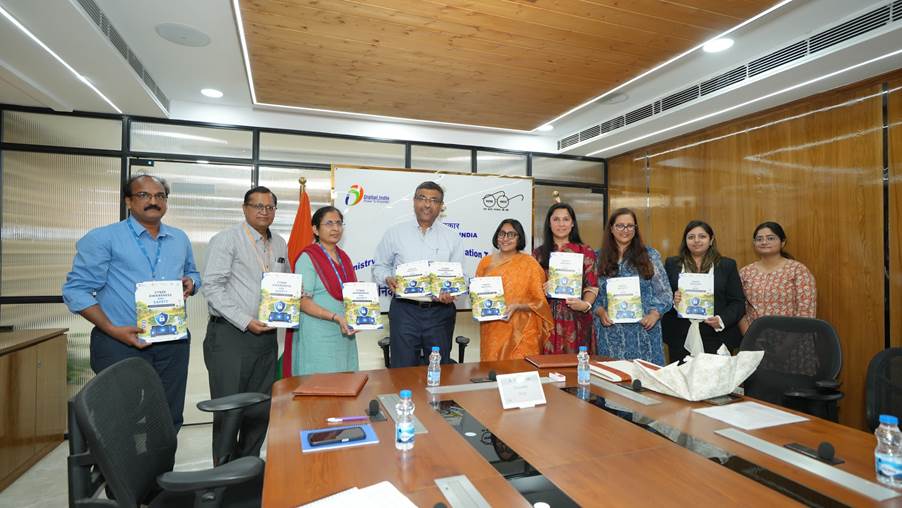
e-SafeHer: Cyber Security Training for Rural Women
What’s the News?
- The Reliance Foundation and the Centre for Development of Advanced Computing (C-DAC), functioning under the Ministry of Electronics and Information Technology (MeitY), have launched the e-SafeHer programme.
- The initiative aims to create a network of one million "Cyber Sakhis" across rural India.
- The primary goal is to enhance cyber security awareness, promote digital safety, and empower women to navigate the digital world securely.
The e-SafeHer Initiative
- Collaborative Effort: It is a joint partnership between the Reliance Foundation and C-DAC to bridge the digital safety gap in rural areas.
- Target Population: Focuses on training 1,000,000 women in rural communities, designated as Cyber Sakhis.
- Objective: To provide specialized training on recognizing cyber threats, ensuring personal data protection, and understanding legal recourses for cyber-crimes.
- Training Modules:
- Safe use of social media and digital payment platforms.
- Identification of phishing, online scams, and financial frauds.
- Understanding of privacy settings and digital hygiene.
- Implementation Model: The programme utilizes a "train-the-trainer" approach where Cyber Sakhis act as community leaders to disseminate knowledge to other residents.
Significance of the Programme
- Addressing the Gender Digital Divide: While digital penetration is increasing, women in rural areas often lack the technical literacy to defend against online harassment and fraud.
- Strengthening Digital India: By securing the most vulnerable sections of the population, the initiative supports the broader Digital India mission and the growth of a secure digital economy.
- Localized Education: The curriculum is designed to be accessible and is offered in multiple regional languages to ensure effective communication at the grassroots level.
- Socio-Economic Impact: Enhanced digital literacy allows rural women to participate safely in e-commerce, digital banking, and government e-services.
Additional Info
- C-DAC (Centre for Development of Advanced Computing):
- A premier R&D organization of the Ministry of Electronics and Information Technology (MeitY).
- Responsible for carrying out R&D in IT, Electronics, and associated areas, including the development of supercomputers like PARAM.
- Cyber Sakhis:
- Conceptualized as community educators who bridge the gap between complex cyber laws and local understanding.
- Related Initiatives:
- I4C (Indian Cyber Crime Coordination Centre): An initiative of the Ministry of Home Affairs (MHA) to provide a framework for law enforcement agencies to deal with cyber-crime.
- Cyber Jaagrookta Diwas: An initiative to create awareness among school and college students regarding cyber safety.
- Information Security Education and Awareness (ISEA): A project by MeitY for capacity building in the area of information security.
Sources
India Hikes Windfall Tax on Diesel and ATF Exports
What’s the News?
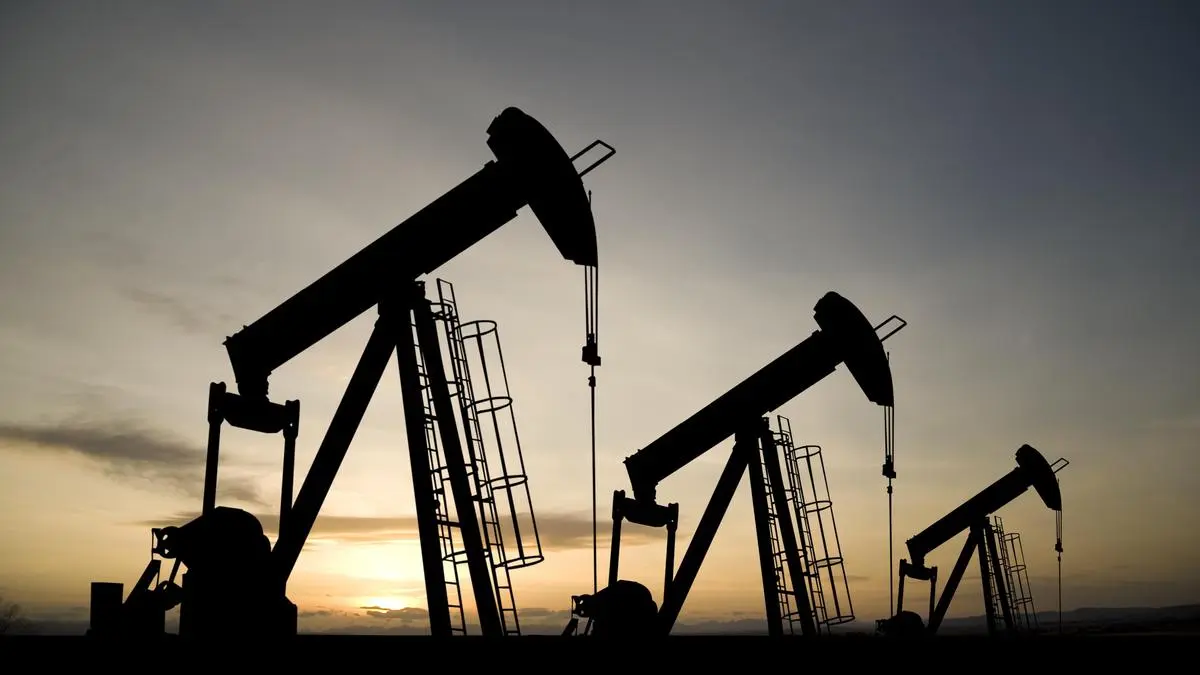
- The Government of India has significantly increased the Special Additional Excise Duty (SAED), commonly known as the windfall tax, on the export of diesel and Aviation Turbine Fuel (ATF).
- The move aims to ensure adequate domestic availability of fuel and curb the "windfall" profits earned by private refiners from high international oil prices triggered by the ongoing West Asia conflict.
- While duties on diesel and jet fuel have been raised, the export duty on petrol continues to remain at nil.
What is a Windfall Tax?
- It is a Special Additional Excise Duty (SAED) levied on the export of specific petroleum products.
- It was first introduced in July 2022 as a policy tool to respond to extraordinary global crude oil price spikes following geopolitical events.
- The tax rates are reviewed fortnightly based on the average international crude oil prices and product cracks (the price difference between crude oil and refined products) in the preceding two weeks.
Special Additional Excise Duty (SAED)
- The technical name for the levy imposed under the Central Excise Act.
- It serves as a regulatory tool to prevent domestic shortages when international price arbitrage becomes highly favorable for exporters.
Windfall Tax Hike Details
- Diesel Export Duty: Raised to ₹55.5 per litre from the previous rate of ₹21.5 per litre.
- ATF (Jet Fuel) Export Duty: Increased to ₹42 per litre, up from ₹29.5 per litre.
- Immediate Effect: The revised rates were implemented following a notification from the Ministry of Finance to align domestic levies with volatile global crude prices.
- Objective: The primary goal is to discourage private refiners from prioritizing exports over domestic supply during periods of global supply disruptions, specifically around the Strait of Hormuz.
Impact on the Energy Sector
- Stock Market Reaction: Shares of major oil marketing companies (OMCs) and refiners, including IOC, BPCL, HPCL, and Reliance Industries (RIL), witnessed a downward trend following the announcement.
- Refining Margins: Analysts anticipate a compression in Gross Refining Margins (GRMs) for private refiners like Reliance and Nayara Energy, as the higher tax eats into the profit spreads of exported fuels.
- Aviation Sector: The hike in ATF export duty, combined with rising domestic jet fuel prices, is expected to increase operating costs for airlines, potentially leading to higher airfares for travelers.
- Domestic Supply: By making exports less lucrative, the government expects a higher volume of refined products to stay within the Indian market, stabilizing local fuel stocks.
Sources
Cabinet Approves Startup India Fund of Funds 2.0

What’s the News?
- The Union Cabinet has approved the launch of the Startup India Fund of Funds 2.0 (FFS 2.0) to further strengthen the domestic startup ecosystem.
- The programme features a dedicated corpus of ₹10,000 crore to be utilized over the next few years.
- The initiative focuses on providing equity capital to early-stage startups through Alternative Investment Funds (AIFs), moving away from direct government investment to a market-linked model.
Startup India Fund of Funds 2.0
- Nature of the Fund: It operates as a Fund of Funds, which means it does not invest directly in startups. Instead, it contributes to the corpus of SEBI-registered Alternative Investment Funds (AIFs) . These AIFs, in turn, act as venture capital funds that invest in individual startups.
- Total Corpus and Timeline:
- The fund has a total corpus of ₹10,000 crore.
- The financial commitment will be spread across the 16th and 17th Finance Commission cycles.
- Implementation and Monitoring:
- The Small Industries Development Bank of India (SIDBI) will serve as the primary Implementation Agency (IA) .
- The scheme will also onboard an additional domestic implementation agency.
- A Venture Capital Investment Committee (VCIC) , comprising industry veterans, will screen and select eligible AIFs.
- An Empowered Committee (EC) will oversee the scheme's overall implementation and performance.
- Priority Focus Areas: While sector-agnostic, the fund will prioritize AIFs that support:
- Deep Tech Startups
- Technology-driven and Innovative Manufacturing Startups
- Early Growth-Stage Startups supported by smaller AIFs
- Governance and Compliance:
- Includes a co-investment framework allowing the government and institutional investors to co-invest under strict governance safeguards.
- Supported AIFs must invest in entities officially recognized as 'startups' by the DPIIT.
Additional Information
- Context and Background:
- FFS 1.0 (2016): The first iteration was launched under the Startup India Action Plan with a corpus of ₹10,000 crore, spread over the 14th and 15th Finance Commission cycles. It successfully catalyzed domestic venture capital and addressed early-stage funding gaps.
- Budget Announcement: The second phase (FoF 2.0) was initially sanctioned in the Union Budget 2025-26, underscoring the government's continued focus on fostering innovation and manufacturing.
- Definitions & Institutions:
- Alternative Investment Funds (AIFs): A privately pooled investment vehicle that collects funds from sophisticated investors for investing in accordance with a defined investment policy. They are regulated by the Securities and Exchange Board of India (SEBI) .
- DPIIT: The nodal department under the Ministry of Commerce and Industry responsible for formulating and implementing policies related to industrial development, including the startup ecosystem.
Sources
Supreme Court Defines Voting as a "Sentimental Right" for Indian-Born Citizens

What’s the News?
- The Supreme Court of India has observed that for individuals born in India, the right to remain on the electoral roll and exercise their franchise is a "sentimental right".
- The Bench emphasized that being part of the democratic process is deeply connected to an individual's identity and sense of belonging to the nation.
- The court's message to the Election Commission of India (ECI) highlights the need for caution when questioning the citizenship or voting status of individuals born within the country's territory.
Supreme Court's Key Observations and Rationale
- Voting as a Sentimental Right: The Court emphasized that the act of voting is the "biggest expression of nationality and patriotism" as it is the primary participatory process in a democratic setup.
- Rebuke of 'Logical Discrepancy' Criterion: The Court noted that the "logical discrepancy" category used for mass deletions was unique to West Bengal and was not applied in the SIR of other states like Bihar. It observed that the original SIR Standard Operating Procedure (SOP) did not contemplate scrutinizing voters whose names were already present in the 2002 electoral roll.
- Impact on Election Legitimacy: The Bench flagged a critical threshold for judicial intervention: if in a constituency, voter deletion is 10% but the victory margin is only 2%, the court will consider such cases. This underscores the potential for administrative actions to skew democratic outcomes.
- Directives Issued:
- No Interim Voting Rights: The Court refused to allow voters who were found eligible by appellate tribunals to vote immediately, insisting that the formal adjudication process must be completed first.
- Principle of Inclusion: It directed the 19 Appellate Tribunals to hear the pending 34 lakh appeals based on the principle of inclusion, ensuring that fairness prevails over statistical justifications.
- Security for Judicial Officers: The Court ordered the state and the Election Commission (EC) to ensure security for West Bengal judicial officers involved in the SIR scrutiny, stating that their cover shall not be withdrawn without prior Supreme Court permission.
Special Intensive Revision (SIR): Context & Concerns
- Objective: SIR was launched to "purify" electoral rolls by removing ineligible entries, duplications, and discrepancies through document verification and field checks .
- Implementation Challenge:
- Logical Discrepancy: A new, non-standardised category used to flag mismatches between enumeration forms and the 2002 electoral roll baseline, leading to mass exclusions without adequate personal hearings .
- Appellate Backlog: Over 34 lakh appeals filed before 19 tribunals, with each handling over one lakh cases, raising concerns about timely redressal before elections .
- Judicial Safeguard: The Court deployed judicial officers to oversee scrutiny in West Bengal to ensure due process, emphasising that administrative efficiency cannot override fundamental voting rights .
Constitutional & Legal Framework on Voting Rights
- Constitutional Provisions:
- Article 324: Empowers the Election Commission of India (ECI) with superintendence, direction, and control over electoral roll preparation and election conduct.
- Article 325: Prohibits exclusion from electoral rolls on grounds of religion, race, caste, or sex; mandates a single general roll per constituency.
- Article 326: Guarantees adult suffrage to all citizens aged 18+ unless disqualified by law .
- Supporting Legislation:
- Representation of the People Act, 1950: Governs voter eligibility, delimitation, and electoral roll preparation.
- Representation of the People Act, 1951: Regulates election conduct, disputes, and candidate qualifications.
- Registration of Electors Rules, 1960: Details procedures for claims, objections, and roll revisions.
Sources
Rise in Middle-Class Vulnerability in India

What’s the News?
- Recent economic assessments highlight a growing trend of middle-class vulnerability in India, despite the country’s high GDP growth rate.
- The analysis suggests that while the middle class is expanding in size, it is increasingly susceptible to economic shocks due to rising costs of living, high out-of-pocket expenditure (OOPE), and stagnant real wages.
- Experts point toward a "squeeze" where the middle-income group lacks the social safety nets provided to the poor while being unable to absorb the inflationary pressures faced by the wealthy.
Growing Economic Vulnerability?
- Income Stagnation: While nominal wages have risen, real wage growth (adjusted for inflation) for middle-management and formal sector workers has remained sluggish.
- Household Debt: There is a notable spike in household debt-to-GDP ratios, as families increasingly rely on personal loans and credit to fund education, healthcare, and housing.
- Savings Decline: Net household financial savings have hit a multi-decadal low as a percentage of GDP, reducing the financial buffer available to families for emergencies.
- The "Missing Middle" in Health: A significant portion of the middle class is not poor enough to qualify for Ayushman Bharat (PM-JAY) but lacks adequate private insurance, leading to "medical poverty" following major health crises.
Drivers of Vulnerability
- Educational Inflation: The soaring cost of private higher education and professional courses has led to a high dependency on education loans, impacting the long-term wealth accumulation of young professionals.
- Urban Cost of Living: High urban inflation, particularly in housing and transportation, is consuming a disproportionate share of disposable income.
- K-Shaped Recovery: Post-pandemic economic recovery has been uneven, where capital-intensive sectors and high-earners have thrived, while the labor-intensive sectors that employ the bulk of the middle class have faced slower growth.
- Job Insecurity: The rise of the gig economy and contract-based hiring in the formal sector has diminished the traditional "job security" associated with middle-class employment.
Inequality & Economic Fragility
- Wealth Concentration: Top 1% captures >22% of national income; ~275 billionaires hold wealth equivalent to ~¼ of national income .
- Human Development Constraints:
- Child wasting: ~18.7%; Child stunting: ~35% (NFHS-5)—long-term barriers to cognitive and physical productivity .
- Intergenerational transmission of vulnerability due to inadequate health and education access.
- Geoeconomic Risks: Global trade volatility and automation threaten to deepen inequality in emerging economies like India .
Policy Shift: From Poverty Reduction to Mobility
- Measurement Reform: Adopt spectrum-based well-being metrics (World Bank proposal) to capture vulnerability above poverty lines .
- Employment-Centric Growth:
- Revitalise labour-intensive manufacturing and MSMEs to absorb 12 million annual labour force entrants.
- Strengthen skill-development ecosystems aligned with market demand (e.g., Skill India, PLI schemes) .
- Social Security Expansion: Extend formal protections to informal workers via e-Shram portal integration and portable benefits .
- Wage-Productivity Linkage: Policy mechanisms to ensure fair sharing of productivity gains through real wage growth .
Additional Information
- Critique of Current Measurement: The 'Poverty Line Trap'
- The World Bank paper proposes a shift from a binary poverty line (poor vs. non-poor) to a "well-being spectrum."
- This new approach would measure "distance from a reasonable standard of living," providing a more nuanced picture of economic welfare and the size of the vulnerable population that current metrics obscure.
- Government Initiatives Acknowledged (and their Limitations):
- Last-Mile Welfare: Schemes providing subsidized food (under the National Food Security Act, 2013) and Direct Benefit Transfers (DBT) via the JAM Trinity (Jan Dhan, Aadhaar, Mobile) have been crucial in reducing extreme deprivation.
- Skill India & PLI Schemes: Initiatives like the Production Linked Incentive (PLI) schemes aim to boost manufacturing and create jobs, but their impact on mass employment is still nascent.
- e-Shram Portal: The creation of a national database of unorganized workers is a foundational step toward universal social security but has yet to translate into comprehensive coverage of benefits.
Sources
April 2026
Archive
October 2026
- 28 October 2026
- 27 October 2026
- 26 October 2026
- 24 October 2026
- 23 October 2026
- 22 October 2026
- 21 October 2026
- 20 October 2026
- 19 October 2026
- 17 October 2026
- 16 October 2026
- 15 October 2026
- 14 October 2026
- 13 October 2026
- 12 October 2026
- 10 October 2026
- 09 October 2026
- 08 October 2026
- 07 October 2026
- 06 October 2026
- 05 October 2026
- 03 October 2026
- 02 October 2026
- 01 October 2026
September 2026
- 30 September 2026
- 29 September 2026
- 28 September 2026
- 26 September 2026
- 25 September 2026
- 24 September 2026
- 23 September 2026
- 22 September 2026
- 21 September 2026
- 19 September 2026
- 18 September 2026
- 17 September 2026
- 16 September 2026
- 15 September 2026
- 12 September 2026
- 11 September 2026
- 10 September 2026
- 09 September 2026
- 08 September 2026
- 07 September 2026
- 05 September 2026
- 04 September 2026
- 03 September 2026
- 02 September 2026
- 01 September 2026
August 2026
- 31 August 2026
- 29 August 2026
- 27 August 2026
- 26 August 2026
- 25 August 2026
- 24 August 2026
- 22 August 2026
- 21 August 2026
- 20 August 2026
- 19 August 2026
- 18 August 2026
- 17 August 2026
- 14 August 2026
- 13 August 2026
- 12 August 2026
- 11 August 2026
- 10 August 2026
- 08 August 2026
- 07 August 2026
- 06 August 2026
- 05 August 2026
- 04 August 2026
- 03 August 2026
- 01 August 2026
July 2026
- 31 July 2026
- 30 July 2026
- 29 July 2026
- 28 July 2026
- 27 July 2026
- 25 July 2026
- 23 July 2026
- 22 July 2026
- 21 July 2026
- 20 July 2026
- 18 July 2026
- 17 July 2026
- 15 July 2026
- 14 July 2026
- 13 July 2026
- 11 July 2026
- 10 July 2026
- 09 July 2026
- 08 July 2026
- 07 July 2026
- 06 July 2026
- 04 July 2026
- 03 July 2026
- 02 July 2026
- 01 July 2026
June 2026
May 2026
April 2026
March 2026
- 31 March 2026
- 30 March 2026
- 28 March 2026
- 27 March 2026
- 26 March 2026
- 25 March 2026
- 24 March 2026
- 23 March 2026
- 21 March 2026
- 20 March 2026
- 19 March 2026
- 18 March 2026
- 17 March 2026
- 16 March 2026
- 14 March 2026
- 13 March 2026
- 12 March 2026
- 11 March 2026
- 10 March 2026
- 09 March 2026
- 07 March 2026
- 06 March 2026
- 05 March 2026
- 03 March 2026
- 02 March 2026
February 2026
- 28 February 2026
- 27 February 2026
- 26 February 2026
- 25 February 2026
- 24 February 2026
- 23 February 2026
- 21 February 2026
- 20 February 2026
- 19 February 2026
- 18 February 2026
- 17 February 2026
- 16 February 2026
- 13 February 2026
- 12 February 2026
- 11 February 2026
- 10 February 2026
- 09 February 2026
- 07 February 2026
- 06 February 2026
- 05 February 2026
- 04 February 2026
- 03 February 2026
- 02 February 2026
January 2026
- 31 January 2026
- 30 January 2026
- 29 January 2026
- 28 January 2026
- 27 January 2026
- 26 January 2026
- 24 January 2026
- 23 January 2026
- 22 January 2026
- 21 January 2026
- 20 January 2026
- 19 January 2026
- 16 January 2026
- 15 January 2026
- 14 January 2026
- 13 January 2026
- 12 January 2026
- 10 January 2026
- 09 January 2026
- 08 January 2026
- 07 January 2026
- 06 January 2026
- 05 January 2026
- 03 January 2026
- 02 January 2026
- 01 January 2026
December 2025
- 31 December 2025
- 30 December 2025
- 29 December 2025
- 27 December 2025
- 26 December 2025
- 24 December 2025
- 23 December 2025
- 22 December 2025
- 20 December 2025
- 19 December 2025
- 18 December 2025
- 17 December 2025
- 16 December 2025
- 15 December 2025
- 13 December 2025
- 12 December 2025
- 11 December 2025
- 10 December 2025
- 09 December 2025
- 08 December 2025
- 05 December 2025
- 04 December 2025
- 03 December 2025
- 02 December 2025
November 2025
- 29 November 2025
- 28 November 2025
- 27 November 2025
- 26 November 2025
- 25 November 2025
- 24 November 2025
- 22 November 2025
- 21 November 2025
- 20 November 2025
- 19 November 2025
- 18 November 2025
- 17 November 2025
- 15 November 2025
- 14 November 2025
- 13 November 2025
- 12 November 2025
- 11 November 2025
- 10 November 2025
- 08 November 2025
- 07 November 2025
- 06 November 2025
- 05 November 2025
- 04 November 2025
- 03 November 2025
- 01 November 2025
October 2025
- 31 October 2025
- 30 October 2025
- 29 October 2025
- 28 October 2025
- 27 October 2025
- 25 October 2025
- 24 October 2025
- 23 October 2025
- 22 October 2025
- 21 October 2025
- 20 October 2025
- 18 October 2025
- 17 October 2025
- 16 October 2025
- 15 October 2025
- 14 October 2025
- 13 October 2025
- 11 October 2025
- 10 October 2025
- 09 October 2025
- 08 October 2025
- 07 October 2025
- 06 October 2025
- 04 October 2025
- 03 October 2025
- 02 October 2025
- 01 October 2025
September 2025
- 30 September 2025
- 29 September 2025
- 27 September 2025
- 26 September 2025
- 25 September 2025
- 24 September 2025
- 23 September 2025
- 22 September 2025
- 20 September 2025
- 19 September 2025
- 18 September 2025
- 17 September 2025
- 16 September 2025
- 15 September 2025
- 13 September 2025
- 12 September 2025
- 11 September 2025
- 10 September 2025
- 09 September 2025
- 08 September 2025
- 06 September 2025
- 05 September 2025
- 04 September 2025
- 03 September 2025
- 02 September 2025
- 01 September 2025
August 2025
- 30 August 2025
- 29 August 2025
- 28 August 2025
- 27 August 2025
- 26 August 2025
- 25 August 2025
- 23 August 2025
- 22 August 2025
- 21 August 2025
- 20 August 2025
- 19 August 2025
- 18 August 2025
- 16 August 2025
- 14 August 2025
- 13 August 2025
- 12 August 2025
- 11 August 2025
- 08 August 2025
- 07 August 2025
- 06 August 2025
- 05 August 2025
- 04 August 2025
- 02 August 2025
- 01 August 2025
July 2025
- 31 July 2025
- 30 July 2025
- 29 July 2025
- 28 July 2025
- 26 July 2025
- 25 July 2025
- 24 July 2025
- 23 July 2025
- 22 July 2025
- 21 July 2025
- 19 July 2025
- 18 July 2025
- 17 July 2025
- 16 July 2025
- 15 July 2025
- 12 July 2025
- 11 July 2025
- 10 July 2025
- 09 July 2025
- 07 July 2025
- 05 July 2025
- 04 July 2025
- 03 July 2025
- 02 July 2025
- 01 July 2025
June 2025
- 30 June 2025
- 28 June 2025
- 27 June 2025
- 26 June 2025
- 25 June 2025
- 24 June 2025
- 23 June 2025
- 21 June 2025
- 20 June 2025
- 19 June 2025
- 18 June 2025
- 17 June 2025
- 16 June 2025
- 14 June 2025
- 13 June 2025
- 12 June 2025
- 11 June 2025
- 10 June 2025
- 09 June 2025
- 07 June 2025
- 06 June 2025
- 05 June 2025
- 04 June 2025
- 03 June 2025
- 02 June 2025
May 2025
April 2025
- 30 April 2025
- 29 April 2025
- 28 April 2025
- 26 April 2025
- 25 April 2025
- 24 April 2025
- 23 April 2025
- 22 April 2025
- 21 April 2025
- 19 April 2025
- 18 April 2025
- 17 April 2025
- 16 April 2025
- 15 April 2025
- 14 April 2025
- 12 April 2025
- 11 April 2025
- 10 April 2025
- 09 April 2025
- 08 April 2025
- 07 April 2025
- 05 April 2025
- 04 April 2025
- 03 April 2025
- 02 April 2025
- 01 April 2025
March 2025
- 31 March 2025
- 29 March 2025
- 28 March 2025
- 27 March 2025
- 26 March 2025
- 25 March 2025
- 24 March 2025
- 22 March 2025
- 21 March 2025
- 20 March 2025
- 19 March 2025
- 18 March 2025
- 17 March 2025
- 15 March 2025
- 13 March 2025
- 12 March 2025
- 11 March 2025
- 10 March 2025
- 08 March 2025
- 07 March 2025
- 06 March 2025
- 05 March 2025
- 04 March 2025
- 03 March 2025
- 01 March 2025
February 2025
- 28 February 2025
- 27 February 2025
- 26 February 2025
- 25 February 2025
- 24 February 2025
- 22 February 2025
- 21 February 2025
- 20 February 2025
- 19 February 2025
- 18 February 2025
- 17 February 2025
- 15 February 2025
- 14 February 2025
- 13 February 2025
- 12 February 2025
- 11 February 2025
- 10 February 2025
- 08 February 2025
- 07 February 2025
- 06 February 2025
- 05 February 2025
- 04 February 2025
- 03 February 2025
- 01 February 2025
January 2025
- 31 January 2025
- 30 January 2025
- 29 January 2025
- 28 January 2025
- 27 January 2025
- 25 January 2025
- 24 January 2025
- 23 January 2025
- 22 January 2025
- 21 January 2025
- 20 January 2025
- 18 January 2025
- 17 January 2025
- 16 January 2025
- 15 January 2025
- 14 January 2025
- 13 January 2025
- 11 January 2025
- 10 January 2025
- 09 January 2025
- 08 January 2025
- 07 January 2025
- 06 January 2025
- 04 January 2025
- 03 January 2025
- 02 January 2025
- 01 January 2025