
Current Affairs
Stay updated with the latest national and international events.
13 May 2026
Global Forest Goals Report 2026
What’s the News?
The United Nations launched The Global Forest Goals Report 2026, a comprehensive assessment of global progress toward the United Nations Strategic Plan for Forests 2017–2030 and its six Global Forest Goals (GFGs). The report, prepared by UN DESA and the UN Forum on Forests (UNFF) Secretariat, reveals that while some progress has been made, it is insufficient to meet the 2030 targets. Critically, global forest area declined by over 40 million hectares between 2015 and 2025, and current financing for sustainable forest management remains far below the estimated $300 billion needed annually.
Global Forest Goals (GFGs)?
- What are they? A set of six voluntary goals adopted in 2017 as part of the UN Strategic Plan for Forests 2017–2030, aiming to promote sustainable forest management, halt deforestation, and enhance forest-based economic, social, and environmental benefits.
- Key Objectives:
- Reverse the loss of forest cover worldwide.
- Enhance forest-based economic, social and environmental benefits.
- Increase significantly the area of protected forests and sustainably managed forests.
- Mobilize financial resources for sustainable forest management.
- Promote governance frameworks to implement sustainable forest management.
- Enhance cooperation and coordination on forest-related issues.
- The 2026 Assessment: The report evaluates progress against 26 targets under the six GFGs, based on voluntary national reports from 48 countries (representing 51% of global forest area) and the latest global data.
Key Findings
- Forest Cover Decline:
- Global forest area shrank from 4.18 billion hectares (2015) to 4.14 billion hectares (2025).
- Primary forest loss: Nearly 16 million hectares of primary forests were lost (2015–2025), with the largest decline in South America.
- Target Achievement Status:
- 7 targets broadly met (e.g., expansion of protected areas, forest monitoring systems).
- 17 targets partially achieved.
- 2 targets off track: reversing forest loss and eradicating extreme poverty for forest-dependent people.
- Major Drivers of Deforestation & Degradation:
- Agricultural Expansion: Remains the single largest driver globally.
- Fuelwood & Charcoal Demand: A newly identified critical driver, especially in sub-Saharan Africa and parts of Asia, linked to energy poverty.
- Climate Pressures: Intensifying droughts, wildfires, heatwaves, pests, and diseases.
- Restoration Gap:
- 91 countries pledged to restore 190 million hectares.
- Only 44 million hectares restored by 2025.
- Asia's performance: Highest restoration, with over 31 million hectares restored (42.2% of pledged area).
- Finance Gap:
- Forest finance reached a record $84 billion in 2023, but this is dwarfed by the estimated $300 billion annual need by 2030.
- Barriers include weak governance, insecure land tenure, illegal trade, and limited institutional capacity.
Relevance for India
- India's Forests: India's reported forest and tree cover stands at 25.17% of its geographical area (ISFR 2023). The nation emphasizes conservation through schemes like the National Afforestation Programme, Green India Mission, and commitments under the Paris Agreement (creating an additional carbon sink of 2.5-3 billion tonnes of CO2 equivalent).
- Global Commitments: India is a member of the UNFF and participates in initiatives like the Bonn Challenge (pledge to restore 26 million hectares of degraded land by 2030).
Additional Info
- UN Forum on Forests (UNFF):
- Established in 2000 as a subsidiary body of the UN Economic and Social Council (ECOSOC).
- Composed of all UN member states and specialized agencies.
- Mandate: Promote management, conservation, and sustainable development of all types of forests.
- UN Strategic Plan for Forests 2017-2030:
- Adopted by the UN General Assembly in 2017.
- Provides a global framework to sustainably manage all types of forests, halt deforestation, and increase forest area.
- Contains the 6 Global Forest Goals and 26 associated targets.
Sources
National Florence Nightingale Awards 2026
What’s the News?
President Droupadi Murmu conferred the National Florence Nightingale Awards for 2026 upon 15 nursing professionals at Rashtrapati Bhavan. The ceremony took place on the occasion of International Nurses Day, which is observed annually on May 12th to mark the birth anniversary of Florence Nightingale. The award, considered the highest national honor for nursing personnel in India, recognizes meritorious services, compassion, and dedication in patient care.
About the National Florence Nightingale Award
- Instituted By: The Ministry of Health and Family Welfare, Government of India, in 1973.
- Highest National Recognition: It is the apex honor for nursing professionals in the country.
- Categories of Awardees: The award is open to Registered Nurses, Auxiliary Nurse Midwives (ANMs), Registered Midwives, and Lady Health Visitors (LHVs).
- Sectors Covered: Nursing professionals working in Central Government, State Government, Union Territories, Private Institutions, Missionary Organizations, and Voluntary Organizations are eligible.
- Award Components: Each awardee receives:
- A Certificate of Merit
- A Medal
- A Cash Prize of ₹ 1,00,000 (₹ 1 Lakh)
Highlights of the 2026 Ceremony & Awardees
- Number of Awardees: 15 nursing professionals were recognized for the year 2026.
- Presidential Address: President Murmu described the occasion as a fitting tribute to nursing personnel who serve with compassion and unwavering dedication, often in challenging circumstances. She commended their devotion to duty and tireless efforts in upholding the highest standards of patient care.
- Presence of Officials: Union Minister for Health and Family Welfare Jagat Prakash Nadda, Ministers of State for Health Prataprao Jadhav, and other senior officials attended the event.
- Notable Awardees (Examples of Exemplary Service):
- Aysha Beebi K (Lakshadweep): Recognized for successfully conducting a critical midnight delivery on a remote island.
- Kulwinder Parhi (Ladakh): An Auxiliary Nurse Midwife honored for nearly three decades of dedicated service in the challenging high-altitude terrain of Ladakh.
- Dr. Sharwan Kumar Dhaka (Delhi): Acknowledged for his significant contributions to Covid-19 vaccination outreach and broader public health services.
- Major General Lissamma P.V. (Army Medical Services): Recognized for her distinguished contributions to military healthcare.
Eligibility & Selection Process
- Minimum Experience: A nominee must have a minimum of 10 years of professional experience in nursing.
- Selection Process:
- Nominations are invited through a prescribed application process and must be routed through the respective State/UT Health Department Selection Committee.
- The State/UT level committee, which includes representatives from bodies like the Trained Nurses Association of India (TNAI), screens and recommends candidates.
- The final selection is made by a Central Selection Committee constituted by the Indian Nursing Council (INC).
Additional Info
- Florence Nightingale (1820–1910):
- A British social reformer and statistician, considered the founder of modern nursing.
- Earned the nickname "The Lady with the Lamp" for her nightly rounds tending to wounded soldiers during the Crimean War (1853–1856).
- Pioneered the use of data visualization (the "Coxcomb" diagram) to advocate for sanitary reforms in hospitals.
- Established the Nightingale Training School at St. Thomas' Hospital in London in 1860, the first secular nursing school in the world.
- International Nurses Day:
- Observed annually on May 12th, the birth anniversary of Florence Nightingale, to honor the contributions of nurses worldwide.
Sources
India Hosts Kimberley Process Intersessional Meeting 2026 in Mumbai

What’s the News?
India, as the Chair of the Kimberley Process (KP) for 2026, inaugurated the KP Intersessional Meeting 2026 in Mumbai. The four-day meeting brings together representatives from governments, the global diamond industry, and civil society to discuss strengthening the Kimberley Process Certification Scheme (KPCS) and reinforcing ethical practices in the global diamond trade.
The Kimberley Process (KP) & KPCS
- What it is: A multi-stakeholder international initiative involving governments, the diamond industry, and civil society, created to eliminate the trade in conflict diamonds (rough diamonds used by rebel movements to finance wars against legitimate governments).
- Initiative Started: May 2000 in Kimberley, South Africa.
- Certification Scheme (KPCS) Formalized: Adopted in November 2002 and launched in January 2003, it acts as a government-validated passport for rough diamond shipments.
- Mandate: Implements strict tracking and certification for all rough diamond exports and imports to ensure they do not fund violence. It prohibits trade in rough diamonds between members and non-participants.
- Governance & Membership:
- The UN General Assembly Resolution 55/56 underpins the scheme.
- Currently includes 60 participants representing 86 countries, with the European Union participating as a single bloc.
- The Chairship is rotated annually among member states.
India's 2026 Chairship & the Intersessional Meeting
- India’s Chairship: India assumed the Chairship on January 1, 2026, for the third time, highlighting its central role in the global diamond industry.
- 2026 Theme: The theme is the "3Cs" — Credibility, Compliance, and Consumer Confidence — aiming to modernize the scheme and enhance trust.
- KP Intersessional Meeting 2026:
- Venue & Date: Mumbai.
- Key Focus Areas: Strengthening monitoring and compliance, enhancing consumer confidence, addressing challenges in artisanal and alluvial diamond production, and improving statistical systems.
- Modernization Push: Discussions include leveraging digital, tamper-proof certificates and blockchain-based traceability to reduce fraud in the supply chain.
- Stakeholders Present: The meeting includes senior officials from the Department of Commerce, KP participant nations, the World Diamond Council, the Civil Society Coalition, and industry bodies like the Gem and Jewellery Export Promotion Council (GJEPC).
Additional Info
- Conflict Diamonds (or Blood Diamonds):
- Rough diamonds mined in a war zone and sold to finance an insurgency, an invading army's war efforts, or a warlord's activity.
- The issue gained global prominence during the civil wars in Sierra Leone, Angola, and the Democratic Republic of Congo in the 1990s.
- KPCS Core Features:
- Tamper-Resistant Shipments: Every export of rough diamonds must be in a tamper-resistant container.
- Government-Validated Certificate: Accompanied by a certificate guaranteeing the diamonds are conflict-free.
- National Legislation: Member countries must enact laws to implement and enforce the KPCS.
Sources
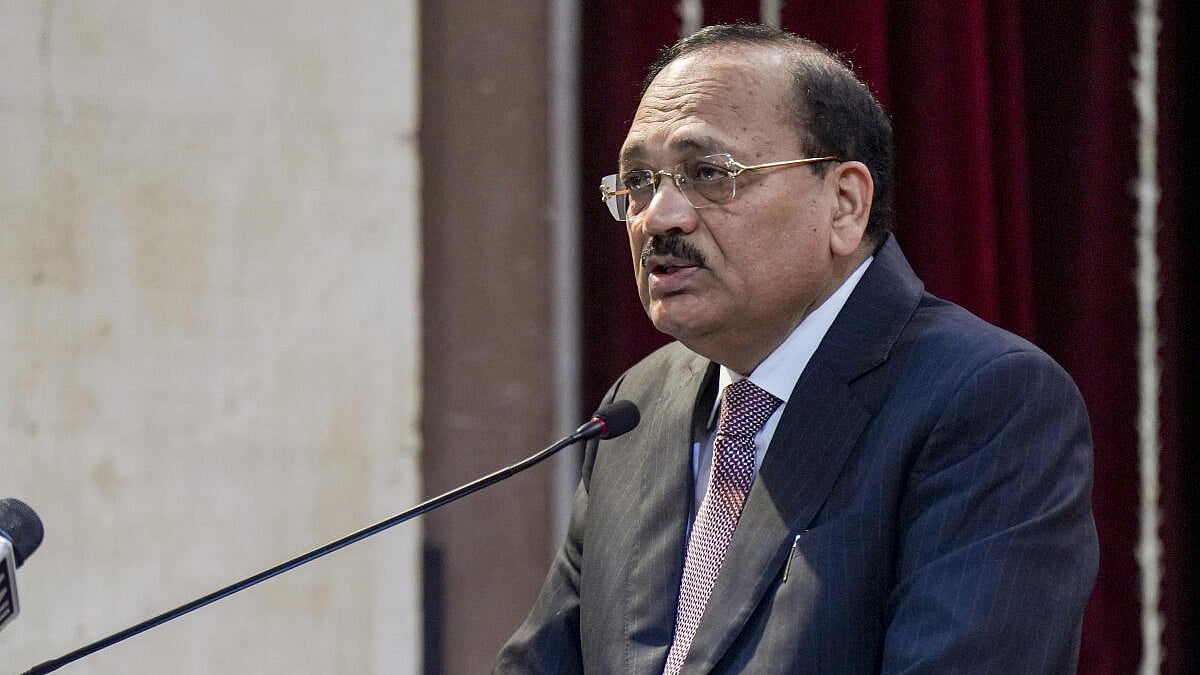
CJI Surya Kant Constitutes High-Powered Judicial Infrastructure Advisory Committee Headed by Justice Aravind Kumar
What's the News?
The Chief Justice of India (CJI), Justice Surya Kant, has constituted a high-powered 'Judicial Infrastructure Advisory Committee' to prepare a comprehensive blueprint for overhauling the physical and digital infrastructure of courts across India. The panel, chaired by Supreme Court Justice Aravind Kumar, is tasked with identifying systemic constraints and securing substantial government funding to modernize the judiciary. The committee will submit its report to the CJI, who will then coordinate with the Union and State Governments for implementation.
Judicial Infrastructure Advisory Committee: Mandate & Composition
- Purpose: To address chronic infrastructural deficiencies across all levels of the judiciary and ensure a unified infrastructural ecosystem on a pan-India basis. This includes preparing a roadmap for the 21st-century transformation of courts into modern, tech-enabled, and litigant-friendly spaces.
- Chairperson: Justice Aravind Kumar, Judge of the Supreme Court of India.
- Membership:
- Judicial Members: Justices Debangsu Basak (Calcutta High Court), Ashwani Kumar Mishra (Punjab and Haryana High Court), and Somasekhar Sundaresan (Bombay High Court).
- Administrative Members: The Director General of the Central Public Works Department (CPWD) and the Secretary General of the Supreme Court.
- Reporting Structure: The committee will submit its final report to the Chief Justice of India. Upon consideration, the CJI will take up the matter for financial backing and execution with the Government of India and respective State Governments.
Seven-Point Focus & Proposed Investment
The committee will concentrate on seven key areas to transform the judicial infrastructure:
- Identifying Systemic Constraints: Pinpointing bottlenecks in court processes and infrastructure that lead to inefficiencies and delays.
- Improving Facilities: Upgrading amenities for lawyers, litigants, and court staff to create a more functional and accessible environment.
- Technology Integration: Implementing cutting-edge technology to accelerate case disposal and improve judicial efficiency.
- E-Courts Expansion: Strengthening the e-Courts initiative to bridge the digital divide through robust virtual and hybrid hearing infrastructure.
- Modern Court Complexes: Designing and overseeing the construction of new court buildings that are accessible, sustainable, and technologically advanced.
- Financial Roadmap: The panel is expected to propose a massive investment plan, estimated at ₹40,000–₹50,000 crore, representing one of the largest single-project investments in India's judicial infrastructure history.
- Economic Coordination: The findings and specific funding requirements will be submitted to the Prime Minister's Economic Advisory Council (PM-EAC) for necessary financial approvals and integration into national economic planning.
Additional Info
- Indian Judiciary's Infrastructure Challenge:
- Case Backlog: India faces a colossal case backlog, with over 5 crore cases pending across various levels of the judiciary, a significant portion of which are in district courts.
- Infrastructure Deficits: Many court complexes across the country suffer from inadequate courtrooms, lack of basic facilities (like waiting areas, washrooms, and record rooms), and limited technological infrastructure, hampering both judicial efficiency and the dignity of litigants.
- Related Initiatives:
- e-Courts Mission Mode Project: A flagship initiative of the Government of India to digitize court processes, enable online case filing and management, and facilitate virtual hearings. The third phase (e-Courts III) aims to create a unified technology platform with a budget of ₹7,210 crore.
- Centrally Sponsored Scheme (CSS) for Judicial Infrastructure: The Central Government provides financial assistance to State Governments/UT Administrations for the construction of court buildings and residential accommodations for judicial officers under this scheme, sharing costs in a defined ratio with states.
Sources
Cabinet Approves ₹37,500 Crore Scheme for Coal and Lignite Gasification Projects
What's the News?
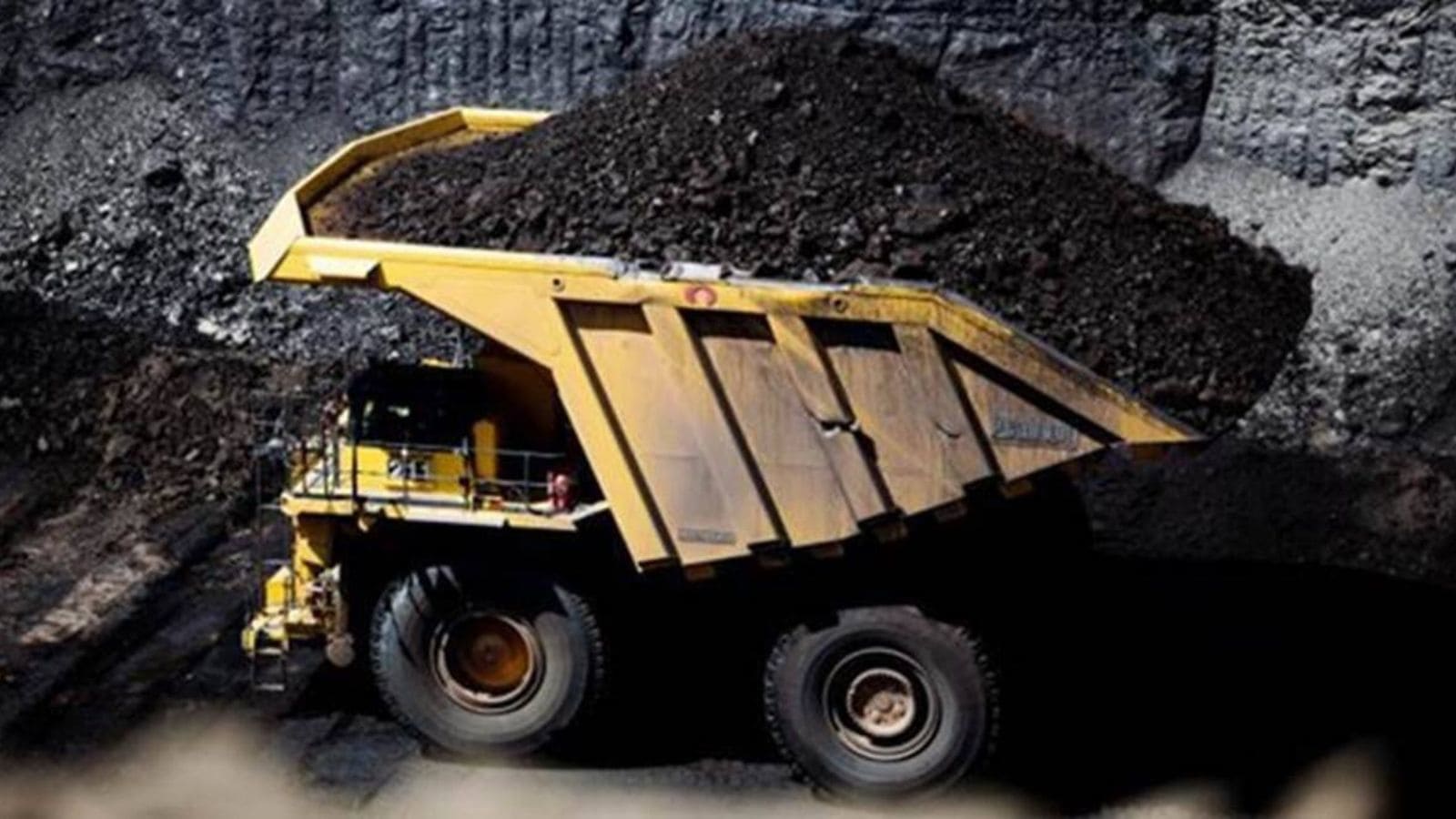
The Union Cabinet, chaired by the Prime Minister, approved the Scheme for Promotion of Surface Coal/Lignite Gasification Projects with a financial outlay of ₹37,500 crore. The initiative aims to accelerate India's coal gasification programme, supporting the national target of gasifying 100 million tonnes (MT) of coal by 2030 to strengthen energy security and reduce import dependence.
Scheme for Promotion of Surface Coal/Lignite Gasification Projects
- Objective: To incentivize new surface coal and lignite gasification projects for the production of synthesis gas (syngas) and its downstream products, targeting the gasification of approximately 75 MT of coal/lignite.
- Financial Outlay & Incentives:
- Total scheme outlay is ₹37,500 crore.
- Financial incentive capped at 20% of the plant and machinery cost.
- Incentive limits: ₹5,000 crore per project, ₹9,000 crore per product (excluding synthetic natural gas and urea), and ₹12,000 crore per entity group.
- Incentives are milestone-linked, disbursed in four equal installments.
- Project Selection: Projects will be selected through a competitive bidding process, with evaluation benchmarks on project cost, coal input, and syngas output.
- Policy Framework:
- The scheme is technology-agnostic but encourages indigenous technologies.
- Coal linkage tenure for this sub-sector has been extended to 30 years under the Non-Regulated Sector (NRS) linkage auction framework.
- Expected Benefits:
- Mobilization of investments worth ₹2.5 lakh crore to ₹3 lakh crore.
- Generation of approximately 50,000 direct and indirect jobs across 25 projects in coal-bearing regions.
- Annual revenue of approximately ₹6,300 crore from utilizing 75 MT of coal/lignite, plus GST and other levies.
Additional Info
- Coal Gasification: A thermo-chemical process converting solid coal or lignite into synthesis gas (syngas), a mixture primarily of carbon monoxide and hydrogen. Syngas serves as a versatile intermediate for producing chemicals, fertilizers (urea), fuels, and industrial gases.
- India's Coal Reserves: India possesses one of the world's largest coal reserves (~401 billion tonnes) and lignite reserves (~47 billion tonnes). Coal accounts for over 55% of the country's energy mix.
- National Coal Gasification Mission: Launched in 2021, the mission set the 100 MT coal gasification target by 2030. This new scheme builds upon an earlier ₹8,500 crore scheme approved in January 2024, under which eight projects are already under implementation.
Sources
Maize Emerges as India's Single-Largest Ethanol Feedstock, Surpassing Sugarcane

What's the News?
According to data from the All India Distillers' Association (AIDA), maize has overtaken sugarcane-based sources to become India's largest feedstock for ethanol production. In the first half of the Ethanol Supply Year (ESY) 2025-26 (November 2025 to April 2026), cumulative ethanol supplies crossed 515 crore litres, with maize alone contributing 182 crore litres. This marks a significant structural shift in the country's biofuel landscape, driven by supportive government policies and the crop's inherent advantages.
What is the Feedstock Shift?
- Dominance of Maize: Maize-based ethanol, at 182 crore litres, surpassed the 182 crore litres supplied by all sugarcane-based distilleries combined (which includes sugarcane juice, B-heavy, and C-heavy molasses).
- Grain-Based Growth Engine: Overall, grain-based distilleries contributed approximately 333 crore litres, with damaged food grains (DFG) and surplus rice also playing a role.
- Performance Against Targets: The total supply of 515 crore litres represents nearly 49% of the total contracted volume of 1,059 crore litres for the full ESY, achieved within the first six months.
Why the Shift to Maize?
- Water Efficiency: A key driver is maize's significantly lower water requirement compared to sugarcane, making it a more sustainable option for water-stressed regions.
- Year-Round Availability: Unlike sugarcane, which is a seasonal crop, maize can be cultivated across multiple seasons in various parts of India, ensuring a steadier supply for distilleries.
- Policy Push: The shift was accelerated around 2023 when the government, responding to lower sugarcane output, restricted the use of sugarcane for ethanol and actively encouraged maize-based production. This was complemented by Oil Marketing Companies (OMCs) increasing procurement prices for maize-based ethanol.
Ethanol Blending Programme (EBP) & E20 Target
- Objective: The Ethanol Blended Petrol (EBP) Programme aims to blend ethanol with petrol to reduce India's crude oil import dependence, lower carbon emissions, and support the agricultural sector.
- E20 Target: The government has advanced its target of achieving 20% ethanol blending (E20) in petrol to 2025-26.
- Energy Security: Achieving higher blending rates diversifies the fuel mix and insulates the economy from global oil price volatility. The programme is recognized as one of the fastest-growing biofuel success stories globally.
Additional Info
- Ethanol Supply Year (ESY): In India, the ESY runs from November to October, aligned with the sugar crushing season and crop cycles.
- Key Feedstocks:
- Sugarcane-based: Includes Sugarcane Juice (SCJ), B-heavy Molasses (BHM), and C-heavy Molasses (CHM).
- Grain-based: Primarily maize, damaged food grains (DFG), and surplus rice (SFG).
- All India Distillers' Association (AIDA): The apex industry body representing ethanol producers and distillers in India, which compiles and releases supply data.
- State-Level Initiatives: To meet the growing demand from the ethanol industry, the Uttar Pradesh government has set an ambitious target to expand maize cultivation to 11.3 lakh hectares in the 2026-27 season.
- Next-Generation Biofuels: The ethanol sector is looking beyond petrol blending towards future applications, including flex-fuel vehicles (FFVs), Sustainable Aviation Fuel (SAF), and ethanol use as a diesel substitute, requiring continued policy support.
Sources
May 2026
Archive
October 2026
- 28 October 2026
- 27 October 2026
- 26 October 2026
- 24 October 2026
- 23 October 2026
- 22 October 2026
- 21 October 2026
- 20 October 2026
- 19 October 2026
- 17 October 2026
- 16 October 2026
- 15 October 2026
- 14 October 2026
- 13 October 2026
- 12 October 2026
- 10 October 2026
- 09 October 2026
- 08 October 2026
- 07 October 2026
- 06 October 2026
- 05 October 2026
- 03 October 2026
- 02 October 2026
- 01 October 2026
September 2026
- 30 September 2026
- 29 September 2026
- 28 September 2026
- 26 September 2026
- 25 September 2026
- 24 September 2026
- 23 September 2026
- 22 September 2026
- 21 September 2026
- 19 September 2026
- 18 September 2026
- 17 September 2026
- 16 September 2026
- 15 September 2026
- 12 September 2026
- 11 September 2026
- 10 September 2026
- 09 September 2026
- 08 September 2026
- 07 September 2026
- 05 September 2026
- 04 September 2026
- 03 September 2026
- 02 September 2026
- 01 September 2026
August 2026
- 31 August 2026
- 29 August 2026
- 27 August 2026
- 26 August 2026
- 25 August 2026
- 24 August 2026
- 22 August 2026
- 21 August 2026
- 20 August 2026
- 19 August 2026
- 18 August 2026
- 17 August 2026
- 14 August 2026
- 13 August 2026
- 12 August 2026
- 11 August 2026
- 10 August 2026
- 08 August 2026
- 07 August 2026
- 06 August 2026
- 05 August 2026
- 04 August 2026
- 03 August 2026
- 01 August 2026
July 2026
- 31 July 2026
- 30 July 2026
- 29 July 2026
- 28 July 2026
- 27 July 2026
- 25 July 2026
- 23 July 2026
- 22 July 2026
- 21 July 2026
- 20 July 2026
- 18 July 2026
- 17 July 2026
- 15 July 2026
- 14 July 2026
- 13 July 2026
- 11 July 2026
- 10 July 2026
- 09 July 2026
- 08 July 2026
- 07 July 2026
- 06 July 2026
- 04 July 2026
- 03 July 2026
- 02 July 2026
- 01 July 2026
June 2026
May 2026
April 2026
March 2026
- 31 March 2026
- 30 March 2026
- 28 March 2026
- 27 March 2026
- 26 March 2026
- 25 March 2026
- 24 March 2026
- 23 March 2026
- 21 March 2026
- 20 March 2026
- 19 March 2026
- 18 March 2026
- 17 March 2026
- 16 March 2026
- 14 March 2026
- 13 March 2026
- 12 March 2026
- 11 March 2026
- 10 March 2026
- 09 March 2026
- 07 March 2026
- 06 March 2026
- 05 March 2026
- 03 March 2026
- 02 March 2026
February 2026
- 28 February 2026
- 27 February 2026
- 26 February 2026
- 25 February 2026
- 24 February 2026
- 23 February 2026
- 21 February 2026
- 20 February 2026
- 19 February 2026
- 18 February 2026
- 17 February 2026
- 16 February 2026
- 13 February 2026
- 12 February 2026
- 11 February 2026
- 10 February 2026
- 09 February 2026
- 07 February 2026
- 06 February 2026
- 05 February 2026
- 04 February 2026
- 03 February 2026
- 02 February 2026
January 2026
- 31 January 2026
- 30 January 2026
- 29 January 2026
- 28 January 2026
- 27 January 2026
- 26 January 2026
- 24 January 2026
- 23 January 2026
- 22 January 2026
- 21 January 2026
- 20 January 2026
- 19 January 2026
- 16 January 2026
- 15 January 2026
- 14 January 2026
- 13 January 2026
- 12 January 2026
- 10 January 2026
- 09 January 2026
- 08 January 2026
- 07 January 2026
- 06 January 2026
- 05 January 2026
- 03 January 2026
- 02 January 2026
- 01 January 2026
December 2025
- 31 December 2025
- 30 December 2025
- 29 December 2025
- 27 December 2025
- 26 December 2025
- 24 December 2025
- 23 December 2025
- 22 December 2025
- 20 December 2025
- 19 December 2025
- 18 December 2025
- 17 December 2025
- 16 December 2025
- 15 December 2025
- 13 December 2025
- 12 December 2025
- 11 December 2025
- 10 December 2025
- 09 December 2025
- 08 December 2025
- 05 December 2025
- 04 December 2025
- 03 December 2025
- 02 December 2025
November 2025
- 29 November 2025
- 28 November 2025
- 27 November 2025
- 26 November 2025
- 25 November 2025
- 24 November 2025
- 22 November 2025
- 21 November 2025
- 20 November 2025
- 19 November 2025
- 18 November 2025
- 17 November 2025
- 15 November 2025
- 14 November 2025
- 13 November 2025
- 12 November 2025
- 11 November 2025
- 10 November 2025
- 08 November 2025
- 07 November 2025
- 06 November 2025
- 05 November 2025
- 04 November 2025
- 03 November 2025
- 01 November 2025
October 2025
- 31 October 2025
- 30 October 2025
- 29 October 2025
- 28 October 2025
- 27 October 2025
- 25 October 2025
- 24 October 2025
- 23 October 2025
- 22 October 2025
- 21 October 2025
- 20 October 2025
- 18 October 2025
- 17 October 2025
- 16 October 2025
- 15 October 2025
- 14 October 2025
- 13 October 2025
- 11 October 2025
- 10 October 2025
- 09 October 2025
- 08 October 2025
- 07 October 2025
- 06 October 2025
- 04 October 2025
- 03 October 2025
- 02 October 2025
- 01 October 2025
September 2025
- 30 September 2025
- 29 September 2025
- 27 September 2025
- 26 September 2025
- 25 September 2025
- 24 September 2025
- 23 September 2025
- 22 September 2025
- 20 September 2025
- 19 September 2025
- 18 September 2025
- 17 September 2025
- 16 September 2025
- 15 September 2025
- 13 September 2025
- 12 September 2025
- 11 September 2025
- 10 September 2025
- 09 September 2025
- 08 September 2025
- 06 September 2025
- 05 September 2025
- 04 September 2025
- 03 September 2025
- 02 September 2025
- 01 September 2025
August 2025
- 30 August 2025
- 29 August 2025
- 28 August 2025
- 27 August 2025
- 26 August 2025
- 25 August 2025
- 23 August 2025
- 22 August 2025
- 21 August 2025
- 20 August 2025
- 19 August 2025
- 18 August 2025
- 16 August 2025
- 14 August 2025
- 13 August 2025
- 12 August 2025
- 11 August 2025
- 08 August 2025
- 07 August 2025
- 06 August 2025
- 05 August 2025
- 04 August 2025
- 02 August 2025
- 01 August 2025
July 2025
- 31 July 2025
- 30 July 2025
- 29 July 2025
- 28 July 2025
- 26 July 2025
- 25 July 2025
- 24 July 2025
- 23 July 2025
- 22 July 2025
- 21 July 2025
- 19 July 2025
- 18 July 2025
- 17 July 2025
- 16 July 2025
- 15 July 2025
- 12 July 2025
- 11 July 2025
- 10 July 2025
- 09 July 2025
- 07 July 2025
- 05 July 2025
- 04 July 2025
- 03 July 2025
- 02 July 2025
- 01 July 2025
June 2025
- 30 June 2025
- 28 June 2025
- 27 June 2025
- 26 June 2025
- 25 June 2025
- 24 June 2025
- 23 June 2025
- 21 June 2025
- 20 June 2025
- 19 June 2025
- 18 June 2025
- 17 June 2025
- 16 June 2025
- 14 June 2025
- 13 June 2025
- 12 June 2025
- 11 June 2025
- 10 June 2025
- 09 June 2025
- 07 June 2025
- 06 June 2025
- 05 June 2025
- 04 June 2025
- 03 June 2025
- 02 June 2025
May 2025
April 2025
- 30 April 2025
- 29 April 2025
- 28 April 2025
- 26 April 2025
- 25 April 2025
- 24 April 2025
- 23 April 2025
- 22 April 2025
- 21 April 2025
- 19 April 2025
- 18 April 2025
- 17 April 2025
- 16 April 2025
- 15 April 2025
- 14 April 2025
- 12 April 2025
- 11 April 2025
- 10 April 2025
- 09 April 2025
- 08 April 2025
- 07 April 2025
- 05 April 2025
- 04 April 2025
- 03 April 2025
- 02 April 2025
- 01 April 2025
March 2025
- 31 March 2025
- 29 March 2025
- 28 March 2025
- 27 March 2025
- 26 March 2025
- 25 March 2025
- 24 March 2025
- 22 March 2025
- 21 March 2025
- 20 March 2025
- 19 March 2025
- 18 March 2025
- 17 March 2025
- 15 March 2025
- 13 March 2025
- 12 March 2025
- 11 March 2025
- 10 March 2025
- 08 March 2025
- 07 March 2025
- 06 March 2025
- 05 March 2025
- 04 March 2025
- 03 March 2025
- 01 March 2025
February 2025
- 28 February 2025
- 27 February 2025
- 26 February 2025
- 25 February 2025
- 24 February 2025
- 22 February 2025
- 21 February 2025
- 20 February 2025
- 19 February 2025
- 18 February 2025
- 17 February 2025
- 15 February 2025
- 14 February 2025
- 13 February 2025
- 12 February 2025
- 11 February 2025
- 10 February 2025
- 08 February 2025
- 07 February 2025
- 06 February 2025
- 05 February 2025
- 04 February 2025
- 03 February 2025
- 01 February 2025
January 2025
- 31 January 2025
- 30 January 2025
- 29 January 2025
- 28 January 2025
- 27 January 2025
- 25 January 2025
- 24 January 2025
- 23 January 2025
- 22 January 2025
- 21 January 2025
- 20 January 2025
- 18 January 2025
- 17 January 2025
- 16 January 2025
- 15 January 2025
- 14 January 2025
- 13 January 2025
- 11 January 2025
- 10 January 2025
- 09 January 2025
- 08 January 2025
- 07 January 2025
- 06 January 2025
- 04 January 2025
- 03 January 2025
- 02 January 2025
- 01 January 2025