
Current Affairs
Stay updated with the latest national and international events.
13 March 2025
India's Infrastructure Milestones: Second-Longest Road Network and Third-Largest Metro Network
India has achieved remarkable progress in infrastructure development, as highlighted by Union Home Minister Amit Shah during the inauguration of various developmental projects in Gujarat. The country now boasts the world's second-longest road network and the third-largest metro network.

Road Network:
- India has the second-longest road network globally, a testament to the rapid expansion of highways and rural roads.
- The national highway network has grown by 60% in the last decade, with 36.5 km of highways constructed daily.
- This development has significantly improved connectivity and boosted economic activities across the country.
Metro Network:
- India has the third-largest metro network, with 1,011 km of operational metro lines across 23 cities.
- An additional 979 km of metro lines are under construction, aiming to expand the network to 29 cities.
- The metro system has become a vital mode of urban transportation, reducing traffic congestion and promoting sustainable mobility.
Development Projects in Gujarat:
- Amit Shah inaugurated projects worth ₹146 crore in Gandhinagar, including a 500-bed hospital and infrastructure improvements.
- Gujarat has emerged as a leader in infrastructure, hosting the world's largest green energy park and Asia's largest green city.
Additional Information:
National Highways Authority of India (NHAI)
- Established: 1988, operationalized in 1995.
- Statutory Body: Under the National Highways Authority of India Act, 1988.
- Ministry: Ministry of Road Transport and Highways.
- Purpose: Development, maintenance, and management of National Highways.
Key Functions:
- Implementation of the National Highways Development Project (NHDP).
- Construction of expressways.
- Collection of toll taxes.
- Public-Private Partnerships (PPPs) in highway development.
Metro Rail Systems in India:
- First Metro: Kolkata Metro (1984).
- Rapid Transit System: Designed to reduce urban traffic congestion.
- Ministry: Ministry of Housing and Urban Affairs.
- Key Features:
- Electric-powered, rapid transit.
- Elevated, underground, and at-grade sections.
- Focus on last-mile connectivity.
- Integration with other public transport.
- Major Metro Projects:
- Delhi Metro: One of the largest metro networks in the world.
- Mumbai Metro.
- Bengaluru Metro (Namma Metro).
- Chennai Metro.
- Lucknow Metro.
- Ahmedabad Metro.
- Pune Metro.
- Recent Developments:
- Expansion of existing metro networks.
- Introduction of MetroLite and MetroNeo for smaller cities.
- Emphasis on indigenous technology and manufacturing.
- Implementation of National Common Mobility Card (NCMC) for seamless travel.
India's Forest and Tree Cover: A Growing Green Legacy
India has made significant strides in environmental conservation, with its forest and tree cover now spanning 25.17% of the country's geographical area. This achievement reflects the nation's commitment to sustainable development and ecological balance.

Forest and Tree Cover Expansion:
- According to the India State of Forest Report (ISFR) 2023, the total forest and tree cover has increased to 827,357 square kilometers.
- This marks a positive trend from previous assessments, showcasing India's efforts in afforestation and forest conservation.
Government Initiatives:
- Programs like the National Mission for a Green India (GIM), Development of Wildlife Habitats (DWH), and Nagar Van Yojana (NVY) have been instrumental in promoting afforestation.
- The Compensatory Afforestation Fund Management and Planning Authority (CAMPA) focuses on ecological restoration and rehabilitation of degraded forest areas.
- Substantial funds have been allocated, including ₹38,502.21 crore under CAMPA for various conservation initiatives.
State-Level Efforts:
- States and Union Territories have been actively involved in afforestation activities, supported by financial and technical assistance from the central government.
- Measures include surveying and demarcation of forest areas, installation of boundary pillars, and regular patrolling to prevent encroachment.
Additional Information:
India State of Forest Report (ISFR):
- Published By: Forest Survey of India (FSI), Dehradun.
- Frequency: Biennial assessments since 1987.
- Purpose: To monitor and evaluate the country's forest resources using satellite data and field information.
National Mission for a Green India (GIM)
- Part of: National Action Plan on Climate Change (NAPCC).
- Ministry: Ministry of Environment, Forest and Climate Change (MoEFCC).
- Objective: Enhancing India's forest cover and responding to climate change by a combination of adaptation and mitigation measures.
Key Goals:
- Increase forest/tree cover on 5 million hectares (mha) of forest lands.
- Improve quality of forest/tree cover on an additional 5 mha of non-forest lands.
- Improve ecosystem services including biodiversity, hydrological services and carbon sequestration.
- Increase forest based livelihood income of about 3 million households.
Focus Areas:
-
Degraded forest landscapes.
-
Urban and peri-urban areas.
-
River catchments.
-
Mangroves and coastal ecosystems.
-
Grasslands.
-
Implementation: Decentralized approach with involvement of local communities.
-
Emphasis: Sustainable forest management, biodiversity conservation, and community participation.
Compensatory Afforestation Fund Management and Planning Authority (CAMPA)
- Purpose: Manage funds collected for compensatory afforestation.
- Legal Basis: Compensatory Afforestation Fund Act, 2016.
- Ministry: Ministry of Environment, Forest and Climate Change (MoEFCC).
Fund Utilization:
- Compensatory afforestation.
- Net Present Value (NPV) of diverted forest land.
- Other forest conservation activities.
Key Features:
-
National CAMPA and State CAMPA.
-
Transparent and efficient utilization of funds.
-
Focus on improving forest cover and biodiversity.
-
Objective: To mitigate the impact of forest land diversion for non-forest purposes.
-
Importance: Ensures that development projects that require forest land diversion are balanced with ecological conservation.
India's Solar Revolution: PM Surya Ghar Achieves Milestone of 10 Lakh Installations
India's ambitious PM Surya Ghar: Muft Bijli Yojana (PMSGMBY) has reached a significant milestone, with 10 lakh homes now equipped with rooftop solar systems. Launched in February 2024, this initiative is transforming the nation's energy landscape by promoting renewable energy adoption.

Scheme Overview:
- The scheme aims to provide free electricity through subsidized rooftop solar installations.
- It targets 1 crore households by 2026-27, with 47.3 lakh applications already received.
- Subsidies worth ₹4,770 crore have been disbursed to over 6.13 lakh beneficiaries.
Financial Support:
- Offers collateral-free loans up to ₹2 lakh at a subsidized interest rate of 6.75% through 12 public sector banks.
- Subsidies of up to ₹78,000 are provided for installations up to 3 kW.
Environmental Impact:
- Each solar installation offsets carbon emissions equivalent to planting 100 trees.
- The scheme is expected to save the government ₹75,000 crore annually in electricity costs.
State-Level Achievements:
- States like Gujarat, Rajasthan, Maharashtra, and Tamil Nadu have shown remarkable progress.
- Chandigarh and Daman & Diu have achieved 100% rooftop solar targets for government buildings.
Additional Information:
Ministry of New and Renewable Energy (MNRE)
- Purpose: To develop and deploy new and renewable energy for supplementing the energy requirements of India.
- Focus: Solar, wind, bioenergy, small hydro, and other renewable sources.
Key Objectives:
- Achieving energy security.
- Reducing dependence on fossil fuels.
- Mitigating climate change.
- Creating sustainable energy solutions.
Major Initiatives:
-
National Solar Mission (NSM).
-
National Wind-Solar Hybrid Policy.
-
Pradhan Mantri Kisan Urja Suraksha evam Utthaan Mahabhiyan (PM-KUSUM).
-
Promotion of bioenergy through the National Bioenergy Programme.
-
Emphasis on decentralized renewable energy solutions.
-
Role: Policy formulation, program implementation, research and development, and international cooperation.
Solar Energy in India:
- Installed Capacity: India is among the top countries in solar energy production, with a target of achieving 280 GW of solar capacity by 2030.
- Significance: Solar energy plays a crucial role in reducing dependence on fossil fuels and combating climate change.
- Key Programs:
- National Solar Mission (NSM): Aims to increase solar power capacity.
- PM-KUSUM: Solarizing agricultural pumps and setting up solar power plants by farmers.
- Rooftop solar programs.
- Types of Solar Energy:
- Photovoltaic (PV) cells for electricity generation.
- Solar thermal for heating and other applications.
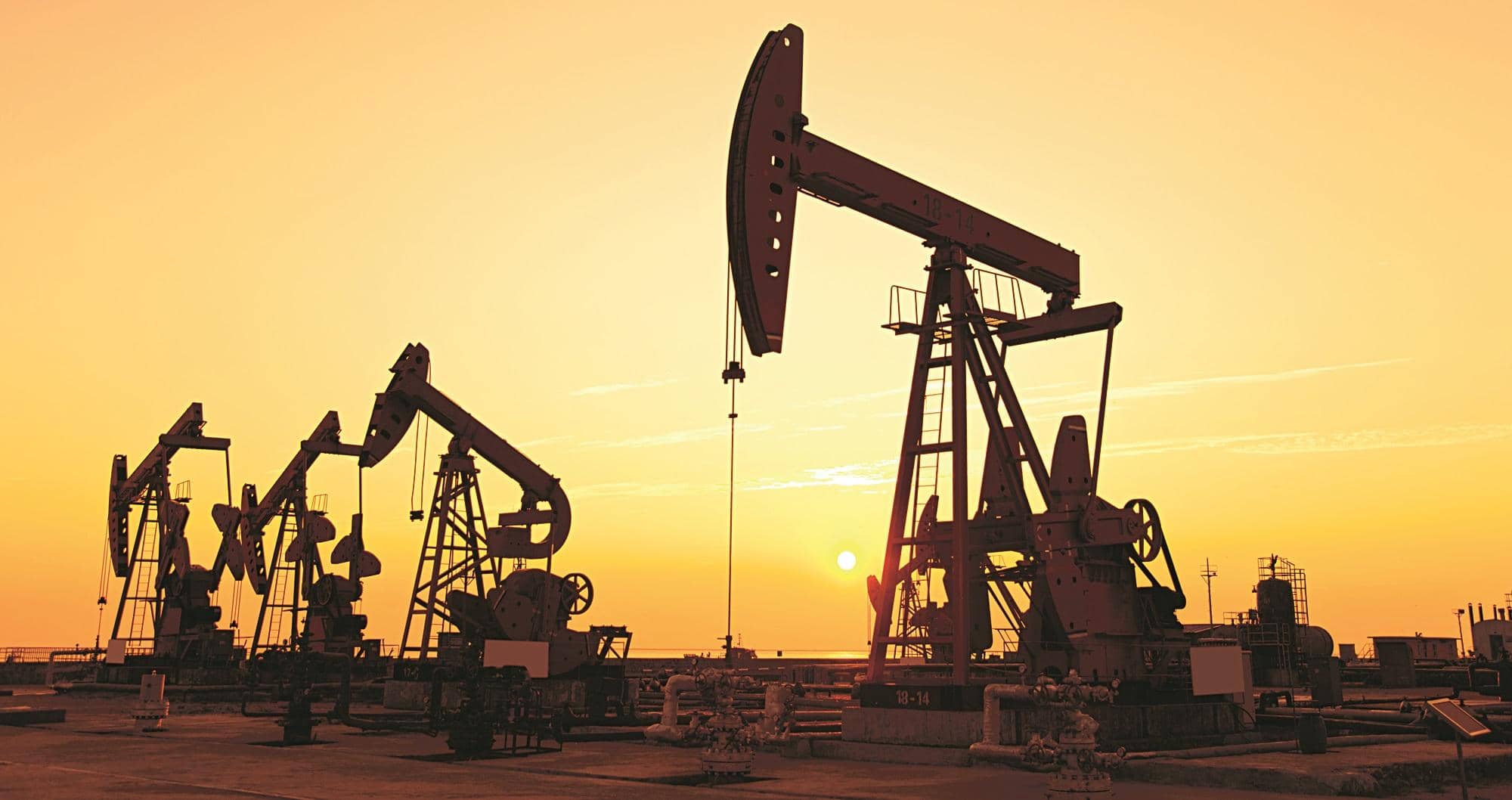
Oilfield Regulatory and Development Amendment Bill 2024: A Step Towards Energy Reform
The Lok Sabha has passed the Oilfield (Regulatory and Development) Amendment Bill, 2024, marking a significant milestone in India's energy sector. This bill aims to modernize the regulatory framework, attract investments, and boost oil and gas exploration and production.
Simplified Regulatory Framework:
- The bill introduces a single permit system called petroleum leases, replacing the need for multiple licenses for different hydrocarbon activities.
- It delinks mining operations from petroleum operations, addressing long-standing inefficiencies.
Ease of Doing Business:
- Focuses on reducing regulatory burdens and promoting collaboration between the government and contractors.
- Provides a stable and predictable legal framework to attract global investors.
Technological Advancements:
- Encourages the adoption of new technologies like Carbon Capture Utilization and Storage (CCUS) and green hydrogen.
- Facilitates the development of comprehensive energy projects.
Support for Small Operators:
- Enables resource and infrastructure sharing among operators to improve the viability of smaller oil blocks.
Enhanced Penalties and Dispute Resolution:
- Introduces higher penalties for non-compliance, up to ₹25 lakh and ₹10 lakh per day for continuing infractions.
- Establishes an adjudication authority and an appellate mechanism for efficient dispute resolution.
Cooperative Federalism:
- Ensures that states retain their rights to grant petroleum leases and collect royalties.
Additional Information:
Ministry of Petroleum and Natural Gas (MoPNG)
- Established: 1947
- Purpose: Responsible for the exploration, production, refining, distribution, marketing, and import/export of petroleum, natural gas, and petrochemicals.
Key Objectives:
- Ensuring energy security for India.
- Promoting investment in the oil and gas sector.
- Developing infrastructure for the petroleum and natural gas industry.
- Encouraging the use of cleaner fuels.
- Increasing domestic production.
Major Initiatives:
-
Hydrocarbon Exploration and Licensing Policy (HELP).
-
Pradhan Mantri Ujjwala Yojana (PMUY).
-
City Gas Distribution (CGD) network expansion.
-
Promotion of biofuels and alternative energy sources.
-
Emphasis on Strategic Petroleum Reserves.
-
Role: Policy formulation, regulation, and monitoring of the oil and gas sector.
Carbon Capture Utilization and Storage (CCUS):
- Definition: A technology to capture and store carbon dioxide emissions from industrial processes.
- Purpose: To mitigate climate change by capturing carbon dioxide (CO2) emissions from industrial sources and storing them underground or utilizing them.
- Key Components:
- Capture: Separating CO2 from flue gases or other industrial streams.
- Transportation: Moving captured CO2 to storage or utilization sites.
- Utilization: Using CO2 for enhanced oil recovery, chemical production, or other industrial processes.
- Storage: Injecting CO2 into deep geological formations for long-term storage.
ISRO's SpaDeX Mission: Pioneering India's Lunar Exploration
The Indian Space Research Organisation (ISRO) has successfully undocked the SpaDeX (Space Docking Experiment) satellites, marking a significant milestone in India's space exploration journey. This achievement demonstrates India's growing expertise in space docking technology, a critical capability for future missions.

SpaDeX Mission Overview:
- The mission involved two satellites, SDX-01 (Chaser) and SDX-02 (Target), launched on December 30, 2024, using the PSLV-C60 rocket.
- The satellites were docked on January 16, 2025, showcasing India's capability in automated docking operations.
- The recent undocking further solidifies India's advancements in space docking technology.
Technological Significance:
- Space docking and undocking are essential for assembling space stations, interplanetary missions, and satellite servicing.
- The success of SpaDeX paves the way for ambitious projects like Chandrayaan-4, Gaganyaan, and the Bharatiya Antariksha Station (BAS).
Future Prospects:
- ISRO plans to conduct multiple docking trials to refine its technology and ensure reliability.
- These advancements will play a crucial role in India's lunar exploration and human spaceflight programs.
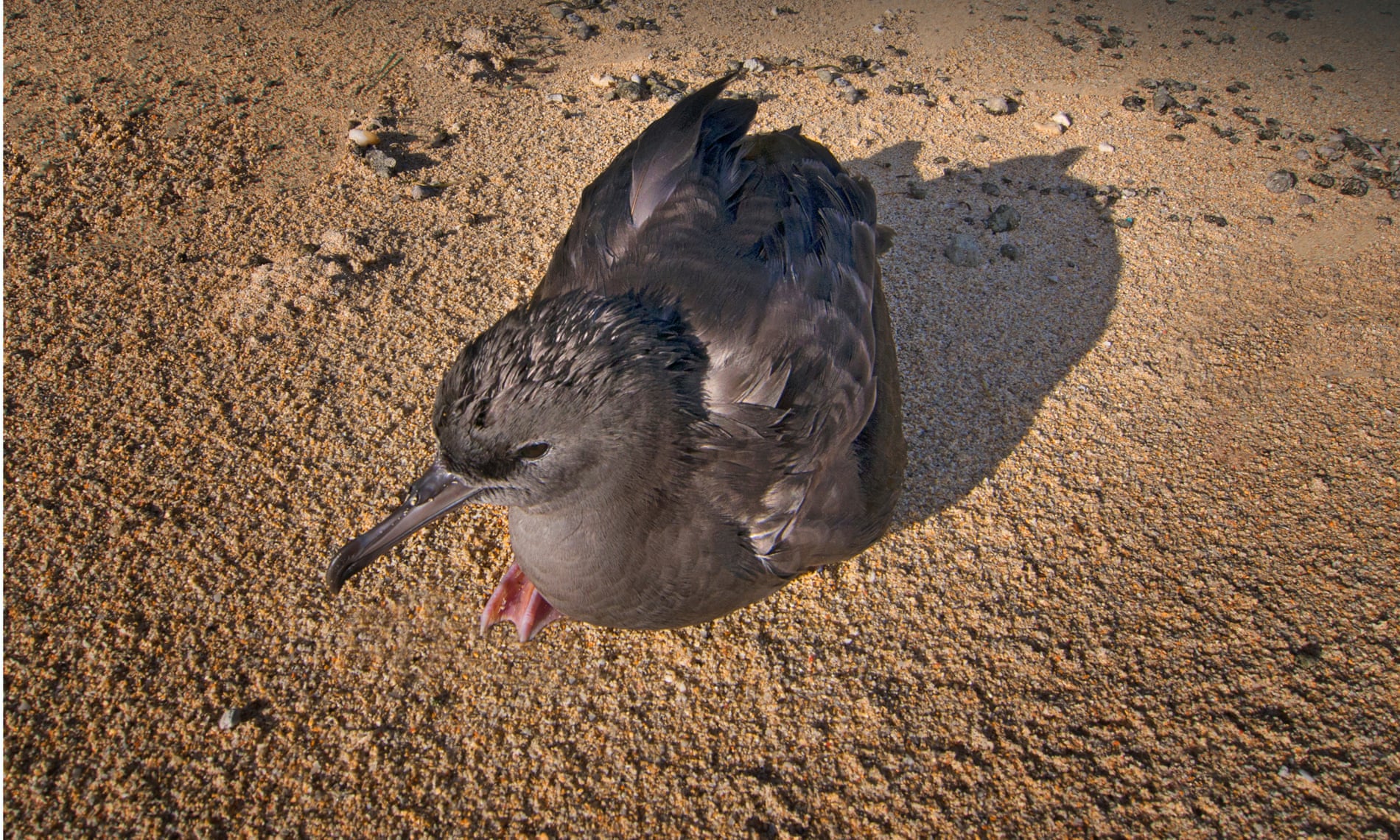
Seabirds and Plastic Pollution: Hidden Health Impacts Revealed
A groundbreaking study has unveiled the slow and insidious health impacts of plastic ingestion on seabirds, shedding light on the broader consequences of plastic pollution on wildlife. The research focused on young sable shearwaters (Ardenna carneipes) and revealed alarming findings.
Health Impacts of Plastic Ingestion:
- Birds with plastic in their stomachs showed signs of neurodegenerative diseases, kidney dysfunction, and liver damage.
- Microplastics embedded in the stomach lining caused proteins to leak into the bloodstream, indicating significant internal damage.
- Reduced levels of critical proteins, such as albumin (linked to liver function) and brain-derived neurotrophic factor (essential for cognitive functions), were observed.
Behavioral and Reproductive Challenges:
- Birds exposed to plastic may face reduced cognitive functions, affecting their ability to recognize songs and court mates.
- This could lead to challenges in reproduction and long-term population decline.
Broader Implications:
- While the study focused on seabirds, it highlights the potential risks of plastic pollution to other wildlife and ecosystems.
- The findings emphasize the need for urgent action to address plastic waste and its environmental impact.
Additional Information:
Plastic Pollution and Wildlife:
- Global Issue: Over 8 million tons of plastic enter the oceans annually, posing a threat to marine life.
- Plasticosis: A condition caused by plastic ingestion, leading to inflammation and scar tissue formation in the digestive tract.
Proteomics in Wildlife Studies:
- Definition: The study of protein composition and regulation in organisms.
- Significance: Provides insights into the subtle health impacts of environmental stressors, such as plastic pollution.
Dalai Lama Honored with Gold Mercury Award 2025

- Award: His Holiness the Dalai Lama received the Gold Mercury Award 2025 for promoting peace, compassion, and sustainability.
- Occasion: Award coincides with his 90th birthday, celebrating his life and legacy.
- Institution: Conferred by Gold Mercury International, a global governance think tank.
- Contributions:
- Advocates for non-violence, environmental stewardship, and global cooperation.
- Highlights the ecological importance of the Tibetan Plateau, referred to as the "world's Third Pole."
- Significance: Recognized as a symbol of non-violence and for his efforts to protect the Tibetan environment.
- Ceremony: Scheduled on March 31, 2025, in Dharamsala, Himachal Pradesh.
- Legacy: Dalai Lama emphasizes humanity’s shared responsibility for a sustainable and equitable future.
India's Success at 2025 Special Olympics World Winter Games: Day 1

- Event: India made a strong start at the 2025 Special Olympics World Winter Games in Turin, Italy.
- Medals Tally: Indian athletes won 4 medals on Day 1 – 2 Gold and 2 Silver in Snowboarding.
- Gold Medalists: Bharti and Sameer in their respective events.
- Silver Medalists: Hem Chand and Harshita Thakur in the Novice Giant Slalom Final.
- Indian Contingent: 49-member team (30 athletes and 19 support staff).
- Participants: Over 1,500 athletes from 102 countries competing in 8 sports disciplines.
- Significance: Highlights India's talent and commitment to promoting inclusive sports for athletes with intellectual disabilities.
- Upcoming Events: India aims to further increase its medal tally in events such as Speed Skating, Floorball, Snowshoeing, and more.
March 2025
Archive
October 2026
- 27 October 2026
- 26 October 2026
- 24 October 2026
- 23 October 2026
- 22 October 2026
- 21 October 2026
- 20 October 2026
- 19 October 2026
- 17 October 2026
- 16 October 2026
- 15 October 2026
- 14 October 2026
- 13 October 2026
- 12 October 2026
- 10 October 2026
- 09 October 2026
- 08 October 2026
- 07 October 2026
- 06 October 2026
- 05 October 2026
- 03 October 2026
- 02 October 2026
- 01 October 2026
September 2026
- 30 September 2026
- 29 September 2026
- 28 September 2026
- 26 September 2026
- 25 September 2026
- 24 September 2026
- 23 September 2026
- 22 September 2026
- 21 September 2026
- 19 September 2026
- 18 September 2026
- 17 September 2026
- 16 September 2026
- 15 September 2026
- 12 September 2026
- 11 September 2026
- 10 September 2026
- 09 September 2026
- 08 September 2026
- 07 September 2026
- 05 September 2026
- 04 September 2026
- 03 September 2026
- 02 September 2026
- 01 September 2026
August 2026
- 31 August 2026
- 29 August 2026
- 27 August 2026
- 26 August 2026
- 25 August 2026
- 24 August 2026
- 22 August 2026
- 21 August 2026
- 20 August 2026
- 19 August 2026
- 18 August 2026
- 17 August 2026
- 14 August 2026
- 13 August 2026
- 12 August 2026
- 11 August 2026
- 10 August 2026
- 08 August 2026
- 07 August 2026
- 06 August 2026
- 05 August 2026
- 04 August 2026
- 03 August 2026
- 01 August 2026
July 2026
- 31 July 2026
- 30 July 2026
- 29 July 2026
- 28 July 2026
- 27 July 2026
- 25 July 2026
- 23 July 2026
- 22 July 2026
- 21 July 2026
- 20 July 2026
- 18 July 2026
- 17 July 2026
- 15 July 2026
- 14 July 2026
- 13 July 2026
- 11 July 2026
- 10 July 2026
- 09 July 2026
- 08 July 2026
- 07 July 2026
- 06 July 2026
- 04 July 2026
- 03 July 2026
- 02 July 2026
- 01 July 2026
June 2026
May 2026
April 2026
March 2026
- 31 March 2026
- 30 March 2026
- 28 March 2026
- 27 March 2026
- 26 March 2026
- 25 March 2026
- 24 March 2026
- 23 March 2026
- 21 March 2026
- 20 March 2026
- 19 March 2026
- 18 March 2026
- 17 March 2026
- 16 March 2026
- 14 March 2026
- 13 March 2026
- 12 March 2026
- 11 March 2026
- 10 March 2026
- 09 March 2026
- 07 March 2026
- 06 March 2026
- 05 March 2026
- 03 March 2026
- 02 March 2026
February 2026
- 28 February 2026
- 27 February 2026
- 26 February 2026
- 25 February 2026
- 24 February 2026
- 23 February 2026
- 21 February 2026
- 20 February 2026
- 19 February 2026
- 18 February 2026
- 17 February 2026
- 16 February 2026
- 13 February 2026
- 12 February 2026
- 11 February 2026
- 10 February 2026
- 09 February 2026
- 07 February 2026
- 06 February 2026
- 05 February 2026
- 04 February 2026
- 03 February 2026
- 02 February 2026
January 2026
- 31 January 2026
- 30 January 2026
- 29 January 2026
- 28 January 2026
- 27 January 2026
- 26 January 2026
- 24 January 2026
- 23 January 2026
- 22 January 2026
- 21 January 2026
- 20 January 2026
- 19 January 2026
- 16 January 2026
- 15 January 2026
- 14 January 2026
- 13 January 2026
- 12 January 2026
- 10 January 2026
- 09 January 2026
- 08 January 2026
- 07 January 2026
- 06 January 2026
- 05 January 2026
- 03 January 2026
- 02 January 2026
- 01 January 2026
December 2025
- 31 December 2025
- 30 December 2025
- 29 December 2025
- 27 December 2025
- 26 December 2025
- 24 December 2025
- 23 December 2025
- 22 December 2025
- 20 December 2025
- 19 December 2025
- 18 December 2025
- 17 December 2025
- 16 December 2025
- 15 December 2025
- 13 December 2025
- 12 December 2025
- 11 December 2025
- 10 December 2025
- 09 December 2025
- 08 December 2025
- 05 December 2025
- 04 December 2025
- 03 December 2025
- 02 December 2025
November 2025
- 29 November 2025
- 28 November 2025
- 27 November 2025
- 26 November 2025
- 25 November 2025
- 24 November 2025
- 22 November 2025
- 21 November 2025
- 20 November 2025
- 19 November 2025
- 18 November 2025
- 17 November 2025
- 15 November 2025
- 14 November 2025
- 13 November 2025
- 12 November 2025
- 11 November 2025
- 10 November 2025
- 08 November 2025
- 07 November 2025
- 06 November 2025
- 05 November 2025
- 04 November 2025
- 03 November 2025
- 01 November 2025
October 2025
- 31 October 2025
- 30 October 2025
- 29 October 2025
- 28 October 2025
- 27 October 2025
- 25 October 2025
- 24 October 2025
- 23 October 2025
- 22 October 2025
- 21 October 2025
- 20 October 2025
- 18 October 2025
- 17 October 2025
- 16 October 2025
- 15 October 2025
- 14 October 2025
- 13 October 2025
- 11 October 2025
- 10 October 2025
- 09 October 2025
- 08 October 2025
- 07 October 2025
- 06 October 2025
- 04 October 2025
- 03 October 2025
- 02 October 2025
- 01 October 2025
September 2025
- 30 September 2025
- 29 September 2025
- 27 September 2025
- 26 September 2025
- 25 September 2025
- 24 September 2025
- 23 September 2025
- 22 September 2025
- 20 September 2025
- 19 September 2025
- 18 September 2025
- 17 September 2025
- 16 September 2025
- 15 September 2025
- 13 September 2025
- 12 September 2025
- 11 September 2025
- 10 September 2025
- 09 September 2025
- 08 September 2025
- 06 September 2025
- 05 September 2025
- 04 September 2025
- 03 September 2025
- 02 September 2025
- 01 September 2025
August 2025
- 30 August 2025
- 29 August 2025
- 28 August 2025
- 27 August 2025
- 26 August 2025
- 25 August 2025
- 23 August 2025
- 22 August 2025
- 21 August 2025
- 20 August 2025
- 19 August 2025
- 18 August 2025
- 16 August 2025
- 14 August 2025
- 13 August 2025
- 12 August 2025
- 11 August 2025
- 08 August 2025
- 07 August 2025
- 06 August 2025
- 05 August 2025
- 04 August 2025
- 02 August 2025
- 01 August 2025
July 2025
- 31 July 2025
- 30 July 2025
- 29 July 2025
- 28 July 2025
- 26 July 2025
- 25 July 2025
- 24 July 2025
- 23 July 2025
- 22 July 2025
- 21 July 2025
- 19 July 2025
- 18 July 2025
- 17 July 2025
- 16 July 2025
- 15 July 2025
- 12 July 2025
- 11 July 2025
- 10 July 2025
- 09 July 2025
- 07 July 2025
- 05 July 2025
- 04 July 2025
- 03 July 2025
- 02 July 2025
- 01 July 2025
June 2025
- 30 June 2025
- 28 June 2025
- 27 June 2025
- 26 June 2025
- 25 June 2025
- 24 June 2025
- 23 June 2025
- 21 June 2025
- 20 June 2025
- 19 June 2025
- 18 June 2025
- 17 June 2025
- 16 June 2025
- 14 June 2025
- 13 June 2025
- 12 June 2025
- 11 June 2025
- 10 June 2025
- 09 June 2025
- 07 June 2025
- 06 June 2025
- 05 June 2025
- 04 June 2025
- 03 June 2025
- 02 June 2025
May 2025
April 2025
- 30 April 2025
- 29 April 2025
- 28 April 2025
- 26 April 2025
- 25 April 2025
- 24 April 2025
- 23 April 2025
- 22 April 2025
- 21 April 2025
- 19 April 2025
- 18 April 2025
- 17 April 2025
- 16 April 2025
- 15 April 2025
- 14 April 2025
- 12 April 2025
- 11 April 2025
- 10 April 2025
- 09 April 2025
- 08 April 2025
- 07 April 2025
- 05 April 2025
- 04 April 2025
- 03 April 2025
- 02 April 2025
- 01 April 2025
March 2025
- 31 March 2025
- 29 March 2025
- 28 March 2025
- 27 March 2025
- 26 March 2025
- 25 March 2025
- 24 March 2025
- 22 March 2025
- 21 March 2025
- 20 March 2025
- 19 March 2025
- 18 March 2025
- 17 March 2025
- 15 March 2025
- 13 March 2025
- 12 March 2025
- 11 March 2025
- 10 March 2025
- 08 March 2025
- 07 March 2025
- 06 March 2025
- 05 March 2025
- 04 March 2025
- 03 March 2025
- 01 March 2025
February 2025
- 28 February 2025
- 27 February 2025
- 26 February 2025
- 25 February 2025
- 24 February 2025
- 22 February 2025
- 21 February 2025
- 20 February 2025
- 19 February 2025
- 18 February 2025
- 17 February 2025
- 15 February 2025
- 14 February 2025
- 13 February 2025
- 12 February 2025
- 11 February 2025
- 10 February 2025
- 08 February 2025
- 07 February 2025
- 06 February 2025
- 05 February 2025
- 04 February 2025
- 03 February 2025
- 01 February 2025
January 2025
- 31 January 2025
- 30 January 2025
- 29 January 2025
- 28 January 2025
- 27 January 2025
- 25 January 2025
- 24 January 2025
- 23 January 2025
- 22 January 2025
- 21 January 2025
- 20 January 2025
- 18 January 2025
- 17 January 2025
- 16 January 2025
- 15 January 2025
- 14 January 2025
- 13 January 2025
- 11 January 2025
- 10 January 2025
- 09 January 2025
- 08 January 2025
- 07 January 2025
- 06 January 2025
- 04 January 2025
- 03 January 2025
- 02 January 2025
- 01 January 2025