
Current Affairs
Stay updated with the latest national and international events.
13 July 2026
ICAI Launches Global Orbit Summit 2026 to Strengthen India’s GCC Ecosystem

What’s the News?
The Institute of Chartered Accountants of India inaugurated the first edition of the ICAI Global Orbit Summit 2026 in New Delhi to support India’s growing Global Capability Centre ecosystem. The summit was organised by ICAI’s Global Trade & Services Committee and hosted by the Northern India Regional Council. It aims to prepare Indian Chartered Accountants for global leadership roles in finance, accounting, taxation, analytics, compliance and digitally enabled professional services.
Global Orbit Summit 2026
- Theme: ICAI Global Orbit: From GCCs to Global Leadership
- Organiser: Global Trade & Services Committee of ICAI
- Host: Northern India Regional Council of ICAI
- Venue: The Grand New Delhi, Vasant Kunj
- Objective:
- Promote India as a global hub for high-value services.
- Build capacity among Chartered Accountants for GCC-related roles.
- Enable dialogue among policymakers, industry, academia and finance professionals.
- Major focus areas:
- Finance innovation
- AI and automation
- Cybersecurity
- ESG reporting
- Data privacy
- Global taxation
- Ethics and governance
- Talent development
Global Capability Centres
- Meaning: GCCs are offshore units established by multinational companies to provide specialised services to their global operations.
- Also called:
- Global In-house Centres
- Captive Centres
- Key services:
- Finance and accounting
- IT and digital services
- Research and development
- Artificial intelligence and analytics
- Human resources
- Customer support
- Engineering services
- India’s GCC ecosystem:
- More than 2,100 GCCs
- Nearly 2.36 million professionals employed
- Around USD 100 billion annual revenue
ICAI’s Role
- ICAI seeks to align Indian Chartered Accountants with global business and regulatory standards.
- It is focusing on:
- Digital and analytical skills
- Cross-border financial competencies
- Professional mobility
- Global compliance and governance expertise
- The initiative supports India’s ambition to become a trusted global hub for accounting, assurance, taxation and advisory services.
Additional Info
- ICAI:
- Full form: Institute of Chartered Accountants of India
- Statutory basis: Chartered Accountants Act, 1949
- Function: Regulates the chartered accountancy profession in India.
Sources
BIS to Introduce India’s First Mangrove Restoration Standards
What’s the News?
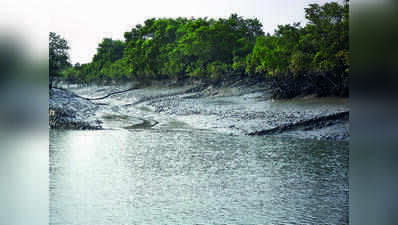
The Bureau of Indian Standards is set to introduce India’s first national standard for mangrove ecosystem restoration. The draft standard, titled “Restoration of Mangrove Ecosystem — Guidelines”, aims to streamline mangrove restoration practices across coastal India and improve the quality of plantation-based restoration work. It is especially relevant for regions such as the Sundarbans, where mangroves are critical for biodiversity, livelihoods and coastal protection.
Mangrove Restoration Guidelines
- The proposed standard will act as a best-practice manual for mangrove restoration.
- It seeks to reduce erratic or poorly planned plantation activities.
- Key concerns addressed:
- Selection of suitable mangrove species.
- Site-specific plantation methods.
- Avoidance of harmful plantation materials.
- Community participation in restoration.
- Integration of livelihoods with ecological restoration.
- Stakeholders suggested replacing polythene packets with cloth or biodegradable bags during plantation.
Why Mangroves Matter?
- Mangroves are salt-tolerant coastal forests found in intertidal zones, estuaries, deltas and sheltered coastlines.
- They provide:
- Coastal protection against cyclones, storm surges and erosion.
- Nursery habitats for fish, crabs and other marine species.
- Carbon sequestration through blue carbon storage.
- Livelihood support for coastal communities.
- The Sundarbans is India’s largest mangrove ecosystem and one of the largest mangrove forests in the world.
Role of BIS
- BIS is India’s national standards body.
- It functions under the BIS Act, 2016.
- It works under the Ministry of Consumer Affairs, Food and Public Distribution.
- Indian Standards are generally voluntary, unless made mandatory by law or government order.
- In this case, ministries and state departments may later decide whether the guidelines should be made binding for restoration projects.
MISHTI Programme
- Full form: Mangrove Initiative for Shoreline Habitats and Tangible Incomes.
- Launched to promote mangrove plantation and restoration across coastal India.
- Coverage target:
- 540 sq km of mangrove restoration.
- Across nine coastal states and four Union Territories.
- Financial allocation:
- Total allocation: ₹600 crore
- Additional allocation mentioned: ₹500 crore
- Funds released to six states/UTs: ₹88.40 crore
Additional Info
- Important mangrove regions in India:
- Sundarbans — West Bengal
- Bhitarkanika — Odisha
- Gulf of Kachchh — Gujarat
- Godavari-Krishna delta — Andhra Pradesh
- Pichavaram and Muthupet — Tamil Nadu
- Andaman and Nicobar Islands
- State-level relevance:
- West Bengal, Gujarat and Andhra Pradesh have mangrove cells or specialised institutional mechanisms.
- State-specific manuals may be developed using the BIS standard as a national framework.
Sources
Centre Launches Amnesty Scheme for Provident Fund Trusts

What’s the News?
The Employees’ Provident Fund Organisation has introduced Amnesty Scheme, 2026 for establishments running exempted Provident Fund trusts. It gives such employers a one-time six-month window to regularise PF trusts that are recognised under the income-tax framework but lack a formal exemption notification from the appropriate government.
Amnesty Scheme 2026
- It applies to establishments operating a Provident Fund Trust recognised under the Income Tax Act, 1961, but without formal exemption approval from the Central or State Government.
- The scheme allows retrospective regularisation of such PF trusts.
- It aims to reduce:
- Long-pending compliance disputes.
- Litigation over PF dues, damages and interest.
- Regulatory mismatch between income-tax recognition and EPF exemption status.
- Applications must be routed through the concerned EPFO Regional Office.
Eligible Establishments
- Category I:
- Establishments seeking retrospective trust regularisation.
- They have either started compliance as un-exempted establishments or are opting for future compliance as un-exempted establishments.
- Category II:
- Establishments seeking retrospective trust regularisation.
- They want to continue operating as exempted establishments under the Code on Social Security, 2020.
Benefits
- Retrospective exemption:
- Trust recognition and exemption status may be granted from the inception of the trust up to the notified cut-off point.
- Waiver of eligibility conditions:
- Minimum employee headcount requirement waived.
- Corpus-size norms waived.
- Three-year prior compliance condition deemed satisfied.
- Litigation relief:
- Pending assessments for PF dues, damages and interest may be withdrawn or abated.
- Finalised past orders may be treated as void from the beginning, subject to conditions.
- Employee protection condition:
- Relief is linked to whether member accounts received contributions and interest at rates equal to or better than statutory EPF rates.
Provident Fund Trusts
- A PF Trust is an employer-managed retirement savings mechanism.
- Instead of depositing contributions with EPFO, the employer manages employee PF accumulations through a trust.
- Such trusts must ensure that employee benefits are not less favourable than those under the statutory EPF scheme.
- They are usually maintained by large organisations with internal governance capacity.
- They remain subject to:
- EPFO oversight.
- Audits and inspections.
- Statutory record-keeping.
- Filing of prescribed returns.
Additional Info
- EPFO:
- Full form: Employees’ Provident Fund Organisation.
- Works under: Ministry of Labour and Employment.
- Administers provident fund, pension and insurance schemes for covered employees.
- EPF & MP Act, 1952:
- Full form: Employees’ Provident Funds and Miscellaneous Provisions Act, 1952.
- Provides the statutory framework for employee provident fund, pension and insurance benefits.
- Section 17 of EPF & MP Act, 1952:
- Deals with exemption from the statutory EPF scheme.
- Exempted establishments must provide benefits at least equal to those under the EPF scheme.
- Code on Social Security, 2020:
- Consolidates laws relating to social security, including provident fund provisions.
- Relevant provision: Section 143, linked with exemption-related treatment.
- Employer obligations under the scheme:
- Submit formal application to the Central Government through EPFO Regional Office.
- Ensure financial accounts are audited by a Chartered Accountant.
- Complete special or compliance audits directed by EPFO within three months of application.
Sources
India Wins Five Golds at International Physics Olympiad 2026

What’s the News?
India secured a joint World No. 1 rank at the 56th International Physics Olympiad 2026 after all five Indian participants won gold medals. The event was held in Bucaramanga, Colombia, with participation from 381 students across 87 countries. India shared the top position with China, Kazakhstan, Russia, South Korea and Taiwan.
International Physics Olympiad
- IPhO is an annual international competition in physics for secondary school students.
- It is one of the major International Science Olympiads.
- The competition generally includes:
- Theoretical examination
- Experimental examination
- It tests advanced concepts in:
- Mechanics
- Electromagnetism
- Thermodynamics
- Optics
- Modern physics
- The Olympiad began in 1967.
India’s Medal Winners
- Kanishk Jain — Pune, Maharashtra
- Riddhesh Anant Bendale — Indore, Madhya Pradesh
- Rishit Garg — Dwarka, New Delhi
- Shresth Suraiya — Mumbai, Maharashtra
- Svarit Joshi — Ahmedabad, Gujarat
India’s Olympiad Performance
- This was India’s 27th participation in the International Physics Olympiad.
- It was only the second time after 2018 that all five Indian team members won gold medals.
- In the last decade, every Indian participant at IPhO has returned with either a gold or silver medal.
- India’s performance reflects its strong school-level science training and international competitiveness in physics.
HBCSE and Training System
- The Indian team was trained through the Physics Olympiad Cell at the Homi Bhabha Centre for Science Education.
- HBCSE is a national centre of the Tata Institute of Fundamental Research.
- It functions under the Department of Atomic Energy.
- It manages India’s National Olympiad Programme by:
- Identifying talented students.
- Conducting orientation and training camps.
- Providing pre-departure preparation.
- Mentoring students for international competitions.
- The Indian contingent was led by:
- Prof. Anwesh Mazumdar — HBCSE-TIFR
- Dr. Leena Joshi — St. Xavier’s College, Mumbai
Additional Info
- TIFR:
- Full form: Tata Institute of Fundamental Research.
- Established as a premier research institution in basic sciences.
- Works under the Department of Atomic Energy.
- HBCSE:
- Focuses on science and mathematics education research.
- Coordinates India’s participation in international science Olympiads.
Sources
UN Releases First Scientific Assessment Report on Artificial Intelligence

What’s the News?
The United Nations has released its first scientific assessment on Artificial Intelligence, titled “Preliminary Report of the Independent International Scientific Panel on AI.” The report was prepared by a 40-member independent panel co-chaired by Yoshua Bengio, Turing Award winner, and Maria Ressa, Nobel Peace Prize winner. It warns that AI capabilities are advancing faster than existing governance, safety and oversight systems.
UN Scientific Panel on AI
- The panel provides independent, evidence-based scientific assessments on AI.
- It does not prescribe policy, but supplies scientific evidence for governments and international forums.
- Its work feeds into the Global Dialogue on AI Governance.
- The preliminary report is the first in a series of periodic assessments.
- A more comprehensive assessment is expected for the next phase of global AI governance discussions.
Findings
- AI has major potential in:
- Healthcare
- Education
- Agriculture
- Science
- Accessibility
- Public services
- Major concerns flagged:
- Weak safety guardrails
- Fragmented governance mechanisms
- Lack of independent risk assessment
- Misinformation and cyber misuse
- Bias and exclusion of linguistic and cultural diversity
- Environmental impact of AI infrastructure
- Risks from autonomous or “agentic” AI systems
- The report says policymakers face an evidence dilemma:
- Waiting for complete evidence may delay regulation until harms have already occurred.
- Acting too early without enough evidence may lead to weak or poorly targeted rules.
Compute Divide
- Compute means the hardware and infrastructure needed to train and run advanced AI models.
- It includes:
- Advanced semiconductors
- Data centres
- Cloud infrastructure
- High-performance computing systems
- The report notes a sharp concentration of global AI computing capacity:
- United States: about 75%
- China: about 15%
- Rest of the world: about 10%
- This creates a compute divide, where countries without sufficient infrastructure risk becoming AI consumers rather than AI creators.
Additional Info
- Artificial Intelligence
- Refers to systems capable of tasks linked to learning, reasoning, prediction, language processing, perception and decision support.
- Frontier AI
- Advanced AI systems with high capabilities across multiple tasks.
- They may pose larger risks due to scale, autonomy and general-purpose use.
- Agentic AI
- AI systems that can plan and perform tasks with limited human intervention.
- Relevant risks include loss of control, misuse and weak accountability.
- Global Digital Compact
- Adopted under the UN framework to promote inclusive and responsible digital governance.
- It is linked to discussions on AI governance, digital public goods, data governance and capacity building.
Sources
July 2026
Archive
October 2026
- 27 October 2026
- 26 October 2026
- 24 October 2026
- 23 October 2026
- 22 October 2026
- 21 October 2026
- 20 October 2026
- 19 October 2026
- 17 October 2026
- 16 October 2026
- 15 October 2026
- 14 October 2026
- 13 October 2026
- 12 October 2026
- 10 October 2026
- 09 October 2026
- 08 October 2026
- 07 October 2026
- 06 October 2026
- 05 October 2026
- 03 October 2026
- 02 October 2026
- 01 October 2026
September 2026
- 30 September 2026
- 29 September 2026
- 28 September 2026
- 26 September 2026
- 25 September 2026
- 24 September 2026
- 23 September 2026
- 22 September 2026
- 21 September 2026
- 19 September 2026
- 18 September 2026
- 17 September 2026
- 16 September 2026
- 15 September 2026
- 12 September 2026
- 11 September 2026
- 10 September 2026
- 09 September 2026
- 08 September 2026
- 07 September 2026
- 05 September 2026
- 04 September 2026
- 03 September 2026
- 02 September 2026
- 01 September 2026
August 2026
- 31 August 2026
- 29 August 2026
- 27 August 2026
- 26 August 2026
- 25 August 2026
- 24 August 2026
- 22 August 2026
- 21 August 2026
- 20 August 2026
- 19 August 2026
- 18 August 2026
- 17 August 2026
- 14 August 2026
- 13 August 2026
- 12 August 2026
- 11 August 2026
- 10 August 2026
- 08 August 2026
- 07 August 2026
- 06 August 2026
- 05 August 2026
- 04 August 2026
- 03 August 2026
- 01 August 2026
July 2026
- 31 July 2026
- 30 July 2026
- 29 July 2026
- 28 July 2026
- 27 July 2026
- 25 July 2026
- 23 July 2026
- 22 July 2026
- 21 July 2026
- 20 July 2026
- 18 July 2026
- 17 July 2026
- 15 July 2026
- 14 July 2026
- 13 July 2026
- 11 July 2026
- 10 July 2026
- 09 July 2026
- 08 July 2026
- 07 July 2026
- 06 July 2026
- 04 July 2026
- 03 July 2026
- 02 July 2026
- 01 July 2026
June 2026
May 2026
April 2026
March 2026
- 31 March 2026
- 30 March 2026
- 28 March 2026
- 27 March 2026
- 26 March 2026
- 25 March 2026
- 24 March 2026
- 23 March 2026
- 21 March 2026
- 20 March 2026
- 19 March 2026
- 18 March 2026
- 17 March 2026
- 16 March 2026
- 14 March 2026
- 13 March 2026
- 12 March 2026
- 11 March 2026
- 10 March 2026
- 09 March 2026
- 07 March 2026
- 06 March 2026
- 05 March 2026
- 03 March 2026
- 02 March 2026
February 2026
- 28 February 2026
- 27 February 2026
- 26 February 2026
- 25 February 2026
- 24 February 2026
- 23 February 2026
- 21 February 2026
- 20 February 2026
- 19 February 2026
- 18 February 2026
- 17 February 2026
- 16 February 2026
- 13 February 2026
- 12 February 2026
- 11 February 2026
- 10 February 2026
- 09 February 2026
- 07 February 2026
- 06 February 2026
- 05 February 2026
- 04 February 2026
- 03 February 2026
- 02 February 2026
January 2026
- 31 January 2026
- 30 January 2026
- 29 January 2026
- 28 January 2026
- 27 January 2026
- 26 January 2026
- 24 January 2026
- 23 January 2026
- 22 January 2026
- 21 January 2026
- 20 January 2026
- 19 January 2026
- 16 January 2026
- 15 January 2026
- 14 January 2026
- 13 January 2026
- 12 January 2026
- 10 January 2026
- 09 January 2026
- 08 January 2026
- 07 January 2026
- 06 January 2026
- 05 January 2026
- 03 January 2026
- 02 January 2026
- 01 January 2026
December 2025
- 31 December 2025
- 30 December 2025
- 29 December 2025
- 27 December 2025
- 26 December 2025
- 24 December 2025
- 23 December 2025
- 22 December 2025
- 20 December 2025
- 19 December 2025
- 18 December 2025
- 17 December 2025
- 16 December 2025
- 15 December 2025
- 13 December 2025
- 12 December 2025
- 11 December 2025
- 10 December 2025
- 09 December 2025
- 08 December 2025
- 05 December 2025
- 04 December 2025
- 03 December 2025
- 02 December 2025
November 2025
- 29 November 2025
- 28 November 2025
- 27 November 2025
- 26 November 2025
- 25 November 2025
- 24 November 2025
- 22 November 2025
- 21 November 2025
- 20 November 2025
- 19 November 2025
- 18 November 2025
- 17 November 2025
- 15 November 2025
- 14 November 2025
- 13 November 2025
- 12 November 2025
- 11 November 2025
- 10 November 2025
- 08 November 2025
- 07 November 2025
- 06 November 2025
- 05 November 2025
- 04 November 2025
- 03 November 2025
- 01 November 2025
October 2025
- 31 October 2025
- 30 October 2025
- 29 October 2025
- 28 October 2025
- 27 October 2025
- 25 October 2025
- 24 October 2025
- 23 October 2025
- 22 October 2025
- 21 October 2025
- 20 October 2025
- 18 October 2025
- 17 October 2025
- 16 October 2025
- 15 October 2025
- 14 October 2025
- 13 October 2025
- 11 October 2025
- 10 October 2025
- 09 October 2025
- 08 October 2025
- 07 October 2025
- 06 October 2025
- 04 October 2025
- 03 October 2025
- 02 October 2025
- 01 October 2025
September 2025
- 30 September 2025
- 29 September 2025
- 27 September 2025
- 26 September 2025
- 25 September 2025
- 24 September 2025
- 23 September 2025
- 22 September 2025
- 20 September 2025
- 19 September 2025
- 18 September 2025
- 17 September 2025
- 16 September 2025
- 15 September 2025
- 13 September 2025
- 12 September 2025
- 11 September 2025
- 10 September 2025
- 09 September 2025
- 08 September 2025
- 06 September 2025
- 05 September 2025
- 04 September 2025
- 03 September 2025
- 02 September 2025
- 01 September 2025
August 2025
- 30 August 2025
- 29 August 2025
- 28 August 2025
- 27 August 2025
- 26 August 2025
- 25 August 2025
- 23 August 2025
- 22 August 2025
- 21 August 2025
- 20 August 2025
- 19 August 2025
- 18 August 2025
- 16 August 2025
- 14 August 2025
- 13 August 2025
- 12 August 2025
- 11 August 2025
- 08 August 2025
- 07 August 2025
- 06 August 2025
- 05 August 2025
- 04 August 2025
- 02 August 2025
- 01 August 2025
July 2025
- 31 July 2025
- 30 July 2025
- 29 July 2025
- 28 July 2025
- 26 July 2025
- 25 July 2025
- 24 July 2025
- 23 July 2025
- 22 July 2025
- 21 July 2025
- 19 July 2025
- 18 July 2025
- 17 July 2025
- 16 July 2025
- 15 July 2025
- 12 July 2025
- 11 July 2025
- 10 July 2025
- 09 July 2025
- 07 July 2025
- 05 July 2025
- 04 July 2025
- 03 July 2025
- 02 July 2025
- 01 July 2025
June 2025
- 30 June 2025
- 28 June 2025
- 27 June 2025
- 26 June 2025
- 25 June 2025
- 24 June 2025
- 23 June 2025
- 21 June 2025
- 20 June 2025
- 19 June 2025
- 18 June 2025
- 17 June 2025
- 16 June 2025
- 14 June 2025
- 13 June 2025
- 12 June 2025
- 11 June 2025
- 10 June 2025
- 09 June 2025
- 07 June 2025
- 06 June 2025
- 05 June 2025
- 04 June 2025
- 03 June 2025
- 02 June 2025
May 2025
April 2025
- 30 April 2025
- 29 April 2025
- 28 April 2025
- 26 April 2025
- 25 April 2025
- 24 April 2025
- 23 April 2025
- 22 April 2025
- 21 April 2025
- 19 April 2025
- 18 April 2025
- 17 April 2025
- 16 April 2025
- 15 April 2025
- 14 April 2025
- 12 April 2025
- 11 April 2025
- 10 April 2025
- 09 April 2025
- 08 April 2025
- 07 April 2025
- 05 April 2025
- 04 April 2025
- 03 April 2025
- 02 April 2025
- 01 April 2025
March 2025
- 31 March 2025
- 29 March 2025
- 28 March 2025
- 27 March 2025
- 26 March 2025
- 25 March 2025
- 24 March 2025
- 22 March 2025
- 21 March 2025
- 20 March 2025
- 19 March 2025
- 18 March 2025
- 17 March 2025
- 15 March 2025
- 13 March 2025
- 12 March 2025
- 11 March 2025
- 10 March 2025
- 08 March 2025
- 07 March 2025
- 06 March 2025
- 05 March 2025
- 04 March 2025
- 03 March 2025
- 01 March 2025
February 2025
- 28 February 2025
- 27 February 2025
- 26 February 2025
- 25 February 2025
- 24 February 2025
- 22 February 2025
- 21 February 2025
- 20 February 2025
- 19 February 2025
- 18 February 2025
- 17 February 2025
- 15 February 2025
- 14 February 2025
- 13 February 2025
- 12 February 2025
- 11 February 2025
- 10 February 2025
- 08 February 2025
- 07 February 2025
- 06 February 2025
- 05 February 2025
- 04 February 2025
- 03 February 2025
- 01 February 2025
January 2025
- 31 January 2025
- 30 January 2025
- 29 January 2025
- 28 January 2025
- 27 January 2025
- 25 January 2025
- 24 January 2025
- 23 January 2025
- 22 January 2025
- 21 January 2025
- 20 January 2025
- 18 January 2025
- 17 January 2025
- 16 January 2025
- 15 January 2025
- 14 January 2025
- 13 January 2025
- 11 January 2025
- 10 January 2025
- 09 January 2025
- 08 January 2025
- 07 January 2025
- 06 January 2025
- 04 January 2025
- 03 January 2025
- 02 January 2025
- 01 January 2025