
Current Affairs
Stay updated with the latest national and international events.
13 January 2026
Rising Drone Intrusions Along Line of Control in Jammu & Kashmir

What’s the News?
- Multiple drone (Unmanned Aerial Vehicle) intrusions from the Pakistani side have been reported along the Line of Control (LoC) in Jammu and Kashmir, specifically in the Rajouri and Poonch sectors.
- Security forces, including the Indian Army, have intensified surveillance and successfully engaged the drones with counter-fire following repeated sightings within a short period.
- Army Chief General Upendra Dwivedi has formally addressed the rising frequency of these sightings, urging Pakistan to rein in drone activities that threaten regional security and violate border protocols.
Drone Threats: Emerging Security Challenge
- Pattern of Intrusions: Multiple drones with blinking lights were spotted within a 24-hour window, indicating coordinated reconnaissance attempts.
- Locations Affected:
- Nowshera sector (Rajouri)
- Khabbar village (Teryath, Rajouri)
- Chak Babral village (Ramgarh, Samba)
- Topa area (Mankote, Poonch)
- Countermeasures: Ground search operations launched post-sighting; increased deployment of anti-drone systems and electronic warfare units along vulnerable stretches.
Security Concerns and Modus Operandi
- Smuggling Operations: Drones are increasingly being used as tools for narco-terrorism, transporting illegal payloads such as high-grade narcotics, sophisticated weapons, and ammunition across the border.
- Surveillance and Reconnaissance: Beyond smuggling, these drones are used by hostile elements to monitor troop movements and identify gaps in the Integrated Border Management System (IBMS).
- Operational Shift: The shift from human infiltration to drone-based logistics allows terror modules to maintain supply lines with lower risk of immediate detection by ground patrols.
Additional Info
- Operation Sindoor:
- A massive multi-agency search and sanitization operation launched by Indian security forces in the Jammu region following a series of terror attacks.
- It involves the Indian Army, Central Reserve Police Force (CRPF), and the Jammu and Kashmir Police to neutralize hidden terror modules and dismantle their support networks.
- Anti-Drone Technology in India:
- DRDO D4 System: The Drone Detect, Deter and Destroy system (D4) is India’s indigenous solution capable of both "soft kill" (jamming) and "hard kill" (physical destruction) of drones.
- Indrajaal: India’s first indigenous autonomous wide-area drone defense dome, designed to protect large areas from multiple UAV threats simultaneously.
- Border Management Framework:
- Line of Control (LoC): A de facto border under military control; unlike the International Border (IB), it is governed by the ceasefire agreements and monitored by the Indian Army.
- Comprehensive Integrated Border Management System (CIBMS): A multi-layered security plan that integrates sensors, cameras, and communication networks to provide seamless coverage of the border.
Sources
Exercise Sanjha Shakti: Boosting Civil-Military Coordination

What’s the News?
- The Indian Army conducted a joint military-civil fusion exercise titled “Sanjha Shakti” in Pune, Maharashtra.
- The exercise was organized under the aegis of the Southern Command to enhance coordination between the military and various Civil Administration agencies.
- It focused on addressing complex security challenges through a unified approach, ensuring seamless collaboration during national emergencies and internal security situations.
Key Objectives & Significance
- Civil-Military Fusion: The primary aim was to strengthen the synergy between the armed forces and civil authorities for effective Crisis Management.
- Operational Readiness: The exercise tested the readiness of various stakeholders to respond to multifaceted threats, including conventional warfare and non-traditional security challenges.
- Stakeholder Participation: Key participants included the Indian Army, Maharashtra Police, State Disaster Response Force (SDRF), and representatives from the District Administration.
- Resource Optimization: It aimed at creating a common operating picture to ensure the optimal utilization of both military and civil resources during contingencies.
Key Components of the Exercise
- Simulated Scenarios: Participants engaged in realistic drills involving Counter-Terrorism, disaster relief, and the protection of Critical Infrastructure.
- Communication Interoperability: A major focus was placed on establishing robust communication channels between different agencies to prevent information gaps.
- Logistics Coordination: The exercise streamlined protocols for the movement of troops and equipment through civilian-populated areas during high-alert phases.
Additional Info
- Southern Command of the Indian Army:
- Headquartered in Pune, it is the oldest and geographically the largest command of the Indian Army.
- It covers nearly 40% of India's landmass, spanning several states and union territories in Peninsular India.
- National Security Strategy (NSS):
- Exercises like Sanjha Shakti align with India’s evolving security doctrine that emphasizes Whole-of-Nation approach rather than isolated military action.
- Disaster Management Act, 2005:
- Provides the legal framework for the deployment of armed forces in aid of civil power during natural or man-made disasters.
- Internal Security Doctrine:
- Involves the Ministry of Home Affairs (MHA) and Ministry of Defence (MoD) working in tandem to address threats within the country's borders.
Sources
Breakthrough in Nuclear Fusion: China’s EAST Reactor Surpasses Greenwald Limit
What’s the News?
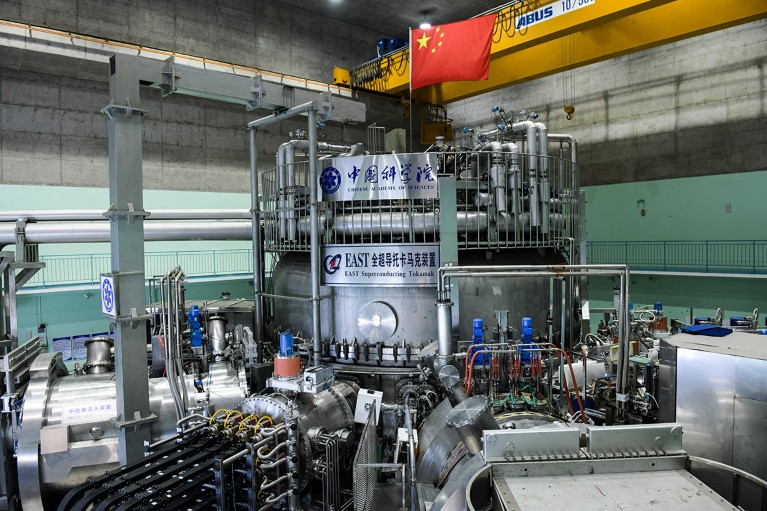
- Scientists at China's Experimental Advanced Superconducting Tokamak (EAST), widely known as the "Artificial Sun," have achieved a major milestone by sustaining plasma densities significantly higher than the Greenwald limit.
- The reactor maintained stable plasma at densities 1.3 to 1.65 times the theoretical safety ceiling that has constrained fusion research for nearly four decades.
- This breakthrough, published in Science Advances in January 2026, confirms a new "density-free" operating regime, potentially clearing a major bottleneck for commercial fusion energy.
Greenwald Limit: Why It Matters
- Definition: The Greenwald limit defines the maximum plasma density a tokamak can sustain before instability causes disruption, potentially damaging reactor walls.
- Theoretical Ceiling: Named after physicist Martin Greenwald, this empirical rule defines the maximum density of plasma a Tokamak can hold before it becomes unstable and collapses.
- Formula Basis: It correlates plasma density with plasma current and device size; a key constraint in tokamak design since the 1980s.
- Density-Energy Link: In nuclear fusion, energy output is roughly proportional to the square of the plasma density. Higher density leads to more atomic collisions, increasing the fusion rate.
- Challenge: Higher density enables more atomic collisions and greater fusion output, but exceeding the limit historically led to thermal collapse due to impurities from wall erosion.
How EAST Broke the Barrier
- Two Key Techniques:
- Electron Cyclotron Resonance Heating (ECRH): Used high-power microwaves during startup to heat electrons efficiently, reducing reliance on high plasma current early on.
- Controlled Fuel Injection: Started with higher deuterium gas pressure and added hydrogen gradually, cooling the divertor (plasma-wall contact zone).
- Wall Conditioning: Coated tungsten walls with lithium, reducing tungsten sputtering and impurity influx. Repeated high-density runs further “conditioned” walls, improving performance over time.
- Outcome:
- Plasma density reached 5.6 × 10¹⁹ particles/m³ (vs. normal 3.4 × 10¹⁹).
- Divertor temperature dropped by ~30%, minimizing impurities and enabling stable operation beyond the Greenwald threshold.
Additional Info
- Plasma-Wall Self-Organisation (PWSO) Theory:
- Proposed in 2021 by Dominique Escande (Aix-Marseille University), it predicts two stable plasma states:
- Density-limit regime (near Greenwald limit)
- Density-free regime (beyond the limit, with cool divertor and low impurities)
- EAST results validated PWSO predictions using both zero-dimensional and one-dimensional plasma models.
- Proposed in 2021 by Dominique Escande (Aix-Marseille University), it predicts two stable plasma states:
- Tokamak:
- A doughnut-shaped (toroidal) device that uses powerful magnetic fields to confine superheated plasma (the fourth state of matter).
- International Thermonuclear Experimental Reactor (ITER):
- A massive global collaboration in France aiming to prove the feasibility of fusion.
- India's Role: As a full member, India provides critical components like the Cryostat (the world's largest stainless-steel vacuum vessel) and advanced cooling systems.
- Advantages of Fusion:
- Fuel Abundance: Uses Deuterium (from seawater) and Tritium (bred from Lithium).
- Safety & Cleanliness: No risk of meltdown, produces no greenhouse gases, and generates minimal long-term radioactive waste compared to fission.
Sources
ISRO’s PSLV-C62 Mission Failure: Second Consecutive Setback for the Workhorse

What’s the News?
- ISRO’s (Indian Space Research Organisation) first mission of 2026, PSLV-C62, failed to reach its intended orbit after suffering a critical technical glitch.
- The failure resulted in the total loss of 16 satellites, including the primary payload Anvesha (EOS-N1), a strategic Earth-observation satellite for DRDO.
- This marks the second consecutive failure for the Polar Satellite Launch Vehicle (PSLV) in nine months, following a near-identical anomaly during the PSLV-C61 mission in May 2025.
- The debris from the mission is estimated to have fallen into the Southern Indian Ocean.
PSLV Architecture and Failure Point
- Vehicle Configuration: PSLV-C62 used the XL variant, featuring:
- Six strap-on solid boosters
- Four-stage propulsion: solid (1st & 3rd), liquid (2nd & 4th)
- Anomaly Details:
- The third stage (HPS3)—powered by 7 tonnes of HTPB-based solid propellant—failed to ignite after successful separation of the second stage.
- Telemetry confirmed no thrust generation, causing the vehicle to lose velocity and altitude; payloads re-entered the atmosphere and were destroyed.
Impact on Payloads and Commercial Space
- Primary Payload: Anvesha (EOS-N1) was a highly advanced hyperspectral imaging satellite designed by DRDO for border surveillance and detecting concealed military assets.
- Commercial and International Loss: The mission carried 15 co-passenger satellites for countries including Brazil, Nepal, Spain, Thailand, and the UK, as well as payloads from Indian private startups like Dhruva Space.
- Lone Survivor: A football-sized satellite called KID (Kestrel Initial Demonstrator) from a Spanish startup reportedly separated against the odds and transmitted critical data for three minutes before being lost.
- Strategic Concern: The consecutive failures of the "workhorse" rocket are expected to lead to a 20-30% hike in insurance premiums for future Indian launches, potentially affecting its competitive advantage in the global market.
Additional Info
- Stages of the PSLV:
- First Stage (PS1): Solid propellant; provides high thrust for initial lift-off.
- Second Stage (PS2): Liquid propellant; uses the indigenously developed Vikas Engine to build horizontal velocity.
- Third Stage (PS3): Solid propellant; crucial for rapid acceleration to orbital speeds (~28,000 km/h).
- Fourth Stage (PS4): Liquid propellant; responsible for the final precise injection of satellites into their respective orbits.
- Historical Context:
- The PSLV has been ISRO’s mainstay since 1993, with a historical success rate of over 93%.
- Notable successes include Chandrayaan-1, the Mars Orbiter Mission (Mangalyaan), and a 2017 world record for launching 104 satellites in a single mission.
Sources
PESA Act Implemented in Jharkhand After 25 Years
What’s the News?
- The Jharkhand Government has officially notified the rules for the Provisions of the Panchayats (Extension to Scheduled Areas) Act, 1996 (PESA), nearly 25 years after the state's formation.
- The notification aims to empower Gram Sabhas (village assemblies) in Scheduled Areas, granting them significant autonomy over local governance, traditional customs, and natural resources.
- Jharkhand becomes the ninth state in India to notify PESA rules, joining states like Chhattisgarh, Gujarat, and Maharashtra.
Key Provisions of Jharkhand’s PESA Rules
- Gram Sabha as Supreme Authority:
- Must give prior consent for land acquisition, rehabilitation, and resettlement.
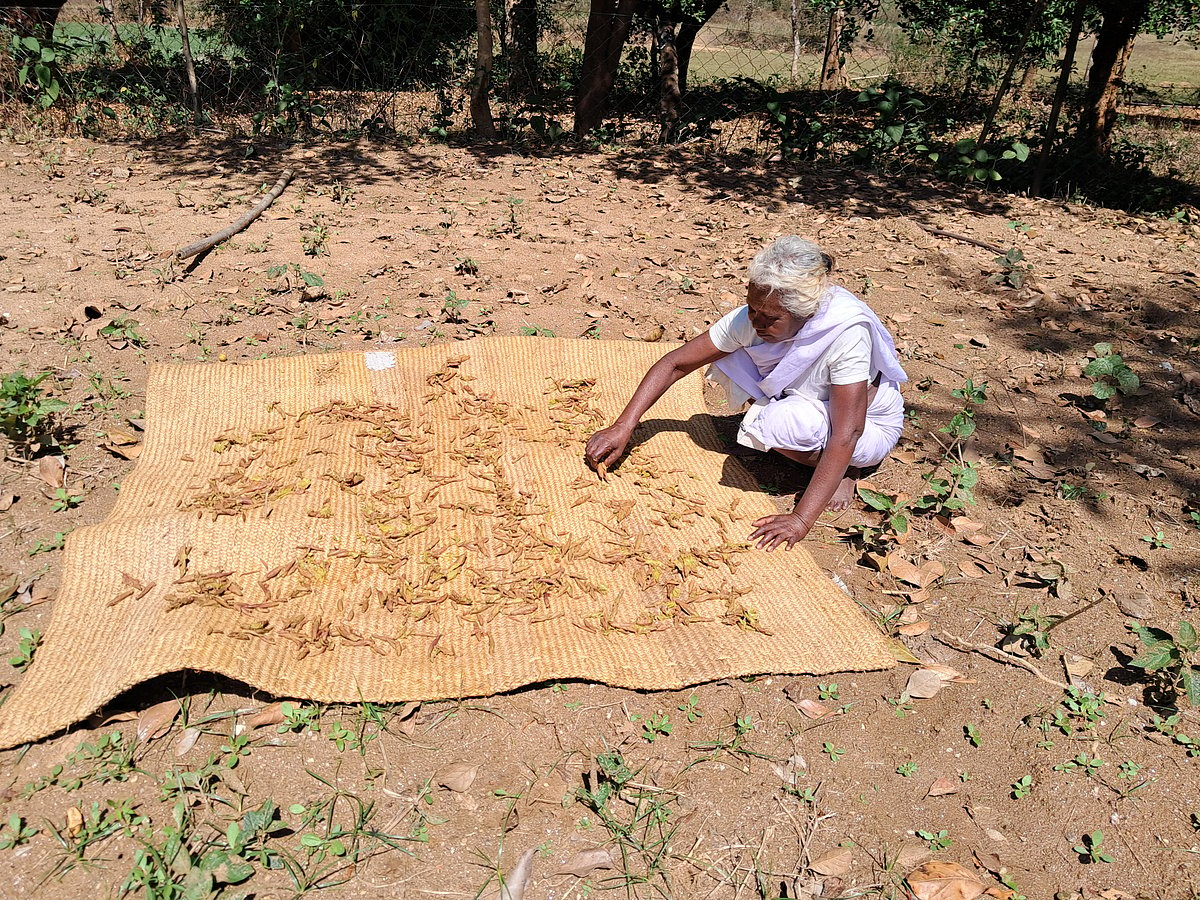
- Has rights over ownership, collection, use, and marketing of minor forest produce (MFP).
- Resource and Social Control:
- Prohibition of child labour; mandatory reporting if workers are taken outside the village.
- Ban on liquor manufacture, storage, or sale without Gram Sabha approval.
- Police must inform the Gram Sabha of any arrest made in the area.
- Local Institutional Mechanisms:
- Each Gram Sabha can establish a Gram Kosh (Village Fund) with four components:
- Grain Fund
- Labour Fund
- Goods Fund
- Cash Fund
- Revenue from MFP royalties, pond leases, sand ghats, market fees, etc., will be deposited into this fund.
- Each Gram Sabha can establish a Gram Kosh (Village Fund) with four components:
- Boundary Delimitation:
- Deputy Commissioners will lead block-level teams to demarcate traditional Gram Sabha boundaries in consultation with local communities.
Additional Info
- PESA Act, 1996:
- Enacted to extend the provisions of Part IX of the Constitution (related to Panchayats) to the Fifth Schedule Areas.
- It recognizes the right of tribal communities to govern themselves through their own systems.
- Fifth Schedule Areas:
- These are areas designated under Article 244(1) of the Constitution for the protection of the interests of Scheduled Tribes.
- In Jharkhand, 13 out of 24 districts are fully or partially covered under the Fifth Schedule.
- Bhuria Committee (1995):
- The PESA Act was based on the recommendations of this committee, which emphasized that tribal self-governance should be based on traditional practices.
- Constitutional Context:
- Article 40: Directive Principle to organize village panchayats.
- 73rd Constitutional Amendment: Institutionalized the Panchayati Raj system but initially excluded Scheduled Areas until PESA was passed.
Sources
Param Shakti Supercomputing Facility Launched at IIT Madras
What’s the News?
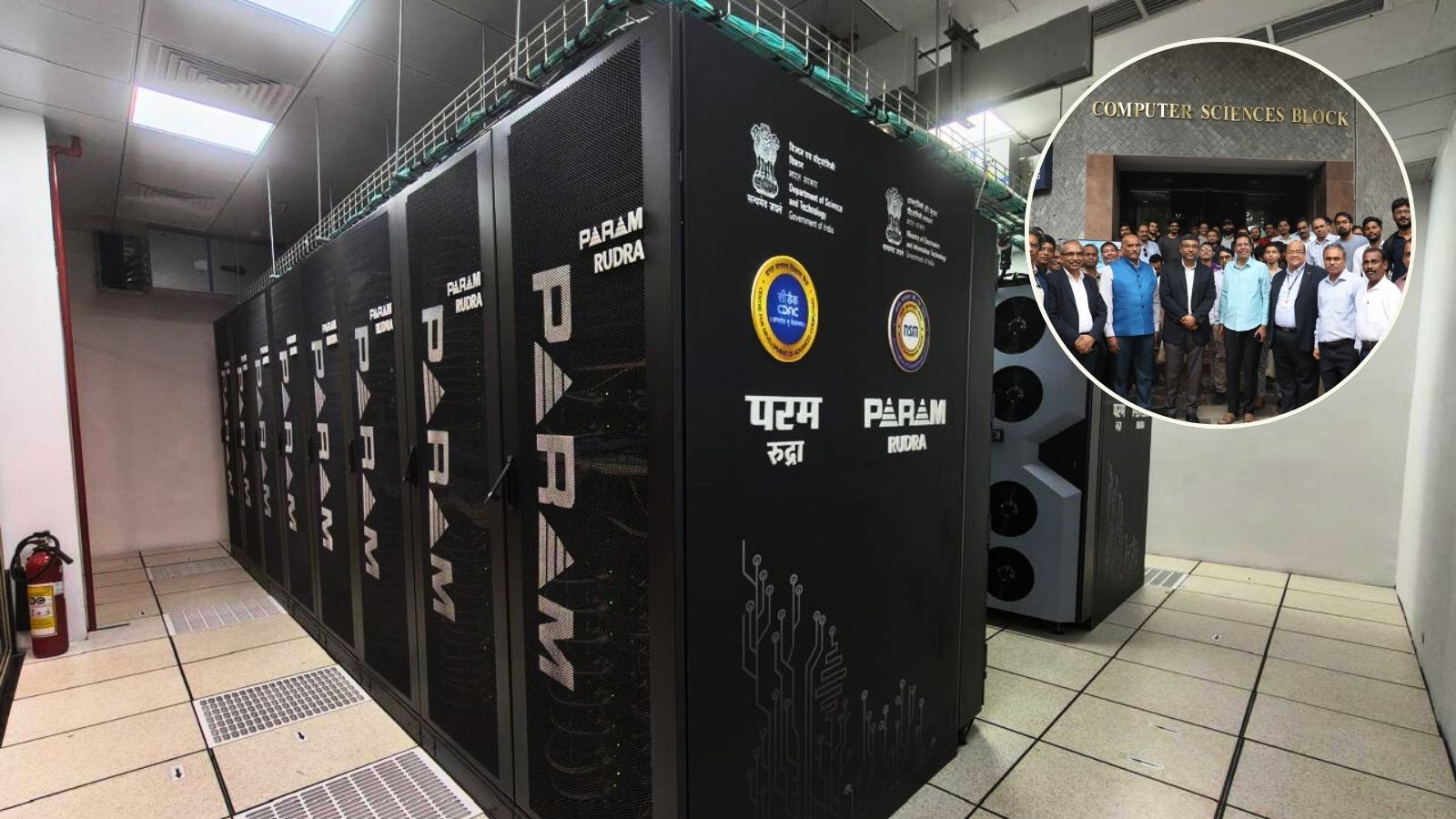
- The Ministry of Electronics and Information Technology (MeitY) officially launched the 'Param Shakti' supercomputing facility at the Indian Institute of Technology (IIT) Madras on January 3, 2026.
- This high-performance computing (HPC) system delivers a peak processing power of 3.1 Petaflops, capable of performing over 3.1 quadrillion calculations per second.
- Developed by the Centre for Development of Advanced Computing (C-DAC), the facility is the 37th supercomputer installed across India under the National Supercomputing Mission (NSM).
- The system is entirely indigenous, utilizing Rudra series servers and an Indian-made software stack, marking a significant step toward technological self-reliance.
PARAM Shakti: Technical and Strategic Overview
- Performance: Capable of 1.66 petaflops (1.66 quadrillion operations per second), making it one of India’s most powerful academic supercomputers.
- Indigenous Components:
- Built using Rudra servers—India’s first indigenous server boards developed by C-DAC.
- Runs on open-source software stack with optimized libraries for AI and HPC workloads.
- Deployment: Part of Phase III of NSM, which aims to install 70+ supercomputers across academic and research institutions by 2026.
National Supercomputing Mission (NSM): Key Details
- Launched: 2015 by Ministry of Electronics and Information Technology (MeitY) and Department of Science & Technology (DST).
- Implementing Agencies:
- Centre for Development of Advanced Computing (C-DAC)
- Indian Institute of Science (IISc), Bengaluru
- Objectives:
- Achieve self-reliance in supercomputing technology.
- Build computational capacity for R&D in academia, industry, and startups.
- Train human resources in high-performance computing (HPC).
- Progress:
- Over 33 systems installed as of early 2026.
- Total investment exceeds ₹6,000 crore since inception.
- Phases of NSM:
- Phase 1: Focused on assembling systems in India with indigenous software.
- Phase 2: Emphasized indigenous manufacturing of components.
- Phase 3: Focuses on the complete design and manufacturing of key hardware within India.
Additional Info
- Key Terms:
- Petaflop: A unit of computing speed equal to one thousand trillion (1015) floating-point operations per second.
- Trinetra: The indigenous high-performance computing network used to interconnect supercomputers in India.
- Related Installations:
- A separate system also named PARAM Shakti (1.66 Petaflops) was inaugurated at IIT Kharagpur in March 2022 as part of the earlier NSM rollout.
- Future planned systems include a 20-Petaflop national facility at C-DAC Bengaluru.
Sources
DRDO Successfully Tests Indigenous Man-Portable Anti-Tank Guided Missile (MPATGM)
What’s the News?
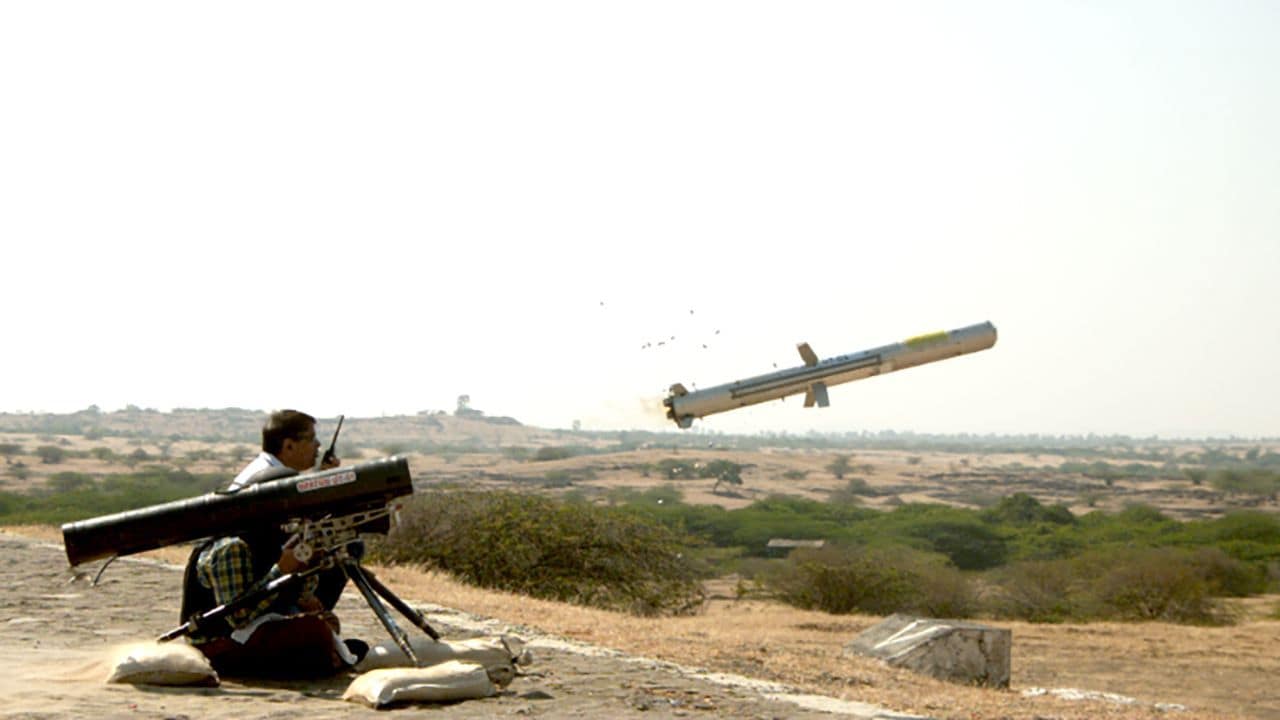
- The Defence Research and Development Organisation (DRDO) successfully conducted a flight test of the indigenously developed Man-Portable Anti-Tank Guided Missile (MPATGM) system.
- The trial, conducted at the KK Ranges in Maharashtra, specifically validated the missile's top-attack capability by accurately striking a moving target.
- This third-generation "fire-and-forget" weapon system is designed for infantry use and represents a significant milestone toward its induction into the Indian Army.
MPATGM System Capabilities
- Top-Attack Mode: Unlike traditional missiles that strike from the side, the MPATGM climbs steeply after launch and descends vertically to hit the top of a tank, which is typically its most vulnerable and least armored area.
- Fire-and-Forget Technology: The missile utilizes an advanced Imaging Infrared (IIR) Homing Seeker, allowing the operator to fire and immediately seek cover without having to guide the missile to the target.
- Day and Night Combat: The IIR seeker provides high-precision targeting and robust operational capability under all weather and visibility conditions.
- Advanced Warhead: Equipped with a tandem High-Explosive Anti-Tank (HEAT) warhead, it is capable of defeating modern Main Battle Tanks (MBTs) protected by Explosive Reactive Armour (ERA).
Technical Specifications and Production
- Operational Range: The system is effective at distances between 200 meters and 4,000 meters.
- Weight & Portability: The missile weighs approximately 14.5 kg, while the total system (including the Command Launch Unit) remains under 30 kg, allowing it to be carried and operated by a two-member team.
- Launch Platforms: It offers tactical flexibility as it can be launched from either a tripod or a military vehicle-mounted launcher.
- Indigenous Development: Developed by the Defence Research & Development Laboratory (DRDL), Hyderabad, in collaboration with several sister labs for critical components like propulsion, avionics, and sighting systems.
- Production Partners: Bharat Dynamics Limited (BDL) and Bharat Electronics Limited (BEL) serve as the Development-Cum-Production Partners (DcPP).
Additional Info
- Integrated Guided Missile Development Programme (IGMDP):
- While the Nag missile was the primary anti-tank project under the original IGMDP, the MPATGM was developed as a lightweight, man-portable derivative to meet specific infantry needs.
- Comparison with Global Systems:
- The MPATGM is often compared to the American FGM-148 Javelin and the Israeli Spike missile systems due to its portability and top-attack functionality.
- Indigenous Content:
- The system boasts over 90% indigenous content, reducing long-term dependence on imported anti-tank systems like the legacy MILAN and Konkurs missiles.
Sources
January 2026
31 January 202630 January 202629 January 202628 January 202627 January 202626 January 202624 January 202623 January 202622 January 202621 January 202620 January 202619 January 202616 January 202615 January 202614 January 202613 January 202612 January 202610 January 202609 January 202608 January 202607 January 202606 January 202605 January 202603 January 202602 January 202601 January 2026
Archive
October 2026
- 27 October 2026
- 26 October 2026
- 24 October 2026
- 23 October 2026
- 22 October 2026
- 21 October 2026
- 20 October 2026
- 19 October 2026
- 17 October 2026
- 16 October 2026
- 15 October 2026
- 14 October 2026
- 13 October 2026
- 12 October 2026
- 10 October 2026
- 09 October 2026
- 08 October 2026
- 07 October 2026
- 06 October 2026
- 05 October 2026
- 03 October 2026
- 02 October 2026
- 01 October 2026
September 2026
- 30 September 2026
- 29 September 2026
- 28 September 2026
- 26 September 2026
- 25 September 2026
- 24 September 2026
- 23 September 2026
- 22 September 2026
- 21 September 2026
- 19 September 2026
- 18 September 2026
- 17 September 2026
- 16 September 2026
- 15 September 2026
- 12 September 2026
- 11 September 2026
- 10 September 2026
- 09 September 2026
- 08 September 2026
- 07 September 2026
- 05 September 2026
- 04 September 2026
- 03 September 2026
- 02 September 2026
- 01 September 2026
August 2026
- 31 August 2026
- 29 August 2026
- 27 August 2026
- 26 August 2026
- 25 August 2026
- 24 August 2026
- 22 August 2026
- 21 August 2026
- 20 August 2026
- 19 August 2026
- 18 August 2026
- 17 August 2026
- 14 August 2026
- 13 August 2026
- 12 August 2026
- 11 August 2026
- 10 August 2026
- 08 August 2026
- 07 August 2026
- 06 August 2026
- 05 August 2026
- 04 August 2026
- 03 August 2026
- 01 August 2026
July 2026
- 31 July 2026
- 30 July 2026
- 29 July 2026
- 28 July 2026
- 27 July 2026
- 25 July 2026
- 23 July 2026
- 22 July 2026
- 21 July 2026
- 20 July 2026
- 18 July 2026
- 17 July 2026
- 15 July 2026
- 14 July 2026
- 13 July 2026
- 11 July 2026
- 10 July 2026
- 09 July 2026
- 08 July 2026
- 07 July 2026
- 06 July 2026
- 04 July 2026
- 03 July 2026
- 02 July 2026
- 01 July 2026
June 2026
May 2026
April 2026
March 2026
- 31 March 2026
- 30 March 2026
- 28 March 2026
- 27 March 2026
- 26 March 2026
- 25 March 2026
- 24 March 2026
- 23 March 2026
- 21 March 2026
- 20 March 2026
- 19 March 2026
- 18 March 2026
- 17 March 2026
- 16 March 2026
- 14 March 2026
- 13 March 2026
- 12 March 2026
- 11 March 2026
- 10 March 2026
- 09 March 2026
- 07 March 2026
- 06 March 2026
- 05 March 2026
- 03 March 2026
- 02 March 2026
February 2026
- 28 February 2026
- 27 February 2026
- 26 February 2026
- 25 February 2026
- 24 February 2026
- 23 February 2026
- 21 February 2026
- 20 February 2026
- 19 February 2026
- 18 February 2026
- 17 February 2026
- 16 February 2026
- 13 February 2026
- 12 February 2026
- 11 February 2026
- 10 February 2026
- 09 February 2026
- 07 February 2026
- 06 February 2026
- 05 February 2026
- 04 February 2026
- 03 February 2026
- 02 February 2026
January 2026
- 31 January 2026
- 30 January 2026
- 29 January 2026
- 28 January 2026
- 27 January 2026
- 26 January 2026
- 24 January 2026
- 23 January 2026
- 22 January 2026
- 21 January 2026
- 20 January 2026
- 19 January 2026
- 16 January 2026
- 15 January 2026
- 14 January 2026
- 13 January 2026
- 12 January 2026
- 10 January 2026
- 09 January 2026
- 08 January 2026
- 07 January 2026
- 06 January 2026
- 05 January 2026
- 03 January 2026
- 02 January 2026
- 01 January 2026
December 2025
- 31 December 2025
- 30 December 2025
- 29 December 2025
- 27 December 2025
- 26 December 2025
- 24 December 2025
- 23 December 2025
- 22 December 2025
- 20 December 2025
- 19 December 2025
- 18 December 2025
- 17 December 2025
- 16 December 2025
- 15 December 2025
- 13 December 2025
- 12 December 2025
- 11 December 2025
- 10 December 2025
- 09 December 2025
- 08 December 2025
- 05 December 2025
- 04 December 2025
- 03 December 2025
- 02 December 2025
November 2025
- 29 November 2025
- 28 November 2025
- 27 November 2025
- 26 November 2025
- 25 November 2025
- 24 November 2025
- 22 November 2025
- 21 November 2025
- 20 November 2025
- 19 November 2025
- 18 November 2025
- 17 November 2025
- 15 November 2025
- 14 November 2025
- 13 November 2025
- 12 November 2025
- 11 November 2025
- 10 November 2025
- 08 November 2025
- 07 November 2025
- 06 November 2025
- 05 November 2025
- 04 November 2025
- 03 November 2025
- 01 November 2025
October 2025
- 31 October 2025
- 30 October 2025
- 29 October 2025
- 28 October 2025
- 27 October 2025
- 25 October 2025
- 24 October 2025
- 23 October 2025
- 22 October 2025
- 21 October 2025
- 20 October 2025
- 18 October 2025
- 17 October 2025
- 16 October 2025
- 15 October 2025
- 14 October 2025
- 13 October 2025
- 11 October 2025
- 10 October 2025
- 09 October 2025
- 08 October 2025
- 07 October 2025
- 06 October 2025
- 04 October 2025
- 03 October 2025
- 02 October 2025
- 01 October 2025
September 2025
- 30 September 2025
- 29 September 2025
- 27 September 2025
- 26 September 2025
- 25 September 2025
- 24 September 2025
- 23 September 2025
- 22 September 2025
- 20 September 2025
- 19 September 2025
- 18 September 2025
- 17 September 2025
- 16 September 2025
- 15 September 2025
- 13 September 2025
- 12 September 2025
- 11 September 2025
- 10 September 2025
- 09 September 2025
- 08 September 2025
- 06 September 2025
- 05 September 2025
- 04 September 2025
- 03 September 2025
- 02 September 2025
- 01 September 2025
August 2025
- 30 August 2025
- 29 August 2025
- 28 August 2025
- 27 August 2025
- 26 August 2025
- 25 August 2025
- 23 August 2025
- 22 August 2025
- 21 August 2025
- 20 August 2025
- 19 August 2025
- 18 August 2025
- 16 August 2025
- 14 August 2025
- 13 August 2025
- 12 August 2025
- 11 August 2025
- 08 August 2025
- 07 August 2025
- 06 August 2025
- 05 August 2025
- 04 August 2025
- 02 August 2025
- 01 August 2025
July 2025
- 31 July 2025
- 30 July 2025
- 29 July 2025
- 28 July 2025
- 26 July 2025
- 25 July 2025
- 24 July 2025
- 23 July 2025
- 22 July 2025
- 21 July 2025
- 19 July 2025
- 18 July 2025
- 17 July 2025
- 16 July 2025
- 15 July 2025
- 12 July 2025
- 11 July 2025
- 10 July 2025
- 09 July 2025
- 07 July 2025
- 05 July 2025
- 04 July 2025
- 03 July 2025
- 02 July 2025
- 01 July 2025
June 2025
- 30 June 2025
- 28 June 2025
- 27 June 2025
- 26 June 2025
- 25 June 2025
- 24 June 2025
- 23 June 2025
- 21 June 2025
- 20 June 2025
- 19 June 2025
- 18 June 2025
- 17 June 2025
- 16 June 2025
- 14 June 2025
- 13 June 2025
- 12 June 2025
- 11 June 2025
- 10 June 2025
- 09 June 2025
- 07 June 2025
- 06 June 2025
- 05 June 2025
- 04 June 2025
- 03 June 2025
- 02 June 2025
May 2025
April 2025
- 30 April 2025
- 29 April 2025
- 28 April 2025
- 26 April 2025
- 25 April 2025
- 24 April 2025
- 23 April 2025
- 22 April 2025
- 21 April 2025
- 19 April 2025
- 18 April 2025
- 17 April 2025
- 16 April 2025
- 15 April 2025
- 14 April 2025
- 12 April 2025
- 11 April 2025
- 10 April 2025
- 09 April 2025
- 08 April 2025
- 07 April 2025
- 05 April 2025
- 04 April 2025
- 03 April 2025
- 02 April 2025
- 01 April 2025
March 2025
- 31 March 2025
- 29 March 2025
- 28 March 2025
- 27 March 2025
- 26 March 2025
- 25 March 2025
- 24 March 2025
- 22 March 2025
- 21 March 2025
- 20 March 2025
- 19 March 2025
- 18 March 2025
- 17 March 2025
- 15 March 2025
- 13 March 2025
- 12 March 2025
- 11 March 2025
- 10 March 2025
- 08 March 2025
- 07 March 2025
- 06 March 2025
- 05 March 2025
- 04 March 2025
- 03 March 2025
- 01 March 2025
February 2025
- 28 February 2025
- 27 February 2025
- 26 February 2025
- 25 February 2025
- 24 February 2025
- 22 February 2025
- 21 February 2025
- 20 February 2025
- 19 February 2025
- 18 February 2025
- 17 February 2025
- 15 February 2025
- 14 February 2025
- 13 February 2025
- 12 February 2025
- 11 February 2025
- 10 February 2025
- 08 February 2025
- 07 February 2025
- 06 February 2025
- 05 February 2025
- 04 February 2025
- 03 February 2025
- 01 February 2025
January 2025
- 31 January 2025
- 30 January 2025
- 29 January 2025
- 28 January 2025
- 27 January 2025
- 25 January 2025
- 24 January 2025
- 23 January 2025
- 22 January 2025
- 21 January 2025
- 20 January 2025
- 18 January 2025
- 17 January 2025
- 16 January 2025
- 15 January 2025
- 14 January 2025
- 13 January 2025
- 11 January 2025
- 10 January 2025
- 09 January 2025
- 08 January 2025
- 07 January 2025
- 06 January 2025
- 04 January 2025
- 03 January 2025
- 02 January 2025
- 01 January 2025