
Current Affairs
Stay updated with the latest national and international events.
13 April 2026
US-Iran Talks in Islamabad Fail to Yield Peace Deal
What’s the News?
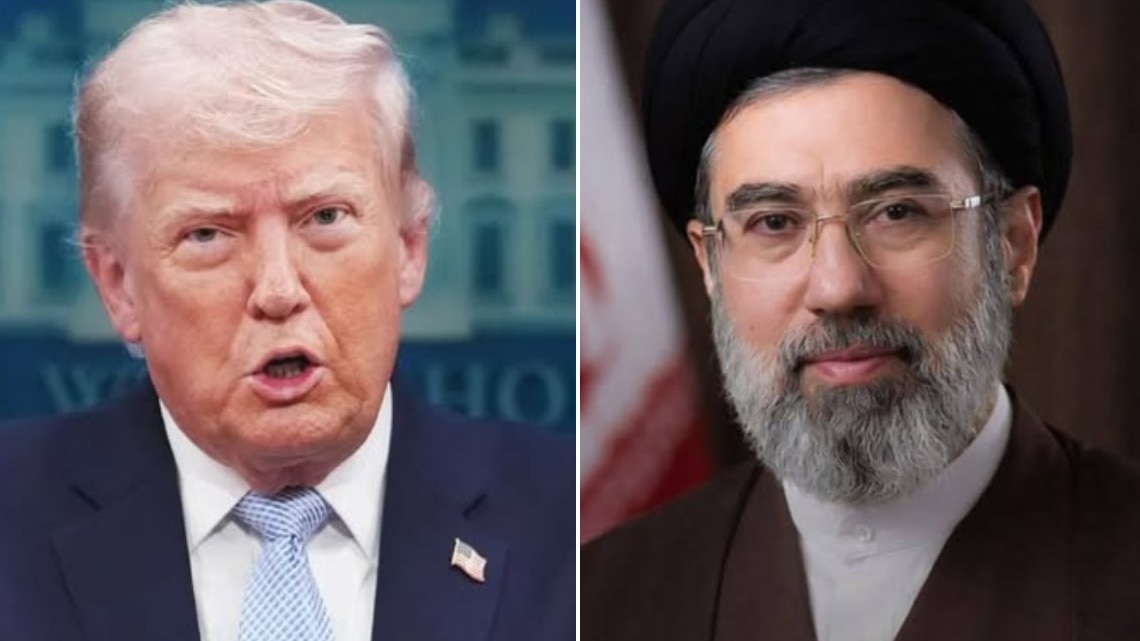
Marathon 21-hour direct negotiations between the United States and Iran in Islamabad, Pakistan, concluded without an agreement to convert a temporary two-week ceasefire into a permanent peace deal. The talks, mediated by Pakistan, represented the highest-level direct engagement between the two nations since the 1979 Islamic Revolution. Key sticking points included Iran's nuclear enrichment program, the status of the Strait of Hormuz, and ongoing Israeli strikes in Lebanon.
Why Did the Islamabad Talks Fail?
The high-stakes dialogue failed to bridge fundamental gaps in position between the two adversaries, primarily due to irreconcilable red lines and a deep trust deficit.
- Core Stalemates:
- Nuclear Program: The US demanded a complete halt to uranium enrichment and the surrender of Iran's stockpile of near-weapons-grade material. Iran rejected these as "excessive and unreasonable," asserting its right to civilian nuclear power under the Nuclear Non-Proliferation Treaty (NPT).
- Strait of Hormuz: The US insisted on the immediate and unconditional reopening of the strategic chokepoint. Iran viewed control of the strait as primary leverage and refused to yield without significant sanctions relief and security guarantees. A reported US proposal for a joint toll-collection venture was rejected by Iran in favor of sovereign control.
- Lebanon Factor: Iran demanded a cessation of Israeli strikes against Hezbollah in Lebanon as a prerequisite for a broader deal. The US did not offer guarantees to restrain Israel, which maintained the ceasefire did not apply to its operations.
- Atmospherics and Trust Deficit:
- The talks were conducted under the shadow of President Trump's maximalist threats, which Tehran perceived as coercion rather than genuine diplomacy.
- The decades-long history of hostility, including the US withdrawal from the 2015 Joint Comprehensive Plan of Action (JCPOA) , created an environment where Iranian negotiators approached US proposals with deep skepticism.
- Figures and Outcome:
- US Delegation: Led by Vice President JD Vance, included Special Envoy Steve Witkoff and Jared Kushner.
- Iranian Delegation: Led by Parliament Speaker Mohammad Bagher Ghalibaf and Foreign Minister Abbas Araghchi.
- Outcome: The talks ended with both sides reverting to their original positions. The fragile ceasefire is now considered precarious, with increased risk of renewed military confrontation. Analysts suggest Iran holds an asymmetric advantage due to its perceived ability to endure economic pressure longer than the US can tolerate disrupted global energy markets.
Strategic Significance of the Strait of Hormuz
The Strait of Hormuz emerged as a central and contentious issue, highlighting its critical role in global energy security and economic stability.
- Geostrategic Importance:
- A narrow waterway connecting the Persian Gulf to the Gulf of Oman and the Arabian Sea.
- Prior to the conflict, roughly one-fifth of the world's total oil consumption and a significant volume of liquefied natural gas (LNG) transited through the strait daily.
- It is the world's most important oil transit chokepoint.
- Context of the Standoff:
- Iran has the capability to effectively close or disrupt traffic in the strait through naval assets, coastal missile batteries, and naval mines.
- The closure since the conflict began has caused major disruption to global oil supplies, contributing to inflationary pressures and energy price volatility worldwide.
- The US demand for reopening is driven by the need to stabilize global markets, while Iran's use of the strait as leverage is a key component of its asymmetric warfare strategy against a technologically superior adversary.
Additional Info
- Historical Context of US-Iran Relations:
- 1979: The Islamic Revolution overthrows the US-backed Shah. Iranian students seize the US Embassy in Tehran, holding 52 American diplomats hostage for 444 days. This event severs formal diplomatic relations.
- 1980s: The Iran-Contra Affair reveals secret US arms sales to Iran to fund Nicaraguan rebels.
- 2002: President George W. Bush labels Iran part of the "Axis of Evil" in his State of the Union address.
- 2015: The Joint Comprehensive Plan of Action (JCPOA) is signed between Iran and the P5+1 (US, UK, France, Russia, China, and Germany), limiting Iran's nuclear program in exchange for sanctions relief.
- 2018: President Donald Trump unilaterally withdraws the US from the JCPOA and reimposes crippling economic sanctions on Iran.
- 2026 (February 28): A major military conflict erupts with coordinated US-Israeli airstrikes against targets inside Iran.
- The Nuclear File:
- Iran is a signatory to the Nuclear Non-Proliferation Treaty (NPT) , which grants it the "inalienable right" to develop research, production, and use of nuclear energy for peaceful purposes.
- The international community's concern centers on the potential for a state to use civilian enrichment technology to produce fissile material for a nuclear weapon. The US demand for "zero enrichment" goes beyond the stipulations of the JCPOA and the NPT.
- Pakistan's Mediation Role:
- Pakistan hosted the talks out of acute concern for regional stability, as a prolonged war involving Iran poses severe security and economic risks, including refugee flows and energy price shocks.
- The nation sought to position itself as a diplomatic bridge, leveraging its geographical proximity and relations with stakeholders.
Sources
Nation Pays Tribute to Martyrs on 107th Anniversary of Jallianwala Bagh Massacre

What’s the News?
India observed the 107th anniversary of the Jallianwala Bagh massacre, a watershed moment in the Indian freedom struggle. On this day in 1919, British troops under Brigadier-General Reginald Dyer opened fire on a peaceful gathering of unarmed civilians in Amritsar, Punjab. President Droupadi Murmu, Prime Minister Narendra Modi, and other leaders paid homage to the martyrs, underscoring the event's enduring legacy in shaping India's resolve for Swaraj (self-rule).
The Jallianwala Bagh Massacre: An Overview
The event was a brutal act of colonial repression that fundamentally altered the course of the Indian independence movement, shifting its goal from seeking dominion status to demanding complete freedom.
- Context and Prelude:
- The Rowlatt Act, 1919: Also known as the "Black Act," this legislation allowed the British government to arrest and detain any person suspected of sedition without trial for up to two years.
- Rowlatt Satyagraha: Mahatma Gandhi launched a nationwide satyagraha against the Act, leading to widespread protests and heightened tensions.
- Arrest of Leaders: The arrest of popular local leaders Dr. Saifuddin Kitchlew and Dr. Satyapal in Amritsar triggered protests and violence, prompting the imposition of martial law under General Dyer.
- The Day of the Massacre (April 13, 1919):
- The Gathering: Thousands of people, including men, women, and children, assembled at Jallianwala Bagh, a walled garden. Many were attending the Baisakhi festival, while others had gathered for a peaceful protest.
- The Action: Without warning or an order to disperse, General Dyer entered with 50 troops, sealed the only narrow exit, and ordered sustained firing.
- Duration and Ammunition: Troops fired for approximately 10 minutes, expending over 1,600 rounds of ammunition into the trapped crowd.
- Casualties: Official British figures placed the death toll at 379, but Indian estimates and subsequent inquiries suggested the number exceeded 1,000, with over 1,200 injured. Many died in a stampede or by jumping into the garden's well to escape bullets.
- Aftermath and Imperial Response:
- "Crawling Order": Dyer imposed humiliating punishments, including an order forcing Indians to crawl through a street where a British missionary had been assaulted.
- Hunter Commission: A British inquiry committee censured Dyer's actions, but he was not criminally prosecuted. He was, in fact, celebrated as a hero by some imperial loyalists in Britain.
- Indian Outrage: The massacre and the subsequent exoneration of Dyer caused deep and lasting anger across India.
Impact on India's Freedom Struggle
The massacre served as a pivotal turning point with profound consequences for the nationalist movement.
- Shift to Complete Independence: The sheer brutality of the event convinced leaders like Mahatma Gandhi that British rule was inherently immoral and "satanic." It directly catalyzed the launch of the Non-Cooperation Movement (1920-22) , marking a decisive shift from seeking reform to demanding Purna Swaraj (complete independence).
- Unifying Force: The tragedy united Indians across class, caste, and religious lines against a common colonial oppressor, bridging significant social divides.
- Inspiration for Revolutionaries: The memory of Jallianwala Bagh became a driving force for a new generation of revolutionaries. Bhagat Singh was deeply influenced by the event, and Udham Singh would later assassinate Michael O'Dwyer (the Lieutenant Governor of Punjab who endorsed Dyer's actions) in London in 1940 as an act of vengeance.
- Symbolic Protests: In a powerful act of dissent, Nobel laureate Rabindranath Tagore renounced his Knighthood, and Mahatma Gandhi returned his Kaiser-i-Hind gold medal.
Sources
India to Host Crucial BRICS Talks Amid West Asia Tensions, Facilitating Iran-UAE Dialogue

What’s the News?
As the 2026 BRICS Chair, India is set to host a series of crucial diplomatic engagements, including a meeting of Foreign Ministers in May, that will bring together Iran and the United Arab Emirates (UAE) for direct discussions. This marks the first high-level, face-to-face interaction between the two nations since the escalation of the West Asia conflict. The meetings occur against the backdrop of a fragile ceasefire between the US and Iran, failed talks in Islamabad, and ongoing regional instability impacting global energy security.
India's Diplomatic Challenge: Forging Consensus in a Divided BRICS
India's presidency faces the complex task of managing deep divisions within the expanded BRICS grouping, which now includes key stakeholders in the West Asian conflict.
- The Core Challenge: India must balance its strong bilateral ties with all involved parties, including Iran, the UAE, and Saudi Arabia, to build consensus.
- Divergent Positions:
- Iran has urged BRICS to condemn the US-Israeli military strikes on its territory and what it terms "aggression and crimes."
- UAE and Saudi Arabia have sought condemnation of Iranian drone and missile attacks on their energy infrastructure and territories hosting US military assets.
- Impact on BRICS Unity: These differences previously prevented BRICS from issuing a unified joint statement on the crisis. External Affairs Ministry has emphasized that BRICS operates on consensus, making a common stance difficult when member states are directly involved in the conflict.
- Divergent Positions:
- The Stakes of the Meeting:
- The talks aim to address not only bilateral Iran-UAE tensions but also broader regional issues including the situations in Palestine, Syria, Yemen, and Lebanon.
- A key focus is the Strait of Hormuz blockade and its disruption to global oil supplies, which has triggered inflationary pressures and supply chain strains worldwide.
- Egypt, a key BRICS member and strategic partner of India, has publicly backed India's efforts. Russia has also extended its support to India's chairmanship.
India's Role as a Consensus Builder
India is positioning itself as a crucial diplomatic bridge and facilitator, leveraging its strong relations across West Asia.
- Facilitating Dialogue: The meetings will provide a neutral platform for direct Iran-UAE engagement, creating a channel for de-escalation within a multilateral framework.
- Navigating Complexity: India's diplomatic approach is under test as it attempts to "safely sail through" the upcoming meetings, as noted by Egypt's ambassador. The objective is to steer BRICS towards a shared position that addresses the root causes of the crisis.
- Context of Previous Statements: Under Brazil's 2025 presidency, the BRICS declaration had condemned military strikes against Iran, calling them a violation of international law. The current conflict has significantly intensified since then, raising the stakes for India's chairmanship.
Additional Info
- BRICS Membership and West Asia:
- The recent expansion of BRICS has made it a more relevant but also more complex forum for West Asian geopolitics. Key members now include:
- Iran (Joined 2024)
- United Arab Emirates (UAE) (Joined 2024)
- Saudi Arabia (Joined 2024)
- Egypt (Joined 2024)
- The recent expansion of BRICS has made it a more relevant but also more complex forum for West Asian geopolitics. Key members now include:
- Timeline of Key BRICS Meetings Under India's 2026 Presidency:
- February 2026: First BRICS Sherpa and Sous Sherpa meeting in New Delhi set the agenda under the theme: "Building for resilience, innovation, cooperation and sustainability."
- March 2026: Virtual meeting of BRICS Sherpas to deliberate on the evolving West Asia situation.
- May 2026: BRICS Foreign Ministers' Meeting in New Delhi, where Iran and UAE will meet face-to-face.
- September 2026: The 17th BRICS Summit under India's leadership.
- Geopolitical Significance for India:
- Energy Security: India imports a significant portion of its crude oil from West Asia. Stability in the region and freedom of navigation in the Strait of Hormuz are vital economic interests.
- Diaspora: India has a large expatriate population (over 8 million) in the Gulf region, whose safety and remittances are a key concern.
- Strategic Autonomy: Successfully managing the BRICS presidency amid this crisis reinforces India's image as a Vishwa Mitra (friend of the world) and a credible voice of the Global South, capable of engaging with diverse and conflicting partners.
Sources
India-Uzbekistan Joint Military Exercise DUSTLIK 2026 Commences

What’s the News?
The 7th edition of the bilateral joint military exercise "DUSTLIK" between India and Uzbekistan commenced on April 12, 2026. The exercise is being held at the Gurumsaray Field Training Area in Namangan, Uzbekistan, and will continue until April 25, 2026. An Indian Army contingent has departed for Uzbekistan to participate in the drills, aimed at bolstering defence cooperation and interoperability between the two nations.
Exercise DUSTLIK: An Overview
Exercise DUSTLIK (meaning "Friendship") is an annual feature in the defence calendar of India and Uzbekistan, symbolizing their growing strategic partnership in Central Asia.
- Nature and Frequency:
- It is an annual bilateral military exercise conducted alternately in India and Uzbekistan.
- The 6th edition was held in April 2025 at the Foreign Training Node, Aundh (Pune) in India.
- The 7th edition (2026) is being hosted by Uzbekistan.
- Composition of Forces:
- Indian Contingent: Comprises 60 personnel, including 45 troops from the Indian Army (primarily from a battalion of the MAHAR Regiment) and 15 personnel from the Indian Air Force (IAF) .
- Uzbekistan Contingent: Also consists of approximately 60 personnel, drawn from the Uzbekistan Army and Air Force.
- Objectives and Operational Focus:
- The primary aim is to enhance joint operational capabilities in semi-mountainous terrain.
- Focus areas include joint planning, joint tactical drills, special arms skills, and a high degree of physical fitness.
- The exercise seeks to establish a unified command-and-control framework for coordinated operations between the two forces.
- Specific tactical drills will include land navigation, strike missions on enemy positions, and seizure of hostile areas.
Additional Info
- India-Uzbekistan Defence Cooperation:
- Uzbekistan is a key partner in India's Extended Neighbourhood Policy in Central Asia.
- The two countries have a robust defence relationship, which includes Joint Working Groups on Defence and regular military exchanges.
- Besides DUSTLIK, both nations also participate in other multilateral military engagements
- Other Indian Exercises:
- Yudh Abhyas: India-USA.
- Shakti: India-France.
- Vajra Prahar: India-USA (Special Forces).
- Surya Kiran: India-Nepal.
- Mitra Shakti: India-Sri Lanka.
Sources
April 2026
Archive
October 2026
- 27 October 2026
- 26 October 2026
- 24 October 2026
- 23 October 2026
- 22 October 2026
- 21 October 2026
- 20 October 2026
- 19 October 2026
- 17 October 2026
- 16 October 2026
- 15 October 2026
- 14 October 2026
- 13 October 2026
- 12 October 2026
- 10 October 2026
- 09 October 2026
- 08 October 2026
- 07 October 2026
- 06 October 2026
- 05 October 2026
- 03 October 2026
- 02 October 2026
- 01 October 2026
September 2026
- 30 September 2026
- 29 September 2026
- 28 September 2026
- 26 September 2026
- 25 September 2026
- 24 September 2026
- 23 September 2026
- 22 September 2026
- 21 September 2026
- 19 September 2026
- 18 September 2026
- 17 September 2026
- 16 September 2026
- 15 September 2026
- 12 September 2026
- 11 September 2026
- 10 September 2026
- 09 September 2026
- 08 September 2026
- 07 September 2026
- 05 September 2026
- 04 September 2026
- 03 September 2026
- 02 September 2026
- 01 September 2026
August 2026
- 31 August 2026
- 29 August 2026
- 27 August 2026
- 26 August 2026
- 25 August 2026
- 24 August 2026
- 22 August 2026
- 21 August 2026
- 20 August 2026
- 19 August 2026
- 18 August 2026
- 17 August 2026
- 14 August 2026
- 13 August 2026
- 12 August 2026
- 11 August 2026
- 10 August 2026
- 08 August 2026
- 07 August 2026
- 06 August 2026
- 05 August 2026
- 04 August 2026
- 03 August 2026
- 01 August 2026
July 2026
- 31 July 2026
- 30 July 2026
- 29 July 2026
- 28 July 2026
- 27 July 2026
- 25 July 2026
- 23 July 2026
- 22 July 2026
- 21 July 2026
- 20 July 2026
- 18 July 2026
- 17 July 2026
- 15 July 2026
- 14 July 2026
- 13 July 2026
- 11 July 2026
- 10 July 2026
- 09 July 2026
- 08 July 2026
- 07 July 2026
- 06 July 2026
- 04 July 2026
- 03 July 2026
- 02 July 2026
- 01 July 2026
June 2026
May 2026
April 2026
March 2026
- 31 March 2026
- 30 March 2026
- 28 March 2026
- 27 March 2026
- 26 March 2026
- 25 March 2026
- 24 March 2026
- 23 March 2026
- 21 March 2026
- 20 March 2026
- 19 March 2026
- 18 March 2026
- 17 March 2026
- 16 March 2026
- 14 March 2026
- 13 March 2026
- 12 March 2026
- 11 March 2026
- 10 March 2026
- 09 March 2026
- 07 March 2026
- 06 March 2026
- 05 March 2026
- 03 March 2026
- 02 March 2026
February 2026
- 28 February 2026
- 27 February 2026
- 26 February 2026
- 25 February 2026
- 24 February 2026
- 23 February 2026
- 21 February 2026
- 20 February 2026
- 19 February 2026
- 18 February 2026
- 17 February 2026
- 16 February 2026
- 13 February 2026
- 12 February 2026
- 11 February 2026
- 10 February 2026
- 09 February 2026
- 07 February 2026
- 06 February 2026
- 05 February 2026
- 04 February 2026
- 03 February 2026
- 02 February 2026
January 2026
- 31 January 2026
- 30 January 2026
- 29 January 2026
- 28 January 2026
- 27 January 2026
- 26 January 2026
- 24 January 2026
- 23 January 2026
- 22 January 2026
- 21 January 2026
- 20 January 2026
- 19 January 2026
- 16 January 2026
- 15 January 2026
- 14 January 2026
- 13 January 2026
- 12 January 2026
- 10 January 2026
- 09 January 2026
- 08 January 2026
- 07 January 2026
- 06 January 2026
- 05 January 2026
- 03 January 2026
- 02 January 2026
- 01 January 2026
December 2025
- 31 December 2025
- 30 December 2025
- 29 December 2025
- 27 December 2025
- 26 December 2025
- 24 December 2025
- 23 December 2025
- 22 December 2025
- 20 December 2025
- 19 December 2025
- 18 December 2025
- 17 December 2025
- 16 December 2025
- 15 December 2025
- 13 December 2025
- 12 December 2025
- 11 December 2025
- 10 December 2025
- 09 December 2025
- 08 December 2025
- 05 December 2025
- 04 December 2025
- 03 December 2025
- 02 December 2025
November 2025
- 29 November 2025
- 28 November 2025
- 27 November 2025
- 26 November 2025
- 25 November 2025
- 24 November 2025
- 22 November 2025
- 21 November 2025
- 20 November 2025
- 19 November 2025
- 18 November 2025
- 17 November 2025
- 15 November 2025
- 14 November 2025
- 13 November 2025
- 12 November 2025
- 11 November 2025
- 10 November 2025
- 08 November 2025
- 07 November 2025
- 06 November 2025
- 05 November 2025
- 04 November 2025
- 03 November 2025
- 01 November 2025
October 2025
- 31 October 2025
- 30 October 2025
- 29 October 2025
- 28 October 2025
- 27 October 2025
- 25 October 2025
- 24 October 2025
- 23 October 2025
- 22 October 2025
- 21 October 2025
- 20 October 2025
- 18 October 2025
- 17 October 2025
- 16 October 2025
- 15 October 2025
- 14 October 2025
- 13 October 2025
- 11 October 2025
- 10 October 2025
- 09 October 2025
- 08 October 2025
- 07 October 2025
- 06 October 2025
- 04 October 2025
- 03 October 2025
- 02 October 2025
- 01 October 2025
September 2025
- 30 September 2025
- 29 September 2025
- 27 September 2025
- 26 September 2025
- 25 September 2025
- 24 September 2025
- 23 September 2025
- 22 September 2025
- 20 September 2025
- 19 September 2025
- 18 September 2025
- 17 September 2025
- 16 September 2025
- 15 September 2025
- 13 September 2025
- 12 September 2025
- 11 September 2025
- 10 September 2025
- 09 September 2025
- 08 September 2025
- 06 September 2025
- 05 September 2025
- 04 September 2025
- 03 September 2025
- 02 September 2025
- 01 September 2025
August 2025
- 30 August 2025
- 29 August 2025
- 28 August 2025
- 27 August 2025
- 26 August 2025
- 25 August 2025
- 23 August 2025
- 22 August 2025
- 21 August 2025
- 20 August 2025
- 19 August 2025
- 18 August 2025
- 16 August 2025
- 14 August 2025
- 13 August 2025
- 12 August 2025
- 11 August 2025
- 08 August 2025
- 07 August 2025
- 06 August 2025
- 05 August 2025
- 04 August 2025
- 02 August 2025
- 01 August 2025
July 2025
- 31 July 2025
- 30 July 2025
- 29 July 2025
- 28 July 2025
- 26 July 2025
- 25 July 2025
- 24 July 2025
- 23 July 2025
- 22 July 2025
- 21 July 2025
- 19 July 2025
- 18 July 2025
- 17 July 2025
- 16 July 2025
- 15 July 2025
- 12 July 2025
- 11 July 2025
- 10 July 2025
- 09 July 2025
- 07 July 2025
- 05 July 2025
- 04 July 2025
- 03 July 2025
- 02 July 2025
- 01 July 2025
June 2025
- 30 June 2025
- 28 June 2025
- 27 June 2025
- 26 June 2025
- 25 June 2025
- 24 June 2025
- 23 June 2025
- 21 June 2025
- 20 June 2025
- 19 June 2025
- 18 June 2025
- 17 June 2025
- 16 June 2025
- 14 June 2025
- 13 June 2025
- 12 June 2025
- 11 June 2025
- 10 June 2025
- 09 June 2025
- 07 June 2025
- 06 June 2025
- 05 June 2025
- 04 June 2025
- 03 June 2025
- 02 June 2025
May 2025
April 2025
- 30 April 2025
- 29 April 2025
- 28 April 2025
- 26 April 2025
- 25 April 2025
- 24 April 2025
- 23 April 2025
- 22 April 2025
- 21 April 2025
- 19 April 2025
- 18 April 2025
- 17 April 2025
- 16 April 2025
- 15 April 2025
- 14 April 2025
- 12 April 2025
- 11 April 2025
- 10 April 2025
- 09 April 2025
- 08 April 2025
- 07 April 2025
- 05 April 2025
- 04 April 2025
- 03 April 2025
- 02 April 2025
- 01 April 2025
March 2025
- 31 March 2025
- 29 March 2025
- 28 March 2025
- 27 March 2025
- 26 March 2025
- 25 March 2025
- 24 March 2025
- 22 March 2025
- 21 March 2025
- 20 March 2025
- 19 March 2025
- 18 March 2025
- 17 March 2025
- 15 March 2025
- 13 March 2025
- 12 March 2025
- 11 March 2025
- 10 March 2025
- 08 March 2025
- 07 March 2025
- 06 March 2025
- 05 March 2025
- 04 March 2025
- 03 March 2025
- 01 March 2025
February 2025
- 28 February 2025
- 27 February 2025
- 26 February 2025
- 25 February 2025
- 24 February 2025
- 22 February 2025
- 21 February 2025
- 20 February 2025
- 19 February 2025
- 18 February 2025
- 17 February 2025
- 15 February 2025
- 14 February 2025
- 13 February 2025
- 12 February 2025
- 11 February 2025
- 10 February 2025
- 08 February 2025
- 07 February 2025
- 06 February 2025
- 05 February 2025
- 04 February 2025
- 03 February 2025
- 01 February 2025
January 2025
- 31 January 2025
- 30 January 2025
- 29 January 2025
- 28 January 2025
- 27 January 2025
- 25 January 2025
- 24 January 2025
- 23 January 2025
- 22 January 2025
- 21 January 2025
- 20 January 2025
- 18 January 2025
- 17 January 2025
- 16 January 2025
- 15 January 2025
- 14 January 2025
- 13 January 2025
- 11 January 2025
- 10 January 2025
- 09 January 2025
- 08 January 2025
- 07 January 2025
- 06 January 2025
- 04 January 2025
- 03 January 2025
- 02 January 2025
- 01 January 2025