
Current Affairs
Stay updated with the latest national and international events.
12 June 2026
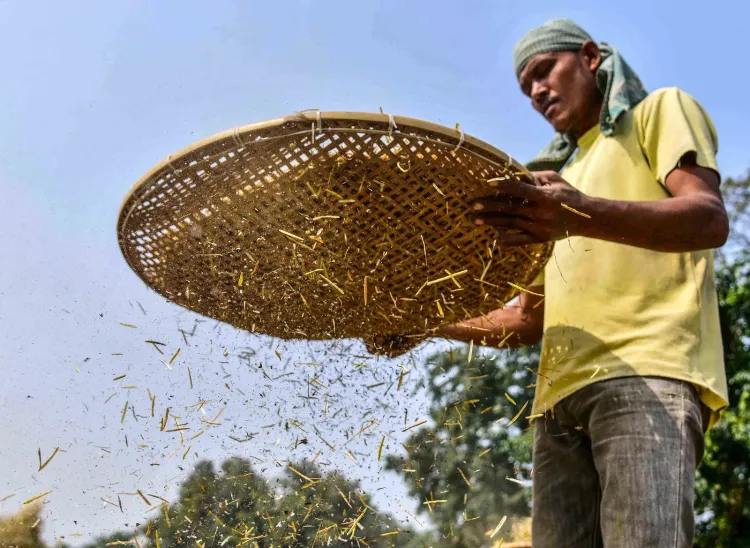
BIS Releases IS 20201:2026 Standard for Community Seed Banks
What’s the News?
- The Bureau of Indian Standards (BIS) has released IS 20201:2026 – Community Seed Bank Management: Requirements.
- The standard provides a uniform framework for establishing and managing Community Seed Banks (CSBs) across India.
- It aims to conserve indigenous crop varieties, strengthen agricultural biodiversity, and improve farmers' access to locally adapted seeds.
- The initiative supports climate-resilient agriculture by promoting preservation of traditional seeds with traits such as drought tolerance, disease resistance, and nutritional value.
Community Seed Banks (CSBs)
- Community Seed Banks are locally managed repositories that:
- Collect, conserve, regenerate, and exchange seeds.
- Preserve traditional and indigenous crop varieties.
- Ensure farmers have access to locally adapted seeds.
- Promote seed sovereignty and agricultural resilience.
- Importance:
- Conserves agrobiodiversity.
- Enhances resilience against climate change.
- Supports food and nutritional security.
- Reduces dependence on commercial seed systems.
IS 20201:2026 Standard
Key Features
- Provides standardized requirements for:
- Seed collection and acquisition.
- Viability and quality testing.
- Cleaning and drying procedures.
- Storage and documentation.
- Quality assurance mechanisms.
- Seed regeneration practices.
- Risk management and continuous improvement.
- Establishes a framework for community-led and decentralized seed conservation systems.
- The standard is voluntary and certifiable.
- Available free of cost through the BIS portal.
Significance
- Helps preserve crop genetic resources threatened by:
- Erratic rainfall.
- Rising temperatures.
- Prolonged droughts.
- Indigenous varieties often possess:
- Drought tolerance.
- Disease resistance.
- Adaptability to local agro-climatic conditions.
- Higher nutritional value.
- Strengthens:
- Sustainable agriculture.
- Food security.
- Climate adaptation at the grassroots level.
- Livelihood security of small and marginal farmers.
Alignment with Government Initiatives
- Complements the National Food Security and Nutrition Mission (NFSNM).
- Provides one-time financial assistance of up to ₹50 lakh for establishing Community Seed Banks.
- Supports objectives under:
- Protection of Plant Varieties and Farmers’ Rights (PPV&FR) Act, 2001.
- Biological Diversity Act, 2002.
- Contributes to:
- SDG 2 – Zero Hunger
- SDG 13 – Climate Action
- SDG 15 – Life on Land.
Additional Info
Bureau of Indian Standards (BIS)
- India's National Standards Body.
- Functions under the Department of Consumer Affairs, Ministry of Consumer Affairs, Food and Public Distribution.
- Established under the Bureau of Indian Standards Act, 2016.
- Responsible for:
- Formulating Indian Standards.
- Conformity assessment and certification.
- Quality assurance and standardization activities.
Institutions Involved in Developing the Standard
- ICAR – National Bureau of Plant Genetic Resources (NBPGR) (Convenor).
- National Biodiversity Authority (NBA).
- Protection of Plant Varieties and Farmers’ Rights Authority (PPV&FRA).
- Rythu Sadhikara Samstha (RySS).
- BAIF Development Research Foundation.
Sources
Oilseeds Kisaan Mitra: AI-Powered WhatsApp Advisory for Oilseed Farmers

What’s the News?
- The Indian Council of Agricultural Research (ICAR) has launched Oilseeds Kisaan Mitra, India's first AI-powered WhatsApp advisory service dedicated to oilseed cultivation.
- The platform provides 24×7 personalized agricultural guidance to farmers through WhatsApp in a simple and accessible format.
- It aims to improve productivity, reduce information gaps, and support the government's efforts towards self-reliance in edible oils.
- The initiative is designed to deliver timely advisories on cultivation practices, pest management, weather-related concerns, and market-linked information.
Oilseeds Kisaan Mitra
Features
- Provides instant advisory services through WhatsApp-based AI chatbot technology.
- Available round-the-clock for farmers.
- Offers guidance on:
- Crop selection and cultivation practices.
- Seed varieties and sowing methods.
- Nutrient management.
- Pest and disease management.
- Irrigation practices.
- Harvesting and post-harvest management.
- Delivers location-specific and crop-specific recommendations.
- Reduces dependence on physical extension services.
Beneficiaries
- Farmers cultivating major oilseed crops such as:
- Mustard
- Groundnut
- Soybean
- Sunflower
- Sesame
- Safflower
- Niger
- Castor
Significance
- Strengthens the agricultural extension ecosystem through digital technology.
- Enhances dissemination of scientific recommendations developed by ICAR institutes.
- Improves decision-making by farmers through real-time information access.
- Supports increased oilseed production and productivity.
- Contributes to reducing India's dependence on imported edible oils.
- Promotes inclusive access to agricultural knowledge using a widely used communication platform.
Oilseed Sector in India
Importance
- Oilseeds are India's second most important agricultural commodity group after food grains.
- They are a major source of:
- Edible oils.
- Livestock feed.
- Industrial raw materials.
- Farmer income diversification.
Challenges
- Low productivity compared to global standards.
- Dependence on monsoon conditions.
- Pest and disease outbreaks.
- Fragmented landholdings.
- Significant edible oil import dependence.
National Mission on Edible Oils – Oilseeds (NMEO-Oilseeds)
Overview
- A centrally sponsored scheme aimed at boosting domestic oilseed production.
- Focuses on:
- Increasing acreage under oilseeds.
- Enhancing productivity through improved technologies.
- Strengthening seed systems.
- Promoting climate-resilient cultivation practices.
Additional Info
Indian Council of Agricultural Research (ICAR)
- Autonomous organization under the Department of Agricultural Research and Education (DARE), Ministry of Agriculture and Farmers Welfare.
- Apex national body for:
- Agricultural research.
- Education.
- Extension services.
- Coordinates a nationwide network of:
- Research institutes.
- Agricultural universities.
- Krishi Vigyan Kendras (KVKs).
Agricultural Extension Services
- Aim to transfer scientific agricultural knowledge from research institutions to farmers.
- Major tools include:
- Krishi Vigyan Kendras (KVKs).
- Digital agriculture platforms.
- Mobile-based advisory services.
- Farmer training programmes.
Sources
DRDO Demonstrates Next-Generation Ballistic Missile Defence and Naval Strike Capabilities
What’s the News?
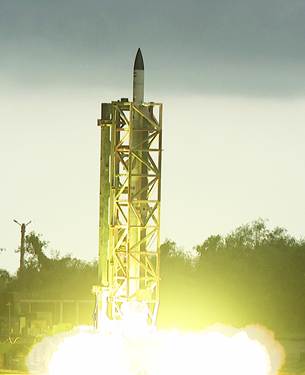
- The Defence Research and Development Organisation (DRDO) successfully conducted a series of missile trials demonstrating India's advanced air and missile defence capabilities.
- The tests included:
- A multi-layered Ballistic Missile Defence (BMD) system interception exercise.
- Successful trials of the Naval Anti-Ship Missile–Medium Range (NASM-MR).
- The demonstrations validated India's capability to counter both ballistic missile threats and maritime targets, strengthening national security and strategic deterrence.
Ballistic Missile Defence (BMD) System
- A Ballistic Missile Defence (BMD) system is designed to detect, track, intercept, and destroy incoming ballistic missiles before they reach their targets.
- It provides a protective shield against missile attacks through multiple interception layers.
NASM-MR (Naval Anti-Ship Missile – Medium Range)
Overview
- NASM-MR is an indigenous anti-ship missile developed by DRDO for maritime strike missions.
- Designed for deployment from naval platforms and aircraft.
Features
- Medium-range precision strike capability.
- Advanced guidance and navigation systems.
- Capability to engage moving maritime targets.
- High accuracy in complex operational environments.
- Enhanced resistance to electronic countermeasures.
Additional Info
Defence Research and Development Organisation (DRDO)
- Established in 1958.
- Functions under the Ministry of Defence.
- Responsible for research and development in:
- Missiles.
- Aeronautics.
- Naval systems.
- Electronics and communication systems.
- Combat vehicles and strategic technologies.
Ballistic Missiles
- Missiles that follow a ballistic trajectory after the powered phase of flight.
- Can be categorized as:
- Short-Range Ballistic Missiles (SRBM).
- Medium-Range Ballistic Missiles (MRBM).
- Intermediate-Range Ballistic Missiles (IRBM).
- Intercontinental Ballistic Missiles (ICBM).
Sources
Odisha Restores Original Odia Spellings of 64 Place Names

What’s the News?
- The Odisha Cabinet has approved the restoration of the original Odia spellings and names of 64 places across the state.
- The initiative seeks to correct colonial-era and anglicized spellings that distorted the linguistic and cultural identity of Odisha.
- The decision aims to preserve Odia heritage, language authenticity, and historical identity in official records, maps, signages, and government communications.
Restoration of Original Place Names
- The approved changes involve replacing anglicized spellings with forms that more accurately reflect Odia pronunciation and linguistic traditions.
- Examples include:
- Cuttack → Kataka
- Balasore → Baleswar
- Sambalpur → Sambalapura
- Several other districts, towns, and administrative units have also undergone spelling corrections.
- The revised names will be adopted in:
- Government records.
- Official notifications.
- Educational materials.
- Public signboards.
- Digital databases and maps.
Why Was the Change Needed?
- Many place names were altered during colonial administration for ease of English pronunciation.
- These spellings often deviated from:
- Original Odia phonetics.
- Historical nomenclature.
- Cultural and linguistic traditions.
- The restoration aims to:
- Preserve linguistic heritage.
- Strengthen regional identity.
- Promote correct pronunciation of place names.
- Reflect indigenous historical and cultural continuity.
Additional Info
Odia as a Classical Language
- Odia was accorded Classical Language status by the Government of India in 2014.
- Criteria for Classical Language status include:
- High antiquity of early texts.
- Rich and original literary tradition.
- Distinct linguistic heritage.
Constitutional Provisions
- Article 29: Protects the cultural and linguistic interests of citizens.
- Article 350A: Provides for facilities for instruction in the mother tongue at the primary stage of education.
- Eighth Schedule: Recognizes India's officially listed languages, including Odia.
Sources
Bangladesh–India Border Cooperation and Deployment of Armed Village Guards
What’s the News?
- Bangladesh and India have reaffirmed their commitment to strengthening cooperation along the shared border through enhanced coordination between border management agencies.
- Simultaneously, Bangladesh has initiated the deployment of armed Village Defence Party (VDP) personnel in selected border areas to improve local security and curb cross-border crimes.
- The developments are aimed at improving border management, preventing illegal activities, and maintaining peace in border regions.
India–Bangladesh Border Cooperation
- Both countries emphasized:
- Better coordination between border guarding forces.
- Prevention of trans-border crimes.
- Action against smuggling and illegal infiltration.
- Maintenance of peace and stability along the border.
- Areas of cooperation include:
- Intelligence sharing.
- Joint border management mechanisms.
- Confidence-building measures.
- Prompt resolution of local border issues.
Armed Village Guards in Bangladesh
What is the Initiative?
- Bangladesh has deployed armed members of the Village Defence Party (VDP) in selected border areas.
- The move is intended to:
- Improve surveillance in vulnerable border regions.
- Assist law enforcement agencies.
- Deter smuggling and other illegal cross-border activities.
- Enhance community-based security mechanisms.
Village Defence Party (VDP)
- A community-based auxiliary force operating under the country's local security framework.
- Assists in:
- Rural security.
- Disaster response.
- Community awareness programmes.
- Support to civil administration and law-enforcement agencies.
India–Bangladesh Border
Key Facts
- Length: Approximately 4,096 km.
- It is India's longest international border with any neighbouring country.
- Shared by five Indian states:
- West Bengal
- Assam
- Meghalaya
- Tripura
- Mizoram
Major Challenges
- Smuggling of goods and narcotics.
- Human trafficking.
- Illegal migration.
- Cattle smuggling.
- Cross-border criminal networks.
Border Management Mechanism
Border Security Force (BSF)
- India's primary border-guarding force on the Bangladesh border.
- Functions under the Ministry of Home Affairs.
- Responsible for:
- Border surveillance.
- Prevention of trans-border crimes.
- Border fencing and patrols.
- Assisting civil authorities during emergencies.
Bilateral Border Management Measures
- Coordinated border patrols.
- Border Guard-level meetings.
- Joint Working Groups.
- Information and intelligence exchange.
- Flag meetings for local dispute resolution.
Border Guarding Forces
- India: Border Security Force (BSF).
- Bangladesh: Border Guard Bangladesh (BGB).
Global Peace Index (GPI) 2026: India Slips to 127th Rank
What’s the News?
- The Global Peace Index (GPI) 2026, released by the Institute for Economics & Peace (IEP), reported a further decline in global peacefulness.
- India's ranking fell from 115th to 127th position, marking one of the notable deteriorations in South Asia.
- The report identifies rising conflicts, geopolitical tensions, and militarisation as key drivers behind the worsening global peace environment.
- South Asia recorded the largest regional deterioration in peacefulness among all world regions.
India's Performance in GPI 2026
- India ranked 127th in the 2026 index.
- India's peacefulness score deteriorated by 2.9% compared to the previous edition.
- The decline was driven primarily by worsening performance in:
- Ongoing Conflict indicators.
- Regional security concerns.
- Geopolitical tensions.
Regional Comparison
- India ranked below:
- Bhutan
- Sri Lanka
- Bangladesh
- Nepal
- India ranked above:
- Pakistan
- Afghanistan
South Asia: Key Trends
Largest Regional Decline
- South Asia experienced the sharpest deterioration in peacefulness globally.
- Contributing factors included:
- Interstate tensions.
- Political instability.
- Internal conflicts.
- Security-related challenges.
Regional Rankings
- Bhutan remained the most peaceful country in South Asia.
- Afghanistan continued to remain among the least peaceful countries globally.
Global Peace Index (GPI)
What is GPI?
- The Global Peace Index is an annual report measuring the relative peacefulness of countries.
- Published by the Institute for Economics & Peace (IEP).
- Covers more than 160 countries and territories.
Assessment Parameters
The index evaluates countries across three broad domains:
- Safety and Security
- Crime levels.
- Political stability.
- Terrorism impact.
- Violent crime.
- Ongoing Domestic and International Conflict
- Internal conflicts.
- External conflicts.
- Conflict intensity and duration.
- Militarisation
- Military expenditure.
- Armed forces personnel.
- Weapons imports and exports.
Top 10 Most Peaceful Countries (GPI 2026)
- Iceland
- Ireland
- New Zealand
- Austria
- Switzerland
- Singapore
- Portugal
- Denmark
- Slovenia
- Finland
Major Global Findings
Global Peace Continues to Decline
- Global peacefulness declined for another consecutive year.
- More countries recorded deterioration than improvement.
Rising Conflict Levels
- The number of active conflicts worldwide increased significantly.
- Geopolitical competition and interstate tensions intensified.
Growing Militarisation
- Defence spending increased across many regions.
- Strategic competition among major powers contributed to heightened security concerns.
Additional Info
Institute for Economics & Peace (IEP)
- Independent global think tank headquartered in Sydney, Australia.
- Develops major indices including:
- Global Peace Index (GPI).
- Global Terrorism Index (GTI).
- Positive Peace Index (PPI).
Positive Peace
- Refers to the institutions, structures, and attitudes that sustain peaceful societies.
Eight Pillars of Positive Peace
- Well-functioning government.
- Sound business environment.
- Equitable distribution of resources.
- Acceptance of the rights of others.
- Good relations with neighbours.
- Free flow of information.
- High levels of human capital.
- Low corruption.
China Rejects Indian Chilli Shipments Over Pesticide Residue Concerns
What’s the News?
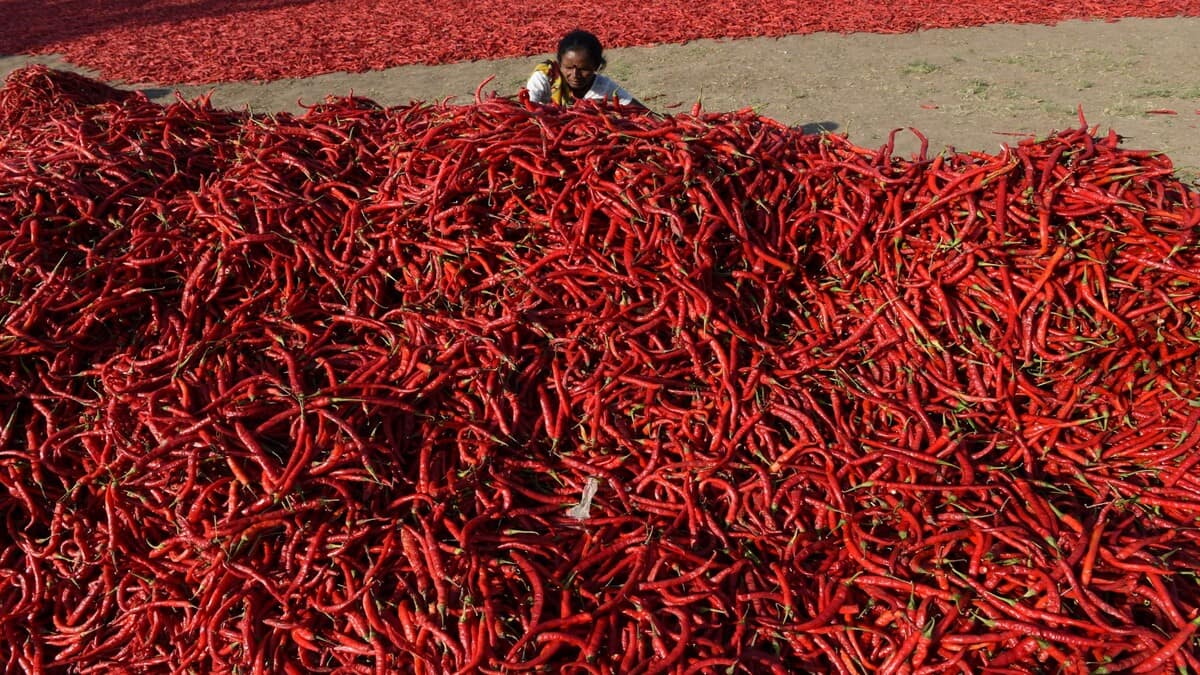
- China has rejected multiple consignments of Indian chilli exports after detecting pesticide residues above its prescribed limits.
- The development has raised concerns among Indian exporters, particularly from major chilli-producing states, as China is an important market for Indian chillies.
- Exporters fear that stricter inspections and rejections could adversely affect India's chilli exports and farmer incomes.
Why Did China Reject the Shipments?
Key Reason
- Chinese authorities reportedly found residues of certain pesticides beyond the Maximum Residue Limits (MRLs) permitted under their food safety regulations.
- As a result, several consignments were either rejected or subjected to enhanced scrutiny.
What are Maximum Residue Limits (MRLs)?
- MRLs refer to the highest legally permissible level of pesticide residue in food products.
- Countries establish their own standards based on risk assessments and food safety regulations.
- Exporters must comply with the destination country's MRL requirements to gain market access.
Impact on Indian Chilli Exports
Economic Concerns
- Exporters face:
- Increased testing and compliance costs.
- Delays in shipments.
- Risk of loss of market share.
- Potential decline in export earnings.
Impact on Farmers
- Lower export demand may affect farm-gate prices.
- Chilli growers could face challenges in marketing produce if export restrictions continue.
- Greater emphasis may be needed on residue-compliant cultivation practices.
India's Chilli Sector
Production
- India is among the world's largest producers, consumers, and exporters of chillies.
- Major chilli-producing states include:
- Andhra Pradesh
- Telangana
- Karnataka
- Madhya Pradesh
- Odisha
- Maharashtra
Export Significance
- Indian chillies are exported to:
- China
- Bangladesh
- Thailand
- Sri Lanka
- Vietnam
- Malaysia
- Several West Asian countries
- Chilli exports contribute significantly to India's spice export basket.
Additional Info
Spices Board of India
- Autonomous body under the Ministry of Commerce and Industry.
- Responsible for:
- Promotion of spice exports.
- Quality certification.
- Export development.
- Market promotion.
Maximum Residue Limits (MRLs)
- Established by:
- National food safety regulators.
- International bodies such as the Codex Alimentarius Commission.
- Purpose:
- Protect consumer health.
- Facilitate safe international trade in agricultural products.
Codex Alimentarius Commission
- Joint body of:
- Food and Agriculture Organization (FAO).
- World Health Organization (WHO).
- Develops international food standards, guidelines, and codes of practice.
Integrated Pest Management (IPM)
- Ecosystem-based approach to pest control.
- Combines:
- Biological control.
- Cultural practices.
- Mechanical methods.
- Judicious use of pesticides.
Sources
June 2026
Archive
October 2026
- 27 October 2026
- 26 October 2026
- 24 October 2026
- 23 October 2026
- 22 October 2026
- 21 October 2026
- 20 October 2026
- 19 October 2026
- 17 October 2026
- 16 October 2026
- 15 October 2026
- 14 October 2026
- 13 October 2026
- 12 October 2026
- 10 October 2026
- 09 October 2026
- 08 October 2026
- 07 October 2026
- 06 October 2026
- 05 October 2026
- 03 October 2026
- 02 October 2026
- 01 October 2026
September 2026
- 30 September 2026
- 29 September 2026
- 28 September 2026
- 26 September 2026
- 25 September 2026
- 24 September 2026
- 23 September 2026
- 22 September 2026
- 21 September 2026
- 19 September 2026
- 18 September 2026
- 17 September 2026
- 16 September 2026
- 15 September 2026
- 12 September 2026
- 11 September 2026
- 10 September 2026
- 09 September 2026
- 08 September 2026
- 07 September 2026
- 05 September 2026
- 04 September 2026
- 03 September 2026
- 02 September 2026
- 01 September 2026
August 2026
- 31 August 2026
- 29 August 2026
- 27 August 2026
- 26 August 2026
- 25 August 2026
- 24 August 2026
- 22 August 2026
- 21 August 2026
- 20 August 2026
- 19 August 2026
- 18 August 2026
- 17 August 2026
- 14 August 2026
- 13 August 2026
- 12 August 2026
- 11 August 2026
- 10 August 2026
- 08 August 2026
- 07 August 2026
- 06 August 2026
- 05 August 2026
- 04 August 2026
- 03 August 2026
- 01 August 2026
July 2026
- 31 July 2026
- 30 July 2026
- 29 July 2026
- 28 July 2026
- 27 July 2026
- 25 July 2026
- 23 July 2026
- 22 July 2026
- 21 July 2026
- 20 July 2026
- 18 July 2026
- 17 July 2026
- 15 July 2026
- 14 July 2026
- 13 July 2026
- 11 July 2026
- 10 July 2026
- 09 July 2026
- 08 July 2026
- 07 July 2026
- 06 July 2026
- 04 July 2026
- 03 July 2026
- 02 July 2026
- 01 July 2026
June 2026
May 2026
April 2026
March 2026
- 31 March 2026
- 30 March 2026
- 28 March 2026
- 27 March 2026
- 26 March 2026
- 25 March 2026
- 24 March 2026
- 23 March 2026
- 21 March 2026
- 20 March 2026
- 19 March 2026
- 18 March 2026
- 17 March 2026
- 16 March 2026
- 14 March 2026
- 13 March 2026
- 12 March 2026
- 11 March 2026
- 10 March 2026
- 09 March 2026
- 07 March 2026
- 06 March 2026
- 05 March 2026
- 03 March 2026
- 02 March 2026
February 2026
- 28 February 2026
- 27 February 2026
- 26 February 2026
- 25 February 2026
- 24 February 2026
- 23 February 2026
- 21 February 2026
- 20 February 2026
- 19 February 2026
- 18 February 2026
- 17 February 2026
- 16 February 2026
- 13 February 2026
- 12 February 2026
- 11 February 2026
- 10 February 2026
- 09 February 2026
- 07 February 2026
- 06 February 2026
- 05 February 2026
- 04 February 2026
- 03 February 2026
- 02 February 2026
January 2026
- 31 January 2026
- 30 January 2026
- 29 January 2026
- 28 January 2026
- 27 January 2026
- 26 January 2026
- 24 January 2026
- 23 January 2026
- 22 January 2026
- 21 January 2026
- 20 January 2026
- 19 January 2026
- 16 January 2026
- 15 January 2026
- 14 January 2026
- 13 January 2026
- 12 January 2026
- 10 January 2026
- 09 January 2026
- 08 January 2026
- 07 January 2026
- 06 January 2026
- 05 January 2026
- 03 January 2026
- 02 January 2026
- 01 January 2026
December 2025
- 31 December 2025
- 30 December 2025
- 29 December 2025
- 27 December 2025
- 26 December 2025
- 24 December 2025
- 23 December 2025
- 22 December 2025
- 20 December 2025
- 19 December 2025
- 18 December 2025
- 17 December 2025
- 16 December 2025
- 15 December 2025
- 13 December 2025
- 12 December 2025
- 11 December 2025
- 10 December 2025
- 09 December 2025
- 08 December 2025
- 05 December 2025
- 04 December 2025
- 03 December 2025
- 02 December 2025
November 2025
- 29 November 2025
- 28 November 2025
- 27 November 2025
- 26 November 2025
- 25 November 2025
- 24 November 2025
- 22 November 2025
- 21 November 2025
- 20 November 2025
- 19 November 2025
- 18 November 2025
- 17 November 2025
- 15 November 2025
- 14 November 2025
- 13 November 2025
- 12 November 2025
- 11 November 2025
- 10 November 2025
- 08 November 2025
- 07 November 2025
- 06 November 2025
- 05 November 2025
- 04 November 2025
- 03 November 2025
- 01 November 2025
October 2025
- 31 October 2025
- 30 October 2025
- 29 October 2025
- 28 October 2025
- 27 October 2025
- 25 October 2025
- 24 October 2025
- 23 October 2025
- 22 October 2025
- 21 October 2025
- 20 October 2025
- 18 October 2025
- 17 October 2025
- 16 October 2025
- 15 October 2025
- 14 October 2025
- 13 October 2025
- 11 October 2025
- 10 October 2025
- 09 October 2025
- 08 October 2025
- 07 October 2025
- 06 October 2025
- 04 October 2025
- 03 October 2025
- 02 October 2025
- 01 October 2025
September 2025
- 30 September 2025
- 29 September 2025
- 27 September 2025
- 26 September 2025
- 25 September 2025
- 24 September 2025
- 23 September 2025
- 22 September 2025
- 20 September 2025
- 19 September 2025
- 18 September 2025
- 17 September 2025
- 16 September 2025
- 15 September 2025
- 13 September 2025
- 12 September 2025
- 11 September 2025
- 10 September 2025
- 09 September 2025
- 08 September 2025
- 06 September 2025
- 05 September 2025
- 04 September 2025
- 03 September 2025
- 02 September 2025
- 01 September 2025
August 2025
- 30 August 2025
- 29 August 2025
- 28 August 2025
- 27 August 2025
- 26 August 2025
- 25 August 2025
- 23 August 2025
- 22 August 2025
- 21 August 2025
- 20 August 2025
- 19 August 2025
- 18 August 2025
- 16 August 2025
- 14 August 2025
- 13 August 2025
- 12 August 2025
- 11 August 2025
- 08 August 2025
- 07 August 2025
- 06 August 2025
- 05 August 2025
- 04 August 2025
- 02 August 2025
- 01 August 2025
July 2025
- 31 July 2025
- 30 July 2025
- 29 July 2025
- 28 July 2025
- 26 July 2025
- 25 July 2025
- 24 July 2025
- 23 July 2025
- 22 July 2025
- 21 July 2025
- 19 July 2025
- 18 July 2025
- 17 July 2025
- 16 July 2025
- 15 July 2025
- 12 July 2025
- 11 July 2025
- 10 July 2025
- 09 July 2025
- 07 July 2025
- 05 July 2025
- 04 July 2025
- 03 July 2025
- 02 July 2025
- 01 July 2025
June 2025
- 30 June 2025
- 28 June 2025
- 27 June 2025
- 26 June 2025
- 25 June 2025
- 24 June 2025
- 23 June 2025
- 21 June 2025
- 20 June 2025
- 19 June 2025
- 18 June 2025
- 17 June 2025
- 16 June 2025
- 14 June 2025
- 13 June 2025
- 12 June 2025
- 11 June 2025
- 10 June 2025
- 09 June 2025
- 07 June 2025
- 06 June 2025
- 05 June 2025
- 04 June 2025
- 03 June 2025
- 02 June 2025
May 2025
April 2025
- 30 April 2025
- 29 April 2025
- 28 April 2025
- 26 April 2025
- 25 April 2025
- 24 April 2025
- 23 April 2025
- 22 April 2025
- 21 April 2025
- 19 April 2025
- 18 April 2025
- 17 April 2025
- 16 April 2025
- 15 April 2025
- 14 April 2025
- 12 April 2025
- 11 April 2025
- 10 April 2025
- 09 April 2025
- 08 April 2025
- 07 April 2025
- 05 April 2025
- 04 April 2025
- 03 April 2025
- 02 April 2025
- 01 April 2025
March 2025
- 31 March 2025
- 29 March 2025
- 28 March 2025
- 27 March 2025
- 26 March 2025
- 25 March 2025
- 24 March 2025
- 22 March 2025
- 21 March 2025
- 20 March 2025
- 19 March 2025
- 18 March 2025
- 17 March 2025
- 15 March 2025
- 13 March 2025
- 12 March 2025
- 11 March 2025
- 10 March 2025
- 08 March 2025
- 07 March 2025
- 06 March 2025
- 05 March 2025
- 04 March 2025
- 03 March 2025
- 01 March 2025
February 2025
- 28 February 2025
- 27 February 2025
- 26 February 2025
- 25 February 2025
- 24 February 2025
- 22 February 2025
- 21 February 2025
- 20 February 2025
- 19 February 2025
- 18 February 2025
- 17 February 2025
- 15 February 2025
- 14 February 2025
- 13 February 2025
- 12 February 2025
- 11 February 2025
- 10 February 2025
- 08 February 2025
- 07 February 2025
- 06 February 2025
- 05 February 2025
- 04 February 2025
- 03 February 2025
- 01 February 2025
January 2025
- 31 January 2025
- 30 January 2025
- 29 January 2025
- 28 January 2025
- 27 January 2025
- 25 January 2025
- 24 January 2025
- 23 January 2025
- 22 January 2025
- 21 January 2025
- 20 January 2025
- 18 January 2025
- 17 January 2025
- 16 January 2025
- 15 January 2025
- 14 January 2025
- 13 January 2025
- 11 January 2025
- 10 January 2025
- 09 January 2025
- 08 January 2025
- 07 January 2025
- 06 January 2025
- 04 January 2025
- 03 January 2025
- 02 January 2025
- 01 January 2025