
Current Affairs
Stay updated with the latest national and international events.
12 February 2026
NITI Aayog Releases Net Zero Roadmap for Waste Sector

What's the News?
- NITI Aayog released Volume 8 of its landmark study "Scenarios Towards Viksit Bharat and Net Zero", presenting a strategic roadmap for transforming India's waste sector into a resource recovery powerhouse.
- The report outlines pathways to align India's Viksit Bharat 2047 vision with its Net Zero 2070 climate commitment, focusing on decoupling economic growth from greenhouse gas (GHG) emissions in waste management.
- It projects that without intervention, waste sector emissions could grow 3.5 times by 2070, but with aggressive action, emissions can be reduced by 95.9% compared to current policy trajectories.
Waste Sector Emissions Challenge
- Current Footprint: The waste sector contributed approximately 76 MtCO2e in 2020, representing 2.56% of India's total GHG emissions and ranking as the fourth-largest emission source.
- Growth Trajectory:
- Municipal Solid Waste (MSW): Daily generation of 170,000 tonnes (62 million tonnes annually) projected to reach 165 million tonnes by 2030 and 436 million tonnes by 2050.
- Wastewater: 221,173 million litres per day generated domestically, with only 44.9% currently treated.
- Emission Composition:
- Methane (CH4) dominates at 75.7% of waste sector emissions (from landfills and wastewater).
- Domestic wastewater accounts for 45% of sub-sector emissions, industrial wastewater for 29%, and solid waste management for 26%.
Two Scenarios: Current Policy vs. Net Zero
| Parameter | Current Policy Scenario (CPS) | Net Zero Scenario (NZS) |
|---|---|---|
| 2070 Emissions | 266.10 MtCO2e (3.5x increase from 2020) | 10.9 MtCO2e (95.9% reduction vs CPS) |
| MSW Treatment | 85% by 2050 | 100% collection and segregation; 85% treatment |
| Sewer Connectivity | 65% by 2070 | 85% with universal methane capture |
| Industrial Wastewater | Partial methane recovery | 100% methane recovery by 2040 |
Strategic Interventions
- Universal Collection: Achieve 100% door-to-door solid waste collection and complete wastewater treatment by 2047.
- Source Segregation: Mandate strict segregation into biodegradable, recyclable, and non-recyclable categories to enable resource recovery.
- Bio-methanation Scale-up: Process wet waste through bio-methanation and bio-CNG production; processing just 50% of wet waste could generate ₹2,460 crore annually.
- Circular Economy Integration:
- Formalize the informal waste sector (currently handling 90% of e-waste through unauthorized channels).
- Strengthen Extended Producer Responsibility (EPR) frameworks for batteries, e-waste, and plastics.
- Technology Deployment: Deploy anaerobic digestion systems with methane capture for wastewater treatment to replace aerobic systems that release emissions.
Constitutional & Policy Framework:
- Solid Waste Management Rules, 2016: Mandate source segregation and scientific disposal; extended to villages with population >3,000 in 2020 amendment.
- Plastic Waste Management Rules, 2016: Established EPR framework for plastic producers, importers, and brand owners.
- National Policy on Faecal Sludge and Septage Management, 2017: Addresses safe management of human waste from onsite sanitation systems.
Flagship Missions:
- Swachh Bharat Mission (Urban 2.0): Already bio-remediated 1,140 lakh tonnes of legacy waste from 2,429 dump sites (48% of total legacy waste).
- AMRUT 2.0: Focuses on universal water supply and sewerage coverage in all statutory towns.
- GOBARdhan (Galvanizing Organic Bio-Agro Resources Dhan): Promotes bio-CNG production from agricultural and organic waste.
- SATAT (Sustainable Alternative Towards Affordable Transportation): Initiative to establish compressed biogas plants.
Sources
PNGRB Approves Guidelines for CBG Injection into Natural Gas Networks
What's the News?
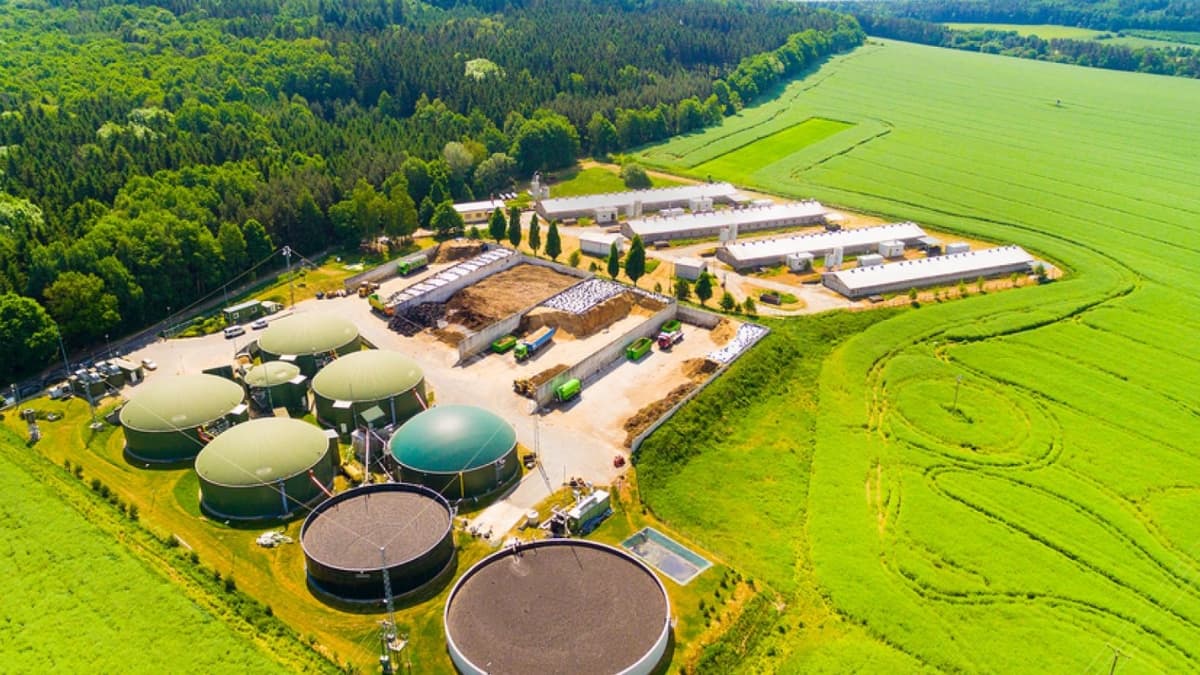
- The Petroleum and Natural Gas Regulatory Board (PNGRB) approved comprehensive guidelines for injection of Compressed Biogas (CBG) into Natural Gas Pipelines (NGPL) and City Gas Distribution (CGD) networks.
- The guidelines establish a standardized framework for safe, efficient integration of domestically produced green gas into India's authorized natural gas infrastructure.
CBG Injection Guidelines
- Quality Specifications: Defines clear quality standards and technical specifications for CBG to ensure compatibility with existing natural gas infrastructure.
- Installation Procedures: Standardizes installation protocols for CBG injection facilities connecting production plants to pipelines.
- Safety Requirements: Mandates odorization, control systems, and other safety measures for pipeline injection operations.
- Technical Configurations: Includes illustrative schematic drawings for uniform design interpretation and implementation across CGD and NGPL networks.
- Stakeholder Clarity: Provides regulatory certainty for CBG project developers, CGD entities, technology providers, and investors.
Significance
- Energy Security: Reduces dependence on imported LNG by mainstreaming domestically produced green gas into the national energy mix.
- Project Viability: Assured pipeline-based evacuation improves financing prospects and investment attractiveness for CBG projects.
- Feedstock Utilization: Facilitates higher utilization of:
- Agricultural residue
- Cattle dung
- Municipal solid waste
- Other organic feedstocks
- Environmental Impact: Supports India's climate goals by promoting clean fuel adoption and reducing crop residue burning.
Development Process
- Consultative Approach: Guidelines developed through extensive stakeholder engagement including:
- Technical Committee with representatives from CBG producers, CGD entities, and NGPL pipeline operators.
- Public Consultation: Draft guidelines placed in public domain for comments.
- Open House Meeting: Detailed deliberations with industry participants.
- Technical Focus: Addresses specific technical, operational, and safety aspects unique to CBG injection.
Additional Info
- About PNGRB:
- Established: 2006 under the Petroleum and Natural Gas Regulatory Board Act, 2006.
- Nature: Statutory regulatory body for downstream petroleum and natural gas sector.
- Headquarters: New Delhi.
- Key Functions:
- Authorizes and regulates pipelines, LNG terminals, and CGD networks.
- Monitors prices and ensures fair competition.
- Specifies pipeline access codes and regulates transportation tariffs.
- Lays down technical standards and safety norms.
- Maintains sectoral data bank for infrastructure planning.
- CBG Context:
- Compressed Biogas: Purified biogas (primarily methane) compressed to pressure suitable for pipeline injection or vehicle fuel.
- SATAT Initiative: Sustainable Alternative Towards Affordable Transportation scheme promotes CBG as alternative to CNG in automotive sector.
- GOBARdhan: Galvanizing Organic Bio-Agro Resources Dhan scheme supports CBG production from agricultural and organic waste.
Sources
Defence Ministry Frames Fresh Guidelines for Military Publications

What's the News?
- The Ministry of Defence (MoD) is formulating comprehensive publication guidelines for serving and retired armed forces personnel following controversy over former Army Chief General M.M. Naravane's unpublished memoir "Four Stars of Destiny".
- The proposed framework aims to standardize the clearance process for manuscripts and incorporate provisions of the Official Secrets Act, 1923, which continues to bind personnel even after retirement.
- The move addresses current regulatory gaps, as India lacks a single unified law governing book publications by former military officers.
The Naravane Memoir Controversy
- Unpublished Content Cited: Leader of Opposition Rahul Gandhi quoted excerpts from the memoir in Lok Sabha regarding the 2020 India-China border standoff, triggering government protests that the book lacked defence establishment clearance.
- Speaker's Intervention: The Lok Sabha Speaker barred further references to the text, terming it "unauthenticated unpublished content".
- Legal Action: Delhi Police registered an FIR over alleged unauthorized circulation of a preprint version, investigating how manuscript portions entered the public domain.
- Publisher's Clarification: Penguin Random House India (sole publishing rights holder) and General Naravane confirmed no copies have been published in any format, and any circulating version constitutes copyright infringement.
Proposed Guidelines Framework
- Scope: Covers both serving and retired personnel across Army, Navy, and Air Force.
- Clearance Process: Will spell out mandatory submission and verification procedures before publication approval.
- Legal Foundation: Builds upon:
- Official Secrets Act, 1923 provisions (lifelong applicability).
- Defence Service Regulations for serving personnel.
- Army Act provisions where applicable.
- Objective: Close procedural gaps and prevent unauthorized disclosure of sensitive operational information, classified material, and intelligence inputs.
Current Regulatory Landscape
For Serving Personnel
- Mandatory Prior Permission: Defence Service Regulations require written clearance before undertaking any literary, political, or remunerative activity outside official duties.
- Prohibited Content: Classified information, operational details, internal procedures, equipment capabilities, intelligence inputs, and matters affecting national security or foreign relations.
- Approval Chain: Requests routed through command structure up to Army Headquarters or MoD depending on content sensitivity.
For Retired Personnel
- No Specific Service Rules: Retired officers fall outside Army Act jurisdiction on publication matters.
- Official Secrets Act Applies: Lifelong criminal liability for disclosing classified or operationally sensitive material.
- Expected Protocol: Voluntary submission of manuscripts containing sensitive content to MoD for verification and clearance.
- Self-Regulation: Relies largely on individual maturity and judgment regarding what constitutes classified vs. public domain information.
Official Secrets Act, 1923
- Colonial-Era Legislation: Enacted April 2, 1923, to consolidate laws protecting official information and prevent espionage.
- Applicability: Covers all persons including government servants, defence personnel, private individuals, and companies; extends to Indian citizens outside India.
- Spying (Section 3): Punishes approaching prohibited places, making sketches, or collecting information useful to enemies; imprisonment up to 14 years for defence-related offences, 3 years for other cases.
- Wrongful Communication (Section 5): Criminalizes unauthorized sharing, retention, or misuse of official codes, documents, or information affecting sovereignty, integrity, security, or friendly relations with foreign states.
- Special Rule of Evidence: For military offences, conviction possible based on circumstances, conduct, or known character without proving specific prejudicial acts.
- Trial Restrictions (Section 13): Courts can take cognizance only upon complaint authorized by appropriate Government.
- Closed Proceedings (Section 14): Courts may exclude public during trial if evidence publication may prejudice State security.
Sources
Odisha Records Highest Dolphin Population in Five Years

What's the News?
- Odisha recorded 765 dolphins across six species in the 2025-26 state-wide census, marking the highest count in five years and indicating stable to improving marine ecosystem health.
- The census conducted by the Wildlife Wing of the Forest, Environment and Climate Change Department demonstrates the success of sustained conservation efforts, habitat protection, and community participation.
- Chilika Lake hosts 159 Irrawaddy dolphins, the largest single-area concentration globally for this endangered species while Gahirmatha Marine Sanctuary shelters 474 Humpback dolphins.
2026 Census: Species-Wise Distribution
| Species | Count | Key Habitat | Conservation Status |
|---|---|---|---|
| Humpback Dolphin | 497 | Gahirmatha Marine Sanctuary (474) | Vulnerable |
| Irrawaddy Dolphin | 208 | Chilika Lake (159) | Endangered |
| Bottlenose Dolphin | 55 | Coastal waters | Least Concern |
| Spinner Dolphin | 3 | Offshore waters | Least Concern |
| Finless Porpoise | 2 | Coastal estuaries | Vulnerable |
Population Trends: Five-Year Analysis
- 2020-21: 544 dolphins (209 Irrawaddy)
- 2021-22: 726 dolphins (208 Irrawaddy)
- 2022-23: 733 dolphins (69 Irrawaddy)
- 2023-24: 743 dolphins (181 Irrawaddy)
- 2024-25: 710 dolphins (188 Irrawaddy)
- 2025-26: 765 dolphins (208 Irrawaddy); Highest in 5 years
Conservation Zones
- Chilika Lake:
- 159 Irrawaddy dolphins highest global concentration in a single area.
- Designated Ramsar site (wetland of international importance).
- Success attributed to long-term habitat protection, wetland management, and community participation.
- Population has stabilized at 159 for two consecutive years.
- Gahirmatha Marine Sanctuary (Kendrapara district):
- 474 Humpback dolphins major marine conservation stronghold.
- Also world's largest nesting ground for Olive Ridley sea turtles.
- Other Sightings:
- Balasore Wildlife Division: 15 Irrawaddy dolphins
- Berhampur: 13 Irrawaddy dolphins
- Puri Wildlife Division: 12 Irrawaddy dolphins
- Rajnagar Mangrove Division: 9 Irrawaddy dolphins
Additional Info
- Legal Protection:
- Schedule I of the Wildlife (Protection) Act, 1972 highest protection level.
- IUCN Red List: Irrawaddy dolphins classified as Endangered.
- CITES Appendix I: International trade prohibited.
- Biological Characteristics:
- Echolocation: Use sound waves for navigation and hunting.
- Social Behavior: Live in structured pods for protection and cooperation.
- Indicator Species: Presence reflects healthy water quality, fish abundance, and balanced coastal ecosystems.
- Intelligence: Advanced problem-solving skills and communication systems.
Sources
Ancient Indian Inscriptions Discovered in Egypt's Valley of the Kings
What's the News?
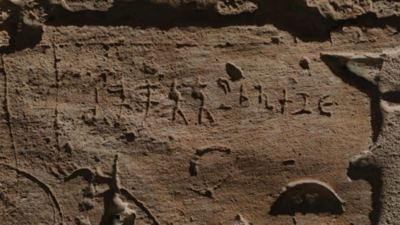
- Researchers have identified nearly 30 inscriptions in Tamil Brahmi, Sanskrit, and Prakrit inside six tombs at Egypt's Valley of the Kings, dating to the 1st–3rd centuries CE.
- The discovery by Charlotte Schmid (École Française d'Extrême-Orient) and Ingo Strauch (University of Lausanne) reveals that Indian traders traveled far inland from Red Sea ports, participating in ancient Mediterranean commemorative practices.
- The name "Cikai Koṟṟaṉ" appears eight times across five tombs, indicating repeated visits by a prominent Tamil merchant or leader.
Discoveries and Inscriptions
The Repeated Name: Cikai Koṟṟaṉ
- Frequency: Inscribed eight times across five different tombs, including one placed prominently four metres high at an entrance.
- Linguistic Significance:
- "Cikai": Possibly derived from Sanskrit śikhā (tuft or crown).
- "Koṟṟaṉ": Distinctly Tamil, linked to victory/slaying and associated with Koṟṟavai (Chera warrior goddess) and koṟṟavaṉ (king).
- Cultural Hybridity: The name straddles Sanskrit and Tamil worlds, reflecting cosmopolitan merchant communities.
Other Identified Names
- "Kopāṉ varata kantan": "Kopāṉ came and saw" mirrors Greek graffiti formulae found in the same tombs.
- Cātaṉ and Kiraṉ: Common Tamil names attested in South Indian inscriptions.
- Kshaharata Envoy: One Sanskrit inscription mentions an envoy of a Kshaharata king (western Indian dynasty, 1st century CE) who "came here."
Language Distribution
| Language | Count | Origin Region |
|---|---|---|
| Tamil Brahmi | ~20 | Tamilagam (South India) |
| Sanskrit | Multiple | Pan-Indian/North India |
| Prakrit | Multiple | Western/Northwestern India |
| Gandhari-Kharosthi | Few | Northwest India |
Historical Context
The Valley of the Kings
- Location: West bank of the Nile near modern Luxor (ancient Thebes), part of the Theban Necropolis.
- Period: Built during 18th–20th Dynasties (c. 1539–1075 BCE) for New Kingdom pharaohs.
- UNESCO Status: Designated World Heritage Site in 1979 as part of Ancient Thebes.
- Roman-Era Tourism: By the 1st–3rd centuries CE, the site had become an ancient tourist destination where Mediterranean travelers left graffiti.
Indo-Roman Trade Networks
- Maritime Routes: Connected Indian Ocean ports (Arikamedu, Muziris) with Red Sea ports (Berenike, Myos Hormos).
- Goods Traded: Pepper, ivory, gemstones, textiles flowed westward; wine, glass, gold flowed eastward.
- Previous Evidence: Indian inscriptions at Berenike since the 1990s, including pottery sherd with "Koṟṟapumāṉ" linking to the same naming tradition.
Sources
February 2026
28 February 202627 February 202626 February 202625 February 202624 February 202623 February 202621 February 202620 February 202619 February 202618 February 202617 February 202616 February 202613 February 202612 February 202611 February 202610 February 202609 February 202607 February 202606 February 202605 February 202604 February 202603 February 202602 February 2026
Archive
October 2026
- 27 October 2026
- 26 October 2026
- 24 October 2026
- 23 October 2026
- 22 October 2026
- 21 October 2026
- 20 October 2026
- 19 October 2026
- 17 October 2026
- 16 October 2026
- 15 October 2026
- 14 October 2026
- 13 October 2026
- 12 October 2026
- 10 October 2026
- 09 October 2026
- 08 October 2026
- 07 October 2026
- 06 October 2026
- 05 October 2026
- 03 October 2026
- 02 October 2026
- 01 October 2026
September 2026
- 30 September 2026
- 29 September 2026
- 28 September 2026
- 26 September 2026
- 25 September 2026
- 24 September 2026
- 23 September 2026
- 22 September 2026
- 21 September 2026
- 19 September 2026
- 18 September 2026
- 17 September 2026
- 16 September 2026
- 15 September 2026
- 12 September 2026
- 11 September 2026
- 10 September 2026
- 09 September 2026
- 08 September 2026
- 07 September 2026
- 05 September 2026
- 04 September 2026
- 03 September 2026
- 02 September 2026
- 01 September 2026
August 2026
- 31 August 2026
- 29 August 2026
- 27 August 2026
- 26 August 2026
- 25 August 2026
- 24 August 2026
- 22 August 2026
- 21 August 2026
- 20 August 2026
- 19 August 2026
- 18 August 2026
- 17 August 2026
- 14 August 2026
- 13 August 2026
- 12 August 2026
- 11 August 2026
- 10 August 2026
- 08 August 2026
- 07 August 2026
- 06 August 2026
- 05 August 2026
- 04 August 2026
- 03 August 2026
- 01 August 2026
July 2026
- 31 July 2026
- 30 July 2026
- 29 July 2026
- 28 July 2026
- 27 July 2026
- 25 July 2026
- 23 July 2026
- 22 July 2026
- 21 July 2026
- 20 July 2026
- 18 July 2026
- 17 July 2026
- 15 July 2026
- 14 July 2026
- 13 July 2026
- 11 July 2026
- 10 July 2026
- 09 July 2026
- 08 July 2026
- 07 July 2026
- 06 July 2026
- 04 July 2026
- 03 July 2026
- 02 July 2026
- 01 July 2026
June 2026
May 2026
April 2026
March 2026
- 31 March 2026
- 30 March 2026
- 28 March 2026
- 27 March 2026
- 26 March 2026
- 25 March 2026
- 24 March 2026
- 23 March 2026
- 21 March 2026
- 20 March 2026
- 19 March 2026
- 18 March 2026
- 17 March 2026
- 16 March 2026
- 14 March 2026
- 13 March 2026
- 12 March 2026
- 11 March 2026
- 10 March 2026
- 09 March 2026
- 07 March 2026
- 06 March 2026
- 05 March 2026
- 03 March 2026
- 02 March 2026
February 2026
- 28 February 2026
- 27 February 2026
- 26 February 2026
- 25 February 2026
- 24 February 2026
- 23 February 2026
- 21 February 2026
- 20 February 2026
- 19 February 2026
- 18 February 2026
- 17 February 2026
- 16 February 2026
- 13 February 2026
- 12 February 2026
- 11 February 2026
- 10 February 2026
- 09 February 2026
- 07 February 2026
- 06 February 2026
- 05 February 2026
- 04 February 2026
- 03 February 2026
- 02 February 2026
January 2026
- 31 January 2026
- 30 January 2026
- 29 January 2026
- 28 January 2026
- 27 January 2026
- 26 January 2026
- 24 January 2026
- 23 January 2026
- 22 January 2026
- 21 January 2026
- 20 January 2026
- 19 January 2026
- 16 January 2026
- 15 January 2026
- 14 January 2026
- 13 January 2026
- 12 January 2026
- 10 January 2026
- 09 January 2026
- 08 January 2026
- 07 January 2026
- 06 January 2026
- 05 January 2026
- 03 January 2026
- 02 January 2026
- 01 January 2026
December 2025
- 31 December 2025
- 30 December 2025
- 29 December 2025
- 27 December 2025
- 26 December 2025
- 24 December 2025
- 23 December 2025
- 22 December 2025
- 20 December 2025
- 19 December 2025
- 18 December 2025
- 17 December 2025
- 16 December 2025
- 15 December 2025
- 13 December 2025
- 12 December 2025
- 11 December 2025
- 10 December 2025
- 09 December 2025
- 08 December 2025
- 05 December 2025
- 04 December 2025
- 03 December 2025
- 02 December 2025
November 2025
- 29 November 2025
- 28 November 2025
- 27 November 2025
- 26 November 2025
- 25 November 2025
- 24 November 2025
- 22 November 2025
- 21 November 2025
- 20 November 2025
- 19 November 2025
- 18 November 2025
- 17 November 2025
- 15 November 2025
- 14 November 2025
- 13 November 2025
- 12 November 2025
- 11 November 2025
- 10 November 2025
- 08 November 2025
- 07 November 2025
- 06 November 2025
- 05 November 2025
- 04 November 2025
- 03 November 2025
- 01 November 2025
October 2025
- 31 October 2025
- 30 October 2025
- 29 October 2025
- 28 October 2025
- 27 October 2025
- 25 October 2025
- 24 October 2025
- 23 October 2025
- 22 October 2025
- 21 October 2025
- 20 October 2025
- 18 October 2025
- 17 October 2025
- 16 October 2025
- 15 October 2025
- 14 October 2025
- 13 October 2025
- 11 October 2025
- 10 October 2025
- 09 October 2025
- 08 October 2025
- 07 October 2025
- 06 October 2025
- 04 October 2025
- 03 October 2025
- 02 October 2025
- 01 October 2025
September 2025
- 30 September 2025
- 29 September 2025
- 27 September 2025
- 26 September 2025
- 25 September 2025
- 24 September 2025
- 23 September 2025
- 22 September 2025
- 20 September 2025
- 19 September 2025
- 18 September 2025
- 17 September 2025
- 16 September 2025
- 15 September 2025
- 13 September 2025
- 12 September 2025
- 11 September 2025
- 10 September 2025
- 09 September 2025
- 08 September 2025
- 06 September 2025
- 05 September 2025
- 04 September 2025
- 03 September 2025
- 02 September 2025
- 01 September 2025
August 2025
- 30 August 2025
- 29 August 2025
- 28 August 2025
- 27 August 2025
- 26 August 2025
- 25 August 2025
- 23 August 2025
- 22 August 2025
- 21 August 2025
- 20 August 2025
- 19 August 2025
- 18 August 2025
- 16 August 2025
- 14 August 2025
- 13 August 2025
- 12 August 2025
- 11 August 2025
- 08 August 2025
- 07 August 2025
- 06 August 2025
- 05 August 2025
- 04 August 2025
- 02 August 2025
- 01 August 2025
July 2025
- 31 July 2025
- 30 July 2025
- 29 July 2025
- 28 July 2025
- 26 July 2025
- 25 July 2025
- 24 July 2025
- 23 July 2025
- 22 July 2025
- 21 July 2025
- 19 July 2025
- 18 July 2025
- 17 July 2025
- 16 July 2025
- 15 July 2025
- 12 July 2025
- 11 July 2025
- 10 July 2025
- 09 July 2025
- 07 July 2025
- 05 July 2025
- 04 July 2025
- 03 July 2025
- 02 July 2025
- 01 July 2025
June 2025
- 30 June 2025
- 28 June 2025
- 27 June 2025
- 26 June 2025
- 25 June 2025
- 24 June 2025
- 23 June 2025
- 21 June 2025
- 20 June 2025
- 19 June 2025
- 18 June 2025
- 17 June 2025
- 16 June 2025
- 14 June 2025
- 13 June 2025
- 12 June 2025
- 11 June 2025
- 10 June 2025
- 09 June 2025
- 07 June 2025
- 06 June 2025
- 05 June 2025
- 04 June 2025
- 03 June 2025
- 02 June 2025
May 2025
April 2025
- 30 April 2025
- 29 April 2025
- 28 April 2025
- 26 April 2025
- 25 April 2025
- 24 April 2025
- 23 April 2025
- 22 April 2025
- 21 April 2025
- 19 April 2025
- 18 April 2025
- 17 April 2025
- 16 April 2025
- 15 April 2025
- 14 April 2025
- 12 April 2025
- 11 April 2025
- 10 April 2025
- 09 April 2025
- 08 April 2025
- 07 April 2025
- 05 April 2025
- 04 April 2025
- 03 April 2025
- 02 April 2025
- 01 April 2025
March 2025
- 31 March 2025
- 29 March 2025
- 28 March 2025
- 27 March 2025
- 26 March 2025
- 25 March 2025
- 24 March 2025
- 22 March 2025
- 21 March 2025
- 20 March 2025
- 19 March 2025
- 18 March 2025
- 17 March 2025
- 15 March 2025
- 13 March 2025
- 12 March 2025
- 11 March 2025
- 10 March 2025
- 08 March 2025
- 07 March 2025
- 06 March 2025
- 05 March 2025
- 04 March 2025
- 03 March 2025
- 01 March 2025
February 2025
- 28 February 2025
- 27 February 2025
- 26 February 2025
- 25 February 2025
- 24 February 2025
- 22 February 2025
- 21 February 2025
- 20 February 2025
- 19 February 2025
- 18 February 2025
- 17 February 2025
- 15 February 2025
- 14 February 2025
- 13 February 2025
- 12 February 2025
- 11 February 2025
- 10 February 2025
- 08 February 2025
- 07 February 2025
- 06 February 2025
- 05 February 2025
- 04 February 2025
- 03 February 2025
- 01 February 2025
January 2025
- 31 January 2025
- 30 January 2025
- 29 January 2025
- 28 January 2025
- 27 January 2025
- 25 January 2025
- 24 January 2025
- 23 January 2025
- 22 January 2025
- 21 January 2025
- 20 January 2025
- 18 January 2025
- 17 January 2025
- 16 January 2025
- 15 January 2025
- 14 January 2025
- 13 January 2025
- 11 January 2025
- 10 January 2025
- 09 January 2025
- 08 January 2025
- 07 January 2025
- 06 January 2025
- 04 January 2025
- 03 January 2025
- 02 January 2025
- 01 January 2025