
Current Affairs
Stay updated with the latest national and international events.
11 August 2026
India Wins Four Medals at International Linguistics Olympiad 2026
What’s the News?
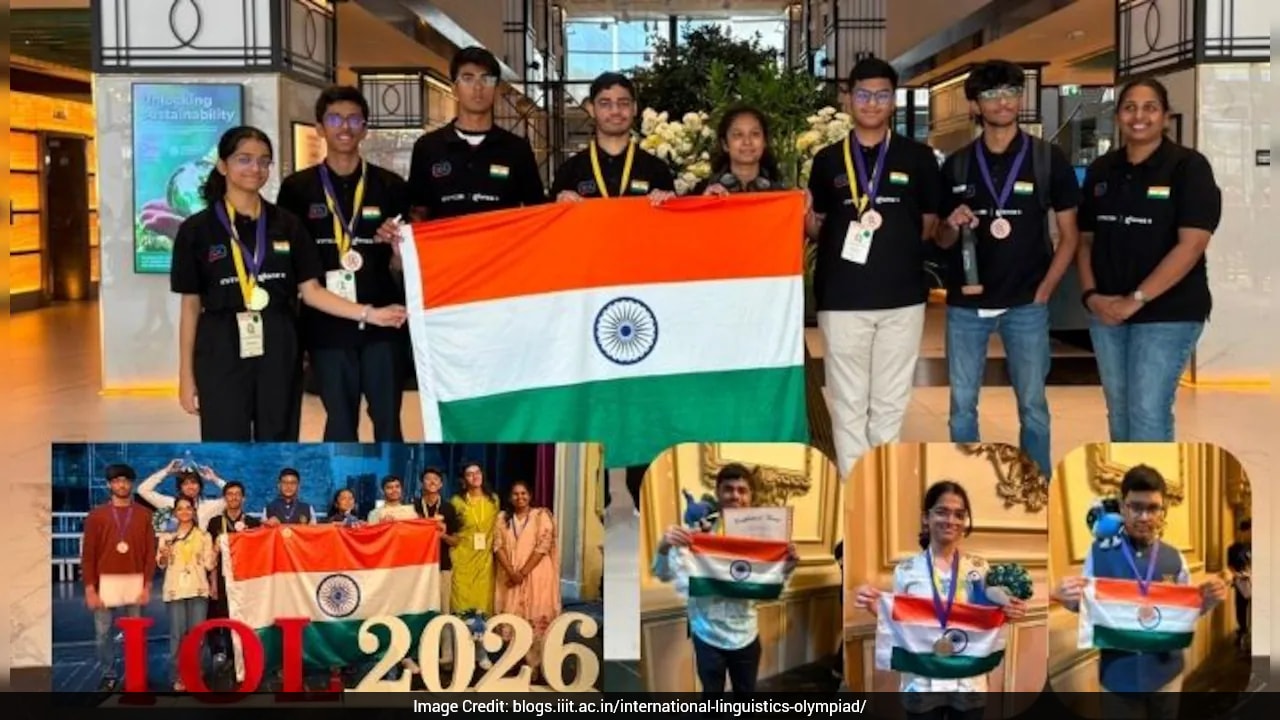
- India won 4 medals — 1 Gold and 3 Bronze — and one Honourable Mention at the 23rd International Linguistics Olympiad (IOL) held in Bucharest, Romania.
- Shrilakshmi Venkatraman won the Gold Medal with a score of 70.0.
- Aarav Anil Rao, Nishanth Shankar Lakshmanan and Advay Misra won Bronze Medals, while Soham Amit Pednekar received an Honourable Mention.
- The competition featured 255 participants from more than 40 countries.
International Linguistics Olympiad (IOL)?
- The International Linguistics Olympiad (IOL) is an annual international competition for secondary-school students and is part of the broader group of International Science Olympiads.
- It tests the ability to analyse unfamiliar languages through logic, pattern recognition and problem-solving rather than prior knowledge of particular languages.
- Problems can involve:
- Phonetics – study of speech sounds.
- Morphology – structure and formation of words.
- Syntax – arrangement of words and sentences.
- Semantics – meaning in language.
- The 23rd edition was hosted in Bucharest, the capital of Romania.
IOL 2026: Key Numbers
- Participants: 255
- Individual medals awarded: 84
- Gold: 14
- Silver: 30
- Bronze: 40
- Honourable Mentions: 44
India’s Performance
| Award | Indian Student |
|---|---|
| Gold | Shrilakshmi Venkatraman |
| Bronze | Aarav Anil Rao |
| Bronze | Nishanth Shankar Lakshmanan |
| Bronze | Advay Misra |
| Honourable Mention | Soham Amit Pednekar |
- India has participated in the IOL since 2009.
- Its cumulative individual medal tally has reached 37 medals:
- 6 Gold
- 9 Silver
- 22 Bronze
Panini Linguistics Olympiad (PLO)?
- The Panini Linguistics Olympiad (PLO) serves as India’s national selection pathway for the International Linguistics Olympiad.
- It evaluates linguistic reasoning, computational thinking and problem-solving skills.
- In the 2026 selection cycle:
- 525 students registered for the first qualifying round.
- 338 students appeared for the test.
- 34 top qualifiers subsequently attended an intensive 10-day residential training camp at IIIT Hyderabad.
- The final Indian contingent comprised 8 students.
Role of IIIT Hyderabad
- The Language Technologies Research Centre (LTRC) at the International Institute of Information Technology Hyderabad (IIIT-H) has been associated with mentoring the Indian Linguistics Olympiad programme since 2015.
- Training includes lectures, linguistic problem-solving, mock Olympiads, tests and mentoring.
- Skills developed through linguistic problem-solving have applications in areas such as:
- Artificial Intelligence (AI)
- Natural Language Processing (NLP)
- Computational Linguistics
- Language Technologies
Additional Info
- Panini
- Ancient Indian Sanskrit grammarian.
- Best known for the Ashtadhyayi, a systematic description of Sanskrit grammar.
- The Indian national linguistics competition is named the Panini Linguistics Olympiad in his honour.
- Romania
- Capital: Bucharest
- Located in South-Eastern Europe.
- Bucharest hosted the 23rd International Linguistics Olympiad.
- Notes
- IOL 2026 host: Bucharest, Romania
- Edition: 23rd
- India: 1 Gold + 3 Bronze + 1 Honourable Mention
- Gold medallist: Shrilakshmi Venkatraman
- India’s selection competition: Panini Linguistics Olympiad
- Mentoring institution: IIIT Hyderabad's Language Technologies Research Centre
Sources
India Wins Three Golds at Commonwealth Fencing Championship 2026
What’s the News?
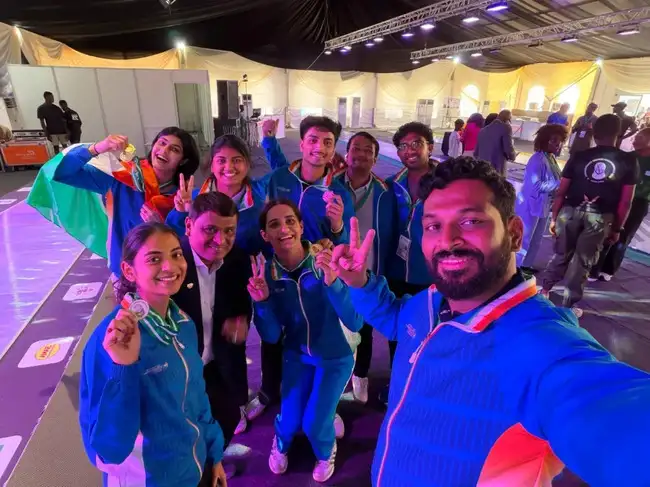
- India won 5 medals — 3 Gold, 1 Silver and 1 Bronze — in senior individual events at the Commonwealth Fencing Championship 2026 in Lagos, Nigeria.
- The latest performance took India’s combined medal tally to 29 medals — 8 Gold, 7 Silver and 14 Bronze.
- India won gold medals in Senior Women’s Foil, Senior Men’s Epee and Senior Men’s Sabre.
India’s Medal Winners
| Event | Indian Fencer | Medal |
|---|---|---|
| Senior Women’s Foil | Kanaglakshmi | Gold |
| Senior Women’s Foil | Joys Ashitha | Silver |
| Senior Men’s Epee | Rajendran Shanthimol Sherjin | Gold |
| Senior Men’s Sabre | Singh Karan Singh | Gold |
| Senior Men’s Sabre | Kumaresan Padma Gisho Nidhi | Bronze |
- Kanaglakshmi and Joys Ashitha secured a gold-silver finish in Women’s Foil.
- Rajendran Shanthimol Sherjin defeated Pieter Kruger of South Africa to win the Men’s Epee gold.
- Singh Karan Singh defeated Shim Yoongi of Australia in the Men’s Sabre final, while fellow Indian Kumaresan Padma Gisho Nidhi won bronze.
India’s Medal Tally
- Total: 29 medals
- Gold: 8
- Silver: 7
- Bronze: 14
- India had won 17 medals on the opening day itself, comprising 4 Gold, 4 Silver and 9 Bronze across foil, epee and sabre events.
Commonwealth Fencing Championship?
- It is an international fencing competition involving athletes from Commonwealth nations.
- The Lagos edition includes U-23, Senior and Veteran competitions and is being staged at Rugby School, Eko Atlantic, Victoria Island, Lagos.
- Competitions are organised across the three standard fencing disciplines:
- Foil
- Epee (Épée)
- Sabre
Fencing: Key Facts
- Fencing is a combat sport in which competitors score touches on an opponent using specialised swords.
- Its international governing body is the Fédération Internationale d’Escrime (FIE).
Three Weapons
- Foil
- A thrusting weapon; touches are scored with the tip.
- The principal valid target is the torso.
- Epee
- A thrusting weapon.
- The entire body is a valid target.
- Unlike foil and sabre, epee does not use right-of-way/priority rules.
- Sabre
- Allows scoring with both the tip and edge of the blade.
- The valid target broadly covers the upper body.
Additional Info
- Commonwealth Fencing Federation (CFF)
- Governs Commonwealth-level fencing competitions.
- The Nigerian Fencing Federation was awarded hosting rights for the 2026 Senior and Veteran Championships.
- Notes
- Host city: Lagos
- Host country: Nigeria
- Venue: Rugby School, Eko Atlantic
- India’s reported tally: 29 — 8 Gold, 7 Silver, 14 Bronze
- Three gold events: Women’s Foil, Men’s Epee and Men’s Sabre
- International governing body: Fédération Internationale d’Escrime (FIE)
- Three fencing weapons: Foil, Epee and Sabre
Sources
NSP-Based Scholarship System Launched for Agriculture Students
What’s the News?
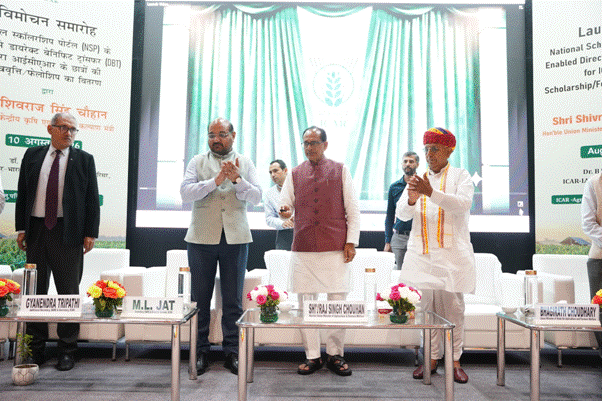
- Union Agriculture and Farmers’ Welfare Minister Shivraj Singh Chouhan launched a National Scholarship Portal (NSP)-based scholarship and fellowship payment system for agriculture students at ICAR-IARI, Pusa, New Delhi.
- Under the initiative, ₹21.35 crore was transferred through Direct Benefit Transfer (DBT) to more than 6,000 agriculture students across India.
- Eligible students will now receive scholarship and fellowship assistance every month through DBT, aimed at ensuring timely, transparent and hassle-free payments.
NSP-Based System for Agriculture Students?
- The initiative integrates agricultural scholarships and fellowships with the existing National Scholarship Portal and DBT architecture.
- Key objectives:
- Ensure timely monthly payments.
- Transfer assistance directly to students’ bank accounts.
- Reduce administrative delays and manual processing.
- Improve transparency and predictability in scholarship disbursement.
- Initial disbursement: ₹21.35 crore.
- Beneficiaries: More than 6,000 students.
National Scholarship Portal (NSP)?
- NSP is the Government of India’s one-stop digital platform for scholarship-related services.
- It facilitates:
- Student applications
- Application processing and verification
- Scholarship sanction
- Disbursement of funds
- It functions as a Mission Mode Project under the National e-Governance Plan (NeGP).
- Its objective is to create a simplified, accountable, responsive and transparent scholarship administration system and facilitate direct transfer of funds to beneficiaries.
One-Time Registration (OTR)
- NSP uses a One-Time Registration (OTR) system.
- OTR is a unique 14-digit number linked to a student's Aadhaar/Aadhaar Enrolment ID.
- It remains applicable throughout the student's academic career, reducing the need for repeated registration for each academic year.
Direct Benefit Transfer (DBT)?
- DBT transfers government benefits directly to beneficiaries, including through their bank accounts, instead of routing cash assistance through multiple administrative layers.
- It was introduced by the Government of India in 2013 to reform welfare delivery.
- Major objectives include:
- Faster flow of government benefits.
- Accurate targeting of beneficiaries.
- De-duplication of beneficiaries.
- Reduction in fraud and leakages.
- Greater transparency and efficiency.
Focus on Agricultural Education
- The government emphasised that agricultural education should combine classroom learning with practical training.
- Students were encouraged to explore:
- Agricultural research and innovation.
- Agri-start-ups and entrepreneurship.
- Technology-based solutions for agriculture.
- Opportunities that can contribute to food security and enhancement of farmers’ incomes.
Additional Info
- Indian Council of Agricultural Research (ICAR)
- Apex national body for coordinating, guiding and managing agricultural research and education.
- Its mandate covers agriculture as well as horticulture, fisheries and animal sciences.
- Functions under the Department of Agricultural Research and Education (DARE).
- ICAR was established in 1929.
- ICAR–Indian Agricultural Research Institute (IARI)
- Located at Pusa, New Delhi.
- A premier institution of ICAR associated with agricultural education, research and development.
- The NSP-based agriculture scholarship initiative was launched at ICAR-IARI.
- Notes
- Initiative: NSP-based scholarship/fellowship payment system for agriculture students.
- Launched by: Shivraj Singh Chouhan.
- Launch venue: ICAR-IARI, Pusa, New Delhi.
- Amount released: ₹21.35 crore.
- Beneficiaries: More than 6,000 students.
- Payment mechanism: Direct Benefit Transfer (DBT).
- Payment frequency: Monthly.
- NSP: Mission Mode Project under the National e-Governance Plan.
- ICAR: Apex body for agricultural research and education in India.
Sources
India Expands E-Visa Entry Network to 88 International Ports
What’s the News?
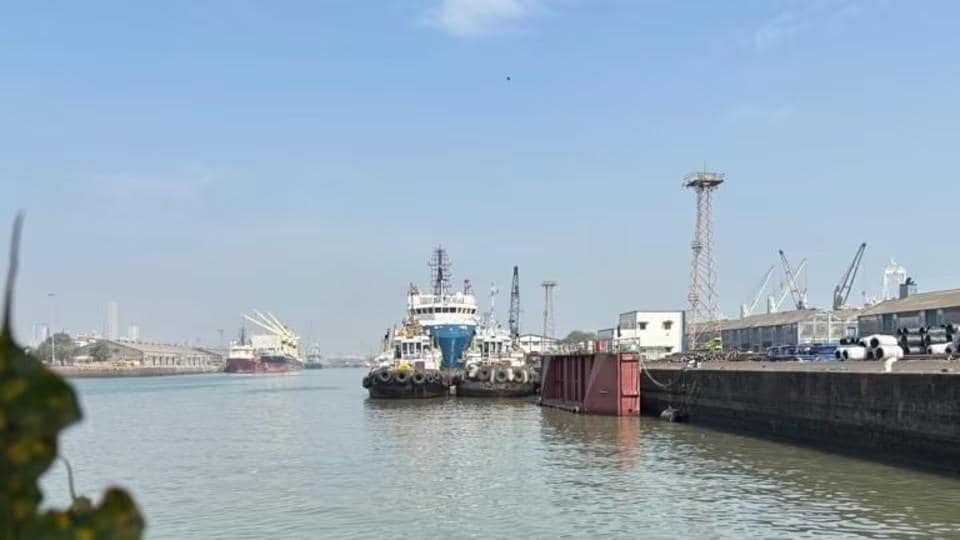
- The Government of India has notified 11 additional international entry points for foreign nationals holding valid e-Visas.
- The additions comprise 9 land ports and 2 airports, taking the total number of designated e-Visa entry points in India to 88.
- The expanded network now consists of 37 airports, 38 seaports and 13 land ports.
- The Ministry of Home Affairs (MHA) said the expansion is intended to simplify legitimate international travel while strengthening technology-based immigration and internal-security infrastructure.
11 New E-Visa Entry Points
Airports
- Bhopal
- Tirupati
Land Ports
- Agartala
- Darranga
- Gede
- Ghojadanga
- Haridaspur
- Jaigaon
- Dawki
- Moreh
- Attari (Road)
E-Visa Entry Network
| Entry Point | Number |
|---|---|
| Airports | 37 |
| Seaports | 38 |
| Land Ports | 13 |
| Total | 88 |
- Around 95% of e-Visa applications are processed within 72 hours.
- Electronic visas now account for roughly 78% of visas issued by India.
Indian E-Visa?
- E-Visa is an electronic visa facility intended to simplify entry into India for eligible foreign nationals.
- It operates along with Electronic Travel Authorisation (ETA).
- The facility was introduced in 2014, initially covering nationals of 43 countries.
- It is now available to nationals of 172 countries.
- Entry on an e-Visa is permitted only through designated immigration entry points notified by the government.
E-Visa Categories
India currently provides e-Visas under 17 sub-categories, covering areas such as:
- Tourist
- Mountaineering
- Business – 6 sub-categories
- Medical – 4 sub-categories
- Student – 2 sub-categories
- Transit
- X-1 Miscellaneous
- Group Visitor Visa (Cruise)
Why is the Expansion Important?
- Tourism: More entry options improve accessibility for foreign tourists.
- Border Connectivity: Addition of land ports facilitates legitimate cross-border passenger movement.
- Regional Access: Entry points such as Moreh, Dawki and Attari are strategically significant border gateways.
- Ease of Travel: Expands options beyond major metropolitan airports and seaports.
- Digital Governance: Supports a more technology-driven visa and immigration system.
- Security: Expansion is being accompanied by technological infrastructure intended to strengthen immigration monitoring and internal security.
Additional Info
- Ministry of Home Affairs (MHA)
- The Foreigners Division of MHA deals with matters relating to foreigners, visas and immigration.
- India's official e-Visa service is provided through the Indian Visa Online platform.
- Electronic Travel Authorisation (ETA)
- An approved e-Visa application results in an ETA, which enables eligible foreign travellers to seek entry through authorised immigration checkpoints.
- E-Visa services are completely online; the government advises applicants not to use unauthorised intermediaries.
- Pointers
- New e-Visa entry points: 11
- Land ports added: 9
- Airports added: Bhopal and Tirupati
- Total designated entry points: 88
- Break-up: 37 airports + 38 seaports + 13 land ports
- E-Visa introduced: 2014
- Initially covered: 43 countries
- Currently available to: 172 countries
- E-Visa sub-categories: 17
- Share of visas issued electronically: about 78%
- Around 95% of applications: processed within 72 hours
- Responsible Ministry: Ministry of Home Affairs
Note: The official PIB release states a total of 13 land ports, while its accompanying table appears to list Darranga twice. For examination purposes, retain the officially announced aggregate — 88 entry points: 37 airports, 38 seaports and 13 land ports.
Sources
Unusual Stratospheric Ozone Enhancement Detected over North Bay of Bengal
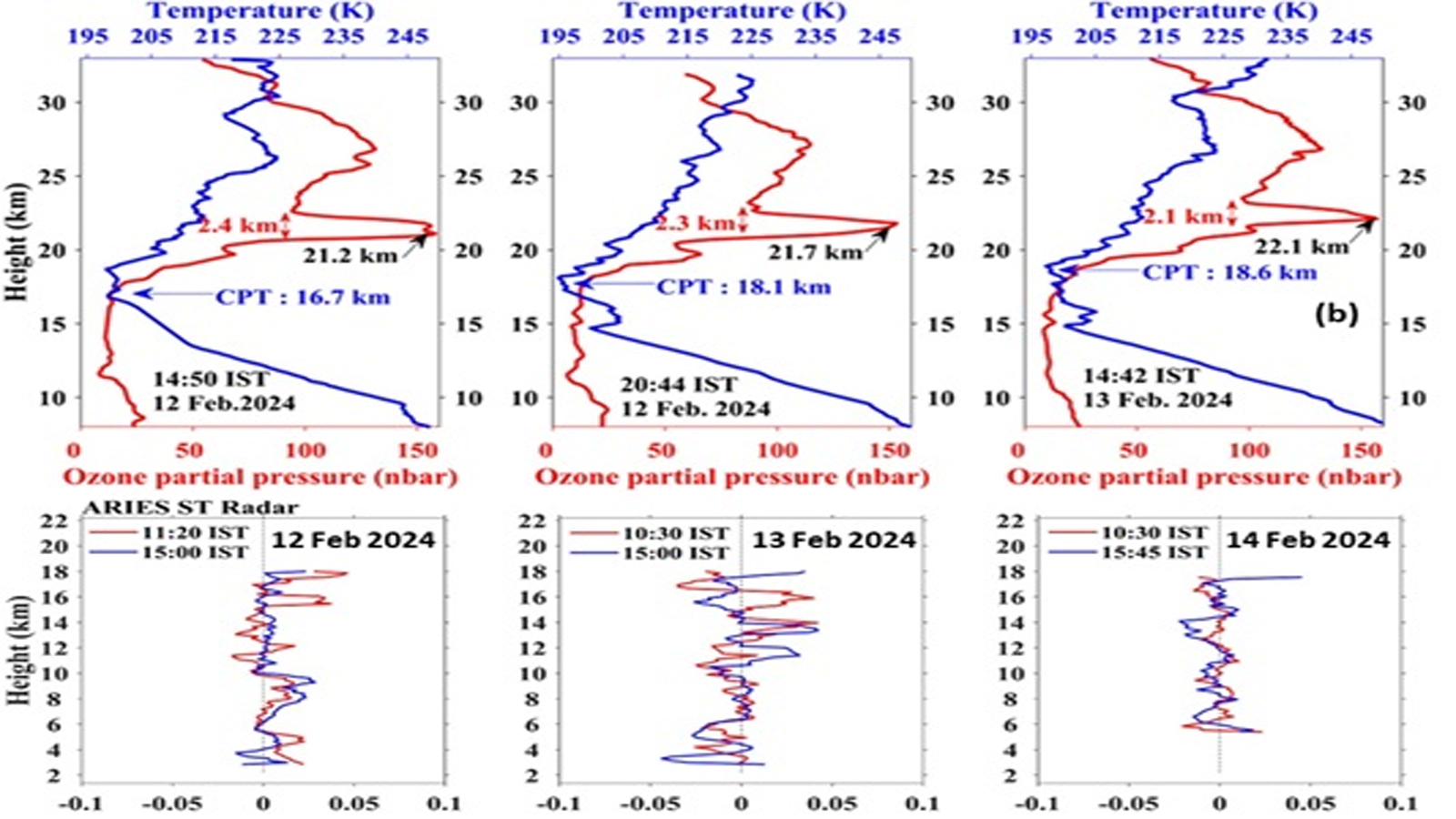
What’s the News?
- Indian scientists have detected an unusually thick, ozone-rich layer at about 21–23 km altitude over the North Bay of Bengal.
- The localized enhancement persisted for more than 24 hours and contained substantially more ozone than normally observed over the eastern Indian subtropical region.
- The findings, published in Earth and Space Science of the American Geophysical Union (AGU), provide experimental evidence of how atmospheric circulation can redistribute stratospheric ozone over India.
- The study involved institutions under ISRO, DST and MoES, along with the University of Calcutta and other research institutions.
What Makes the Finding Unusual?
- The ozone layer is concentrated in the stratosphere, where ozone normally shows its major concentration at higher altitudes; the observed enhancement occurred relatively lower, at 21–23 km.
- Ozone partial pressure in the anomalous layer was approximately 50 nanobar (nbar) above the typical profile for the eastern Indian subtropical region.
- The enhanced layer was about 2.1–2.4 km thick.
- It was observed during both day and night, making sunlight-driven local photochemistry an unlikely primary cause.
This is not a new permanent global ozone layer or an ozone hole. It is a localized, dynamically driven enhancement of stratospheric ozone.
What Caused the Ozone Enhancement?
Researchers identified two major atmospheric processes:
- Advection: Transport of ozone-rich air from other regions towards the North Bay of Bengal.
- Downward air motion and compression: Persistent descending motion in the lower stratosphere compressed the ozone-rich air mass, increasing ozone concentration.
The study therefore shows that atmospheric dynamics, rather than only chemical reactions, can significantly alter regional ozone distribution.
NetRAD-ASMA Campaign?
- The discovery emerged from Phase-I of the NetRAD-ASMA campaign, a nationwide atmospheric research programme.
- NetRAD-ASMA refers to a network-based campaign using ST/MST radars and balloon-borne observations to study the Asian Summer Monsoon Anticyclone and stratosphere–troposphere interactions.
- The campaign used:
- Ozonesondes and radiosondes
- Atmospheric ST/MST radars
- Aura Microwave Limb Sounder (MLS)
- INSAT-3DR
- Atmospheric models and reanalysis datasets.
Role of ARIES
- Aryabhatta Research Institute of Observational Sciences (ARIES) is an autonomous institute under the Department of Science & Technology (DST) and is located at Nainital, Uttarakhand.
- Its scientists Dr Manish Naja and Dr Samaresh Bhattacharjee participated in the research.
- The study prominently used ARIES' indigenously developed 206.5 MHz Stratosphere–Troposphere (ST) Radar.
- Similar radar observations were obtained from Haringhata, Gadanki and Kochi.
Ozone Layer: Key Facts
- Ozone (O₃) consists of three oxygen atoms.
- Around 90% of atmospheric ozone occurs in the stratosphere.
- Stratospheric ozone is regarded as “good ozone” because it absorbs a large proportion of biologically harmful ultraviolet radiation from the Sun.
- In contrast, excessive tropospheric or ground-level ozone is an air pollutant harmful to humans, animals and vegetation.
Additional Info
- Montreal Protocol
- Global agreement for protecting the ozone layer by phasing out Ozone-Depleting Substances (ODS).
- Major ODS include CFCs, halons, carbon tetrachloride and HCFCs.
- India became a party to the Montreal Protocol in 1992.
- Implementation in India is handled by the Ozone Cell, Ministry of Environment, Forest and Climate Change (MoEF&CC).
- Kigali Amendment
- Adopted under the Montreal Protocol to phase down hydrofluorocarbons (HFCs).
- HFCs generally do not deplete ozone but are powerful greenhouse gases.
- Notes
- Location: North Bay of Bengal
- Altitude: 21–23 km
- Layer thickness: 2.1–2.4 km
- Ozone enhancement: About 50 nbar above typical profile
- Campaign: Phase-I NetRAD-ASMA
- Key institute: ARIES, Nainital
- ARIES administrative ministry: Department of Science & Technology
- Key indigenous instrument: 206.5 MHz ST Radar
- Satellites used: Aura MLS and INSAT-3DR
- Cause: Advection + downward motion/compression of ozone-rich air
- Journal: Earth and Space Science
- Publisher: American Geophysical Union
Sources
Former Syrian President Bashar al-Assad Sentenced to Death in Absentia

What’s the News?
- A Syrian court in Damascus sentenced former President Bashar al-Assad to death in absentia for crimes committed during Syria’s prolonged civil war.
- His brother Maher al-Assad, a former senior military commander, was also sentenced to death in absentia.
- Assad was convicted on charges including premeditated murder, torture, arbitrary detention and crimes against humanity.
- Assad has been living in Russia, which granted him asylum after his government was overthrown in late 2024.
Who Else Was Sentenced?
- Atef Najib
- Bashar al-Assad’s cousin.
- Former political-security chief in Daraa.
- Was in Syrian custody and appeared before the court, unlike Bashar and Maher.
- Received a death sentence for his role in repression, including the torture of young protesters in Daraa at the beginning of the uprising.
- Six other former regime officials were also sentenced to death in absentia.
- Overall, nine former regime and security figures received death sentences in the proceedings.
Sentence in Absentia?
- In absentia means that a trial or judgment takes place without the accused being physically present before the court.
- Bashar and Maher al-Assad were tried in absentia because they are outside Syria.
- Such a sentence does not itself ensure execution of the punishment; bringing an accused person before the Syrian authorities would depend on issues such as arrest, extradition and international cooperation.
Syrian Civil War: Background
- Anti-government protests began in 2011, initially as part of the wider Arab Spring uprisings.
- A major early flashpoint occurred in Daraa, where teenagers were detained and tortured after writing anti-government slogans.
- Government repression of demonstrations contributed to the escalation into a prolonged civil war.
- The conflict resulted in around half a million deaths and displaced millions of people inside and outside Syria.
- Assad, who had ruled Syria since 2000, was eventually overthrown by a rapid rebel offensive in late 2024 and fled to Russia.
Transitional Justice?
- Transitional justice refers to judicial and non-judicial measures used by societies emerging from conflict or authoritarian rule to address past large-scale human-rights violations.
- It can include:
- Criminal prosecutions
- Truth-seeking mechanisms
- Reparations for victims
- Institutional reforms
- Measures to prevent recurrence
- Syria’s new authorities have presented prosecutions of former Assad-era officials as part of efforts to establish accountability for abuses committed during the conflict.
- However, observers and rights groups have also raised concerns regarding due process, legal representation and the use of the death penalty in such proceedings.
Syria after Assad
- Ahmad al-Sharaa is the current President of Syria during the country's transitional phase. His position is also recognised in current UN and Syrian official records.
- A Constitutional Declaration provides for a five-year transitional period, during which Syria is expected to rebuild institutions and work towards a permanent constitutional framework.
- The post-Assad government continues to face challenges including:
- Political reconciliation
- Sectarian tensions
- Reconstruction
- Refugee and internally displaced population issues
- Accountability for wartime abuses
ICC vs Syrian Court
- The judgment against Assad was delivered by the Fourth Criminal Court in Damascus, making it a domestic Syrian judicial decision.
- It should not be confused with a judgment of the International Criminal Court (ICC).
- Syria is not a State Party to the Rome Statute, the treaty establishing the ICC.
- The ICC:
- Was established under the Rome Statute.
- Is headquartered at The Hague, Netherlands.
- Prosecutes individuals for genocide, crimes against humanity, war crimes and the crime of aggression, subject to its jurisdiction.
Additional Info
- Bashar al-Assad
- President of Syria from 2000 to 2024.
- Succeeded his father, Hafez al-Assad.
- His fall ended more than five decades of Assad family rule in Syria.
- Maher al-Assad
- Younger brother of Bashar al-Assad.
- Commanded Syria’s powerful Fourth Armoured Division.
- Was regarded as an important figure in the former regime’s security apparatus.
- Syria: Static GK
- Capital: Damascus
- Region: West Asia/Middle East
- Currency: Syrian Pound
- Mediterranean coast: Yes
- Neighbours: Türkiye, Iraq, Jordan, Israel and Lebanon
- Notes
- Person sentenced: Bashar al-Assad
- Position: Former President of Syria
- Sentence: Death penalty in absentia
- Court: Fourth Criminal Court, Damascus
- Also sentenced: Maher al-Assad, Atef Najib and other former officials
- Assad’s present location: Russia
- Uprising began: 2011
- Major early flashpoint: Daraa
- Assad government fell: 2024
- Current Syrian President: Ahmad al-Sharaa
- ICC treaty: Rome Statute
- Syria and Rome Statute: Syria is not a State Party
Sources
August 2026
31 August 202629 August 202627 August 202626 August 202625 August 202624 August 202622 August 202621 August 202620 August 202619 August 202618 August 202617 August 202614 August 202613 August 202612 August 202611 August 202610 August 202608 August 202607 August 202606 August 202605 August 202604 August 202603 August 202601 August 2026
Archive
October 2026
- 28 October 2026
- 27 October 2026
- 26 October 2026
- 24 October 2026
- 23 October 2026
- 22 October 2026
- 21 October 2026
- 20 October 2026
- 19 October 2026
- 17 October 2026
- 16 October 2026
- 15 October 2026
- 14 October 2026
- 13 October 2026
- 12 October 2026
- 10 October 2026
- 09 October 2026
- 08 October 2026
- 07 October 2026
- 06 October 2026
- 05 October 2026
- 03 October 2026
- 02 October 2026
- 01 October 2026
September 2026
- 30 September 2026
- 29 September 2026
- 28 September 2026
- 26 September 2026
- 25 September 2026
- 24 September 2026
- 23 September 2026
- 22 September 2026
- 21 September 2026
- 19 September 2026
- 18 September 2026
- 17 September 2026
- 16 September 2026
- 15 September 2026
- 12 September 2026
- 11 September 2026
- 10 September 2026
- 09 September 2026
- 08 September 2026
- 07 September 2026
- 05 September 2026
- 04 September 2026
- 03 September 2026
- 02 September 2026
- 01 September 2026
August 2026
- 31 August 2026
- 29 August 2026
- 27 August 2026
- 26 August 2026
- 25 August 2026
- 24 August 2026
- 22 August 2026
- 21 August 2026
- 20 August 2026
- 19 August 2026
- 18 August 2026
- 17 August 2026
- 14 August 2026
- 13 August 2026
- 12 August 2026
- 11 August 2026
- 10 August 2026
- 08 August 2026
- 07 August 2026
- 06 August 2026
- 05 August 2026
- 04 August 2026
- 03 August 2026
- 01 August 2026
July 2026
- 31 July 2026
- 30 July 2026
- 29 July 2026
- 28 July 2026
- 27 July 2026
- 25 July 2026
- 23 July 2026
- 22 July 2026
- 21 July 2026
- 20 July 2026
- 18 July 2026
- 17 July 2026
- 15 July 2026
- 14 July 2026
- 13 July 2026
- 11 July 2026
- 10 July 2026
- 09 July 2026
- 08 July 2026
- 07 July 2026
- 06 July 2026
- 04 July 2026
- 03 July 2026
- 02 July 2026
- 01 July 2026
June 2026
May 2026
April 2026
March 2026
- 31 March 2026
- 30 March 2026
- 28 March 2026
- 27 March 2026
- 26 March 2026
- 25 March 2026
- 24 March 2026
- 23 March 2026
- 21 March 2026
- 20 March 2026
- 19 March 2026
- 18 March 2026
- 17 March 2026
- 16 March 2026
- 14 March 2026
- 13 March 2026
- 12 March 2026
- 11 March 2026
- 10 March 2026
- 09 March 2026
- 07 March 2026
- 06 March 2026
- 05 March 2026
- 03 March 2026
- 02 March 2026
February 2026
- 28 February 2026
- 27 February 2026
- 26 February 2026
- 25 February 2026
- 24 February 2026
- 23 February 2026
- 21 February 2026
- 20 February 2026
- 19 February 2026
- 18 February 2026
- 17 February 2026
- 16 February 2026
- 13 February 2026
- 12 February 2026
- 11 February 2026
- 10 February 2026
- 09 February 2026
- 07 February 2026
- 06 February 2026
- 05 February 2026
- 04 February 2026
- 03 February 2026
- 02 February 2026
January 2026
- 31 January 2026
- 30 January 2026
- 29 January 2026
- 28 January 2026
- 27 January 2026
- 26 January 2026
- 24 January 2026
- 23 January 2026
- 22 January 2026
- 21 January 2026
- 20 January 2026
- 19 January 2026
- 16 January 2026
- 15 January 2026
- 14 January 2026
- 13 January 2026
- 12 January 2026
- 10 January 2026
- 09 January 2026
- 08 January 2026
- 07 January 2026
- 06 January 2026
- 05 January 2026
- 03 January 2026
- 02 January 2026
- 01 January 2026
December 2025
- 31 December 2025
- 30 December 2025
- 29 December 2025
- 27 December 2025
- 26 December 2025
- 24 December 2025
- 23 December 2025
- 22 December 2025
- 20 December 2025
- 19 December 2025
- 18 December 2025
- 17 December 2025
- 16 December 2025
- 15 December 2025
- 13 December 2025
- 12 December 2025
- 11 December 2025
- 10 December 2025
- 09 December 2025
- 08 December 2025
- 05 December 2025
- 04 December 2025
- 03 December 2025
- 02 December 2025
November 2025
- 29 November 2025
- 28 November 2025
- 27 November 2025
- 26 November 2025
- 25 November 2025
- 24 November 2025
- 22 November 2025
- 21 November 2025
- 20 November 2025
- 19 November 2025
- 18 November 2025
- 17 November 2025
- 15 November 2025
- 14 November 2025
- 13 November 2025
- 12 November 2025
- 11 November 2025
- 10 November 2025
- 08 November 2025
- 07 November 2025
- 06 November 2025
- 05 November 2025
- 04 November 2025
- 03 November 2025
- 01 November 2025
October 2025
- 31 October 2025
- 30 October 2025
- 29 October 2025
- 28 October 2025
- 27 October 2025
- 25 October 2025
- 24 October 2025
- 23 October 2025
- 22 October 2025
- 21 October 2025
- 20 October 2025
- 18 October 2025
- 17 October 2025
- 16 October 2025
- 15 October 2025
- 14 October 2025
- 13 October 2025
- 11 October 2025
- 10 October 2025
- 09 October 2025
- 08 October 2025
- 07 October 2025
- 06 October 2025
- 04 October 2025
- 03 October 2025
- 02 October 2025
- 01 October 2025
September 2025
- 30 September 2025
- 29 September 2025
- 27 September 2025
- 26 September 2025
- 25 September 2025
- 24 September 2025
- 23 September 2025
- 22 September 2025
- 20 September 2025
- 19 September 2025
- 18 September 2025
- 17 September 2025
- 16 September 2025
- 15 September 2025
- 13 September 2025
- 12 September 2025
- 11 September 2025
- 10 September 2025
- 09 September 2025
- 08 September 2025
- 06 September 2025
- 05 September 2025
- 04 September 2025
- 03 September 2025
- 02 September 2025
- 01 September 2025
August 2025
- 30 August 2025
- 29 August 2025
- 28 August 2025
- 27 August 2025
- 26 August 2025
- 25 August 2025
- 23 August 2025
- 22 August 2025
- 21 August 2025
- 20 August 2025
- 19 August 2025
- 18 August 2025
- 16 August 2025
- 14 August 2025
- 13 August 2025
- 12 August 2025
- 11 August 2025
- 08 August 2025
- 07 August 2025
- 06 August 2025
- 05 August 2025
- 04 August 2025
- 02 August 2025
- 01 August 2025
July 2025
- 31 July 2025
- 30 July 2025
- 29 July 2025
- 28 July 2025
- 26 July 2025
- 25 July 2025
- 24 July 2025
- 23 July 2025
- 22 July 2025
- 21 July 2025
- 19 July 2025
- 18 July 2025
- 17 July 2025
- 16 July 2025
- 15 July 2025
- 12 July 2025
- 11 July 2025
- 10 July 2025
- 09 July 2025
- 07 July 2025
- 05 July 2025
- 04 July 2025
- 03 July 2025
- 02 July 2025
- 01 July 2025
June 2025
- 30 June 2025
- 28 June 2025
- 27 June 2025
- 26 June 2025
- 25 June 2025
- 24 June 2025
- 23 June 2025
- 21 June 2025
- 20 June 2025
- 19 June 2025
- 18 June 2025
- 17 June 2025
- 16 June 2025
- 14 June 2025
- 13 June 2025
- 12 June 2025
- 11 June 2025
- 10 June 2025
- 09 June 2025
- 07 June 2025
- 06 June 2025
- 05 June 2025
- 04 June 2025
- 03 June 2025
- 02 June 2025
May 2025
April 2025
- 30 April 2025
- 29 April 2025
- 28 April 2025
- 26 April 2025
- 25 April 2025
- 24 April 2025
- 23 April 2025
- 22 April 2025
- 21 April 2025
- 19 April 2025
- 18 April 2025
- 17 April 2025
- 16 April 2025
- 15 April 2025
- 14 April 2025
- 12 April 2025
- 11 April 2025
- 10 April 2025
- 09 April 2025
- 08 April 2025
- 07 April 2025
- 05 April 2025
- 04 April 2025
- 03 April 2025
- 02 April 2025
- 01 April 2025
March 2025
- 31 March 2025
- 29 March 2025
- 28 March 2025
- 27 March 2025
- 26 March 2025
- 25 March 2025
- 24 March 2025
- 22 March 2025
- 21 March 2025
- 20 March 2025
- 19 March 2025
- 18 March 2025
- 17 March 2025
- 15 March 2025
- 13 March 2025
- 12 March 2025
- 11 March 2025
- 10 March 2025
- 08 March 2025
- 07 March 2025
- 06 March 2025
- 05 March 2025
- 04 March 2025
- 03 March 2025
- 01 March 2025
February 2025
- 28 February 2025
- 27 February 2025
- 26 February 2025
- 25 February 2025
- 24 February 2025
- 22 February 2025
- 21 February 2025
- 20 February 2025
- 19 February 2025
- 18 February 2025
- 17 February 2025
- 15 February 2025
- 14 February 2025
- 13 February 2025
- 12 February 2025
- 11 February 2025
- 10 February 2025
- 08 February 2025
- 07 February 2025
- 06 February 2025
- 05 February 2025
- 04 February 2025
- 03 February 2025
- 01 February 2025
January 2025
- 31 January 2025
- 30 January 2025
- 29 January 2025
- 28 January 2025
- 27 January 2025
- 25 January 2025
- 24 January 2025
- 23 January 2025
- 22 January 2025
- 21 January 2025
- 20 January 2025
- 18 January 2025
- 17 January 2025
- 16 January 2025
- 15 January 2025
- 14 January 2025
- 13 January 2025
- 11 January 2025
- 10 January 2025
- 09 January 2025
- 08 January 2025
- 07 January 2025
- 06 January 2025
- 04 January 2025
- 03 January 2025
- 02 January 2025
- 01 January 2025