
Current Affairs
Stay updated with the latest national and international events.
10 December 2025
World Human Rights Day 2025: “Human Rights: Our Everyday Essentials”

What’s the News?
- Human Rights Day was observed globally on December 10, 2025, marking the anniversary of the adoption of the Universal Declaration of Human Rights (UDHR) by the UN in 1948.
- The United Nations designated the theme for 2025 as “Human Rights: Our Everyday Essentials”, emphasising that rights are not abstract legal concepts but tangible necessities like food, shelter, and safety.
- In India, the National Human Rights Commission (NHRC) organised a commemorative function at Bharat Mandapam, New Delhi, where President Droupadi Murmu served as the Chief Guest.
2025 Theme: “Our Everyday Essentials”
- Objective: The theme aims to reconnect people with human rights by demonstrating how they underpin ordinary, daily experiences. It seeks to bridge the gap between global principles and personal realities.
- Three Core Pillars:
- Positive: Rights represent more than just protection from harm; they are the foundation of joy, well-being, and opportunity.
- Essential: In a volatile world, rights (such as safety and freedom of expression) serve as the "everyday constants" and bedrock of stability.
- Attainable: Rights are realised through small, daily choices—treating others with respect and challenging unfairness—not just through court verdicts.
- Global Context: UN High Commissioner for Human Rights Volker Türk highlighted that amidst global turbulence, access to essentials must be viewed as a right, not a function of wealth.
India Celebrations & Highlights
- President’s Address:
- President Murmu described universal human rights as the "bedrock of a just, equitable, and compassionate society."
- She invoked the philosophy of Antyodaya (ensuring rights for the last person in the line) as central to inclusive development.
- Highlighted the 4 Labour Codes (wages, social security, industrial relations, safety) as transformative reforms ensuring the dignity of the workforce.
- NHRC Initiatives:
- A new NHRC Mobile App was launched to facilitate easy complaint filing and real-time tracking of cases.
- A National Conference was held on the theme “Ensuring Everyday Essentials: Public Services and Dignity for All”.
- NHRC Chairperson Justice V. Ramasubramanian emphasised that human rights must be elevated to the level of "human values" to be truly effective.
Additional Info
- Universal Declaration of Human Rights (UDHR):
- Adopted by the UN General Assembly on December 10, 1948, in Paris.
- It is the most translated document in the world and established the first global standard for fundamental human rights.
- National Human Rights Commission (NHRC) of India:
- Status: Statutory body established under the Protection of Human Rights Act (PHRA), 1993.
- Composition: A Chairperson (retired Chief Justice or Judge of the Supreme Court) and other members.
- Mandate: To inquire into violations of human rights, visit jails, and review safeguards provided by the Constitution.
- Constitutional Provisions (India):
- Preamble: Secures "Justice, Liberty, Equality, and Fraternity."
- Part III (Fundamental Rights): Justiciable rights including Article 14 (Equality), Article 19 (Freedom of Speech), and Article 21 (Right to Life and Personal Liberty).
- Part IV (Directive Principles): Non-justiciable guidelines for the state to secure a social order for the promotion of welfare (e.g., Article 39 on livelihood, Article 43 on living wages).
Sources
International Animal Rights Day 2025: Global Call for Interspecies Justice
What’s the News?
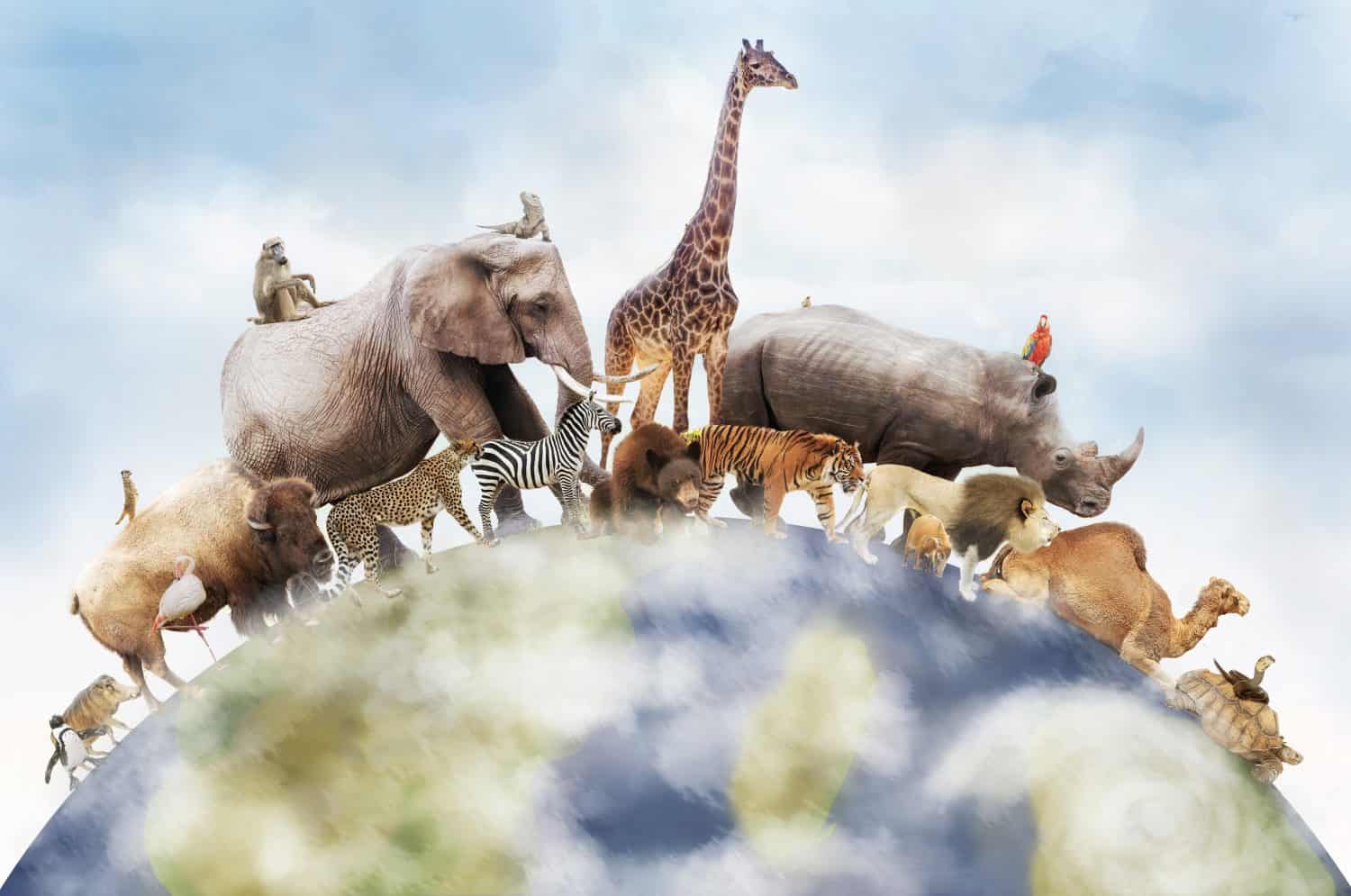
- International Animal Rights Day (IARD) was observed globally on December 10, 2025, coinciding with Human Rights Day to highlight the shared principle that all sentient beings deserve dignity and protection.
- Advocates worldwide used the occasion to call for the adoption of a Universal Declaration of Animal Rights (UDAR), aiming to end speciesism—the assumption of human superiority leading to the exploitation of other species.
- The 2025 observance emphasised recognising animals not merely as property but as sentient beings capable of feeling pain, joy, and fear, urging a shift from "animal welfare" (better treatment) to "animal rights" (freedom from exploitation).
International Animal Rights Day: Origins & Objectives
- Established in 1998 by the animal rights group Uncaged, on the 50th anniversary of the Universal Declaration of Human Rights (UDHR).
- Core Principles:
- Animals experience pain, joy, fear, and suffering; scientifically established as sentient.
- Human rights frameworks should inspire protections for non-human animals.
- Opposes animal use in testing, factory farming, entertainment, and illegal trade.
- Global Advocacy Focus Areas:
- Ban on cosmetic testing on animals (e.g., EU 2013 regulation).
- Sentience recognition in law (e.g., EU Lisbon Treaty, 2009).
- Criminalization of extreme cruelty (e.g., US PACT Act, 2019).
Animal Welfare in India: Legal Framework & 2025 Developments
- Primary Legislation:
- Prevention of Cruelty to Animals (PCA) Act, 1960:
- Defines cruelty under Section 11 (e.g., beating, overloading, inadequate shelter).
- Penalty remains outdated: ₹10–₹50 for first offence, ₹50–₹100 for repeat offence.
- Section 3 imposes duty of care on owners and custodians.
- Prevention of Cruelty to Animals (PCA) Act, 1960:
- 2025 Reforms & State-Level Actions:
- Bharatiya Nyaya Sanhita (BNS), 2023:
- Effective from July 1, 2024, replacing the IPC.
- Contains enabling provisions for penalizing animal cruelty, though specifics on sentencing remain under interpretation.
- Note: BNS does not explicitly criminalize bestiality or sexual abuse of animals.
- State Amendments:
- Kerala Amendment Bill, 2025 and Punjab Amendment Act, 2025 signal sub-national momentum to tighten enforcement and penalties.
- Bharatiya Nyaya Sanhita (BNS), 2023:
Additional Info
- Universal Declaration of Animal Rights (UDAR):
- Originally proclaimed in Paris (1978) at UNESCO headquarters.
- Key Articles:
- All animals are born with an equal claim on life and the same rights to existence.
- No animal shall be ill-treated or subject to cruel acts.
- Speciesism: A term coined by Richard Ryder in 1970, referring to discrimination against those who do not belong to a certain species (analogous to racism or sexism).
- Difference from World Animal Day:
- World Animal Day (October 4): Focuses broadly on welfare and celebration (Feast of St. Francis of Assisi).
- International Animal Rights Day (December 10): Focuses specifically on the philosophical and legal rights of animals.
Sources
Nobel Prize Day 2025: Ceremony on December 10 Honours Global Champions of Knowledge and Peace
What’s the News?
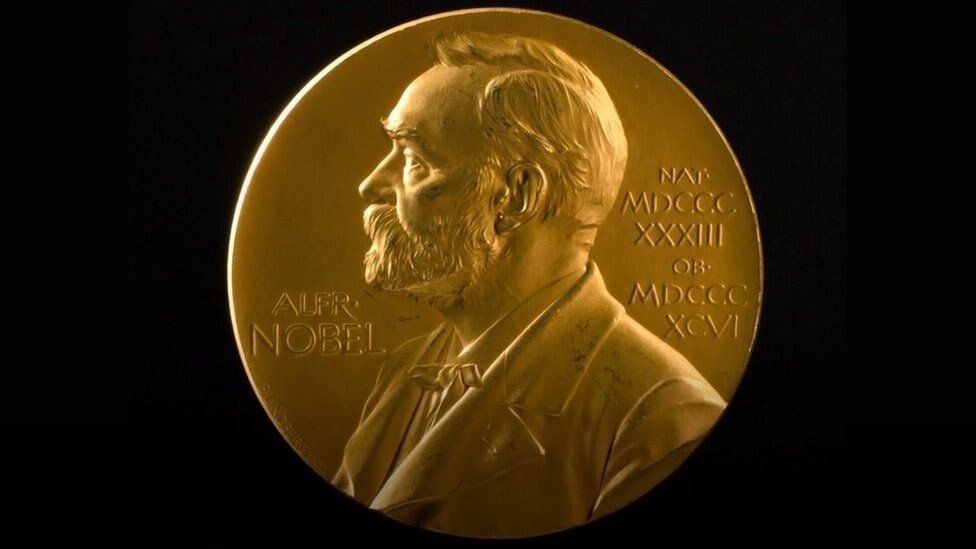
- The 2025 Nobel Prize award ceremony was held on December 10, marking the death anniversary of Alfred Nobel, in accordance with his will.
- Six laureates (or groups) were honoured across five traditional categories and one memorial prize:
- Physics: John Clarke (UK), Michel Devoret (France), John Martinis (USA)
- Chemistry: Susumu Kitagawa (Japan), Richard Robson (UK/Australia), Omar M. Yaghi (Jordan/USA)
- Physiology or Medicine: Mary E. Brunkow, Fred Ramsdell (USA), Shimon Sakaguchi (Japan)
- Literature: László Krasznahorkai (Hungary)
- Economic Sciences: Joel Mokyr (USA)
- Peace: María Corina Machado (Venezuela), represented by her daughter Ana Corina Machado at the Oslo ceremony
Why December 10?
- Alfred Nobel (1833–1896), Swedish chemist and inventor of dynamite, bequeathed the bulk of his fortune to establish prizes for those who “conferred the greatest benefit to humankind”.
- His will, signed in 1895, specified:
- Prizes in Physics, Chemistry, Medicine, Literature, and Peace.
- Awards to be conferred on December 10, the anniversary of his death (December 10, 1896).
- The Sveriges Riksbank Prize in Economic Sciences (1969) follows the same protocol.
Ceremony Traditions & Protocols
- Stockholm Ceremony (Sweden):
- Prizes for Physics, Chemistry, Physiology or Medicine, Literature, and Economic Sciences are presented here.
- The King of Sweden hands over the diploma and medal to the laureates.
- Followed by a grand banquet at the Stockholm City Hall.
- Oslo Ceremony (Norway):
- The Nobel Peace Prize is the only award presented in Oslo, as per Alfred Nobel's specific wish.
- It is presented by the Chairman of the Norwegian Nobel Committee in the presence of the King of Norway.
- Components of the Prize: Each laureate receives a Nobel Diploma, a Nobel Medal, and a document confirming the cash prize amount.
Indian Laureates in Focus: Peace Category
- Mother Teresa (1979):
- She was the first Indian citizen to receive the Nobel Peace Prize.
- Awarded for her humanitarian work helping the "poorest of the poor" through the Missionaries of Charity in Kolkata.
- Kailash Satyarthi (2014):
- Shared the prize with Pakistan's Malala Yousafzai.
- Honoured for his "struggle against the suppression of children and young people" and for the right of all children to education through his movement, Bachpan Bachao Andolan.
Additional Info
- The Categories:
- Original 5 (1895 Will): Physics, Chemistry, Medicine, Literature, Peace.
- Added later (1968): Sveriges Riksbank Prize in Economic Sciences in Memory of Alfred Nobel (often called the Nobel Prize in Economics).
- Selection Bodies:
- Royal Swedish Academy of Sciences: Physics, Chemistry, Economics.
- Nobel Assembly at Karolinska Institutet: Physiology or Medicine.
- Swedish Academy: Literature.
- Norwegian Nobel Committee: Peace (members appointed by the Norwegian Parliament).
- First Indian Laureate: Rabindranath Tagore was the first Indian (and Asian) to win the Nobel Prize (Literature, 1913) for his collection Gitanjali.
Sources
Childhood & Intimate Partner Violence: Lancet 2025 Study Reveals Alarming Global and Indian Burden

What’s the News?
- A landmark 2025 study published in The Lancet, based on the Global Burden of Disease (GBD) Study 2023, estimates that globally:
- 1.01 billion people aged 15+ experienced sexual violence during childhood.
- 608 million females aged 15+ faced intimate partner violence (IPV) in their lifetime.
- In India:
- 23% of women aged 15+ experienced IPV.
- 30% of women and 13% of men aged 15+ reported childhood sexual violence (CSV) exposure.
- South Asia and sub-Saharan Africa show the highest prevalence, with CSV and IPV health impacts compounded by high rates of HIV, mental illness, and chronic diseases.
Health Burden: From Social Issue to Public Health Emergency
- CSV-linked outcomes: Associated with 14 health conditions, including:
- Mental health: anxiety, major depression, schizophrenia, self-harm.
- Physical health: HIV/AIDS, type 2 diabetes, substance use disorders.
- IPV-linked outcomes: Tied to 8 major causes of disability, notably anxiety and depression; responsible for 145,000 global deaths (mostly homicide, suicide, HIV).
- Disability burden in South Asia:
- Self-harm and schizophrenia top causes among men.
- Anxiety leads among women.
- CSV alone contributed to 290,000 global deaths in 2023; IPV led to nearly 30,000 femicides.
Legal & Policy Gaps in India
- Existing Framework:
- POCSO Act, 2012: Mandates child-friendly procedures for reporting, investigation, and trial of sexual offences against children <18.
- Protection of Women from Domestic Violence Act (PWDVA), 2005: Civil law providing protection orders, residence rights, and monetary relief.
- Critical Shortcomings:
- Low conviction rates: ~14% under POCSO (NCRB 2022).
- Underreporting: Social stigma, victim-blaming, institutional distrust.
- Implementation gaps: Shortage of Special Courts, trained POCSO prosecutors, and trauma-informed counselors.
- GBD Findings Implication: Study reframes CSV and IPV not merely as criminal justice issues but as major public health priorities requiring multi-sectoral response.
Additional Info
- WHO 2025 Global Report: Confirms ~20% of Indian women aged 15–49 experienced IPV in 2023; ~30% faced it lifetime.
- Global Stagnation: Nearly 1 in 3 people (840 million) experienced partner or sexual violence in lifetime—unchanged since 2000.
- Constitutional & SDG Linkages:
- Article 21 (Right to Life) includes right to live with dignity and mental well-being (Supreme Court in Selvi v. State of Karnataka, 2010).
- Article 15(3) empowers state to make special provisions for women and children.
- Aligns with SDG 5 (Gender Equality), SDG 3 (Good Health), and SDG 16 (Peace & Justice).
Sources
December 2025
31 December 202530 December 202529 December 202527 December 202526 December 202524 December 202523 December 202522 December 202520 December 202519 December 202518 December 202517 December 202516 December 202515 December 202513 December 202512 December 202511 December 202510 December 202509 December 202508 December 202505 December 202504 December 202503 December 202502 December 2025
Archive
October 2026
- 28 October 2026
- 27 October 2026
- 26 October 2026
- 24 October 2026
- 23 October 2026
- 22 October 2026
- 21 October 2026
- 20 October 2026
- 19 October 2026
- 17 October 2026
- 16 October 2026
- 15 October 2026
- 14 October 2026
- 13 October 2026
- 12 October 2026
- 10 October 2026
- 09 October 2026
- 08 October 2026
- 07 October 2026
- 06 October 2026
- 05 October 2026
- 03 October 2026
- 02 October 2026
- 01 October 2026
September 2026
- 30 September 2026
- 29 September 2026
- 28 September 2026
- 26 September 2026
- 25 September 2026
- 24 September 2026
- 23 September 2026
- 22 September 2026
- 21 September 2026
- 19 September 2026
- 18 September 2026
- 17 September 2026
- 16 September 2026
- 15 September 2026
- 12 September 2026
- 11 September 2026
- 10 September 2026
- 09 September 2026
- 08 September 2026
- 07 September 2026
- 05 September 2026
- 04 September 2026
- 03 September 2026
- 02 September 2026
- 01 September 2026
August 2026
- 31 August 2026
- 29 August 2026
- 27 August 2026
- 26 August 2026
- 25 August 2026
- 24 August 2026
- 22 August 2026
- 21 August 2026
- 20 August 2026
- 19 August 2026
- 18 August 2026
- 17 August 2026
- 14 August 2026
- 13 August 2026
- 12 August 2026
- 11 August 2026
- 10 August 2026
- 08 August 2026
- 07 August 2026
- 06 August 2026
- 05 August 2026
- 04 August 2026
- 03 August 2026
- 01 August 2026
July 2026
- 31 July 2026
- 30 July 2026
- 29 July 2026
- 28 July 2026
- 27 July 2026
- 25 July 2026
- 23 July 2026
- 22 July 2026
- 21 July 2026
- 20 July 2026
- 18 July 2026
- 17 July 2026
- 15 July 2026
- 14 July 2026
- 13 July 2026
- 11 July 2026
- 10 July 2026
- 09 July 2026
- 08 July 2026
- 07 July 2026
- 06 July 2026
- 04 July 2026
- 03 July 2026
- 02 July 2026
- 01 July 2026
June 2026
May 2026
April 2026
March 2026
- 31 March 2026
- 30 March 2026
- 28 March 2026
- 27 March 2026
- 26 March 2026
- 25 March 2026
- 24 March 2026
- 23 March 2026
- 21 March 2026
- 20 March 2026
- 19 March 2026
- 18 March 2026
- 17 March 2026
- 16 March 2026
- 14 March 2026
- 13 March 2026
- 12 March 2026
- 11 March 2026
- 10 March 2026
- 09 March 2026
- 07 March 2026
- 06 March 2026
- 05 March 2026
- 03 March 2026
- 02 March 2026
February 2026
- 28 February 2026
- 27 February 2026
- 26 February 2026
- 25 February 2026
- 24 February 2026
- 23 February 2026
- 21 February 2026
- 20 February 2026
- 19 February 2026
- 18 February 2026
- 17 February 2026
- 16 February 2026
- 13 February 2026
- 12 February 2026
- 11 February 2026
- 10 February 2026
- 09 February 2026
- 07 February 2026
- 06 February 2026
- 05 February 2026
- 04 February 2026
- 03 February 2026
- 02 February 2026
January 2026
- 31 January 2026
- 30 January 2026
- 29 January 2026
- 28 January 2026
- 27 January 2026
- 26 January 2026
- 24 January 2026
- 23 January 2026
- 22 January 2026
- 21 January 2026
- 20 January 2026
- 19 January 2026
- 16 January 2026
- 15 January 2026
- 14 January 2026
- 13 January 2026
- 12 January 2026
- 10 January 2026
- 09 January 2026
- 08 January 2026
- 07 January 2026
- 06 January 2026
- 05 January 2026
- 03 January 2026
- 02 January 2026
- 01 January 2026
December 2025
- 31 December 2025
- 30 December 2025
- 29 December 2025
- 27 December 2025
- 26 December 2025
- 24 December 2025
- 23 December 2025
- 22 December 2025
- 20 December 2025
- 19 December 2025
- 18 December 2025
- 17 December 2025
- 16 December 2025
- 15 December 2025
- 13 December 2025
- 12 December 2025
- 11 December 2025
- 10 December 2025
- 09 December 2025
- 08 December 2025
- 05 December 2025
- 04 December 2025
- 03 December 2025
- 02 December 2025
November 2025
- 29 November 2025
- 28 November 2025
- 27 November 2025
- 26 November 2025
- 25 November 2025
- 24 November 2025
- 22 November 2025
- 21 November 2025
- 20 November 2025
- 19 November 2025
- 18 November 2025
- 17 November 2025
- 15 November 2025
- 14 November 2025
- 13 November 2025
- 12 November 2025
- 11 November 2025
- 10 November 2025
- 08 November 2025
- 07 November 2025
- 06 November 2025
- 05 November 2025
- 04 November 2025
- 03 November 2025
- 01 November 2025
October 2025
- 31 October 2025
- 30 October 2025
- 29 October 2025
- 28 October 2025
- 27 October 2025
- 25 October 2025
- 24 October 2025
- 23 October 2025
- 22 October 2025
- 21 October 2025
- 20 October 2025
- 18 October 2025
- 17 October 2025
- 16 October 2025
- 15 October 2025
- 14 October 2025
- 13 October 2025
- 11 October 2025
- 10 October 2025
- 09 October 2025
- 08 October 2025
- 07 October 2025
- 06 October 2025
- 04 October 2025
- 03 October 2025
- 02 October 2025
- 01 October 2025
September 2025
- 30 September 2025
- 29 September 2025
- 27 September 2025
- 26 September 2025
- 25 September 2025
- 24 September 2025
- 23 September 2025
- 22 September 2025
- 20 September 2025
- 19 September 2025
- 18 September 2025
- 17 September 2025
- 16 September 2025
- 15 September 2025
- 13 September 2025
- 12 September 2025
- 11 September 2025
- 10 September 2025
- 09 September 2025
- 08 September 2025
- 06 September 2025
- 05 September 2025
- 04 September 2025
- 03 September 2025
- 02 September 2025
- 01 September 2025
August 2025
- 30 August 2025
- 29 August 2025
- 28 August 2025
- 27 August 2025
- 26 August 2025
- 25 August 2025
- 23 August 2025
- 22 August 2025
- 21 August 2025
- 20 August 2025
- 19 August 2025
- 18 August 2025
- 16 August 2025
- 14 August 2025
- 13 August 2025
- 12 August 2025
- 11 August 2025
- 08 August 2025
- 07 August 2025
- 06 August 2025
- 05 August 2025
- 04 August 2025
- 02 August 2025
- 01 August 2025
July 2025
- 31 July 2025
- 30 July 2025
- 29 July 2025
- 28 July 2025
- 26 July 2025
- 25 July 2025
- 24 July 2025
- 23 July 2025
- 22 July 2025
- 21 July 2025
- 19 July 2025
- 18 July 2025
- 17 July 2025
- 16 July 2025
- 15 July 2025
- 12 July 2025
- 11 July 2025
- 10 July 2025
- 09 July 2025
- 07 July 2025
- 05 July 2025
- 04 July 2025
- 03 July 2025
- 02 July 2025
- 01 July 2025
June 2025
- 30 June 2025
- 28 June 2025
- 27 June 2025
- 26 June 2025
- 25 June 2025
- 24 June 2025
- 23 June 2025
- 21 June 2025
- 20 June 2025
- 19 June 2025
- 18 June 2025
- 17 June 2025
- 16 June 2025
- 14 June 2025
- 13 June 2025
- 12 June 2025
- 11 June 2025
- 10 June 2025
- 09 June 2025
- 07 June 2025
- 06 June 2025
- 05 June 2025
- 04 June 2025
- 03 June 2025
- 02 June 2025
May 2025
April 2025
- 30 April 2025
- 29 April 2025
- 28 April 2025
- 26 April 2025
- 25 April 2025
- 24 April 2025
- 23 April 2025
- 22 April 2025
- 21 April 2025
- 19 April 2025
- 18 April 2025
- 17 April 2025
- 16 April 2025
- 15 April 2025
- 14 April 2025
- 12 April 2025
- 11 April 2025
- 10 April 2025
- 09 April 2025
- 08 April 2025
- 07 April 2025
- 05 April 2025
- 04 April 2025
- 03 April 2025
- 02 April 2025
- 01 April 2025
March 2025
- 31 March 2025
- 29 March 2025
- 28 March 2025
- 27 March 2025
- 26 March 2025
- 25 March 2025
- 24 March 2025
- 22 March 2025
- 21 March 2025
- 20 March 2025
- 19 March 2025
- 18 March 2025
- 17 March 2025
- 15 March 2025
- 13 March 2025
- 12 March 2025
- 11 March 2025
- 10 March 2025
- 08 March 2025
- 07 March 2025
- 06 March 2025
- 05 March 2025
- 04 March 2025
- 03 March 2025
- 01 March 2025
February 2025
- 28 February 2025
- 27 February 2025
- 26 February 2025
- 25 February 2025
- 24 February 2025
- 22 February 2025
- 21 February 2025
- 20 February 2025
- 19 February 2025
- 18 February 2025
- 17 February 2025
- 15 February 2025
- 14 February 2025
- 13 February 2025
- 12 February 2025
- 11 February 2025
- 10 February 2025
- 08 February 2025
- 07 February 2025
- 06 February 2025
- 05 February 2025
- 04 February 2025
- 03 February 2025
- 01 February 2025
January 2025
- 31 January 2025
- 30 January 2025
- 29 January 2025
- 28 January 2025
- 27 January 2025
- 25 January 2025
- 24 January 2025
- 23 January 2025
- 22 January 2025
- 21 January 2025
- 20 January 2025
- 18 January 2025
- 17 January 2025
- 16 January 2025
- 15 January 2025
- 14 January 2025
- 13 January 2025
- 11 January 2025
- 10 January 2025
- 09 January 2025
- 08 January 2025
- 07 January 2025
- 06 January 2025
- 04 January 2025
- 03 January 2025
- 02 January 2025
- 01 January 2025