
Current Affairs
Stay updated with the latest national and international events.
10 April 2025
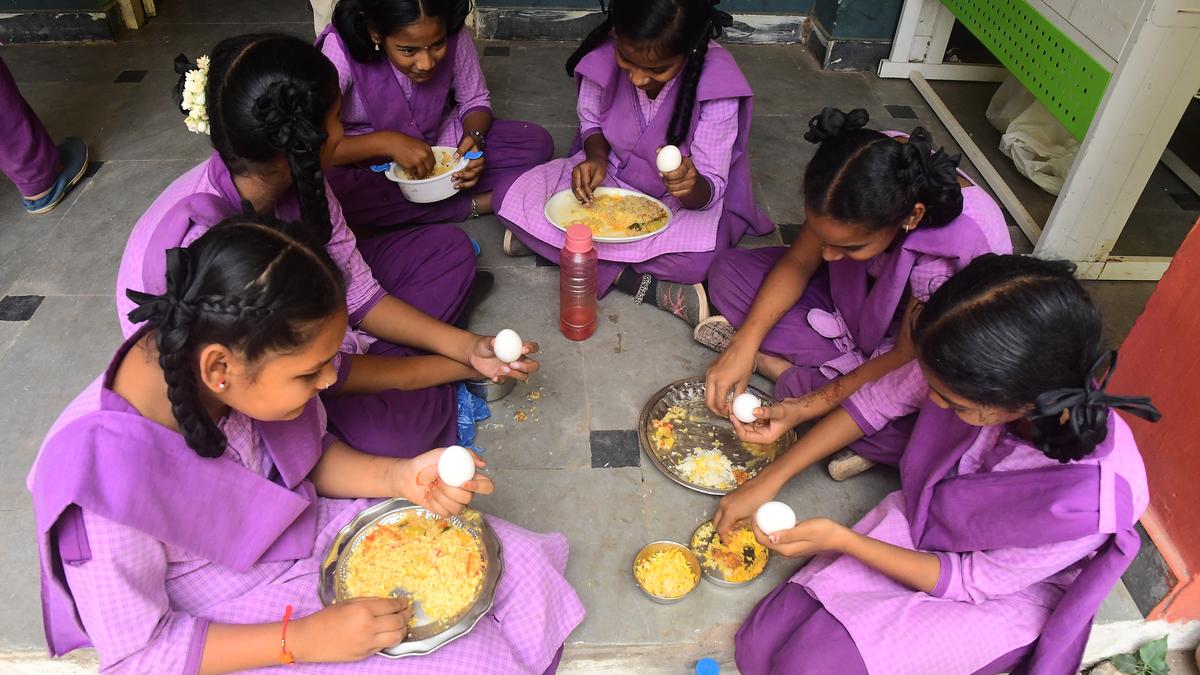
PM POSHAN Scheme: Material Cost Revision to Boost Nutritional Support
Overview of the Revision
- The Ministry of Education has revised the Material Cost under the PM POSHAN Scheme by 9.5%, effective from May 1, 2025.
- This change is implemented to offset the effects of inflation on food material prices, ensuring that school meal programs maintain nutritional quality.
Key Points on the Material Cost Increase
- Revised Rates for Students:
- For Balvatika and Primary students, the cost has increased from Rs 6.19 to Rs 6.78 per student per day.
- For Upper Primary students, the rate has been raised from Rs 9.29 to Rs 10.17 per student per day.
- These are the minimum mandatory rates prescribed; however, States/Union Territories have the option to contribute extra from their own funds to further enhance meal quality.
- The revision is based on inflation data sourced from the Labour Bureau using the Consumer Price Index – Rural Labourers (CPI-RL), calculated from data across 600 villages in 20 States.
Financial and Operational Impact
- The central government is set to bear an additional expenditure of approximately Rs 954 crore in the 2025-26 financial year because of the increased material costs.
- In addition to these costs, the Centre provides about 26 lakh Metric Tonnes (MT) of foodgrains annually through the Food Corporation of India (FCI).
- The FCI handles the full cost of foodgrains, which includes an annual subsidy of around Rs 9,000 crore and is responsible for 100% of the transportation costs from its depots to schools.
PM POSHAN Scheme
The Pradhan Mantri Poshan Shakti Nirman (PM POSHAN) scheme, launched in September 2021, is a Centrally Sponsored Scheme by the Ministry of Education. It aims to enhance the nutritional status of school-going children across India by providing one hot cooked meal on all school days. This initiative replaced the earlier Mid-Day Meal Scheme and is scheduled to run from 2021-22 to 2025-26.
Key Features:
- Target Beneficiaries: Approximately 11.20 crore children from Balvatika (pre-primary) to Class VIII in Government and Government-aided schools.
- Meal Provision: Daily provision of one hot cooked meal, aiming to improve nutritional intake and encourage school attendance.
- Material Cost Enhancement: In April 2025, the government increased the 'Material Cost' by 9.5%, effective from May 1, 2025, to account for inflation and ensure quality meals. This revision will incur an additional expenditure of approximately ₹954 crore in FY26.
- Foodgrain Allocation: Provision of about 26 lakh metric tonnes of foodgrains annually through the Food Corporation of India to support the scheme.
- Additional Components:
- Tithi Bhojan: Community participation initiative where individuals contribute meals on special occasions.
- School Nutrition Gardens: Encouraging schools to grow vegetables and fruits to supplement meals.
- Social Audits: Ensuring transparency and accountability through regular audits.
- Inclusion of Balvatika: Extending meal benefits to pre-primary students.
Objectives:
- Address classroom hunger and malnutrition among school children.
- Enhance enrolment, retention, and attendance rates in schools.
- Improve concentration and learning outcomes by ensuring children are well-nourished.
Implementation:
The scheme operates under the National Food Security Act, 2013, and is implemented by the Department of School Education & Literacy. It emphasizes convergence with other initiatives like POSHAN Abhiyaan to achieve holistic nutritional goals.
Significance:
PM POSHAN plays a crucial role in combating child malnutrition and promoting education by ensuring that children receive nutritious meals, thereby fostering a conducive learning environment and supporting overall child development.
Sources
India's Exports Hit Record $820 Billion in FY24-25
Key Highlights:
- Record Growth:
- India's goods and services exports soared to $820 billion in the financial year 2024-25, marking a close to 6% increase from the $778 billion recorded in the previous fiscal year.
- Component Breakdown:
- Merchandise Exports: Approximately $395.63 billion.
- Service Exports: Around $354.90 billion.
- Resilience Amid Global Challenges:
- This milestone was achieved despite multiple global headwinds such as the Red Sea crisis, Israel-Hamas conflict, continuing Russia-Ukraine tension, and slow growth in some developed economies.

Government Response and Strategic Measures:
- Support from the Commerce Ministry:
- The achievement was announced during a high-level meeting chaired by Commerce and Industry Minister Piyush Goyal, where exporters were lauded for their resilience.
- Policy Initiatives:
- The government is proactively creating a favourable environment for exporters, which includes discussions on a multi-sectoral Bilateral Trade Agreement (BTA) with the United States.
- The meeting also addressed issues stemming from new high US tariffs, urging exporters to view challenges as opportunities.
- Role of Export Promotion Councils (EPCs):
- Various Export Promotion Councils participated, representing diverse industry sectors and providing essential feedback on the emerging global trade scenario.
Sources
India-UK Economic Dialogue 2025: Paving the Path for Robust Trade & Financial Cooperation
High-Level Engagement at the 13th Economic and Financial Dialogue (EFD):
- Union Finance Minister Nirmala Sitharaman and UK Chancellor of the Exchequer Rachel Reeves led discussions in London.
- The talks focused on accelerating negotiations for a Free Trade Agreement (FTA) and a Bilateral Investment Treaty (BIT), signalling renewed momentum after earlier delays.
- Both sides emphasized a mutually beneficial approach that aims to foster comprehensive economic partnership in trade, investment, and policy reform.

Key Negotiation Themes and Strategic Measures:
- Export and Investment Opportunities:
- The dialogue highlighted the importance of expanding bilateral trade, with the current trade value estimated at over £40 billion.
- Discussions centred on creating a favourable environment for increased foreign direct investment (FDI) and improving access to global capital markets.
- Financial Services & Digital Economy:
- There was a special focus on deepening ties in the financial services sector, including initiatives in FinTech and digital economy.
- Both sides explored opportunities in transitioning to a more sustainable finance framework and enhancing regulatory cooperation.
- Rupee Internationalisation and Capital Market Synergies:
- India’s initiatives toward the internationalisation of the rupee, exemplified by steps like permitting the opening of rupee accounts in overseas jurisdictions, were discussed.
- The role of London as a global financial hub was acknowledged as a potential catalyst for further integrating Indian financial assets.
- Industrial and Defence Partnerships:
- The upcoming signing of an India-UK Defence Industrial Roadmap is expected to strengthen industrial supply chains and collaborative manufacturing efforts.
- Both nations envision leveraging expertise in sectors such as advanced manufacturing, life sciences, and clean energy to support growth.
Sources
Cabinet Approves Major Transport Infra Projects to Boost Connectivity & Sustainability
Overview of the Cabinet Decisions:
- The Cabinet Committee on Economic Affairs (CCEA), chaired by Prime Minister Narendra Modi, has approved multiple high-value projects aimed at enhancing connectivity, reducing logistics costs, and cutting CO₂ emissions over the next five years.
- The decisions come under two major clusters of projects—railway projects by the Ministry of Railways and transport infrastructure enhancements in key regions.
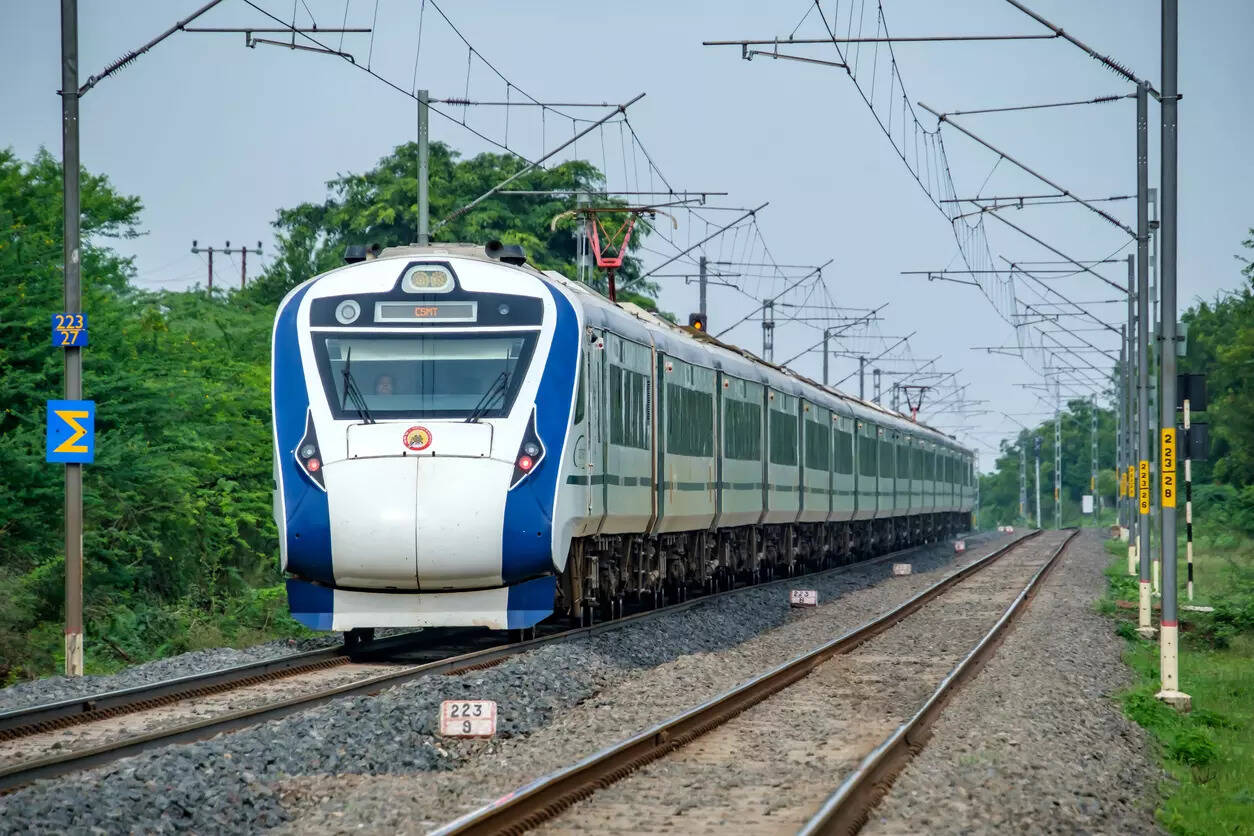
Key Details from the Railway Projects (₹6,798 Crore Investment):
- Total Investment:
- The approved railway projects carry a combined cost of ₹6,798 crore.
- Project 1 – Doubling of Railway Sections in Bihar:
- Route & Scope: Doubling of the Narkatiaganj-Raxaul-Sitamarhi-Darbhanga and Sitamarhi-Muzaffarpur sections covering 256 km.
- Benefits:
- Strengthens connectivity to Nepal, North-East India, and border areas.
- Facilitates both passenger and freight movement, promoting regional socio-economic growth.
- Project 2 – New Railway Line in Andhra Pradesh & Telangana:
- Route & Scope: Construction of a new rail line between Errupalem and Namburu via Amaravati spanning 57 km.
- Benefits:
- Will provide direct access for approximately 168 villages through the establishment of 9 new stations.
- Overall Impact:
- The combined projects extend the railway network by roughly 313 km.
- They are designed to increase freight capacity by an estimated 31 million Tonnes Per Annum (MTPA), benefiting transport of agriculture products, minerals, and industrial commodities.
- Environmentally, the projects are expected to reduce CO₂ emissions by 168 crore kg—the equivalent of planting 7 crore trees.
- These initiatives align with the PM GatiShakti National Master Plan for developing a multi-modal, seamlessly connected transport network.
Additional Transport Infra Projects:
- Doubling of the Tirupati-Katpadi Railway Line:
- Route & Scope:
- A 104 km single-line section connecting key hubs in Andhra Pradesh and Tamil Nadu will be doubled.
- Financial Outlay:
- The project is estimated at ₹1,332 crore.
- Benefits:
- Enhances rail connectivity for pilgrims, tourists, and freight services.
- Improves access to major educational and healthcare centres in regions like Tirupati and Vellore.
- Route & Scope:
- Construction of the Six-Lane Zirakpur Bypass:
- Objective:
- Designed to de-congest traffic flows in Zirakpur, Panchkula, and adjacent areas by diverting heavy traffic from densely populated routes.
- Significance:
- Provides direct connectivity to regions in Himachal Pradesh and the National Capital Region (NCR).
- Part of the broader PM GatiShakti effort to develop future-ready transport infrastructure.
Important Terminology and Figures for Exams:
- Objective:
- ₹6,798 crore: Total outlay for the new railway projects.
- 104 km (Tirupati-Katpadi Line): A focal high-priority rail project with a ₹1,332 crore investment.
- 6-lane Zirakpur Bypass: A critical road project aimed at decongestion and improved connectivity.
- 31 MTPA: The anticipated additional freight capacity from the railway upgrades.
- 168 crore kg CO₂ reduction: The environmental benefit equivalent to planting 7 crore trees.
Sources
World Homoeopathy Day 2025
Date & Theme
- World Homoeopathy Day 2025 is observed every year on April 10, marking the birth anniversary of Dr. Samuel Hahnemann, the founder of Homeopathy.
- This year’s theme is "Adhyayan, Adhyaapan, Anusandhaan" which translates to Education, Practice, and Research. This theme underscores the importance of evolving homeopathic practices through continuous learning and evidence-based research.

Historical Background & Significance
- Homeopathy is a 200-year-old healing system that is based on the principle of "like cures like"—using highly diluted substances to treat symptoms similar to those they produce in a healthy individual.
- The celebration originated in India in 1997, when advocates sought to create awareness about the benefits and scientific foundations of homeopathy.
- Today, it serves as a platform to honour a medical system that is considered the world’s second-largest system of medicine, reaching millions globally.
Key Events & Celebrations
- In 2025, India is hosting its largest-ever Homeopathy Symposium at the Mahatma Mandir Convention & Exhibition Centre in Gandhinagar, Gujarat, over two days (April 10–11).
- The symposium will feature a wide range of activities including panel discussions, scientific paper presentations, exhibitions, and even a "Live Materia Medica" competition.
- Over 8,000 delegates from across India and abroad, including academicians, clinicians, researchers, students, and industry professionals, are expected to participate, making it one of the most significant events dedicated to homeopathy.
Sources
Dire Wolf De-Extinction: Reviving a Lost Ice Age Predator
What Happened:
- Colossal Biosciences, a biotechnology firm based in Dallas, has announced the successful de-extinction of the dire wolf—an apex predator that went extinct approximately 12,500 years ago.
- This breakthrough marks the world's first effort to revive an extinct species using modern gene-editing and cloning technologies.
- The project has yielded three pups, reportedly named Romulus, Remus, and Khaleesi, which exhibit many key traits of the prehistoric dire wolf.

How It Was Achieved:
- Ancient DNA Extraction:
- Fossil samples—one from a 13,000 year old tooth and another up to 72,000 years old—provided the genetic blueprint of the dire wolf.
- Gene-Editing Technology:
- Scientists used CRISPR-Cas9 technology to modify the DNA of a living gray wolf, inserting about 20 targeted gene alterations to give the animal physical features reminiscent of the extinct dire wolf (such as a more robust skull, stronger jaws, and distinctive fur characteristics).
- Cloning and Surrogate Process:
- The newly engineered embryos were cloned and transferred into surrogate dogs, resulting in the birth of the dire wolf–like pups at a highly secure, monitored facility.
Why This Breakthrough Matters:
- The newly engineered embryos were cloned and transferred into surrogate dogs, resulting in the birth of the dire wolf–like pups at a highly secure, monitored facility.
- Scientific and Conservation Milestone:
- This project is hailed as a pioneering achievement in de-extinction, with potential applications for reviving other long-extinct species like the woolly mammoth or Tasmanian tiger.
- It demonstrates the practical utility of modern genetic engineering in battling biodiversity loss and may pave the way for innovative conservation strategies.
- Advancements in Genetic Engineering:
- The successful integration of ancient DNA with living genomes underscores the power of techniques like CRISPR in overcoming genetic bottlenecks and enhancing species survival.
- Ethical and Ecological Considerations:
- Experts continue to debate whether these animals are “true” dire wolves or hybrids—genetically modified gray wolves expressing dire wolf characteristics.
- There are also pressing questions about the potential ecological role and environmental impact of reintroducing such de extinct creatures into modern ecosystems.
Sources
April 2025
Archive
October 2026
- 28 October 2026
- 27 October 2026
- 26 October 2026
- 24 October 2026
- 23 October 2026
- 22 October 2026
- 21 October 2026
- 20 October 2026
- 19 October 2026
- 17 October 2026
- 16 October 2026
- 15 October 2026
- 14 October 2026
- 13 October 2026
- 12 October 2026
- 10 October 2026
- 09 October 2026
- 08 October 2026
- 07 October 2026
- 06 October 2026
- 05 October 2026
- 03 October 2026
- 02 October 2026
- 01 October 2026
September 2026
- 30 September 2026
- 29 September 2026
- 28 September 2026
- 26 September 2026
- 25 September 2026
- 24 September 2026
- 23 September 2026
- 22 September 2026
- 21 September 2026
- 19 September 2026
- 18 September 2026
- 17 September 2026
- 16 September 2026
- 15 September 2026
- 12 September 2026
- 11 September 2026
- 10 September 2026
- 09 September 2026
- 08 September 2026
- 07 September 2026
- 05 September 2026
- 04 September 2026
- 03 September 2026
- 02 September 2026
- 01 September 2026
August 2026
- 31 August 2026
- 29 August 2026
- 27 August 2026
- 26 August 2026
- 25 August 2026
- 24 August 2026
- 22 August 2026
- 21 August 2026
- 20 August 2026
- 19 August 2026
- 18 August 2026
- 17 August 2026
- 14 August 2026
- 13 August 2026
- 12 August 2026
- 11 August 2026
- 10 August 2026
- 08 August 2026
- 07 August 2026
- 06 August 2026
- 05 August 2026
- 04 August 2026
- 03 August 2026
- 01 August 2026
July 2026
- 31 July 2026
- 30 July 2026
- 29 July 2026
- 28 July 2026
- 27 July 2026
- 25 July 2026
- 23 July 2026
- 22 July 2026
- 21 July 2026
- 20 July 2026
- 18 July 2026
- 17 July 2026
- 15 July 2026
- 14 July 2026
- 13 July 2026
- 11 July 2026
- 10 July 2026
- 09 July 2026
- 08 July 2026
- 07 July 2026
- 06 July 2026
- 04 July 2026
- 03 July 2026
- 02 July 2026
- 01 July 2026
June 2026
May 2026
April 2026
March 2026
- 31 March 2026
- 30 March 2026
- 28 March 2026
- 27 March 2026
- 26 March 2026
- 25 March 2026
- 24 March 2026
- 23 March 2026
- 21 March 2026
- 20 March 2026
- 19 March 2026
- 18 March 2026
- 17 March 2026
- 16 March 2026
- 14 March 2026
- 13 March 2026
- 12 March 2026
- 11 March 2026
- 10 March 2026
- 09 March 2026
- 07 March 2026
- 06 March 2026
- 05 March 2026
- 03 March 2026
- 02 March 2026
February 2026
- 28 February 2026
- 27 February 2026
- 26 February 2026
- 25 February 2026
- 24 February 2026
- 23 February 2026
- 21 February 2026
- 20 February 2026
- 19 February 2026
- 18 February 2026
- 17 February 2026
- 16 February 2026
- 13 February 2026
- 12 February 2026
- 11 February 2026
- 10 February 2026
- 09 February 2026
- 07 February 2026
- 06 February 2026
- 05 February 2026
- 04 February 2026
- 03 February 2026
- 02 February 2026
January 2026
- 31 January 2026
- 30 January 2026
- 29 January 2026
- 28 January 2026
- 27 January 2026
- 26 January 2026
- 24 January 2026
- 23 January 2026
- 22 January 2026
- 21 January 2026
- 20 January 2026
- 19 January 2026
- 16 January 2026
- 15 January 2026
- 14 January 2026
- 13 January 2026
- 12 January 2026
- 10 January 2026
- 09 January 2026
- 08 January 2026
- 07 January 2026
- 06 January 2026
- 05 January 2026
- 03 January 2026
- 02 January 2026
- 01 January 2026
December 2025
- 31 December 2025
- 30 December 2025
- 29 December 2025
- 27 December 2025
- 26 December 2025
- 24 December 2025
- 23 December 2025
- 22 December 2025
- 20 December 2025
- 19 December 2025
- 18 December 2025
- 17 December 2025
- 16 December 2025
- 15 December 2025
- 13 December 2025
- 12 December 2025
- 11 December 2025
- 10 December 2025
- 09 December 2025
- 08 December 2025
- 05 December 2025
- 04 December 2025
- 03 December 2025
- 02 December 2025
November 2025
- 29 November 2025
- 28 November 2025
- 27 November 2025
- 26 November 2025
- 25 November 2025
- 24 November 2025
- 22 November 2025
- 21 November 2025
- 20 November 2025
- 19 November 2025
- 18 November 2025
- 17 November 2025
- 15 November 2025
- 14 November 2025
- 13 November 2025
- 12 November 2025
- 11 November 2025
- 10 November 2025
- 08 November 2025
- 07 November 2025
- 06 November 2025
- 05 November 2025
- 04 November 2025
- 03 November 2025
- 01 November 2025
October 2025
- 31 October 2025
- 30 October 2025
- 29 October 2025
- 28 October 2025
- 27 October 2025
- 25 October 2025
- 24 October 2025
- 23 October 2025
- 22 October 2025
- 21 October 2025
- 20 October 2025
- 18 October 2025
- 17 October 2025
- 16 October 2025
- 15 October 2025
- 14 October 2025
- 13 October 2025
- 11 October 2025
- 10 October 2025
- 09 October 2025
- 08 October 2025
- 07 October 2025
- 06 October 2025
- 04 October 2025
- 03 October 2025
- 02 October 2025
- 01 October 2025
September 2025
- 30 September 2025
- 29 September 2025
- 27 September 2025
- 26 September 2025
- 25 September 2025
- 24 September 2025
- 23 September 2025
- 22 September 2025
- 20 September 2025
- 19 September 2025
- 18 September 2025
- 17 September 2025
- 16 September 2025
- 15 September 2025
- 13 September 2025
- 12 September 2025
- 11 September 2025
- 10 September 2025
- 09 September 2025
- 08 September 2025
- 06 September 2025
- 05 September 2025
- 04 September 2025
- 03 September 2025
- 02 September 2025
- 01 September 2025
August 2025
- 30 August 2025
- 29 August 2025
- 28 August 2025
- 27 August 2025
- 26 August 2025
- 25 August 2025
- 23 August 2025
- 22 August 2025
- 21 August 2025
- 20 August 2025
- 19 August 2025
- 18 August 2025
- 16 August 2025
- 14 August 2025
- 13 August 2025
- 12 August 2025
- 11 August 2025
- 08 August 2025
- 07 August 2025
- 06 August 2025
- 05 August 2025
- 04 August 2025
- 02 August 2025
- 01 August 2025
July 2025
- 31 July 2025
- 30 July 2025
- 29 July 2025
- 28 July 2025
- 26 July 2025
- 25 July 2025
- 24 July 2025
- 23 July 2025
- 22 July 2025
- 21 July 2025
- 19 July 2025
- 18 July 2025
- 17 July 2025
- 16 July 2025
- 15 July 2025
- 12 July 2025
- 11 July 2025
- 10 July 2025
- 09 July 2025
- 07 July 2025
- 05 July 2025
- 04 July 2025
- 03 July 2025
- 02 July 2025
- 01 July 2025
June 2025
- 30 June 2025
- 28 June 2025
- 27 June 2025
- 26 June 2025
- 25 June 2025
- 24 June 2025
- 23 June 2025
- 21 June 2025
- 20 June 2025
- 19 June 2025
- 18 June 2025
- 17 June 2025
- 16 June 2025
- 14 June 2025
- 13 June 2025
- 12 June 2025
- 11 June 2025
- 10 June 2025
- 09 June 2025
- 07 June 2025
- 06 June 2025
- 05 June 2025
- 04 June 2025
- 03 June 2025
- 02 June 2025
May 2025
April 2025
- 30 April 2025
- 29 April 2025
- 28 April 2025
- 26 April 2025
- 25 April 2025
- 24 April 2025
- 23 April 2025
- 22 April 2025
- 21 April 2025
- 19 April 2025
- 18 April 2025
- 17 April 2025
- 16 April 2025
- 15 April 2025
- 14 April 2025
- 12 April 2025
- 11 April 2025
- 10 April 2025
- 09 April 2025
- 08 April 2025
- 07 April 2025
- 05 April 2025
- 04 April 2025
- 03 April 2025
- 02 April 2025
- 01 April 2025
March 2025
- 31 March 2025
- 29 March 2025
- 28 March 2025
- 27 March 2025
- 26 March 2025
- 25 March 2025
- 24 March 2025
- 22 March 2025
- 21 March 2025
- 20 March 2025
- 19 March 2025
- 18 March 2025
- 17 March 2025
- 15 March 2025
- 13 March 2025
- 12 March 2025
- 11 March 2025
- 10 March 2025
- 08 March 2025
- 07 March 2025
- 06 March 2025
- 05 March 2025
- 04 March 2025
- 03 March 2025
- 01 March 2025
February 2025
- 28 February 2025
- 27 February 2025
- 26 February 2025
- 25 February 2025
- 24 February 2025
- 22 February 2025
- 21 February 2025
- 20 February 2025
- 19 February 2025
- 18 February 2025
- 17 February 2025
- 15 February 2025
- 14 February 2025
- 13 February 2025
- 12 February 2025
- 11 February 2025
- 10 February 2025
- 08 February 2025
- 07 February 2025
- 06 February 2025
- 05 February 2025
- 04 February 2025
- 03 February 2025
- 01 February 2025
January 2025
- 31 January 2025
- 30 January 2025
- 29 January 2025
- 28 January 2025
- 27 January 2025
- 25 January 2025
- 24 January 2025
- 23 January 2025
- 22 January 2025
- 21 January 2025
- 20 January 2025
- 18 January 2025
- 17 January 2025
- 16 January 2025
- 15 January 2025
- 14 January 2025
- 13 January 2025
- 11 January 2025
- 10 January 2025
- 09 January 2025
- 08 January 2025
- 07 January 2025
- 06 January 2025
- 04 January 2025
- 03 January 2025
- 02 January 2025
- 01 January 2025