
Current Affairs
Stay updated with the latest national and international events.
09 September 2026
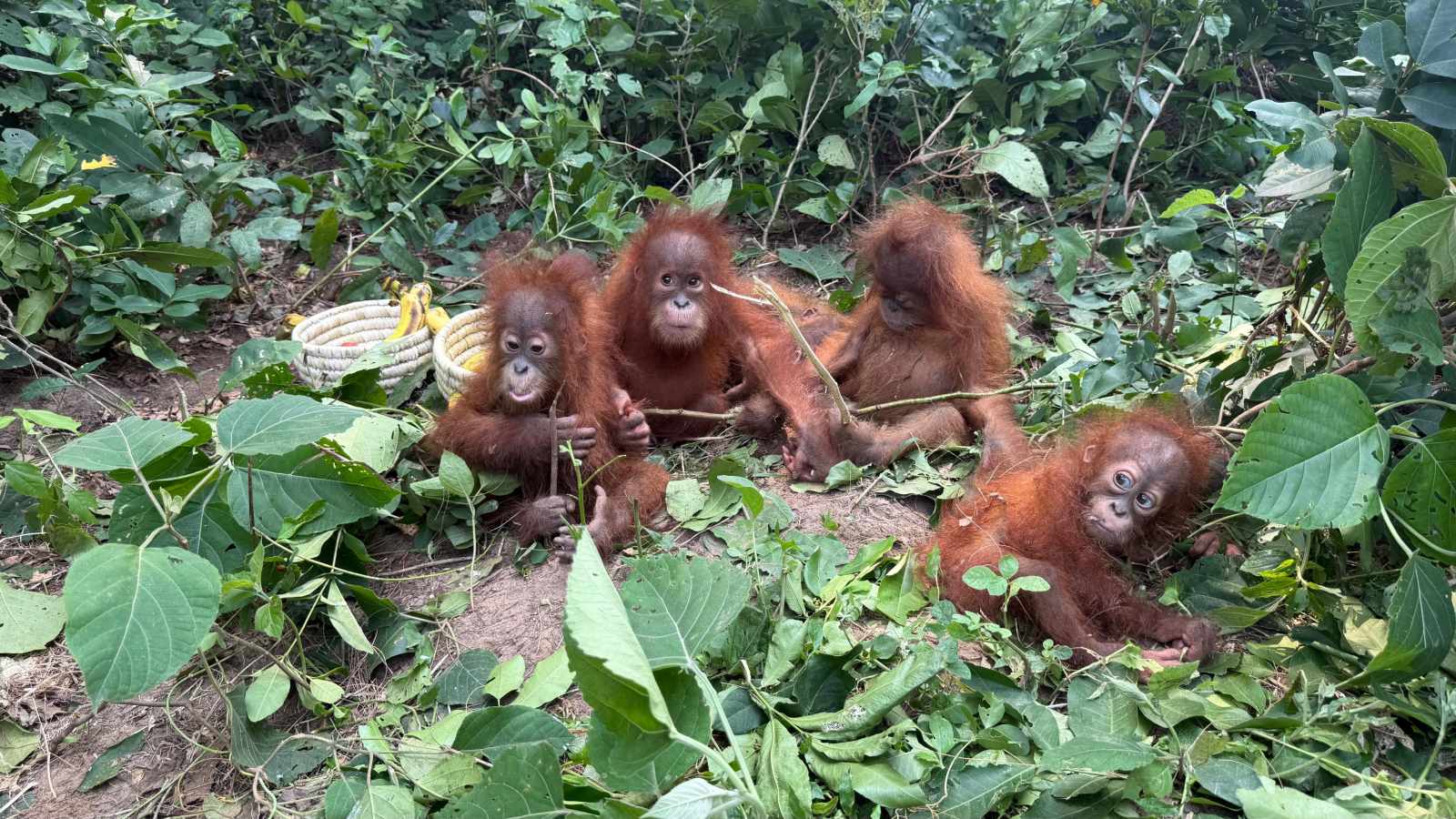
Five Baby Orangutans Rescued in Odisha, Wildlife Trafficking Probe Launched
What’s the News?
- Five juvenile orangutans were found in the Bhograi area of Balasore district, Odisha, despite orangutans having no natural wild population in India.
- The group comprises three males and two females and was rescued by the Odisha Forest Department.
- The animals were shifted to Nandankanan Zoological Park, Bhubaneswar, where they are under quarantine and veterinary supervision.
- The Odisha Police Special Task Force (STF) and the Wildlife Crime Control Bureau (WCCB) are investigating possible links to an organised international wildlife-trafficking network. Natural migration is considered highly improbable because there is no ecological corridor connecting their native range with India.
Orangutans?
- Orangutans are great apes belonging to:
- Genus: Pongo
- Family: Hominidae
- Order: Primates
- They are Asia's only great apes and the world's largest predominantly arboreal/tree-dwelling mammals.
- Their natural wild distribution is restricted to the rainforests of Borneo and Sumatra in Southeast Asia.
- Three recognised species are:
- Bornean orangutan – Pongo pygmaeus
- Sumatran orangutan – Pongo abelii
- Tapanuli orangutan – Pongo tapanuliensis
- IUCN Red List: All three species are Critically Endangered (CR).
- CITES: All three are listed in Appendix I, which imposes the strictest controls on international trade; commercial international trade is generally prohibited.
Wildlife Crime Control Bureau
- WCCB is a statutory, multidisciplinary wildlife-crime enforcement body under the Ministry of Environment, Forest and Climate Change (MoEFCC).
- It was constituted under Section 38Y of the Wild Life (Protection) Act, 1972; its principal functions are specified under Section 38Z.
- Major functions include:
- Collecting and sharing intelligence on organised wildlife crime.
- Maintaining a centralised wildlife-crime database.
- Coordinating State and central enforcement agencies.
- Assisting implementation of international wildlife conventions such as CITES.
- Supporting scientific investigation and prosecution of wildlife offences.
CITES & Indian Wildlife Law
- CITES – Convention on International Trade in Endangered Species of Wild Fauna and Flora regulates international trade in wild animals and plants so that trade does not threaten their survival.
- India's Wild Life (Protection) Amendment Act, 2022 strengthened domestic implementation of CITES.
- Schedule IV of the amended law covers specimens of species listed in CITES Appendices I, II and III.
- Section 49E: Provides for designation of a CITES Management Authority, responsible for permits and certificates relating to international trade.
- Section 49F: Provides for designation of Scientific Authorities to advise on trade-related conservation issues.
- The Odisha case is therefore significant not merely as an exotic-animal rescue but as a potential transnational wildlife crime involving a CITES Appendix-I species.
Additional Info
- Nandankanan Zoological Park
- Located near Bhubaneswar, Odisha.
- The rescued orangutans are presently being kept under quarantine and specialised care there.
- Nandankanan previously housed an orangutan named Binny, which died at the age of 41 in 2019.
- Major threats to orangutans
- Tropical-forest habitat loss and fragmentation.
- Poaching and capture of infants.
- Illegal exotic-pet trade.
- Human-wildlife conflict.
Sources
Cabinet Approves ₹20,804-Crore Railway Multitracking Projects Across Nine States
What’s the News?
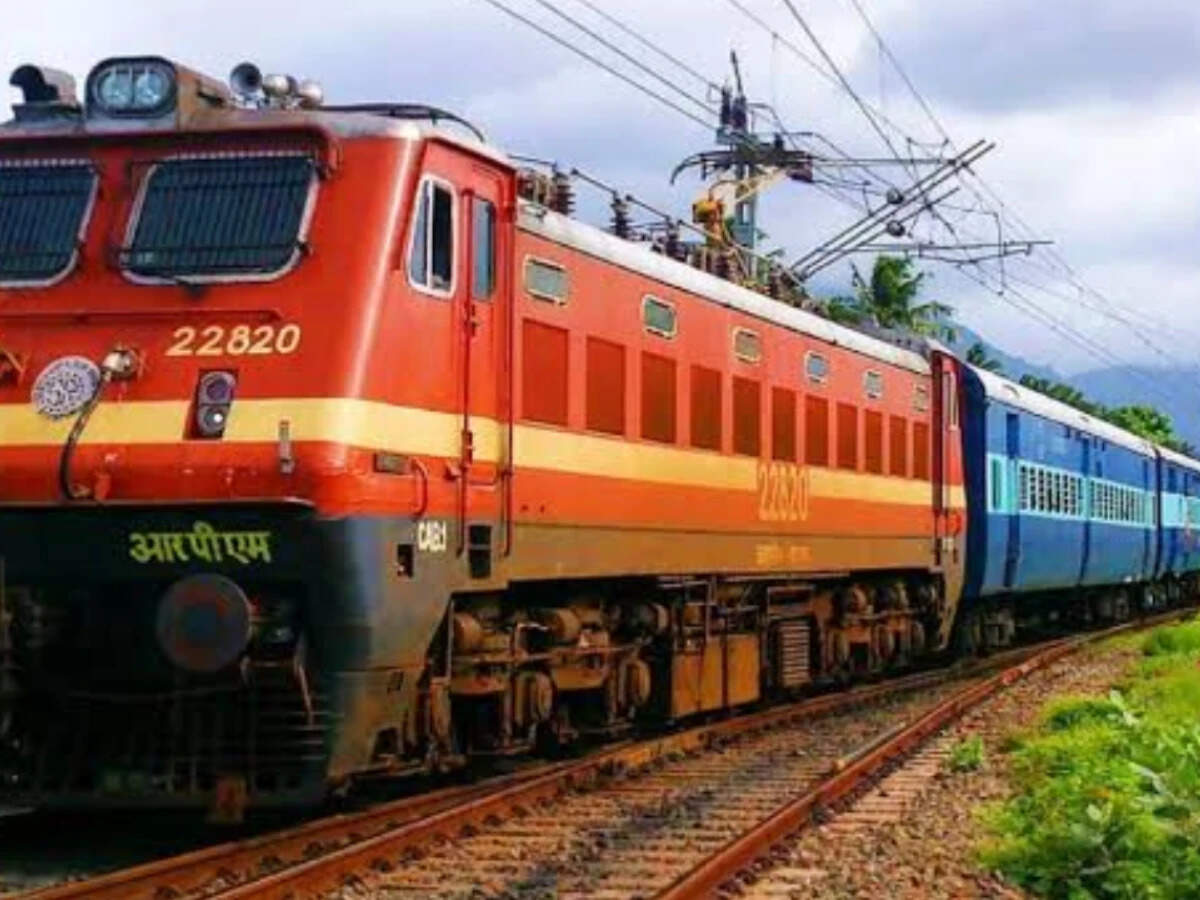
- The Cabinet Committee on Economic Affairs (CCEA), chaired by Prime Minister Narendra Modi, approved eight railway multitracking projects with a combined estimated cost of ₹20,804 crore.
- The projects cover nine states and 31 districts and will add about 1,196 km to the Indian Railways network.
- They are targeted for completion by FY 2029-30 and aim to decongest busy corridors, improve operational efficiency and strengthen passenger and freight movement.
Eight Multitracking Projects
Eastern and Central India — ₹10,783 crore; about 656 km
- Kharagpur–Jharsuguda (Bagdehi): 4th line
- Katni–Pendra Road: 4th line
- Bilaspur (Uslapur)–Pendra Road: 3rd line
- States covered: West Bengal, Jharkhand, Odisha, Madhya Pradesh and Chhattisgarh.
Southern India — ₹10,021 crore; about 540 km
- Arakkonam–Renigunta: 3rd and 4th lines — 77 km
- Whitefield–Bangarapet: 3rd and 4th lines — 47 km
- Hosur–Omalur: Doubling — 147 km
- Salem–Karur–Dindigul: Doubling — 159 km
- Secunderabad (Ghatkesar)–Kazipet: Multitracking — 110 km
- States covered: Tamil Nadu, Andhra Pradesh, Karnataka and Telangana.
Connectivity & Freight Impact
- The projects are expected to improve rail connectivity for around 6,911 villages, covering a population of approximately 1.08 crore.
- Combined additional freight capacity is estimated at 74 million tonnes per annum (MTPA):
- Eastern and central projects: 27 MTPA
- Southern projects: 47 MTPA
- Major commodities transported on these corridors include coal, cement, iron and steel, containers, automobiles, foodgrains, petroleum products and fertilisers.
PM Gati Shakti Link
- The projects have been planned under the PM Gati Shakti National Master Plan, which promotes coordinated infrastructure planning and multimodal connectivity.
- Capacity augmentation is intended to reduce railway congestion, improve logistics efficiency and enable smoother movement between production centres, consumption centres and transport networks.
Environmental & Economic Impact
- Greater movement of freight by rail, an energy-efficient mode of transport, is expected to help lower India's logistics and fuel requirements.
- The projects are estimated to:
- Reduce oil consumption/import requirement by about 20 crore litres.
- Reduce CO₂ emissions by about 104 crore kg.
- Provide emission benefits estimated to be equivalent to the carbon absorption of about 4.48 crore trees.
Additional Info
- Cabinet Committee on Economic Affairs (CCEA)
- One of the key Cabinet Committees of the Union Government.
- Chaired by the Prime Minister.
- Deals with major economic policy matters and large investment proposals, including significant infrastructure projects.
- Railway Multitracking
- Refers to adding additional railway lines along existing corridors.
- Doubling: Conversion of a single-line section into two lines.
- Third/Fourth line: Additional tracks on already double- or triple-line corridors to increase capacity and reduce congestion.
Sources
Coal Ministry Launches First Sector-Wide CSR Framework for Indian Coal Companies
What’s the News?
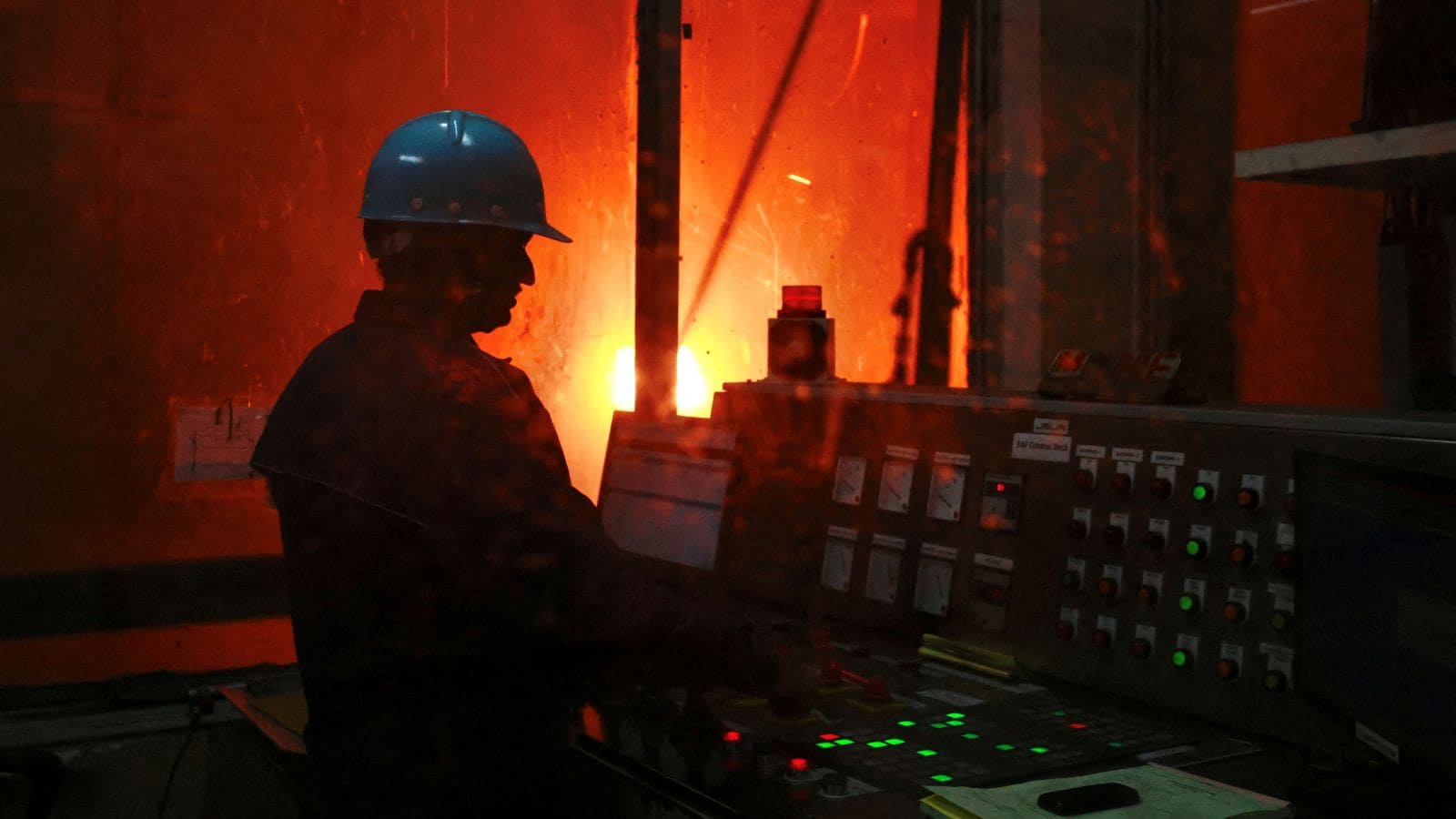
- The Ministry of Coal, along with Coal India Limited (CIL), has launched the Comprehensive CSR Framework for Indian Coal Companies.
- It is the first sector-specific CSR framework for the coal sector since statutory Corporate Social Responsibility (CSR) provisions were introduced under the Companies Act, 2013.
- Prepared by the Indian Institute of Corporate Affairs (IICA), the framework seeks to make CSR interventions in coal-mining regions more structured, transparent, measurable and outcome-oriented.
- The framework focuses particularly on communities residing in coal-bearing and mining-affected areas.
Comprehensive CSR Framework
- The framework provides a common guiding structure for CSR activities undertaken by public and private coal companies.
- It seeks to ensure that CSR projects:
- Reflect local community needs.
- Follow systematic planning and implementation.
- Have measurable outcomes and impact assessment.
- Improve transparency and accountability.
- Support areas such as healthcare, education, livelihoods, community development and environmental sustainability.
- The initiative assumes significance with the increasing participation of private companies in India's coal sector, creating the need for a more consistent sector-wide approach to CSR.
Thalassemia Bal Sewa Yojana
- Thalassemia Bal Sewa Yojana (TBSY) is a flagship CSR initiative of Coal India Limited for children suffering from Thalassemia and Aplastic Anaemia.
- Features:
- Network expanded from 4 to 21 empanelled hospitals.
- Financial assistance of up to ₹10 lakh per patient for Bone Marrow Transplant (BMT).
- Total allocation of ₹130 crore across four phases.
- More than 1,050 bone marrow transplants have been completed.
- Implemented with Thalassemics India, with monitoring guidance from the Ministry of Health and Family Welfare.
Nanha Sa Dil
- Nanha Sa Dil is CIL's CSR initiative for children affected by Congenital Heart Defects (CHDs).
- It is implemented in partnership with the Sri Sathya Sai Health and Education Trust.
- Key achievements:
- More than 2 lakh children screened.
- Over 1,500 corrective cardiac surgeries completed free of cost.
- Treatment support includes hospitalisation and travel expenses.
- Around 2.4 lakh newborns in India are estimated to be affected by congenital heart defects annually, while only about 5% receive timely treatment.
- The programme began in Jharkhand and has subsequently expanded through CIL subsidiaries including SECL, CCL, NCL and WCL.
CSR under Companies Act, 2013
- Section 135 of the Companies Act, 2013 provides the statutory framework for CSR in India.
- CSR provisions apply to a company meeting any one of the following criteria in the immediately preceding financial year:
- Net worth: ₹500 crore or more.
- Turnover: ₹1,000 crore or more.
- Net profit: ₹5 crore or more.
- Eligible companies are generally required to spend at least 2% of the average net profits of the preceding three financial years on CSR activities.
- Permissible CSR areas are broadly specified under Schedule VII of the Companies Act, including healthcare, education, environmental sustainability, rural development and other social-development activities.
Additional Info
- Indian Institute of Corporate Affairs (IICA)
- An autonomous institute under the aegis of the Ministry of Corporate Affairs.
- Functions as a think tank and capacity-building institution in areas of corporate law, governance, CSR and related corporate-affairs policy.
- Coal India Limited
- A Central Public Sector Enterprise under the Ministry of Coal.
- Its CSR interventions include healthcare, education, livelihood generation and community-development programmes, particularly in and around coal-mining regions.
Sources
India Launches Advanced Ocean Research Vessel ORV Sagar Manthan
What’s the News?
- India has launched the advanced Ocean Research Vessel (ORV) Sagar Manthan at Rishi Bankim Shipyard, Kolkata.
- It has been designed, engineered and constructed by Garden Reach Shipbuilders & Engineers (GRSE) for the National Centre for Polar and Ocean Research (NCPOR) under the Ministry of Earth Sciences (MoES).
- Built at an approximate cost of ₹840 crore, the vessel strengthens India's indigenous capability in oceanographic research and maritime technology.
- It will gradually replace the 43-year-old ORV Sagar Kanya, which was procured from Germany in 1983.
ORV Sagar Manthan
- It is an all-weather, multidisciplinary oceanographic research platform designed to operate even in extreme environments such as the Southern Ocean.
- It has a projected service life of 30 years.
- Major scientific capabilities include:
- Swath multibeam surveys and bathymetric mapping.
- Multichannel seismic and geophysical profiling.
- Sub-bottom profiling and seabed sampling.
- Atmospheric and upper-air observations.
- Water-column and CTD profiling.
- Deployment of Remotely Operated Vehicles (ROVs) and Autonomous Underwater Vehicles (AUVs).
- The vessel has dual-class certification from the Indian Register of Shipping (IRS) and the American Bureau of Shipping (ABS).
- After system integration and sea trials, its final delivery and commissioning to NCPOR/MoES is scheduled for 2028.
Deep Ocean Mission Linkage
- ORV Sagar Manthan has been constructed under Vertical-4: Deep Ocean Survey and Exploration of the Deep Ocean Mission (DOM).
- Its research will support exploration along mid-oceanic ridges in the Indian Ocean, particularly for identifying multi-metal hydrothermal sulphide mineralisation.
- It will also help establish environmental baseline data, supporting assessment of the ecological impacts of deep-sea exploration.
Deep Ocean Mission
- The Deep Ocean Mission is a Ministry of Earth Sciences initiative aimed at developing technologies and scientific capabilities for the exploration and sustainable utilisation of deep-ocean resources.
- Major components include:
- Development of technologies for deep-sea mining and manned submersibles.
- Ocean climate-change advisory services.
- Exploration and conservation of deep-sea biodiversity.
- Deep Ocean Survey and Exploration.
- Harnessing energy and freshwater from the ocean.
- Development of an advanced marine station for ocean biology.
Additional Info
- National Centre for Polar and Ocean Research (NCPOR)
- Autonomous research institution under the Ministry of Earth Sciences.
- Headquartered in Goa.
- Undertakes research relating to the polar regions, Southern Ocean and marine geosciences.
- Coordinates India's scientific activities in Antarctica and the Arctic.
- Garden Reach Shipbuilders & Engineers (GRSE)
- A Defence Public Sector Undertaking under the Ministry of Defence.
- Headquartered in Kolkata.
- Undertakes construction of naval, coast guard and specialised vessels.
- ORV Sagar Manthan represents India's transition from importing major oceanographic research platforms to indigenous design and construction.
- ORV Sagar Kanya
- India's long-serving multidisciplinary oceanographic research vessel.
- Procured from Germany in 1983.
- ORV Sagar Manthan will gradually replace it as part of the modernisation of India's ocean-research fleet.
Sources
- The Times of India — The Times of India
India and Japan Endorse 2027–31 Roadmap for Forest Cooperation
What’s the News?
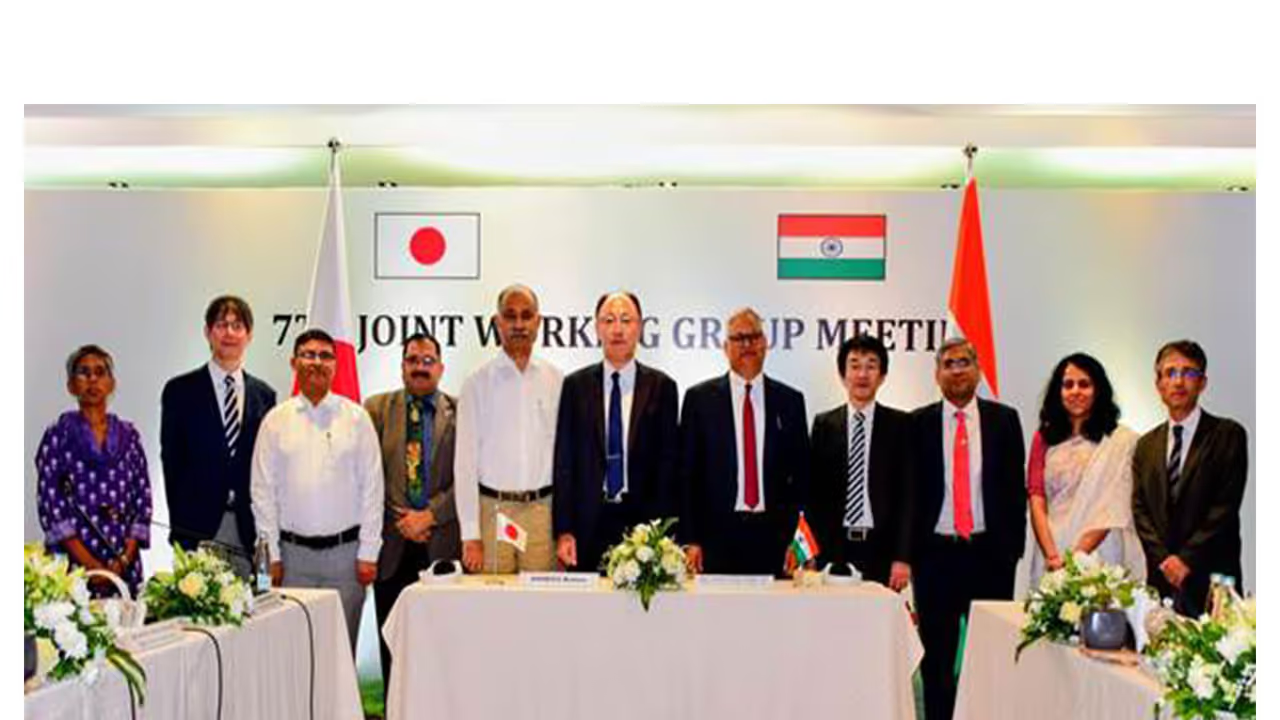
- India and Japan held the 7th Meeting of the Joint Working Group (JWG) on Cooperation in the Field of Forests in Bengaluru, Karnataka.
- The Indian delegation was led by Ramesh Kumar Pandey, Additional Director General (Forests), Ministry of Environment, Forest and Climate Change (MoEFCC), while Japan was represented by Shimizu Kotaro, Deputy Director General, Forestry Agency, Ministry of Agriculture, Forestry and Fisheries.
- Both sides endorsed a Roadmap for 2027–2031 to deepen cooperation in forests, biodiversity conservation, research and capacity building.
India-Japan Forest Cooperation
- Bilateral forestry cooperation operates under a Memorandum of Cooperation (MoC) signed in 2015.
- The Joint Working Group provides an institutional mechanism for technical exchanges, collaborative research and capacity building.
- The latest meeting focused on three major areas:
- Trees Outside Forests (TOF)
- Forest Genetics
- Forest Stack
Trees Outside Forests
- Trees Outside Forests refers to tree resources occurring outside legally classified forest areas, including agricultural lands, homesteads, field boundaries and other non-forest landscapes.
- India and Japan exchanged experiences on:
- Assessment of tree resources outside forests.
- Sustainable management of such resources.
- Genetic improvement of tree species.
- Such tree resources can contribute to timber and non-timber supply, carbon sequestration, livelihood support and reduction of pressure on natural forests.
Forest Genetics
- Cooperation in forest genetics covered:
- Conservation of forest genetic resources.
- Tree breeding.
- Development of improved planting material.
- Germplasm conservation.
- Forest genetic-resource conservation helps retain genetic diversity required for resilience to diseases, pests and changing climatic conditions.
Forest Stack
- Under Forest Stack, the two countries discussed the use of technology and integrated datasets for forest-resource management.
- Areas of cooperation include:
- Forest inventory.
- Forest stock assessment.
- Geospatial technologies.
- Advanced forest monitoring systems.
2027–2031 Roadmap
- The new roadmap under the 2015 MoC seeks to strengthen cooperation in:
- Sustainable forest management and conservation.
- Biodiversity conservation.
- Forestry research.
- Institutional and technical capacity building.
- The meeting concluded with the signing of the Minutes of the 7th Joint Working Group meeting.
Additional Info
- Institute of Wood Science and Technology (IWST)
- Located in Bengaluru.
- The two delegations visited the institute and interacted with officials of the Karnataka Forest Department.
- Field-level cooperation
- The bilateral programme included visits to sandalwood agroforestry farms, a sandalwood depot and a processing unit in Mysuru.
- A visit to Nagarhole Tiger Reserve was also included to facilitate exchange of experiences on wildlife conservation.
- The visits focused particularly on private-farm sandalwood cultivation and wildlife-management practices.
Sources
India Expands BrahMos Partnerships Across Southeast Asia
What’s the News?
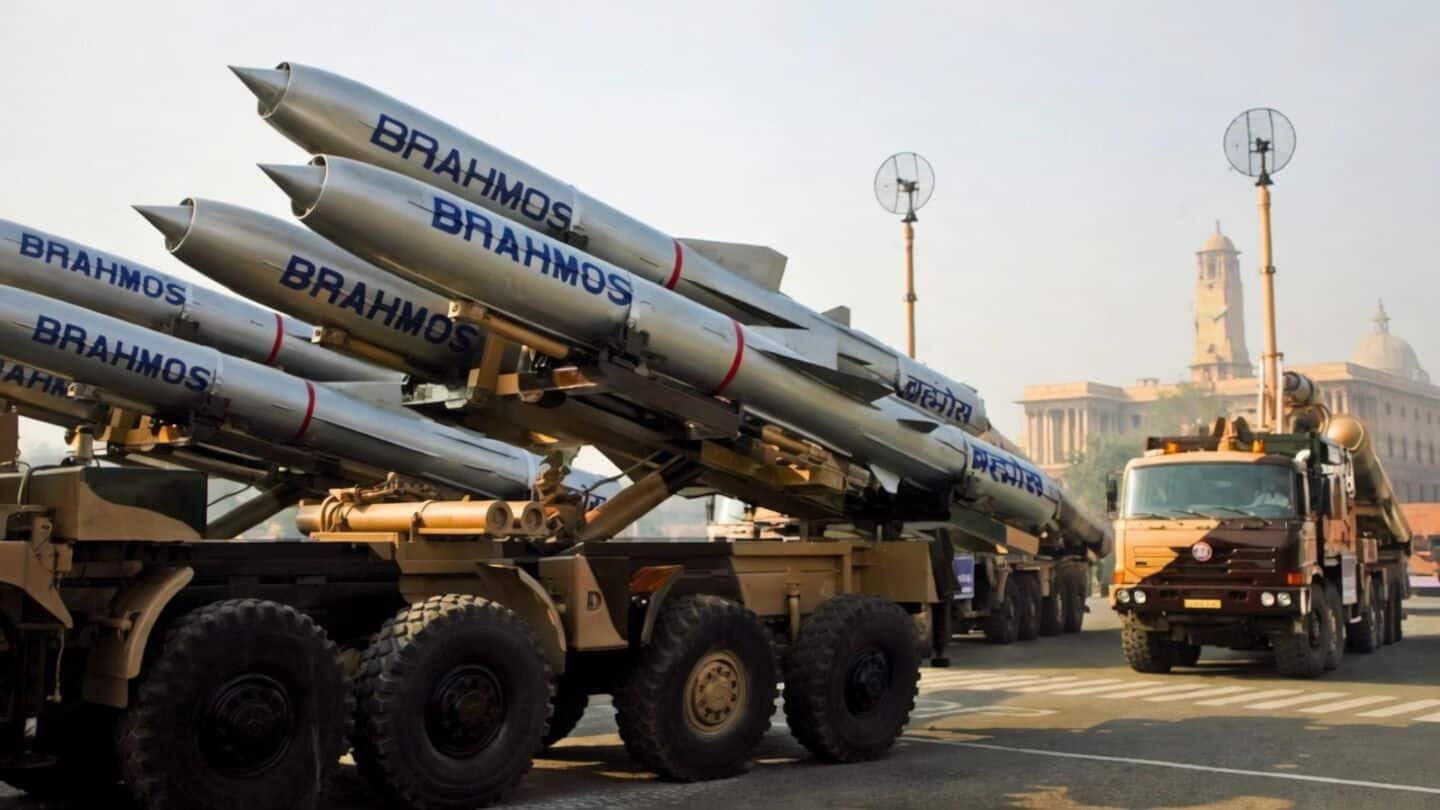
- India is expanding BrahMos supersonic cruise missile partnerships with Southeast Asian countries, giving rise to the strategic concept termed the “BrahMos Belt.”
- The term refers to an emerging network of BrahMos-equipped coastal states around the South China Sea and adjoining maritime region; it is not an officially declared military alliance or formal Indian doctrine.
- The Philippines became the first foreign customer of BrahMos, while India has subsequently concluded agreements with Vietnam and Indonesia.
- The expanding network strengthens coastal defence capabilities of partner countries while supporting India's defence exports, Act East engagement and Indo-Pacific strategic presence.
BrahMos Belt
- The “BrahMos Belt” envisages separate Southeast Asian countries operating shore-based BrahMos systems that collectively create a stronger maritime deterrence architecture around important regional waters.
- Countries associated with the emerging network include:
- Philippines: First foreign customer; signed a $375-million contract for shore-based anti-ship missile systems.
- Vietnam: India has officially confirmed an agreement for the supply of BrahMos missiles.
- Indonesia: Entered an agreement with India to procure BrahMos; subsequent defence agreements include supply of BrahMos systems.
- Thailand and Malaysia: Have been associated with interest or evaluation, but no confirmed acquisition comparable to the above countries has been announced.
BrahMos Missile
- BrahMos is a supersonic cruise missile jointly developed by India and Russia through BrahMos Aerospace.
- It derives its name from India's Brahmaputra River and Russia's Moskva River.
- Major characteristics include:
- Land-attack and anti-ship capability.
- “Fire-and-forget” operation.
- High-speed, precision-strike capability.
- Deployment from land, ships, aircraft and submarine platforms.
- Conventional warhead capability of up to 200 kg.
- BrahMos Aerospace is a joint India-Russia defence venture involving India's DRDO and Russia's missile-development establishment.
Additional Info
- Philippines BrahMos Deal
- The Philippines signed the first international BrahMos export contract for a shore-based anti-ship missile system.
- The contract was valued at around $375 million.
- The system strengthens the country's coastal defence capability amid maritime disputes in the South China Sea.
- India–Vietnam Defence Cooperation
- India's Defence Secretary confirmed that a BrahMos supply agreement with Vietnam has been signed.
- India had earlier strengthened Vietnam's maritime capability by transferring the indigenous missile corvette INS Kirpan.
- India–Indonesia Defence Cooperation
- Indonesia formally announced an agreement to procure the BrahMos missile system.
- The broader defence partnership also includes cooperation involving Astra air-to-air missiles, military technology and maritime security.
Sources
India and Japan Conduct Exercise Veer Guardian 2026 in Jodhpur
What’s the News?
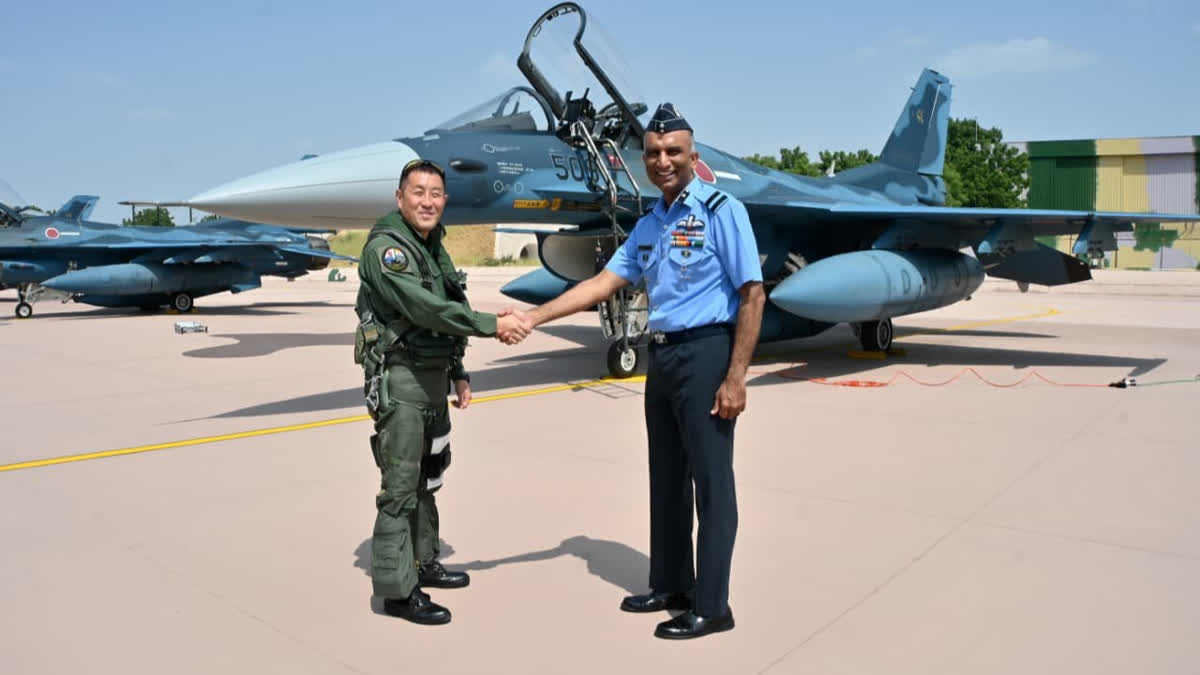
- The Indian Air Force (IAF) and Japan Air Self-Defence Force (JASDF) are conducting the second edition of bilateral air exercise Veer Guardian-2026 at Air Force Station Jodhpur, Rajasthan.
- The 14-day exercise focuses on advanced air operations, tactical proficiency, interoperability and operational coordination between the two air forces.
- It also marks the first deployment of Japanese fighter aircraft to India for Veer Guardian.
- The exercise reflects the expanding defence and strategic partnership between India and Japan.
Participating Aircraft
- Indian Air Force
- LCA Tejas
- Su-30MKI
- Rafale
- Japan Air Self-Defence Force
- Mitsubishi F-2A multirole fighter aircraft
- The Japanese contingent includes three F-2A fighters from the 8th Air Wing based at Tsuiki Air Base and around 110 personnel.
- Japan also deployed C-2 transport aircraft for transportation and logistical support.
Training & Objectives
- Major activities include:
- Advanced operational missions and air-combat manoeuvring.
- Joint mission planning.
- Professional and subject-matter expert exchanges.
- Interaction on aircraft engineering and aerospace safety.
- The exercise seeks to enhance:
- Interoperability between the IAF and JASDF.
- Understanding of each other's operational procedures.
- Tactical proficiency and coordination during complex air operations.
- Exchange of operational and technical best practices.
Veer Guardian
- Veer Guardian is a bilateral fighter-aircraft exercise between the IAF and JASDF.
- Its inaugural edition was held in Japan in 2023, primarily at Hyakuri Air Base.
- During the first edition:
- India deployed Su-30MKI fighters, supported by C-17 Globemaster III transport aircraft and an IL-78 aerial-refuelling aircraft.
- Japan participated with F-2 and F-15 fighters.
- Training included air combat manoeuvring, interception and air-defence missions, including Visual and Beyond Visual Range operations.
India–Japan Defence Cooperation
- Bilateral defence relations form an important component of the India–Japan Special Strategic and Global Partnership.
- Major India–Japan military exercises include:
- Veer Guardian: Air forces.
- Dharma Guardian: Armies.
- JIMEX (Japan–India Maritime Exercise): Navies.
- Shinyuu Maitri: Air-force transport operations.
- Japan also participates with India, the United States and Australia in the Malabar naval exercise.
- India and Japan also have a Foreign and Defence Ministers' 2+2 Dialogue, providing an institutional mechanism for strategic and security cooperation.
Additional Info
- Japan Air Self-Defence Force (JASDF)
- Air component of Japan's Self-Defence Forces.
- Responsible primarily for the defence and surveillance of Japanese airspace.
- Mitsubishi F-2
- Multirole fighter aircraft operated by the JASDF.
- Developed jointly by Japan and the United States, with its design derived from the F-16 platform but incorporating substantial Japanese modifications.
- Designed for both air-to-air and air-to-surface/maritime strike roles.
Sources
September 2026
30 September 202629 September 202628 September 202626 September 202625 September 202624 September 202623 September 202622 September 202621 September 202619 September 202618 September 202617 September 202616 September 202615 September 202612 September 202611 September 202610 September 202609 September 202608 September 202607 September 202605 September 202604 September 202603 September 202602 September 202601 September 2026
Archive
October 2026
- 28 October 2026
- 27 October 2026
- 26 October 2026
- 24 October 2026
- 23 October 2026
- 22 October 2026
- 21 October 2026
- 20 October 2026
- 19 October 2026
- 17 October 2026
- 16 October 2026
- 15 October 2026
- 14 October 2026
- 13 October 2026
- 12 October 2026
- 10 October 2026
- 09 October 2026
- 08 October 2026
- 07 October 2026
- 06 October 2026
- 05 October 2026
- 03 October 2026
- 02 October 2026
- 01 October 2026
September 2026
- 30 September 2026
- 29 September 2026
- 28 September 2026
- 26 September 2026
- 25 September 2026
- 24 September 2026
- 23 September 2026
- 22 September 2026
- 21 September 2026
- 19 September 2026
- 18 September 2026
- 17 September 2026
- 16 September 2026
- 15 September 2026
- 12 September 2026
- 11 September 2026
- 10 September 2026
- 09 September 2026
- 08 September 2026
- 07 September 2026
- 05 September 2026
- 04 September 2026
- 03 September 2026
- 02 September 2026
- 01 September 2026
August 2026
- 31 August 2026
- 29 August 2026
- 27 August 2026
- 26 August 2026
- 25 August 2026
- 24 August 2026
- 22 August 2026
- 21 August 2026
- 20 August 2026
- 19 August 2026
- 18 August 2026
- 17 August 2026
- 14 August 2026
- 13 August 2026
- 12 August 2026
- 11 August 2026
- 10 August 2026
- 08 August 2026
- 07 August 2026
- 06 August 2026
- 05 August 2026
- 04 August 2026
- 03 August 2026
- 01 August 2026
July 2026
- 31 July 2026
- 30 July 2026
- 29 July 2026
- 28 July 2026
- 27 July 2026
- 25 July 2026
- 23 July 2026
- 22 July 2026
- 21 July 2026
- 20 July 2026
- 18 July 2026
- 17 July 2026
- 15 July 2026
- 14 July 2026
- 13 July 2026
- 11 July 2026
- 10 July 2026
- 09 July 2026
- 08 July 2026
- 07 July 2026
- 06 July 2026
- 04 July 2026
- 03 July 2026
- 02 July 2026
- 01 July 2026
June 2026
May 2026
April 2026
March 2026
- 31 March 2026
- 30 March 2026
- 28 March 2026
- 27 March 2026
- 26 March 2026
- 25 March 2026
- 24 March 2026
- 23 March 2026
- 21 March 2026
- 20 March 2026
- 19 March 2026
- 18 March 2026
- 17 March 2026
- 16 March 2026
- 14 March 2026
- 13 March 2026
- 12 March 2026
- 11 March 2026
- 10 March 2026
- 09 March 2026
- 07 March 2026
- 06 March 2026
- 05 March 2026
- 03 March 2026
- 02 March 2026
February 2026
- 28 February 2026
- 27 February 2026
- 26 February 2026
- 25 February 2026
- 24 February 2026
- 23 February 2026
- 21 February 2026
- 20 February 2026
- 19 February 2026
- 18 February 2026
- 17 February 2026
- 16 February 2026
- 13 February 2026
- 12 February 2026
- 11 February 2026
- 10 February 2026
- 09 February 2026
- 07 February 2026
- 06 February 2026
- 05 February 2026
- 04 February 2026
- 03 February 2026
- 02 February 2026
January 2026
- 31 January 2026
- 30 January 2026
- 29 January 2026
- 28 January 2026
- 27 January 2026
- 26 January 2026
- 24 January 2026
- 23 January 2026
- 22 January 2026
- 21 January 2026
- 20 January 2026
- 19 January 2026
- 16 January 2026
- 15 January 2026
- 14 January 2026
- 13 January 2026
- 12 January 2026
- 10 January 2026
- 09 January 2026
- 08 January 2026
- 07 January 2026
- 06 January 2026
- 05 January 2026
- 03 January 2026
- 02 January 2026
- 01 January 2026
December 2025
- 31 December 2025
- 30 December 2025
- 29 December 2025
- 27 December 2025
- 26 December 2025
- 24 December 2025
- 23 December 2025
- 22 December 2025
- 20 December 2025
- 19 December 2025
- 18 December 2025
- 17 December 2025
- 16 December 2025
- 15 December 2025
- 13 December 2025
- 12 December 2025
- 11 December 2025
- 10 December 2025
- 09 December 2025
- 08 December 2025
- 05 December 2025
- 04 December 2025
- 03 December 2025
- 02 December 2025
November 2025
- 29 November 2025
- 28 November 2025
- 27 November 2025
- 26 November 2025
- 25 November 2025
- 24 November 2025
- 22 November 2025
- 21 November 2025
- 20 November 2025
- 19 November 2025
- 18 November 2025
- 17 November 2025
- 15 November 2025
- 14 November 2025
- 13 November 2025
- 12 November 2025
- 11 November 2025
- 10 November 2025
- 08 November 2025
- 07 November 2025
- 06 November 2025
- 05 November 2025
- 04 November 2025
- 03 November 2025
- 01 November 2025
October 2025
- 31 October 2025
- 30 October 2025
- 29 October 2025
- 28 October 2025
- 27 October 2025
- 25 October 2025
- 24 October 2025
- 23 October 2025
- 22 October 2025
- 21 October 2025
- 20 October 2025
- 18 October 2025
- 17 October 2025
- 16 October 2025
- 15 October 2025
- 14 October 2025
- 13 October 2025
- 11 October 2025
- 10 October 2025
- 09 October 2025
- 08 October 2025
- 07 October 2025
- 06 October 2025
- 04 October 2025
- 03 October 2025
- 02 October 2025
- 01 October 2025
September 2025
- 30 September 2025
- 29 September 2025
- 27 September 2025
- 26 September 2025
- 25 September 2025
- 24 September 2025
- 23 September 2025
- 22 September 2025
- 20 September 2025
- 19 September 2025
- 18 September 2025
- 17 September 2025
- 16 September 2025
- 15 September 2025
- 13 September 2025
- 12 September 2025
- 11 September 2025
- 10 September 2025
- 09 September 2025
- 08 September 2025
- 06 September 2025
- 05 September 2025
- 04 September 2025
- 03 September 2025
- 02 September 2025
- 01 September 2025
August 2025
- 30 August 2025
- 29 August 2025
- 28 August 2025
- 27 August 2025
- 26 August 2025
- 25 August 2025
- 23 August 2025
- 22 August 2025
- 21 August 2025
- 20 August 2025
- 19 August 2025
- 18 August 2025
- 16 August 2025
- 14 August 2025
- 13 August 2025
- 12 August 2025
- 11 August 2025
- 08 August 2025
- 07 August 2025
- 06 August 2025
- 05 August 2025
- 04 August 2025
- 02 August 2025
- 01 August 2025
July 2025
- 31 July 2025
- 30 July 2025
- 29 July 2025
- 28 July 2025
- 26 July 2025
- 25 July 2025
- 24 July 2025
- 23 July 2025
- 22 July 2025
- 21 July 2025
- 19 July 2025
- 18 July 2025
- 17 July 2025
- 16 July 2025
- 15 July 2025
- 12 July 2025
- 11 July 2025
- 10 July 2025
- 09 July 2025
- 07 July 2025
- 05 July 2025
- 04 July 2025
- 03 July 2025
- 02 July 2025
- 01 July 2025
June 2025
- 30 June 2025
- 28 June 2025
- 27 June 2025
- 26 June 2025
- 25 June 2025
- 24 June 2025
- 23 June 2025
- 21 June 2025
- 20 June 2025
- 19 June 2025
- 18 June 2025
- 17 June 2025
- 16 June 2025
- 14 June 2025
- 13 June 2025
- 12 June 2025
- 11 June 2025
- 10 June 2025
- 09 June 2025
- 07 June 2025
- 06 June 2025
- 05 June 2025
- 04 June 2025
- 03 June 2025
- 02 June 2025
May 2025
April 2025
- 30 April 2025
- 29 April 2025
- 28 April 2025
- 26 April 2025
- 25 April 2025
- 24 April 2025
- 23 April 2025
- 22 April 2025
- 21 April 2025
- 19 April 2025
- 18 April 2025
- 17 April 2025
- 16 April 2025
- 15 April 2025
- 14 April 2025
- 12 April 2025
- 11 April 2025
- 10 April 2025
- 09 April 2025
- 08 April 2025
- 07 April 2025
- 05 April 2025
- 04 April 2025
- 03 April 2025
- 02 April 2025
- 01 April 2025
March 2025
- 31 March 2025
- 29 March 2025
- 28 March 2025
- 27 March 2025
- 26 March 2025
- 25 March 2025
- 24 March 2025
- 22 March 2025
- 21 March 2025
- 20 March 2025
- 19 March 2025
- 18 March 2025
- 17 March 2025
- 15 March 2025
- 13 March 2025
- 12 March 2025
- 11 March 2025
- 10 March 2025
- 08 March 2025
- 07 March 2025
- 06 March 2025
- 05 March 2025
- 04 March 2025
- 03 March 2025
- 01 March 2025
February 2025
- 28 February 2025
- 27 February 2025
- 26 February 2025
- 25 February 2025
- 24 February 2025
- 22 February 2025
- 21 February 2025
- 20 February 2025
- 19 February 2025
- 18 February 2025
- 17 February 2025
- 15 February 2025
- 14 February 2025
- 13 February 2025
- 12 February 2025
- 11 February 2025
- 10 February 2025
- 08 February 2025
- 07 February 2025
- 06 February 2025
- 05 February 2025
- 04 February 2025
- 03 February 2025
- 01 February 2025
January 2025
- 31 January 2025
- 30 January 2025
- 29 January 2025
- 28 January 2025
- 27 January 2025
- 25 January 2025
- 24 January 2025
- 23 January 2025
- 22 January 2025
- 21 January 2025
- 20 January 2025
- 18 January 2025
- 17 January 2025
- 16 January 2025
- 15 January 2025
- 14 January 2025
- 13 January 2025
- 11 January 2025
- 10 January 2025
- 09 January 2025
- 08 January 2025
- 07 January 2025
- 06 January 2025
- 04 January 2025
- 03 January 2025
- 02 January 2025
- 01 January 2025