
Current Affairs
Stay updated with the latest national and international events.
09 October 2025
India Welcomes First Phase of Gaza Peace Agreement

What’s the News?
- India has officially welcomed the first phase of the Gaza peace agreement, brokered by former U.S. President Donald Trump, which includes the release of hostages and enhanced humanitarian assistance to Gaza.
- Prime Minister Narendra Modi expressed strong support for the deal, calling it a “moment of profound relief” and reaffirming India’s consistent stance that terrorism in any form is unacceptable.
- The Prime Minister held calls with both President Trump and Israeli Prime Minister Benjamin Netanyahu, congratulating them on the progress and emphasizing India’s support for peace through dialogue and diplomacy.
India’s Stance on Gaza & Middle East Peace
- Core Principles:
- Support for a two-state solution.
- Emphasis on humanitarian aid to civilians in conflict zones.
- Rejection of terrorism and violence against civilians.
- Diplomatic Engagement:
- India maintains balanced relations with both Israel and Palestine, having supported Palestine’s statehood at international forums while deepening strategic and defense ties with Israel.
- The government has consistently voted in favor of UN resolutions calling for humanitarian pauses and aid access in Gaza.
- Recent Actions:
- India provided $1 million in humanitarian aid to Gaza in early 2025 through UN agencies.
- The Ministry of External Affairs has repeatedly urged all parties to protect civilian lives and ensure safe passage for aid.
Additional Info
- India–Israel Relations:
- Established full diplomatic relations in 1992.
- Israel is one of India’s top defense partners, with bilateral defense trade exceeding $2 billion annually.
- Cooperation spans agriculture (Centres of Excellence), water technology, cybersecurity, and space.
- India–Palestine Relations:
- India recognized the State of Palestine in 1988.
- India has extended over $70 million in development and humanitarian assistance to Palestine since 2008.
- India supports Palestinian membership in UNESCO and other UN bodies.
- Constitutional & Policy Framework:
- India’s foreign policy is guided by Article 51 of the Constitution, which promotes international peace and security and just and honorable relations between nations.
- The Neighborhood First and Vishwa Mitra (friend of the world) doctrines underpin India’s balanced, non-aligned approach in conflict zones.
Sources
László Krasznahorkai Awarded Nobel Prize in Literature 2025

What’s the News?
- The Nobel Prize in Literature 2025 has been awarded to Hungarian author László Krasznahorkai “for his compelling and visionary oeuvre that…”.
- The announcement was made on October 9, 2025, by the Swedish Academy, recognizing Krasznahorkai as one of Hungary’s most distinguished literary figures.
- In an interview following the announcement, Krasznahorkai expressed that the award came as a surprise and shared his happiness at the recognition.
Literary Significance & Style
- Key Themes:
- Apocalyptic vision, social decay, and existential despair.
- Interplay between beauty and violence, often set against historical or mythical backdrops.
- Exploration of artistic creation, impermanence, and spiritual longing.
- Signature Style:
- Known for long, winding sentences with minimal punctuation, creating a hypnotic, immersive rhythm.
- Blends Central European absurdism with Eastern philosophical contemplation.
- Notable Works:
- Sátántangó (1985): A landmark novel depicting life on a decaying collective farm; later adapted into a critically acclaimed film by Béla Tarr.
- The Melancholy of Resistance (1989): A feverish allegory of societal collapse and authoritarianism.
- Seiobo There Below (2008): A collection of 17 stories structured in a Fibonacci sequence, exploring art, ritual, and transcendence.
Sources
Tobacco Free Youth Campaign 3.0 Launched to Safeguard Student Health

What’s the News?
- The Ministry of Education, in collaboration with the Ministry of Health & Family Welfare, has launched the Tobacco Free Youth Campaign 3.0 (TFYC 3.0) on October 9, 2025.
- This 60-day national campaign aims to prevent tobacco initiation among youth, support cessation efforts, and promote a tobacco-free learning environment across schools and higher education institutions.
- The campaign aligns with India’s broader vision of creating a tobacco-free generation, addressing the alarming statistic that 8.4% of students aged 13–15 currently use tobacco, with an average initiation age of just 10 years.
Campaign Components & Implementation Strategy
- Key Activities:
- Enforcement of 100-yard tobacco-free zones around all educational institutions.
- Counselling and support sessions for students seeking to quit tobacco or other substance use.
- Awareness drives, debates, rallies, and competitions on platforms like MyGov (e.g., World No Tobacco Quiz, School Challenge).
- Capacity-building workshops for school heads, teachers, and NSS/NCC volunteers.
- Institutional Framework:
- States and Union Territories have been urged to implement the Guidelines for Tobacco-Free Educational Institutions (ToFEI).
- Recognition for institutions compliant with ToFEI norms to incentivize participation.
Additional Info
- Legal & Policy Backing:
- Cigarettes and Other Tobacco Products Act (COTPA), 2003: Prohibits sale of tobacco within 100 yards of educational institutions (Section 6(a)) and bans advertising, promotion, and sponsorship of tobacco products.
- National Tobacco Control Programme (NTCP): Launched in 2007–08 under the National Health Mission, it provides technical and financial support to states for tobacco control activities.
- Health Burden:
- Tobacco use causes over 13 lakh (1.3 million) deaths annually in India.
- India is a signatory to the WHO Framework Convention on Tobacco Control (WHO FCTC), ratified in 2004.
- Previous Campaigns:
- TFYC 1.0 and 2.0 focused on school-level awareness and enforcement; TFYC 3.0 expands to higher education and integrates digital engagement and community mobilization.
Sources
Shree Jagannath Temple to Digitise Madala Panji in New Digital Library
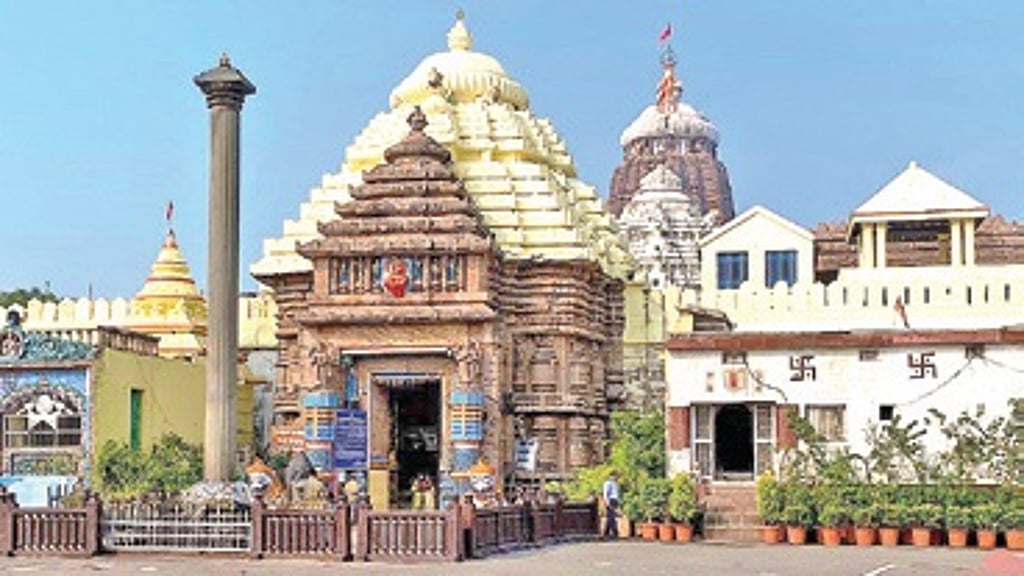
What’s the News?
- The Shree Jagannath Temple Administration (SJTA) in Puri, Odisha, has announced the establishment of a Digital Library to preserve and digitise the Madala Panji—the centuries-old chronicle of the 12th-century Jagannath Temple—along with rare palm-leaf manuscripts, temple rituals, archival records, and oral traditions.
- The initiative aims to safeguard Odisha’s cultural and religious heritage while enabling global digital access for researchers, scholars, and devotees, subject to permissions from the Gajapati Maharaja and the Chhatisha Nijog (the traditional temple committee).
- The Tadhau Karana, the hereditary custodian of the Madala Panji, has agreed to support the digitisation process, and trained sevayats (temple servitors) and their descendants will be engaged in the project.
Madala Panji: Significance & Historical Value
- Historical Record:
- The Madala Panji is the official chronicle of the Jagannath Temple, documenting temple events, royal patronage, ritual practices, and political history of Odisha across dynasties.
- It is traditionally maintained on palm-leaf manuscripts bundled in large circular rolls, hence the name “Madala” (meaning drum or round bundle).
- Dynastic Documentation:
- It records the contributions of rulers from the Eastern Ganga dynasty, including King Anangabhima Deva III (13th century), credited with constructing the current temple structure.
- The chronicle also covers later periods under the Gajapati rulers, Mughal interactions, and British colonial interventions.
- Cultural Authority:
- The Madala Panji is not merely archival—it is ritually revered and considered a living document integral to temple governance and religious legitimacy.
Additional Info
- Temple Administration Framework:
- The Shree Jagannath Temple Act, 1955 governs the administration of the temple, with the Gajapati Maharaja of Puri serving as the ceremonial head and the SJTA managing day-to-day affairs.
- The Chhatisha Nijog is a 36-member committee of hereditary servitors responsible for ritual decisions and preservation of temple traditions.
- Digital Preservation Context:
- This initiative aligns with India’s National Mission for Manuscripts (NMM), launched in 2003 under the Ministry of Culture, which has digitised over 5 crore manuscript pages nationwide.
- The Raghunandan Library, another repository of rare texts near the temple (recently relocated due to the Parikrama project), is also slated for digitisation.
RBI Launches Retail Sandbox for Digital Rupee to Boost Innovation

What’s the News?
- The Reserve Bank of India (RBI) has launched a retail sandbox for its Central Bank Digital Currency (CBDC), known as the Digital Rupee (e₹-R), to enable fintech firms, banks, and technology providers to develop and test innovative use cases in a controlled environment.
- This move expands the ongoing e₹-R pilot, which began on December 1, 2022, and now includes over 7 million users across select cities and customer segments.
- The sandbox aims to accelerate real-world adoption, enhance user experience, and explore applications in offline payments, programmable money, cross-border remittances, and financial inclusion.
Digital Rupee: Objectives & Sandbox Framework
- Key Goals of CBDC:
- Reduce dependency on physical cash.
- Increase settlement efficiency and reduce transaction costs.
- Counter private cryptocurrencies with a sovereign-backed digital alternative.
- Strengthen India’s digital payment infrastructure under Digital India and G20 Fintech priorities.
- Sandbox Features:
- Allows participants to test new wallet interfaces, merchant payment solutions, and interoperability protocols.
- Focus on offline functionality—critical for rural and low-connectivity areas.
- Enables experimentation with programmable features, such as time-bound or purpose-specific transfers (e.g., subsidies, scholarships).
- Current Pilot Scope:
- Involves 11 banks, including SBI, HDFC, ICICI, and Axis.
- Covers cities like Mumbai, Delhi, Bengaluru, Bhubaneswar, and Indore.
- Supports peer-to-peer (P2P) and peer-to-merchant (P2M) transactions via mobile apps.
Additional Info
- CBDC Structure in India:
- Two-tier model: RBI issues e₹, while banks and intermediaries distribute it to end users.
- Wholesale CBDC (e₹-W): Launched in November 2022 for interbank settlements; used for government securities transactions.
- Retail CBDC (e₹-R): For public use; legal tender with same status as physical currency under the RBI Act, 1934.
October 2025
31 October 202530 October 202529 October 202528 October 202527 October 202525 October 202524 October 202523 October 202522 October 202521 October 202520 October 202518 October 202517 October 202516 October 202515 October 202514 October 202513 October 202511 October 202510 October 202509 October 202508 October 202507 October 202506 October 202504 October 202503 October 202502 October 202501 October 2025
Archive
October 2026
- 27 October 2026
- 26 October 2026
- 24 October 2026
- 23 October 2026
- 22 October 2026
- 21 October 2026
- 20 October 2026
- 19 October 2026
- 17 October 2026
- 16 October 2026
- 15 October 2026
- 14 October 2026
- 13 October 2026
- 12 October 2026
- 10 October 2026
- 09 October 2026
- 08 October 2026
- 07 October 2026
- 06 October 2026
- 05 October 2026
- 03 October 2026
- 02 October 2026
- 01 October 2026
September 2026
- 30 September 2026
- 29 September 2026
- 28 September 2026
- 26 September 2026
- 25 September 2026
- 24 September 2026
- 23 September 2026
- 22 September 2026
- 21 September 2026
- 19 September 2026
- 18 September 2026
- 17 September 2026
- 16 September 2026
- 15 September 2026
- 12 September 2026
- 11 September 2026
- 10 September 2026
- 09 September 2026
- 08 September 2026
- 07 September 2026
- 05 September 2026
- 04 September 2026
- 03 September 2026
- 02 September 2026
- 01 September 2026
August 2026
- 31 August 2026
- 29 August 2026
- 27 August 2026
- 26 August 2026
- 25 August 2026
- 24 August 2026
- 22 August 2026
- 21 August 2026
- 20 August 2026
- 19 August 2026
- 18 August 2026
- 17 August 2026
- 14 August 2026
- 13 August 2026
- 12 August 2026
- 11 August 2026
- 10 August 2026
- 08 August 2026
- 07 August 2026
- 06 August 2026
- 05 August 2026
- 04 August 2026
- 03 August 2026
- 01 August 2026
July 2026
- 31 July 2026
- 30 July 2026
- 29 July 2026
- 28 July 2026
- 27 July 2026
- 25 July 2026
- 23 July 2026
- 22 July 2026
- 21 July 2026
- 20 July 2026
- 18 July 2026
- 17 July 2026
- 15 July 2026
- 14 July 2026
- 13 July 2026
- 11 July 2026
- 10 July 2026
- 09 July 2026
- 08 July 2026
- 07 July 2026
- 06 July 2026
- 04 July 2026
- 03 July 2026
- 02 July 2026
- 01 July 2026
June 2026
May 2026
April 2026
March 2026
- 31 March 2026
- 30 March 2026
- 28 March 2026
- 27 March 2026
- 26 March 2026
- 25 March 2026
- 24 March 2026
- 23 March 2026
- 21 March 2026
- 20 March 2026
- 19 March 2026
- 18 March 2026
- 17 March 2026
- 16 March 2026
- 14 March 2026
- 13 March 2026
- 12 March 2026
- 11 March 2026
- 10 March 2026
- 09 March 2026
- 07 March 2026
- 06 March 2026
- 05 March 2026
- 03 March 2026
- 02 March 2026
February 2026
- 28 February 2026
- 27 February 2026
- 26 February 2026
- 25 February 2026
- 24 February 2026
- 23 February 2026
- 21 February 2026
- 20 February 2026
- 19 February 2026
- 18 February 2026
- 17 February 2026
- 16 February 2026
- 13 February 2026
- 12 February 2026
- 11 February 2026
- 10 February 2026
- 09 February 2026
- 07 February 2026
- 06 February 2026
- 05 February 2026
- 04 February 2026
- 03 February 2026
- 02 February 2026
January 2026
- 31 January 2026
- 30 January 2026
- 29 January 2026
- 28 January 2026
- 27 January 2026
- 26 January 2026
- 24 January 2026
- 23 January 2026
- 22 January 2026
- 21 January 2026
- 20 January 2026
- 19 January 2026
- 16 January 2026
- 15 January 2026
- 14 January 2026
- 13 January 2026
- 12 January 2026
- 10 January 2026
- 09 January 2026
- 08 January 2026
- 07 January 2026
- 06 January 2026
- 05 January 2026
- 03 January 2026
- 02 January 2026
- 01 January 2026
December 2025
- 31 December 2025
- 30 December 2025
- 29 December 2025
- 27 December 2025
- 26 December 2025
- 24 December 2025
- 23 December 2025
- 22 December 2025
- 20 December 2025
- 19 December 2025
- 18 December 2025
- 17 December 2025
- 16 December 2025
- 15 December 2025
- 13 December 2025
- 12 December 2025
- 11 December 2025
- 10 December 2025
- 09 December 2025
- 08 December 2025
- 05 December 2025
- 04 December 2025
- 03 December 2025
- 02 December 2025
November 2025
- 29 November 2025
- 28 November 2025
- 27 November 2025
- 26 November 2025
- 25 November 2025
- 24 November 2025
- 22 November 2025
- 21 November 2025
- 20 November 2025
- 19 November 2025
- 18 November 2025
- 17 November 2025
- 15 November 2025
- 14 November 2025
- 13 November 2025
- 12 November 2025
- 11 November 2025
- 10 November 2025
- 08 November 2025
- 07 November 2025
- 06 November 2025
- 05 November 2025
- 04 November 2025
- 03 November 2025
- 01 November 2025
October 2025
- 31 October 2025
- 30 October 2025
- 29 October 2025
- 28 October 2025
- 27 October 2025
- 25 October 2025
- 24 October 2025
- 23 October 2025
- 22 October 2025
- 21 October 2025
- 20 October 2025
- 18 October 2025
- 17 October 2025
- 16 October 2025
- 15 October 2025
- 14 October 2025
- 13 October 2025
- 11 October 2025
- 10 October 2025
- 09 October 2025
- 08 October 2025
- 07 October 2025
- 06 October 2025
- 04 October 2025
- 03 October 2025
- 02 October 2025
- 01 October 2025
September 2025
- 30 September 2025
- 29 September 2025
- 27 September 2025
- 26 September 2025
- 25 September 2025
- 24 September 2025
- 23 September 2025
- 22 September 2025
- 20 September 2025
- 19 September 2025
- 18 September 2025
- 17 September 2025
- 16 September 2025
- 15 September 2025
- 13 September 2025
- 12 September 2025
- 11 September 2025
- 10 September 2025
- 09 September 2025
- 08 September 2025
- 06 September 2025
- 05 September 2025
- 04 September 2025
- 03 September 2025
- 02 September 2025
- 01 September 2025
August 2025
- 30 August 2025
- 29 August 2025
- 28 August 2025
- 27 August 2025
- 26 August 2025
- 25 August 2025
- 23 August 2025
- 22 August 2025
- 21 August 2025
- 20 August 2025
- 19 August 2025
- 18 August 2025
- 16 August 2025
- 14 August 2025
- 13 August 2025
- 12 August 2025
- 11 August 2025
- 08 August 2025
- 07 August 2025
- 06 August 2025
- 05 August 2025
- 04 August 2025
- 02 August 2025
- 01 August 2025
July 2025
- 31 July 2025
- 30 July 2025
- 29 July 2025
- 28 July 2025
- 26 July 2025
- 25 July 2025
- 24 July 2025
- 23 July 2025
- 22 July 2025
- 21 July 2025
- 19 July 2025
- 18 July 2025
- 17 July 2025
- 16 July 2025
- 15 July 2025
- 12 July 2025
- 11 July 2025
- 10 July 2025
- 09 July 2025
- 07 July 2025
- 05 July 2025
- 04 July 2025
- 03 July 2025
- 02 July 2025
- 01 July 2025
June 2025
- 30 June 2025
- 28 June 2025
- 27 June 2025
- 26 June 2025
- 25 June 2025
- 24 June 2025
- 23 June 2025
- 21 June 2025
- 20 June 2025
- 19 June 2025
- 18 June 2025
- 17 June 2025
- 16 June 2025
- 14 June 2025
- 13 June 2025
- 12 June 2025
- 11 June 2025
- 10 June 2025
- 09 June 2025
- 07 June 2025
- 06 June 2025
- 05 June 2025
- 04 June 2025
- 03 June 2025
- 02 June 2025
May 2025
April 2025
- 30 April 2025
- 29 April 2025
- 28 April 2025
- 26 April 2025
- 25 April 2025
- 24 April 2025
- 23 April 2025
- 22 April 2025
- 21 April 2025
- 19 April 2025
- 18 April 2025
- 17 April 2025
- 16 April 2025
- 15 April 2025
- 14 April 2025
- 12 April 2025
- 11 April 2025
- 10 April 2025
- 09 April 2025
- 08 April 2025
- 07 April 2025
- 05 April 2025
- 04 April 2025
- 03 April 2025
- 02 April 2025
- 01 April 2025
March 2025
- 31 March 2025
- 29 March 2025
- 28 March 2025
- 27 March 2025
- 26 March 2025
- 25 March 2025
- 24 March 2025
- 22 March 2025
- 21 March 2025
- 20 March 2025
- 19 March 2025
- 18 March 2025
- 17 March 2025
- 15 March 2025
- 13 March 2025
- 12 March 2025
- 11 March 2025
- 10 March 2025
- 08 March 2025
- 07 March 2025
- 06 March 2025
- 05 March 2025
- 04 March 2025
- 03 March 2025
- 01 March 2025
February 2025
- 28 February 2025
- 27 February 2025
- 26 February 2025
- 25 February 2025
- 24 February 2025
- 22 February 2025
- 21 February 2025
- 20 February 2025
- 19 February 2025
- 18 February 2025
- 17 February 2025
- 15 February 2025
- 14 February 2025
- 13 February 2025
- 12 February 2025
- 11 February 2025
- 10 February 2025
- 08 February 2025
- 07 February 2025
- 06 February 2025
- 05 February 2025
- 04 February 2025
- 03 February 2025
- 01 February 2025
January 2025
- 31 January 2025
- 30 January 2025
- 29 January 2025
- 28 January 2025
- 27 January 2025
- 25 January 2025
- 24 January 2025
- 23 January 2025
- 22 January 2025
- 21 January 2025
- 20 January 2025
- 18 January 2025
- 17 January 2025
- 16 January 2025
- 15 January 2025
- 14 January 2025
- 13 January 2025
- 11 January 2025
- 10 January 2025
- 09 January 2025
- 08 January 2025
- 07 January 2025
- 06 January 2025
- 04 January 2025
- 03 January 2025
- 02 January 2025
- 01 January 2025