
Current Affairs
Stay updated with the latest national and international events.
09 June 2025
SEZ Reforms to Power India's Semiconductor & Electronics Push

What’s New?
- The Special Economic Zones (Amendment) Rules, 2025 were notified on June 3, 2025, with key relaxations aimed at boosting semiconductor and electronics component manufacturing.
- Updated norms include:
- Land reduction: Minimum contiguous land for dedicated semiconductor/electronics SEZs cut from 50 ha to 10 ha.
- Multi‑product SEZs in hilly/NE states: Reduced from 20 ha to 4 ha.
- Encumbered land allowed: Mortgaged/leased land to governments now eligible.
- Domestic sales permitted: SEZ units can sell at home after paying duties, export elsewhere, or use bonded/FTWZs.
- Net Foreign Exchange (NFE): Includes free‑of‑cost goods in calculations to reflect true foreign exchange value.
Real-world Impact
- Micron Semiconductor Technology India approved for ₹13,000 cr SEZ in Gujarat.
- Aequs Group to invest ₹100 cr in Karnataka SEZ.
- India's policy momentum: Already six semiconductor units in advanced stages, including HCL‑Foxconn facility in Uttar Pradesh with ₹3,700 cr investment—targeting 36M display driver chips/month.
Additional Info
- Semiconductor ecosystem in India includes:
- India Electronics & Semiconductor Association (IESA) and SEMI India lead industry coordination.
- Ministry of Electronics & IT (MeitY) and Department of Commerce jointly oversee SEZ rules.
- ISM launched in 2021 with over 70 startups & 270 institutions supported; leveraging PLI & SPECS incentives.
- Key components targeted: display/camera modules, PCBs, Li‑ion cells, batteries, wearables/hearables, discrete semiconductors.
- Geography: Multi‑product SEZ support extended to North‑East (Nagaland, Mizoram, etc.), Goa, Uttarakhand, Himachal, Puducherry, Lakshadweep, etc.
Simplified Summary
- Land norms slashed → cheaper entry for chip/electronics firms.
- Encumbered land usage = unlocking urban/semi‑urban availability.
- Selling in India now allowed → improved business flexibility.
- NFE rules revised → fairer accounting for free imports/components.
- Designed to dovetail with national missions and attract global investments.
Exam Focus Points
- Date & Authority: SEZ Amendment Rules effective 3‑June‑2025, by Dept of Commerce.
- Quantitative changes:
- 50 ha → 10 ha (dedicated SEZs).
- 20 ha → 4 ha (hilly/NE multi‑product SEZs).
- Key policy linkages: Aligns with ISM, PLI scheme, Atmanirbhar & Make in India.
- Policy rationale: Attract FDI, develop supply‑chain resilience, foster exports, generate employment.
- Structural support: Industry bodies (IESA, SEMI) backing, real-world investments (Micron, Aequs, HCL‑Foxconn).
“Weather on Demand?” – Cloud‑Seeding Study Makes It Realistic
What’s New?
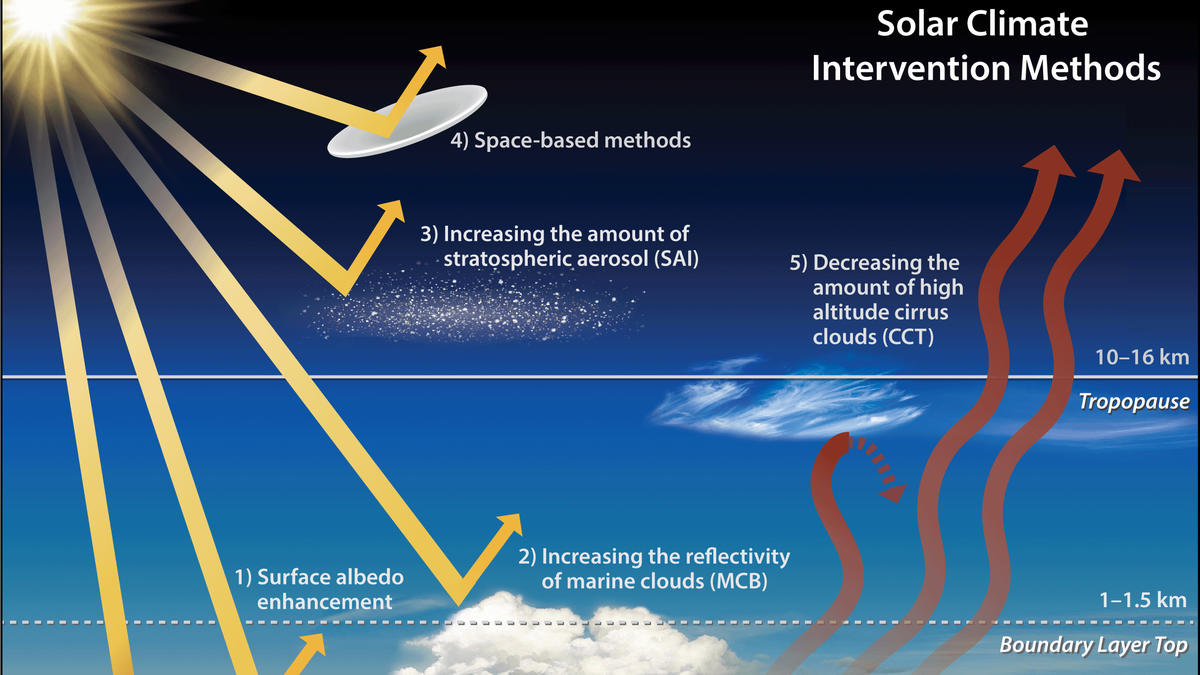
- A recent study has breathed new life into the controversial concept of weather modification, especially cloud seeding, by making it more scientifically feasible with modern tech, including AI, drones, and smart sensors.
- Key innovations examined:
- Drones equipped with electric charges for precise cloud targeting.
- AI-based atmospheric modeling enabling targeted seeding operations.
- Real-time sensors for cloud structure and microphysics monitoring.
- Advanced seeding materials such as nanoparticles, replacing traditional agents like silver iodide or dry ice.
What is Cloud Seeding?
- The process disperses condensation or ice nuclei (silver iodide, salts, dry ice) into clouds to stimulate precipitation.
- Two primary methods:
- Static seeding: Introduce ice nuclei to form rain in supercooled clouds.
- Dynamic seeding: Enhance updrafts to increase cloud mass and rainfall chance.
- Dispersion can be via aircraft, ground generators, rockets, drones, lasers, or unmanned aerial vehicles.
Real-world Examples & Historical Context
- UAE uses drones with electric charges; reports show ~23 % increase in rainfall, supported by statistical and radar evidence.
- USA & China: Cloud seeding operations abound—in Western US, China during Beijing Olympics, and Texas experiments using charged water particles.
- India: Pilots in Maharashtra since the 1970s showed ~24 % rainfall increase using salt-based seeding.
Additional Info
- International law:
- ENMOD Convention (1977) prohibits hostile weather modification but allows peaceful uses.
- US–Canada agreement (1975) mandates data-sharing on weather-mod activities.
- Environmental & ethical considerations:
- Risks include ecological imbalance, cross-border effects, public consent, and governance challenges.
- Toxicity of agents like silver iodide is minimal due to trace usage.
Simplified Summary
- Modernization: AI, drones, and sensors are making cloud seeding more precise.
- Evidence: Studies show statistically significant rainfall increase in UAE, India, the US.
- Tools: Shift from silver iodide to nanoparticles, lasers, electric charges.
- Concerns: Governance, unintended ecological effects, international diplomacy.
Exam Focus Points
- Definition: Artificial induction of precipitation by dispersing seeding agents.
- Recent study: Proposes drones with sensors, AI modeling, nanoparticles for efficient seeding.
- Global examples: UAE operational success; US, China widespread pilots; India’s salt-seeding in Maharashtra.
- Legal angle: ENMOD permits peaceful use; US–Canada collaboration exists.
- Challenges: Attribution clarity, regulation, ecosystem impact, geopolitical risk.
Global Irony: Pakistan in Key UNSC Anti‑Terror Roles Sparks Concern in India
What’s New?
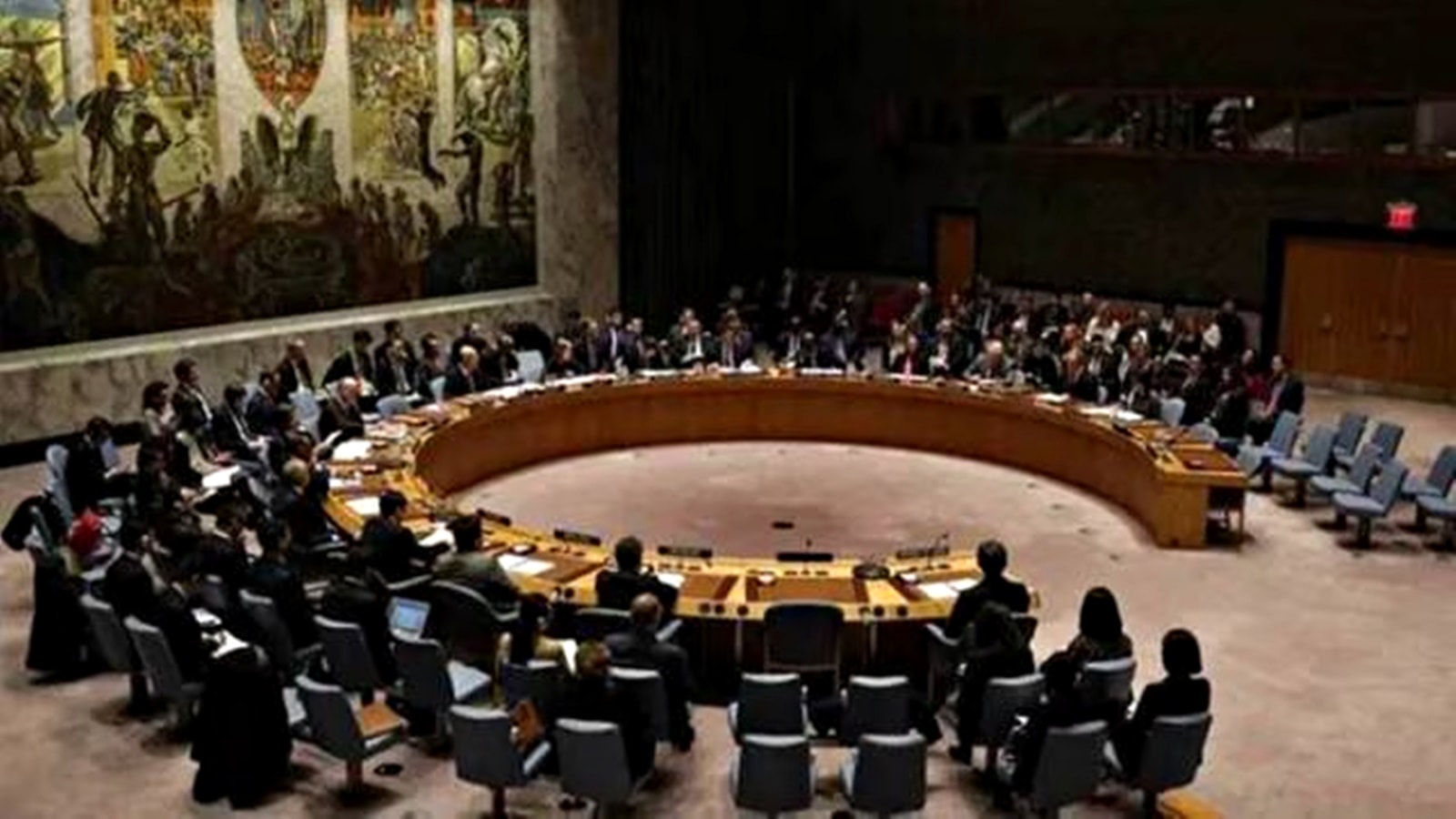
- On 4 June 2025, Pakistan, a non‑permanent member of the UN Security Council (2025–26), was appointed to several sensitive anti‑terror roles:
- Chair of the 1988 UNSC Taliban Sanctions Committee
- Vice‑Chair of the Counter‑Terrorism Committee (mandated by Resolution 1373 post‑9/11)
- Co‑Chair of two subsidiary working groups on documentation and sanctions architecture.
Why India is Uneasy
- Appointment comes soon after:
- Pahalgam terror attack (22 April 2025) and subsequent Operation Sindoor military action.
- India’s diplomatic outreach to 33 UNSC members to highlight Pakistan’s terror connections.
- India sees this as contradictory, given ongoing efforts to isolate Pakistan on terrorism issues.
- Political reactions:
- Congress president Mallikarjun Kharge: called the appointments “ill‑informed, unacceptable”, urging global “de‑hyphenation” of India‑Pakistan narratives.
- Pawan Khera: labelled it a sign of “foreign policy collapse” given simultaneous IMF, WB, ADB financial support to Pakistan.
- Shiv Sena UBT MP Priyanka Chaturvedi described UNSC decision as a “joke”.
Strategic & Diplomatic Context
- Counter‑Terrorism Architecture:
- Committee (post-9/11): Oversees global counter‑terror obligations under Resolution 1373.
- 1988 Sanctions Committee: Monitors Taliban‑related sanctions (assets freeze, travel ban, arms embargo).
- Rotational UNSC roles: Chairs require consensus among all 15 members; Pakistan’s elevation indicates some level of international acquiescence.
- Comparison: India held the Counter‑Terrorism Committee chair in 2022, highlighting a role reversal now.
Additional Info
- UNSC Composition:
- 15 members: 5 permanent (P5) + 10 non‑permanent (two-year terms).
- The presidency and committee chairs rotate, but require consensus.
- Resolutions:
- UNSCR 1373 (2001): Mandates counter‑terror cooperation post‑9/11.
- UNSCR 1988 (2011): Targets sanctions specifically related to the Taliban.
- Financial Context:
- Pakistan received aid: IMF – US$1 bn (May); World Bank – US$40 bn; ADB – US$800 m (3 June).
- Recent India–Pakistan tensions:
- Pahalgam attack (22 April) → Operation Sindoor (7 May) → LoC skirmishes → UNSC interventions.
Simplified Summary
- Pakistan chairs Taliban Sanctions Committee and vice‑chairs Counter‑Terrorism Committee since June 4, 2025.
- India’s broader diplomatic effort undermined, seen as grant of legitimacy to Pakistan.
- Opposition in India sees it as diplomatic failure; parties call for strategic de‑hyphenation.
- USDA and IMF funding enhances concern about terror sponsorship narrative.
Exam Focus Points
- Date of appointment: 4 June 2025.
- Roles allotted:
- Chair: 1988 Taliban Sanctions Committee.
- Vice‑Chair: 1373 Counter‑Terrorism Committee.
- Co‑Chair: Working Groups on documentation & sanctions.
- Indian response: Diplomatic outreach, political backlash, calls for FATF grey‑listing revival.
- Linkages: UNSC framework, Resolutions 1373 & 1988.
- Strategic significance: India’s previous 2022 role vs current shift, financial aid context, recent Indo‑Pak crisis.
Global Poverty Line Rises: World Bank’s June 2025 Update
What’s New?
- On 5 June 2025, the World Bank revised its International Poverty Line (IPL) using 2021 Purchasing Power Parities (PPPs).
- Key changes:
- Low-income countries: IPL raised from $2.15 to $3.00 per person per day.
- Lower-middle income: Line updated from $3.65 to $4.20.
- Upper-middle income: Adjusted from $6.85 to $8.30.
Impact on Poverty Statistics
- Global extreme poverty (2022): Re-estimated at 10.5%, up from 9.0%, meaning about 838 million people live below IPL—an increase from 713 million.
- Regional shifts:
- Sub‑Saharan Africa: Rate rose from 37.0% to 45.5%.
- South Asia: Declined from 9.7% to 7.3%.
- Future projection: Extreme poverty expected to fall to 9.9% by 2025, if trends continue.
Why It Matters?
- PPP-based updates challenge straightforward comparisons of poverty over time.
- SDG 1 Target (End extreme poverty by 2030) will now be measured against the adjusted IPL.
- India’s position: Improved performance as South Asia shows declining poverty, supported by updated data including 2022 survey.
- Policy implications: Necessitates refined strategy—more focused targeting of vulnerable regions and recalibration of welfare thresholds.
Real-world Context
- Policy adjustments: Governments may need to realign poverty alleviation programs and public distribution systems to match new poverty estimates.
- International comparison: Raises debate over whether richer countries apply accurate poverty benchmarks beyond IPL—World Bank also defines societal poverty lines.
- India: As per Spring 2025 World Bank brief:
- Extreme poverty fell from 16.2% (2011‑12) to 2.3% (2022‑23).
- Lower-middle poverty declined from 61.8% to 28.1%, lifting 378 million people.
India’s Revised Poverty Profile (PIP 2025)
India’s latest Household Consumption Expenditure Survey (HCES) adopted the Modified Mixed Recall Period (MMRP) method, replacing the outdated Uniform Reference Period (URP). This shift:
- Used shorter recall periods for frequently purchased items
- Captured more realistic estimates of actual consumption As a result, consumption recorded in national surveys rose, leading to a drop in poverty estimates:
- In 2011–12, applying MMRP reduced India’s poverty rate from 22.9% to 16.22%, even under the older $2.15 poverty line.
- In 2022–23, poverty under the new $3.00 line stood at 5.25%, while under the older $2.15 line it dropped further to 2.35%.
| Year | Poverty Line (PPP/day) | Poverty Rate | People Below Poverty Line |
|---|---|---|---|
| 2011–12 | $2.15 (2017) | 16.22% | ~205.9 million |
| 2011-12 | $3.00 (2021) | 27.12% | ~344.47 million |
| 2022–23 | $2.15 (2017) | 2.35% | ~33.6 million |
| 2022–23 | $3.00 (2021) | 5.25% | ~75.2 million |
Additional Info
- Purchasing Power Parity (PPP): Exchange rate that equalizes price of goods/services across countries.
- Global poverty thresholds:
- IPL for low-income: now $3/day
- Lower-middle income: $4.20/day
- Upper-middle income: $8.30/day
- World Bank’s platform:
- Poverty & Inequality Platform (PIP) integrates new PPPs and updated country survey data.
- SDG Alignment: SDG 1.1 monitors extreme poverty under updated benchmarks.
Simplified Summary
- IPL recalibrated upward, reflecting real cost of living.
- Global poverty appears higher, especially in Africa; South Asia performs better.
- Policy challenge: Welfare schemes must adapt to new reality.
- India’s gains remain strong, with significant reductions in poverty.
Exam Focus Points
- Date & authority: June 5 2025 update by World Bank using 2021 PPP.
- New IPL values: $3.00, $4.20, $8.30.
- Global impact: 2022 extreme poverty at 10.5%, ~838 million people.
- Regional effects: Sub-Saharan Africa ↑; South Asia ↓.
- Indian data: 2.3% extreme poverty; lifted ~378 million out of lower-middle poverty.
- Conceptual linkages: PPP, SDGs, poverty measurement, PIP, public policy implications.
June 2025
30 June 202528 June 202527 June 202526 June 202525 June 202524 June 202523 June 202521 June 202520 June 202519 June 202518 June 202517 June 202516 June 202514 June 202513 June 202512 June 202511 June 202510 June 202509 June 202507 June 202506 June 202505 June 202504 June 202503 June 202502 June 2025
Archive
October 2026
- 28 October 2026
- 27 October 2026
- 26 October 2026
- 24 October 2026
- 23 October 2026
- 22 October 2026
- 21 October 2026
- 20 October 2026
- 19 October 2026
- 17 October 2026
- 16 October 2026
- 15 October 2026
- 14 October 2026
- 13 October 2026
- 12 October 2026
- 10 October 2026
- 09 October 2026
- 08 October 2026
- 07 October 2026
- 06 October 2026
- 05 October 2026
- 03 October 2026
- 02 October 2026
- 01 October 2026
September 2026
- 30 September 2026
- 29 September 2026
- 28 September 2026
- 26 September 2026
- 25 September 2026
- 24 September 2026
- 23 September 2026
- 22 September 2026
- 21 September 2026
- 19 September 2026
- 18 September 2026
- 17 September 2026
- 16 September 2026
- 15 September 2026
- 12 September 2026
- 11 September 2026
- 10 September 2026
- 09 September 2026
- 08 September 2026
- 07 September 2026
- 05 September 2026
- 04 September 2026
- 03 September 2026
- 02 September 2026
- 01 September 2026
August 2026
- 31 August 2026
- 29 August 2026
- 27 August 2026
- 26 August 2026
- 25 August 2026
- 24 August 2026
- 22 August 2026
- 21 August 2026
- 20 August 2026
- 19 August 2026
- 18 August 2026
- 17 August 2026
- 14 August 2026
- 13 August 2026
- 12 August 2026
- 11 August 2026
- 10 August 2026
- 08 August 2026
- 07 August 2026
- 06 August 2026
- 05 August 2026
- 04 August 2026
- 03 August 2026
- 01 August 2026
July 2026
- 31 July 2026
- 30 July 2026
- 29 July 2026
- 28 July 2026
- 27 July 2026
- 25 July 2026
- 23 July 2026
- 22 July 2026
- 21 July 2026
- 20 July 2026
- 18 July 2026
- 17 July 2026
- 15 July 2026
- 14 July 2026
- 13 July 2026
- 11 July 2026
- 10 July 2026
- 09 July 2026
- 08 July 2026
- 07 July 2026
- 06 July 2026
- 04 July 2026
- 03 July 2026
- 02 July 2026
- 01 July 2026
June 2026
May 2026
April 2026
March 2026
- 31 March 2026
- 30 March 2026
- 28 March 2026
- 27 March 2026
- 26 March 2026
- 25 March 2026
- 24 March 2026
- 23 March 2026
- 21 March 2026
- 20 March 2026
- 19 March 2026
- 18 March 2026
- 17 March 2026
- 16 March 2026
- 14 March 2026
- 13 March 2026
- 12 March 2026
- 11 March 2026
- 10 March 2026
- 09 March 2026
- 07 March 2026
- 06 March 2026
- 05 March 2026
- 03 March 2026
- 02 March 2026
February 2026
- 28 February 2026
- 27 February 2026
- 26 February 2026
- 25 February 2026
- 24 February 2026
- 23 February 2026
- 21 February 2026
- 20 February 2026
- 19 February 2026
- 18 February 2026
- 17 February 2026
- 16 February 2026
- 13 February 2026
- 12 February 2026
- 11 February 2026
- 10 February 2026
- 09 February 2026
- 07 February 2026
- 06 February 2026
- 05 February 2026
- 04 February 2026
- 03 February 2026
- 02 February 2026
January 2026
- 31 January 2026
- 30 January 2026
- 29 January 2026
- 28 January 2026
- 27 January 2026
- 26 January 2026
- 24 January 2026
- 23 January 2026
- 22 January 2026
- 21 January 2026
- 20 January 2026
- 19 January 2026
- 16 January 2026
- 15 January 2026
- 14 January 2026
- 13 January 2026
- 12 January 2026
- 10 January 2026
- 09 January 2026
- 08 January 2026
- 07 January 2026
- 06 January 2026
- 05 January 2026
- 03 January 2026
- 02 January 2026
- 01 January 2026
December 2025
- 31 December 2025
- 30 December 2025
- 29 December 2025
- 27 December 2025
- 26 December 2025
- 24 December 2025
- 23 December 2025
- 22 December 2025
- 20 December 2025
- 19 December 2025
- 18 December 2025
- 17 December 2025
- 16 December 2025
- 15 December 2025
- 13 December 2025
- 12 December 2025
- 11 December 2025
- 10 December 2025
- 09 December 2025
- 08 December 2025
- 05 December 2025
- 04 December 2025
- 03 December 2025
- 02 December 2025
November 2025
- 29 November 2025
- 28 November 2025
- 27 November 2025
- 26 November 2025
- 25 November 2025
- 24 November 2025
- 22 November 2025
- 21 November 2025
- 20 November 2025
- 19 November 2025
- 18 November 2025
- 17 November 2025
- 15 November 2025
- 14 November 2025
- 13 November 2025
- 12 November 2025
- 11 November 2025
- 10 November 2025
- 08 November 2025
- 07 November 2025
- 06 November 2025
- 05 November 2025
- 04 November 2025
- 03 November 2025
- 01 November 2025
October 2025
- 31 October 2025
- 30 October 2025
- 29 October 2025
- 28 October 2025
- 27 October 2025
- 25 October 2025
- 24 October 2025
- 23 October 2025
- 22 October 2025
- 21 October 2025
- 20 October 2025
- 18 October 2025
- 17 October 2025
- 16 October 2025
- 15 October 2025
- 14 October 2025
- 13 October 2025
- 11 October 2025
- 10 October 2025
- 09 October 2025
- 08 October 2025
- 07 October 2025
- 06 October 2025
- 04 October 2025
- 03 October 2025
- 02 October 2025
- 01 October 2025
September 2025
- 30 September 2025
- 29 September 2025
- 27 September 2025
- 26 September 2025
- 25 September 2025
- 24 September 2025
- 23 September 2025
- 22 September 2025
- 20 September 2025
- 19 September 2025
- 18 September 2025
- 17 September 2025
- 16 September 2025
- 15 September 2025
- 13 September 2025
- 12 September 2025
- 11 September 2025
- 10 September 2025
- 09 September 2025
- 08 September 2025
- 06 September 2025
- 05 September 2025
- 04 September 2025
- 03 September 2025
- 02 September 2025
- 01 September 2025
August 2025
- 30 August 2025
- 29 August 2025
- 28 August 2025
- 27 August 2025
- 26 August 2025
- 25 August 2025
- 23 August 2025
- 22 August 2025
- 21 August 2025
- 20 August 2025
- 19 August 2025
- 18 August 2025
- 16 August 2025
- 14 August 2025
- 13 August 2025
- 12 August 2025
- 11 August 2025
- 08 August 2025
- 07 August 2025
- 06 August 2025
- 05 August 2025
- 04 August 2025
- 02 August 2025
- 01 August 2025
July 2025
- 31 July 2025
- 30 July 2025
- 29 July 2025
- 28 July 2025
- 26 July 2025
- 25 July 2025
- 24 July 2025
- 23 July 2025
- 22 July 2025
- 21 July 2025
- 19 July 2025
- 18 July 2025
- 17 July 2025
- 16 July 2025
- 15 July 2025
- 12 July 2025
- 11 July 2025
- 10 July 2025
- 09 July 2025
- 07 July 2025
- 05 July 2025
- 04 July 2025
- 03 July 2025
- 02 July 2025
- 01 July 2025
June 2025
- 30 June 2025
- 28 June 2025
- 27 June 2025
- 26 June 2025
- 25 June 2025
- 24 June 2025
- 23 June 2025
- 21 June 2025
- 20 June 2025
- 19 June 2025
- 18 June 2025
- 17 June 2025
- 16 June 2025
- 14 June 2025
- 13 June 2025
- 12 June 2025
- 11 June 2025
- 10 June 2025
- 09 June 2025
- 07 June 2025
- 06 June 2025
- 05 June 2025
- 04 June 2025
- 03 June 2025
- 02 June 2025
May 2025
April 2025
- 30 April 2025
- 29 April 2025
- 28 April 2025
- 26 April 2025
- 25 April 2025
- 24 April 2025
- 23 April 2025
- 22 April 2025
- 21 April 2025
- 19 April 2025
- 18 April 2025
- 17 April 2025
- 16 April 2025
- 15 April 2025
- 14 April 2025
- 12 April 2025
- 11 April 2025
- 10 April 2025
- 09 April 2025
- 08 April 2025
- 07 April 2025
- 05 April 2025
- 04 April 2025
- 03 April 2025
- 02 April 2025
- 01 April 2025
March 2025
- 31 March 2025
- 29 March 2025
- 28 March 2025
- 27 March 2025
- 26 March 2025
- 25 March 2025
- 24 March 2025
- 22 March 2025
- 21 March 2025
- 20 March 2025
- 19 March 2025
- 18 March 2025
- 17 March 2025
- 15 March 2025
- 13 March 2025
- 12 March 2025
- 11 March 2025
- 10 March 2025
- 08 March 2025
- 07 March 2025
- 06 March 2025
- 05 March 2025
- 04 March 2025
- 03 March 2025
- 01 March 2025
February 2025
- 28 February 2025
- 27 February 2025
- 26 February 2025
- 25 February 2025
- 24 February 2025
- 22 February 2025
- 21 February 2025
- 20 February 2025
- 19 February 2025
- 18 February 2025
- 17 February 2025
- 15 February 2025
- 14 February 2025
- 13 February 2025
- 12 February 2025
- 11 February 2025
- 10 February 2025
- 08 February 2025
- 07 February 2025
- 06 February 2025
- 05 February 2025
- 04 February 2025
- 03 February 2025
- 01 February 2025
January 2025
- 31 January 2025
- 30 January 2025
- 29 January 2025
- 28 January 2025
- 27 January 2025
- 25 January 2025
- 24 January 2025
- 23 January 2025
- 22 January 2025
- 21 January 2025
- 20 January 2025
- 18 January 2025
- 17 January 2025
- 16 January 2025
- 15 January 2025
- 14 January 2025
- 13 January 2025
- 11 January 2025
- 10 January 2025
- 09 January 2025
- 08 January 2025
- 07 January 2025
- 06 January 2025
- 04 January 2025
- 03 January 2025
- 02 January 2025
- 01 January 2025