
Current Affairs
Stay updated with the latest national and international events.
09 April 2025
Odisha Secures Rs 1.03 Lakh Crore Investment: A Comprehensive Overview

- The Odisha government has signed 13 Memorandums of Understanding (MoUs) and received 15 additional investment proposals, totalling over Rs 1.03 lakh crore.
- These initiatives are projected to generate nearly 95,000 jobs, marking a significant milestone in the state’s industrial and economic development.
Key Signings & Investments
- MoUs Signed:
- A total of 13 MoUs worth Rs 98,880 crore were signed at an investors' meet held in New Delhi.
- A standout agreement is with Indian Oil Corporation Ltd (IOCL) for the Dual-Feed Naphtha Cracker Project, which is expected to attract an investment of over Rs 58,042 crore and create approximately 24,000 jobs.
- Additional Investment Proposals:
- Alongside the signed MoUs, 15 proposals worth a cumulative investment of Rs 1.03 lakh crore have been received, further bolstering the opportunity for job creation and economic growth.
Government & Industry Engagements
- Alongside the signed MoUs, 15 proposals worth a cumulative investment of Rs 1.03 lakh crore have been received, further bolstering the opportunity for job creation and economic growth.
- Leadership:
- The signing event was presided over by Chief Minister Mohan Charan Majhi of Odisha, underscoring the state’s commitment to attracting industrial investment.
- Prominent Union Ministers present included Dharmendra Pradhan, Jual Oram, and Hardeep Singh Puri, reflecting strong central support for these initiatives.
- Strategic Partnerships:
- Key collaborations include agreements with Indian Strategic Petroleum Reserves Ltd (ISPRL) and Petronet LNG, highlighting Odisha's emerging role in the petrochemical and energy sectors.
- Infrastructure Advantage:
- Odisha's strategic location, particularly around Paradip, has been emphasized as crucial in positioning the state as an industrial hub similar to clusters like Dahej in Gujarat.
Source
RBI's Repo Rate Cut: A Shift to an Accommodative Stance
Key Decision:
- The Reserve Bank of India (RBI) has cut the repo rate by 25 basis points, lowering it to 6%.
- This is the second consecutive rate cut under the stewardship of RBI Governor Sanjay Malhotra.
Policy Shift:
- The RBI has transitioned its stance from neutral to accommodative.
- An accommodative stance signals a proactive effort to further lower borrowing costs if needed, aiming to stimulate economic growth.
Economic Rationale:
- The move comes in response to a decline in inflation, now under control and below the RBI’s target range.
- By reducing the repo rate, the RBI intends to make borrowing more attractive, thereby boosting consumption and investment in key sectors.
Impacts on Borrowers:
- Home loan borrowers may benefit from lower EMIs as commercial banks are likely to pass on the cut.
- Sectors such as real estate and consumer spending are expected to receive a stimulus from reduced financing costs.
Additional Adjustments:
- Alongside the repo rate reduction, adjustments were made to other key rates:
- The Standing Deposit Facility (SDF) rate is now at 5.75%.
- The Marginal Standing Facility (MSF) and the Bank Rate have been adjusted to 6.25%.
Repo Rate
The Repo Rate, short for Repurchase Agreement Rate, is the interest rate at which a country's central bank, such as the Reserve Bank of India (RBI), lends money to commercial banks against government securities. It serves as a crucial tool for regulating liquidity and controlling inflation within the economy.
Key Points:
- Mechanism: In a repo transaction, commercial banks sell government securities to the RBI with an agreement to repurchase them at a predetermined price on a specified future date. The difference between the selling and repurchasing price constitutes the interest on the loan, effectively the repo rate.
- Monetary Policy Tool: The RBI adjusts the repo rate to manage economic conditions:
- To Combat Inflation: An increase in the repo rate makes borrowing more expensive for banks, leading to reduced money supply and helping to control inflation.
- To Stimulate Growth: A decrease in the repo rate lowers borrowing costs, encouraging banks to lend more, thereby increasing money supply and stimulating economic growth.
- Current Rate: As of April 9, 2025, the RBI has reduced the repo rate by 25 basis points, setting it at 6.00%. This marks the second consecutive reduction, aimed at supporting economic growth amid global uncertainties.
Source
India Elected to UN's ISAR for 2025–27 Term: A Milestone in Global Financial Reporting
Key Achievement:
- India has been elected by acclamation to the United Nations Intergovernmental Working Group of Experts on International Standards of Accounting and Reporting (ISAR) for the 2025–27 term.
- This uncontested appointment reflects the global community's confidence in India's growing influence in shaping financial reporting frameworks worldwide.
Role of ISAR:
- ISAR operates under the United Nations Conference on Trade and Development (UNCTAD).
- It focuses on enhancing global accounting standards and corporate disclosure practices, including non-financial disclosures such as environmental issues, corporate governance, and corporate social responsibility.
- The group consists of 34 formal members serving three-year terms, representing diverse regions.
India's Contribution:
- As a member, India is positioned to significantly influence the development of transparent, responsible, and uniform financial reporting structures across countries.
- India's election underscores its commitment to advancing global accounting standards and promoting financial transparency.
UNCTAD
The United Nations Conference on Trade and Development (UNCTAD) is a permanent intergovernmental body established by the United Nations General Assembly in 1964. Headquartered in Geneva, Switzerland, UNCTAD aims to promote the development-friendly integration of developing countries into the world economy.
Key Functions:
- Research and Analysis: Provides authoritative and evidence-based analysis on trade and development issues.
- Consensus-Building: Facilitates intergovernmental discussions to address economic challenges and formulate policy recommendations.
- Technical Assistance: Offers support to developing countries to enhance their participation in the global economy.
UNCTAD reports to both the UN General Assembly and the Economic and Social Council but operates with its own membership, leadership, and budget. As of 2024, it comprises 195 member states, making it one of the largest entities within the UN system.
Intergovernmental Working Group of Experts on International Standards of Accounting and Reporting (ISAR)
The Intergovernmental Working Group of Experts on International Standards of Accounting and Reporting (ISAR), established by the United Nations Economic and Social Council (ECOSOC) in 1982, is a standing body coordinated by the United Nations Conference on Trade and Development (UNCTAD). Its primary mission is to assist member states in enhancing the quality and comparability of both financial and non-financial reporting, thereby promoting investment, development, and economic stability.
Key Areas of Focus:
- Sustainability Reporting: ISAR plays a pivotal role in harmonizing sustainability reporting frameworks and standards, especially in the context of the Sustainable Development Goals (SDGs).
- Corporate Governance Disclosure: The group emphasizes the importance of transparent corporate governance practices to build investor confidence and ensure accountability.
- Accounting for Small and Medium-sized Enterprises (SMEs): Recognizing the unique challenges faced by SMEs, ISAR develops tailored accounting and reporting guidelines to support their growth and integration into the global economy.
Activities:
ISAR convenes annual sessions at the United Nations Office in Geneva, Switzerland, bringing together policymakers, regulators, academics, and industry representatives from numerous member states. These sessions facilitate discussions on emerging issues in enterprise accounting and reporting.
Publications and Guidance:
The group produces research and voluntary guidance documents, including:
- Guidance on Core Indicators for Entity Reporting on Contribution Towards Implementation of the Sustainable Development Goals (2019)
- Guidance on Good Practices in Corporate Governance Disclosure (2006)
ISAR Honours:
Initiated to recognize and disseminate good practices, the ISAR Honours commend policy, institutional, and capacity-building efforts that encourage enterprises to report on their contributions to the SDGs.
Through these initiatives, ISAR significantly contributes to the global endeavour of improving corporate transparency and accountability, which are essential for fostering sustainable economic development.
Source
Digital Threat Report 2024: Enhancing Cybersecurity in India's BFSI Sector

- The Ministry of Electronics and Information Technology (MeitY) has launched the Digital Threat Report 2024 specifically for the Banking, Financial Services, and Insurance (BFSI) sector.
- This initiative provides a comprehensive analysis of current and emerging cyber threats as well as defence strategies to safeguard the financial ecosystem.
Key Launch Details:
- The report is a collaborative effort by CERT-In (Computer Emergency Response Team – India), CSIRT-Fin (the financial sector’s cybersecurity team), and the global cybersecurity firm SISA.
- It was officially launched by prominent government officials including:
- S. Krishnan, IAS, Secretary of MeitY
- M. Nagaraju, IAS, Secretary of the Department of Financial Services, Ministry of Finance
- Dr. Sanjay Bahl, Director General, CERT-In
- Dharshan Shanthamurthy, Founder & CEO of SISA
Insights from the Report:
- Provides a thorough analysis of the evolving cybersecurity landscape impacting the BFSI sector.
- Identifies sector-wide security gaps and outlines robust defence strategies to pre-empt sophisticated cyber-attacks.
- Emphasizes that as the BFSI ecosystem becomes increasingly digitized and interconnected, a single breach can trigger systemic repercussions across multiple entities.
Sectoral Impact and Strategic Importance:
- Reinforces the understanding that cybersecurity is the backbone of financial stability in a digital age.
- Acts as a strategic blueprint for BFSI organizations to enhance their defences, minimize risks to financial stability, and build long-term cyber resilience.
- Highlights the critical need for a unified cybersecurity framework, involving coordinated efforts between government agencies, regulatory bodies, and industry stakeholders.
Sources
India and Israel Forge Strategic Agricultural Partnerships

- Union Minister for Agriculture and Farmers’ Welfare Shivraj Singh Chouhan and Israel’s Agriculture Minister Avi Dichter signed landmark agreements in New Delhi aimed at deepening bilateral agricultural cooperation.
- The initiatives emphasize the need to modernize farming practices, overcome food security challenges, and facilitate technology transfer between the two nations.
Key Areas of Cooperation:
- Innovation & Technology:
- Emphasis on modernizing agriculture through digital agriculture, advanced mechanization, and post-harvest technologies.
- Joint research and development (R&D) efforts to leverage cutting-edge agricultural practices.
- Seed Development & Climate Adaptation:
- Focus on developing climate-resilient seed varieties to ensure higher yields even under adverse weather conditions.
- Discussions on a possible Five-Year Seed Improvement Plan to boost productivity and support small landholdings.
- Water and Soil Management:
- Strengthening agricultural infrastructure through improved water management strategies and enhanced soil conservation practices.
- Collaborative measures to optimize irrigation techniques and maintain sustainable land use.
Strategic Importance & Benefits:
- Food Security & Profitability:
- The agreement is designed to address long-term food security challenges and make farming more profitable, particularly for farmers with small landholdings.
- By integrating innovative techniques and resilient seed varieties, both nations aim to sustain agricultural productivity and rural development.
- Research & Capacity Building:
- Utilization of established frameworks such as India’s 43 Centres of Excellence to facilitate technology exchange and skill development.
- Enhanced bilateral research initiatives that support the implementation of best practices in modern agriculture.
Source
Nationwide Unemployment Marginally Declines: Key Findings from the NSO Survey
- The National Statistical Office (NSO) released the latest findings of the Periodic Labour Force Survey (PLFS) for the calendar year 2024.
- The survey reveals that the overall unemployment rate among persons aged 15 years and above has tapered slightly from 5.0% to 4.9%.
Key Survey Metrics Under the Current Weekly Status (CWS):
- Unemployment Rate:
- Nationwide: Dropped marginally to 4.9%.
- Rural Areas: Declined from 4.3% to 4.2%.
- Urban Areas:
- Male unemployment: Increased from 6.0% to 6.1%.
- Female unemployment: Fell from 8.9% to 8.2%, keeping the overall urban rate stable at 6.7%.
- Labour Force Participation Rate (LFPR):
- Urban Areas: Increased for both genders, with urban male LFPR rising from 74.3% to 75.6% and urban female LFPR edging up from 25.5% to 25.8%, leading to an overall urban LFPR improvement from 50.3% to 51.0%.
- Nationwide: The LFPR remained steady at 56.2%.
- Worker Population Ratio (WPR):
- In urban areas, the WPR crept up from 47.0% to 47.6%.
- At the all-India level, the change was minimal, moving from 53.4% to 53.5%.
Additional Findings from the Report:
- A notable aspect is the reduction in the percentage of unpaid helpers in household enterprises among rural females, which declined from 19.9% to 18.1%. This suggests a shift in traditional informal employment patterns.
- Under the Principal and Subsidiary Status (PS+SS) approach, the overall metrics showed very slight variations:
- LFPR: Marginally decreased from 59.8% to 59.6%.
- WPR: Also saw a slight dip from 58.0% to 57.7%.
- Unemployment under PS+SS: Registered a small increase from 3.1% to 3.2%.
Key Terms:
- Unemployment Rate: Indicates the percentage of the labour force that is without work and actively seeking employment.
- LFPR (Labour Force Participation Rate): Represents the proportion of the working-age population that is either employed or actively searching for a job.
- WPR (Worker Population Ratio): Denotes the percentage of the population that is working.
Source
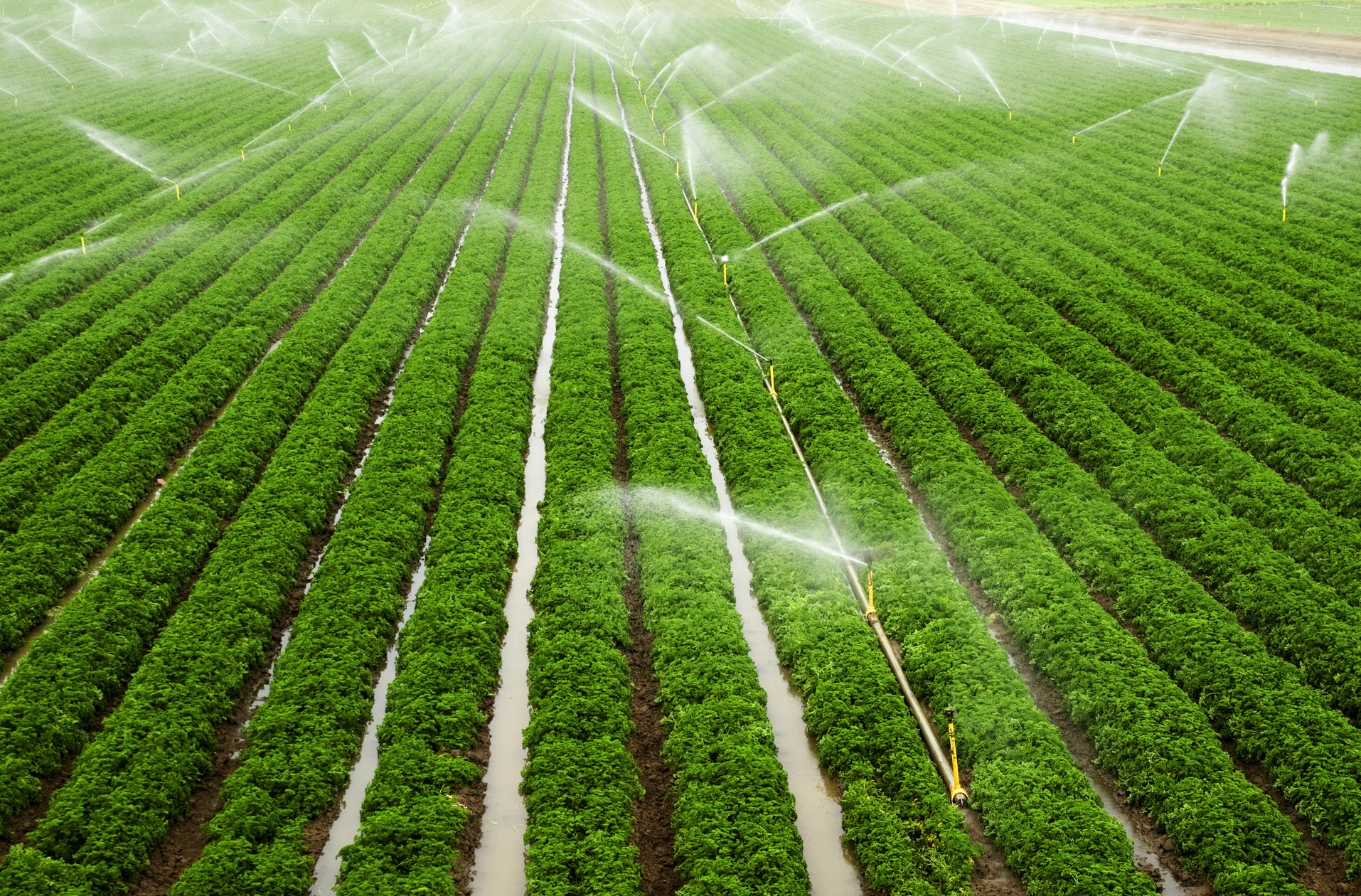
Modernising Irrigation Under PMKSY: Cabinet Approves Rs 1,600 Crore
Key Decision & Financial Outlay:
- Union Cabinet Approval: Chaired by Prime Minister Narendra Modi, the Union Cabinet has approved the modernization initiative as a sub-scheme under Pradhan Mantri Krishi Sinchayee Yojana (PMKSY).
- Budget Allocation: The scheme, known as Modernisation of Command Area Development and Water Management (M-CADWM), comes with an initial outlay of Rs 1,600 crore for the 2025-2026 period.
Scheme Objectives & Implementation:
- Modernisation Goal: Upgrade the irrigation water supply network by ensuring efficient distribution of water from existing canals or sources within designated clusters.
- Infrastructure Development:
- Establish robust back-end infrastructure for micro-irrigation—delivering water from the source to the farm gate via underground pressurized piped systems covering up to 1 hectare of land.
- Implement SCADA and Internet of Things (IoT) technologies for accurate water accounting and management, thereby boosting Water Use Efficiency (WUE).
- Sustainability Measures:
- Introduce Irrigation Management Transfer (IMT), where irrigation asset management is handed over to Water User Societies (WUS).
- Provide five years of handholding support linking these societies with established economic entities like Farmer Producer Organisations (FPOs) or Primary Agricultural Cooperative Societies (PACS).
- Pilot Projects & Future Scaling:
- Initiate pilot projects across various agroclimatic zones through a challenge funding mechanism by the states.
- Based on the learnings from these pilots, a comprehensive National Plan for Command Area Development and Water Management will be launched from April 2026, aligned with the 16th Finance Commission period.
Key Terms to Remember:
- SCADA: A system for supervisory control and data acquisition used in industrial control systems.
- IoT: Enables interconnected devices to monitor and control processes remotely.
- WUE: A critical efficiency measure that represents the output gained per unit of water used.
- IMT & WUS: Mechanisms that ensure the long-term sustainability and professional management of irrigation assets.
Source
The Domino Effect of U.S. Tariffs and China's Retaliation: A Global Trade War Unfolds
Overview of U.S. Tariffs:
- Former U.S. President Donald Trump initiated a sweeping tariff policy, imposing a 10% baseline tariff on all imports, with higher rates targeting specific countries:
- 104% on China
- 49% on Cambodia
- 46% on Vietnam
- 20% on the European Union
- These tariffs were justified as measures to address trade imbalances and protect national security.
Global Impact:
- The U.S., being the world's largest economy, has a significant influence on global trade.
- Tariffs disrupted supply chains, increased costs for manufacturers, and led to higher prices for consumers worldwide.
- Historical parallels were drawn to the Smoot-Hawley Tariff Act of 1930, which exacerbated the Great Depression.

China's Retaliation:
- In response to the 104% tariff, China imposed 34% retaliatory tariffs on U.S. goods, later increasing them to 84%.
- Key sectors affected include agriculture, electronics, and pharmaceuticals.
- China also restricted exports of rare minerals, critical for global industries like electronics and imaging.
Broader Trade War Dynamics:
- Other nations, including the European Union, Canada, and South Korea, implemented countermeasures or sought negotiations.
- The EU prepared tariffs worth €20 billion on U.S. products, while South Korea unveiled a $2 billion aid package for its carmakers.
Sources
U.S. Tariffs on Pharmaceuticals: Implications for Indian Exports
- Former U.S. President Donald Trump announced plans to impose major tariffs on pharmaceutical imports, ending the reprieve previously granted to this sector.
- Indian pharmaceutical exports, valued at approximately USD 8 billion annually, are expected to face significant challenges due to these tariffs.
Impact on Indian Pharma Industry:
- Generics Market:
- Indian manufacturers supply nearly 40% of generic drugs imported into the U.S., playing a crucial role in controlling healthcare costs.
- Tariffs could lead to higher drug prices in the U.S., affecting affordability and accessibility for consumers.
- Economic Strain:
- Indian pharma companies, already operating on thin margins, may struggle to absorb additional costs, potentially resulting in drug shortages and reduced profitability.
- Global Supply Chain:
- Restrictions on Indian generics could disrupt the global supply chain, impacting sectors reliant on affordable medicines.
Strategic Context:
- Restrictions on Indian generics could disrupt the global supply chain, impacting sectors reliant on affordable medicines.
- The U.S. aims to incentivize pharmaceutical companies to relocate operations domestically, leveraging its position as a large consumer market.
- This move aligns with broader protectionist policies aimed at reducing dependency on foreign imports.
Source
April 2025
Archive
October 2026
- 27 October 2026
- 26 October 2026
- 24 October 2026
- 23 October 2026
- 22 October 2026
- 21 October 2026
- 20 October 2026
- 19 October 2026
- 17 October 2026
- 16 October 2026
- 15 October 2026
- 14 October 2026
- 13 October 2026
- 12 October 2026
- 10 October 2026
- 09 October 2026
- 08 October 2026
- 07 October 2026
- 06 October 2026
- 05 October 2026
- 03 October 2026
- 02 October 2026
- 01 October 2026
September 2026
- 30 September 2026
- 29 September 2026
- 28 September 2026
- 26 September 2026
- 25 September 2026
- 24 September 2026
- 23 September 2026
- 22 September 2026
- 21 September 2026
- 19 September 2026
- 18 September 2026
- 17 September 2026
- 16 September 2026
- 15 September 2026
- 12 September 2026
- 11 September 2026
- 10 September 2026
- 09 September 2026
- 08 September 2026
- 07 September 2026
- 05 September 2026
- 04 September 2026
- 03 September 2026
- 02 September 2026
- 01 September 2026
August 2026
- 31 August 2026
- 29 August 2026
- 27 August 2026
- 26 August 2026
- 25 August 2026
- 24 August 2026
- 22 August 2026
- 21 August 2026
- 20 August 2026
- 19 August 2026
- 18 August 2026
- 17 August 2026
- 14 August 2026
- 13 August 2026
- 12 August 2026
- 11 August 2026
- 10 August 2026
- 08 August 2026
- 07 August 2026
- 06 August 2026
- 05 August 2026
- 04 August 2026
- 03 August 2026
- 01 August 2026
July 2026
- 31 July 2026
- 30 July 2026
- 29 July 2026
- 28 July 2026
- 27 July 2026
- 25 July 2026
- 23 July 2026
- 22 July 2026
- 21 July 2026
- 20 July 2026
- 18 July 2026
- 17 July 2026
- 15 July 2026
- 14 July 2026
- 13 July 2026
- 11 July 2026
- 10 July 2026
- 09 July 2026
- 08 July 2026
- 07 July 2026
- 06 July 2026
- 04 July 2026
- 03 July 2026
- 02 July 2026
- 01 July 2026
June 2026
May 2026
April 2026
March 2026
- 31 March 2026
- 30 March 2026
- 28 March 2026
- 27 March 2026
- 26 March 2026
- 25 March 2026
- 24 March 2026
- 23 March 2026
- 21 March 2026
- 20 March 2026
- 19 March 2026
- 18 March 2026
- 17 March 2026
- 16 March 2026
- 14 March 2026
- 13 March 2026
- 12 March 2026
- 11 March 2026
- 10 March 2026
- 09 March 2026
- 07 March 2026
- 06 March 2026
- 05 March 2026
- 03 March 2026
- 02 March 2026
February 2026
- 28 February 2026
- 27 February 2026
- 26 February 2026
- 25 February 2026
- 24 February 2026
- 23 February 2026
- 21 February 2026
- 20 February 2026
- 19 February 2026
- 18 February 2026
- 17 February 2026
- 16 February 2026
- 13 February 2026
- 12 February 2026
- 11 February 2026
- 10 February 2026
- 09 February 2026
- 07 February 2026
- 06 February 2026
- 05 February 2026
- 04 February 2026
- 03 February 2026
- 02 February 2026
January 2026
- 31 January 2026
- 30 January 2026
- 29 January 2026
- 28 January 2026
- 27 January 2026
- 26 January 2026
- 24 January 2026
- 23 January 2026
- 22 January 2026
- 21 January 2026
- 20 January 2026
- 19 January 2026
- 16 January 2026
- 15 January 2026
- 14 January 2026
- 13 January 2026
- 12 January 2026
- 10 January 2026
- 09 January 2026
- 08 January 2026
- 07 January 2026
- 06 January 2026
- 05 January 2026
- 03 January 2026
- 02 January 2026
- 01 January 2026
December 2025
- 31 December 2025
- 30 December 2025
- 29 December 2025
- 27 December 2025
- 26 December 2025
- 24 December 2025
- 23 December 2025
- 22 December 2025
- 20 December 2025
- 19 December 2025
- 18 December 2025
- 17 December 2025
- 16 December 2025
- 15 December 2025
- 13 December 2025
- 12 December 2025
- 11 December 2025
- 10 December 2025
- 09 December 2025
- 08 December 2025
- 05 December 2025
- 04 December 2025
- 03 December 2025
- 02 December 2025
November 2025
- 29 November 2025
- 28 November 2025
- 27 November 2025
- 26 November 2025
- 25 November 2025
- 24 November 2025
- 22 November 2025
- 21 November 2025
- 20 November 2025
- 19 November 2025
- 18 November 2025
- 17 November 2025
- 15 November 2025
- 14 November 2025
- 13 November 2025
- 12 November 2025
- 11 November 2025
- 10 November 2025
- 08 November 2025
- 07 November 2025
- 06 November 2025
- 05 November 2025
- 04 November 2025
- 03 November 2025
- 01 November 2025
October 2025
- 31 October 2025
- 30 October 2025
- 29 October 2025
- 28 October 2025
- 27 October 2025
- 25 October 2025
- 24 October 2025
- 23 October 2025
- 22 October 2025
- 21 October 2025
- 20 October 2025
- 18 October 2025
- 17 October 2025
- 16 October 2025
- 15 October 2025
- 14 October 2025
- 13 October 2025
- 11 October 2025
- 10 October 2025
- 09 October 2025
- 08 October 2025
- 07 October 2025
- 06 October 2025
- 04 October 2025
- 03 October 2025
- 02 October 2025
- 01 October 2025
September 2025
- 30 September 2025
- 29 September 2025
- 27 September 2025
- 26 September 2025
- 25 September 2025
- 24 September 2025
- 23 September 2025
- 22 September 2025
- 20 September 2025
- 19 September 2025
- 18 September 2025
- 17 September 2025
- 16 September 2025
- 15 September 2025
- 13 September 2025
- 12 September 2025
- 11 September 2025
- 10 September 2025
- 09 September 2025
- 08 September 2025
- 06 September 2025
- 05 September 2025
- 04 September 2025
- 03 September 2025
- 02 September 2025
- 01 September 2025
August 2025
- 30 August 2025
- 29 August 2025
- 28 August 2025
- 27 August 2025
- 26 August 2025
- 25 August 2025
- 23 August 2025
- 22 August 2025
- 21 August 2025
- 20 August 2025
- 19 August 2025
- 18 August 2025
- 16 August 2025
- 14 August 2025
- 13 August 2025
- 12 August 2025
- 11 August 2025
- 08 August 2025
- 07 August 2025
- 06 August 2025
- 05 August 2025
- 04 August 2025
- 02 August 2025
- 01 August 2025
July 2025
- 31 July 2025
- 30 July 2025
- 29 July 2025
- 28 July 2025
- 26 July 2025
- 25 July 2025
- 24 July 2025
- 23 July 2025
- 22 July 2025
- 21 July 2025
- 19 July 2025
- 18 July 2025
- 17 July 2025
- 16 July 2025
- 15 July 2025
- 12 July 2025
- 11 July 2025
- 10 July 2025
- 09 July 2025
- 07 July 2025
- 05 July 2025
- 04 July 2025
- 03 July 2025
- 02 July 2025
- 01 July 2025
June 2025
- 30 June 2025
- 28 June 2025
- 27 June 2025
- 26 June 2025
- 25 June 2025
- 24 June 2025
- 23 June 2025
- 21 June 2025
- 20 June 2025
- 19 June 2025
- 18 June 2025
- 17 June 2025
- 16 June 2025
- 14 June 2025
- 13 June 2025
- 12 June 2025
- 11 June 2025
- 10 June 2025
- 09 June 2025
- 07 June 2025
- 06 June 2025
- 05 June 2025
- 04 June 2025
- 03 June 2025
- 02 June 2025
May 2025
April 2025
- 30 April 2025
- 29 April 2025
- 28 April 2025
- 26 April 2025
- 25 April 2025
- 24 April 2025
- 23 April 2025
- 22 April 2025
- 21 April 2025
- 19 April 2025
- 18 April 2025
- 17 April 2025
- 16 April 2025
- 15 April 2025
- 14 April 2025
- 12 April 2025
- 11 April 2025
- 10 April 2025
- 09 April 2025
- 08 April 2025
- 07 April 2025
- 05 April 2025
- 04 April 2025
- 03 April 2025
- 02 April 2025
- 01 April 2025
March 2025
- 31 March 2025
- 29 March 2025
- 28 March 2025
- 27 March 2025
- 26 March 2025
- 25 March 2025
- 24 March 2025
- 22 March 2025
- 21 March 2025
- 20 March 2025
- 19 March 2025
- 18 March 2025
- 17 March 2025
- 15 March 2025
- 13 March 2025
- 12 March 2025
- 11 March 2025
- 10 March 2025
- 08 March 2025
- 07 March 2025
- 06 March 2025
- 05 March 2025
- 04 March 2025
- 03 March 2025
- 01 March 2025
February 2025
- 28 February 2025
- 27 February 2025
- 26 February 2025
- 25 February 2025
- 24 February 2025
- 22 February 2025
- 21 February 2025
- 20 February 2025
- 19 February 2025
- 18 February 2025
- 17 February 2025
- 15 February 2025
- 14 February 2025
- 13 February 2025
- 12 February 2025
- 11 February 2025
- 10 February 2025
- 08 February 2025
- 07 February 2025
- 06 February 2025
- 05 February 2025
- 04 February 2025
- 03 February 2025
- 01 February 2025
January 2025
- 31 January 2025
- 30 January 2025
- 29 January 2025
- 28 January 2025
- 27 January 2025
- 25 January 2025
- 24 January 2025
- 23 January 2025
- 22 January 2025
- 21 January 2025
- 20 January 2025
- 18 January 2025
- 17 January 2025
- 16 January 2025
- 15 January 2025
- 14 January 2025
- 13 January 2025
- 11 January 2025
- 10 January 2025
- 09 January 2025
- 08 January 2025
- 07 January 2025
- 06 January 2025
- 04 January 2025
- 03 January 2025
- 02 January 2025
- 01 January 2025