
Current Affairs
Stay updated with the latest national and international events.
08 October 2026
India Joins 14 Economies to Address Global Excess Industrial Capacity

What’s the News?
India has joined the United States and 13 other economies in signing a Joint Ministerial Statement to address structural excess capacity and production in key manufacturing sectors and eliminate non-market practices that distort global trade.
- The statement was released by the Office of the United States Trade Representative (USTR) following the G20 Trade Ministers' meeting in Milwaukee, Wisconsin, USA.
- The 15 participating economies agreed to strengthen international cooperation, protect domestic industries and promote fair market competition.
Joint Ministerial Statement?
- Signatories: Argentina, Australia, Canada, European Union, France, Germany, India, Italy, Japan, South Korea, Mexico, Poland, Türkiye, United Kingdom and United States.
- Key Sectors: Automobiles and Electric Vehicles (EVs), batteries, chemicals, foundational semiconductors and solar panels.
- Major Commitments:
- Establish dedicated sectoral platforms to examine and address structural excess capacity.
- Eliminate non-market policies and practices that create unfair competition.
- Share non-confidential data and coordinate measures to protect industries, workers and economies.
- Hold technical-level consultations before December 2026 to develop terms of reference and identify information gaps.
What is Structural Excess Capacity?
- It refers to persistent industrial production capacity exceeding global demand, often sustained by government subsidies, interventions or other non-market policies.
- Major Impacts:
- Distorts global prices and trade patterns.
- Discourages private investment and fair competition.
- Threatens domestic manufacturing, employment and industrial development.
- Increases dependence on concentrated foreign supply chains.
Additional Info
- G20 Initiatives (2016):
- At the Shanghai Trade Ministers' Meeting, members expressed concern over excess industrial capacity.
- At the Hangzhou Summit, G20 leaders recognised the adverse impact of excess capacity and government subsidies on international trade.
- Global Forum on Steel Excess Capacity (GFSEC):
- Established in 2016 following G20 discussions, with OECD facilitation.
- Promotes international cooperation, information-sharing and collective solutions to address excess capacity in the steel sector.
- USTR: The Office of the United States Trade Representative is responsible for developing and coordinating US international trade policy.
Sources
Press Council of India Reconstituted with 13 Journalist Members

What’s the News?
The Ministry of Information and Broadcasting has reconstituted the Press Council of India (PCI) by nominating 13 journalist members for its 15th term under the Press Council Act, 1978.
- The nominations include 6 newspaper editors and 7 working journalists other than editors.
- The Council is headed by Justice Ranjana Prakash Desai, a retired Supreme Court judge.
- The appointments restore journalist representation to the Council, strengthening its role in safeguarding press freedom and maintaining journalistic standards.
New Members Nominated?
- Editors (6): Pradeep Kumar Jain, Sayed Raza Husain Rizvi, Ankur Dua, Aparna Shukla, Raj Parwana/Narender Singh and Vinod Bajpai.
- Working Journalists Other Than Editors (7): Vinod Kohli, Geetartha Pathak, Prajnananda Chaudhuri, Kingshuk Pramanik, C. K. Nayak, Prasanna Kumar Mohanty and Bijoy Kakchingtabam.
- Legal Provision: Nominations were notified under Section 5(3)(a), Section 5(5) and Section 6(1) of the Press Council Act, 1978.
Press Council of India (PCI)?
- Established: 1966, following the recommendations of the First Press Commission.
- Re-established: 1979 under the Press Council Act, 1978.
- Nature: Statutory, autonomous and quasi-judicial body.
- Headquarters: New Delhi.
- Composition: Chairperson and 28 members:
- 13 working journalists (6 editors and 7 non-editors).
- 6 newspaper owners or management representatives.
- 1 news agency representative.
- 5 Members of Parliament.
- 3 nominees representing the University Grants Commission (UGC), Bar Council of India (BCI) and Sahitya Akademi.
- Tenure: 3 years for the Council.
- Major Functions: Preserves press freedom, maintains journalistic ethics, investigates complaints and censures violations of journalistic standards.
Additional Info
- Press Council Act, 1978:
- Section 5: Composition of the Council.
- Section 13: Objects and functions of the Council.
- Section 14: Power to warn, admonish or censure newspapers, news agencies, editors and journalists.
- Jurisdiction: Primarily print media; electronic, social media and OTT content fall outside its jurisdiction.
- National Press Day: Observed annually on 16 November, commemorating the commencement of PCI's functioning in 1966.
- Constitutional Provision:
- Article 19(1)(a) guarantees freedom of speech and expression, which includes freedom of the press.
- Article 19(2) permits reasonable restrictions on this freedom.
Sources
WWF Living Planet Report 2026: Wildlife Populations Decline by 73%
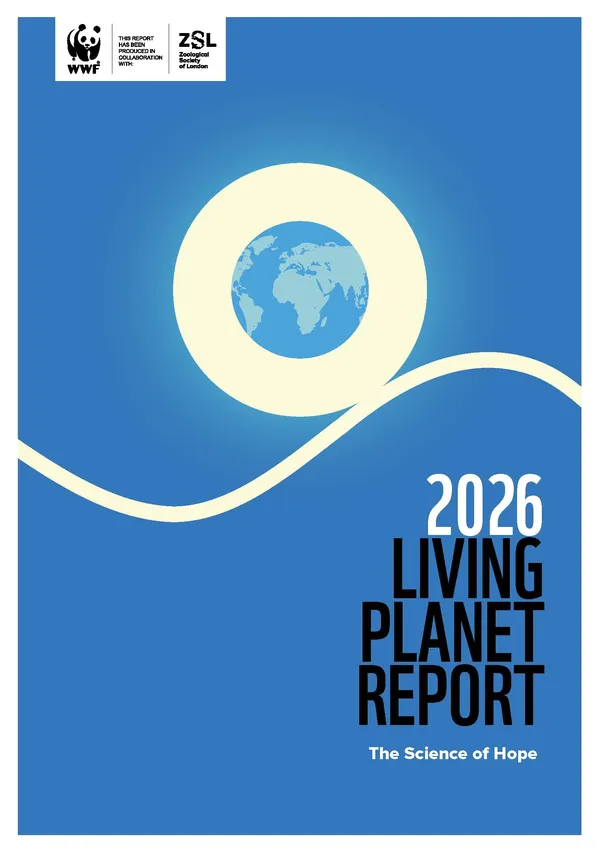
What’s the News?
The World Wide Fund for Nature (WWF) has released its Living Planet Report 2026, titled “The Science of Hope,” revealing a 73% average decline in monitored vertebrate wildlife population sizes between 1970 and 2022.
- The report highlights severe biodiversity loss driven by habitat degradation, overexploitation, climate change and pollution.
- It also identifies successful conservation efforts involving tigers, elephants, green sea turtles and bluefin tuna, demonstrating the potential for wildlife recovery.
Findings of the Report?
- Global Decline: 73% average reduction in monitored wildlife population sizes over 52 years.
- Ecosystem-wise Decline:
- Freshwater species: 85%
- Terrestrial species: 69%
- Marine species: 59%
- Region-wise Decline:
- Latin America and Caribbean: 95%
- Africa: 80%
- Asia-Pacific: 49%
- Positive Trends: Approximately 50% of monitored populations were stable (7%) or increasing (43%).
- Major Threats: Habitat loss, overexploitation, climate change, pollution, invasive species and diseases.
- Key Recommendation: Transform food, energy and financial systems to reverse biodiversity loss.
Living Planet Index (LPI)?
- Developed by: Zoological Society of London (ZSL).
- Purpose: Tracks trends in the relative abundance of monitored vertebrate wildlife populations worldwide.
- 2026 Dataset:
- 35,803 population trends.
- 5,790 vertebrate species.
- Covers mammals, birds, reptiles, amphibians and fish.
- Important: The 73% decline represents the average proportional change in monitored population sizes, not a 73% loss of all individual wild animals or species.
Additional Info
- Living Planet Report (LPR):
- Published biennially by WWF since 1998.
- The 2026 report is its 16th edition.
- World Wide Fund for Nature (WWF):
- Established: 1961.
- Headquarters: Gland, Switzerland.
- Focuses on biodiversity conservation and sustainable use of natural resources.
- India's Conservation Initiatives:
- Project Tiger (1973): Conservation of tigers and their habitats.
- Project Elephant (1992): Protection of elephants, habitats and corridors.
- Wildlife (Protection) Act, 1972: Legal framework for wildlife protection.
- Kunming-Montreal Global Biodiversity Framework (2022):
- Adopted under the Convention on Biological Diversity (CBD).
- Includes 23 targets for 2030, including conserving at least 30% of terrestrial, inland water, coastal and marine areas.
Sources
Anne Carson Wins 2026 Nobel Prize in Literature

What’s the News?
Canadian poet, essayist and translator Anne Carson (76) has been awarded the 2026 Nobel Prize in Literature by the Swedish Academy in Stockholm, Sweden.
- Award Citation: Recognised for her bold and inventive literary works that engage with classical traditions while creating new forms of contemporary literature.
- She became the 19th woman and second Canadian writer, after Alice Munro (2013), to receive the Literature Nobel.
- Prize Money: 12 million Swedish kronor (SEK).
About Anne Carson?
- Born: 1950, Toronto, Canada.
- Profession: Poet, essayist, classical scholar, translator and professor.
- Literary Style: Blends poetry, prose, essays and translations, drawing inspiration from ancient Greek and Roman literature.
- Notable Works:
- Eros the Bittersweet (1986): Explores desire in ancient Greek literature.
- Autobiography of Red (1998): A novel written in verse, inspired by Greek mythology.
- Men in the Off Hours (2000): Poetry and prose collection.
- The Beauty of the Husband (2001): A novel in verse.
- Nox (2010): An experimental work exploring grief and memory.
- Previous Honours:
- MacArthur Fellowship (2000).
- T. S. Eliot Prize (2001).
- Member of the Order of Canada (2005).
- Princess of Asturias Award for Literature (2020).
Additional Info
- Nobel Prize in Literature:
- First awarded in 1901.
- Awarded by the Swedish Academy, established in 1786.
- Recognises outstanding literary contributions in accordance with Alfred Nobel's will.
- Presented annually in Stockholm, Sweden.
- Previous Laureates:
- 2025: László Krasznahorkai (Hungary).
- 2024: Han Kang (South Korea).
- 2023: Jon Fosse (Norway).
- 2013: Alice Munro (Canada).
Sources
October 2026
Archive
October 2026
- 27 October 2026
- 26 October 2026
- 24 October 2026
- 23 October 2026
- 22 October 2026
- 21 October 2026
- 20 October 2026
- 19 October 2026
- 17 October 2026
- 16 October 2026
- 15 October 2026
- 14 October 2026
- 13 October 2026
- 12 October 2026
- 10 October 2026
- 09 October 2026
- 08 October 2026
- 07 October 2026
- 06 October 2026
- 05 October 2026
- 03 October 2026
- 02 October 2026
- 01 October 2026
September 2026
- 30 September 2026
- 29 September 2026
- 28 September 2026
- 26 September 2026
- 25 September 2026
- 24 September 2026
- 23 September 2026
- 22 September 2026
- 21 September 2026
- 19 September 2026
- 18 September 2026
- 17 September 2026
- 16 September 2026
- 15 September 2026
- 12 September 2026
- 11 September 2026
- 10 September 2026
- 09 September 2026
- 08 September 2026
- 07 September 2026
- 05 September 2026
- 04 September 2026
- 03 September 2026
- 02 September 2026
- 01 September 2026
August 2026
- 31 August 2026
- 29 August 2026
- 27 August 2026
- 26 August 2026
- 25 August 2026
- 24 August 2026
- 22 August 2026
- 21 August 2026
- 20 August 2026
- 19 August 2026
- 18 August 2026
- 17 August 2026
- 14 August 2026
- 13 August 2026
- 12 August 2026
- 11 August 2026
- 10 August 2026
- 08 August 2026
- 07 August 2026
- 06 August 2026
- 05 August 2026
- 04 August 2026
- 03 August 2026
- 01 August 2026
July 2026
- 31 July 2026
- 30 July 2026
- 29 July 2026
- 28 July 2026
- 27 July 2026
- 25 July 2026
- 23 July 2026
- 22 July 2026
- 21 July 2026
- 20 July 2026
- 18 July 2026
- 17 July 2026
- 15 July 2026
- 14 July 2026
- 13 July 2026
- 11 July 2026
- 10 July 2026
- 09 July 2026
- 08 July 2026
- 07 July 2026
- 06 July 2026
- 04 July 2026
- 03 July 2026
- 02 July 2026
- 01 July 2026
June 2026
May 2026
April 2026
March 2026
- 31 March 2026
- 30 March 2026
- 28 March 2026
- 27 March 2026
- 26 March 2026
- 25 March 2026
- 24 March 2026
- 23 March 2026
- 21 March 2026
- 20 March 2026
- 19 March 2026
- 18 March 2026
- 17 March 2026
- 16 March 2026
- 14 March 2026
- 13 March 2026
- 12 March 2026
- 11 March 2026
- 10 March 2026
- 09 March 2026
- 07 March 2026
- 06 March 2026
- 05 March 2026
- 03 March 2026
- 02 March 2026
February 2026
- 28 February 2026
- 27 February 2026
- 26 February 2026
- 25 February 2026
- 24 February 2026
- 23 February 2026
- 21 February 2026
- 20 February 2026
- 19 February 2026
- 18 February 2026
- 17 February 2026
- 16 February 2026
- 13 February 2026
- 12 February 2026
- 11 February 2026
- 10 February 2026
- 09 February 2026
- 07 February 2026
- 06 February 2026
- 05 February 2026
- 04 February 2026
- 03 February 2026
- 02 February 2026
January 2026
- 31 January 2026
- 30 January 2026
- 29 January 2026
- 28 January 2026
- 27 January 2026
- 26 January 2026
- 24 January 2026
- 23 January 2026
- 22 January 2026
- 21 January 2026
- 20 January 2026
- 19 January 2026
- 16 January 2026
- 15 January 2026
- 14 January 2026
- 13 January 2026
- 12 January 2026
- 10 January 2026
- 09 January 2026
- 08 January 2026
- 07 January 2026
- 06 January 2026
- 05 January 2026
- 03 January 2026
- 02 January 2026
- 01 January 2026
December 2025
- 31 December 2025
- 30 December 2025
- 29 December 2025
- 27 December 2025
- 26 December 2025
- 24 December 2025
- 23 December 2025
- 22 December 2025
- 20 December 2025
- 19 December 2025
- 18 December 2025
- 17 December 2025
- 16 December 2025
- 15 December 2025
- 13 December 2025
- 12 December 2025
- 11 December 2025
- 10 December 2025
- 09 December 2025
- 08 December 2025
- 05 December 2025
- 04 December 2025
- 03 December 2025
- 02 December 2025
November 2025
- 29 November 2025
- 28 November 2025
- 27 November 2025
- 26 November 2025
- 25 November 2025
- 24 November 2025
- 22 November 2025
- 21 November 2025
- 20 November 2025
- 19 November 2025
- 18 November 2025
- 17 November 2025
- 15 November 2025
- 14 November 2025
- 13 November 2025
- 12 November 2025
- 11 November 2025
- 10 November 2025
- 08 November 2025
- 07 November 2025
- 06 November 2025
- 05 November 2025
- 04 November 2025
- 03 November 2025
- 01 November 2025
October 2025
- 31 October 2025
- 30 October 2025
- 29 October 2025
- 28 October 2025
- 27 October 2025
- 25 October 2025
- 24 October 2025
- 23 October 2025
- 22 October 2025
- 21 October 2025
- 20 October 2025
- 18 October 2025
- 17 October 2025
- 16 October 2025
- 15 October 2025
- 14 October 2025
- 13 October 2025
- 11 October 2025
- 10 October 2025
- 09 October 2025
- 08 October 2025
- 07 October 2025
- 06 October 2025
- 04 October 2025
- 03 October 2025
- 02 October 2025
- 01 October 2025
September 2025
- 30 September 2025
- 29 September 2025
- 27 September 2025
- 26 September 2025
- 25 September 2025
- 24 September 2025
- 23 September 2025
- 22 September 2025
- 20 September 2025
- 19 September 2025
- 18 September 2025
- 17 September 2025
- 16 September 2025
- 15 September 2025
- 13 September 2025
- 12 September 2025
- 11 September 2025
- 10 September 2025
- 09 September 2025
- 08 September 2025
- 06 September 2025
- 05 September 2025
- 04 September 2025
- 03 September 2025
- 02 September 2025
- 01 September 2025
August 2025
- 30 August 2025
- 29 August 2025
- 28 August 2025
- 27 August 2025
- 26 August 2025
- 25 August 2025
- 23 August 2025
- 22 August 2025
- 21 August 2025
- 20 August 2025
- 19 August 2025
- 18 August 2025
- 16 August 2025
- 14 August 2025
- 13 August 2025
- 12 August 2025
- 11 August 2025
- 08 August 2025
- 07 August 2025
- 06 August 2025
- 05 August 2025
- 04 August 2025
- 02 August 2025
- 01 August 2025
July 2025
- 31 July 2025
- 30 July 2025
- 29 July 2025
- 28 July 2025
- 26 July 2025
- 25 July 2025
- 24 July 2025
- 23 July 2025
- 22 July 2025
- 21 July 2025
- 19 July 2025
- 18 July 2025
- 17 July 2025
- 16 July 2025
- 15 July 2025
- 12 July 2025
- 11 July 2025
- 10 July 2025
- 09 July 2025
- 07 July 2025
- 05 July 2025
- 04 July 2025
- 03 July 2025
- 02 July 2025
- 01 July 2025
June 2025
- 30 June 2025
- 28 June 2025
- 27 June 2025
- 26 June 2025
- 25 June 2025
- 24 June 2025
- 23 June 2025
- 21 June 2025
- 20 June 2025
- 19 June 2025
- 18 June 2025
- 17 June 2025
- 16 June 2025
- 14 June 2025
- 13 June 2025
- 12 June 2025
- 11 June 2025
- 10 June 2025
- 09 June 2025
- 07 June 2025
- 06 June 2025
- 05 June 2025
- 04 June 2025
- 03 June 2025
- 02 June 2025
May 2025
April 2025
- 30 April 2025
- 29 April 2025
- 28 April 2025
- 26 April 2025
- 25 April 2025
- 24 April 2025
- 23 April 2025
- 22 April 2025
- 21 April 2025
- 19 April 2025
- 18 April 2025
- 17 April 2025
- 16 April 2025
- 15 April 2025
- 14 April 2025
- 12 April 2025
- 11 April 2025
- 10 April 2025
- 09 April 2025
- 08 April 2025
- 07 April 2025
- 05 April 2025
- 04 April 2025
- 03 April 2025
- 02 April 2025
- 01 April 2025
March 2025
- 31 March 2025
- 29 March 2025
- 28 March 2025
- 27 March 2025
- 26 March 2025
- 25 March 2025
- 24 March 2025
- 22 March 2025
- 21 March 2025
- 20 March 2025
- 19 March 2025
- 18 March 2025
- 17 March 2025
- 15 March 2025
- 13 March 2025
- 12 March 2025
- 11 March 2025
- 10 March 2025
- 08 March 2025
- 07 March 2025
- 06 March 2025
- 05 March 2025
- 04 March 2025
- 03 March 2025
- 01 March 2025
February 2025
- 28 February 2025
- 27 February 2025
- 26 February 2025
- 25 February 2025
- 24 February 2025
- 22 February 2025
- 21 February 2025
- 20 February 2025
- 19 February 2025
- 18 February 2025
- 17 February 2025
- 15 February 2025
- 14 February 2025
- 13 February 2025
- 12 February 2025
- 11 February 2025
- 10 February 2025
- 08 February 2025
- 07 February 2025
- 06 February 2025
- 05 February 2025
- 04 February 2025
- 03 February 2025
- 01 February 2025
January 2025
- 31 January 2025
- 30 January 2025
- 29 January 2025
- 28 January 2025
- 27 January 2025
- 25 January 2025
- 24 January 2025
- 23 January 2025
- 22 January 2025
- 21 January 2025
- 20 January 2025
- 18 January 2025
- 17 January 2025
- 16 January 2025
- 15 January 2025
- 14 January 2025
- 13 January 2025
- 11 January 2025
- 10 January 2025
- 09 January 2025
- 08 January 2025
- 07 January 2025
- 06 January 2025
- 04 January 2025
- 03 January 2025
- 02 January 2025
- 01 January 2025