
Current Affairs
Stay updated with the latest national and international events.
08 July 2026
Four States Settle Narmada Project Payment Dispute
What’s the News?
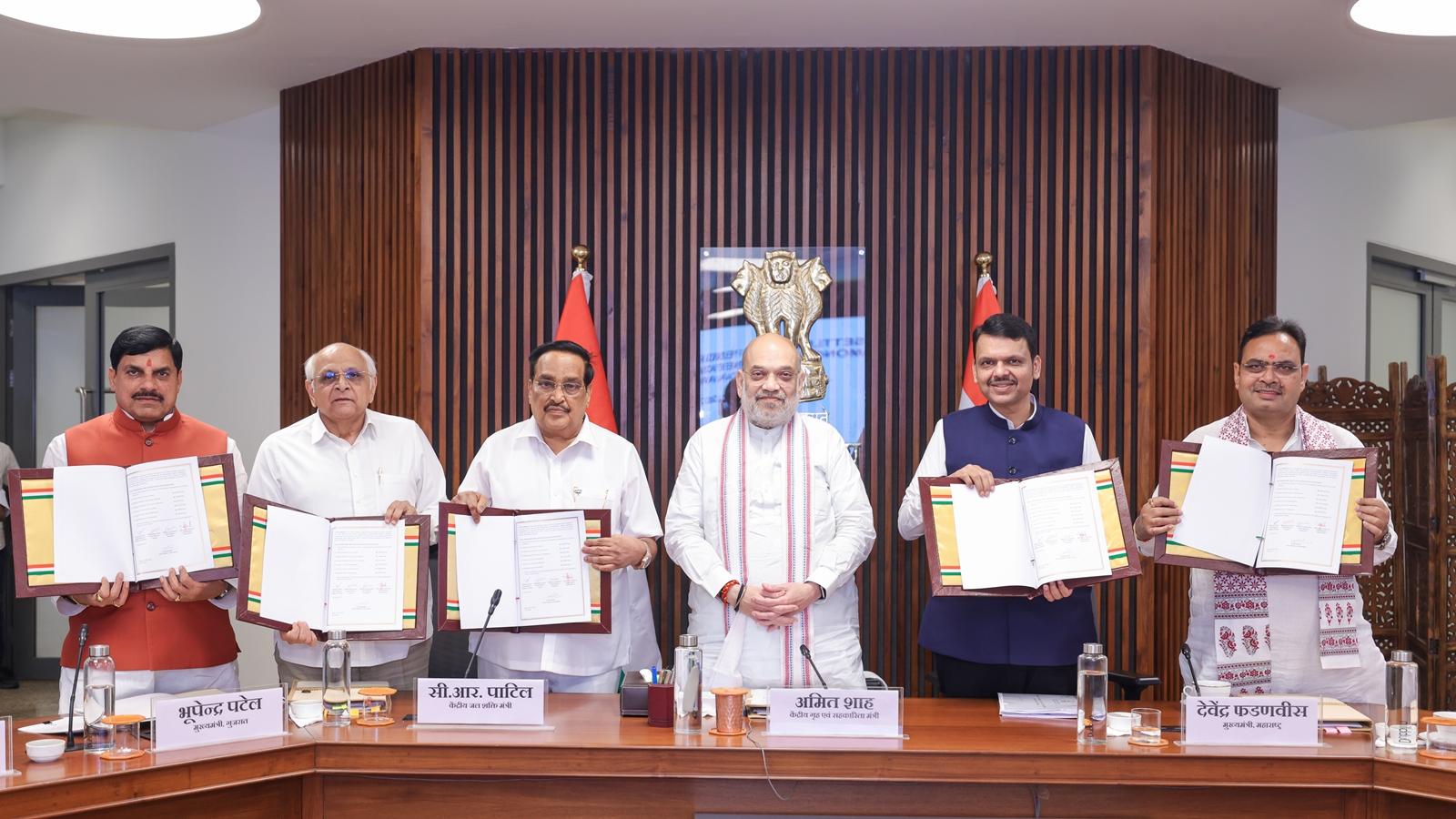
Madhya Pradesh, Gujarat, Rajasthan and Maharashtra signed an agreement in New Delhi to settle long-pending payment disputes linked to Narmada Award projects. The pact resolves issues related to cost-sharing for the Sardar Sarovar Project, pending dues, rehabilitation expenditure, compensation for submerged land, and interest burden on construction borrowings. The agreement was signed in the presence of Union Home Minister Amit Shah and Union Jal Shakti Minister C. R. Patil.
Narmada Payment Pact
- The pact covers beneficiary states under the Narmada Water Disputes Tribunal Award.
- It provides a one-time settlement mechanism for pending dues among the states.
- Major issues resolved:
- Cost-sharing for Sardar Sarovar Project.
- Issues linked to Indira Sagar Project.
- Resettlement & Rehabilitation expenditure.
- Compensation for submerged land.
- Interest on borrowings during project construction.
- Maharashtra CM Devendra Fadnavis stated that claims of around ₹2,000–₹3,000 crore against Maharashtra were waived, while the state would pay ₹27 crore.
Narmada Water Disputes Tribunal
- Constituted under the Inter-State Water Disputes Act, 1956.
- Set up to adjudicate disputes over sharing of Narmada waters and related project obligations.
- The Award allocated the utilisable waters of the Narmada among:
- Madhya Pradesh
- Gujarat
- Rajasthan
- Maharashtra
- It also determined shares in power generated from the Navagam Canal Head Power House and River Bed Power House.
Additional Info
- Narmada River
- Major west-flowing river of India.
- Flows through central and western India.
- Drains into the Arabian Sea.
- Associated with major multipurpose projects for irrigation, drinking water and hydropower.
- Sardar Sarovar Project
- Located on the Narmada River in Gujarat.
- Multipurpose project involving irrigation, drinking water supply and hydropower.
- Beneficiary states include Gujarat, Madhya Pradesh, Rajasthan and Maharashtra.
- Indira Sagar Project
- Located on the Narmada River in Madhya Pradesh.
- Important reservoir and hydropower project.
- Linked with inter-state cost-sharing and rehabilitation obligations.
- Constitutional Link
- Article 262: Parliament may provide for adjudication of inter-state river water disputes.
- Parliament may also exclude jurisdiction of the Supreme Court or other courts in such disputes.
- Inter-State Water Disputes Act, 1956 operationalises this constitutional provision.
Sources
Delhi Launches 70-Lakh Tree Plantation Drive
What’s the News?
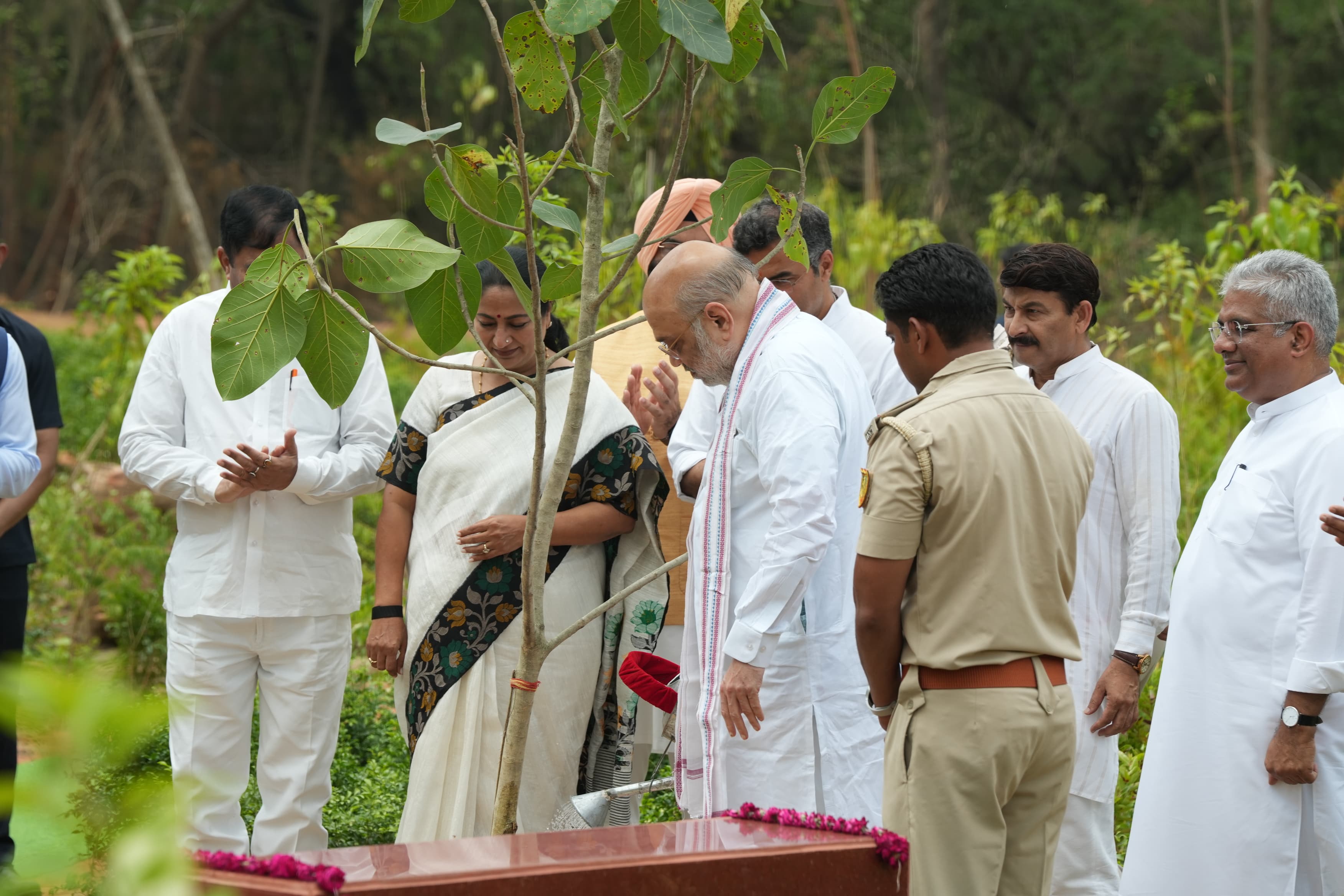
Union Home Minister Amit Shah and Delhi Chief Minister Rekha Gupta launched Mission 70 Lakh Tree Plantation Campaign in Delhi under the Ek Ped Maa Ke Naam initiative. The campaign is linked with Delhi’s broader green agenda, including Ridge forest restoration, native species plantation, Yamuna pollution control, electric mobility expansion, and urban ecological rejuvenation.
Mission 70 Lakh Tree Plantation Campaign
- Aim: Plant over 70 lakh saplings across Delhi.
- Part of Delhi’s Green Action Plan 2026–27.
- Focus areas:
- Open land
- Parks
- Roadside stretches
- Forest areas
- Urban public spaces
- Citizen participation is planned through the Green Drive Portal.
- Around 12 lakh saplings are to be distributed free of cost.
- Saplings will be geo-tagged and digitally monitored to improve survival rates.
Delhi Ridge Rejuvenation Plan
- Delhi government has prepared an Eco-restoration Plan 2026–2030 for Ridge forests.
- Target: Restore nearly 6,300 hectares of Ridge forest.
- Plantation goal: Over 1 crore native trees over four years, along with shrubs, bamboo and climbers.
- Key ecological actions:
- Removal of invasive species such as babul/kikar/Vilayati Keekar.
- Replacement with native species such as:
- Peepal
- Banyan
- Neem
- Arjun
- Jamun
- Nearly 5,000 hectares of Ridge land have been brought under legal forest protection.
- More than 70 water bodies/ponds are planned or proposed for revival and development.
Green Drive Portal
- Technology platform for public participation in plantation.
- Functions:
- Register for plantation activities.
- Reserve plantation slots.
- Locate government nurseries.
- Request sapling delivery through Vriksh Rath.
- Useful for improving transparency, monitoring and citizen engagement in urban afforestation.
Yamuna & Clean Mobility Link
- The campaign is part of a wider environmental package for Delhi.
- The government plans cooperation with the National Dairy Development Board to process cattle dung into:
- Biogas
- Organic manure
- This aims to reduce waste flow into the Yamuna.
- Delhi also flagged off 300 electric buses and inaugurated electric bus depots to support clean transport.
- Delhi’s public bus fleet includes thousands of electric buses, with targets to expand e-bus deployment further.
Additional Info
- Delhi Ridge
- Northern extension of the Aravalli hill system.
- Acts as Delhi’s major ecological buffer and “green lung”.
- Commonly divided into:
- Northern Ridge
- Central Ridge
- South-Central Ridge
- Southern Ridge
- Reserved Forest
- A legally protected forest category under Indian forest law.
- Activities such as grazing, cutting trees or collecting forest produce are restricted unless permitted.
- Vilayati Keekar
- Common name: Prosopis juliflora.
- Invasive alien species.
- Often spreads rapidly in dry regions and can suppress native biodiversity.
- Ek Ped Maa Ke Naam
- A plantation campaign encouraging citizens to plant a tree in honour of their mother.
- Relevant for topics such as:
- Urban forestry
- Climate action
- Citizen participation
- Environmental governance
Sources
Aizawl Natural History Museum Becomes India’s 21st Repository
What’s the News?
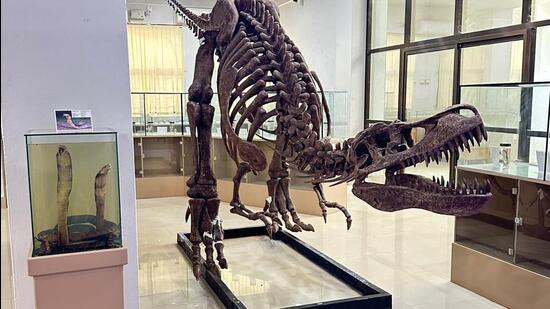
The Natural History Museum at Mizoram University, Aizawl has been notified as India’s 21st Designated Repository under the Biological Diversity Act, 2002. The notification was issued by the Ministry of Environment, Forest and Climate Change on the recommendation of the National Biodiversity Authority. The museum will preserve authenticated biological specimens from Mizoram and the North-East, strengthening India’s biodiversity documentation and research infrastructure.
Designated Repository
- A Designated Repository is an institution notified by the Central Government to keep biological material in safe custody.
- It maintains:
- Voucher specimens: Reference biological samples used for identification and verification.
- Type specimens: Original reference specimens used to describe and name a new species.
- Authenticated biological resources used in research and conservation.
- It acts as a legal registry for biological material used in scientific research and commercial activity.
- It supports:
- Species identification
- Traceability of biological resources
- Taxonomic research
- Long-term conservation planning
Natural History Museum, Aizawl
- Located at Mizoram University, Aizawl.
- Established under the aegis of Mizoram University.
- Situated within the Indo-Burma Biodiversity Hotspot.
- Already preserves 500+ biological specimens, including herbarium sheets and wet-preserved collections.
- It will maintain specimens of:
- Flora: Pteridophytes, macrofungi
- Fauna: Reptiles, amphibians, fishes, moths, beetles and butterflies
- It will also serve as a depository for newly discovered species from the region.
Biodiversity Significance
- Mizoram and the wider North-East region are biodiversity-rich areas.
- The region has:
- 7,500+ flowering plant species
- 2,000+ faunal species
- The museum fills an institutional gap in documenting lesser-studied taxa such as:
- Pteridophytes
- Macrofungi
- Moths
- Beetles
- Amphibians
- It strengthens local preservation of specimens close to their natural habitat.
Additional Info
- Biological Diversity Act, 2002
- Provides the legal framework for biodiversity conservation in India.
- Focuses on:
- Conservation of biological diversity
- Sustainable use of biological resources
- Fair and equitable benefit sharing
- Section 39 of the Act
- Empowers the Central Government to designate institutions as repositories.
- Requires deposit of voucher/type specimens of newly discovered taxa.
- National Biodiversity Authority
- Statutory body under the Ministry of Environment, Forest and Climate Change.
- Implements provisions related to access, benefit sharing and biodiversity governance.
- Three-Tier Biodiversity Governance
- National Biodiversity Authority: National level
- State Biodiversity Boards / UT Biodiversity Councils: State or UT level
- Biodiversity Management Committees: Local level
- Indo-Burma Biodiversity Hotspot
- One of the major global biodiversity hotspots.
- Includes parts of North-East India and South-East Asia.
- Known for high endemism and habitat diversity.
Sources
TribeX Launched for Tribal Knowledge and Digital Learning

What’s the News?
The Ministry of Tribal Affairs launched TribeX, a digital learning platform for preserving and promoting India’s tribal arts, languages, culture, crafts and traditional knowledge. It was launched by Union Tribal Affairs Minister Jual Oram during the National Workshop on Strengthening Tribal Research Institutes in Bhubaneswar, Odisha.
TribeX Platform
- A digital learning ecosystem for tribal heritage and skill development.
- Objective: Make authentic tribal knowledge accessible to learners in India and abroad.
- Key components:
- Learning Management System for online courses.
- Repository Management System for digital documentation.
- Heritage Archive for tribal festivals, oral traditions, art forms and socio-cultural practices.
- Current offerings:
- 20 free certificate courses.
- Courses cover tribal paintings, handicrafts, handloom traditions, artefacts and musical instruments.
- Planned expansion:
- More than 100 certificate courses.
- Repository expansion from 5,000+ multimedia resources to 10,000+ resources.
Academic & Institutional Linkages
- The Ministry of Tribal Affairs signed an MoU with Sampurnanand Sanskrit University, Varanasi.
- The partnership will support UGC-recognised postgraduate diploma programmes.
- Proposed one-year hybrid PG diploma areas:
- Santali language in Ol Chiki script
- Sustainable tribal culture-based livelihood practices
- Museology and tribal museum management
- Tribal arts and crafts
- Tribal textiles
- The courses will include classroom learning, internships and dissertation work.
Tribal Research Institutes
- TRIs are specialised institutions for research and documentation of tribal communities.
- Major functions:
- Study tribal customs, languages, livelihoods and social institutions.
- Preserve indigenous knowledge and oral traditions.
- Support policy-making for tribal welfare.
- Document tribal art, culture and heritage.
- TribeX is expected to help TRIs digitise and disseminate their research outputs.
Additional Info
- Ministry of Tribal Affairs
- Nodal ministry for welfare and development of Scheduled Tribes.
- Implements schemes related to education, livelihood, health, culture and institutional support for tribal communities.
- Scheduled Tribes
- Covered under Article 342 of the Constitution.
- The President may specify tribes or tribal communities as Scheduled Tribes for a state or Union Territory.
- Parliament can amend the list by law.
- Ol Chiki Script
- Script used for writing the Santali language.
- Santali is included in the Eighth Schedule of the Constitution.
Sources
India Emerges as World’s Largest Retail & FMCG GCC Hub

What’s the News?
India has emerged as the world’s largest hub for Retail and FMCG Global Capability Centres, with 180 GCCs employing about 2.72 lakh professionals. The development reflects India’s growing role in global business operations, AI adoption, technology services, supply-chain management and customer-experience functions.
Retail & FMCG GCC Hub
- India hosts 180 retail and FMCG GCCs.
- These centres employ around 2,72,300 professionals.
- India’s retail GCC market is reported to be 34% larger than the combined retail GCC markets of Poland, the Philippines, Mexico, Germany and Egypt.
- Major companies operating retail/FMCG GCCs in India include:
- Lowe’s
- Tesco
- H&M
- Walmart Global Tech
- Target
- L’Oréal
- AB InBev
Major Indian GCC Locations
- Bengaluru
- Largest retail GCC hub.
- Around 84,000 professionals.
- Accounts for a major share of retail GCC AI talent.
- Delhi NCR
- Over 66,000 professionals.
- Hyderabad
- Around 45,000 professionals.
- Emerging as an important secondary AI and retail GCC hub.
- Other locations include Mumbai, Pune, Mangaluru and select Tier-II/Tier-III cities.
AI and Hiring Trends
- AI penetration in India’s retail GCC workforce is reported at 5–7%.
- AI workforce penetration rose from 2.1% in 2022 to 4.8% in 2025.
- It is projected to reach 7.2% by 2026.
- Hiring demand across retail GCCs nearly doubled between 2024 and 2025.
- More than 52,000 job opportunities were generated in the sector.
- India has only about 320 professionals with more than eight years of AI experience across retail GCCs, indicating a shortage of senior AI talent.
Workforce Structure
- Technology, customer success and supply-chain roles account for nearly 60% of the retail GCC workforce.
- These functions are expected to generate more than 80% of hiring demand by 2028.
- Technology and engineering role demand is projected to rise from around 25,100 positions to 41,000 positions by 2028.
- AI and ML professionals with 3–6 years of experience command a median annual salary of around ₹46 lakh.
Additional Info
- Global Capability Centres
- Also called captive centres or offshore development centres.
- Set up by multinational companies to perform global business functions from India.
- Key functions:
- Technology and software development
- Data analytics
- Finance and accounting
- Supply-chain management
- Customer experience
- AI and automation
- FMCG
- Stands for Fast-Moving Consumer Goods.
- Includes frequently purchased goods such as packaged food, beverages, toiletries, household products and personal-care items.
- Why India is preferred
- Large skilled workforce.
- Strong technology and digital talent base.
- Lower infrastructure and operating costs.
- Expanding AI, analytics and engineering ecosystem.
- Government support and business-friendly policies.
Sources
FDA Approves Vepdegestrant, First PROTAC Cancer Drug

What’s the News?
The U.S. Food and Drug Administration has approved vepdegestrant, sold under the brand name Veppanu, for adults with ER-positive, HER2-negative, ESR1-mutated advanced or metastatic breast cancer. It is significant because it is the first FDA-approved PROTAC drug, marking a shift from conventional protein inhibition to targeted protein degradation.
Vepdegestrant?
- Drug name: Vepdegestrant
- Brand name: Veppanu
- Developers: Arvinas Operations, Inc. and Pfizer Inc.
- Drug class: Oral heterobifunctional protein degrader / PROTAC therapy
- Approved for:
- Adults with estrogen receptor-positive breast cancer.
- HER2-negative breast cancer.
- ESR1-mutated advanced or metastatic breast cancer.
- Disease progression after at least one line of endocrine therapy.
- Companion diagnostic: Guardant360 CDx test to detect ESR1 mutations and identify eligible patients.
PROTAC Technology
- PROTAC stands for Proteolysis Targeting Chimera.
- It is a targeted protein degradation technology.
- Traditional drugs often work by blocking disease-causing proteins.
- PROTAC drugs work by tagging target proteins for destruction through the cell’s own protein-disposal system.
- This approach may help target proteins considered difficult to treat by conventional small-molecule inhibitors.
Clinical Trial Findings
- Approval was based on the Phase 3 VERITAC-2 trial.
- Trial design:
- Randomised, open-label, active-controlled, multicentre trial.
- Included 624 adults with ER-positive, HER2-negative advanced or metastatic breast cancer.
- 270 patients had tumours carrying ESR1 mutations.
- In ESR1-mutated patients:
- Median progression-free survival with vepdegestrant: 5 months.
- Median progression-free survival with fulvestrant: 2.1 months.
- Objective response rate with vepdegestrant: 19%.
- Objective response rate with fulvestrant: 4%.
Dose and Safety
- Recommended dose: 200 mg orally once daily with food.
- Continued until:
- Disease progression, or
- Unacceptable toxicity.
- Key warnings:
- QTc interval prolongation.
- Embryo-fetal toxicity.
Additional Info
- ER-positive breast cancer
- Cancer cells grow in response to estrogen.
- Endocrine therapy is commonly used to block hormone-driven growth.
- HER2-negative breast cancer
- Cancer cells do not overexpress the HER2 protein.
- Treatment differs from HER2-positive breast cancers, where HER2-targeted drugs are used.
- ESR1 mutation
- Mutation in the gene coding for estrogen receptor alpha.
- Often associated with resistance to endocrine therapy.
- Important for precision oncology and targeted treatment selection.
- Fulvestrant
- Existing endocrine therapy used in advanced breast cancer.
- Given as an intramuscular injection.
- Used as the comparator in the VERITAC-2 trial.
- Precision Medicine
- Treatment is selected based on molecular markers such as gene mutations.
- Companion diagnostics help identify patients likely to benefit from a therapy.
Sources
July 2026
Archive
October 2026
- 28 October 2026
- 27 October 2026
- 26 October 2026
- 24 October 2026
- 23 October 2026
- 22 October 2026
- 21 October 2026
- 20 October 2026
- 19 October 2026
- 17 October 2026
- 16 October 2026
- 15 October 2026
- 14 October 2026
- 13 October 2026
- 12 October 2026
- 10 October 2026
- 09 October 2026
- 08 October 2026
- 07 October 2026
- 06 October 2026
- 05 October 2026
- 03 October 2026
- 02 October 2026
- 01 October 2026
September 2026
- 30 September 2026
- 29 September 2026
- 28 September 2026
- 26 September 2026
- 25 September 2026
- 24 September 2026
- 23 September 2026
- 22 September 2026
- 21 September 2026
- 19 September 2026
- 18 September 2026
- 17 September 2026
- 16 September 2026
- 15 September 2026
- 12 September 2026
- 11 September 2026
- 10 September 2026
- 09 September 2026
- 08 September 2026
- 07 September 2026
- 05 September 2026
- 04 September 2026
- 03 September 2026
- 02 September 2026
- 01 September 2026
August 2026
- 31 August 2026
- 29 August 2026
- 27 August 2026
- 26 August 2026
- 25 August 2026
- 24 August 2026
- 22 August 2026
- 21 August 2026
- 20 August 2026
- 19 August 2026
- 18 August 2026
- 17 August 2026
- 14 August 2026
- 13 August 2026
- 12 August 2026
- 11 August 2026
- 10 August 2026
- 08 August 2026
- 07 August 2026
- 06 August 2026
- 05 August 2026
- 04 August 2026
- 03 August 2026
- 01 August 2026
July 2026
- 31 July 2026
- 30 July 2026
- 29 July 2026
- 28 July 2026
- 27 July 2026
- 25 July 2026
- 23 July 2026
- 22 July 2026
- 21 July 2026
- 20 July 2026
- 18 July 2026
- 17 July 2026
- 15 July 2026
- 14 July 2026
- 13 July 2026
- 11 July 2026
- 10 July 2026
- 09 July 2026
- 08 July 2026
- 07 July 2026
- 06 July 2026
- 04 July 2026
- 03 July 2026
- 02 July 2026
- 01 July 2026
June 2026
May 2026
April 2026
March 2026
- 31 March 2026
- 30 March 2026
- 28 March 2026
- 27 March 2026
- 26 March 2026
- 25 March 2026
- 24 March 2026
- 23 March 2026
- 21 March 2026
- 20 March 2026
- 19 March 2026
- 18 March 2026
- 17 March 2026
- 16 March 2026
- 14 March 2026
- 13 March 2026
- 12 March 2026
- 11 March 2026
- 10 March 2026
- 09 March 2026
- 07 March 2026
- 06 March 2026
- 05 March 2026
- 03 March 2026
- 02 March 2026
February 2026
- 28 February 2026
- 27 February 2026
- 26 February 2026
- 25 February 2026
- 24 February 2026
- 23 February 2026
- 21 February 2026
- 20 February 2026
- 19 February 2026
- 18 February 2026
- 17 February 2026
- 16 February 2026
- 13 February 2026
- 12 February 2026
- 11 February 2026
- 10 February 2026
- 09 February 2026
- 07 February 2026
- 06 February 2026
- 05 February 2026
- 04 February 2026
- 03 February 2026
- 02 February 2026
January 2026
- 31 January 2026
- 30 January 2026
- 29 January 2026
- 28 January 2026
- 27 January 2026
- 26 January 2026
- 24 January 2026
- 23 January 2026
- 22 January 2026
- 21 January 2026
- 20 January 2026
- 19 January 2026
- 16 January 2026
- 15 January 2026
- 14 January 2026
- 13 January 2026
- 12 January 2026
- 10 January 2026
- 09 January 2026
- 08 January 2026
- 07 January 2026
- 06 January 2026
- 05 January 2026
- 03 January 2026
- 02 January 2026
- 01 January 2026
December 2025
- 31 December 2025
- 30 December 2025
- 29 December 2025
- 27 December 2025
- 26 December 2025
- 24 December 2025
- 23 December 2025
- 22 December 2025
- 20 December 2025
- 19 December 2025
- 18 December 2025
- 17 December 2025
- 16 December 2025
- 15 December 2025
- 13 December 2025
- 12 December 2025
- 11 December 2025
- 10 December 2025
- 09 December 2025
- 08 December 2025
- 05 December 2025
- 04 December 2025
- 03 December 2025
- 02 December 2025
November 2025
- 29 November 2025
- 28 November 2025
- 27 November 2025
- 26 November 2025
- 25 November 2025
- 24 November 2025
- 22 November 2025
- 21 November 2025
- 20 November 2025
- 19 November 2025
- 18 November 2025
- 17 November 2025
- 15 November 2025
- 14 November 2025
- 13 November 2025
- 12 November 2025
- 11 November 2025
- 10 November 2025
- 08 November 2025
- 07 November 2025
- 06 November 2025
- 05 November 2025
- 04 November 2025
- 03 November 2025
- 01 November 2025
October 2025
- 31 October 2025
- 30 October 2025
- 29 October 2025
- 28 October 2025
- 27 October 2025
- 25 October 2025
- 24 October 2025
- 23 October 2025
- 22 October 2025
- 21 October 2025
- 20 October 2025
- 18 October 2025
- 17 October 2025
- 16 October 2025
- 15 October 2025
- 14 October 2025
- 13 October 2025
- 11 October 2025
- 10 October 2025
- 09 October 2025
- 08 October 2025
- 07 October 2025
- 06 October 2025
- 04 October 2025
- 03 October 2025
- 02 October 2025
- 01 October 2025
September 2025
- 30 September 2025
- 29 September 2025
- 27 September 2025
- 26 September 2025
- 25 September 2025
- 24 September 2025
- 23 September 2025
- 22 September 2025
- 20 September 2025
- 19 September 2025
- 18 September 2025
- 17 September 2025
- 16 September 2025
- 15 September 2025
- 13 September 2025
- 12 September 2025
- 11 September 2025
- 10 September 2025
- 09 September 2025
- 08 September 2025
- 06 September 2025
- 05 September 2025
- 04 September 2025
- 03 September 2025
- 02 September 2025
- 01 September 2025
August 2025
- 30 August 2025
- 29 August 2025
- 28 August 2025
- 27 August 2025
- 26 August 2025
- 25 August 2025
- 23 August 2025
- 22 August 2025
- 21 August 2025
- 20 August 2025
- 19 August 2025
- 18 August 2025
- 16 August 2025
- 14 August 2025
- 13 August 2025
- 12 August 2025
- 11 August 2025
- 08 August 2025
- 07 August 2025
- 06 August 2025
- 05 August 2025
- 04 August 2025
- 02 August 2025
- 01 August 2025
July 2025
- 31 July 2025
- 30 July 2025
- 29 July 2025
- 28 July 2025
- 26 July 2025
- 25 July 2025
- 24 July 2025
- 23 July 2025
- 22 July 2025
- 21 July 2025
- 19 July 2025
- 18 July 2025
- 17 July 2025
- 16 July 2025
- 15 July 2025
- 12 July 2025
- 11 July 2025
- 10 July 2025
- 09 July 2025
- 07 July 2025
- 05 July 2025
- 04 July 2025
- 03 July 2025
- 02 July 2025
- 01 July 2025
June 2025
- 30 June 2025
- 28 June 2025
- 27 June 2025
- 26 June 2025
- 25 June 2025
- 24 June 2025
- 23 June 2025
- 21 June 2025
- 20 June 2025
- 19 June 2025
- 18 June 2025
- 17 June 2025
- 16 June 2025
- 14 June 2025
- 13 June 2025
- 12 June 2025
- 11 June 2025
- 10 June 2025
- 09 June 2025
- 07 June 2025
- 06 June 2025
- 05 June 2025
- 04 June 2025
- 03 June 2025
- 02 June 2025
May 2025
April 2025
- 30 April 2025
- 29 April 2025
- 28 April 2025
- 26 April 2025
- 25 April 2025
- 24 April 2025
- 23 April 2025
- 22 April 2025
- 21 April 2025
- 19 April 2025
- 18 April 2025
- 17 April 2025
- 16 April 2025
- 15 April 2025
- 14 April 2025
- 12 April 2025
- 11 April 2025
- 10 April 2025
- 09 April 2025
- 08 April 2025
- 07 April 2025
- 05 April 2025
- 04 April 2025
- 03 April 2025
- 02 April 2025
- 01 April 2025
March 2025
- 31 March 2025
- 29 March 2025
- 28 March 2025
- 27 March 2025
- 26 March 2025
- 25 March 2025
- 24 March 2025
- 22 March 2025
- 21 March 2025
- 20 March 2025
- 19 March 2025
- 18 March 2025
- 17 March 2025
- 15 March 2025
- 13 March 2025
- 12 March 2025
- 11 March 2025
- 10 March 2025
- 08 March 2025
- 07 March 2025
- 06 March 2025
- 05 March 2025
- 04 March 2025
- 03 March 2025
- 01 March 2025
February 2025
- 28 February 2025
- 27 February 2025
- 26 February 2025
- 25 February 2025
- 24 February 2025
- 22 February 2025
- 21 February 2025
- 20 February 2025
- 19 February 2025
- 18 February 2025
- 17 February 2025
- 15 February 2025
- 14 February 2025
- 13 February 2025
- 12 February 2025
- 11 February 2025
- 10 February 2025
- 08 February 2025
- 07 February 2025
- 06 February 2025
- 05 February 2025
- 04 February 2025
- 03 February 2025
- 01 February 2025
January 2025
- 31 January 2025
- 30 January 2025
- 29 January 2025
- 28 January 2025
- 27 January 2025
- 25 January 2025
- 24 January 2025
- 23 January 2025
- 22 January 2025
- 21 January 2025
- 20 January 2025
- 18 January 2025
- 17 January 2025
- 16 January 2025
- 15 January 2025
- 14 January 2025
- 13 January 2025
- 11 January 2025
- 10 January 2025
- 09 January 2025
- 08 January 2025
- 07 January 2025
- 06 January 2025
- 04 January 2025
- 03 January 2025
- 02 January 2025
- 01 January 2025